New Mexico Warm Water Fish Bag Limits
Trying to keep up with all the different fishing regulations in New Mexico can feel like a full-time job, especially when you're just trying to enjoy a peaceful day on the water. It's frustrating to think you're doing everything right, only to realize there's a specific limit for a certain lake or species that you completely missed. This guide is here to untangle the complexities of New Mexico's warm water fish bag limits, ensuring you can fish confidently and legally.
Understanding New Mexico's General Warm Water Fish Regulations
New Mexico is a vast state with incredibly diverse fisheries, from the high mountain lakes that hold trout to the sprawling low-desert reservoirs teeming with warm water species. Because of this variety, the rules aren't always a simple, one-size-fits-all approach, which can certainly make things confusing. Before we dive into the specifics of each species, it's crucial to grasp the overarching principles that govern these regulations.
Why Bag Limits Exist: Conservation and Sustainability
At the heart of every bag limit and possession limit is a commitment to conservation. Fisheries departments, like the New Mexico Department of Game and Fish (NMDGF), don't just pull these numbers out of thin air. They employ biologists who conduct extensive research on fish populations, spawning success, natural mortality rates, and angler harvest pressure. These limits are carefully calculated to ensure that fish populations remain healthy and sustainable for future generations of anglers. Imagine if there were no limits on popular species like largemouth bass; it wouldn't take long for even the most robust lakes to become depleted, ruining the fishing for everyone. It's about finding that delicate balance between providing recreational opportunities and protecting the resource.
General Statewide Rules for Warm Water Species
While specific lakes or rivers might have their own unique carve-outs, there are general statewide rules that provide a baseline for most warm water species. Typically, these apply to waters that aren't designated as "Special Trout Waters" or don't have particular lake-specific rules. For example, common panfish like bluegill and sunfish often have very generous statewide limits, reflecting their prolific breeding habits and abundance. Game fish like bass and catfish, however, usually have more restrictive statewide limits, acknowledging their slower growth rates and popularity among anglers. It’s always best to assume the statewide rule applies unless you’ve specifically verified a local exception.
The Importance of the Annual Proclamation
Every single year, the New Mexico Department of Game and Fish publishes a new "Fishing and Hunting Rules and Information" booklet, often referred to as the annual proclamation. This isn't just a suggestion box; it's the definitive legal document that outlines all current New Mexico Fishing Regulations Overview for the fishing season. Ignoring this document is like driving without knowing the speed limit—you're bound to run into trouble. It's especially critical for warm water fish because changes can occur based on drought conditions, fish stockings, or biological assessments. Always make it a habit to check the latest proclamation, which you can usually find online or pick up a physical copy from license vendors or NMDGF offices. A quick online search or even downloading the PDF to your phone can save you a lot of headaches, and a waterproof holder for that document, easily found on Amazon, can be a game-changer when you’re out on the water.
Specific Bag Limits for Popular Warm Water Game Fish
Now that we've covered the general philosophy, let's get down to the brass tacks: what are the actual numbers for the fish you're most likely to encounter in New Mexico's warm waters? These are the species that get a lot of attention from anglers, and for good reason—they're fun to catch and often delicious to eat!
Bass Species: Largemouth, Smallmouth, and Spotted Bass
New Mexico boasts some fantastic bass fishing, particularly in its larger reservoirs. Anglers flock to lakes like Elephant Butte, Navajo Lake, and Conchas Lake for the chance to hook into a chunky largemouth or a hard-fighting smallmouth.
The statewide general bag limit for bass species (Largemouth, Smallmouth, and Spotted Bass) is typically a combined total of 5 fish per day, with a possession limit of 10 fish. However, and this is where it gets tricky, many individual lakes have special regulations that supersede this statewide rule. For instance, some lakes might have a slot limit, meaning you can only keep fish within a certain size range, or perhaps only one fish over a certain length. This is often implemented to protect trophy-sized fish or to encourage the harvest of smaller, more abundant fish. Always check the specific regulations for the lake you are fishing, especially if you're targeting areas known for Best New Mexico Lakes for Bass. Missing a specific lake regulation could lead to an unfortunate citation, which nobody wants after a great day of fishing.
Catfish: Channel and Flathead Considerations
Catfish are another incredibly popular warm water species in New Mexico, renowned for their fighting ability and excellent table fare. You'll find channel catfish in almost every major warm water impoundment and many rivers, while flatheads tend to prefer larger, slower-moving river sections and big reservoirs. The statewide general bag limit for Channel Catfish is usually quite generous, often set at 25 fish per day, with a possession limit of 50 fish. Flathead Catfish, on the other hand, typically have a much more restrictive limit, often 1 fish per day, with a possession limit of 2 fish, and sometimes even a minimum size limit to protect these slow-growing giants. The reason for this disparity is rooted in their life histories; channel catfish reproduce rapidly and in large numbers, while flatheads grow much slower and don't reach maturity as quickly. This is a perfect example of how bag limits are tailored to the biology of the fish species.
Crappie and Panfish: Bluegill, Sunfish, and Perch
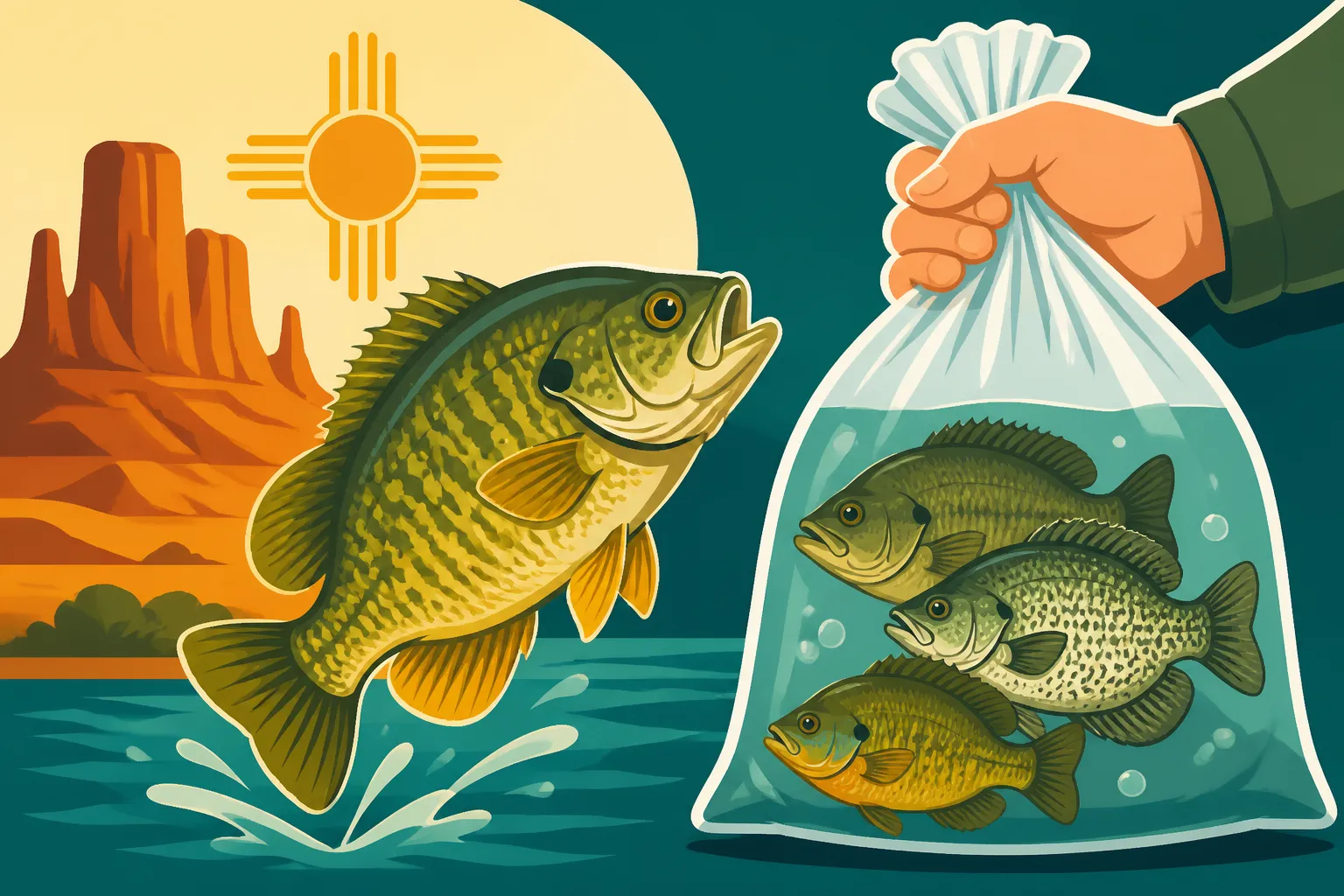
When it comes to easy-to-catch, fun-for-the-whole-family fishing, crappie, bluegill, sunfish, and perch are at the top of the list. These panfish are abundant in many New Mexico lakes and provide endless entertainment, especially for kids. Their bag limits generally reflect their high reproductive rates and often smaller average size. The statewide general bag limit for Crappie (both white and black crappie) is typically 20 fish per day, with a possession limit of 40 fish. For other panfish like bluegill, sunfish (including green sunfish and redear sunfish), and yellow perch, the statewide limit is even more liberal, often 50 fish per day, with a possession limit of 100 fish combined. These generous limits mean you can often bring home a fantastic meal after a successful outing, and it’s a great way to introduce new anglers to the joys of harvesting their catch.
Special Considerations: Tiger Muskie, Walleye, and Other Species
Beyond the most common warm water species, New Mexico also offers opportunities to target some unique and specialized fish. These species often come with their own distinct rules, reflecting their specific management goals, whether it's protecting a trophy fishery or managing an introduced population.
Tiger Muskie: The Trophy Fish with Strict Limits
The Tiger Muskie is a hybrid cross between a muskellunge and a northern pike, stocked in a select few New Mexico lakes, most notably Bluewater Lake. These are apex predators, known for their immense size and incredible fighting spirit, making them a true trophy fish. Because they are managed for trophy potential and do not naturally reproduce, their bag limits are exceptionally strict. Typically, the limit is 1 fish per day, with a minimum size limit of 40 inches, and a possession limit of 1 fish. This regulation is designed to ensure that anglers have the chance to catch a truly memorable fish and that these unique populations are sustained. Fishing for tiger muskie often requires specialized gear and techniques, and anglers who pursue them are usually well-versed in the specific rules. If you're lucky enough to hook into one, make sure your measuring tape is handy before you decide to keep it!
Walleye: Understanding Daily and Possession Limits
Walleye are highly prized for their delicious, flaky white meat and their challenging nature, making them a favorite target for many anglers in New Mexico. Lakes like Ute Lake, Conchas Lake, and Elephant Butte Lake are known for their walleye populations. The statewide general bag limit for Walleye is typically 5 fish per day, with a possession limit of 10 fish. However, as with bass, it's crucial to consult the specific regulations for the lake you're fishing. Some lakes may have slot limits or different daily limits based on population assessments. For instance, sometimes you might be allowed to keep a certain number of smaller fish plus one larger fish outside a slot. These nuanced rules are put in place to manage the population structure and ensure a healthy, productive fishery. Knowing your New Mexico State Record Walleye is fun, but knowing the daily limit is essential for staying legal.
Striped Bass and White Bass: Unique Rules for Open Water Predators
Striped bass and white bass are powerful, open-water predators found primarily in New Mexico's larger reservoirs, with Elephant Butte Lake being the prime destination for striped bass. Both offer exciting fishing opportunities, often schooling and providing fast action. Striped Bass often have a unique regulation due to their management as a popular sportfish that can also impact other species. The statewide general bag limit for Striped Bass is usually 10 fish per day, with a possession limit of 20 fish, and often no size limit. This generous limit reflects their prolific nature and the NMDGF's management strategy to balance their population. White Bass, a smaller but equally feisty cousin, typically share similar, liberal statewide limits, often 25 fish per day, with a possession limit of 50 fish. These types of limits allow anglers to enjoy abundant catches while also helping to manage the ecosystem, particularly in large, complex reservoirs.
Navigating Exceptions and Special Waters
While statewide regulations provide a good starting point, New Mexico's diverse geography and unique fisheries often necessitate specific rules for individual bodies of water. This is where many anglers can get tripped up, making it vital to do your homework before heading out.
Lake-Specific or River-Specific Regulations
It’s a common scenario: you’ve got your New Mexico Annual Fishing License and you think you know the general rules, but then you arrive at a particular lake, say Cochiti Lake, and find that their bass regulations are completely different from Elephant Butte. This isn’t an oversight; it’s intentional. Lake-specific regulations are implemented when biologists determine that a particular waterbody has unique ecological conditions or population dynamics that require tailored management. Factors like water levels, forage base, angler pressure, or the presence of endangered species can all influence these decisions. For instance, a lake might have a more restrictive bass limit if it’s struggling with reproduction, or a higher crappie limit if that population needs thinning. Always, always check the current NMDGF proclamation for the specific water you intend to fish. It's the only way to be absolutely sure you're compliant.
Catch-and-Release Only Areas for Warm Water Species
While more commonly associated with trout fisheries, there are instances where certain warm water sections or particular species might be designated as New Mexico Catch and Release Regulations only. This isn't usually a statewide rule for warm water species, but rather a localized management tool. For example, a specific stretch of river or a small pond might be designated as catch-and-release to protect a recovering population of a rare native species, or to foster a trophy fishery that couldn't sustain harvest pressure. These designations are usually clearly marked with signs at access points and detailed in the annual proclamation. If you encounter such a sign or regulation, it means all fish caught in that area, regardless of species, must be immediately and carefully returned to the water unharmed.
Private Waters and Tribal Lands: What You Need to Know
Fishing on private property or tribal lands introduces another layer of complexity to New Mexico's regulations. If you're fishing on private land, you absolutely must have permission from the landowner. While a state fishing license is generally required even on private waters (unless specifically exempted, which is rare), the landowner can impose their own additional rules regarding access, catch limits, or even allowed gear. Always respect private property boundaries and seek permission beforehand.
Tribal lands, such as those belonging to the Navajo Nation or various Pueblos, operate under their own sovereign jurisdiction. This means that a New Mexico state fishing license is not valid on most tribal waters. Instead, you'll need to purchase a separate fishing permit directly from the tribe. These permits often come with their own specific bag limits, size restrictions, and sometimes even seasonal closures that differ entirely from state regulations. Always research the specific tribe's recreation department requirements before planning a trip to their lands. Many tribes offer incredible fishing opportunities, but doing your homework ensures a respectful and legal experience.
| Species Category | Statewide Daily Bag Limit | Statewide Possession Limit | Common Exceptions/Notes |
|---|---|---|---|
| Bass (Largemouth, Smallmouth, Spotted) | 5 (combined) | 10 (combined) | Many lakes have slot limits or specific length rules. |
| Channel Catfish | 25 | 50 | Generally generous limits; check for specific waters. |
| Flathead Catfish | 1 | 2 | Often includes a minimum size limit (e.g., 24 inches). |
| Crappie (Black & White) | 20 | 40 | Can vary slightly by lake; generally abundant. |
| Panfish (Bluegill, Sunfish, Perch) | 50 (combined) | 100 (combined) | Very liberal limits due to high reproduction. |
| Walleye | 5 | 10 | Look for slot limits or single-fish over size limits. |
| Striped Bass | 10 | 20 | No size limit in most waters; abundant in large reservoirs. |
| White Bass | 25 | 50 | Liberal limits, often schooling fish. |
| Tiger Muskie | 1 | 1 | Minimum size 40 inches; highly managed trophy fishery. |
Note: This table represents general statewide guidelines. Always consult the most current New Mexico Department of Game and Fish annual proclamation for precise, up-to-date, and water-specific regulations.
Best Practices for Compliance and Ethical Angling
Understanding the regulations is one thing, but consistently adhering to them and practicing ethical angling is another. It's about being prepared, responsible, and proactive in your approach to fishing in New Mexico.
Measuring Your Catch and Counting Your Keep
Before you even cast a line, make sure you're equipped to accurately measure your fish and count your harvest. A good, legible measuring tape or bump board is essential, especially when dealing with minimum or maximum size limits, or slot limits. Don't eyeball it; a few inches could be the difference between a legal fish and a New Mexico Fishing Violations and Penalties. If you plan to keep fish, keep them separate from any fish you intend to release. Many anglers use a stringer for their kept fish and a livewell or dedicated cooler for those they might decide to keep later, always mindful of the daily and possession limits. When dealing with species that have a combined bag limit, like different types of bass, it’s critical to keep a running tally in your head, or better yet, make a quick note on a waterproof notepad. A retractable measuring tape that clips to your vest or tackle box can be a handy tool, easily found on Amazon.
Avoiding Violations and Understanding Penalties
The best way to avoid a violation is to simply know and follow the rules. But let's be realistic, mistakes can happen. That's why carrying a copy of the current NMDGF proclamation is so important. If you're ever in doubt about a specific regulation, consult it immediately. Ignorance of the law is generally not a valid defense. Penalties for exceeding bag limits, keeping undersized fish, or fishing without a license can range from hefty fines to the loss of fishing privileges, and potentially even confiscation of gear. Conservation officers are out there doing an important job, ensuring fair chase and protecting the resource, and they take violations seriously. If approached by an officer, always be courteous, cooperative, and provide any requested information or documentation, such as your fishing license and any required validations like the New Mexico Habitat Management and Access Validation Stamp.
Contributing to Conservation Efforts
As anglers, we have a vital role to play in the ongoing conservation of New Mexico's fisheries. Beyond simply following the rules, there are many ways we can actively contribute. Practicing responsible New Mexico Catch and Release Regulations for fish you don't intend to keep, properly disposing of trash and monofilament line, and reporting any observed violations are all crucial. You can also get involved with local conservation groups or support the NMDGF through license and stamp purchases, as these fees directly fund fisheries management, stocking programs, and habitat restoration. Even small actions, like using barbless hooks when appropriate (especially in waters where it's not explicitly required but beneficial for the fish), can make a big difference in ensuring that the incredible fishing opportunities we enjoy in New Mexico continue for generations to come.
Disclaimer
The information provided in this guide is intended for general informational purposes only and is subject to change. While we strive to provide accurate and up-to-date content, fishing regulations, bag limits, and season dates are determined by the New Mexico Department of Game and Fish and can be modified at any time. It is the angler's responsibility to consult the most current official New Mexico Fishing and Hunting Rules and Information booklet (annual proclamation) or the NMDGF website before engaging in any fishing activities. Always verify regulations for specific waters and species prior to your trip.