Is a New Mexico Fishing License Valid in Other States?
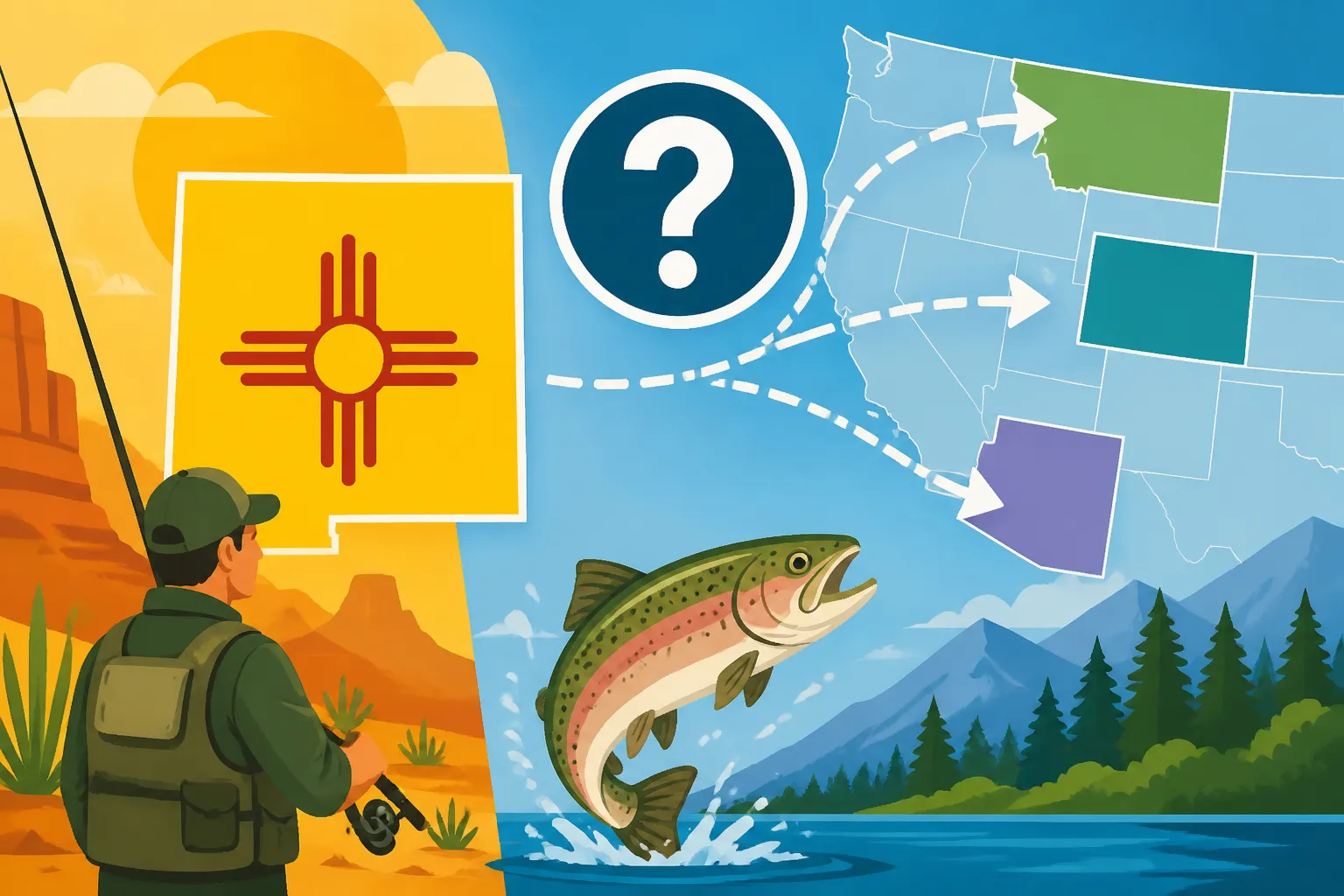
Many New Mexico anglers wonder if their fishing license acts like a universal pass, allowing them to fish in neighboring states. Unfortunately, the dream of a single, all-encompassing fishing license doesn't align with reality. This guide will clarify why your New Mexico fishing license is primarily valid only within the Land of Enchantment, helping you understand the rules and what steps you need to take for any fishing trips beyond our state's borders.
The Simple Truth About State Fishing Licenses
Let's cut right to the chase because it's the most common question and often the biggest point of confusion: A New Mexico fishing license is, with extremely rare and specific exceptions, only valid for fishing within the geographical boundaries of New Mexico. This applies to virtually every state in the U.S. – your home state's fishing license generally does not grant you the right to fish in another state's waters. It's a hard truth, especially when you're planning a vacation that might involve a quick stop at a beautiful lake just across the state line.
Why Licenses Don't "Travel"
The reason for this state-specific licensing might seem like bureaucratic red tape, but it's actually rooted in important principles of conservation and resource management. Each state, including New Mexico, manages its fish populations and aquatic ecosystems independently. The fees collected from fishing licenses are a critical component of funding these efforts.
Think about it:
- Conservation Funding: Your New Mexico fishing license fees go directly to the New Mexico Department of Game and Fish (NMDGF). This money supports everything from fish stocking programs in places like the San Juan River and Elephant Butte Lake, to habitat restoration projects along the Pecos River, research on endangered species like the Gila trout, and law enforcement that ensures sustainable fishing practices. If your New Mexico license was valid in Colorado, Colorado wouldn't receive any funding from your fishing activity there, even though you'd be using their resources. This system ensures that the people utilizing the resource are also contributing to its upkeep.
- Jurisdiction and Regulations: Each state has its own unique set of fishing regulations, bag limits, seasons, and special water rules. For example, the rules for New Mexico Trout Fishing Rules might be vastly different from those in Arizona or Texas. Allowing licenses to cross state lines would create an enforcement nightmare, as wardens would need to be familiar with the regulations of every single state. This localized control ensures that regulations are tailored to specific ecological conditions and conservation goals within that state.
- Reciprocity is Rare: While it's tempting to hope for reciprocity agreements, where states recognize each other's licenses, these are incredibly rare for general fishing licenses. When they do exist, it's almost always for very specific, shared boundary waters, like a river that forms a state line, and even then, there are often strict conditions. For instance, some states might have agreements for particular reservoirs that straddle their border, but these are exceptions, not the rule, and don't make a New Mexico license valid throughout a neighboring state.
What to Do When You Want to Fish Out of New Mexico
So, if your New Mexico fishing license won't work elsewhere, what's an adventurous angler to do? The answer is straightforward: you'll need to purchase a non-resident fishing license from the state you intend to fish in. This is a standard requirement, whether you're heading to Colorado for some high-country trout fishing or planning a bass trip to a Texas reservoir.
Planning Your Out-of-State Fishing Trip
Preparation is key to avoiding frustration and potential fines. Before you even pack your rods, here's what you should do:
- Identify Your Destination State's Regulations: Every state has its own wildlife agency (like New Mexico's Department of Game and Fish). You'll need to visit their official website or obtain their current regulations booklet. This is where you'll find information on license requirements, costs, bag limits, special water rules, and season dates. For instance, if you're planning to fish in Arizona, you'd look for the Arizona Game and Fish Department's regulations.
- Understand Non-Resident License Options: Most states offer various non-resident license options to accommodate different visitor needs. These often include:
- Annual Non-Resident Licenses: If you plan multiple trips or an extended stay, this might be the most cost-effective option.
- Short-Term Licenses: Many states offer one-day, three-day, five-day, or even week-long non-resident licenses. These are perfect for a short vacation or a quick weekend getaway. For example, if you're only spending a few days fishing in Oklahoma, a short-term license will save you money compared to an annual one. You can compare these options to New Mexico One-Day and Five-Day Fishing Licenses to get an idea of how they work.
- Special Permits/Stamps: Just like New Mexico might require a New Mexico Habitat Stamp or a Second Rod Validation, other states might have their own equivalent endorsements for specific species (like trout or salmon) or certain types of waters. Make sure to check if these are required in addition to your basic fishing license.
- Purchasing Your Out-of-State License: Most states make it very convenient to purchase licenses:
- Online: This is usually the easiest and quickest way. You can often buy and print your license from home. Many states, like New Mexico with its online portal, have user-friendly systems.
- Authorized Vendors: Local sporting goods stores, bait shops, and some general merchandise stores in the destination state are typically authorized license vendors. This can be handy if you arrive and realize you forgot to purchase one online.
- Department Offices: You can also purchase licenses directly from the state's game and fish department offices.
It’s always a good idea to buy your license before you head out, just to be safe. You can usually find a good selection of gear like fishing nets, specialized lures for different fish species, or even new fishing line on Amazon that might be useful for your new fishing adventure, especially if the regulations for the state you're visiting differ significantly from New Mexico's.
Navigating Shared Waters and Boundary Agreements
While a general New Mexico fishing license won't work nationwide, there are specific situations involving "boundary waters" where states might have special agreements. These are the rare exceptions to the "state-specific" rule.
Understanding Boundary Water Agreements
Boundary waters are typically rivers or lakes that form the actual border between two states. In these unique instances, the neighboring states might enter into a reciprocal agreement.
For example:
- River Boundaries: If a river separates New Mexico from, say, Texas, there might be an agreement that allows an angler with a valid license from either New Mexico or Texas to fish that specific stretch of river. However, even in these cases, anglers are typically required to abide by the fishing regulations (bag limits, size restrictions, tackle restrictions) of the state in which they are physically located, or sometimes a special set of agreed-upon rules.
- Reservoir Boundaries: Occasionally, a large reservoir might span a state line. Similar to rivers, there could be an agreement allowing licensed anglers from either state to fish the entire body of water.
It's absolutely crucial to verify these agreements with the official wildlife agencies of both states involved before you ever cast a line. Never assume an agreement exists or that it covers all waters. A simple online search for "[State A] [State B] fishing reciprocity agreement" or a direct call to the NMDGF and the neighboring state's agency can provide the definitive answer. Misunderstanding these rules can lead to serious consequences, including fines, as detailed in our guide on the Penalty for Fishing Without a License in New Mexico.
The Importance of Due Diligence
Even if you hear anecdotal stories about people fishing shared waters with just one state's license, always do your own research. Regulations can change, and what was true last year might not be true today. Official sources are your best friends here. You might even find specific maps or sections in the official regulations booklets dedicated to these boundary water rules. Don't let a casual comment lead you to a violation.
Acquiring Non-Resident Licenses and Staying Informed
Getting a non-resident license for another state is usually a straightforward process, but staying informed about all the variables is key to a successful and legal fishing trip.
The Non-Resident License Application Process
The steps to acquire a non-resident license are generally quite similar across most states:
- Visit the State's Wildlife Agency Website: This is your primary resource. For example, if you're planning a fishing trip to Colorado, you'd visit the Colorado Parks and Wildlife website.
- Navigate to Licensing/Permits: Look for sections like "Buy a License," "Fishing Licenses," or "Hunting and Fishing Licenses."
- Choose Non-Resident Options: Select the appropriate non-resident license type (annual, 5-day, etc.) that fits your trip duration and needs. You'll likely see a clear distinction from resident options.
- Provide Personal Information: You'll need to provide your full name, address, date of birth, and often a form of identification (like a driver's license number).
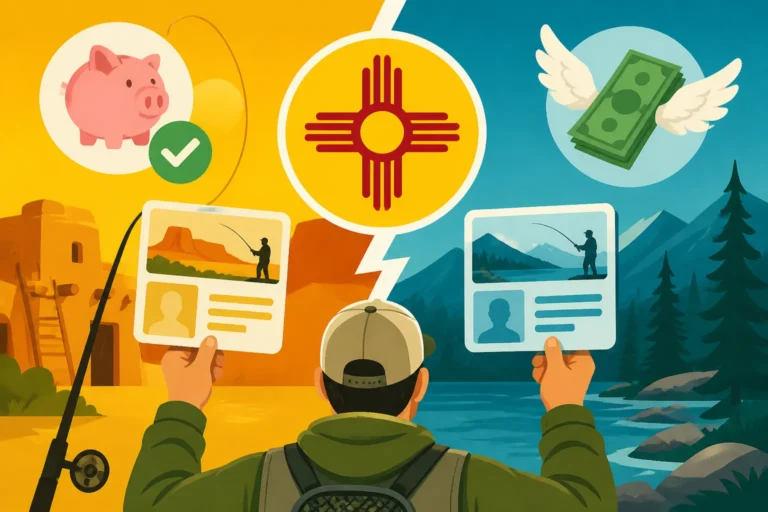
- Pay the Fee: Non-resident licenses are almost always more expensive than resident licenses, sometimes significantly so. This is part of the state's revenue generation from out-of-state visitors. You can get an idea of this difference by looking at New Mexico Resident Annual Fishing License Cost versus New Mexico Nonresident Annual Fishing License Cost. Payment is usually via credit card.
- Print or Save Your License: Many online systems allow you to print a physical copy or save a digital copy to your phone. Always have proof of your license on your person while fishing. Some states might even mail you a physical license, but printing a temporary one is usually an option.
It's a good habit to keep a digital copy of all your licenses on your phone, and even print a physical backup, especially when you're traveling. You can easily find waterproof license holders on Amazon to protect your paper copies out on the water.
Staying Updated on Regulations
Fishing regulations are not static; they can change annually, or even within a season due to environmental factors like drought or unexpected fish population changes.
- Check Annually: Always review the current year's regulations for any state you plan to fish in, even if you've fished there before. Don't rely on old knowledge. Most states release new regulation handbooks or update their websites yearly, typically around the same time New Mexico Fishing Regulations Overview gets updated.
- Sign Up for Email Alerts: Many state wildlife agencies offer email newsletters or alerts that can keep you informed of significant regulation changes or important news.
- Consult Local Bait Shops: Once you arrive at your destination, a quick stop at a local bait and tackle shop can provide invaluable, up-to-the-minute local knowledge. They often know about recent stocking efforts, hot spots, and any temporary rule changes. You can also pick up some gear specific to that region, perhaps after doing some initial research on Amazon for local recommendations.
Remember, responsible angling means not just having the right license, but also understanding and abiding by the specific rules of the waters you're fishing, no matter what state you're in.
| State | Requires its own Fishing License for Non-Residents | Common Short-Term Options (Varies) |
|---|---|---|
| Arizona | Yes | 1-day, 5-day, Annual |
| Colorado | Yes | 1-day, 5-day, Annual |
| Texas | Yes | 1-day, Annual |
| Oklahoma | Yes | 1-day, 6-day, Annual |
| Utah | Yes | 1-day, 3-day, 7-day, Annual |
Note: This table provides general information. Always confirm current license requirements and options directly with the respective state's wildlife agency before fishing.
Disclaimer
The information provided in this guide is for general informational purposes only and is not a substitute for official legal advice or current state regulations. Fishing regulations can change frequently. Always consult the official New Mexico Department of Game and Fish website and the official wildlife agency websites of any other state you plan to fish in for the most up-to-date and accurate information. Failure to comply with fishing regulations can result in fines and penalties.