How to Apply for a Disabled Fishing License in New Mexico
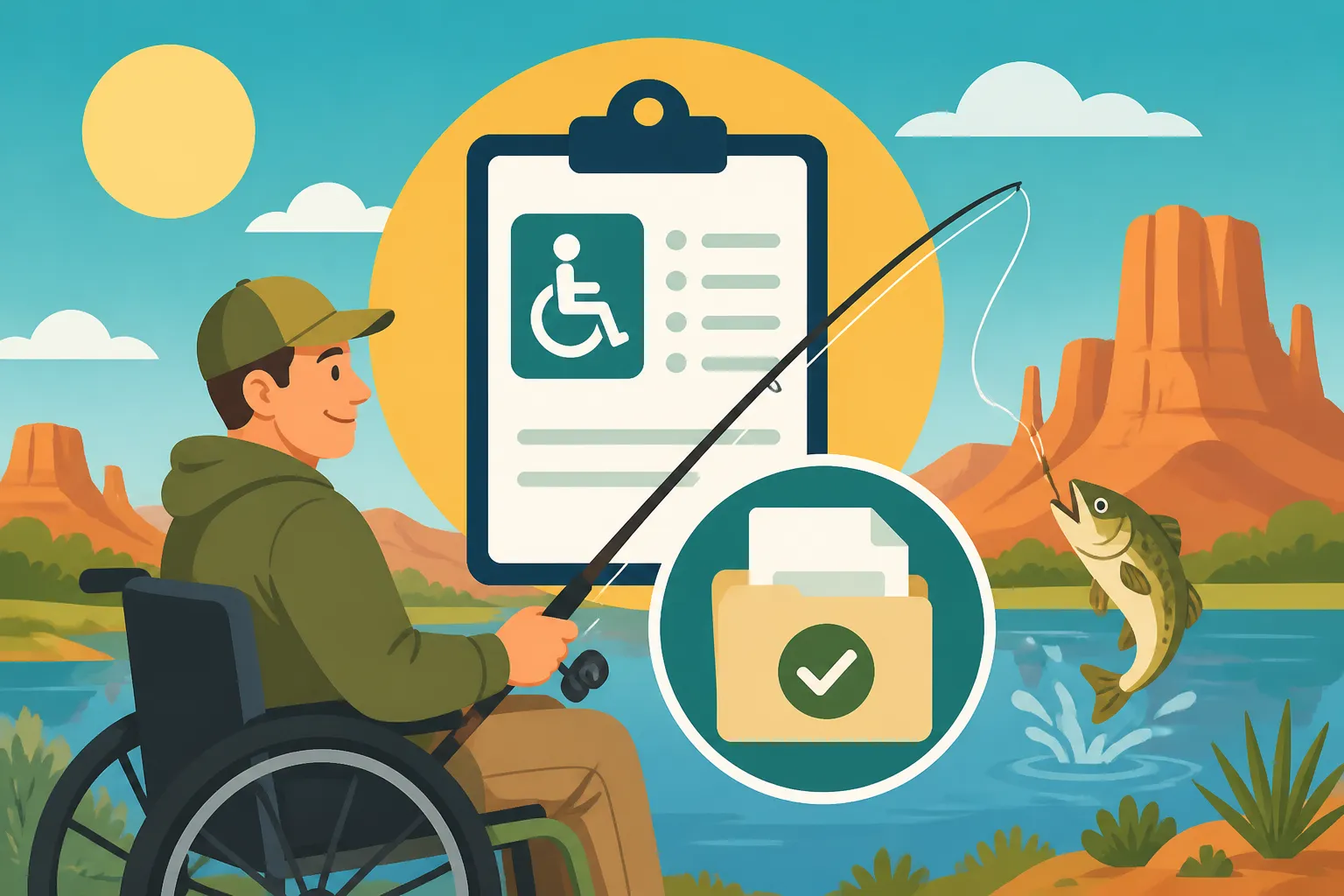
Navigating the paperwork and requirements for a fishing license can be a real headache, especially when you're dealing with a disability. It often feels like the system isn't designed with your unique challenges in mind, making what should be a straightforward process feel overwhelming. This guide is here to cut through the confusion, offering a clear, empathetic roadmap to help you understand and successfully apply for a disabled fishing license in New Mexico, ensuring you can enjoy the peace and thrill of angling without unnecessary stress.
Understanding New Mexico's Disabled Angler Fishing License Program
New Mexico offers specific provisions for anglers with disabilities, recognizing the importance of making outdoor recreation accessible to everyone. The goal is to reduce barriers so that more people can enjoy the state's incredible fisheries, from the tranquil high mountain lakes to the bustling reservoirs. This program isn't just about a reduced fee; it's about acknowledging that fishing can be a therapeutic and enriching experience, and everyone deserves that opportunity.
Who Qualifies for a Disabled Fishing License
The New Mexico Department of Game and Fish (NMDGF) has specific criteria to determine eligibility for a disabled angler fishing license. It's not a blanket qualification for just any ailment; rather, it focuses on long-term physical or developmental impairments that significantly limit one or more major life activities. This typically includes individuals who have been certified as permanently and totally disabled by an agency like the Social Security Administration, the Veterans Administration, or a licensed physician. For example, if you receive Social Security Disability Insurance (SSDI) benefits or have a significant VA disability rating, you're likely to meet the general definition. The key is that the disability must be considered permanent and substantially impact your ability to engage in activities of daily living, which could include physical mobility or cognitive function. It's designed to assist those whose disability creates ongoing challenges, not just temporary conditions.
Benefits of the Disabled Fishing License
The most direct benefit of securing a disabled fishing license is often a significantly reduced cost, and in many cases, the option for a lifetime license. This eliminates the annual hassle and expense of renewal, providing long-term peace of mind and predictable access to New Mexico's waters. For instance, while a standard New Mexico Annual Fishing License requires yearly renewal, eligible disabled residents may qualify for a lifetime option, which is an incredible value over time. Beyond the financial aspect, it's about official recognition and inclusion, allowing you to participate fully in the angling community. This license streamlines your fishing experience, letting you focus on the fish and the beauty of New Mexico, rather than worrying about regulatory compliance or costs. It’s important to note that even with a disabled license, certain additional validations, like the New Mexico Habitat Management and Access Validation Stamp, might still be required, depending on where and how you plan to fish.
Required Documentation for Application
When you're ready to apply, having all your ducks in a row with documentation is crucial. The NMDGF needs specific proof to verify your eligibility. Generally, you'll need:
- Proof of Disability: This is the cornerstone of your application. Acceptable documents often include a Social Security Disability Award Letter (showing permanent and total disability), a Veterans Affairs (VA) disability rating letter indicating a 100% service-connected disability, or a formal certification from a licensed physician (on official letterhead) detailing the permanent and total nature of your disability. The physician's statement typically needs to confirm that your disability prevents you from engaging in substantial gainful activity.
- Proof of New Mexico Residency: To qualify for resident rates or a lifetime license, you'll need documents showing you've been a continuous resident for at least six months. This could be a New Mexico driver's license, state identification card, voter registration, or utility bills in your name. For more details, check out our guide on New Mexico Residency Requirement for a Resident License.
- Identification: A valid government-issued photo ID is always required to confirm your identity.
- Application Form: You'll need to fill out the official NMDGF Disabled Angler License Application Form.
Having these documents organized, perhaps in a dedicated folder or a clear plastic sleeve from Amazon, before you start the process will save you a lot of time and potential frustration.
Step-by-Step Application Process
Applying for a disabled fishing license doesn't have to be a daunting task. By breaking it down into manageable steps, you can navigate the process efficiently and confidently. Remember, the NMDGF is there to help, so don't hesitate to reach out if you get stuck.
Gathering Your Proof of Disability
This is arguably the most critical step. Your application hinges on providing clear, irrefutable evidence of your permanent and total disability.
- Social Security Disability: If you receive SSDI, your award letter is excellent proof. It clearly states your disability status and the effective date. Make sure it's the official letter, not just a benefit statement.
- VA Disability: For veterans, a letter from the Department of Veterans Affairs showing a 100% service-connected disability rating is typically sufficient. This is particularly important for those who might also qualify for additional Veteran Discount on New Mexico Fishing Licenses or free licenses, like if you're a Do 100% Disabled Veterans Fish Free in New Mexico?.
- Physician's Certification: If you don't have federal disability documentation, you'll need a statement from a licensed doctor. This letter must be on official medical practice letterhead and explicitly state that you are permanently and totally disabled, preventing you from engaging in substantial gainful activity. It should also specify the nature of your disability. A good tip is to have your doctor include language that mirrors the NMDGF's definition of disability, if possible, to avoid any back-and-forth.
Always make copies of all your documentation for your records before sending anything off. A physical file at home can be a lifesaver if anything goes astray.
Completing the Application Form
The official NMDGF Disabled Angler License Application Form is usually available on the New Mexico Department of Game and Fish website (wildlife.state.nm.us) or at any NMDGF office. It's often bundled with the general New Mexico Fishing License Guide or specific forms for licenses.
- Online: Many forms can be downloaded and printed.
- In-Person: You can pick up a physical copy at an NMDGF office.
- Filling it out: Read every section carefully. Provide all requested personal information accurately, including your full name, current address, date of birth, and contact details. Ensure that the information matches your identification documents precisely. Double-check for any missed fields. An incomplete form is a sure way to delay your application. If a section doesn't apply to you, indicate that rather than leaving it blank.
Submitting Your Application
Once you have your completed form and all supporting documentation, it's time to submit. You generally have a few options:
- Mail: This is a common method. Send your application and copies of your documents (never originals, unless specifically requested) to the address provided on the NMDGF form. Using certified mail with a return receipt can give you peace of mind, confirming that your application was received.
- In-Person: For those who prefer direct interaction or need assistance, submitting your application at an NMDGF office is a great option. You can speak with a representative, ask questions, and ensure everything is in order before submission. This can often lead to faster processing, especially if you have an eligibility question. You can often get assistance on How to Get a New Mexico Fishing License in person too.
- Online (Limited): While the application form might be available online, the actual submission of disability proof often requires mail or in-person delivery due to the sensitive nature of the documents. Always check the most current NMDGF guidelines on their website for the precise submission methods for disabled licenses.
Processing times can vary, so it's wise to apply well in advance of when you plan to fish. It could take a few weeks for the NMDGF to review and approve your application.
Important Considerations and What to Expect
Even with your application submitted, there are a few more details to keep in mind that will ensure a smooth fishing experience once your license arrives. Understanding these nuances can prevent future headaches and make sure you're fully prepared.
Residency Requirements
To qualify for a New Mexico resident disabled fishing license, you must be able to prove that New Mexico is your true, fixed, and permanent home, and that you have resided in the state for at least six consecutive months immediately preceding your application. This is a critical factor, as nonresident licenses typically have different New Mexico Fishing License Costs Explained and eligibility requirements. For instance, a disabled nonresident might still get a discount, but it won't be the same as a resident lifetime option. Keep your proof of residency, like a New Mexico driver's license or voter registration card, handy, as you'll need to present it with your application. The NMDGF takes residency seriously, so make sure your documentation is solid.
Lifetime vs. Annual Options
For eligible disabled residents, New Mexico offers the incredibly valuable option of a lifetime fishing license. This is a significant benefit, as it means you purchase the license once and never have to worry about renewals again, freeing you up to focus on fishing. An New Mexico Free Lifetime Fishing License in New Mexico is a fantastic opportunity for qualified individuals. However, some might opt for an annual license if their disability status is not yet certified as permanent, or if they prefer a different payment structure. Weighing the upfront cost against the long-term savings and convenience is important. For most permanently disabled anglers, the lifetime option is the clear winner. The New Mexico Annual Fishing License for those without a permanent disability is still a viable option, but it lacks the permanence of the lifetime version.
Additional Validations You Might Need
Simply having a fishing license, even a disabled one, isn't always the complete picture. New Mexico has a few additional requirements that many anglers, disabled or not, must meet:
- Habitat Management & Access Validation (HMAV): This validation is typically required for anyone aged 18 or older who holds a fishing, hunting, or trapping license and plans to access state or federal lands for these activities. It's a small fee that contributes to wildlife habitat and access programs. Unless you are specifically exempt by NMDGF rule (e.g., certain 100% disabled veterans), you'll likely need this. You can learn more about its requirements in our guide, New Mexico Habitat Stamp and Validation Requirements.
- Second Rod Validation: If you plan to fish with two rods simultaneously, you'll need to purchase a New Mexico Second Rod Validation. This is an add-on to your base fishing license and allows for increased angling efficiency, especially when targeting different species or presenting multiple bait options.
Always review the current New Mexico Fishing Regulations Overview or the NMDGF website to ensure you have all necessary validations. These add-ons are usually easy to purchase alongside your main license, whether online or from a vendor.
Common Pitfalls and How to Avoid Them
It's frustrating when an application gets held up or rejected, but often it's due to preventable issues.
- Incomplete Forms: This is the most frequent culprit. Every blank field needs an answer, even if it's "N/A." Double-check that all signatures are present and dated.
- Insufficient Proof of Disability: The NMDGF is strict about verifying disability. A generic doctor's note saying you "have a disability" isn't usually enough. It needs to explicitly state "permanent and total disability" and often include the specific criteria required by NMDGF regulations. If you're unsure, contact NMDGF directly before submitting.
- Expired or Invalid ID/Proof of Residency: Make sure your driver's license isn't expired and your proof of residency meets the six-month requirement.
- Not Sending Copies: Always, always send copies of your sensitive documents, not originals. If an original is lost in the mail, it can be a huge hassle to replace.
- Mailing Errors: Double-check the mailing address, and consider using certified mail for tracking purposes.
Staying organized and meticulously reviewing your application before submission can save you weeks of waiting and potential reapplication.
Maintaining Your Disabled Fishing License
Once you've successfully obtained your disabled fishing license, there are a few simple steps to ensure you remain compliant and can enjoy your fishing adventures without interruption.
Renewing Your License
If you've qualified for a lifetime disabled fishing license, congratulations! You typically won't need to worry about annual renewals for the fishing license itself. However, if you have an annual disabled license (perhaps you don't meet the lifetime criteria, or it's a specific type of temporary disability license), you'll need to renew it each year. The NMDGF license year runs from April 1st to March 31st. Keep an eye out for renewal notices, which might come via email or mail. The process is usually much simpler than the initial application, often just requiring verification of continued residency and potentially an updated disability certification if your status is reviewed periodically. Remember that even with a lifetime fishing license, you will still need to purchase annual validations like the Habitat Management & Access Validation (HMAV) unless specifically exempt.
Carrying Your License While Fishing
It might seem obvious, but it's crucial to always have your fishing license on your person while you are actively fishing. This is a legal requirement in New Mexico, just like it is in most states. Whether it's a physical card or an official digital copy on your phone (if allowed by NMDGF, always check current rules), you must be able to present it to a conservation officer upon request. For those with mobility challenges, a small, waterproof wallet or lanyard that keeps your license easily accessible is a good idea. Consider laminating a paper license to protect it from water damage, especially if you're frequently out on the water. Losing or forgetting your license can result in fines and legal repercussions, as outlined in our article on New Mexico Fishing Violations and Penalties.
Understanding Special Regulations
While your disabled fishing license grants you the privilege to fish, it doesn't exempt you from adhering to the general New Mexico Fishing Regulations Overview. This includes bag limits, possession limits, size restrictions, season dates, and specific rules for certain waters (like catch-and-release only sections or special trout waters). For example, even with a disabled license, you must still follow the rules for the San Juan River Quality Waters, which have very specific tackle and release regulations. Always make it a habit to consult the latest NMDGF Fishing Rules and Regulations booklet before heading out, which you can often find at local sporting goods stores like those found on Amazon, or download from the NMDGF website. These rules can change annually, so staying informed is key to responsible and enjoyable angling.
Required Documents for New Mexico Disabled Fishing License
| Document Type | Description | Acceptable Forms of Proof |
|---|---|---|
| Proof of Disability | Official verification of permanent and total disability that prevents substantial gainful activity. | Social Security Disability Award Letter (showing permanent & total disability), VA 100% Service-Connected Disability Rating Letter, or Physician's Certification (on letterhead, explicitly stating permanent & total disability). |
| Proof of Residency | Evidence of continuous physical presence in New Mexico for at least six months prior to application. | Valid New Mexico Driver's License or State ID, New Mexico Voter Registration, Recent Utility Bills (with NM address), Current Property Tax Bill (with NM address). |
| Identification | Government-issued photo ID to confirm identity. | Valid New Mexico Driver's License or State ID, Passport, Military ID. |
| Application Form | The official application document from the New Mexico Department of Game and Fish. | NMDGF Disabled Angler License Application Form (downloadable from NMDGF website or available at NMDGF offices). |
Disclaimer
The information provided in this guide is for general informational purposes only and does not constitute legal advice. Fishing regulations and license requirements in New Mexico can change. Always consult the official New Mexico Department of Game and Fish website or contact them directly for the most current and accurate information before applying for any license or engaging in fishing activities.