Where to Fish Without a Boat in New Mexico
Feeling frustrated by the idea that you need a fancy boat, a big motor, and a whole lot of gear just to enjoy a good day of fishing in New Mexico? It's a common misconception, but the truth is, the Land of Enchantment offers an incredible array of accessible waters where you can cast a line and find success right from the bank. This comprehensive guide will walk you through the best spots, essential gear, and effective strategies for thriving as a boatless angler in New Mexico, proving that fantastic fishing is always within reach.
Understanding Bank Fishing Opportunities in New Mexico
Many anglers assume that the best fishing is reserved for those with expensive boats and advanced electronics. While a boat certainly opens up certain possibilities, it's far from a prerequisite for a memorable and productive fishing trip in New Mexico. In fact, some of the state's most iconic and productive waters are perfectly suited for those who prefer to keep their feet on solid ground.
Why Fishing Without a Boat is Often the Best Option
There's a real charm and practicality to fishing from shore or wading a river. For starters, it's often significantly less expensive. You don't have the costs associated with boat ownership, fuel, launch fees, or specialized boating gear. This makes fishing much more accessible to beginners, families, and anyone looking for a budget-friendly outdoor activity. Beyond the financial aspect, bank fishing encourages a different kind of connection with nature. You're more attuned to your surroundings, the sounds of the water, and the subtle movements of wildlife. It allows for a more spontaneous trip—just grab your rod and go, without the hassle of towing and launching a vessel. Plus, many prime fishing spots, especially along rivers and streams, are only accessible on foot. You can often reach secluded pockets of water that boaters can't, giving you a quiet, undisturbed experience and potentially less pressured fish.
Key Considerations for Shore-Based Anglers
While the advantages are many, successful boatless fishing does require a bit of strategic thinking. You need to be mindful of access points, often looking for designated fishing areas, state parks, or public lands like those managed by the Bureau of Land Management (BLM) or Forest Service. Understanding the terrain is crucial; some banks are easily walkable, while others might involve steep descents or rocky paths. You'll also want to consider the type of fish you're targeting. Some species, like trout in rivers, are highly accessible from shore, while others, like deep-water walleye in large reservoirs, might be harder to reach without a boat. Always check local regulations, as some areas may have specific rules for bank fishing, such as designated fishing piers or restrictions on certain baits. Additionally, keep an eye on water levels; what might be easy access one day could be muddy or completely submerged the next, especially in areas with fluctuating reservoir levels or river flows after a significant rain.
Top New Mexico Lakes and Rivers for Bank Anglers
New Mexico boasts an impressive diversity of waters, and thankfully, many of them offer fantastic opportunities for anglers who prefer to fish without a boat. From vast reservoirs to winding rivers and serene community ponds, there's a spot for every preference.
Popular Lakes with Excellent Shore Access
When it comes to lakes, finding good shore access is paramount. Some reservoirs are ringed by private land or steep cliffs, making them challenging for bank anglers. But many others have developed recreation areas, state parks, and public shorelines specifically designed for easy access.
- Elephant Butte Lake: As New Mexico's largest reservoir, you might think it's exclusively a boater's paradise, but Elephant Butte offers surprisingly good bank fishing, especially around its numerous state park units. Areas like Rattlesnake Island (accessible by causeway at lower water levels), Rock Canyon, and Longpoint have extensive shorelines, picnic areas, and even some fishing piers. You can target catfish, white bass, and even striped bass from the bank, especially during cooler months when stripers come closer to shore. It's a fantastic spot for a family outing, with plenty of space to spread out. You can find more detailed information in our Elephant Butte Lake Fishing Guide.
- Navajo Lake: Up north, Navajo Lake also provides excellent bank fishing. The Pine River and Sims Mesa areas within Navajo Lake State Park offer varied shoreline access, from sandy beaches to rocky points. This lake is famous for its kokanee salmon, which can be caught from shore during their spawning run in the fall, in addition to good populations of trout, bass, and pike.
- Conchas Lake: Located in eastern New Mexico, Conchas Lake State Park provides numerous campgrounds and access points with easy access to the water's edge. Anglers can find success targeting walleye, crappie, catfish, and bass directly from shore. The diverse structure along the banks, including rocky points and coves, provides ample cover for fish.
- Percha Dam State Park: A hidden gem south of Truth or Consequences, Percha Dam offers quiet, scenic bank fishing. This smaller lake is regularly stocked with trout during the cooler months and has a good population of warm water species. Its manageable size and easy access make it ideal for a relaxed day of fishing.
- Cochiti Lake: Just an hour north of Albuquerque, Cochiti Lake offers excellent bank fishing for bass, crappie, and northern pike. The lake has numerous access points within Cochiti Lake Recreation Area, including sandy beaches and rocky outcroppings. While motorboats are restricted to no-wake speeds in some areas, making it peaceful, bank anglers have plenty of space.
Productive Rivers and Streams for Walk-In Fishing
New Mexico's rivers and streams are a dream come true for walk-and-wade anglers. Many of these waterways flow through national forests and public lands, providing miles of accessible shoreline.
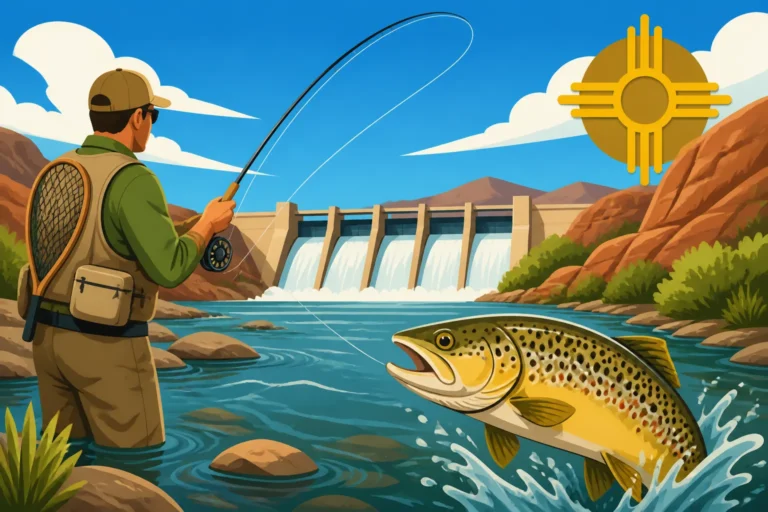
- San Juan River Quality Waters: This world-renowned trout fishery below Navajo Dam is perhaps the most famous walk-and-wade destination in New Mexico. While some sections require wading, much of it can be fished effectively from the bank or by short wades. It's a fly fishing mecca, known for its prolific midge and annelid hatches, producing large rainbow and brown trout. Check out our San Juan River Fishing Guide for detailed tips. Remember, special regulations apply here, so familiarize yourself with the New Mexico Special Trout Water Rules.
- Rio Grande: From the northern reaches near Taos to the urban stretches of Albuquerque and down through the southern agricultural valleys, the Rio Grande offers diverse bank fishing. In the cooler months, sections near Pilar and Española are stocked with trout, while the middle and lower Rio Grande offer excellent opportunities for catfish, carp, and some bass. Access is plentiful along designated public easements, state parks, and city parks.
- Pecos River: Winding through the Pecos Wilderness, the upper Pecos River offers stunning scenery and fantastic trout fishing for those willing to hike a bit. Lower sections, particularly around Villanueva State Park, also provide excellent bank fishing for trout, catfish, and panfish.
- Rio Chama: Below Abiquiu Dam, the Rio Chama offers a phenomenal tailwater trout fishery, similar in quality to the San Juan, though often less crowded. This river is a prime spot for fly fishing and spin fishing from the banks, targeting both rainbow and brown trout. Access points are available through designated recreational areas.
- Gila River: In the rugged southwest, the Gila River and its tributaries are home to native Gila trout and healthy populations of rainbow and brown trout in its wilderness sections. While access often requires hiking, the rewards of solitude and wild fish are immense for dedicated walk-in anglers.
Urban Ponds and Community Waters
Don't overlook the incredible convenience and accessibility of New Mexico's urban and community fishing ponds. These waters are often heavily stocked by the New Mexico Department of Game and Fish (NMDGF) and are perfect for beginners, kids, or anyone looking for a quick fishing fix close to home. Many are designed with paved paths, accessible piers, and amenities, making them fantastic for a low-fuss fishing trip.
- Tingley Beach (Albuquerque): A jewel within Albuquerque, Tingley Beach offers three fishing ponds: the Central Pond for trout and warm water species, the Catch and Release Pond for trout, and the Children's Pond, exclusively for kids 12 and under. All offer paved access, fishing piers, and amenities, making it incredibly accessible. It's often listed among the Fishing Ponds Near Albuquerque for Kids.
- Ned Houk Memorial Park (Clovis): This park features a well-stocked pond perfect for panfish, catfish, and trout during stocking seasons. Easy access and family-friendly facilities make it a popular spot.
- Burn Lake (Las Cruces): Stocked with rainbow trout in winter and channel catfish in summer, Burn Lake provides excellent urban fishing opportunities in southern New Mexico, with easy bank access.
- Gene Romero Park Pond (Santa Fe): Another community pond, this one in Santa Fe, offers readily available fishing for trout and catfish, often with paved pathways and benches for comfortable bank angling.
Essential Gear and Techniques for Boatless Fishing
Fishing without a boat doesn't mean you can skimp on your gear or technique. In fact, being on foot often requires a more streamlined, adaptable approach. Choosing the right equipment and understanding effective shore-based tactics can significantly increase your success.
Must-Have Gear for New Mexico Bank Fishing
When you're hoofing it, every item in your pack needs to count. Forget the heavy tackle boxes; think mobile and efficient.
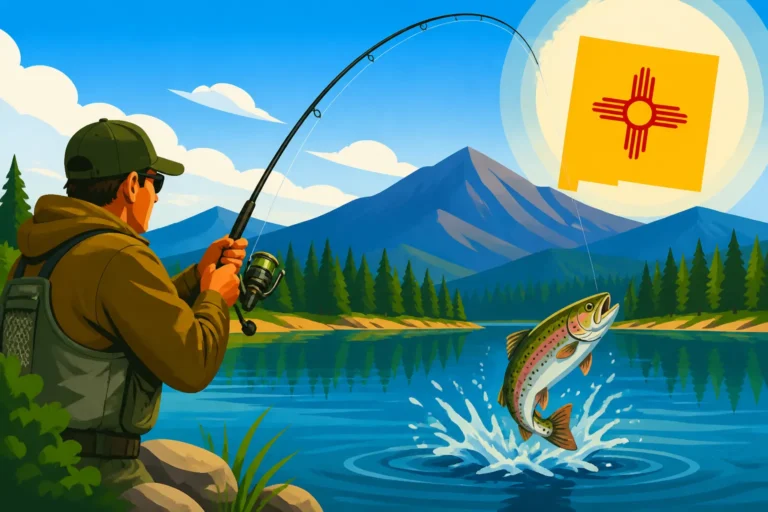
- Rod and Reel Combo: A versatile medium-light to medium action spinning rod, 6 to 7 feet long, is a great all-around choice. It allows for decent casting distance, handles a variety of lures, and is suitable for most trout and warm water species you'll encounter. Match it with a reliable spinning reel spooled with 6-10 lb test monofilament or fluorocarbon. For river wading, a slightly shorter rod (5-6 feet) can be easier to manage in tight quarters. If you're serious about fly fishing New Mexico's renowned rivers, a 9-foot, 5 or 6-weight fly rod is a standard choice. You can explore options in our guide to Best Rods and Reels for New Mexico Trout Fishing.
- Backpack or Vest: A comfortable fishing backpack or vest is crucial for carrying your essentials. Look for one with multiple pockets for tackle, water bottle holders, and a place to stash a rain jacket. This keeps your hands free for casting and navigating.
- Small Tackle Box or Bag: Instead of a bulky box, opt for a small, compact tackle bag or a few tackle organizers. Fill it with a selection of popular New Mexico trout lures like spinners (e.g., Panther Martin, Mepps), spoons (e.g., Kastmaster), and soft plastics (e.g., PowerBait, Gulp! trout baits). For bass and catfish, include some jigs, soft plastic worms, and a few crankbaits. Don't forget extra hooks, sinkers, and bobbers. Our guide on Best Lures for New Mexico Trout has more specific recommendations.
- Waders and Wading Boots (for Rivers): If you plan on wading rivers like the San Juan or Rio Chama, a good pair of breathable waders and sturdy wading boots are indispensable. They'll keep you dry and provide the traction needed to navigate slippery riverbeds, opening up many more fishing opportunities.
- Pliers/Forceps and Net: A good pair of multi-tool pliers or forceps is essential for hook removal. A rubberized landing net is also highly recommended, especially for catch-and-release fishing, as it minimizes harm to the fish.
- Water and Snacks: Always bring plenty of water, especially during New Mexico's hot summer months or when hiking to remote spots. Snacks are also key for keeping your energy up.
- Sun Protection: New Mexico sun can be intense. A wide-brimmed hat, polarized sunglasses, and sunscreen are non-negotiables.
Effective Techniques for Shoreline Success
Fishing from the bank often means adapting your techniques to get your bait or lure out to where the fish are holding, which might be in deeper water, near submerged structures, or in current seams.
- Casting Distance is Key: Practice your casting to maximize distance. This allows you to reach deeper channels, submerged structures, or the opposite bank of a river that might hold fish.
- Fan Casting: Instead of repeatedly casting to the same spot, "fan cast" by making casts at different angles across a wide arc in front of you. This covers more water and helps you locate where fish are actively feeding.
- Observation: Take time to observe the water. Look for signs of fish activity like rising trout, splashing baitfish, or even the subtle movement of reeds that might indicate a fish cruising by. Notice the structure—submerged rocks, fallen trees, drop-offs—these are prime holding areas.
- Reading the Water (Rivers): In rivers, identify current seams, eddies, and deeper pools. Fish often hold in slower water adjacent to faster currents, where food is carried to them without expending too much energy. A local guide, perhaps found through platforms like FishingBooker, can provide invaluable insight into reading specific river sections.
- Vary Your Retrieve: Don't just cast and retrieve at a consistent speed. Experiment with varying your retrieve speed, adding pauses, twitches, or jerks to mimic injured baitfish or insects.
- Bottom Fishing: For species like catfish and some warm water species in lakes, a simple bottom rig with a sinker and bait (like worms, cut bait, or stink bait) cast out into deeper water can be very effective.
- Float Fishing (Bobbers): For panfish and stocked trout in ponds and calmer lake sections, a bobber rig is simple and effective. It keeps your bait suspended at a desired depth, often just off the bottom or near cover.
- Stealth: Fish, especially trout in clear New Mexico waters, are easily spooked. Approach the water quietly, avoid casting long shadows over the water, and wear natural-colored clothing.
Planning Your Boatless Fishing Adventure
A successful boatless fishing trip in New Mexico isn't just about showing up with a rod. A little planning goes a long way, ensuring you have a safe, enjoyable, and productive day.
Researching Water Levels and Access Points
Before you head out, do a bit of homework. New Mexico's water levels can fluctuate significantly, especially in reservoirs and rivers impacted by irrigation demands or drought conditions. What was a great bank fishing spot last year might be bone dry or inaccessible now.
- NMDGF Website: The New Mexico Department of Game and Fish website is an invaluable resource. They provide current stocking reports, fishing conditions, and often have maps indicating public access points. You can also find the latest New Mexico Fishing Regulations Overview and details on obtaining a New Mexico Fishing License Guide there.
- USGS Water Data: For river anglers, the U.S. Geological Survey (USGS) provides real-time streamflow data, which is critical for understanding current conditions on rivers like the San Juan or Rio Grande. High flows might make wading dangerous, while low flows could concentrate fish or make certain areas too shallow.
- Park Websites & Local Forums: State park websites often have detailed maps of access points, picnic areas, and fishing piers. Local fishing forums or social media groups can also offer up-to-date, insider information on current conditions and productive spots, often giving real-time reports. You might even find recommendations for local guides or outfitters who regularly check conditions, some of whom list their services on platforms like FishingBooker, offering insights even for those not seeking a boat.
- Weather Forecast: Always check the weather forecast. New Mexico can experience extreme temperatures, sudden thunderstorms during monsoon season, and high winds. Dress appropriately and be prepared for changing conditions.
Safety First When Fishing from Shore
Your safety is paramount, especially when exploring new areas or fishing in remote locations.
- Tell Someone Your Plans: Always let someone know where you're going and when you expect to return, especially if you're venturing into more remote river sections or hiking to high mountain lakes.
- Footwear: Wear sturdy, comfortable, and waterproof footwear. Riverbanks can be muddy or rocky, and trails to secluded spots might be uneven. Wading boots with good ankle support are a must for river fishing.
- Awareness of Surroundings: Be aware of your surroundings. That means looking out for snakes, uneven terrain, and slippery banks. If you're near private property, respect boundaries.
- Hydration and Sun Protection: We've mentioned it before, but it bears repeating: New Mexico's sun and dry climate mean dehydration can set in quickly. Stay hydrated and protect yourself from the sun.
- First Aid Kit: Carry a small, basic first aid kit for minor cuts, scrapes, or blisters.
- Know Your Limits: Don't wade into currents that are too strong, or climb down steep, unstable banks. If a spot looks unsafe, it probably is. There's always another great fishing spot in New Mexico. Many publicly accessible areas, like those found in the Best Places to Fish in New Mexico guide, are designed with safety in mind.
| Fishing Spot Type | Best For | Primary Species | Accessibility/Features | Ideal Angler Type |
|---|---|---|---|---|
| Large Reservoirs | Variety, distance casting | Catfish, Bass, Walleye, Stripers, Trout | State parks, boat ramps (often with adjacent bank access), fishing piers. Can be crowded. | Experienced, Patient, Families |
| Rivers & Tailwaters | Trout, Fly Fishing | Rainbow Trout, Brown Trout, Cutthroat Trout | Designated public access, wade-in, walk-in trails. Can be remote. | Fly Anglers, Waders, Hikers |
| Urban Ponds/Community | Convenience, Beginners | Trout (seasonal), Catfish, Panfish | Paved paths, fishing piers, restrooms, playgrounds. Very accessible. | Families with Kids, Beginners, Quick Trips |
| Mountain Lakes/Streams | Solitude, Wild Trout | Wild Trout (Rainbow, Brown, Cutthroat, Gila) | Requires hiking, backcountry navigation. Pristine. | Adventure Seekers, Experienced Hikers |
No matter your preference, New Mexico offers a wealth of fishing opportunities that don't require a boat. With a little planning, the right gear, and a sense of adventure, you're sure to find your perfect spot to cast a line and enjoy the beauty of the Land of Enchantment. Don't forget to check the New Mexico Fishing Season Calendar before you head out, and always have your New Mexico Habitat Management and Access Validation Stamp if required for your chosen location!
Disclaimer
The information provided in this guide is for general informational purposes only and does not constitute legal advice. Fishing regulations and conditions in New Mexico can change frequently. It is the responsibility of each angler to consult the most current New Mexico Department of Game and Fish regulations and obtain all necessary licenses and stamps before fishing. Always prioritize safety and practice responsible angling.