Can You Keep Cutthroat Trout in New Mexico?
It can be incredibly confusing trying to figure out the specific fishing rules here in New Mexico, especially when it comes to a prized fish like the cutthroat trout. Many anglers grapple with whether they can actually keep one of these beautiful, often elusive, native fish, or if they must always be released. This guide aims to clear up that confusion, diving deep into the regulations surrounding cutthroat trout and helping you understand when and where you might be allowed to keep one, and when you absolutely should not.
Understanding New Mexico's Cutthroat Trout Populations
New Mexico is a state rich in diverse landscapes, and that diversity extends to its fish populations, particularly its trout. The rules surrounding cutthroat trout are often more complex than those for other species because of their unique status and the efforts to preserve them.
Native Species and Their Conservation Status
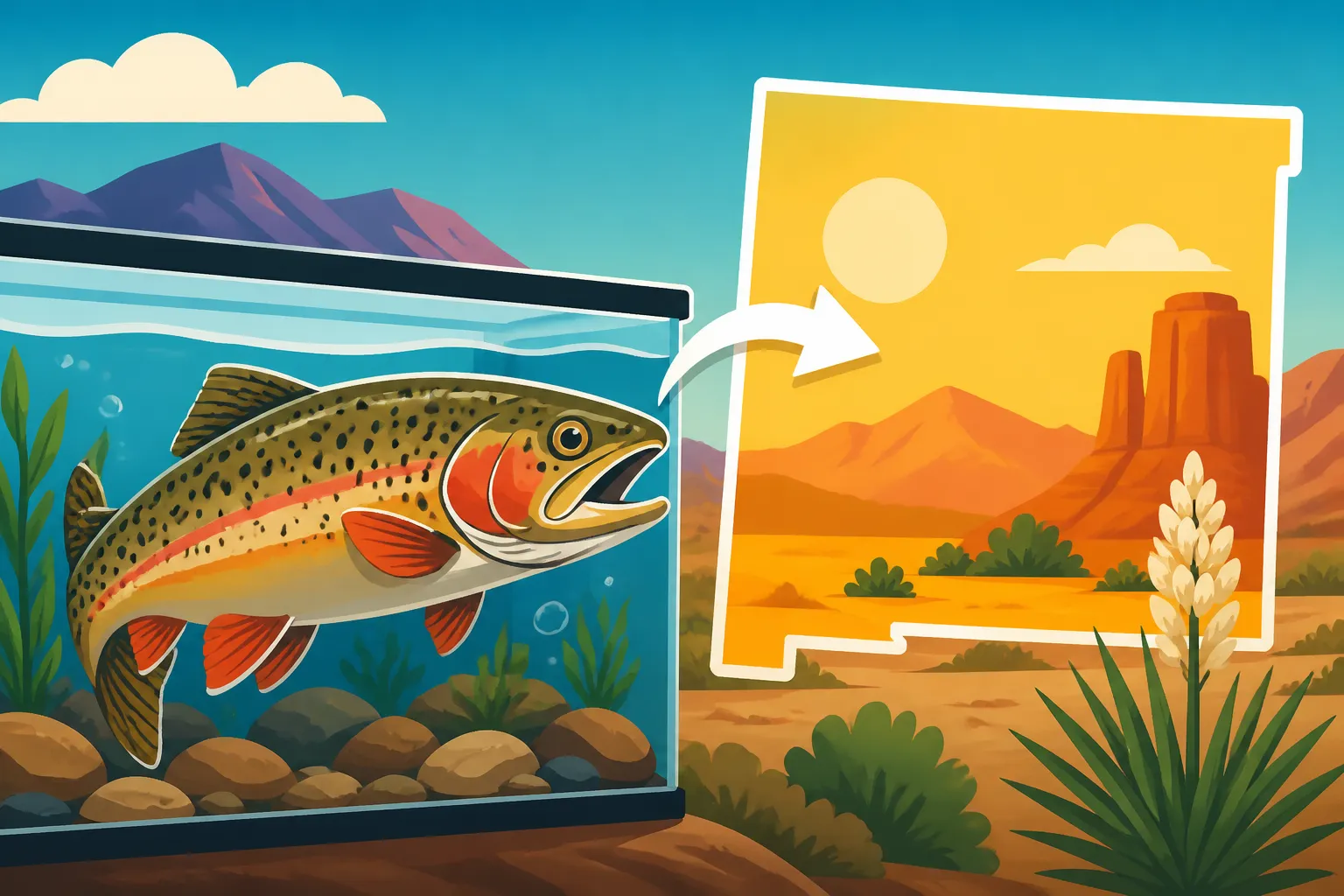
When we talk about cutthroat trout in New Mexico, we're primarily talking about the Rio Grande Cutthroat Trout. This is our state fish, a true native gem, and a species that holds significant cultural and ecological importance. These beautiful fish are generally distinguished by the reddish-orange slash marks under their lower jaw, and their coloring can range from olive-green to yellow-gold, often speckled with black spots. They are found in the high-elevation, cold-water streams and lakes of the Sangre de Cristo, Jemez, and other mountain ranges, representing a vital part of New Mexico's natural heritage.
For many years, the Rio Grande Cutthroat Trout faced serious threats, including habitat loss, competition and hybridization with non-native trout species (like rainbow trout), and overfishing. Due to these pressures, their populations declined significantly, leading to extensive conservation efforts by the New Mexico Department of Game and Fish (NMDGF) and various conservation groups. These efforts often involve restoring their native habitats, removing non-native fish, and implementing strict fishing regulations to ensure their survival and recovery. This is why you'll often encounter specific rules designed to protect them, making it critical for anglers to understand their unique status.
Non-Native Cutthroat and Hybrids
While the Rio Grande Cutthroat is our native star, it's also possible to encounter other subspecies of cutthroat trout, or even hybrid fish, in certain New Mexico waters. Historically, other cutthroat subspecies, such as Yellowstone Cutthroat Trout or Snake River Fine-spotted Cutthroat, were introduced to some waters in the state. These introductions were often done for sport fishing purposes before the ecological impacts on native species were fully understood.
The presence of non-native cutthroat or hybrids complicates identification and regulation. Sometimes, these introduced fish might be found in waters that aren't designated as critical habitat for native Rio Grande Cutthroat, and their regulations might differ. However, hybridization, especially between native cutthroat and rainbow trout, creates a significant challenge. These hybrids can be difficult to distinguish from pure native cutthroat, even for experienced anglers. Because hybridizing with rainbows dilutes the genetic purity of the native cutthroat, many regulations are designed to minimize this impact, sometimes classifying all trout in certain waters under the same general rule, or specifically protecting any fish displaying cutthroat characteristics. It’s always best to err on the side of caution if you're unsure of a fish's exact lineage.
Specific Regulations for Keeping Cutthroat Trout
Navigating the rules for keeping cutthroat trout can feel like cracking a secret code. It’s not a simple yes or no answer; it depends heavily on where you are fishing and the specific regulations for that body of water.
Statewide vs. Special Water Rules
New Mexico's fishing regulations operate on a tiered system. There are general statewide regulations that apply to most waters, but then there are specific rules for "Special Trout Waters" or "Quality Waters" that often have much stricter guidelines, particularly for native species. For instance, the general statewide trout bag limit might be five fish per day, but if you're fishing in a designated Rio Grande Cutthroat restoration stream, the limit could be zero – meaning catch and release only.
These special regulations are put in place to protect sensitive fish populations, particularly our native cutthroat. The NMDGF publishes a detailed annual fishing proclamation, which is essentially the bible for anglers in New Mexico. This booklet, which you can usually find online or at any license vendor, will list specific lakes and rivers and their unique rules. It's absolutely crucial to consult the current New Mexico Fishing Regulations Overview before heading out, especially if you're targeting waters known for native trout. A quick check of the regulations for a specific area, like the New Mexico Special Trout Water Rules, can save you from an unintentional violation.
Identifying Cutthroat Trout
This is perhaps the most critical skill for any angler hoping to keep a cutthroat trout in New Mexico: knowing how to accurately identify it. As mentioned, the most prominent identifying feature of any cutthroat is the characteristic orange or red "slash" marks found in the fold of skin under the lower jaw. These marks can vary in intensity and color, but they are almost always present. Beyond the slash, Rio Grande Cutthroat often have fewer, larger spots primarily concentrated towards the tail, and their body color tends to be a more subdued golden-olive compared to the brighter, more iridescent hues of a rainbow trout.
However, identification gets tricky when hybrid trout are involved. A hybrid (often a cross between a rainbow and a cutthroat) might have faint slashes, some rainbow-like spotting, or a mix of features. In areas where native cutthroat are being protected, the NMDGF often advises anglers to treat any fish exhibiting cutthroat characteristics as a cutthroat. This means if it has even a hint of a slash mark, it should likely be released, especially in designated native trout waters. If you're serious about being able to tell them apart, investing in a good fish identification guide, perhaps one you can find on Amazon, and studying it before your trip can be incredibly helpful. Practice identifying them from photos, and if in doubt on the water, always choose to release. For more specific guidance, resources like How to Identify a Rio Grande Cutthroat Trout can provide detailed visual cues.
Bag and Possession Limits for Cutthroat
So, can you actually keep them? Yes, in some waters, you can. The key is knowing which ones. In many general waters not designated as special conservation areas, cutthroat trout fall under the general statewide trout bag limit. This typically allows for a combined total of five trout (rainbow, brown, cutthroat, brook) per day, with a possession limit of ten.
However, this changes dramatically in waters specifically managed for Rio Grande Cutthroat conservation. In these sensitive areas, the regulations will often stipulate "0 cutthroat trout" in the bag limit, meaning catch and release only. Sometimes, it might specify a reduced limit, like "1 cutthroat trout over 18 inches," but these are rare exceptions and always clearly noted in the annual proclamation. For example, some high-alpine lakes might allow a limited harvest of cutthroat, while an adjacent headwater stream in the same watershed could be strictly catch and release. Always check the section in the New Mexico Fishing Regulations Overview pertaining to specific waters. This usually means looking up the particular lake, river, or stream you plan to fish. You can also explore the New Mexico Trout Bag and Possession Limits to get a general idea of the rules.
Protecting Native Cutthroat Trout and Best Practices
The opportunity to fish for and potentially keep a cutthroat trout is a privilege, and it comes with the responsibility of understanding and upholding conservation ethics. Our native populations are precious, and angler actions play a huge role in their future.
The Importance of Conservation
The native Rio Grande Cutthroat Trout are not just another game fish; they are a living piece of New Mexico's history and biodiversity. Their genetic purity and continued existence in their native habitats are vital for the health of our ecosystems. When you encounter a native cutthroat, you're looking at a fish that has evolved over thousands of years to thrive in our unique mountain environments. Losing these distinct populations would mean losing a part of our natural heritage forever.
The regulations, particularly those mandating catch and release in certain areas, are not designed to frustrate anglers but to safeguard these vulnerable populations. Every time an angler carefully releases a native cutthroat, they are directly contributing to the species' recovery and ensuring future generations can experience the thrill of catching this iconic fish. It’s a collective effort, and conscious angling decisions are at its core.
Catch and Release Best Practices
Even in waters where you can keep a cutthroat, many anglers choose to practice catch and release, especially for native species or larger, older fish that contribute significantly to spawning. If you plan to release a cutthroat, or if you're fishing in a catch-and-release-only section, employing best practices is crucial for the fish's survival.
Here are some tips:
- Minimize Fight Time: Bring the fish in quickly to reduce exhaustion.
- Handle With Care: Keep the fish in the water as much as possible. Wet your hands before touching it to protect its slime coat, which is vital for disease prevention. Avoid squeezing it, especially around the gills or belly.
- Barbless Hooks: Use barbless hooks, or pinch down the barbs on your hooks. Barbless hooks make removal much easier and faster, reducing stress and injury to the fish. You can find barbless hooks or tools to crimp barbs on regular hooks easily on Amazon.
- Prompt Hook Removal: Use hemostats or needle-nose pliers to quickly remove the hook. If the fish is deeply hooked, especially in the gills or esophagus, it’s sometimes best to cut the line as close to the hook as possible, as attempting to remove it might do more harm.
- Revive the Fish: Hold the fish gently in the water, facing upstream, allowing water to flow over its gills until it regains strength and can swim away on its own. Don't throw it back if it's still lethargic.
Following these guidelines is a key part of responsible angling and greatly increases the chances of released fish surviving and thriving. For a deeper dive into these methods, consider reading up on New Mexico Catch and Release Regulations.
Reporting Sightings or Concerns
Anglers are often the eyes and ears on the water, and your observations can be incredibly valuable to conservation efforts. If you encounter something unusual, like signs of disease in fish, illegal fishing activity, or discover a new population of what you suspect might be native cutthroat in an unexpected location, reporting it to the NMDGF can make a real difference.
You can contact the NMDGF directly through their regional offices or online portal. Providing details such as the location (GPS coordinates if possible), date, time, and a description of what you observed is immensely helpful. This kind of citizen science helps biologists monitor populations, address threats, and adapt management strategies to better protect our aquatic resources.
Where You Might Find Keepable Cutthroat and Where You Won't
The quest for cutthroat trout in New Mexico often leads anglers to breathtaking mountain streams and pristine alpine lakes. Knowing the typical regulatory landscape for these different types of waters is key to a successful and legal outing.
General Waters vs. Protected Streams
Generally speaking, if you are fishing a large, popular reservoir or a river section that is not specifically designated as "Special Trout Water" or a "Quality Water" segment, you might find that cutthroat trout fall under the general statewide trout limit. These areas are often stocked with various trout species, and while native cutthroat might occasionally be present, they are not typically the primary focus of conservation efforts in such locations. For instance, a larger lake that sees a lot of recreational use might allow a standard five-trout bag limit, and any cutthroat caught there would contribute to that limit.
However, once you venture into the smaller, high-elevation creeks, headwater streams, or secluded mountain lakes, particularly within National Forests or designated wilderness areas, the likelihood of encountering specific, often more restrictive, cutthroat regulations increases dramatically. Many of these streams are part of active Rio Grande Cutthroat restoration projects. In these areas, the goal is often to establish pure, self-sustaining populations, which means strict catch-and-release rules are common, or even prohibitions on certain types of bait or tackle. For example, some pristine streams in the Pecos Wilderness are managed exclusively for native cutthroat, and you would not be permitted to keep any fish.
Consult Official Sources
It cannot be stressed enough: always, always consult the most current New Mexico Fishing Regulations Overview before your trip. This document is updated annually and provides the most definitive and up-to-date information for every specific body of water in the state. Don't rely on old information, hearsay, or forum posts. Regulations can change from year to year based on fish population surveys, drought conditions, or new conservation initiatives.
You can pick up a physical copy at any NMDGF office or licensed vendor, or download a digital version from their official website. Before you plan your adventure to a specific area like the Best Places to Fish in New Mexico, make it a habit to cross-reference your chosen spot with the official regulations to determine if, and how many, cutthroat trout you can keep. This diligence ensures you're fishing legally and responsibly, helping to protect our precious New Mexico fish species for generations to come.
Can You Keep Cutthroat Trout in New Mexico? A Clearer Picture
So, to boil it all down: can you keep cutthroat trout in New Mexico? The nuanced answer is yes, in some places, but often no, especially in waters managed for their conservation. The key to legally and responsibly keeping a cutthroat trout lies entirely in your homework and your ability to correctly identify the fish.
You can typically keep cutthroat trout in waters that are not specifically designated as native cutthroat conservation areas and where they fall under the general statewide trout bag limit (usually five trout total, which can include cutthroat). These are often larger, more accessible lakes and rivers where various trout species might be present.
However, you cannot keep cutthroat trout, and must practice strict catch and release, in most waters specifically managed for the recovery and protection of the native Rio Grande Cutthroat Trout. These are often high-elevation streams and smaller lakes where the NMDGF is actively working to restore pure genetic populations. In these sensitive areas, the bag limit for cutthroat trout will explicitly state "0."
The responsibility rests squarely on the angler to know the specific regulations for the water body they are fishing and to be proficient in identifying a cutthroat trout, especially distinguishing it from a rainbow trout or a hybrid. When in doubt, always assume it's a native cutthroat and release it with the utmost care. Your actions directly contribute to the conservation of this magnificent New Mexico native.
Cutthroat Trout Regulations by Water Type
To simplify, here's a general guide. Always verify with current NMDGF regulations.
| Water Type | Typical Cutthroat Regulation | Identification Requirement | Best Practice |
|---|---|---|---|
| Designated Native Cutthroat Conservation Waters (e.g., specific high-mountain streams, restoration areas) | 0 Cutthroat Trout (Catch and Release Only) | Crucial to identify all trout; any fish with cutthroat characteristics should be released. | Use barbless hooks, minimize handling, keep fish in water. |
| General Statewide Trout Waters (e.g., larger reservoirs, rivers not under special rules) | Part of 5-Trout Combined Bag Limit (statewide rule) | Recommended to identify, but often falls under general trout rules. | Exercise caution, especially if unsure of identification. |
| Quality Waters / Special Trout Waters (e.g., specific river sections known for trophy trout) | Varies greatly; often 0 Cutthroat, or specific size/number limits (e.g., 1 over 18 inches). | Absolutely critical to identify, as rules are precise and often restrictive. | Check specific regulations for that water segment; often barbless/artificial lure only. |
Disclaimer
Please be aware that fishing regulations in New Mexico can change. It is your sole responsibility to consult the most current New Mexico Department of Game and Fish (NMDGF) fishing proclamation and rules before engaging in any fishing activity. This article provides general information and should not be considered a substitute for official legal guidance from the NMDGF. Always prioritize safety and adherence to current laws.