New Mexico Fishing License for Blind Anglers
Navigating the world of fishing regulations can feel like trying to untangle a particularly stubborn knot, and for blind anglers in New Mexico, those challenges can be even more pronounced. It's frustrating when you're passionate about getting out on the water, but the paperwork and requirements seem designed without your specific needs in mind. This comprehensive guide is here to clarify everything you need to know about obtaining a New Mexico fishing license if you are blind, focusing on the specific provisions and how to ensure a smooth, dignified process.
Understanding New Mexico's Commitment to Accessibility
New Mexico prides itself on offering diverse outdoor opportunities, and that commitment extends to anglers with disabilities. The state recognizes the importance of making fishing accessible to everyone, understanding that the joy of a tug on the line or the peace of a day by the water should not be limited by physical challenges. While regulations can sometimes feel overwhelming, the New Mexico Department of Game and Fish (NMDGF) has specific provisions designed to support disabled anglers, including those who are legally blind.
The overarching goal is to ensure that all residents, regardless of their visual abilities, have the opportunity to participate in the state's rich fishing heritage. This isn't just about compliance; it's about fostering an inclusive community where everyone can experience the Land of Enchantment's beautiful waterways. From the high mountain streams to the expansive reservoirs, the NMDGF aims to remove barriers, allowing more people to enjoy the therapeutic and exhilarating sport of fishing.
General Disabled Angler License Overview
Before diving into the specifics for blind anglers, it’s helpful to understand the broader framework of disabled angler licenses in New Mexico. The NMDGF offers various accommodations for residents with different types of disabilities, often leading to reduced fees or special privileges. These programs acknowledge that certain disabilities may limit an individual’s ability to participate in typical outdoor activities or may incur additional costs for adaptive equipment or assistance.
For many disabled resident anglers, New Mexico offers a significantly discounted annual license. This is distinct from the free license for blind individuals but highlights the state's overall approach to making fishing more affordable and accessible. It’s always a good idea to check the full scope of options available, as detailed in the New Mexico Disabled Angler Fishing License guide, to understand how different disability classifications might affect licensing. These efforts are part of a larger initiative to ensure that all New Mexicans can enjoy the state's natural resources.
Specific Provisions for Blind Anglers
When it comes to blind residents, New Mexico goes a step further than merely offering a discount. The state offers a Free Lifetime Fishing License to New Mexico residents who meet the legal definition of blindness. This is a significant benefit, removing the financial burden of annual renewals and making the process much simpler over the long term. This lifetime license is a testament to the NMDGF's recognition of the unique challenges faced by blind individuals and their commitment to facilitating equitable access to fishing opportunities.
This free lifetime license covers all general fishing activities that a standard annual license would, eliminating the need to worry about purchasing a new license each year or remembering expiration dates. It’s designed to provide peace of mind and simplify participation, allowing you to focus on the joy of fishing rather than administrative hurdles. This specific provision truly sets blind anglers up for a lifetime of fishing enjoyment in New Mexico without the usual recurring costs.
Eligibility Requirements for a Blind Angler License
The key to securing your free lifetime fishing license in New Mexico as a blind angler lies in understanding and meeting the specific eligibility criteria. It's not just about having impaired vision; there's a formal definition of "legal blindness" that the state uses, and you'll need the right documentation to prove you meet it. This can sometimes feel like a bureaucratic maze, but knowing what's expected upfront can save a lot of frustration.
The NMDGF needs to verify that your visual impairment falls within the guidelines established by the state. This ensures fairness and proper allocation of resources for those who truly qualify. While the process requires some documentation, remember it’s all in place to support the program and keep it running smoothly for eligible residents. Don’t hesitate to reach out to the NMDGF directly if any of the requirements are unclear; their staff are there to help.
Defining Legal Blindness for Licensing
For the purpose of obtaining a free lifetime fishing license in New Mexico, "legal blindness" is typically defined according to the standards set by the New Mexico Department of Health or similar state agencies. Generally, this means having:
- Central visual acuity of 20/200 or less in the better eye with corrective lenses. This means that what a person with normal vision can see clearly at 200 feet, you can only see at 20 feet.
- A field of vision restricted to 20 degrees or less in the better eye. This refers to your peripheral vision, meaning you have a very narrow scope of what you can see around you.
It’s important that your medical documentation explicitly states that you meet one or both of these criteria. A diagnosis of "visually impaired" or "low vision" might not be sufficient unless it specifically quantifies your vision to meet the legal definition of blindness. This precise medical assessment is crucial for the NMDGF to approve your application for the special license.
Necessary Documentation and Verification
To prove your legal blindness and apply for the free lifetime fishing license, you will need to provide official medical documentation. This usually involves:
- A signed statement from a licensed ophthalmologist or optometrist. This statement must clearly indicate that you meet the state's definition of legal blindness. It should include the doctor's professional opinion on your visual acuity and field of vision in your better eye, even with corrective lenses. Make sure the document is on official letterhead and includes the doctor's license number.
- Proof of New Mexico residency. Since this is a resident-specific benefit, you'll need to demonstrate that you are a bona fide resident of New Mexico. This can be done with a New Mexico driver's license, state ID card, or other official documents that establish your continuous residency in the state for the required period (typically at least six months prior to application). You can find more details on general residency requirements in the New Mexico Resident Fishing License Options guide.
Gathering these documents can take some time, so it's wise to start this process well in advance of when you plan to apply. Contact your eye care specialist as early as possible to request the necessary documentation, ensuring it contains all the specific information the NMDGF requires. Having everything neatly organized will make the application process much smoother for everyone involved.
How to Apply for Your New Mexico Blind Angler License
Once you have all your documentation in hand, the next step is to actually apply for your free lifetime fishing license. The NMDGF strives to make this process as straightforward as possible, but for blind individuals, certain aspects of online or in-person applications might present unique challenges. Knowing your options and how to best navigate them is key to a successful application.
Remember, the goal is to get you fishing, not to create unnecessary hurdles. Don't hesitate to seek assistance from trusted family members, friends, or directly from NMDGF staff. They are accustomed to helping applicants with various needs and can provide guidance to ensure your application is submitted correctly. You can always refer to the broader How to Get a New Mexico Fishing License guide for general application principles that apply to all licenses.
Online Application Considerations and Alternatives
While the NMDGF offers an online licensing system, accessing and completing digital forms can be particularly challenging for blind individuals. Screen readers and other assistive technologies have come a long way, but complex web forms sometimes pose difficulties. If you are comfortable using assistive technology, you can attempt to apply online through the NMDGF website. Ensure you have digital copies of your medical documentation and proof of residency ready to upload.
However, if the online system proves too difficult, or if you prefer a more personal touch, there are excellent alternatives. The NMDGF understands these challenges and provides other avenues for application. Don't feel pressured to use the online portal if it's not accessible or comfortable for you. Sometimes, a phone call or an in-person visit can simplify the entire process, allowing staff to guide you directly.
In-Person Application Process and Support
For many blind anglers, applying in person at an NMDGF office or through a licensed vendor is often the most accessible and reassuring method. When you visit an NMDGF office, staff members can verbally guide you through each step of the application, explain the forms, and help you ensure all necessary fields are completed accurately. They can also assist with reviewing your medical documentation on the spot. You can find a list of official NMDGF offices on their website.
Alternatively, you can visit one of the many authorized New Mexico Fishing License Vendors throughout the state, such as sporting goods stores, bait shops, or even some larger retailers. While these vendors might not have the same level of specialized training as NMDGF office staff, they are equipped to process license applications. It's advisable to call ahead to any vendor to confirm they can provide the necessary assistance or recommend the best time to visit for a smooth application process. When going in person, remember to bring all your original documentation, as copies might not always be accepted without verification.
Here's a simplified table outlining the application options:
| Application Method | Accessibility for Blind Anglers | Required Materials | Key Considerations |
|---|---|---|---|
| Online (NMDGF Website) | Challenging, relies on assistive tech proficiency | Digital copies of medical proof & residency | May require assistance; potential for technical glitches |
| In-Person (NMDGF Office) | Highly Recommended, direct staff assistance | Original medical proof & residency | Best for guided application, immediate verification |
| In-Person (Authorized Vendor) | Accessible with assistance, limited specialized help | Original medical proof & residency | Call ahead to confirm assistance availability |
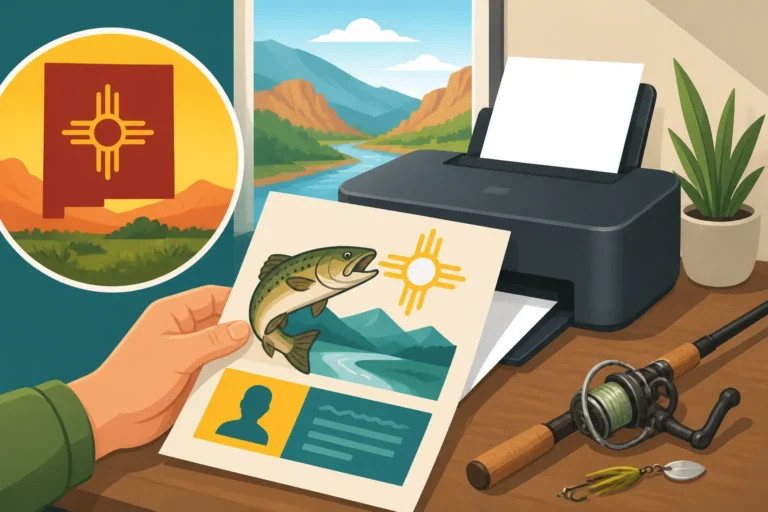
Remember, your free lifetime license will typically be issued on the spot or mailed to you shortly after approval. Once you have it, you're set for a lifetime of fishing adventures in New Mexico!
Benefits and Limitations of the Blind Angler License
Securing your free lifetime fishing license opens up a world of possibilities for blind anglers in New Mexico. It’s more than just a piece of paper; it represents access, freedom, and the right to enjoy the state’s natural beauty and recreational opportunities. However, like any specific license, it comes with its own set of guidelines regarding what it permits and any associated responsibilities. Understanding these details ensures you can fully enjoy your fishing experiences without any unexpected surprises.
One of the biggest advantages is the longevity – a lifetime license means no more annual renewals, which is a huge relief. You can focus on planning your next trip to the San Juan River or Elephant Butte Lake rather than worrying about administrative deadlines. This eliminates the burden of remembering to renew your New Mexico Fishing License Year and Renewal, making the experience much more streamlined and enjoyable.
Permitted Fishing Activities and Locations
The New Mexico Free Lifetime Fishing License for blind residents grants the holder the same general fishing privileges as a standard annual fishing license. This means you can:
- Fish in all public waters across New Mexico where fishing is permitted, from the serene high mountain lakes in the Carson National Forest to the larger warm-water reservoirs like Navajo Lake and Conchas Lake.
- Target any legal fish species, adhering to all statewide and specific water body regulations regarding bag limits, possession limits, and size restrictions. This includes popular species like trout, bass, walleye, and catfish. You'll still need to be aware of the New Mexico Trout Fishing Rules and general New Mexico Fishing Regulations Overview which apply to all anglers.
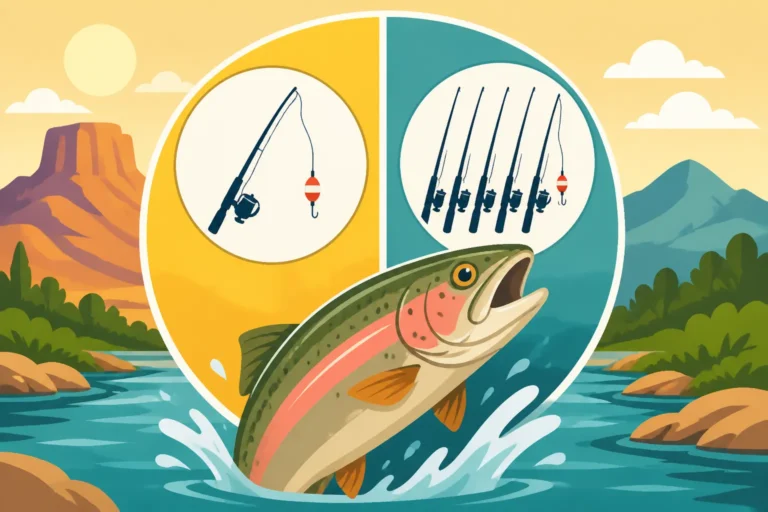
- Utilize a second rod, provided you also purchase the optional New Mexico Second Rod Validation. This validation is a separate purchase for all anglers, regardless of their license type, and is not covered by the free blind angler license.
It’s crucial to remember that while the license itself is free, it does not exempt you from other specific validations or stamps that may be required for certain activities or locations. For example, the New Mexico Habitat Stamp and Validation Requirements is typically needed for fishing on certain federal and state lands unless you are explicitly exempt. Always check the current NMDGF regulations booklet or website for any additional requirements specific to where and what you plan to fish.
Accommodations and Assistance on the Water
While the free lifetime license provides excellent access, it’s important to clarify the rules around assistance while fishing. Generally, the blind angler themselves must be actively engaged in the act of fishing (e.g., holding the rod, setting the hook, reeling in the fish). An assistant can certainly help with tasks such as baiting hooks, casting, untangling lines, or netting fish. However, if the assistant also wishes to actively fish (i.e., cast their own line, reel in their own fish), they typically need their own valid New Mexico fishing license. There are no blanket exemptions for assistants of disabled anglers unless specifically outlined by NMDGF for very particular scenarios.
This distinction is important to avoid any misunderstandings or potential penalties. The intent of the free license is to enable the blind individual to fish, not to provide free fishing for their companions. Always ensure your assistant understands these rules, and if there's any doubt, a quick call to the NMDGF can clarify the situation for your specific outing. You might also want to look into accessible gear, sometimes found on platforms like Amazon, that can make independent fishing easier, such as audible bite alarms or tactile indicators. Moreover, consider checking out ADA Accessible Fishing Piers in New Mexico which are designed to provide easier and safer access to the water for anglers with disabilities, often with sturdy railings and flat surfaces.
The free lifetime license for blind anglers in New Mexico is a fantastic resource, designed to foster inclusivity and ensure that everyone can experience the joy of fishing. By understanding the eligibility criteria, the application process, and the scope of its benefits and limitations, you'll be well-prepared to make the most of New Mexico's incredible fishing opportunities.
Disclaimer
The information provided in this guide is for general informational purposes only and is subject to change. While we strive to keep the information up-to-date and accurate, fishing regulations can be complex and are regularly updated by the New Mexico Department of Game and Fish (NMDGF). It is always the responsibility of the individual angler to consult the most current NMDGF fishing regulations booklet or website and to contact the NMDGF directly for official and definitive information regarding licenses, permits, and rules before engaging in any fishing activities. We are not responsible for any errors or omissions, or for any loss or damage arising from reliance on this information.