New Mexico One-Day and Five-Day Fishing Licenses
Planning a quick fishing trip to New Mexico can feel like navigating a maze, especially when you're trying to figure out the best license option for just a few days of angling fun. Many visitors or those on a short getaway get frustrated trying to understand if they really need a full annual license or if there's a more flexible, cost-effective solution. This comprehensive guide is here to untangle the specifics of New Mexico's One-Day and Five-Day fishing licenses, helping you confidently choose the right permit for your next short-term adventure.
Understanding Short-Term Fishing Licenses in New Mexico
New Mexico offers a variety of fishing licenses, but for those not planning to spend the entire year casting lines across the Land of Enchantment, the short-term options are truly a blessing. These licenses are specifically designed to cater to the needs of transient anglers, ensuring you're legal on the water without committing to a full annual purchase.
What Are One-Day and Five-Day Licenses?
The names pretty much say it all: a One-Day fishing license grants you the right to fish New Mexico's public waters for a single, consecutive 24-hour period, while a Five-Day license covers you for five consecutive days. These aren't just arbitrary timeframes; they represent a thoughtful approach by the New Mexico Department of Game and Fish (NMDGF) to accommodate different types of visitors and local anglers alike. Imagine you're on a road trip through the Southwest, and you decide last minute to spend a day wetting a line in the Rio Grande; a one-day license is your perfect fit. Or perhaps you've planned a long weekend exploring Elephant Butte Lake, then the five-day option provides continuous coverage for your entire stay. These licenses become active from the date and time you specify at purchase, so you can align them perfectly with your travel plans.
Who Are These Licenses Designed For?
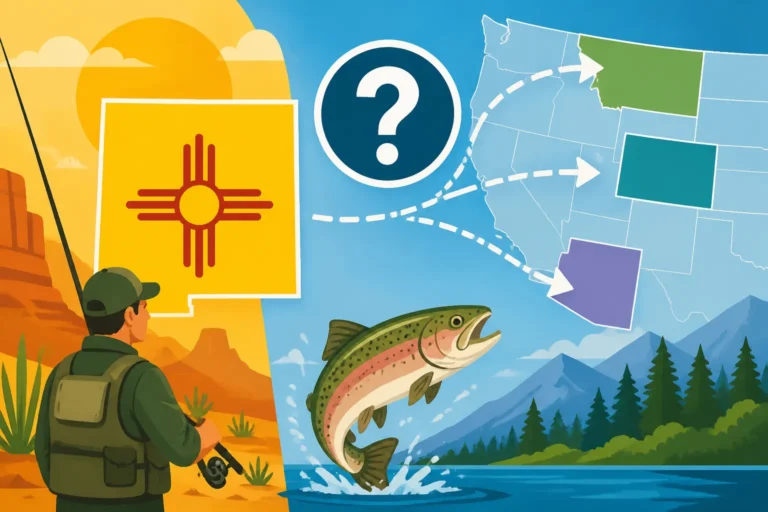
These short-term options are primarily tailored for two main groups: out-of-state visitors and New Mexico residents who fish infrequently. For a visitor planning a vacation in New Mexico, spending a few days fishing is often just one part of their larger itinerary. Committing to a full New Mexico Nonresident Annual Fishing License would be overkill and significantly more expensive for just a few days of activity. Likewise, many New Mexico residents might only go fishing once or twice a year, perhaps when family visits or during a special camping trip. For them, a short-term license means they don't have to purchase an annual license that mostly goes unused. Think of a family from Texas visiting Santa Fe and wanting to introduce their kids to trout fishing at a local pond for a day; a one-day license for the adults (and maybe a junior license for the older kids) is ideal. For a more detailed look at options, you might want to check out the guide on New Mexico Fishing License for Visitors on Vacation.
Key Differences from Annual Licenses
The most obvious difference lies in the duration: annual licenses cover you for an entire license year (April 1 to March 31 of the following year), while short-term licenses are limited to their specified consecutive days. Beyond duration, the pricing structure is significantly different, with short-term licenses generally offering a lower entry cost, though the per-day cost can sometimes be higher if you fish frequently. Annual licenses often come bundled with other benefits or are a prerequisite for certain special permits, whereas short-term licenses are more straightforward, granting basic fishing privileges. For instance, a long-term resident angler might opt for a combination hunting and fishing license, which isn't available in a short-term format. Understanding these distinctions is crucial when considering your overall fishing plans in the state.
Eligibility and Requirements for Short-Term Licenses
Just like any other official permit, there are specific rules and requirements you need to meet to purchase and legally use New Mexico's One-Day and Five-Day fishing licenses. These requirements ensure fair play, proper funding for conservation efforts, and the integrity of the state's natural resources.
Residency Status and Proof
Your residency status is a critical factor that directly impacts the cost of your fishing license. New Mexico offers different rates for residents and nonresidents. To qualify for a resident license, you must have established a bona fide residence in New Mexico for at least 90 consecutive days immediately prior to applying for a license, and maintain that residency. This typically means having a New Mexico driver's license or state ID, or other proof like voter registration, vehicle registration, or utility bills in your name for the required period. If you're a student enrolled in a university within New Mexico, or active duty military stationed in the state, there are often specific provisions that allow you to qualify for resident rates as well. Otherwise, you'll be considered a nonresident, subject to the higher nonresident fees. It's always best to have your proof of residency handy when purchasing a license, especially if buying in person. You can learn more about specific residency requirements in the New Mexico Resident Fishing License Options guide.
Age Requirements for Different Anglers
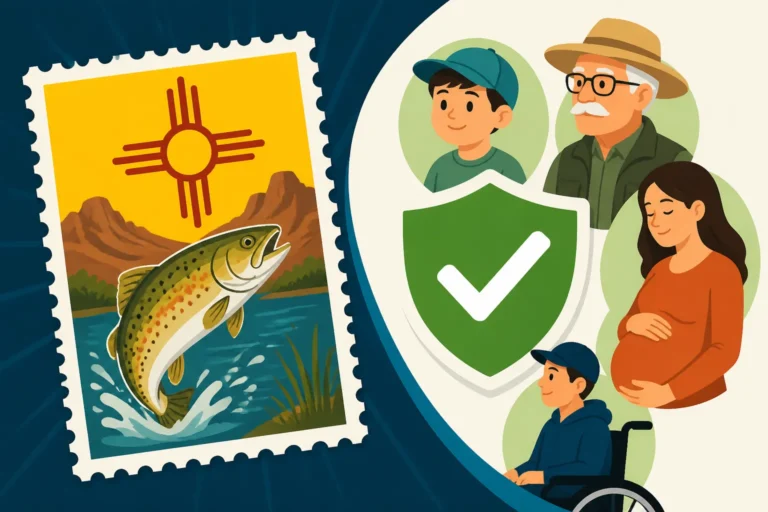
Age plays a significant role in who needs a license and what type they require. In New Mexico, children under the age of 12 can generally fish without a license. This is fantastic for introducing young ones to the joys of angling without any bureaucratic hurdles. However, once an angler turns 12, they are required to possess a valid fishing license. For those aged 12 to 17, there are specific junior fishing licenses available, which are typically less expensive than adult licenses. Once an individual reaches 18, they are considered an adult and must purchase either a resident or nonresident adult license, whether it's an annual, five-day, or one-day option. It’s a common misconception that if a child is fishing with a licensed adult, they don't need their own license above the age of 12. Always verify the current regulations, as rules can occasionally change.
Additional Stamps and Validations
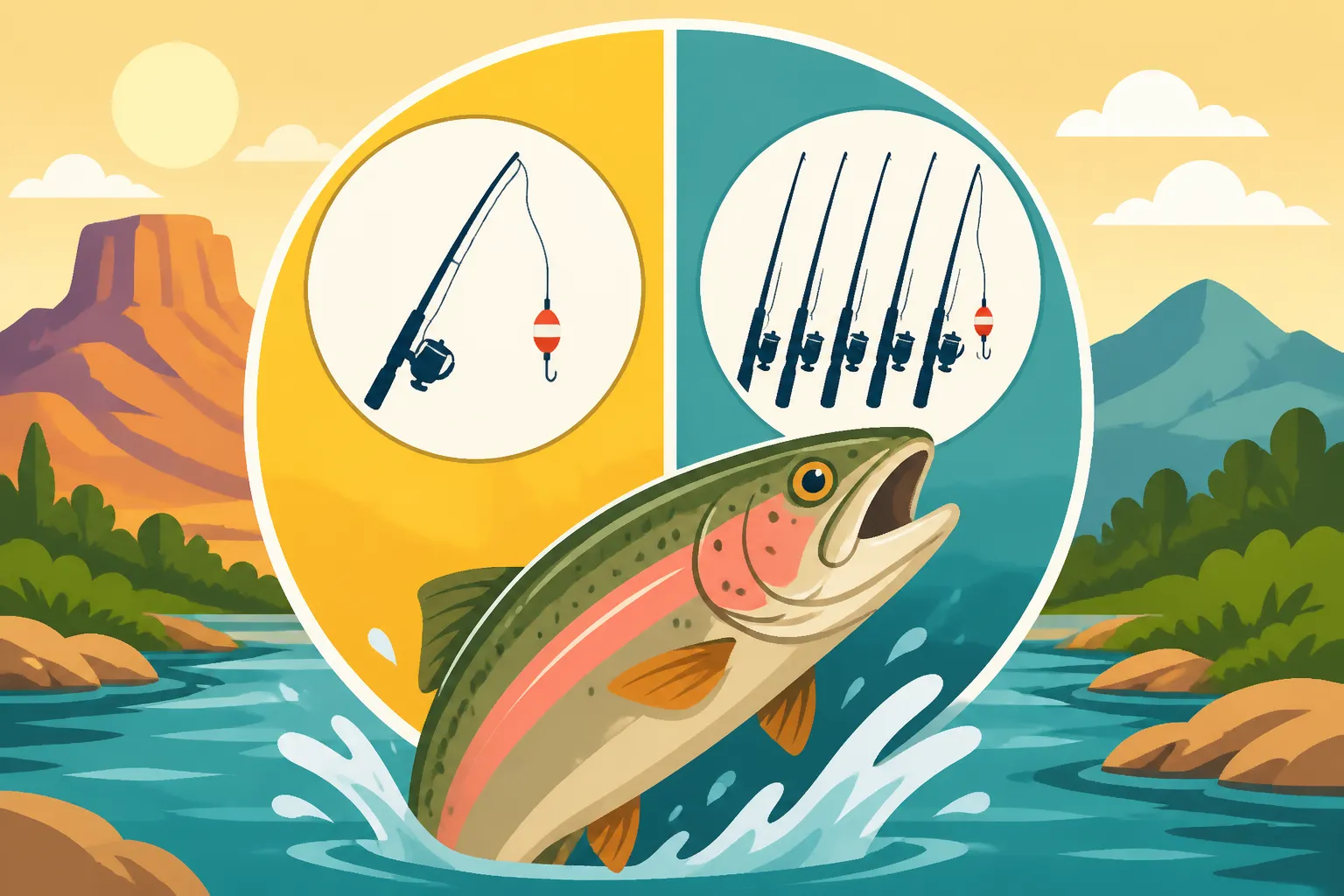
Purchasing a basic fishing license, whether it's one-day or five-day, is often just the first step. New Mexico requires additional validations for specific activities or access. The most common add-on is the Habitat Management and Access Validation, often simply called the Habitat Stamp. This stamp is required for anyone 18 years and older who is fishing, hunting, or trapping on most State Game Commission-owned or managed lands, or U.S. Forest Service or Bureau of Land Management (BLM) lands. Essentially, if you're fishing in most public waters, you'll need this. The funds from the Habitat Stamp go directly towards improving wildlife habitat and securing public access, which benefits all anglers. Another common validation is the Second Rod Validation, which allows you to fish with two rods simultaneously. Without this validation, you are limited to a single rod. These validations are typically purchased at the same time as your fishing license and are mandatory if your activities fall under their requirements. For a deep dive into this, consult our guide on New Mexico Habitat Stamp and Validation Requirements.
Breaking Down the Costs of One-Day and Five-Day Licenses
The financial aspect is often a primary consideration when choosing between short-term and annual licenses. While the short-term options are designed to be more affordable for brief excursions, it's essential to understand the exact costs, including any mandatory add-ons, to make an informed decision.
Resident One-Day and Five-Day License Fees
For New Mexico residents, the one-day and five-day licenses offer a budget-friendly way to enjoy fishing without the commitment of a full year. As of recent regulations, a resident one-day fishing license generally costs a modest amount, making it perfect for a spontaneous outing. The resident five-day license is a slightly higher investment, providing a continuous block of fishing time that might cover a long weekend or a short vacation within the state. These prices are considerably lower than the New Mexico Resident Annual Fishing License Cost, making them highly attractive for occasional anglers. For example, if you live in Albuquerque and decide to hit Storrie Lake for a single day of trout fishing, the one-day license is a straightforward choice. However, remember that these base prices often don't include the Habitat Stamp, which for residents aged 18 and over, is almost always required for fishing public waters.
Nonresident One-Day and Five-Day License Fees
Nonresidents face higher license fees, which is standard practice across most states to help fund local wildlife and fisheries management programs. The nonresident one-day fishing license is priced higher than its resident counterpart, but still offers a convenient option for visitors. Similarly, the nonresident five-day license presents a significant saving compared to purchasing a full New Mexico Nonresident Annual Fishing License Cost. Let's say a family from Arizona is planning a five-day camping trip to Navajo Lake and wants to fish for Kokanee salmon. The five-day nonresident license is ideal, covering their entire stay. While the sticker price might seem a bit steep at first glance compared to their home state's licenses, it provides legitimate access to some truly incredible fishing opportunities. These fees also contribute to maintaining those very opportunities, which is something we can all appreciate.
Considering the Total Cost with Add-ons
It's crucial to factor in all mandatory add-ons when calculating the total cost of your short-term fishing trip. As mentioned, the Habitat Stamp is usually required for anglers aged 18 and older on most public lands, and this adds to the base license price. For instance, if a nonresident purchases a five-day fishing license and plans to fish in the Carson National Forest, they will also need to buy the Habitat Stamp. The Second Rod Validation is another additional cost, but this is optional and only necessary if you intend to fish with two rods.
Here's a simplified table comparing approximate costs (prices are subject to change, always check the NMDGF website for the most current information):
| License Type | Resident Base Cost (Approx.) | Nonresident Base Cost (Approx.) | Habitat Stamp (Required for 18+) (Approx.) | Total Cost (Example: 18+ angler with Habitat Stamp) |
|---|---|---|---|---|
| One-Day Fishing License | $5 | $10 | $5 | Resident: $10 / Nonresident: $15 |
| Five-Day Fishing License | $12 | $25 | $5 | Resident: $17 / Nonresident: $30 |
| Annual Fishing License | $18 | $40 | $5 | Resident: $23 / Nonresident: $45 |
Note: Prices are illustrative and subject to change by the NMDGF. Always verify current prices before purchase.
This table highlights that while short-term licenses are cheaper upfront, if you find yourself buying multiple five-day licenses within a year, an annual license might eventually become more cost-effective. Always evaluate your fishing frequency to make the smartest financial choice, and remember to include the Habitat Stamp to get the true price of fishing most waters.
How and Where to Purchase Your Short-Term License
Getting your New Mexico fishing license shouldn't add stress to your trip. The NMDGF has made the process relatively straightforward, offering multiple convenient ways to purchase your one-day or five-day permit, whether you prefer planning ahead or a spur-of-the-moment buy. For a general overview, our guide on How to Get a New Mexico Fishing License can be very helpful.
Buying Online Through the NMDGF Portal
The easiest and most recommended way to purchase your fishing license is through the official New Mexico Department of Game and Fish website. Their online licensing system is user-friendly, allowing you to select your desired license type (one-day or five-day), specify your residency, and add any necessary validations like the Habitat Stamp or Second Rod. You can do this from the comfort of your home, days or even weeks before your trip. The portal often allows you to set the start date for your license, ensuring it's active precisely when you need it. This method is particularly convenient for nonresidents planning a vacation, as they can secure their permits long before crossing state lines. Once purchased, you'll receive a digital copy or a link to print your license, making it immediately valid. Many anglers find the online process seamless and appreciate the flexibility it offers. For a step-by-step walkthrough, check out Buying a New Mexico Fishing License Online.
In-Person Vendors and Retailers
For those who prefer a more traditional approach, or if you find yourself needing a license while already on the road, you can purchase one in person from authorized vendors across the state. These typically include sporting goods stores like Walmart, local bait and tackle shops, and some convenience stores or general stores in smaller towns. These vendors are equipped with the NMDGF's electronic licensing system, allowing them to issue licenses on the spot. It's a great option if you have questions, need local advice, or simply enjoy the tactile experience of buying a physical license. Just be aware that smaller shops might have limited hours, especially in remote areas. Always bring a valid form of identification (driver's license or state ID) and proof of residency if you're claiming resident status. Before heading out, you can often find a list of authorized New Mexico Fishing License Vendors on the NMDGF website.
Instant Printing and Digital Proof
Gone are the days when you had to wait for a physical card to arrive in the mail. Whether you buy online or in person, you'll typically receive an immediate printout or a digital version of your license. If purchasing online, you can print your license at home, or save a digital copy to your smartphone. The NMDGF generally accepts digital proof of your license on your phone, but it's always a good idea to have a physical copy too, especially in areas with spotty cell service or if your phone battery dies. Think of a remote high-mountain lake where charging points are non-existent; a printed license is peace of mind. For in-person purchases, the vendor will print it for you directly. Always make sure the dates are correct and that any required validations are clearly listed on your document before you head to the water.
Maximizing Your Short Trip: When Short-Term Licenses Make Sense
Choosing a short-term license isn't just about cost; it's about optimizing your fishing experience given the length and nature of your trip. Understanding when these licenses truly shine can help you make the best decision for your angling adventure in New Mexico.
Planning a Weekend Getaway or Vacation
One-day and five-day licenses are absolutely perfect for those spur-of-the-moment weekend trips or planned short vacations. Imagine you're visiting friends in Taos and decide to spend Saturday morning fly fishing a section of the Rio Grande. A one-day license covers your individual outing without making you buy an annual permit. Similarly, if your family is taking a full week's vacation to explore northern New Mexico, perhaps hitting Eagle Nest Lake for some trout and then moving on to Heron Lake for Kokanee, a five-day license could cover the dedicated fishing portion of your trip, while still allowing time for other activities. This flexibility is what makes these licenses so valuable for tourists and local explorers alike. It lets you integrate fishing into a broader travel plan without feeling like you've over-committed or overpaid for a full year of access. When packing for such a trip, remember to check online retailers like Amazon for compact travel fishing rods or small tackle kits perfect for a short getaway.
Comparing Short-Term vs. Annual for Longer Stays
While short-term licenses are great for brief visits, there's a tipping point where an annual license becomes more economical. If your trip extends beyond five days and includes substantial fishing, or if you plan multiple short trips within the same license year (which runs from April 1 to March 31 of the following year), an annual license might be the better value. For example, if you're a nonresident planning a 10-day fishing excursion, purchasing two five-day licenses might cost more than a single nonresident annual license. Moreover, an annual license covers you for the entire New Mexico Fishing License Year Explained, meaning any impromptu fishing opportunities that arise later in the year are already covered. Always do the math based on your estimated fishing days. For a resident, the annual license is often a clear winner if you fish more than a handful of times. For a visitor, if your itinerary includes more than a week of active fishing or if you foresee returning to New Mexico within the same license year, crunching the numbers will likely show the annual license to be the smarter long-term investment. You can find more details on longer-term options in New Mexico Annual Fishing License.
Rules and Regulations Specific to Short-Term Licenses
It’s crucial to remember that holding a one-day or five-day license grants you the same fishing privileges and responsibilities as an annual license holder. This means you must still adhere to all New Mexico fishing regulations, including bag and possession limits, size restrictions, legal methods of take, and special rules for specific waters. For instance, if you're fishing the San Juan River Quality Waters with a one-day license, you're still subject to the fly-and-lure-only rule and barbless hook requirement. These licenses are not a free pass around the rules; they are simply time-limited permits. Before heading out, always consult the current New Mexico Fishing Regulations Overview booklet or the NMDGF website. Ignorance of the rules is never an excuse, and violations can lead to fines, confiscation of gear, or even loss of fishing privileges. Being prepared means knowing your license is valid and understanding the rules of the water you intend to fish.
Common Misconceptions and Troubleshooting Short-Term Licenses
Even with their simplicity, short-term licenses can sometimes lead to confusion. A clear understanding of how they work, especially regarding their activation and duration, can save you from potential headaches or unintended violations.
Understanding the "Fishing Day" Definition
One of the most common points of confusion with short-term licenses is precisely what constitutes a "day." For New Mexico's one-day and five-day licenses, a "day" is typically a continuous 24-hour period, or in the case of the five-day license, five consecutive 24-hour periods, starting from the specific date and time you activate it. For example, if you purchase a one-day license that starts at 8:00 AM on a Monday, it will be valid until 7:59 AM on Tuesday. It's not just a calendar day from midnight to midnight. This allows for flexibility if you plan an evening fishing session that stretches into the early morning. Always be precise when setting your start date and time during the online purchase process, or confirm it with the vendor if buying in person. Miscalculating this can lead to accidentally fishing without a valid license, even if you thought you were covered.
What Happens if Your Trip Extends?
Life happens, and sometimes a quick weekend trip turns into an extended stay. If you initially bought a five-day license and decide to stay longer and continue fishing, your existing short-term license will simply expire. You cannot "upgrade" or extend a one-day or five-day license. Instead, you'll need to purchase a new license for the additional days. This might mean buying another one-day or five-day license, or if your extension is significant, it might push you into the territory where a full annual license becomes the more cost-effective choice. It's important to be proactive; don't wait until your current license has expired to realize you need a new one. Plan ahead, and if your plans change, get your new license before your current one runs out to avoid any lapses in coverage. Remember, you can easily purchase a new license online, even if you're already out fishing and realize you want an extra day.
Avoiding Penalties for Misunderstanding Rules
Fishing without a valid license or ignoring regulations can lead to serious consequences. The New Mexico Department of Game and Fish takes its conservation efforts very seriously, and game wardens patrol waters to ensure compliance. If you're caught fishing without a valid license, or if you violate bag limits or other rules, you could face hefty fines. These penalties can range from hundreds of dollars for a first offense and can escalate for repeat offenders. In some cases, your gear could be confiscated, and you might lose your fishing privileges for a period. This underscores the importance of carefully reading the New Mexico Fishing License Costs Explained and understanding the specific requirements for your chosen license type and fishing location. Always carry your license (digital or physical), be aware of the rules for the specific body of water you're fishing, and err on the side of caution. It's much better to ask a question of a game warden or consult the NMDGF regulations than to risk a citation. Bringing a small first-aid kit and a copy of the regulations (perhaps printed from the NMDGF website, or even a small guide purchased from a fishing supply store or Amazon) is a good practice for any angler heading out.
Disclaimer
Please note that fishing regulations, license costs, and requirements are subject to change by the New Mexico Department of Game and Fish. Always consult the official NMDGF website or their current fishing proclamation booklet for the most up-to-date and accurate information before planning your fishing trip. This guide is intended for informational purposes only.