New Mexico Trout Fishing Rules
Navigating the world of fishing regulations can feel like trying to untangle a particularly stubborn fishing knot, especially when you're excited to hit the water for some prime trout fishing. It’s a common frustration to want to do the right thing but be bogged down by complex rules that seem to change with every stream you visit. This comprehensive guide is designed to cut through that confusion, giving you a clear, detailed understanding of New Mexico's trout fishing rules so you can cast your line with confidence.
Understanding the Basics of New Mexico Trout Regulations
New Mexico is a land of incredible natural beauty, and its trout fisheries are a precious resource that we all want to protect. The rules and regulations around trout fishing aren't there to make your life difficult; they're thoughtfully designed to ensure these amazing fish populations thrive for generations to come.
Why Trout Regulations Exist in New Mexico
Trout, especially native species like the Rio Grande Cutthroat, are particularly sensitive to environmental changes and fishing pressure. New Mexico’s high-desert climate means water resources can be scarce and precious, and many of our trout streams are relatively small and fragile. Regulations act as a safeguard. They help manage harvest rates, protect spawning grounds, and maintain healthy ecosystems for both wild and stocked trout. Without these rules, it wouldn't take long for our favorite fishing holes to become depleted, and nobody wants to see that happen. The New Mexico Department of Game and Fish (NMDGF) works tirelessly to balance angler access with conservation needs, and that balance is reflected in the regulations.
Consider the delicate balance in a stream – every fish removed, every spawning bed disturbed, has a ripple effect. For wild trout populations, regulations are vital for allowing fish to reach maturity and reproduce, ensuring genetic diversity and robust numbers. For stocked fisheries, rules help distribute the catch fairly among anglers and prevent immediate overharvesting, allowing everyone a chance to enjoy the bounty. It’s all about sustainability, making sure that when you visit a stream, there will be fish there for you, and for your kids, and for their kids too.
General Statewide Trout Limits vs. Special Waters
When you first look at the New Mexico fishing proclamation, one of the biggest distinctions you'll encounter is between the general statewide trout limits and the specific rules for what are known as "Special Trout Waters." Think of the statewide rules as the baseline: the default regulations that apply unless a particular body of water has a specific designation that overrides them. These general rules typically cover daily bag limits and possession limits for various trout species across most of the state's rivers, lakes, and reservoirs that aren't designated as special.
However, many of New Mexico's most renowned trout fishing destinations, like sections of the San Juan River or certain high mountain lakes, fall under the "Special Trout Waters" umbrella. These areas have unique ecological characteristics, host rare or sensitive native trout populations, or are managed for trophy fishing. Because of their special status, these waters often come with much stricter regulations concerning tackle, bait, catch-and-release practices, and even specific size or bag limits that differ dramatically from the statewide norms. It's crucial to identify if the water you plan to fish is designated as "Special Trout Water" before you even rig your first cast, as the penalties for non-compliance can be significant.
Key Resources for Current Regulations
The single most authoritative source for New Mexico's fishing regulations is the New Mexico Department of Game and Fish (NMDGF). They publish a comprehensive fishing proclamation annually, which details all the current rules, limits, and special water designations. Relying on outdated information or hearsay is a recipe for trouble, so always make sure you have the latest guide. You can find the full proclamation on the NMDGF website, often available as a downloadable PDF that you can save to your phone or print out. Many license vendors also provide physical copies when you purchase your license.
Beyond the annual proclamation, the NMDGF website is a dynamic resource, often updated with emergency closures, drought-related restrictions, or other real-time changes that might not be in the printed guide. It’s a good habit to check the site a day or two before your trip, especially if you’re heading to a less-frequented area or during periods of environmental stress like extreme drought or high temperatures. There are also NMDGF-approved apps and various online communities where anglers share information, but always cross-reference with the official NMDGF sources to ensure accuracy. It’s your responsibility as an angler to know and follow the current rules.
Deciphering Daily Bag and Possession Limits for Trout
Understanding daily bag and possession limits is fundamental to legal and responsible trout fishing in New Mexico. Many anglers, especially those new to the state or planning multi-day trips, often confuse these two, leading to potential violations. Let’s break down what each means and how they apply to your fishing adventures.
Statewide Daily Bag Limits for Trout Species
The daily bag limit refers to the maximum number of fish you can legally keep and take from the water in a single day, from midnight to midnight. For most trout species across the majority of New Mexico's waters, the general statewide daily bag limit for trout is five fish. This includes popular species like Rainbow Trout, Brown Trout, Brook Trout, and even Lake Trout, unless otherwise specified for a particular water body. So, if you're fishing a general regulation lake or stream, you can keep up to five trout in a 24-hour period.
It’s important to remember that this limit applies collectively to all trout species. For instance, if you catch and decide to keep two Rainbow Trout, two Brown Trout, and one Brook Trout, you have reached your daily limit of five fish. You cannot then go out and catch five more of another species within that same day. This rule is designed to prevent overharvesting and ensures that the fish populations can replenish themselves. Always check the specific regulations for the water body you are fishing, as some areas might have reduced limits or even catch-and-release only rules for certain species or all trout. For more detailed information on specific species, check out our guide on Rainbow Trout Fishing in New Mexico and Brown Trout Fishing in New Mexico.
Understanding Possession Limits
While the daily bag limit dictates what you can take home per day, the possession limit dictates the maximum number of fish you can have in your physical possession at any given time. For trout in New Mexico, the general statewide possession limit is typically double the daily bag limit, meaning ten fish. This includes fish in your cooler, in your vehicle, at your campsite, or at your home from previous fishing trips.
This is particularly important for anglers planning multi-day trips or those who like to freeze their catch. For example, if you fish at Heron Lake on a Friday and keep five trout, and then return to fish on Saturday, you can keep another five trout that day. At that point, you would have ten trout in your possession (five from Friday, five from Saturday), which is the legal possession limit. You would then need to consume or process some of those fish before keeping any more on a subsequent day. The possession limit is a crucial safeguard against commercial-scale harvesting by recreational anglers and helps spread out the total catch over time. Understanding this distinction is key to staying within the law, especially when you’re out enjoying a multi-day fishing excursion in the high country.
Exemptions and Special Considerations
While the general 5-fish daily and 10-fish possession limits apply broadly, New Mexico's regulations include crucial exemptions and special considerations for specific trout species and water bodies. These exceptions are often implemented for conservation reasons, particularly for native or endangered species, or for special management purposes to create unique angling opportunities. For instance, the highly revered Rio Grande Cutthroat Trout, New Mexico’s state fish, often falls under more restrictive regulations, with many waters designated as catch-and-release only or having severely reduced limits to protect its fragile populations. Our dedicated guide to Rio Grande Cutthroat Trout in New Mexico delves deeper into these specific rules.
Similarly, the recovery efforts for the Gila Trout, an endangered species, mean that fishing opportunities are extremely limited, often requiring special permits and strictly mandating catch-and-release to aid their rebound. You'll find more information on these unique regulations in our article about Gila Trout in New Mexico. Beyond native species, some specific lakes or stream sections might have unique size slot limits, where you can only keep fish within a certain size range, or even inverted limits, where you must keep a certain number of smaller fish to help balance the population. Always consult the NMDGF proclamation for the specific water you intend to fish, as these nuanced rules can drastically change your approach to keeping fish.
Navigating New Mexico's Special Trout Waters
New Mexico is home to some truly exceptional trout fisheries, many of which are designated as "Special Trout Waters." These areas are managed with unique, often stricter, regulations compared to general statewide rules, and understanding them is paramount to a successful and legal fishing trip.
What Defines a "Special Trout Water"
A "Special Trout Water" designation in New Mexico isn't just a fancy name; it signifies a critical area managed for specific conservation or angling objectives. These waters are often characterized by stable populations of wild trout, trophy-sized fish, or unique ecological conditions that warrant special protection. The NMDGF applies these designations to protect native species, enhance trophy fisheries, or preserve sensitive habitats. For example, a river section might be designated if it supports a self-sustaining population of wild brown trout that are particularly vulnerable to overharvesting, or if it has the optimal conditions to grow exceptionally large rainbow trout.
The goal behind these designations is to ensure the long-term health and quality of these specific fisheries. By implementing stricter rules, the NMDGF can reduce pressure on these sensitive populations, encourage catch-and-release practices, and help maintain the pristine conditions that make these spots so desirable for anglers. This means that while these waters offer incredible fishing experiences, they also demand a higher level of awareness and adherence to the specific rules. Failing to understand these unique designations can quickly turn an exciting day of fishing into an unfortunate encounter with a game warden.
Common Regulations in Special Trout Waters
If you're heading to a Special Trout Water, expect the rules to be different from the general statewide limits. The most common and impactful regulations you'll encounter in these areas revolve around tackle, bait, and harvest. A frequent requirement is artificial flies and lures only. This means no PowerBait, no corn, no worms, no salmon eggs – nothing organic or scented that could be considered natural bait. The rationale is that artificials are generally less likely to be swallowed deeply by a fish, increasing its chances of survival upon release. You can find many of these specific types of lures and flies on retailers like Amazon, making it convenient to stock up.
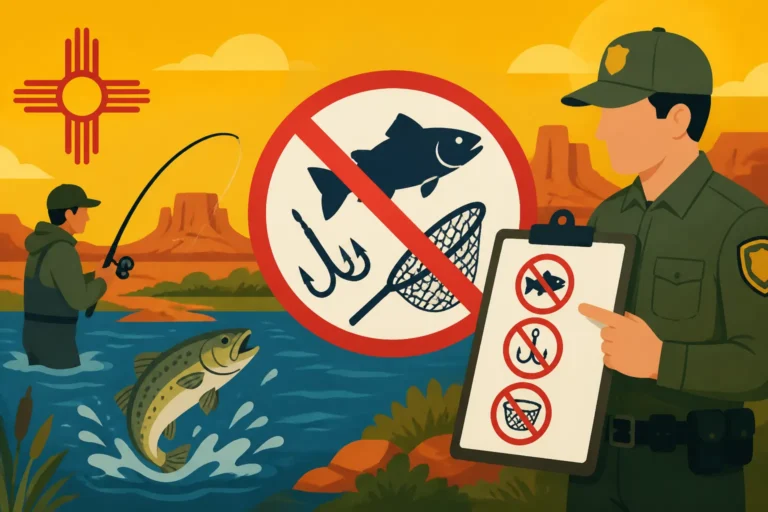
Another ubiquitous rule in Special Trout Waters is the use of barbless hooks. Barbless hooks minimize tissue damage to the fish's mouth, making it easier to remove the hook quickly and with less harm, which is crucial for catch-and-release success. Even if you're using an artificial lure, if it has a barb, it's illegal in these designated areas. Many anglers simply crimp down the barbs on their existing hooks with a pair of pliers before heading out. Beyond tackle, many Special Trout Waters will have reduced bag and possession limits, or even be designated as mandatory catch-and-release only. These measures are direct efforts to protect the fish populations in these sensitive environments. It can be frustrating to switch up your usual gear, but it's a small price to pay to preserve these amazing places.
Specific Rules for Renowned Special Waters San Juan River
When it comes to New Mexico's Special Trout Waters, the San Juan River Quality Waters below Navajo Dam is legendary and serves as a prime example of stringent, highly specific regulations. This 3.75-mile section of river is arguably one of the best trout fisheries in North America, and its unique rules are a big reason why. Here, the regulations are exceptionally strict: only a single artificial fly with a single barbless hook is permitted. No artificial lures, no multiple fly rigs (like a two-fly nymph rig), and absolutely no bait of any kind. This rule is designed to maximize the survival rate of the huge, healthy trout that inhabit this section, many of which are truly trophy size.
Furthermore, within the Quality Waters, there is a zero possession limit for trout. This means every trout you catch must be immediately released back into the river. There are no exceptions, no minimum or maximum size to keep. It's a pure catch-and-release fishery. Just downstream of the Quality Waters, there's another section designated simply as "Special Trout Water" that extends about 2.75 miles to the Munoz Bridge. The rules here are slightly different: artificial flies and lures with single barbless hooks are allowed, and there's a reduced daily bag limit of one trout, with a minimum size of 20 inches. This distinction is subtle but critical – you could be fishing legally with a single barbless lure just below the Quality Waters, but be in violation if you brought that same lure into the Quality Waters section. Always know your precise location and the rules that apply.
Licenses, Stamps, and Validations for Trout Fishing
Before you even think about what fly to tie on or what lure to cast, you need to ensure you have the proper legal documentation to fish in New Mexico. This involves more than just a basic fishing license; several stamps and validations might also be required, depending on your age, residency, and where you plan to fish.
The Essential New Mexico Fishing License
The cornerstone of legal fishing in New Mexico is the fishing license itself. Pretty much anyone aged 12 and older needs one to legally fish in the state's public waters. There are different options available, catering to both residents and nonresidents, as well as various durations. For folks who live in New Mexico year-round, an New Mexico Resident Fishing License Options is often the most cost-effective choice. It typically runs for a full license year (April 1st to March 31st). For visitors or those on a shorter trip, New Mexico Nonresident Fishing License Options are available, and you can also opt for shorter-term licenses like one-day or five-day options, which can be perfect for a vacation.
Children under the age of 12 do not require a fishing license, which is a fantastic way to introduce youngsters to the joy of fishing without the added paperwork and cost. However, even if they don't need a license, they are still subject to all the statewide and specific water body regulations, including bag limits and tackle restrictions. It’s always best to check the current NMDGF regulations for exact age cutoffs and specific requirements, as these can occasionally be updated. For a complete breakdown, our New Mexico Fishing License Guide is an invaluable resource.
Habitat Management and Access Validation HMAV Stamp
Beyond your basic fishing license, many anglers in New Mexico will also need to purchase a Habitat Management and Access Validation, often referred to as the HMAV stamp. This isn't just another fee; it's a critical component of conservation and access funding. The HMAV is required for anyone engaged in hunting, fishing, or trapping on lands managed by the U.S. Forest Service or the Bureau of Land Management (BLM) within New Mexico. Given that much of New Mexico's prime trout fishing happens on these federal lands, like in the Carson National Forest or the Gila National Forest, you’ll likely need this validation.
The funds generated from the HMAV go directly towards improving habitat for wildlife, including trout, and enhancing access for outdoor enthusiasts. This means better trails, improved stream health, and maintained public access points that directly benefit your fishing experience. The good news is that the HMAV is an annual validation, so once you purchase it for the license year, you're covered for all your fishing trips on qualifying lands. There are some exemptions, such as for youth under specific ages or those with certain disabled veteran statuses, but generally, if you're hitting those beautiful mountain streams or remote reservoirs, plan on adding the HMAV to your cart. Learn more about it in our detailed post on the New Mexico Habitat Management and Access Validation Stamp.
Second Rod Validation
Ever wished you could fish with two rods at once, maybe one with a bobber and another casting a lure? In New Mexico, you can, but it requires an additional validation: the Second Rod Validation. This validation allows licensed anglers to use a second rod while fishing, effectively doubling your chances and allowing for different presentations simultaneously. It's particularly popular in lakes and reservoirs where anglers might be targeting multiple species or experimenting with various depths and baits.
However, there's a catch: the Second Rod Validation is generally only allowed in still waters (lakes, reservoirs, ponds) and specific river sections. It is explicitly NOT permitted in any designated Special Trout Water, where the focus is often on single-rod, often fly-fishing, techniques to minimize impact and maintain a quality angling experience. So, while it's a great option for a day on Elephant Butte Lake or Heron Lake, forget about it when you're wading the San Juan River Quality Waters. The cost of this validation is relatively minor, but the benefit can be significant for certain types of fishing. Make sure to check the current regulations for the exact waters where a second rod is allowed. We cover this in detail in our New Mexico Second Rod Validation Cost guide.
Species-Specific Trout Regulations
While general trout regulations apply broadly, New Mexico implements species-specific rules, especially for its cherished native trout. These focused regulations are critical for protecting vulnerable populations and managing unique angling experiences.
Rio Grande Cutthroat Trout Management
The Rio Grande Cutthroat Trout (RGCT) holds a special place in the hearts of New Mexico anglers – it's our official state fish, a true native gem. Because of its ecological significance and past population declines, the management of RGCT is highly conservative. You'll often find that waters inhabited by wild Rio Grande Cutthroat are designated as Special Trout Waters, with stringent regulations designed for their protection. This typically means catch-and-release only rules, and often artificial flies and lures with barbless hooks are mandated. The goal is to ensure that every fish caught can be released unharmed, allowing these populations to thrive and expand.
Finding healthy populations of RGCT can be a challenging but incredibly rewarding experience, as they often inhabit pristine, high-elevation streams. When you do encounter them, it's not about the harvest; it's about the experience of connecting with a piece of New Mexico's natural heritage. The NMDGF actively works on restoration projects, sometimes closing streams temporarily to allow for recovery or stocking efforts. Always verify the specific regulations for any stream you plan to fish that might hold RGCT, as these rules are some of the most critical for their survival. You can learn more about these fascinating fish and where to find them in our article on Rio Grande Cutthroat Trout in New Mexico.
Gila Trout Recovery and Fishing
The Gila Trout is another iconic native New Mexico trout, and its story is one of remarkable conservation efforts. Historically, Gila Trout faced severe habitat loss and hybridization, leading to their listing as an endangered species. Thanks to decades of dedicated work by the NMDGF and partners, their populations are slowly recovering in specific streams within the Gila Wilderness. Because of their sensitive status, opportunities to fish for Gila Trout are extremely limited and come with the strictest regulations.
Currently, fishing for Gila Trout is typically permitted in only a handful of designated streams, often requiring specific permits or being restricted to certain times of the year. When fishing is allowed, it is almost universally catch-and-release only and requires artificial flies and lures with single barbless hooks. The emphasis is entirely on conservation and minimizing any impact on these fragile, recovering populations. Anglers interested in pursuing Gila Trout should consult the NMDGF proclamation well in advance and be prepared for potential permit requirements and detailed reporting. It’s an opportunity not just to fish, but to participate in a vital recovery story. Our guide on Gila Trout in New Mexico provides a deeper dive into their habitat and fishing opportunities.
Other Trout Species Rainbow, Brown, Brook, Lake Trout
While native cutthroat and Gila trout receive special attention, other trout species like Rainbow, Brown, Brook, and Lake Trout are far more widespread and form the backbone of New Mexico's trout fisheries. These species are found in a vast array of waters, from large reservoirs to small streams, and often fall under the general statewide regulations for daily bag and possession limits. Rainbow Trout, in particular, are extensively stocked by the NMDGF in many lakes and urban ponds, providing accessible fishing opportunities for anglers of all skill levels. For specific techniques to target these common species, check out our guide on Rainbow Trout Fishing in New Mexico.
Brown Trout are known for their wariness and trophy potential, often found in larger rivers and lakes, thriving even in waters with warmer temperatures than rainbows prefer. Brook Trout, though smaller, offer a vibrant challenge in colder, high-elevation streams. Lake Trout, often called "Mackinaw," are typically found only in deeper, colder mountain lakes like Heron and Navajo, and can grow to impressive sizes, requiring specialized gear and techniques. While these species generally adhere to the statewide 5-fish daily and 10-fish possession limits, it's still crucial to remember that some specific lakes or stream sections might have localized regulations, such as minimum size limits or reduced bag limits, especially for trophy brown trout waters. Always double-check the NMDGF proclamation for the specific body of water you intend to fish.
Understanding Tackle Restrictions and Gear Guidelines
Beyond knowing your limits and where to fish, understanding what you can use to catch trout is just as critical. New Mexico has specific rules about tackle and bait, especially in its prized trout waters, all designed to promote healthy fish populations and a quality angling experience.
Artificial Lures vs. Bait in Trout Waters
This is one of the most common areas of confusion and potential violation for anglers new to New Mexico or unfamiliar with specific water regulations. In general waters, bait fishing is perfectly acceptable. Worms, corn, PowerBait, salmon eggs, and minnows are all popular choices for targeting trout. However, the moment you step into a designated "Special Trout Water," the rules almost universally change to artificial flies and lures only. This means absolutely no organic or naturally derived baits, and typically, no scented artificials either, as the scent often mimics natural bait.
What constitutes an "artificial lure"? It's generally defined as a man-made device that does not contain or have added to it any organic or natural substance, live or dead, that might entice a fish to strike. This includes flies, spinners, spoons, and hard-bodied crankbaits. The purpose behind this restriction is twofold: it reduces the likelihood of fish swallowing the hook deeply (making release more difficult) and it promotes a more sporting challenge, as fish are often more discerning with artificial presentations. It can be a steep learning curve if you're used to bait fishing, but many excellent resources (and tackle options available on Amazon) exist to help you transition to artificials. It's truly disheartening to see someone unknowingly using PowerBait in a fly-fishing-only section, so always double-check the signs and the proclamation.
Barbless Hooks and Catch-and-Release Practices
The requirement for barbless hooks is another hallmark of New Mexico's Special Trout Waters and a highly recommended practice in all trout fisheries. A barbed hook, by its very design, is meant to hold securely in a fish's mouth, but it also creates a larger wound and makes removal more difficult and stressful for the fish. A barbless hook, on the other hand, can usually be dislodged quickly and cleanly, greatly increasing the chances of the released fish surviving and thriving. Many anglers simply use a pair of pliers to gently crimp down the barb on their existing hooks – a simple modification that makes a huge difference.
Beyond barbless hooks, practicing good catch-and-release techniques is vital, especially when fishing in sensitive areas or for native species. If you intend to release a fish, handle it as little as possible, and with wet hands to protect its delicate slime coat. Keep the fish in the water as much as you can, and use a net with a rubberized mesh (rather than knotted nylon) to avoid damaging fins and scales. If the fish is exhausted, hold it gently facing into a slow current until it regains its strength and can swim away on its own. Avoiding these common mistakes can significantly contribute to the health of New Mexico's trout populations. Our comprehensive guide on Catch and Release Best Practices in New Mexico offers even more valuable tips.
Protecting Fish Health and the Environment
Responsible angling goes beyond just following the letter of the law; it involves actively protecting the health of the fish and the integrity of the environment. One critical aspect is preventing the spread of aquatic invasive species. Always clean, drain, and dry your boat, waders, and gear between fishing locations to avoid inadvertently transporting microscopic hitchhikers like whirling disease or New Zealand mudsnails. These invaders can devastate native fish populations and alter ecosystems irrevocably.
Furthermore, proper disposal of fishing line, broken lures, and other trash is non-negotiable. Monofilament line, in particular, can be an invisible killer for birds and other wildlife. Always carry out everything you carry in, and if you spot litter left by others, consider packing it out if you can safely do so. Be mindful of stream banks and vegetation, avoiding unnecessary trampling. During spawning seasons, be extra cautious to avoid disturbing redds (nests) where trout lay their eggs. These ethical considerations ensure that the beautiful waters and abundant fish that draw us to New Mexico remain healthy and vibrant for everyone to enjoy for years to come.
Seasonal Considerations and Dynamic Rule Changes
Fishing in New Mexico isn't a static activity; it's deeply intertwined with the seasons, the weather, and the ever-changing natural landscape. Understanding how these factors influence regulations and fish behavior is key to a rewarding and compliant angling experience.
Year-Round Fishing vs. Seasonal Closures
One of the great joys of trout fishing in New Mexico is that many of its waters are open for fishing year-round. Unlike some states with distinct "trout seasons" that close for winter, you can often find open waters even in the colder months, making ice fishing a popular winter pastime in suitable lakes. However, "year-round" doesn't mean "everywhere, all the time." Some specific areas, particularly smaller, high-elevation streams or portions of rivers that serve as crucial spawning grounds for native trout, might have temporary seasonal closures. These closures are usually implemented to protect sensitive fish during critical reproductive periods, ensuring the next generation of trout.
For instance, certain streams managed for native Rio Grande Cutthroat Trout might have closures during their spring spawning runs. Access to some high mountain lakes can also be seasonally limited by snowpack, making them accessible only during the warmer months. It's vital to consult the NMDGF fishing proclamation for specific dates and locations of any such closures before planning your trip. Ignorance of a seasonal closure is not a valid defense if you're found fishing in a restricted area. For a detailed calendar, our guide on New Mexico Fishing Season Dates and Limits is a great resource.
How Water Levels and Drought Affect Regulations
New Mexico is an arid state, and water is a precious commodity. This reality profoundly impacts fishing regulations, particularly during periods of drought or unusually low water levels. The NMDGF closely monitors stream flows and lake levels, as well as water temperatures, which can become critically high for trout during dry, hot summers. When conditions become dire – for example, if stream flows drop to dangerously low levels or water temperatures become lethal for cold-water species – the NMDGF has the authority to implement emergency closures or restrictions.
These emergency measures are not uncommon and are put in place to protect stressed fish populations from additional angling pressure. A stream might be temporarily closed to all fishing, or specific sections might be designated catch-and-release only, even if they normally have harvest limits. Sometimes, bait restrictions might be imposed to further reduce fish mortality. This dynamic nature of regulations means that checking the NMDGF website for the latest conditions and emergency orders just before your trip is not just good practice – it's often essential. What was open last week might be closed today due to rapidly changing environmental conditions.
Staying Up-to-Date with Rule Revisions
The responsibility for knowing and adhering to New Mexico's fishing regulations ultimately rests with the individual angler. While the annual NMDGF fishing proclamation is your primary guide, it's a living document that can be supplemented or even overridden by emergency orders or special announcements throughout the year. The best way to stay informed is to make the NMDGF website your first stop before any fishing trip.
Consider signing up for NMDGF email newsletters or following their official social media channels for real-time updates. Many local bait and tackle shops, especially those in smaller towns near popular fishing spots, are also excellent sources of current information and can often advise you on recent changes or local conditions. Never rely solely on old printouts or word-of-mouth. A quick check of the official sources can save you from an unintentional violation and ensure your fishing trip is both enjoyable and legal.
Common Mistakes and How to Avoid Penalties
Even experienced anglers can sometimes fall afoul of fishing regulations if they're not careful. New Mexico's trout rules, especially with its nuanced Special Trout Waters, can be tricky. Knowing the common pitfalls can help you avoid unwelcome surprises.
Misinterpreting "Quality Waters" vs. "Special Trout Waters"
One of the most frequent mistakes anglers make in New Mexico is confusing the different designations for specially managed trout areas. The San Juan River Quality Waters (the 3.75-mile stretch directly below Navajo Dam) has the most restrictive rules: single artificial fly, single barbless hook, and strictly catch-and-release with zero possession. It's a fly-fishing-only paradise, and any other tackle or retention of fish is a serious violation.
However, the river section immediately downstream, from the Quality Waters boundary to Munoz Bridge (about 2.75 miles), is designated simply as "Special Trout Water." Here, the rules are slightly more relaxed: artificial flies and lures with single barbless hooks are allowed, and there's a reduced bag limit of one trout, minimum 20 inches. It's easy to assume the rules are uniform, but they are not. An angler using a spinner (an artificial lure) might be legal in the "Special Trout Water" section but instantly in violation upstream in the "Quality Waters" section. Always consult detailed maps and signage to pinpoint your exact location and the corresponding regulations.
Forgetting Your License or HMAV Stamp
It might sound obvious, but forgetting to purchase or carry your required fishing license and any necessary validations (like the HMAV stamp) is a common and easily avoidable mistake. Many people assume that because they've fished for years, they're automatically covered, or they simply leave their paper license at home to avoid getting it wet. However, game wardens require proof of your license and any necessary stamps.
While digital licenses viewable on your phone are generally accepted, ensure your device is charged and accessible. If you fish on federal lands (Forest Service, BLM), and that's where much of New Mexico's best trout fishing is, you absolutely need that Habitat Management and Access Validation (HMAV) stamp. Without the proper documentation, you could face fines, have your fishing gear confiscated, and your trip abruptly ended. It's a frustrating situation that no one wants to be in, so make it a habit to double-check your wallet or digital access before leaving home. Our guide on the Penalty for Fishing Without a License in New Mexico details the repercussions.
Accidental Violations and What to Do
Despite your best intentions, sometimes an accidental violation can occur. Perhaps you misidentified a fish and kept an undersized one, or you drifted into a closed area unknowingly. While ignorance of the law is generally not a defense, how you handle the situation can make a significant difference. If you realize you've made an honest mistake, the best course of action is often to immediately rectify it and, if possible, contact the NMDGF. For example, if you accidentally keep an undersized fish, immediately release it unharmed if it's still viable, and cease fishing in that manner.
Attempting to conceal a violation or being uncooperative with a game warden will only worsen the situation. Game wardens are primarily conservation officers; they often appreciate honesty and genuine attempts to comply. While you might still face a warning or even a fine, being transparent can go a long way. Always be polite, provide your license and identification when requested, and answer questions truthfully. Most wardens are passionate about fishing themselves and understand that mistakes can happen, but deliberate disregard for regulations is treated very differently.
Summary of Key New Mexico Trout Regulations
To help you keep track of the most important New Mexico trout fishing rules, here's a quick reference table comparing the general statewide regulations with those for the iconic San Juan River Quality Waters and the adjacent San Juan River Special Trout Water section. Remember, always check the current NMDGF proclamation for the most up-to-date and specific regulations for any water body you plan to fish.
| Regulation Category | General Statewide Trout Waters | San Juan River Quality Waters (below Navajo Dam) | San Juan River Special Trout Water (below Quality Waters to Munoz Bridge) |
|---|---|---|---|
| Daily Bag Limit | 5 trout (collective for all species) | 0 trout (Catch & Release Only) | 1 trout (minimum 20 inches) |
| Possession Limit | 10 trout (collective for all species) | 0 trout (Catch & Release Only) | 1 trout (minimum 20 inches) |
| Tackle Allowed | Artificial lures, flies, and natural bait | Single artificial fly, single barbless hook only | Artificial flies and lures, single barbless hook only |
| Hook Type | Barbed hooks generally allowed (check local rules) | Single barbless hook only | Single barbless hook only |
| Second Rod Valid. | Yes, with validation (not in rivers/streams) | Not Allowed | Not Allowed |
| HMAV Stamp Req. | Required on Federal (USFS, BLM) lands | Required (on Federal land) | Required (on Federal land) |
| Native Trout Rules | Specific rules for RGCT/Gila Trout may apply | N/A (Rainbow/Brown focus) | N/A (Rainbow/Brown focus) |
Disclaimer
The information provided in this guide is for general informational purposes only and is subject to change. While we strive to provide accurate and up-to-date information, fishing regulations in New Mexico are dynamic and can be revised by the New Mexico Department of Game and Fish at any time. It is solely the responsibility of the angler to consult the current official New Mexico Fishing Proclamation and any emergency orders or updates from the New Mexico Department of Game and Fish website before engaging in any fishing activity. Non-compliance with fishing regulations can result in fines, penalties, and forfeiture of gear.