Gila Trout in New Mexico
For those of us who cherish the wild, untamed corners of New Mexico, few experiences rival the pursuit of a native Gila Trout. These remarkable fish, with their distinctive golden flanks and rich history, are more than just a catch; they're a living symbol of the state's natural heritage and an emblem of successful conservation. If you've ever dreamt of casting a line in pristine mountain streams, far from the crowds, this guide will walk you through everything you need to know about finding and responsibly fishing for Gila Trout in New Mexico.
The Enduring Charm of the Gila Trout: A New Mexico Native
There's something truly special about connecting with a fish that has evolved over millennia in the very waters you're standing in. Gila Trout embody this deep connection to place, representing a unique chapter in New Mexico's ecological story. Their very existence is a testament to the power of dedicated conservation, and their pursuit offers an unparalleled backcountry experience that feels like stepping back in time.
What Makes Gila Trout Unique?
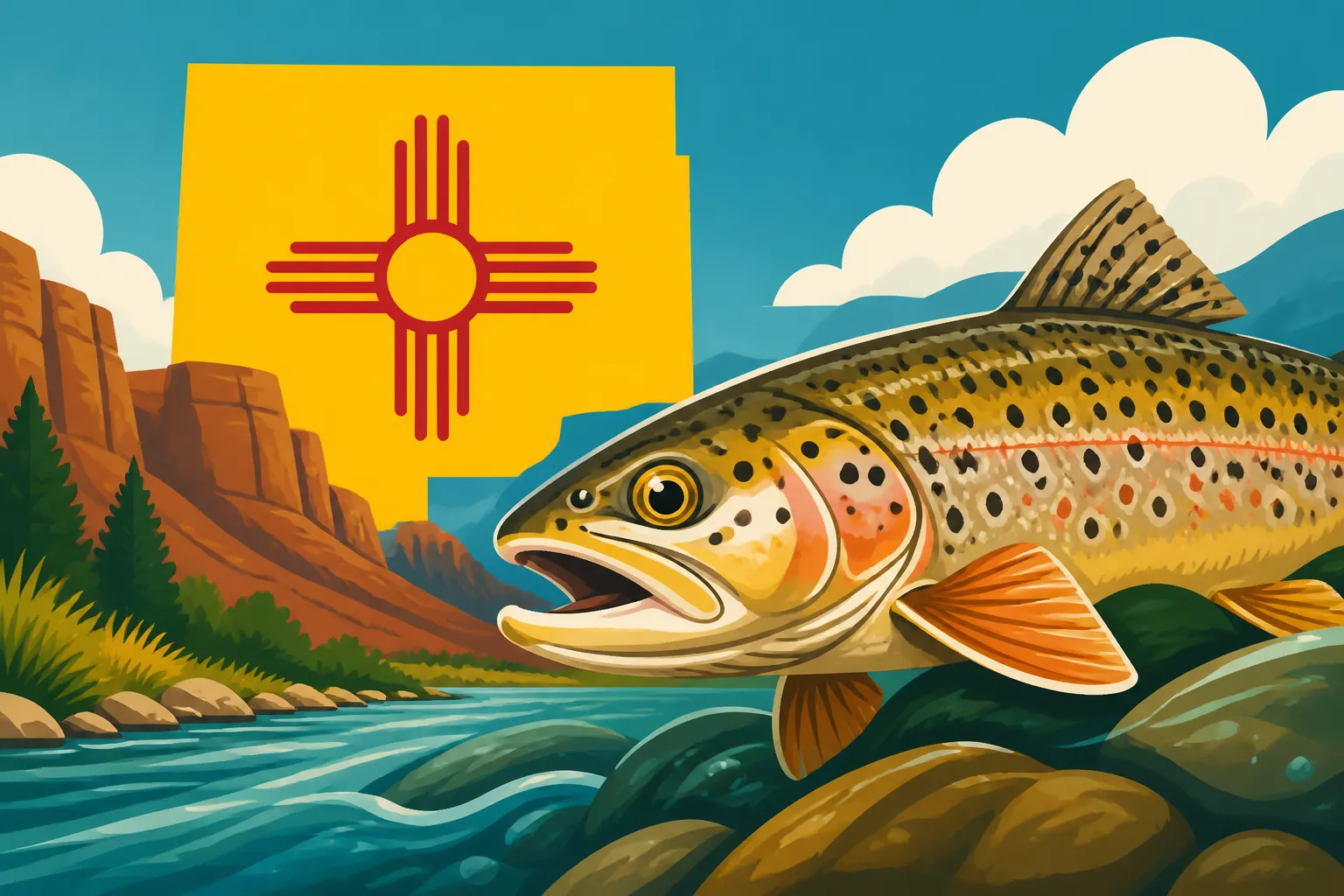
Unlike the more commonly stocked rainbow and brown trout, Gila Trout (Oncorhynchus gilae) are one of New Mexico's true native trout species, along with the Rio Grande Cutthroat Trout. Their ancestry traces back thousands of years to the Gila River Basin, where they adapted to the specific conditions of high-desert streams. This deep evolutionary history means they're perfectly suited to their environment, displaying a hardiness and beauty that is distinctly New Mexican. They often thrive in waters that are too warm or silty for other trout species, showcasing their incredible adaptability. Their unique genetic makeup also makes them invaluable for maintaining biodiversity in our precious waterways.
Fishing for Gila Trout isn't just about the size of the fish; it's about the entire journey. It's about the effort to reach their remote strongholds, the crystal-clear water, the solitude, and the satisfaction of encountering a truly wild, native species. The challenge of locating them and the delicate approach required to tempt a bite adds to their allure, making them a coveted target for many dedicated anglers seeking a more profound connection to the sport and the land.
Identifying This Golden Gem
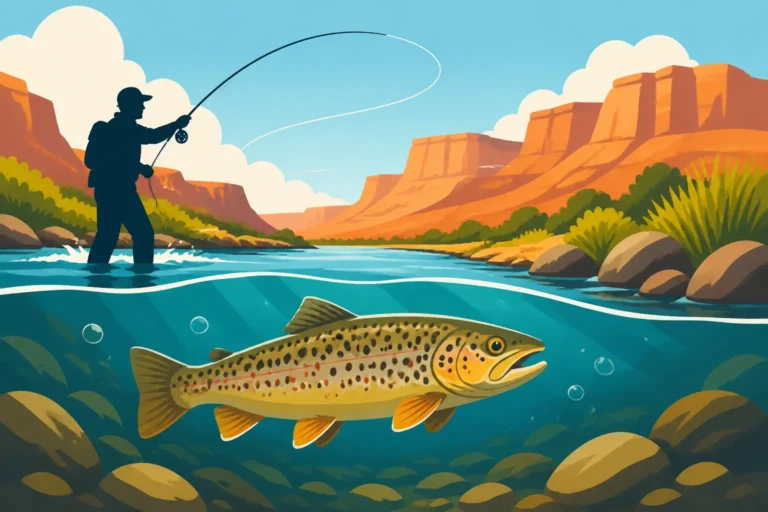
When you finally bring a Gila Trout to hand, you'll immediately notice its striking beauty. They typically exhibit a golden-yellow to brassy coloration on their sides, often transitioning to a darker olive or coppery hue on their back, with a pale, sometimes white, belly. Their bodies are usually adorned with numerous small, irregularly shaped black spots, concentrated more heavily on the upper flanks, dorsal fin, and caudal fin. Unlike rainbow trout, Gila Trout generally lack the prominent red or pink lateral band. Sometimes, a faint yellow or orange cutthroat mark might be present under the jaw, though this is not always as distinct as in true cutthroat species.
Their fins are often a beautiful amber or golden color, occasionally tipped with white or orange. Size-wise, Gila Trout are typically smaller than their stocked cousins, with most fish caught by anglers ranging from 8 to 14 inches, though larger specimens can be found in more established populations. Distinguishing them from other trout is crucial, not just for identification, but also for adhering to strict regulations designed to protect this sensitive species. Knowing these identification markers is a critical part of responsible fishing in Gila Trout waters, ensuring you're targeting and handling the correct fish.
Here’s a quick comparison to help you distinguish Gila Trout from other common trout species you might encounter in New Mexico:
| Feature | Gila Trout | Rainbow Trout | Brown Trout |
|---|---|---|---|
| Body Color | Golden-yellow to brassy, olive back | Silvery to olive-green, often pink band | Brown/golden, often with red/orange spots |
| Spotting | Numerous small, irregular black spots | Numerous small black spots, even | Large, sparse dark spots, often with halos |
| Lateral Band | Absent or very faint | Prominent pink/red stripe (often) | Absent |
| Jaw Mark | Faint yellow/orange (sometimes present) | Absent | Absent |
| Fin Color | Amber to golden, sometimes white/orange-tipped | Clear to dusky, often white fin tips | Yellowish-brown, sometimes orange-tipped |
| Typical Size | 8-14 inches | 10-20+ inches | 12-25+ inches |
A Story of Survival and Resilience
The history of the Gila Trout is a dramatic one, marked by near extinction and an inspiring journey of recovery. Historically, these fish thrived across a wider range of streams in the Gila River Basin in both New Mexico and Arizona. However, decades of overfishing, habitat degradation from logging and grazing, and perhaps most significantly, hybridization and competition with introduced non-native trout species (like rainbow and brown trout) pushed the Gila Trout to the brink. By the mid-20th century, their populations were severely fragmented and dangerously low, leading to their listing as an endangered species. It was a bleak outlook, and many feared they would disappear forever.
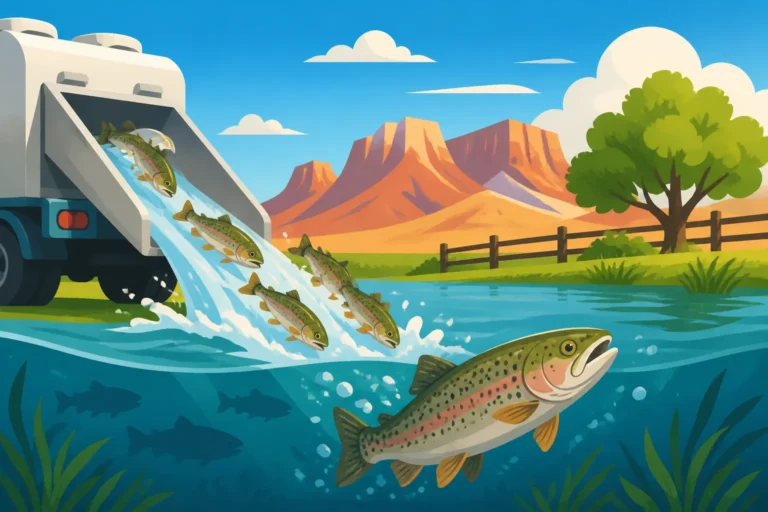
Fortunately, a concerted effort by state and federal agencies, conservation groups, and dedicated individuals turned the tide. Recovery efforts have focused on a multi-pronged approach: removing non-native fish from Gila Trout streams, restoring degraded habitats, constructing barriers to prevent non-native fish from re-entering rehabilitated waters, and carefully reintroducing genetically pure Gila Trout into their historical range. This monumental undertaking has been a slow, painstaking process, but it has paid off. The Gila Trout's conservation status has since improved, moving from "endangered" to "threatened," a significant achievement and a testament to what dedicated conservation can accomplish. This ongoing work ensures that future generations will have the opportunity to experience these magnificent fish. Is the Gila Trout an Endangered Species? provides more detail on this critical history.
Where to Find Gila Trout: Navigating Their Special Waters
Unlike fishing for common trout in easily accessible rivers, seeking Gila Trout requires a sense of adventure and a willingness to journey into wild, remote landscapes. Their waters are often tucked away in protected areas, demanding effort and respect for the pristine environment they inhabit. It's an experience that tests your resolve but richly rewards your spirit.
The Gila Wilderness: Heart of Gila Trout Country
The vast and rugged Gila Wilderness, located within the Gila National Forest in southwestern New Mexico, is truly the spiritual home and primary stronghold of the Gila Trout. This is a place where nature reigns supreme, offering an unparalleled opportunity for solitude and an authentic backcountry experience. The streams here are typically small to medium-sized, characterized by clear, cold water, rocky bottoms, and dense riparian vegetation that provides crucial cover and food sources for the trout. Imagine hiking through Ponderosa pine forests, descending into deep canyons, and then finding a hidden stream, its waters teeming with these golden natives. This is the essence of Gila Trout fishing.
Accessing these areas often means multi-mile hikes, sometimes overnight backpacking trips, into the heart of the wilderness. Roads are few and far between, and motorized travel is strictly limited or prohibited in many areas. This remoteness is a double-edged sword: it makes the fish harder to reach, but it also protects their habitat from excessive pressure and ensures a wild, unspoiled setting. When planning your trip, be prepared for self-sufficiency, unpredictable weather, and the possibility of encountering true wilderness. It’s an adventure, not just a fishing trip. Best Fishing Spots in the Gila National Forest offers further insights into this region.
The Challenge of Access and Remote Fisheries
Getting to Gila Trout waters is often half the battle, and certainly a significant part of the experience. These aren't roadside pull-offs; they are genuine backcountry destinations. Depending on the specific stream, you might face strenuous hikes over uneven terrain, through thick brush, or across multiple stream crossings. It's crucial to be physically prepared and to carry appropriate gear for the conditions, including plenty of water, food, navigation tools, and first-aid supplies. Maps and a GPS device are indispensable tools for navigating this wild landscape. Checking in with the Gila National Forest or New Mexico Department of Game and Fish offices for current trail conditions and stream access advisories is always a wise first step.
The remoteness also means you'll likely be sharing the stream with very few, if any, other anglers, enhancing the sense of wildness and challenge. This solitude is a major draw for many who seek Gila Trout. However, it also means you must be self-reliant and keenly aware of your surroundings. Proper planning, including informing someone of your itinerary, is paramount. Remember, these fisheries are recovering, and minimizing your footprint is as important as catching a fish.
Understanding Stream Specificity and Habitat
Gila Trout thrive in very specific types of habitat: small, clear, cold-water streams with good riparian cover and healthy aquatic insect populations. They prefer stream sections with a mix of riffles, runs, and pools, using the deeper pools for holding and the faster water for feeding. Undercut banks, submerged logs, and overhanging vegetation provide essential cover from predators and harsh sun. The streams are often fed by snowmelt and natural springs, maintaining consistent cold temperatures even during the warmer months, which is critical for trout survival.
It's important to understand that not every stream in the Gila National Forest will hold Gila Trout. Recovery efforts have focused on specific drainages, and these are often well-documented by the New Mexico Department of Game and Fish. These waters are carefully managed, and anglers are expected to know which streams are designated Gila Trout waters and follow all specific regulations for those areas. Familiarizing yourself with the nuances of these habitats will not only increase your chances of finding fish but also deepen your appreciation for the delicate ecosystems that sustain them. How to Fish Small Streams in the Gila National Forest provides practical advice for these environments.
The Imperative of Conservation: Regulations for Gila Trout Anglers
Fishing for Gila Trout isn't just a recreational activity; it's an act of participation in a vital conservation effort. Because of their history and ongoing recovery, these fish are protected by specific regulations designed to ensure their survival and continued rebound. Respecting these rules is not optional; it's a moral obligation for every angler who seeks to experience these magnificent native fish.
Special Permits and Restricted Access
Due to their threatened status, fishing for Gila Trout often comes with unique regulatory requirements. While a standard New Mexico fishing license is always required, some Gila Trout waters may also require additional permits or specific declarations. For instance, specific streams or sections might be designated as "Gila Trout Waters" with highly restricted access or special reporting requirements. These measures are put in place to closely monitor fishing pressure and fish populations, ensuring that angling activity does not impede recovery efforts. Always check the latest New Mexico Fishing Regulations Overview or the annual New Mexico Fishing Rules & Info booklet from the New Mexico Department of Game and Fish before you go.
In some cases, certain streams may be temporarily closed to fishing to facilitate habitat restoration, fish reintroduction, or to protect spawning aggregations. These closures are critical for the long-term health of the species. It's the angler's responsibility to be fully informed about these localized rules. Ignorance of the regulations is never an excuse, and violating them can carry serious penalties, jeopardizing the recovery of these precious fish. Do You Need a Permit to Fish for Gila Trout? is an essential read before planning your trip.
Catch Limits and Protected Status
When it comes to Gila Trout, the phrase "less is more" often applies. Many designated Gila Trout waters operate under strict catch and release regulations, meaning any Gila Trout caught must be immediately and carefully returned to the water. In areas where harvest is permitted, the bag limits are typically very low, often one or two fish, and sometimes with specific size restrictions. These limits are set to allow populations to continue to grow and establish themselves, preventing any impact from overfishing. The philosophy here is to allow anglers to experience the thrill of catching these unique fish while safeguarding their numbers. Gila Trout Bag Limit in New Mexico details the specific numbers.
Anglers must also be acutely aware of species identification. Accidentally keeping a Gila Trout from a catch-and-release-only stream, or misidentifying it for another species, can lead to significant fines and penalties. This is why understanding the identifying characteristics discussed earlier is so critical. The protected status of Gila Trout means that every fish matters to the population's future, and responsible anglers play a direct role in that future by adhering strictly to these guidelines.
Why Catch and Release is Paramount
For Gila Trout, especially in their most sensitive populations, catch and release fishing is not just a recommendation; it's often a mandatory and ethical imperative. These fish are still recovering, and even a small loss of individuals can set back years of conservation work. Catch and release minimizes stress and injury to the fish, allowing them to survive and reproduce, contributing to the genetic diversity and strength of their population. It's about ensuring the future of the species for generations to come.
Practicing proper catch and release techniques is essential: use barbless hooks, handle the fish as little as possible with wet hands, keep them in the water, and release them gently once they've recovered. Avoid using stringers or anything that can cause undue stress or injury. The goal is to provide a positive experience for both the angler and the fish, allowing the Gila Trout to swim away strong and healthy. This mindful approach is a cornerstone of Catch and Release Best Practices in New Mexico and is crucial for the ongoing success of Gila Trout recovery.
Responsible Angling: Techniques and Ethics for Gila Trout
Engaging with Gila Trout requires a delicate touch and a strong ethical compass. These are not robust hatchery fish, but wild survivors in sensitive environments. The techniques you employ and the gear you choose should reflect a deep respect for the fish and their fragile habitat. It's about blending into the environment and presenting your offering as naturally as possible.
Essential Gear for Delicate Streams
When preparing for a Gila Trout expedition, less is often more, and subtlety is key. You'll want light tackle that allows for delicate presentations and protects these relatively small, wild fish. For fly fishing, a light-action rod, typically a 2-weight or 3-weight, between 7 and 8 feet in length, is ideal. Pair this with a matching fly reel that can balance the rod and hold a suitable fly line. These smaller, more precise setups allow for accurate casts into tight pockets and under overhanging branches, which are common features of Gila Trout streams. Many anglers find excellent selections of small fly reels, specialized trout lines, and compact tackle solutions on platforms like Amazon, making it easy to gather what you need before hitting the trail.
For spin fishing, an ultralight spinning rod and reel combo, spooled with 2-4 pound test monofilament or fluorocarbon line, would be appropriate. Lures should be very small, single-hook spinners or spoons. Wading gear, such as lightweight breathable waders and sturdy wading boots with good ankle support, will be crucial for navigating uneven stream bottoms and staying dry in cold water. Don't forget polarized sunglasses to spot fish and structures, and a small, fine-mesh rubber landing net to gently handle your catch. Best Rods and Reels for New Mexico Trout Fishing offers broader insights into gear selection.
Mastering Fly Fishing for Gila Trout
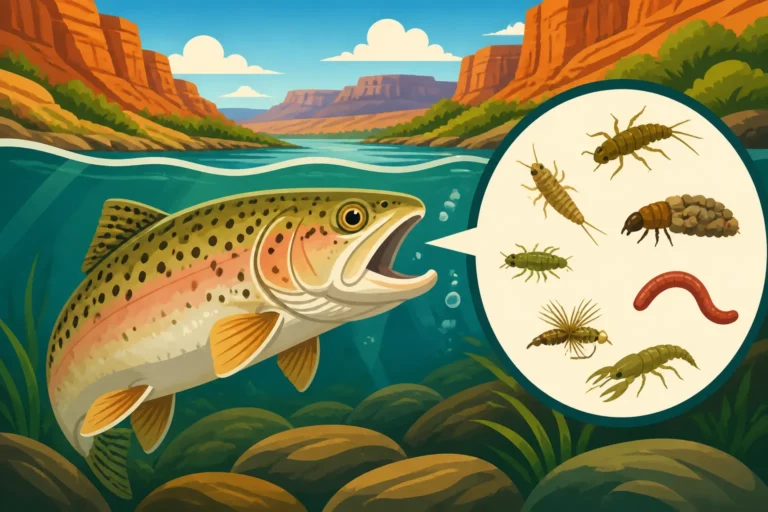
Fly fishing is widely considered the most effective and respectful method for targeting Gila Trout. Their diet consists primarily of aquatic insects, making a well-presented fly irresistible. Stealth is paramount: approach the stream carefully, moving slowly and quietly to avoid spooking fish. Keep a low profile, as Gila Trout can be easily alerted to your presence. Casting accuracy is often more important than distance; many productive spots are tight pockets of water close to the bank.
Effective fly patterns typically mimic the local insect life. Small nymphs like Copper Johns, Pheasant Tail Nymphs, and Hare's Ear Nymphs (sizes 16-22) are consistent producers, especially fished under a small indicator. When conditions are right, dry flies such as Elk Hair Caddis, Adams, and Parachute Adams (sizes 14-20) can elicit exciting strikes. Streamers, like small Woolly Buggers, can also be effective, particularly in deeper pools. Always remember to use barbless hooks to facilitate easy and safe release. Learning to "read the water" – identifying likely holding lies for trout – is a skill that will greatly improve your success. Fly Fishing Techniques for New Mexico Rivers can help refine your approach for these unique waters.
Best Practices for Minimal Impact
Beyond just legal compliance, responsible angling for Gila Trout involves a commitment to minimal impact on the fish and their environment. This means practicing "Leave No Trace" principles diligently. Pack out everything you pack in, including all trash and fishing line. Stay on established trails where possible to prevent erosion. When wading, move slowly and deliberately to avoid disturbing the stream bottom and dislodging critical insect habitat.
When you catch a Gila Trout, handle it with the utmost care. Wet your hands before touching the fish to protect its delicate slime coat, which is crucial for its health and disease resistance. Keep the fish in the water as much as possible, especially during hook removal and photos. If taking a picture, do it quickly and with the fish just above the water's surface. Avoid squeezing the fish or touching its gills. Gently revive the fish by holding it upright in the current, allowing water to flow over its gills, until it swims away under its own power. This diligent approach ensures that the Gila Trout not only survives the encounter but thrives afterward, contributing to its species' recovery.
Guardians of a Legacy: The Future of Gila Trout Fishing in New Mexico
The story of the Gila Trout is far from over. It's an ongoing narrative of dedicated conservation, scientific research, and the passion of anglers who recognize the immense value of these native fish. Every trip into Gila Trout country isn't just a fishing outing; it's a direct contribution to preserving a living legacy.
Ongoing Recovery and Expansion Efforts
The work to restore Gila Trout populations is a continuous, dynamic process. Scientists and resource managers are constantly evaluating stream habitats, monitoring fish populations, and implementing new strategies for recovery. This includes controlled stocking of genetically pure Gila Trout into newly renovated or restored streams, constructing new fish barriers to prevent re-colonization by non-native species, and actively removing non-native trout from key drainages. These efforts are often meticulously planned, sometimes requiring temporary closures of certain areas to allow the Gila Trout to establish themselves without disturbance.
There's also ongoing research into Gila Trout genetics, disease resistance, and habitat requirements, all aimed at strengthening existing populations and identifying new areas where they can thrive. The goal is not just to maintain a few isolated populations, but to expand their range and create self-sustaining, resilient fisheries. This often involves collaboration between state agencies, federal agencies (like the U.S. Forest Service), and various tribal governments, highlighting a collective commitment to the species. How the Gila Trout Was Removed From the Endangered List offers insights into the historical success and ongoing efforts.
The Angler's Role in Long-Term Sustainability
As anglers, we are more than just participants in this story; we are active stakeholders and vital partners in the Gila Trout's long-term sustainability. Our actions on the water, from meticulously following regulations to practicing ethical catch and release, directly impact the success of recovery efforts. Beyond fishing responsibly, there are other ways to contribute. Reporting any unusual observations, such as diseased fish or evidence of poaching, to the New Mexico Department of Game and Fish can be incredibly helpful. Educating fellow anglers about the importance of Gila Trout conservation also plays a crucial role.
Consider supporting organizations dedicated to native trout conservation in New Mexico. Many such groups rely on volunteer efforts and donations to fund habitat restoration projects and public awareness campaigns. By becoming informed, responsible, and engaged, anglers can help ensure that the golden flash of a Gila Trout continues to grace the pristine streams of the Gila Wilderness for generations to come. New Mexico Trout Fishing Rules outlines the broader framework within which these efforts operate.
The Evolving Landscape of Gila Trout Management
The management of Gila Trout is not static; it's an evolving science, adapting to new data, environmental changes, and the ongoing progress of recovery. Regulations, access points, and even the designation of specific Gila Trout waters can change over time. Drought conditions, wildfires, and other natural events can significantly impact stream habitats and fish populations, requiring swift and often flexible management responses. This means that what was true a few years ago might not be true today.
For this reason, it is absolutely essential to consult the most current regulations every time you plan a trip to Gila Trout country. The official New Mexico Department of Game and Fish website and their annual fishing regulations booklet are your best resources. These documents provide the most up-to-date information on licenses, bag limits, special area rules, and any temporary closures. Being proactive and staying informed is the single most important action an angler can take to support the Gila Trout's journey toward full recovery and a vibrant future. Always consult the most recent New Mexico Fishing Regulations Booklet for 2026-2027 for planning.
Disclaimer
This article is for general informational purposes only and does not constitute professional advice. Laws, prices and regulations vary by location and change over time. Consult a qualified professional for guidance on your specific situation.