Do You Need a Permit to Fish for Gila Trout?
It can be incredibly confusing to figure out the exact rules for fishing in New Mexico, especially when it comes to unique and protected species like the Gila Trout. Many anglers wonder if their standard fishing license is enough, or if they need some special, additional permit just to pursue these magnificent native fish. This comprehensive guide will clear up all that uncertainty, detailing the specific requirements for fishing Gila Trout in New Mexico and helping you understand where and how to responsibly enjoy this special angling opportunity.
Understanding Gila Trout: A New Mexico Treasure
The Gila Trout is not just any fish; it's a true symbol of New Mexico's wild, rugged beauty and a testament to ongoing conservation efforts. For many years, these native trout faced an uphill battle, nearly disappearing from their ancestral waters. Understanding their story helps us appreciate why their protection, and the rules surrounding fishing for them, are so crucial.
What Makes Gila Trout Unique?
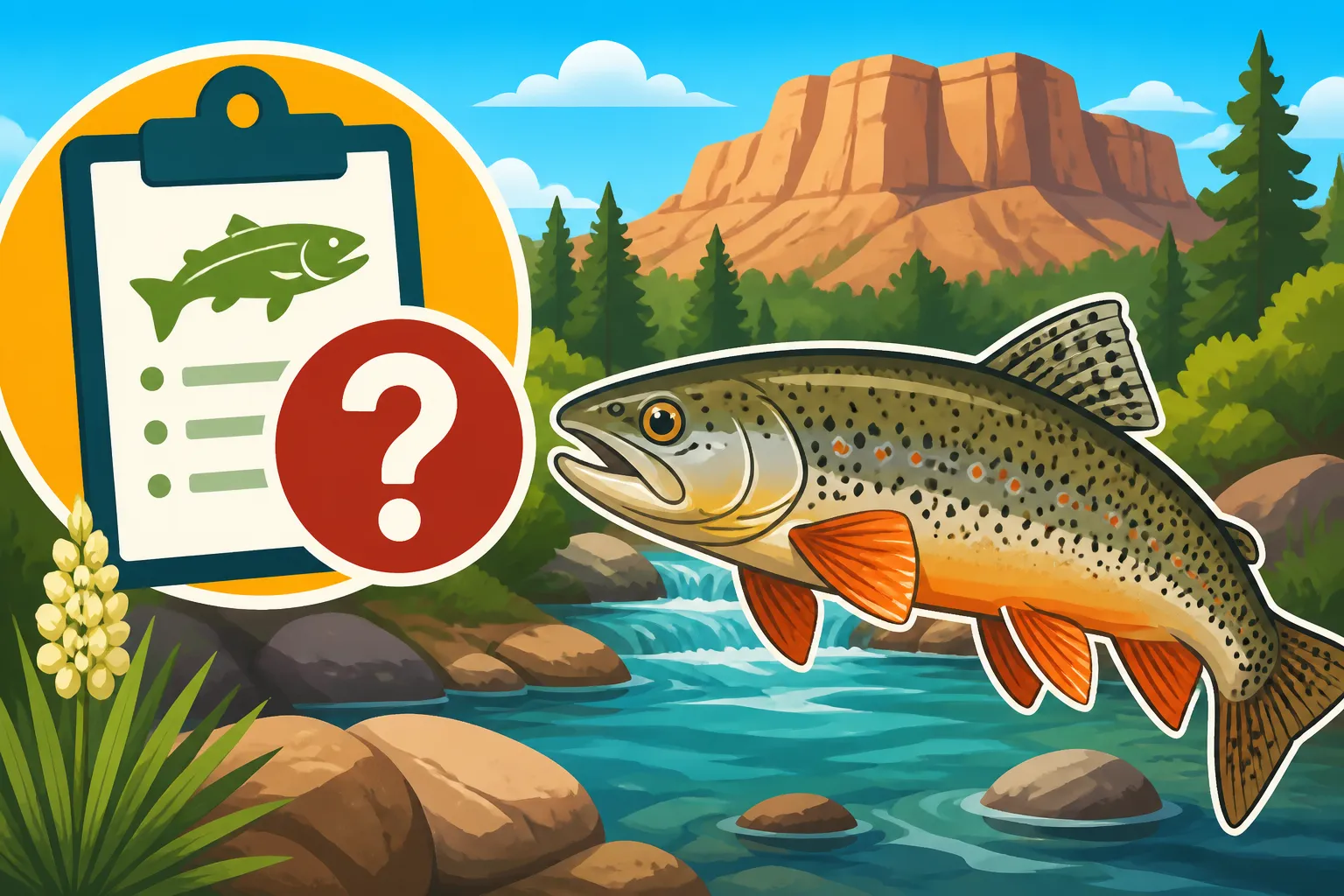
Imagine a trout with iridescent, gold-bronze flanks, often speckled with small, dark spots, and sometimes a faint pink or reddish band along its lateral line. That's the Gila Trout – a distinct subspecies of rainbow trout that's perfectly adapted to the clear, cold headwater streams of the Gila Wilderness and surrounding drainages. Unlike their more common rainbow cousins, Gila Trout are often smaller, sleeker, and possess a unique genetic lineage that sets them apart. They thrive in remote, pristine environments, making any encounter with them a truly special experience, far removed from the hustle and bustle of everyday life. Their coloration can vary slightly depending on the stream, but that golden sheen is always a giveaway.
Beyond their looks, these trout are incredibly resilient. They've evolved to survive in some of New Mexico's most challenging aquatic habitats, often enduring droughts, floods, and the constant threat of competition from non-native species. Their very existence is a miracle, a testament to the wild spirit of the Southwest, and a living piece of New Mexico's natural heritage that we anglers have a privilege to protect. If you're looking to identify one, check out our guide on How to Tell a Gila Trout From a Rainbow Trout.
The History of Gila Trout Conservation
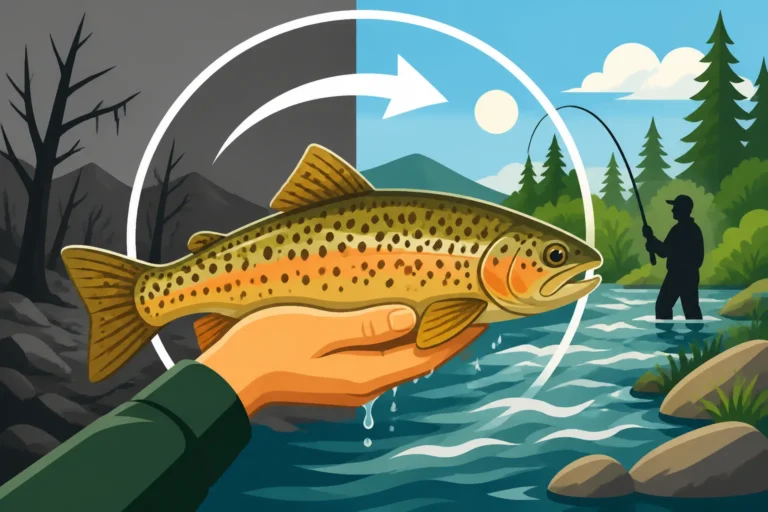
The journey of the Gila Trout from the brink of extinction to a managed, recoverable species is a remarkable conservation success story. Decades ago, habitat degradation, hybridization with introduced rainbow trout, and overfishing severely reduced Gila Trout populations. They were listed as an endangered species, prompting intensive recovery efforts by the New Mexico Department of Game and Fish (NMDGF) and federal partners like the U.S. Fish and Wildlife Service. These efforts included restoring native habitats, removing non-native fish, and establishing new Gila Trout populations in historically occupied waters.
Through years of dedicated work, their numbers have rebounded enough that limited, regulated fishing opportunities now exist in certain areas. This comeback story is a huge win for conservation, demonstrating what can be achieved when agencies and the public work together. The rules and regulations in place today are a direct result of this ongoing recovery, designed to ensure that while we enjoy these fish, we also safeguard their future. Every angler who fishes for Gila Trout becomes a part of this living history, carrying the responsibility to uphold these conservation values. You can learn more about this species in Gila Trout in New Mexico.
The Permit Question: Beyond the Standard Fishing License
This is the big question, isn't it? Many anglers, eager to chase these elusive fish, wonder if there's a special hoop they need to jump through beyond their standard New Mexico fishing license. The answer, like many things in the world of regulations, is nuanced, but thankfully, not overly complicated.
General Fishing License Requirements for Gila Trout Waters
For most of the streams where Gila Trout fishing is permitted, your standard, valid New Mexico fishing license is all you need. That's right, no separate "Gila Trout permit" is typically required on top of your regular license. Whether you hold an annual resident license, a non-resident annual license, or even a shorter-term visitor license, if it's valid for general fishing in New Mexico, you're usually good to go in designated Gila Trout waters. This is great news for anglers who want to explore these remote streams without extra administrative burdens.
However, "valid" is the key word here. Always ensure your New Mexico Fishing License Guide is current and that you meet all general requirements, such as purchasing any necessary habitat stamps or validations like the New Mexico Habitat Management and Access Validation Stamp. While there isn't a specific Gila Trout stamp, these general requirements still apply. Think of it like this: you need a driver's license to drive any car, but you don't need a special permit for a specific model of car, as long as it's street legal. The Gila Trout waters are "street legal" with your standard fishing license.
Specific Permitting for Special Gila Trout Recovery Areas
Now, here's where the nuance comes in, and it's vital to pay close attention. While a general fishing license usually suffices for open Gila Trout fisheries, there are very specific, highly protected areas designated as "Gila Trout Recovery Areas" or similar classifications where special permission or permits might be required, or where fishing is entirely prohibited. These areas are often crucial for the species' survival, acting as genetic refuges or sites for reintroduction programs. Access to these areas, if granted at all, is usually highly restricted and requires direct coordination with the NMDGF or the managing federal agency (like the U.S. Forest Service).
These specific permits are not something you can typically purchase online or at a local vendor like you would a regular fishing license. They are usually issued on a case-by-case basis, often for scientific research, population monitoring, or very limited, highly controlled angling opportunities that support recovery goals. For the average angler planning a trip, if a stream is designated as a "recovery area," it's safest to assume it's either closed to fishing or requires explicit, difficult-to-obtain permission. Always consult the most current New Mexico Fishing Regulations Overview or contact the NMDGF directly if you're uncertain about a particular stream or section. Ignorance of these special restrictions is not an excuse, and fishing in a closed area can lead to serious penalties.
To help clarify the general requirements, here’s a quick overview:
| Requirement Category | General New Mexico Fishing Waters | Designated Open Gila Trout Waters | Restricted Gila Trout Recovery Areas |
|---|---|---|---|
| Standard NM Fishing License | Required | Required | May be required if any access granted |
| Habitat Stamp/Validation | Required for most areas | Required for most areas | Varies, usually required |
| Special Gila Trout Permit | Not Required | Not Required | Often Required, or Fishing Prohibited |
| Catch & Release Only | Varies by species/water | Often Required (check regulations) | Almost always Required if any access |
| Barbless Hooks | Recommended, sometimes required | Typically Required | Almost always Required |
Where You Can (and Can't) Fish for Gila Trout
Knowing if you need a permit is one thing, but knowing where you can actually find these golden beauties, and under what conditions, is just as important. New Mexico has done an excellent job of delineating open waters while maintaining vital protections for critical habitats.
Designated Open Fisheries for Gila Trout
Thanks to diligent recovery efforts, there are now several streams in New Mexico where you can legally pursue Gila Trout. These designated fisheries offer incredible opportunities to connect with a truly wild, native species in stunning natural settings, primarily within the Gila National Forest. These streams are carefully managed, often with specific regulations to ensure the trout's continued recovery. The joy of fishing for Gila Trout often involves a hike into remote canyons, far from paved roads, making the experience all the more rewarding.
Some well-known streams that have historically offered Gila Trout fishing include portions of the Gila Wilderness rivers and tributaries, such as the West Fork Gila River, Whitewater Creek, and other smaller, isolated drainages. These areas are usually designated as "Special Trout Waters" or have specific Gila Trout regulations listed in the annual New Mexico Fishing Regulations. It's imperative to check the most current regulations booklet (available online or at license vendors like sporting goods stores, often found on Amazon) for the precise locations, specific boundaries, and any changes to bag limits or gear restrictions. These regulations can, and do, change to adapt to population health and environmental conditions, so don't rely on old information! Our Where You Can Legally Fish for Gila Trout article provides more specific details.
No-Go Zones and Restricted Access
Just as there are open fisheries, there are also areas where Gila Trout exist but are entirely off-limits to anglers, or where access is heavily restricted. As mentioned before, these "no-go zones" are often critical Gila Trout Recovery Areas or genetic refuges where the trout are being allowed to reproduce and rebuild populations without any angling pressure. These areas are vital for the long-term survival and expansion of the species.
Fishing in these closed waters is a serious offense, punishable by fines and other penalties, as outlined in New Mexico Fishing Violations and Penalties. It's not just about breaking a rule; it's about potentially undermining decades of conservation work and jeopardizing the future of a unique native species. Boundaries for these restricted areas are usually clearly defined in the official NMDGF regulations booklet and may also be posted with signage at trailheads or access points. Always err on the side of caution. If you're unsure if a particular section of stream is open, assume it's closed, or contact the NMDGF for clarification before casting a line. This diligence protects both the fish and your wallet.
Responsible Angling: Protecting a Recovering Species
When you step into a Gila Trout stream, you're not just going fishing; you're participating in a vital conservation effort. These fish are still recovering, and every angler plays a role in their continued survival. Responsible angling isn't just a suggestion here; it's a necessity.
Catch and Release Best Practices for Gila Trout
For Gila Trout, catch and release is not just a preference; it's almost always a mandatory requirement in open fisheries, or at the very least, a strongly encouraged practice with extremely limited bag limits (e.g., Gila Trout Bag Limit in New Mexico). This approach ensures that the wild populations can continue to grow and thrive. But simply releasing a fish isn't enough; you need to do it correctly to minimize stress and maximize its chances of survival.
Here are some critical Catch and Release Best Practices in New Mexico specific to Gila Trout:
- Handle with Care: Keep the fish in the water as much as possible. Avoid touching it with dry hands, as this can remove its protective slime layer, making it vulnerable to disease. If you must handle it, wet your hands thoroughly first.
- Barbless Hooks Only: Many Gila Trout waters mandate barbless hooks. Even where not explicitly required, using them is a best practice. They cause less damage and make hook removal much easier and quicker. You can often find barbless hooks, or tools to crimp barbs, on Amazon. Our guide on Barbless Hook Fishing Technique for New Mexico Rivers offers more insights.
- Minimize Fight Time: Bring the fish to hand as quickly as possible to reduce exhaustion, especially in warmer water conditions.
- Proper Hook Removal: Use hemostats or needle-nose pliers to gently remove the hook. If the hook is deeply swallowed, cut the line as close to the hook as possible rather than tearing at the fish.
- Revive Gently: Hold the fish upright in the current, allowing water to flow over its gills. Don't force it to swim until it can do so on its own power. Once it vigorously tries to escape your grasp, it's ready for release.
By following these practices, you're not just releasing a fish; you're giving it the best possible chance to continue its life cycle and contribute to the population's recovery.
Gear Considerations for Gila Trout Fishing
While the excitement of pursuing a rare fish might tempt you to overpack, Gila Trout fishing is often best done with a minimalist approach, favoring stealth and efficiency. Given the remote nature of many Gila Trout streams, lightweight and durable gear is paramount. You'll likely be hiking, sometimes scrambling, to reach these pristine waters, so consider every ounce you carry.
When it comes to tackle, focus on lighter setups. A lightweight spinning rod or a sensitive fly rod (often a 2-4 weight for fly fishing) will be ideal for these smaller, clear streams. Small, subtle lures or flies are usually most effective. Think small spinners, tiny spoons, or naturalistic fly patterns like nymphs, dry flies, and small streamers. You can find a fantastic selection of appropriate Best Lures for New Mexico Trout on Amazon, making it easy to stock up before your trip. Always check the specific regulations for the water you're fishing, as some Gila Trout streams may have "artificial flies and lures only" restrictions, or even limitations on fly size.
Beyond the rod and reel, essential Best Fishing Gear for New Mexico Anglers includes sturdy wading boots (often with felt or rubber soles for grip on slippery rocks), breathable waders if you plan on extended time in the water, a compact fishing vest or backpack for your essentials, polarized sunglasses for spotting fish and protecting your eyes, and a small, knotless landing net. A good net, often rubberized, is crucial for gentle catch and release, as it protects the fish's slime coat and fins far better than handling it directly. Lastly, always carry water, snacks, a first-aid kit, and know how to read a map and compass or use a GPS device, as cell service will likely be nonexistent in these wild areas. Being prepared ensures a safe and responsible adventure.
Disclaimer
This article is for general informational purposes only and does not constitute professional advice. Laws, prices and regulations vary by location and change over time. Consult a qualified professional for guidance on your specific situation.