Gila Trout Bag Limit in New Mexico
Many anglers dream of seeking out the legendary Gila trout, a truly unique and resilient native fish that calls New Mexico's pristine, high-elevation waters home. But, let's be honest, trying to navigate the specific rules and regulations surrounding such a special, protected species can feel like trying to tie a tiny dry fly onto tippet in a strong wind – a little frustrating and definitely requires attention to detail. This guide is here to untangle all that confusion, breaking down the specific Gila trout bag limit in New Mexico, along with other crucial regulations and conservation efforts that help ensure these beautiful fish thrive for generations to come.
The Gila Trout: A Prized Native and Conservation Success Story
The Gila trout isn't just any fish; it's a vibrant thread in the tapestry of New Mexico's natural heritage. Its story is one of struggle, resilience, and dedicated conservation, making every encounter with this species all the more meaningful for those who venture into its remote mountain streams. For many years, these fish faced an uncertain future, but thanks to significant efforts, they are making a comeback.
What Makes the Gila Trout So Special?
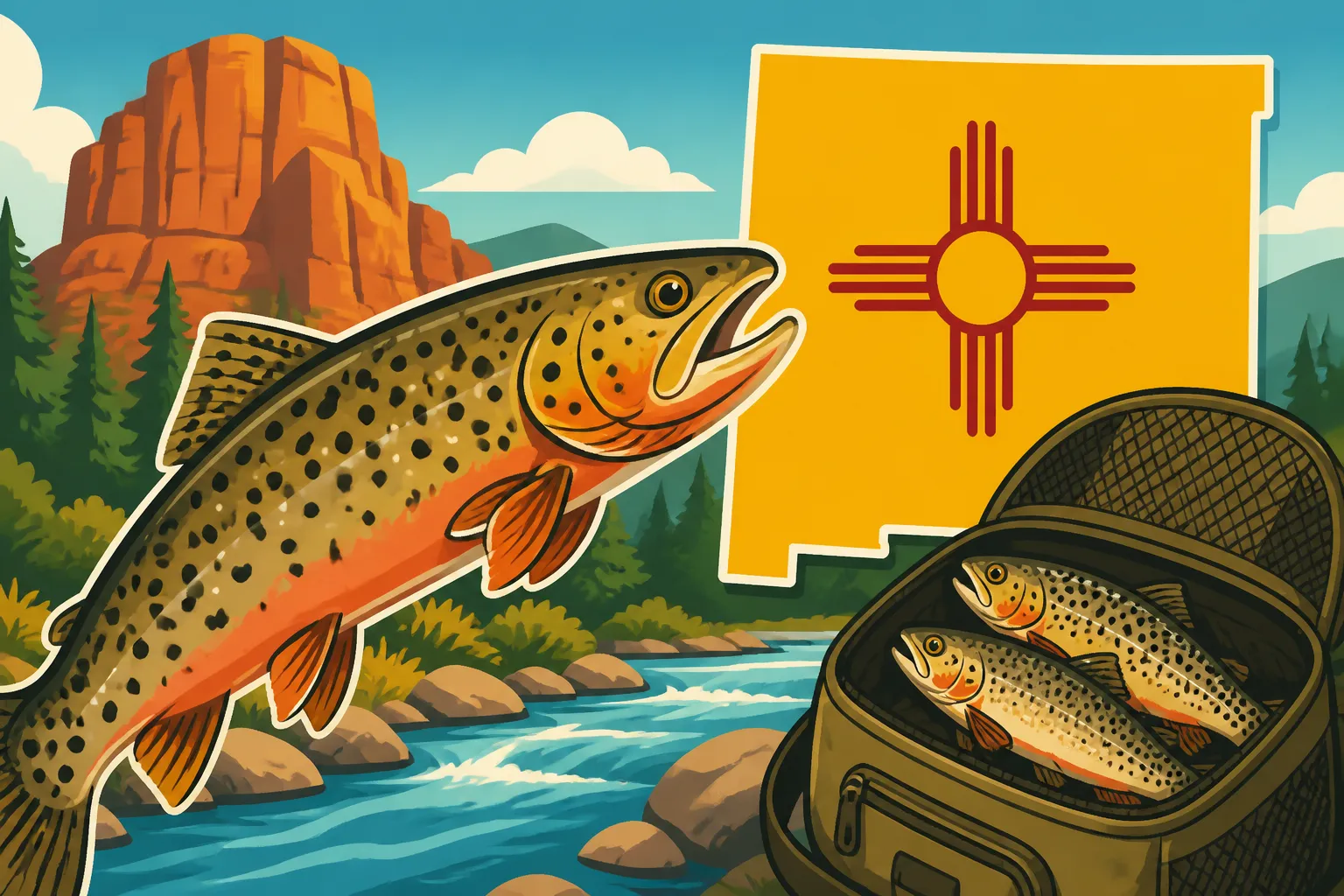
What sets the Gila trout apart from its more common cousins, like rainbow or brown trout, is its status as a true native, originating in the headwaters of the Gila River system. These fish are brilliantly colored, often sporting a golden-bronze body with distinct black spots, and their unique genetic lineage makes them incredibly important to the biodiversity of the region. Historically, Gila trout populations dwindled due to habitat degradation, competition and hybridization with non-native trout species, and overfishing. They were even listed as an endangered species, prompting intensive efforts to recover their populations.
Imagine a species so unique to a place that its survival is tied to the health of those specific mountain streams – that's the Gila trout. Their recovery isn't just about the fish; it's about preserving a piece of New Mexico's wild character. Anglers who pursue Gila trout aren't just fishing; they're participating in a living conservation story. It’s a testament to what dedicated conservation can achieve when people care deeply about a native species. You can read more about their unique journey in Gila Trout in New Mexico.
Where These Elusive Trout Call Home
Gila trout are particular about where they live. They thrive in the cold, clear, high-elevation streams and tributaries of the Gila National Forest in southwestern New Mexico. These aren't your easily accessible, roadside fishing spots. We're talking about remote, often rugged, backcountry waters that require a good hike to reach. Think pristine wilderness, towering ponderosa pines, and water so clear you can count the rocks on the bottom.
Their habitat is characterized by stable water temperatures, good riparian vegetation for cover and insect life, and complex stream structures like deep pools and riffles. Because their habitat is often isolated, it helps prevent hybridization with other trout species, maintaining the Gila trout's genetic purity. Finding these waters often involves a bit of adventure and diligent research into specific stream sections, many of which are designated for Gila trout recovery. Discovering these special places is part of the reward, and you can explore some of these wild spots further in Best Fishing Spots in the Gila National Forest.
Decoding the Gila Trout Bag and Possession Limits
When it comes to Gila trout, the phrase "check the regulations" isn't just a suggestion; it's an absolute necessity. The bag and possession limits for these remarkable fish are not only strict but also vary significantly depending on the specific waterbody you're fishing. This variability reflects the ongoing and complex nature of their recovery efforts.
Understanding the "Zero" and "Single Fish" Limits
For most Gila trout recovery waters, the bag and possession limit is zero fish, meaning all Gila trout caught must be immediately released unharmed. This is a common and critical regulation designed to protect fragile populations and allow them to rebuild. In a very limited number of specific, designated recovery waters where populations are robust enough to support it, a highly restrictive bag limit of one Gila trout per day may be permitted. However, these are exceptions, and they are always clearly outlined in the annual New Mexico Fishing Regulations.
It's completely understandable to feel a pang of disappointment if you can't keep a fish you've worked hard to catch. Many anglers feel that way, but with Gila trout, the focus is squarely on the experience and the joy of connecting with such a rare and vital part of New Mexico's ecosystem. The reward here isn't a meal, but the satisfaction of knowing you're contributing to the survival of a truly special species. Always consult the most current New Mexico Fishing Regulations Overview before heading out, as these rules are subject to change based on population health and conservation goals.
Why Such Strict Limits Exist: A Conservation Imperative
The strict bag limits, particularly the prevalent catch-and-release mandate, are a direct reflection of the Gila trout's storied past and ongoing conservation needs. For decades, Gila trout faced severe declines due to several factors. Non-native trout species, primarily rainbow and brown trout, were introduced into their historical range, leading to competition for food and habitat, and unfortunately, hybridization, which threatened the genetic integrity of pure Gila trout strains. Habitat loss and degradation from logging, mining, and grazing further compounded the problem.
Imagine trying to bring a species back from the brink of extinction. That's the challenge conservationists have faced with Gila trout. The strict limits are in place to ensure that every individual fish has the maximum opportunity to spawn and contribute to the growth and genetic diversity of its population. It's an investment in the future of the species, allowing scientists and wildlife managers to carefully monitor population trends without the added pressure of angler harvest. This long-term commitment has been incredibly successful, shifting the Gila trout from endangered to threatened, a significant step forward that highlights the importance of these regulations.
The Critical Role of Catch-and-Release
Given the strict limits, catch-and-release fishing becomes paramount in Gila trout waters. It's not just a guideline; it's a commitment to the health and survival of these native fish. When you practice proper catch-and-release, you actively participate in conservation. This means minimizing the time the fish is out of water, handling it gently, and using appropriate gear to reduce harm.
Using a rubber, knotless landing net is highly recommended, as it protects the fish's delicate slime coat and fins far better than traditional nylon nets. You can find excellent, fish-friendly rubber nets on Amazon or at local tackle shops. Additionally, crimping down the barbs on your hooks or using barbless hooks significantly reduces injury to the fish, making hook removal quicker and less stressful. Many dedicated Gila trout anglers won't fish without them. Learning to quickly and gently release a fish is a skill every responsible angler should master, and you can find detailed guidance in Catch and Release Best Practices in New Mexico and Barbless Hook Fishing Technique for New Mexico Rivers.
| Regulation Aspect | Gila Trout Specific Waters (Typically) | General Trout Waters (New Mexico) |
|---|---|---|
| Bag Limit | Zero (Catch-and-Release) or One | Varies (often 5 trout) |
| Possession Limit | Zero or One | Varies (often 10 trout) |
| Bait Allowed | No (Artificial Flies/Lures Only) | Yes (with exceptions) |
| Hook Type | Barbless Hooks Required | Barbed hooks generally allowed |
| Special Permits Required | Often, in addition to state license | Generally only state license |
| Focus | Conservation & Recovery | Recreation & Harvest |
Note: Always verify current regulations for specific waters before fishing. This table provides a general comparison.
Beyond the Limit: Key Regulations for Gila Trout Waters
Fishing for Gila trout isn't just about knowing the bag limit; it's about understanding a broader set of rules designed to protect their unique environment and genetic integrity. These regulations often differ significantly from those in general trout waters, and being aware of them is crucial for a successful and legal outing.
Special Permits and Validations
This is one area where things can get a little tricky. While a standard New Mexico Fishing License Guide is always required, some Gila trout recovery waters, particularly those on federal lands managed by the U.S. Forest Service, might require an additional, free special permit. These permits help wildlife agencies track angler effort and monitor the health of these sensitive fisheries. It’s an extra step, but it’s a small price to pay for the privilege of fishing for such a special fish.
Always double-check the specific requirements for the stream you plan to visit. Sometimes, these permits are available online through the New Mexico Department of Game and Fish website or at local Forest Service offices. The question of Do You Need a Permit to Fish for Gila Trout? is a valid one, and the answer is often yes, so plan ahead! Ignoring these additional requirements could lead to fines or even the loss of your fishing privileges, which would be a real bummer after all the effort to reach these remote spots.
Gear and Tackle Restrictions
In nearly all Gila trout recovery waters, only artificial flies and lures with a single barbless hook are permitted. This is not just a preference; it's a hard and fast rule. The "artificial flies and lures" part means no live bait, no scented baits like PowerBait, and no organic attractants. The reasoning behind this is multifaceted. Live bait can introduce diseases or non-native species into pristine Gila trout habitats, and fish are more likely to swallow bait deeply, leading to higher mortality rates upon release.
Barbless hooks are equally critical. They allow for quick and easy hook removal, minimizing stress and physical injury to the fish, which is especially important for catch-and-release fisheries. Imagine a small fish struggling on a barbed hook, potentially tearing its mouth – it's something we want to avoid for these precious trout. Making sure your Best Lures for New Mexico Trout selection includes only barbless options is a simple way to practice responsible angling. Before you head out, make sure your tackle box is compliant; you can often find dedicated barbless hooks or tools to crimp your barbs down, and Amazon has a wide selection of suitable gear.
Identifying Your Catch: Gila Trout vs. Look-Alikes
Proper fish identification is absolutely crucial when fishing in Gila trout waters. While they have distinct features, Gila trout can sometimes be confused with other trout species, particularly smaller rainbow trout, especially if you're not intimately familiar with their markings. Misidentifying a Gila trout as a rainbow and accidentally harvesting it could lead to significant penalties, not to mention a devastating impact on a vulnerable population.
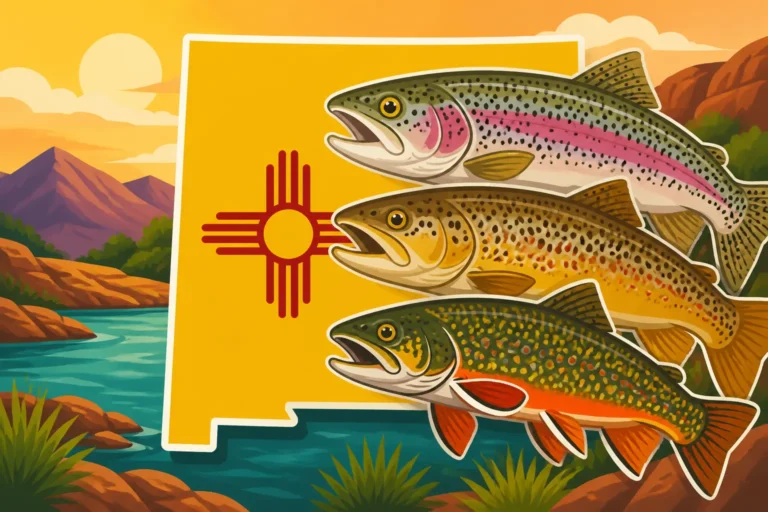
Gila trout typically have smaller, more numerous dark spots, often concentrated on their upper body, and a distinctive golden-bronze color that can range from yellowish to olive. Their fins often have a clear or golden leading edge. Rainbow trout, on the other hand, usually have a more prominent red or pink stripe along their side and larger, more scattered spots. Taking a moment to carefully examine your catch before release, especially in catch-and-release areas, is an important part of ethical angling. If in doubt, it’s always best to release the fish. For a detailed comparison, check out How to Tell a Gila Trout From a Rainbow Trout. Understanding the characteristics of Native Fish Species of New Mexico versus introduced species will serve you well.
Planning Your Responsible Gila Trout Fishing Adventure
A trip to fish for Gila trout is more than just a fishing trip; it's an adventure into some of New Mexico's most wild and beautiful places, with a deep connection to conservation. Preparing adequately is key to both your enjoyment and the continued recovery of this incredible fish.
Researching Your Chosen Waterbody
Because regulations can vary so much from one stream to the next, thorough research is your best friend. Don't just assume the rules are the same across all Gila trout habitat. Before you even pack your bags, consult the official New Mexico Department of Game and Fish regulations booklet or their website. Look for specific sections pertaining to Gila trout waters, which often list individual streams and their unique rules regarding bag limits, tackle, and any special permits.
This due diligence helps you avoid frustrating surprises, like arriving at a remote trailhead only to realize you don't have the right permit or tackle. It also ensures you're fishing legally and contributing positively to conservation efforts. Some of these waters are part of ongoing recovery projects, and understanding the nuances of those efforts can make your experience even more rewarding. Remember, these rules are in place to protect Endangered Fish Species in New Mexico and give them the best chance to flourish.
Essential Gear for Ethical Gila Trout Angling
Equipping yourself correctly for Gila trout fishing goes beyond just having a rod and reel. It’s about choosing gear that supports responsible angling and minimizes impact on the fish. You’ll want a lighter rod and reel setup, typically a 2-weight to 4-weight fly rod, as Gila trout often aren't huge, but they put up a spirited fight in swift currents. A good selection of small, barbless artificial flies—like small nymphs, dry flies, and midge patterns—is essential. You can easily stock up on these and other essentials from retailers like Amazon, ensuring you have the right tools for the job.
A soft, knotless rubber landing net is a non-negotiable item for catch and release. This minimizes scale and slime coat damage, which is vital for fish survival. Also, carry hemostats or forceps for quick and gentle hook removal. Sun protection (hat, sunglasses, sunscreen) and plenty of water are also crucial, given the often remote and sunny nature of their habitat. Planning your gear carefully helps ensure that every fish you catch and release has the best possible chance of survival. Check out specific recommendations in Best Landing Nets for New Mexico Catch and Release Fishing.
The Angler's Role in Gila Trout Recovery
As an angler targeting Gila trout, you become an integral part of their recovery story. Every time you consciously follow the regulations, practice proper catch-and-release, and leave no trace behind, you're directly contributing to their long-term survival. It’s a powerful feeling to know that your passion for fishing is also a force for good in the natural world.
Consider getting involved with local conservation groups or even participating in citizen science initiatives, if available. Reporting your catches (even if released) to wildlife agencies, especially if you observe anything unusual like sick fish or habitat damage, can provide valuable data. Respecting closures, staying on designated trails, and packing out everything you pack in are fundamental principles of ethical angling, particularly in these sensitive native fish habitats. Your responsible actions today ensure that future generations can also experience the magic of catching a Gila trout in New Mexico's wild, pristine waters.
Disclaimer
This article is for general informational purposes only and does not constitute professional advice. Laws, prices and regulations vary by location and change over time. Consult a qualified professional for guidance on your specific situation.