Are Carp Considered a Nuisance Fish in New Mexico?
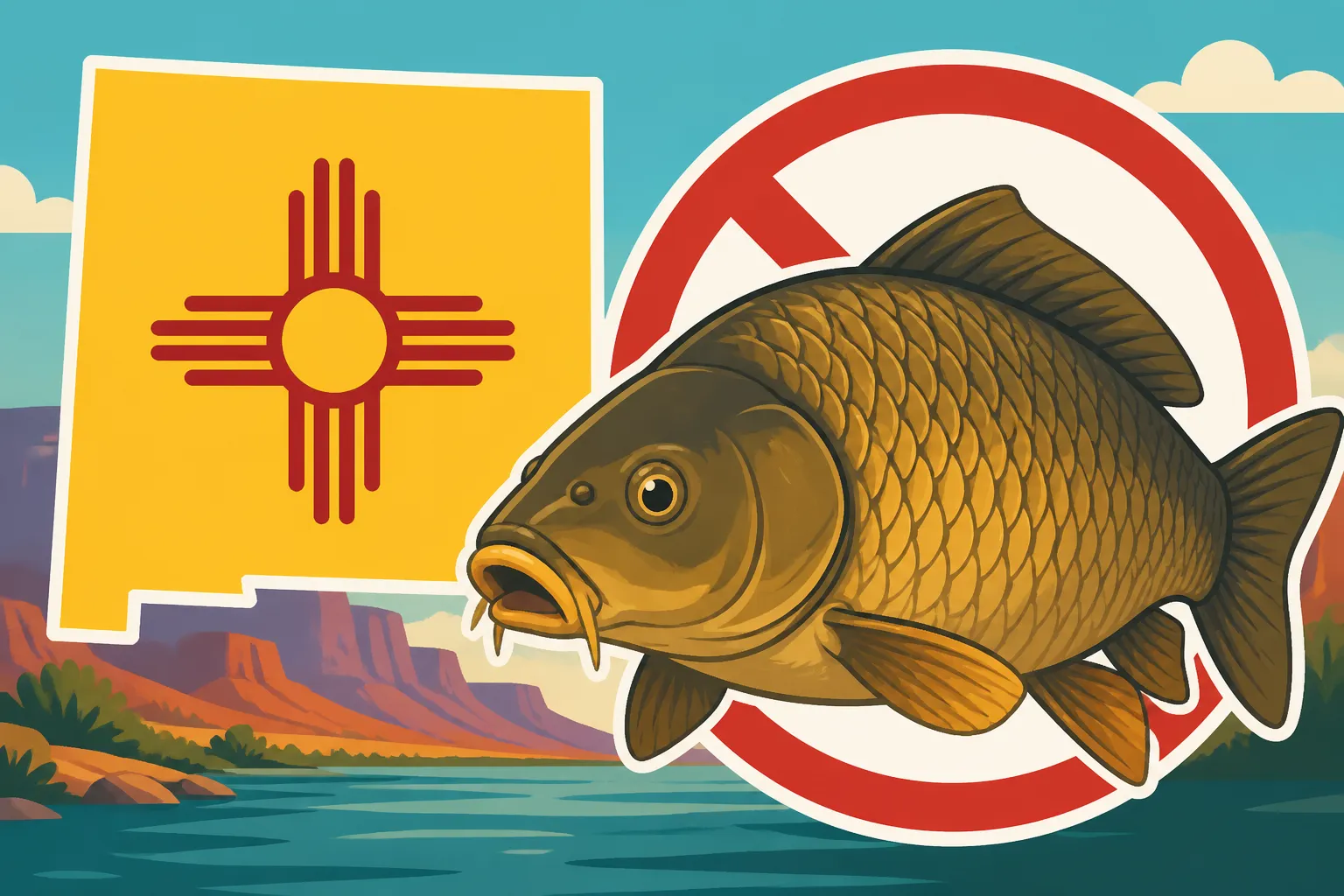
It's a question that stirs up quite a debate among anglers across the Land of Enchantment: are carp truly a nuisance fish in New Mexico? Many long-time fishermen have certainly viewed them that way, associating them with murky waters and a general disregard for their presence. This guide aims to thoroughly explore the common carp's status in New Mexico, diving into their ecological impact, official classifications, and how different anglers perceive these powerful, often misunderstood, fish.
Understanding Carp in New Mexico's Ecosystem
To truly understand whether carp are considered a nuisance, we first need to look at their history and role within New Mexico's aquatic ecosystems. The term "nuisance" often implies an undesirability, either due to ecological harm, competition with more prized species, or simply an unpleasant aesthetic. Carp, particularly the common carp, have a long and sometimes contentious history in North American waters, and New Mexico is no exception.
A Brief History of Carp in New Mexico Waters
The common carp (Cyprinus carpio) isn't native to North America, let alone New Mexico. These hardy fish were intentionally introduced to the United States in the late 19th century, primarily from Europe, with the idea that they would be a valuable food fish and provide sport for anglers. They were celebrated initially for their rapid growth and ability to thrive in a wide range of conditions, often where native species struggled. New Mexico, like many other states, saw them stocked in various lakes and rivers. Over time, however, their adaptability became a double-edged sword. They quickly established self-sustaining populations, outcompeting other species and sometimes altering habitats in ways that became problematic for native fish and the overall water quality. Today, you'll find them in many of our larger reservoirs and slower-moving river sections, like parts of the Rio Grande.
Ecological Impact of Carp
The primary reason carp have gained a reputation as a "nuisance" often stems from their feeding habits. Common carp are bottom feeders, rooting around in the substrate to find insects, crustaceans, and plant matter. While this is a natural behavior, in large numbers, it can stir up significant amounts of sediment, leading to increased turbidity in the water. This murky water can then impact aquatic vegetation by blocking sunlight, which in turn reduces habitat for native fish and their prey. It can also reduce visibility for sight-feeding fish like trout and bass, putting them at a disadvantage. Furthermore, carp are highly prolific breeders and can quickly overwhelm a fishery, consuming resources that might otherwise support native or more desirable sport fish populations. This competition for food and space is a major concern for fisheries managers trying to balance diverse ecosystems.
What Defines a "Nuisance Fish"?
Defining a "nuisance fish" isn't always straightforward, as it often depends on perspective and context. From a fisheries management standpoint, a nuisance fish is typically one that negatively impacts the ecosystem, disrupts the balance of other species, degrades water quality, or interferes with recreational activities centered around other fish. Common carp often tick several of these boxes due to their bottom-feeding habits, rapid reproduction, and competitive nature. They aren't typically considered an invasive species in the same vein as, say, zebra mussels, but their widespread establishment and ecological effects do lead many to label them as problematic. It's less about them being "bad" fish and more about the undesirable consequences of their unchecked populations in certain environments. This leads to questions about New Mexico Fishing Regulations Overview for various species.
Are Carp Officially "Nuisance" in New Mexico?
While the perception of carp as a nuisance is strong among many anglers, how does the New Mexico Department of Game and Fish (NMDGF) officially view them? The state's approach to carp management reflects a nuanced understanding of their role in different waters.
Official Classification and Regulations
The NMDGF doesn't explicitly label common carp as a "nuisance fish" in the same way they might classify a truly prohibited or highly detrimental invasive species. Instead, carp are generally categorized as a "non-game fish" or sometimes as a "rough fish." This classification means they don't have the same strict bag and possession limits or specific seasons that game fish like trout, bass, or walleye do. In fact, in many waters, there are no limits on the number of carp an angler can harvest. This approach indirectly encourages their removal, as it removes barriers to anglers who wish to take them out of the system. You won't find specific restrictions on tackle for carp in the way you might for New Mexico Special Trout Water Rules, for example. The regulations are largely designed to allow anglers to fish for them freely.
Bag Limits and Fishing Opportunities
For most waters in New Mexico, the regulations for common carp are quite open, essentially allowing for unlimited harvest. This differs significantly from game fish where strict New Mexico Warm Water Fish Bag Limits are in place to ensure sustainable populations. This openness provides a unique opportunity for anglers who enjoy targeting carp or who want to remove them for ecological reasons or even for food. While some might see this lack of regulation as a sign of their undesirability, it also opens up diverse fishing experiences. For instance, some lakes might be struggling with overpopulation of carp, and encouraging anglers to harvest them is a simple, effective management tool.
Management Strategies for Carp in New Mexico
New Mexico's fisheries management for carp typically revolves around a few key strategies. Firstly, the aforementioned open bag limits serve as a passive management tool, allowing anglers to naturally reduce populations. Secondly, in certain bodies of water where carp populations are particularly problematic for native species or water quality, more direct methods might be employed. These can include netting programs or even targeted removals to create better conditions for more desirable fish. However, due to the sheer hardiness and widespread distribution of carp, complete eradication is rarely a practical or even desirable goal. Instead, the focus is often on managing their numbers to mitigate their most detrimental impacts and to provide a diverse fishing experience, acknowledging that carp are now a permanent fixture in many Fish Species Found in New Mexico lists.
The Angler's Perspective: Love 'em or Loathe 'em?
The term "nuisance" is highly subjective, and nowhere is this more apparent than among anglers discussing carp. While some might groan at the sight of a carp, others actively seek them out for the challenge they present.
Why Some Anglers Consider Them a Nuisance
For many traditional anglers, carp are indeed seen as a nuisance. They often get tangled in lines set for trout or bass, steal bait, and are perceived as less "sporting" than other species. The bottom-feeding habits that stir up sediment can also frustrate anglers seeking clear water conditions for sight fishing. Imagine you're trying to carefully present a fly to a wary trout in a clear stream, only for a school of carp to roll through, turning the water into a muddy mess. This experience certainly contributes to the "nuisance" label. Some also find their appearance less appealing than, say, the vibrant colors of a rainbow trout or the sleek profile of a bass. This perception is deeply ingrained in the culture of fishing for many, particularly those who grew up targeting game fish exclusively.
The Rise of Carp as a Sport Fish
However, there's a growing movement of anglers who have embraced carp as an incredible sport fish. These individuals often praise carp for their powerful fights, cunning nature, and large size. Catching a large common carp, especially on lighter tackle or fly gear, can be an exhilarating experience that tests an angler's skill and stamina. European angling traditions, which have long held carp in high regard as a challenging species, have influenced a new generation of American anglers. Techniques for targeting carp have become sophisticated, involving specific baits (like boilies, corn, or flavored dough balls), specialized rigs, and patience. Many dedicated carp anglers practice catch-and-release, treating these fish with the same respect as any other trophy species. If you're looking for specialized carp gear, you might find a great selection of rods, reels, and baits on Amazon, including everything from specialized hooks to pre-made bait mixes.
Targeting Carp for Food
Beyond sport, carp are also recognized by some as a viable food source, particularly in certain cultural traditions. While often dismissed in American cuisine due to their bony nature and sometimes muddy flavor, proper preparation can yield delicious results. Techniques like smoking, grinding for patties, or even scoring the flesh deeply before frying can help mitigate the issues. Many anglers who view carp as a nuisance might consider harvesting them as a way to "clean up" a fishery while also putting food on the table. It's a pragmatic approach that aligns with the unlimited harvest regulations in many New Mexico waters. If you’re preparing carp, a good fillet knife and deboning tool, which you can easily find on Amazon, will make the process much smoother.
Gear and Techniques for Carp Fishing (or Removal)
Whether you view carp as a nuisance to be removed or a challenging sport fish, knowing the right gear and techniques is key. Carp are powerful fish, and a proper setup will make the experience much more enjoyable.
Basic Gear for Carp
You don't need highly specialized gear to start carp fishing, but having the right setup can make a big difference. A medium-heavy spinning or baitcasting rod, typically 7 to 10 feet long, paired with a reliable reel spooled with 10-20 lb test monofilament or braided line, is a good starting point. Their powerful runs require a reel with a smooth, strong drag. A sturdy landing net is almost essential for handling larger carp, especially if you plan on catch-and-release, to minimize stress on the fish. Many anglers also opt for a specialized unhooking mat to protect the fish when it's out of the water. For more advanced setups, dedicated carp rods often have a softer tip for bite detection and a powerful backbone for fighting big fish. You can browse a wide array of carp fishing gear on Amazon, from starter kits to specialized tackle.
Popular Baits and Rigs
Carp are opportunistic feeders, and they respond to a variety of baits. Some of the most popular include:
- Corn: Canned sweet corn is a classic and highly effective bait. A few kernels on a hook, or chumming with a handful of corn, can attract carp quickly.
- Dough Balls: A simple mixture of flour, water, and sometimes a flavoring agent (like vanilla or garlic) can create an enticing dough bait.
- Boilies: These are specialized, hardened, flavored baits, often round, that are popular in European carp fishing. They come in various flavors and sizes and are usually fished on a "hair rig."
- Worms: Nightcrawlers or other garden worms can also be effective, especially if other species are also present.
A common rig for carp is the simple bottom rig, using a weight to hold the bait near the bottom where carp feed. The "hair rig" is a more advanced but highly effective method where the bait is attached to a "hair" extending from the hook, rather than directly on the hook itself. This allows the fish to mouth the bait more freely before getting hooked, leading to better hookups.
Handling and Releasing/Harvesting Carp
Regardless of your intention, handling carp properly is important. If you plan to release them, minimize their time out of water. Use a wet net and an unhooking mat if possible. Support their body horizontally and avoid holding them vertically by the jaw or gills, which can cause internal damage. A good pair of long-nose pliers, available on Amazon, can help with hook removal. If you're harvesting carp, be prepared with a cooler of ice to keep the fish fresh. Many anglers believe that carp caught from cleaner, colder waters tend to have a better flavor than those from muddy, warm ponds.
Here's a quick look at how carp are often viewed and managed in New Mexico:
| Aspect | Traditional Angler's View (Often "Nuisance") | Dedicated Carp Angler's View (Sport Fish) | NMDGF General Stance (Management) |
|---|---|---|---|
| Ecological Impact | Degrades water, competes with game fish | Minor impact, part of the ecosystem | Manages populations to mitigate negative effects |
| Fishing Experience | Accidental catch, spoils other fishing | Challenging fight, rewarding experience | Offers open harvest for diverse angling |
| Food Value | Poor taste, bony, undesirable | Can be delicious with proper preparation | No specific food recommendations, but allows harvest |
| Regulations | Wants them gone, no limits | Appreciates open limits for sport | Categorizes as "non-game," often unlimited harvest |
| Perception | Rough fish, trash fish | Powerful, intelligent, undervalued | Acknowledges presence, focuses on balance |
Ultimately, whether carp are considered a "nuisance fish" in New Mexico truly depends on who you ask and their specific angling goals. While they certainly present ecological challenges that fisheries managers address, their resilience and fighting prowess have also earned them a dedicated following among a growing number of sport fishermen. So, the next time you hook into one in a New Mexico lake or river, you might just find yourself appreciating the fight, no matter your initial perception. You might even consider trying to target them with some specific carp fishing gear you find on Amazon after reading a few tips on Warm Water Game Fish in New Mexico! Just remember to consult the New Mexico Fishing Regulations Overview before you head out, as rules can vary by water.
Disclaimer
This article is for general informational purposes only and does not constitute professional advice. Laws, prices and regulations vary by location and change over time. Consult a qualified professional for guidance on your specific situation.