Fish Species Living in the Pecos River
Oh, the Pecos River! For many of us, it conjures images of majestic canyons and cool, clear mountain streams in the north, or perhaps wider, warmer stretches in the southern plains. It's a river that truly runs the gamut, and because of that, anglers often scratch their heads wondering what kind of finned friends they might encounter. You might be planning a high-country backpacking trip and envisioning native trout, or maybe a relaxed afternoon near Roswell hoping for some catfish action. This guide is here to untangle the mystery and give you a comprehensive look at the fascinating array of fish species that call the Pecos River home, from its icy headwaters to its warmer, more sluggish southern reaches.
Navigating the Pecos: A River of Contrasts and Changing Habitats
The Pecos River isn't just one river; it's a series of diverse ecosystems all strung together by a single flow of water. What you'll find swimming in the high mountain segments near the Pecos Wilderness is often completely different from the species thriving in the warmer, slower sections further south. This dramatic shift in habitat means anglers need to adapt their expectations, gear, and techniques as they move along the river's course. It's truly a testament to nature's adaptability, and understanding these different zones is key to successful and rewarding fishing, not to mention adhering to the nuanced New Mexico Fishing Regulations Overview.
From Alpine Streams to Foothill Runs: The Upper Pecos Ecosystem
Up in the Sangre de Cristo Mountains, where the Pecos River begins its journey, the water is cold, clear, and oxygen-rich. These are the classic trout waters, characterized by rocky bottoms, swift currents, and plenty of natural cover like fallen logs and undercut banks. Think of those breathtaking views where pine trees touch the sky and the air is crisp, even in summer. This high-altitude environment is less forgiving for many warmwater species but perfectly suited for certain types of trout. The upper stretches, especially within the Pecos Wilderness, often involve hiking to access prime spots, making it a true backcountry angling experience. Anglers here often focus on delicate presentations, searching for pockets of calmer water behind boulders or under overhanging vegetation where trout might be holding.
The water temperatures rarely climb too high, even during the peak of summer, which is crucial for trout survival. Spring runoff can swell these waters, making fishing challenging, but once the flows subside, the clarity returns, offering incredible sight-fishing opportunities. Understanding the specific New Mexico Trout Fishing Rules for these areas is absolutely paramount, as they often have special gear or possession limits to protect the delicate ecosystem and native populations.
The Middle Pecos: Transition Zones and Reservoirs
As the Pecos flows south and leaves the immediate mountains, it passes through more open terrain and agricultural areas. Here, you'll encounter a series of reservoirs like Santa Rosa Lake and Sumner Lake, which dramatically change the aquatic landscape. These impoundments create larger, deeper bodies of water with varying temperatures and depths, allowing for a wider range of fish species to thrive, including many that wouldn't survive in the faster, colder river sections. The river segments connecting these lakes often act as transition zones, still supporting some trout but increasingly hosting warmwater fish migrating from the reservoirs. It's a fascinating blend where you might still find a stray trout alongside a growing population of bass or catfish.
Fishing in these middle sections often means dealing with more fluctuating water levels, especially in the river segments between dams, which can influence fish behavior significantly. The presence of these larger reservoirs creates a vibrant fishery where you can transition from targeting cold-water species to warm-water species within a relatively short drive, experiencing the best of both worlds depending on your preference and the New Mexico Fishing Season Dates and Limits.
The Lower Pecos: Warm, Slow, and Full of Surprises
Further downstream, especially once the Pecos River passes cities like Roswell and Carlsbad, the elevation drops significantly, and the climate becomes much drier and warmer. The river widens, the current slows, and the water temperatures rise considerably, particularly in the summer months. Here, the river takes on a distinctly different character, favoring fish species that can tolerate warmer, sometimes murkier, conditions. These lower stretches might not offer the postcard mountain views, but they present their own unique challenges and opportunities for anglers seeking different types of game fish. It's a world away from the high country, with an entirely different set of fish to discover, often requiring heavier tackle and different tactics to entice a bite.
The ecosystem here is less about fast-moving oxygenated water and more about slower currents, deeper pools, and areas with abundant aquatic vegetation or submerged timber. These conditions are perfect for species that can handle heat and a lower oxygen content, making for a robust warmwater fishery. Anglers often focus on areas with natural structure or feeder creeks, where fish might congregate to find food or slightly cooler water.
Trout Species: The Crown Jewels of the Upper Pecos
When most anglers dream of fishing the Pecos, especially its northern reaches, they're dreaming of trout. And for good reason! The cold, pristine waters of the upper Pecos and its tributaries provide ideal habitat for several prized trout species, both native and introduced. These fish are renowned for their beauty, their fighting spirit, and their elusive nature, making them a top target for many, particularly fly anglers. Catching a wild trout in these scenic waters is a truly memorable experience that draws people from all over.
Rio Grande Cutthroat Trout: New Mexico's Native Gem
The New Mexico's State Fish, the Rio Grande Cutthroat Trout, is truly the pride of the Pecos River. These stunning fish, with their distinctive crimson slashes under their jaw, are native to the Pecos and its tributaries, particularly in the higher elevation, more remote areas. Finding them often means a hike into the Pecos Wilderness, where strong conservation efforts are in place to protect these precious populations. They thrive in small, cold streams and their presence is a good indicator of excellent water quality. Catching a Rio Grande Cutthroat is not just about the fight; it's about connecting with a piece of New Mexico's natural heritage. They tend to be smaller than their stocked cousins, but what they lack in size, they make up for in beauty and rarity.
These native beauties are often quite wary, requiring stealth and delicate presentations. Light tackle and small flies or spinners are usually the most effective. Because of their conservation status and the desire to maintain wild populations, Catch and Release Best Practices in New Mexico are essential when targeting these fragile fish. Always handle them gently with wet hands, minimize their time out of water, and ensure a strong release.
Rainbow Trout: A Stocking Staple for Anglers
Rainbow Trout are arguably the most recognizable and widespread trout species in the Pecos River system, particularly in areas that are regularly stocked by the state's Game and Fish Department. You'll find them in many of the more accessible sections of the upper and middle Pecos, especially around popular recreation areas that are designed to provide angling opportunities for a broader public. These fish are prized for their spirited fight and willingness to bite a variety of baits and lures, making them a fantastic target for anglers of all skill levels. They adapt well to diverse conditions and provide consistent fishing opportunities throughout the year, especially in those easily reached spots.
When the department announces its Seasonal Stocking Schedule in New Mexico, you can bet Rainbows will be a big part of it, often drawing crowds to popular spots. They respond well to traditional baits like PowerBait or worms, as well as spinners and flies. For specific lure suggestions, checking out Best Bait for New Mexico Trout can provide excellent ideas tailored to these eager eaters. Their vibrant colors and often acrobatic fights make them a favorite for many anglers, particularly those new to trout fishing.
Brown Trout: The Elusive and Wily Predator
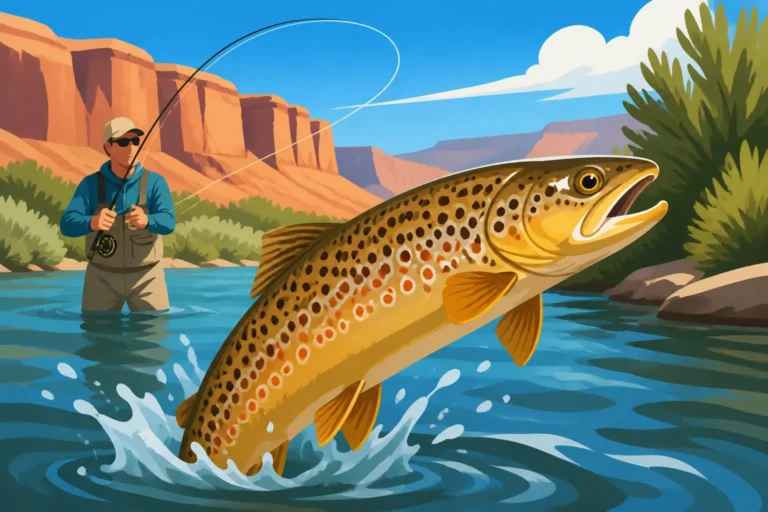
Brown Trout are another non-native but well-established species in the Pecos River, particularly in the more stable, slightly warmer, but still cold, sections of the upper river and its larger tributaries. Unlike the more eager Rainbows, Brown Trout are known for their cunning and often require a more subtle approach. They are ambush predators, preferring to hide under undercut banks, submerged logs, and large rocks, waiting for an unsuspecting meal to drift by. Many anglers consider a large Pecos River brown a trophy, and for good reason – they grow to impressive sizes and put up a formidable fight, especially when hooked in fast water.
Targeting these fish often involves casting precise lures or flies into shaded pockets and structure, especially during low-light conditions like dawn and dusk. Larger streamers and minnow-imitating lures can be very effective for enticing the bigger browns. They're typically found in areas with good cover and a steady food supply, making them a true challenge for seasoned anglers. The New Mexico Special Trout Water Rules sometimes apply to specific sections of the Pecos where these larger, wilder trout thrive, so always check the regulations.
Warmwater Wonders: Beyond the Trout in the Lower Pecos
As the Pecos River descends from the mountains and its waters warm, a whole new cast of characters enters the angling scene. The middle and lower stretches, particularly within and around reservoirs like Santa Rosa Lake, Sumner Lake, and downstream into the warmer desert flows, become prime habitat for a variety of warmwater game fish. These species offer entirely different fishing experiences, often involving heavier tackle, different presentations, and a focus on structure in larger, often murkier, waters.
Catfish: The River Bottom Brawlers
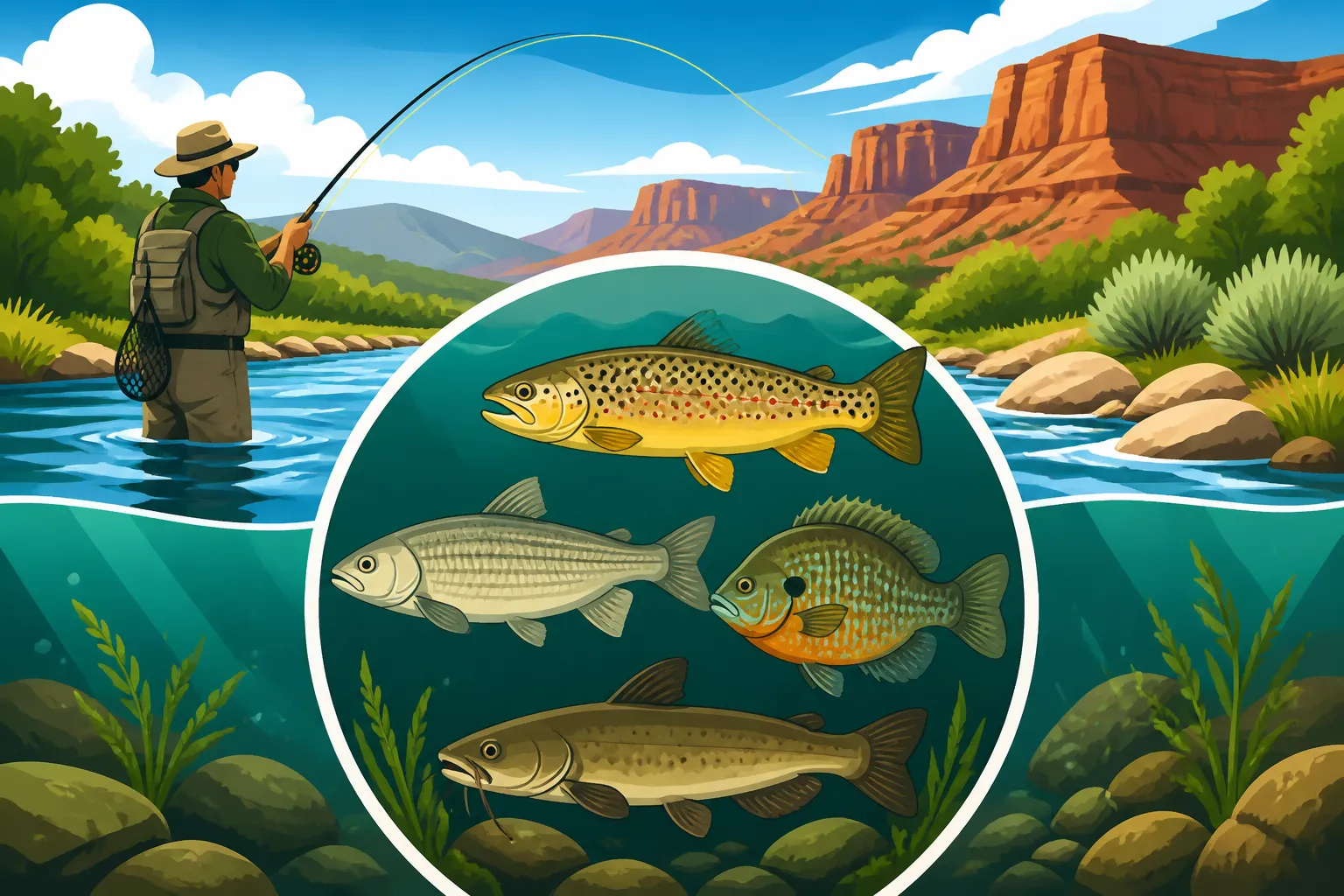
Catfish are undoubtedly one of the most popular warmwater species in the Pecos River, especially in its middle and lower reaches. Both Channel Catfish and Flathead Catfish can be found here, with Channels being more abundant and widespread. These whiskered bottom-dwellers thrive in the slower, warmer, and often turbid waters of the lower Pecos and its associated reservoirs. They're a favorite target for bank anglers and those who enjoy a strong, sustained fight. Catfish are often targeted with smelly baits, cut bait, or even chicken livers, making for a distinctly different angling experience than trout fishing.
Night fishing for catfish can be incredibly productive, as these fish become more active after dark, using their barbels to locate food. A simple bottom rig with a sinker and a circle hook is often all you need. They're known for their powerful runs and are a fantastic species for new anglers or those looking for reliable action. You can often find a good selection of specialized catfish baits and tackle on Amazon to get started.
Bass Species: Fierce Fighters of the Reservoirs
The Pecos River's reservoirs are phenomenal bass fisheries, holding both Largemouth Bass and Smallmouth Bass. Largemouths prefer the weedier, shallower coves and submerged timber in reservoirs like Santa Rosa and Sumner, ambushing prey from cover. Smallmouths, on the other hand, often patrol rocky points, ledges, and deeper clear-water areas, providing a different challenge. These aggressive predators offer exciting topwater action, thrilling battles on crankbaits, or a more subtle finesse approach with soft plastics. A day targeting bass in one of the Pecos reservoirs can be a truly action-packed experience.
Understanding the Best Lures for New Mexico Bass is key to success, and many anglers swear by a good selection of jigs, soft plastics, and spinnerbaits. For specific locations, checking out Santa Rosa Lake Bass Fishing or Sumner Lake Walleye Fishing (which often shares habitat with bass) could be helpful. Bass are particularly responsive to changes in weather and light, with some of the best fishing often occurring during overcast conditions or early morning and late evening.
Walleye: Elusive and Delicious Deep-Water Dwellers
Walleye are another highly sought-after game fish, particularly in the larger Pecos River reservoirs like Santa Rosa and Sumner Lake. Known for their delicious white flesh and notoriously light bite, walleye are often considered a challenge by many anglers. They prefer deeper, cooler water and are often found near submerged humps, points, and old river channels, making them a target for boat anglers with good electronics. Successful walleye fishing often involves trolling with crankbaits, jigging with spoons or soft plastics, or drifting with live bait like shiners or nightcrawlers.
These fish are most active during low-light conditions, such as dawn, dusk, or even at night. Patience and persistence are key to landing a Pecos River walleye. For those seeking specific advice, Walleye at Conchas Lake (another excellent walleye fishery) can offer transferable insights into techniques and patterns. Walleye are known for their keen eyesight in low light, making darker, more subtle lure colors effective in deeper or stained water.
Crappie and Sunfish: Panfish Perfection
For family-friendly fishing or a relaxing day on the water, the Pecos River system's panfish populations are hard to beat. Crappie (both Black and White Crappie) and various sunfish species like Bluegill and Green Sunfish are abundant in the reservoirs and slower river sections. These schooling fish are often found around submerged brush piles, docks, and other forms of structure. They are relatively easy to catch, responding well to small jigs, minnows, or worms, making them perfect for introducing kids to fishing. Plus, they make for some excellent table fare!
Gathering a simple panfish setup, including small hooks and bobbers, is easy and affordable, and you can often find great starter kits on Amazon. These fish provide consistent action and are a joy to catch, offering a perfect way to spend an afternoon enjoying the New Mexico sunshine. Look for them concentrated around brush, submerged trees, or any other structure that provides cover and ambush points.
Other Aquatic Residents and Conservation in the Pecos River
Beyond the main game fish, the Pecos River is home to a host of other fascinating aquatic creatures, some of which play crucial roles in the ecosystem, while others might be considered less desirable from an angling perspective. Understanding this broader community helps us appreciate the complexity of the river and highlights the importance of responsible fishing practices.
Rough Fish and Forage Species
The Pecos River also supports populations of what anglers often refer to as "rough fish" or "forage fish." These include various species of suckers, carp, and minnows. While not typically targeted for sport or consumption by most anglers, these fish are vital components of the food web, providing sustenance for the larger game fish. Common Carp, for instance, are widely distributed and can grow to impressive sizes, offering a strong fight for those who enjoy targeting them. Some anglers specifically pursue them for the challenge! When browsing fishing literature or even gear on Amazon, you might occasionally come across specialized carp fishing equipment, which speaks to their dedicated following and the impressive fight these fish put up on the end of a line.
Other forage species, like various minnows and shiners, form the base of the food chain, supporting the robust populations of bass, walleye, and catfish throughout the system. Without these smaller fish, the larger game species wouldn't thrive.
Important Ecological Considerations
The Pecos River, like many rivers in the arid Southwest, faces unique environmental challenges, including water scarcity, varying flow rates, and the presence of invasive species. Conservation efforts are ongoing to protect the native fish populations, particularly the Rio Grande Cutthroat Trout. This means anglers have a responsibility to adhere to all New Mexico Fishing Regulations Overview, including bag and possession limits, and special regulations for sensitive areas. Practices like using barbless hooks, minimizing handling time, and never introducing non-native species are crucial for maintaining the health and balance of this valuable river system. Every angler has a role to play in preserving the beauty and biodiversity of the Pecos.
Water quality is another critical aspect, and understanding how your actions, from littering to improper waste disposal, can impact the delicate balance of the river is part of being a good steward. Protecting riparian habitats—the plants and trees along the riverbanks—is also vital, as they provide shade, prevent erosion, and offer crucial insect habitat that becomes food for fish.
Understanding River Health and Your Impact
Before heading out to your chosen Pecos River fishing spot, it's always a good idea to check local conditions, especially water levels and any specific advisories from the New Mexico Department of Game and Fish. Drought conditions can significantly impact fish populations and access points, so staying informed is paramount. Being a responsible angler means more than just catching fish; it means understanding the environment you're in, respecting its inhabitants, and contributing to its long-term sustainability. When you're out there, take only memories and leave only footprints (and maybe some perfectly placed flies!).
A truly informed angler considers the entire ecosystem, recognizing that every creature, from the smallest insect to the largest fish, plays a role. By educating ourselves on the different species and their habitat needs, we can make more responsible choices that ensure the Pecos River remains a fantastic fishing destination for generations to come.
Here's a quick overview of some common species you might encounter along different stretches of the Pecos:
| River Section | Dominant Species | Key Characteristics | Common Angling Methods |
|---|---|---|---|
| Upper Pecos | Rio Grande Cutthroat Trout | Native, smaller, iridescent, red slash, cold water | Fly fishing, small spinners |
| (High mountains) | Rainbow Trout | Stocked, accessible, good fight, cold water | Spinners, PowerBait, flies |
| Brown Trout | Wily, larger, ambush predator, cold water | Flies, small crankbaits | |
| Middle Pecos | Channel Catfish | Bottom-dweller, strong fight, warmer water | Bottom rigging, smelly baits |
| (Reservoirs & flows) | Largemouth Bass | Aggressive, structure-oriented, warm water | Jigs, crankbaits, soft plastics |
| Smallmouth Bass | Rocky habitat, strong fight, warm water | Jigs, crankbaits, tubes | |
| Walleye | Elusive, delicious, deep-water, clear-ish water | Trolling, jigging, live bait | |
| Crappie, Bluegill | Schooling panfish, structure-oriented, warm water | Small jigs, minnows, worms | |
| Lower Pecos | Channel Catfish | Abundant, scavenger, very warm/turbid water | Bottom rigging, cut bait |
| (Warmer, slower) | Flathead Catfish | Large, predatory, very warm water | Live bait, large cut bait |
| Carp, Suckers | Forage fish, strong fight, warm water | Dough balls, corn |
Disclaimer
This article is for general informational purposes only and does not constitute professional advice. Laws, prices and regulations vary by location and change over time. Consult a qualified professional for guidance on your specific situation.