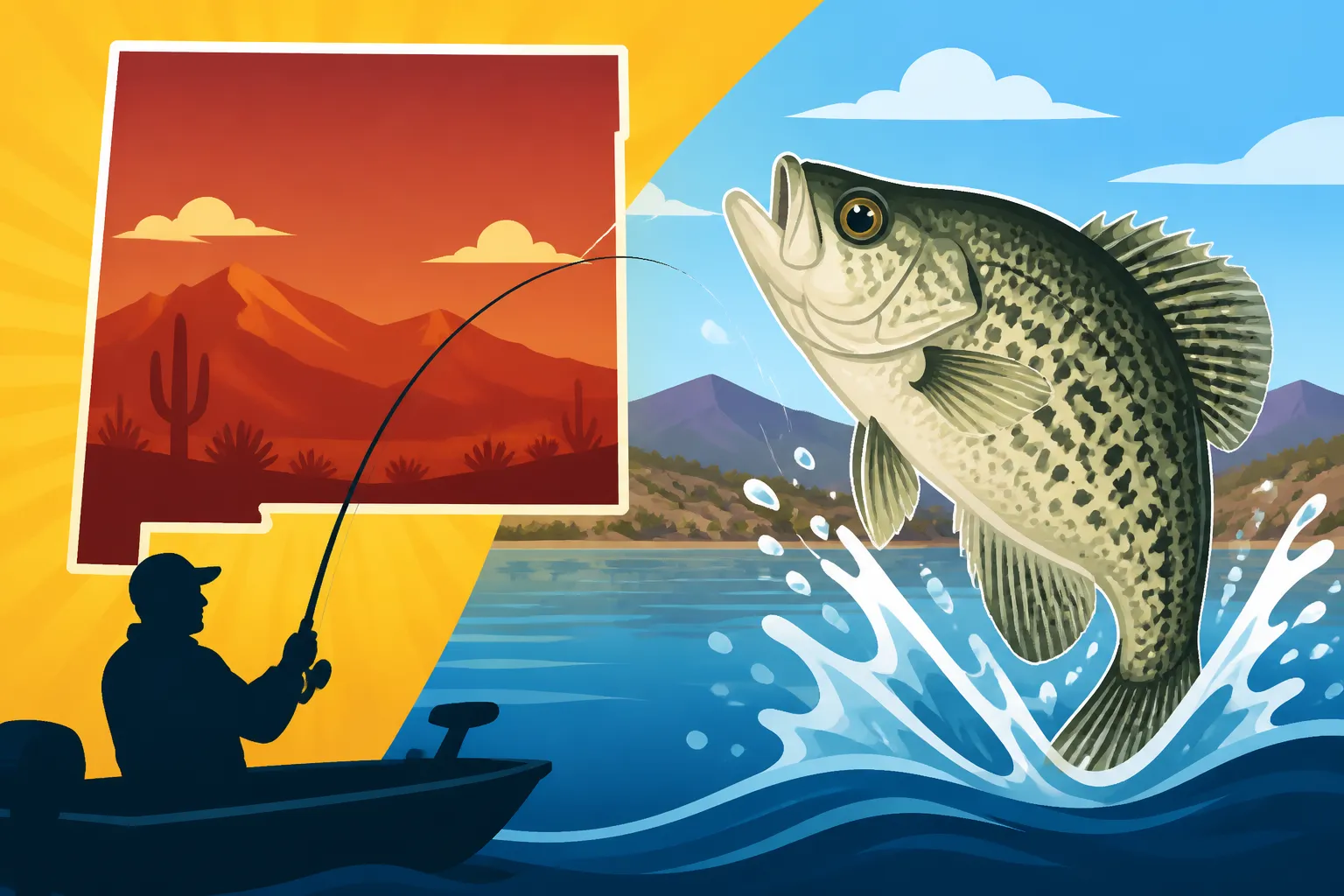
Do New Mexico Lakes Have Crappie?
It's a question I hear all the time from folks new to New Mexico, or even seasoned anglers who've focused mostly on trout: "Do New Mexico lakes even have crappie?" It's a valid query, given our reputation for stunning mountain streams and vast reservoirs that often get lauded for bass and walleye. But I'm thrilled to tell you, yes, our lakes absolutely hold crappie, and some of them can offer truly exceptional fishing opportunities if you know where to look. This guide is going to peel back the curtain and show you exactly where to find these delectable panfish and how to bring them to the net.
Crappie in New Mexico: A Realistic Look at Our Panfish Potential
Many anglers think of crappie as a predominantly southern or midwestern fish, thriving in brushy, timber-filled lakes. While New Mexico might not boast the same density of old-growth flooded forests as some states, our reservoirs and even some smaller impoundments offer fantastic habitat for both black and white crappie. It's often a matter of understanding the unique characteristics of our high-desert and mountain-fed waters.
The Crappie Presence in New Mexico
Crappie are definitely here, and they're more abundant than many people realize. We primarily have black crappie and white crappie, though it's the black crappie that seem to be more prevalent in some of our clearer, deeper lakes. White crappie tend to thrive in murkier, more turbid waters, often associated with river systems. They're a favorite among families for their cooperative nature and delicious table fare, and let me tell you, there's nothing quite like a mess of fresh crappie fillets after a day out on the water.
One of the biggest frustrations for crappie anglers in New Mexico can be finding those elusive schools. They can be here today, gone tomorrow, especially in vast reservoirs like Elephant Butte. But that's part of the fun, isn't it? It challenges you to learn the water, observe patterns, and adapt your approach. They tend to stick to structure, whether that's submerged timber, brush piles, rock formations, or even old roadbeds and creek channels. Understanding this behavior is your first step to success. If you're wondering about the broader picture of what you can catch, check out our Fish Species Found in New Mexico guide.
Where to Find Them: General Crappie Habitats
Crappie are structure-oriented fish, plain and simple. In New Mexico's larger reservoirs, this means they'll gravitate towards any submerged cover that offers protection from predators and ambush points for their prey – typically small baitfish and insects. This could be natural structures like old submerged trees, rock outcroppings, or even significant depth changes along old river channels. Sometimes, it's also man-made structures that draw them in, like old bridge pilings, fish attractors deployed by the Game and Fish Department, or even shaded areas under docks.
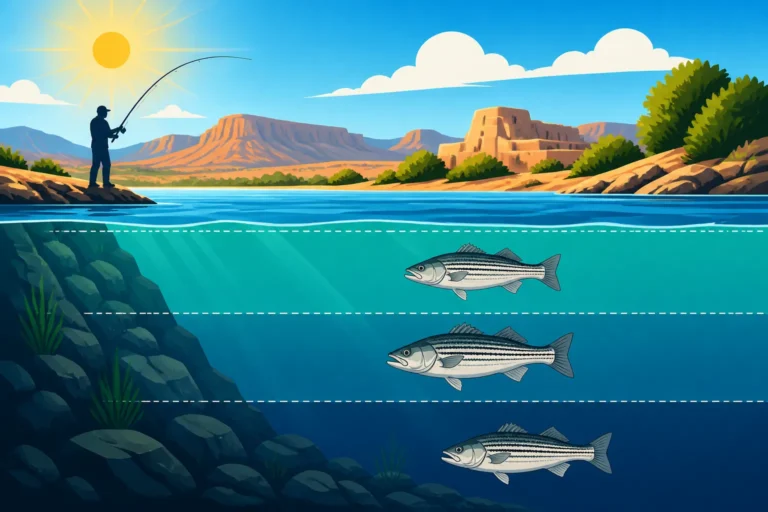
During the warmer months, crappie often suspend in deeper water over these structures or move into coves with abundant cover. As water temperatures cool, they might congregate in even deeper channels or on main lake points, often in very tight schools. The key is to be observant and use your electronics if you have them. Look for brush piles, old timber, and any significant drop-offs. In smaller ponds, they'll often be around cattails, submerged weeds, or any significant cover. Remember, crappie are ambush predators, so they'll be where they can hide and dart out to grab a meal.
Top New Mexico Lakes for Crappie Fishing
While crappie can pop up in various waters across the state, some lakes consistently offer better opportunities and have built a reputation among local anglers. These are the spots where you're most likely to find robust populations and, hopefully, a full livewell.
Prime Crappie Hotspots Across the State
When you talk about crappie in New Mexico, a few names immediately come to mind. These are the lakes that are known for producing good numbers and sometimes even impressive slabs.
Elephant Butte Lake: This massive reservoir in southern New Mexico is perhaps the state's most famous crappie fishery. It's a huge body of water, so finding them can be a challenge, but when you do, the rewards can be incredible. Crappie here relate heavily to the numerous submerged brush piles, old creek channels, and standing timber, especially in the larger coves and arms of the lake. The fishing can be phenomenal in spring when they move shallow to spawn, but they can be caught year-round by targeting deeper structure. Many anglers will spend days mapping out brush piles and rock formations, knowing that these spots can hold massive schools. This lake also offers fantastic opportunities for other species; check out our Elephant Butte Lake Fishing Guide.
Conchas Lake: Located in eastern New Mexico, Conchas is another perennial crappie favorite. It's a bit more riverine in its characteristics than Elephant Butte, with lots of rocky points, submerged timber, and deep ledges. Crappie fishing here can be excellent, particularly in the spring and fall. Look for them in the larger coves, around main lake points with brush, and suspended over the old river channel. The lake's irregular shoreline and numerous arms provide plenty of crappie habitat. Anglers often find success drifting or slow-trolling jigs along contours. For a deep dive into this lake, consider our Conchas Lake Crappie Fishing article.
Ute Lake: Also in eastern New Mexico, Ute Lake is known for its clear waters and steep rocky banks. Crappie here often relate to bluff walls, deep submerged structure, and the occasional brush pile. While perhaps not as famed as Elephant Butte for crappie, Ute Lake can produce some real giants. The key is often fishing deeper and using electronics to locate schools holding tight to vertical structure. Early spring can be particularly productive as fish move up into shallower coves before retreating to deeper water for the summer.
Navajo Lake: Up in northern New Mexico, Navajo Lake is primarily known for its trout and salmon, but it also holds a healthy population of crappie. These fish tend to be found in the timbered coves and arms, particularly in the lower lake areas. They often suspend in brush and around standing timber. While perhaps not the primary target for many anglers heading to Navajo, those who specifically target crappie here are often pleasantly surprised by the numbers and size they encounter. The habitat here is gorgeous, with deep canyon walls and lots of submerged wood.
Seasonal Movements and Behavior
Understanding the seasonal patterns of crappie is crucial for consistent success. They don't just hang out in one spot all year; their movements are dictated primarily by water temperature and their spawning cycle.
- Spring (Pre-spawn and Spawn): This is arguably the most anticipated time for crappie anglers. As water temperatures climb into the 50s and 60s Fahrenheit, crappie move from deep wintering grounds into shallower coves and creek arms to spawn. They'll be found around submerged brush, docks, cattails, and any cover in 2-10 feet of water. This is when they're most accessible to bank anglers and those fishing from smaller boats. They become very aggressive as they prepare to nest, making them easier to catch.
- Summer: Once the spawn is over and water temperatures really heat up, crappie retreat to deeper, cooler water. They often suspend over submerged structure in the main lake or congregate in deep creek channels. This can be challenging fishing, requiring good electronics to locate these schools. Night fishing can be very effective in summer, as crappie are drawn to lights that attract baitfish.
- Fall: As water temperatures begin to drop in the fall, crappie become more active and start feeding aggressively again to prepare for winter. They'll often move back into medium depths, around creek channels, main lake points, and brush piles. This can be a fantastic time for both numbers and quality, similar to the spring bite, but often with fewer crowds. If you're curious about specific timing, our Best Time to Catch Crappie in New Mexico article has more details.
- Winter: During the coldest months, crappie will typically school up tightly in deep water, often near the bottom in river channels, deep coves, or around significant submerged structure. They become lethargic, and the bite can be subtle, but if you can locate a school, you can catch a lot of fish by vertically jigging small baits right in front of their noses. Ice fishing for crappie is also an option on some of our smaller, higher-elevation lakes that reliably freeze over.
Essential Crappie Fishing Techniques for New Mexico Waters
Crappie fishing isn't overly complicated, which is part of its charm. However, using the right gear and techniques will significantly increase your success, especially when these fish are finicky or hiding deep.
Gear and Setup for New Mexico Crappie
When it comes to crappie, light tackle is the name of the game. These fish have delicate mouths, and too heavy a setup can pull the hook or tear their lips.
- Rods and Reels: An ultralight or light action spinning rod, typically 5 to 7 feet long, paired with a small spinning reel (size 1000 or 2000), is perfect. This setup allows for sensitive feel, crucial for detecting subtle crappie bites, and gives you enough backbone to fight a decent fish while protecting their soft mouths. You can find excellent budget-friendly options for these combos on Amazon, allowing you to get started without a huge investment.
- Line: Opt for light monofilament or fluorocarbon line, typically 4 to 6-pound test. Monofilament offers a bit of stretch, which can be forgiving, while fluorocarbon offers less stretch and better sensitivity, and is nearly invisible underwater. Some anglers even use a very thin braided line (6-10 lb test) for sensitivity, then tie on a fluorocarbon leader (4 lb test) for stealth.
- Terminal Tackle: Your tackle box for crappie should be pretty straightforward.
- Jig Heads: A variety of small jig heads, from 1/32 oz to 1/8 oz, are essential. Different weights help you get to the right depth and compensate for wind.
- Bobbers/Floats: Both fixed and slip bobbers are useful. Slip bobbers are fantastic for fishing at specific depths in deeper water.
- Hooks: Small, sharp hooks are key if you're using live bait. Aberdeen hooks (sizes 4-8) are popular because they are thin and tend to straighten out when snagged, saving your line.
- Sinkers: Small split shots or egg sinkers (1/8 oz to 1/4 oz) can be used to get live bait down quickly.
Having a good, comfortable fishing vest or a small tackle bag from Amazon can keep all your essential crappie gear organized and easily accessible, whether you're bank fishing or moving around in a boat.
Baits and Lures That Work for Crappie
Crappie are generally not picky eaters, but they do have preferences that can shift. It's always good to have a few options on hand.
- Live Minnows: Without a doubt, live minnows are often the most effective bait for crappie, especially when they're less active. Hook them lightly through the lips or just behind the dorsal fin. Fish them under a bobber or slowly drifted/trolled.
- Soft Plastic Jigs: These are incredibly versatile. Small tubes, grubs, tiny swimbaits, and even creature baits in sizes from 1 to 2.5 inches are perfect. Chartreuse, white, black and chartreuse, and pink are perennial favorites, but don't be afraid to experiment with brighter colors in murky water or more natural hues in clear water. Pair them with a matching jig head.
- Small Spinnerbaits/In-line Spinners: Tiny spinnerbaits, often called "crappie magnets" or similar names, can be deadly, especially when crappie are aggressive. The flash and vibration can draw them in. Rooster Tails and Mepps spinners in small sizes (1/16 oz to 1/8 oz) can also work.
- Marabou Jigs: These classic jigs, made with soft, flowing feathers, have a lifelike action in the water that crappie can't resist. Black, white, and chartreuse are traditional colors, but again, variety is your friend.
Mastering the Crappie Catch: Techniques That Produce
Once you have your gear, it's about presentation. How you get that bait or lure in front of the crappie makes all the difference.
- Jigging: This is probably the most common and effective method.
- Vertical Jigging: When you've located a school on your fish finder, drop a jig or a minnow-tipped jig straight down to their depth. Gently lift and drop your rod tip, imparting a subtle "dancing" action to the bait. This is fantastic for targeting tight schools in deeper water.
- Casting and Retrieving: Cast a small jig or spinner toward structure (like brush piles or submerged trees) and retrieve it slowly and steadily, or with a series of small twitches and pauses. Pay attention to any ticks or resistance.
- Bobber Fishing: This is ideal for beginners and a relaxed day on the water. Use a fixed bobber in shallow water, or a slip bobber to set your bait at a precise depth in deeper water. Live minnows or small jigs suspended under a bobber are incredibly effective, especially in spring. Watch the bobber carefully; crappie bites can be subtle, sometimes just a slight dip or a slow drift sideways.
- Trolling: This technique is excellent for covering a lot of water, especially in large reservoirs when crappie are scattered or suspended. Use multiple rods with different depths and lure presentations (jigs, small crankbaits, or minnow rigs) to find the fish. Slow trolling at very low speeds, often with an electric trolling motor, is key. This is a common method for figuring out How to Find Crappie in New Mexico Reservoirs.
Crappie Fishing Regulations and Best Practices
Like all fishing in New Mexico, crappie fishing is subject to state regulations designed to protect fish populations and ensure sustainable angling for everyone. It's critical to know and follow these rules. For a complete understanding of statewide regulations, our New Mexico Fishing Regulations Overview is a great resource.
Understanding New Mexico's Crappie Limits
New Mexico typically has statewide bag and possession limits for crappie. These limits dictate how many fish you can keep in a single day (bag limit) and how many you can have in your possession, including those at home from previous trips (possession limit). These numbers can change, so always consult the most current New Mexico Fishing Rules & Regulations booklet before you head out. Generally, the limits are quite generous, reflecting healthy crappie populations in many of our waters.
For instance, you might find a daily bag limit of 20 crappie and a possession limit of 40. This allows anglers to take home a good meal while still ensuring plenty of fish remain for future generations. There might also be special regulations on certain waters, so always double-check the specific lake you're fishing. It's always good to be aware of the New Mexico Warm Water Fish Bag Limits for all the species you might encounter.
Conservation and Sustainability
Even with generous limits, practicing good conservation habits is vital. Crappie are prolific breeders, but overharvesting can still impact local populations, especially in smaller waters.
- Size Selection: While there often isn't a minimum size limit on crappie, consider releasing smaller fish to allow them to grow and reproduce. Keeping a few medium-sized fish for dinner and releasing the rest is a sustainable approach.
- Handle With Care: If you're practicing catch and release, handle crappie gently. Use a rubber-coated net to minimize slime coat damage, keep the fish in the water as much as possible, and use pliers or a hook remover to quickly extract hooks.
- Respect the Resource: Never waste fish. Only keep what you intend to eat or properly freeze. Dispose of any fish waste responsibly.
- Know Your License: Always ensure you have a current New Mexico Annual Fishing License. The fees from these licenses directly fund fish stocking, habitat improvement, and enforcement, which benefits crappie populations and all fisheries across the state.
Crappie fishing in New Mexico is a rewarding experience, offering both exciting action and delicious rewards. By understanding their habits, knowing where to find them, and using the right techniques, you'll be well on your way to a successful crappie outing.
Here’s a quick overview of some prime crappie lakes in New Mexico:
| Lake Name | Primary Crappie Species | Key Features for Crappie | Best Time of Year | Notes |
|---|---|---|---|---|
| Elephant Butte Lake | Black & White Crappie | Submerged brush, old channels, standing timber | Spring & Fall; Summer (deep) | Vast, requires electronics to locate schools. |
| Conchas Lake | Black & White Crappie | Rocky points, deep ledges, submerged timber | Spring & Fall | Riverine characteristics, good for drifting jigs. |
| Ute Lake | Black Crappie | Bluff walls, deep structure, clear water | Spring & Fall; Winter (deep) | Can produce larger crappie, often deeper fishing. |
| Navajo Lake | Black Crappie | Timbered coves, standing timber, deep arms | Spring & Fall | Often overlooked, good populations in brushy areas. |
| Sumner Lake | Black & White Crappie | Submerged trees, brush piles, rocky shorelines | Spring & Fall | Known for consistent crappie action in a beautiful setting. |
Disclaimer
This article is for general informational purposes only and does not constitute professional advice. Laws, prices and regulations vary by location and change over time. Consult a qualified professional for guidance on your specific situation.