Best Lakes for Trophy Walleye in New Mexico
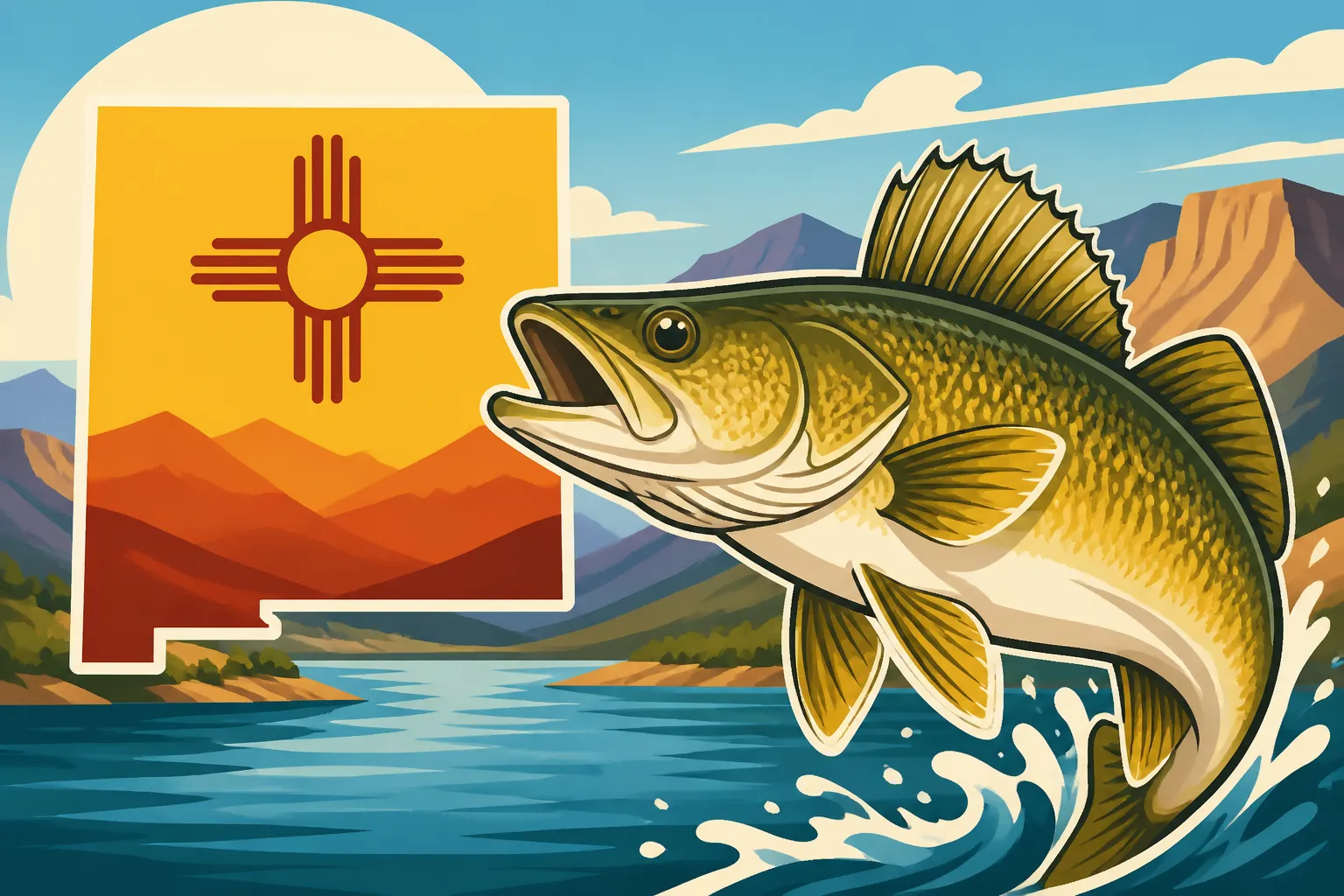
Finding that elusive, truly massive walleye in New Mexico can feel like searching for a needle in a haystack, especially when you hear whispers of giants caught but never quite know where to start your own pursuit. Many anglers spend countless hours on the water, hoping to stumble upon that one fish of a lifetime. This guide is dedicated to cutting through the guesswork, sharing the best New Mexico lakes renowned for their potential to produce genuine trophy walleye, and equipping you with the knowledge to actively target these impressive fish.
Understanding What Makes a "Trophy" Walleye in New Mexico
Before we dive into the specific lakes, it's important to clarify what we mean by a "trophy" walleye here in the Land of Enchantment. Unlike some of the monstrous walleye caught in northern states, New Mexico's waters present a unique set of conditions that influence fish growth. While any walleye is a prize, a true trophy here means a fish that stands out significantly from the average catch.
Size Expectations for Walleye in New Mexico
Generally, a good walleye in New Mexico might measure anywhere from 16 to 22 inches, providing a fantastic fight and a delicious meal. However, when we talk about trophy walleye, we're aiming for something much larger. Anglers often consider a walleye hitting the 25-inch mark and beyond to be in trophy territory. Fish pushing past 28 or even 30 inches are exceptionally rare and truly merit the "trophy" designation. These are the fish that dominate the cooler discussions at the boat ramp and fill anglers with awe. While every waterbody is different, understanding these benchmarks helps set realistic, yet exciting, goals for your fishing expeditions. New Mexico Statewide Bag Limit for Walleye provides further context on general regulations.
Factors Contributing to Trophy Walleye Growth
Several environmental and biological factors contribute to a walleye reaching trophy size. The most critical are a stable and abundant food source, suitable deep-water habitat with plenty of structure, and a consistent water temperature range that allows for optimal growth without undue stress. Lakes with a healthy population of baitfish like shad, perch, or even smaller crappie often support larger, healthier walleye. Deep, clear waters with submerged timber, rock piles, or old roadbeds offer the ideal ambush points and thermal refuge that big walleye prefer. Furthermore, the genetic strain of the walleye stocked in a particular lake can play a role, as can the overall fishing pressure and management practices of the New Mexico Department of Game and Fish. Good management ensures that fish have the opportunity to grow older and larger.
Top New Mexico Lakes for Landing a Trophy Walleye
When it comes to pursuing a truly memorable walleye, not all New Mexico lakes are created equal. Some offer consistent action for eater-sized fish, while others hold the potential for that giant you've been dreaming of. Here, we highlight the premier destinations where your chances of tangling with a trophy walleye are significantly higher. You can learn more about specific fishing conditions in Walleye Fishing in New Mexico.
Conchas Lake: A Walleye Hotspot
Conchas Lake, nestled in northeastern New Mexico, is arguably one of the state's most consistent producers of quality walleye, including those coveted trophy specimens. The lake's expansive, often turbid waters, combined with a rich forage base of shad, provide an ideal environment for walleye to thrive and grow large. The lake features extensive submerged structure, including old river channels, humps, and brush piles, which act as perfect ambush points for these predatory fish.
Many anglers targeting trophy walleye at Conchas focus on the deeper sections of the main lake and the Canadian River arm, particularly around points and humps during the cooler months. In spring, larger walleye will often move shallower to spawn, presenting a great opportunity for dedicated shore or boat anglers. Summer fishing often requires moving deeper, working ledges and drop-offs where walleye retreat from the heat. Walleye at Conchas Lake provides more specific details about this fantastic fishery. Patience and a good fish finder are key here, helping you pinpoint those schools of baitfish and the larger walleye lurking nearby.
Ute Lake: Deep Waters, Big Walleye
Located near Logan, Ute Lake is another formidable walleye fishery in New Mexico, known for its deep, clear waters and potential for impressive catches. While it might not have the same consistent numbers as Conchas, Ute Lake often surprises anglers with its size potential. The lake's deep canyons and extensive rock structure offer excellent habitat for larger walleye, particularly during the hot summer months when they seek cooler temperatures.
The key to finding trophy walleye at Ute Lake often lies in understanding its deep-water patterns. Trolling crankbaits or blade baits over humps and along ledges in 20-40 feet of water can be very effective. Vertical jigging spoons or plastics over submerged rock piles and timber is another successful strategy, especially when walleye are suspended. The clarity of Ute Lake's water means that stealth and subtle presentations can be crucial. Dawn and dusk are prime times, as the low light gives these light-sensitive fish a confidence boost to hunt in shallower areas before retreating to the depths.
Clayton Lake: Surprising Walleye Potential
Clayton Lake State Park, a smaller reservoir in northeastern New Mexico, might not be the first place that comes to mind for trophy walleye, but it has a history of producing some surprisingly large fish. Its smaller size means fish populations can be more concentrated, and if the forage base is strong, walleye here can grow to impressive sizes. The lake is regularly stocked and managed, contributing to a healthy population.
Targeting trophy walleye at Clayton Lake often involves working the deeper sections near the dam, as well as the various points and rocky outcrops throughout the lake. Unlike the vastness of Conchas or Ute, Clayton's more intimate setting can allow for more thorough exploration of potential walleye haunts. Early spring and late fall are often the best times to target the larger fish, as they become more active in cooler water. Fishing with live bait, such as shiners or nightcrawlers, can be particularly effective, as can casting or slow-trolling larger crankbaits that mimic the lake's forage. Don't underestimate this gem; sometimes, the best trophies come from unexpected places. For more information, check out Walleye at Clayton Lake.
Elephant Butte Lake: Occasional Trophy Surprises
Elephant Butte Lake, New Mexico's largest reservoir, is more famous for its striped bass and largemouth bass, but it shouldn't be overlooked for its walleye potential. While walleye here might not be as abundant or consistently large as in Conchas or Ute, the sheer size and diversity of its ecosystem mean that truly massive, state-record-contending walleye do exist within its waters. These are often solitary giants that have had years to gorge on the lake's abundant baitfish.
Finding a trophy walleye at Elephant Butte requires patience and often a willingness to explore vast areas. Focus your efforts on the northern arms of the lake, particularly in the deep channels and around submerged timber, rock piles, or old roadbeds. These areas offer the cooler, deeper water and structure that walleye prefer, especially away from the main lake's heavy recreational traffic. Trolling deep-diving crankbaits or using jigging spoons in areas identified with a good fish finder are popular techniques. While they may not be caught every trip, the potential for a true behemoth makes Elephant Butte an exciting challenge for the dedicated trophy walleye angler.
| Lake Name | Primary Target Zone | Typical Depths for Walleye (feet) | Best Seasons for Trophies | Key Forage |
|---|---|---|---|---|
| Conchas Lake | Main lake points, Canadian River Arm | 15-35 | Spring, Fall, Winter | Shad, smaller panfish |
| Ute Lake | Deep channels, rocky ledges | 20-40+ | Spring, Summer, Fall | Shad, perch |
| Clayton Lake | Dam area, points, rocky outcrops | 10-25 | Spring, Fall | Shad, minnows, stocked trout |
| Elephant Butte Lake | Northern arms, deep channels | 25-50+ | Spring, Fall, Winter | Shad, sunfish, small stripers (rarely) |
Key Strategies for Targeting Trophy Walleye
Catching a trophy walleye isn't just about being on the right lake; it's also about employing the right strategies. These fish are often smarter, more cautious, and require a different approach than their smaller counterparts. Adapting your techniques to the specific conditions and seasons can significantly increase your odds.
Seasonal Approaches for Big Walleye
Understanding seasonal movements is paramount when targeting trophy walleye.
- Spring: This is prime time. As ice melts and water temperatures rise, walleye move to shallower spawning grounds. Focus on rocky shorelines, points, and river inflows. Large females will be gorging before and after spawning. This is an excellent time for casting crankbaits or slowly jigging with minnows. For a broader seasonal overview, refer to New Mexico Fishing Season Calendar.
- Summer: Walleye seek refuge in deeper, cooler water. Target thermoclines, deep humps, main lake points, and submerged structure. Trolling deep-diving crankbaits or using vertical jigging techniques with a good fish finder to locate schools of bait and suspended walleye becomes crucial. Early morning and late evening bites can also be strong as fish move shallower to feed under low light.
- Fall: As water temperatures drop, walleye become very active feeders, fattening up for winter. They'll often be found transitioning between shallower flats and deeper drop-offs, following schools of baitfish. Trolling or casting lipless crankbaits and jerkbaits can be highly effective. The bite can be aggressive as they pack on calories.
- Winter: While many anglers put away their gear, brave souls can find excellent trophy walleye fishing, especially through the ice on lakes like Clayton or some deeper parts of Conchas. Walleye are often concentrated on deep structure and slow-moving baits, like spoons or jigging raps, can entice strikes. Ice Fishing in New Mexico offers guidance for this cold-weather pursuit.
Essential Gear and Bait for Trophy Walleye
When pursuing larger walleye, having the right gear can make a substantial difference. You'll want a medium-heavy rod with a sensitive tip, paired with a reliable spinning or baitcasting reel spooled with strong, low-stretch line like braided superline (with a fluorocarbon leader for stealth). This setup allows for powerful hooksets and the ability to control a big fish. Many anglers find specific gear, from specialized rods to advanced fish finders, on Amazon.
As for lures and baits, trophy walleye often prefer larger presentations.
- Crankbaits: Deep-diving models in natural baitfish patterns or bright, attracting colors are excellent for trolling or casting. Brands that offer realistic baitfish profiles often perform well.
- Jigs: Heavy jigs (3/8 oz to 1 oz or more) tipped with large plastic paddle tails, grubs, or live minnows are deadly for vertical jigging on deep structure. Jigging for Walleye in New Mexico provides more detail.
- Live Bait: Live shiners, large minnows, or nightcrawlers fished on slip bobbers or bottom rigs are often irresistible to a trophy walleye, especially when they're finicky.
- Blade Baits/Spoons: These are versatile for both casting and vertical jigging, mimicking wounded baitfish.
Make sure your hooks are sharp and strong enough to handle a powerful fish, as a trophy walleye will test your tackle. Don't forget a quality landing net with a rubberized mesh to protect the fish if you plan on catch and release.
Reading the Water for Walleye Success
Trophy walleye are creatures of habit and structure. Learning to "read the water" is about understanding where they prefer to hold based on current conditions.
- Structure: Look for variations in the lake bottom – drop-offs, humps, submerged points, old river channels, rock piles, and even flooded timber. These provide ambush points and cover. A good fish finder is an invaluable tool for locating these hidden gems and the fish holding on them.
- Baitfish: Walleye will always be where the food is. If you can locate schools of shad or other baitfish on your electronics, you're likely in the vicinity of hungry walleye. Pay attention to how the baitfish are positioned – are they tight to the bottom, or suspended? Walleye will often be just below or on the edges of these schools.
- Water Temperature: Walleye are cold-water species, preferring specific temperature ranges. In summer, they'll seek cooler depths. In spring and fall, they'll follow comfortable temperatures shallower. Understanding the thermocline (the layer where water temperature changes rapidly) can be key in hotter months.
- Light Conditions: Walleye have excellent low-light vision, which is why dawn, dusk, and overcast days are often productive. In bright conditions, they'll retreat to deeper, darker water or thick cover. Adjust your fishing times and locations accordingly.
By combining these observations with your gear and seasonal strategies, you'll be well on your way to a more successful trophy walleye hunt. You can also explore Best Fish Finders for New Mexico Reservoirs for optimal equipment choices.
Conservation and Responsible Trophy Walleye Fishing
Catching a trophy walleye is an incredible accomplishment, but it also comes with the responsibility of ensuring these magnificent fish continue to thrive for future generations. Ethical angling practices are crucial, especially when dealing with large, mature fish that are vital to the breeding population.
Catch and Release Best Practices
For many trophy anglers, the goal is the experience and the photo, not necessarily the dinner plate. If you intend to release a trophy walleye, follow these best practices to maximize its survival chances:
- Minimize Fight Time: Use appropriate tackle to bring the fish in efficiently, reducing exhaustion.
- Handle With Care: Wet your hands before touching the fish to protect its slime coat, which is vital for disease prevention. Avoid squeezing the fish, especially around its internal organs.
- Quick Photo: If taking a photo, do it quickly, supporting the fish horizontally with both hands. Avoid holding it vertically by the jaw alone, as this can damage its internal organs and spine.
- Prompt Release: Get the fish back into the water as soon as possible. If it's sluggish, hold it gently in the water, facing into a gentle current, until it regains strength and swims away on its own.
- Barbless Hooks: Consider using barbless hooks or crimping down barbs, as this makes hook removal much easier and less traumatic for the fish.
Practicing careful catch and release for larger walleye helps maintain the quality of the fishery and allows these valuable breeders to continue their role in the ecosystem.
Understanding Regulations for Large Walleye
Before heading out, always consult the most current New Mexico fishing regulations. While the state offers general regulations for walleye, specific lakes might have special rules regarding size limits or bag limits that differ from the statewide standard. These regulations are designed to protect fish populations and ensure sustainable angling opportunities.
For instance, there might be slot limits on certain waters, which means fish within a particular size range must be released, while smaller or larger fish can be kept. This is often done to protect the prime breeding stock. Always know the legal bag and possession limits. Ignorance of the law is no excuse, and violations can result in hefty fines and loss of fishing privileges. Remember that a New Mexico Fishing Regulations Overview is your best friend when planning any trip. Taking the time to understand and adhere to these rules demonstrates respect for the resource and your fellow anglers.
Disclaimer
This article is for general informational purposes only and does not constitute professional advice. Laws, prices and regulations vary by location and change over time. Consult a qualified professional for guidance on your specific situation.