Walleye at Clayton Lake
For anglers eager to chase one of New Mexico's most elusive and delicious game fish, the walleye, it can sometimes feel like solving a complex puzzle. Many anglers head out to various lakes only to be met with frustration, wondering where these toothy predators are hiding and what they're biting on. This comprehensive guide will pull back the curtain on fishing for walleye at Clayton Lake, revealing its unique characteristics, the best times to fish, and the proven techniques that will increase your chances of landing a trophy.
Understanding Walleye in New Mexico's Waters
Walleye are a fascinating species, known for their keen eyesight, preference for low light, and incredible table fare. While they might not be as widespread as trout or bass in New Mexico, certain lakes offer exceptional walleye opportunities, and Clayton Lake stands out as a prime destination. Understanding the walleye's natural behavior and its specific role in New Mexico's unique aquatic environments is the first step toward successful angling.
Walleye Characteristics and Habits
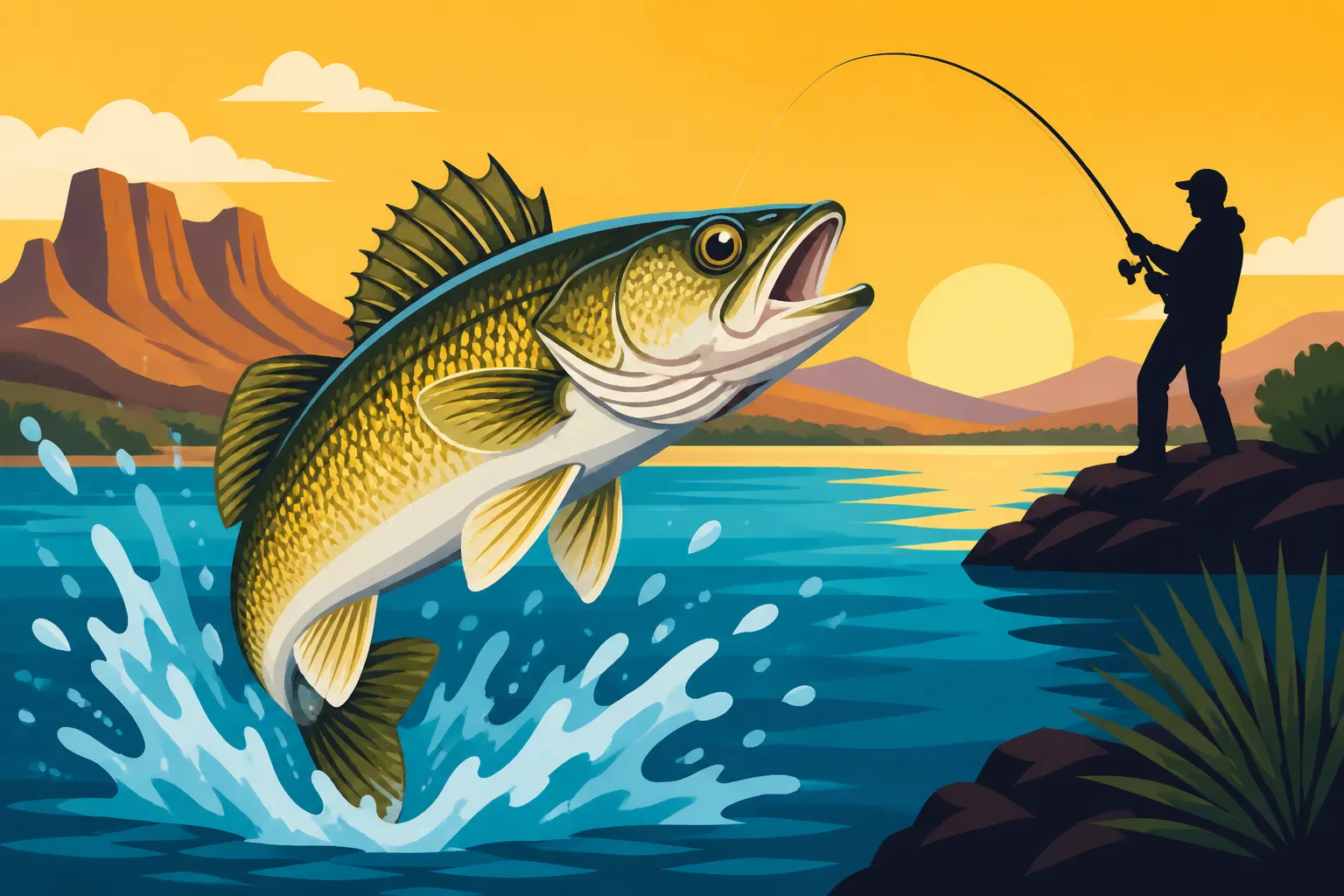
Walleye, often recognized by their large, glassy eyes (which helps them see in murky water and low light conditions), are members of the perch family. They typically have a long, slender body, dark olive to brown on the back, fading to a lighter belly, with distinct dark vertical bars along their sides. Their mouths are full of sharp, canine-like teeth, perfectly adapted for preying on smaller fish. They're primarily nocturnal or crepuscular hunters, meaning they are most active during dawn, dusk, and cloudy days, or in deeper, darker waters.
These fish are highly sensitive to light, which is a crucial factor in how and where they feed. During bright daylight hours, walleye often retreat to deeper, cooler water or seek refuge in shaded areas like submerged timber, rock piles, or dense weed beds. This sensitivity means anglers targeting walleye need to adapt their strategies to these light conditions, often favoring early morning, late evening, or even night fishing, especially during warmer months. They also tend to school, so if you catch one, there's a good chance more are nearby.
Walleye in New Mexico's Ecosystem
In New Mexico, walleye are not native to most waters but have been successfully introduced into several reservoirs to provide diverse angling opportunities and help manage baitfish populations. They thrive in large, turbid lakes and reservoirs with plenty of forage fish like shad or smaller panfish. Their presence adds a unique dynamic to the state's fishery, offering a different challenge compared to the abundant trout fisheries found in cooler, clearer mountain streams. Clayton Lake, with its specific characteristics, offers an ideal environment for walleye to flourish.
The New Mexico Department of Game and Fish actively manages walleye populations in specific lakes through stocking programs and regulations. These efforts aim to maintain a healthy balance, ensuring sustainable fishing for anglers while also considering the impact of walleye on other fish species in the ecosystem. Anglers should always consult the current New Mexico Fishing Regulations Overview for specific limits and rules, as these can vary by water body and species. Understanding these regulations is key to responsible and ethical fishing.
Why Clayton Lake is a Walleye Hotspot
Clayton Lake State Park, nestled in the northeastern part of New Mexico, is renowned among local anglers and those in neighboring states for its excellent walleye fishing. What makes this relatively small reservoir such a consistent producer of these prized fish? It boils down to a combination of its natural features, managed habitats, and strategic stocking programs.
Lake Features and Walleye Habitat
Clayton Lake is a relatively shallow, fertile reservoir, which can be a double-edged sword for walleye. While shallower waters warm faster, promoting robust baitfish populations, they also mean walleye are more susceptible to light penetration. However, the lake's structure provides ample sanctuary. It features numerous rocky points, submerged humps, ledges, and areas with a mix of gravel and mud bottoms, all of which are classic walleye holding areas. The turbidity of the water, often a slight stain from runoff, also plays into the walleye's preference for lower light conditions, making them more active throughout the day than in crystal-clear waters.
The lake also boasts a healthy population of forage fish, primarily gizzard shad, which forms the cornerstone of the walleye's diet. This abundant food source allows walleye to grow quickly and reach impressive sizes. The combination of varied structure, water clarity, and rich forage creates an almost perfect ecosystem for walleye to thrive, providing both cover and sustenance. These elements are carefully considered in management practices, such as when and where to stock new fish to maximize their survival and growth.
Stocking Programs and Population Health
The consistent quality of walleye fishing at Clayton Lake isn't accidental; it's the result of dedicated management by the New Mexico Department of Game and Fish. The department regularly stocks walleye fingerlings into the lake, supplementing natural reproduction, which can sometimes be limited in reservoir environments. These stocking efforts help maintain a robust and healthy population, ensuring that there are always plenty of fish for anglers to pursue.
These stocking programs are carefully timed and scaled based on surveys of the lake's fish populations, forage availability, and environmental conditions. The goal is to create a sustainable fishery that can withstand angling pressure while also contributing to the overall ecological balance of the lake. Anglers often keep an eye on these stocking reports, as fresh introductions of fish can sometimes temporarily change feeding patterns or concentrations of fish. The success of these programs is evident in the lake's reputation as one of the state's premier walleye destinations.
Best Times and Seasons for Clayton Lake Walleye
Timing is everything when it comes to walleye fishing, and Clayton Lake is no exception. While you can catch walleye year-round, certain seasons offer distinct advantages, often aligning with the fish's natural spawning and feeding cycles. Understanding these seasonal patterns will significantly boost your success rate.
Spring Spawning Run Strategies
Spring, typically from late March through May, is arguably the most anticipated time for walleye anglers at Clayton Lake. This is when walleye migrate from deeper wintering areas to shallower, rocky or gravelly shoals and points to spawn. Water temperatures in the low to mid-40s to low 50s are generally the trigger. During this period, walleye are highly concentrated and aggressive, making them more accessible to anglers.
Focus your efforts on rocky points, dam riprap, and shallow flats adjacent to deeper water. Jigs tipped with minnows or soft plastics are incredibly effective during the pre-spawn and spawn. Slowly dragging or twitching these baits along the bottom can entice strikes from sluggish, cold-water walleye. As the water warms slightly post-spawn, crankbaits and stickbaits can become productive, especially when fished around the edges of newly forming weed beds. Remember, male walleye often stay in these shallower areas longer after spawning, providing excellent opportunities.
Summer Deep Water Tactics
As New Mexico's summer heat sets in, usually from June through August, Clayton Lake's walleye retreat to deeper, cooler water. This doesn't mean they stop feeding; they simply change their location and sometimes their preferred baits. During summer, look for walleye on main lake humps, deep points, and along the thermocline if one forms. Depths of 15-30 feet or more are common holding patterns during the brightest parts of the day.
Trolling becomes a highly effective technique during the summer months. Using crankbaits that dive to specific depths, or employing bottom bouncers with spinner rigs (like a Worm Harness) or live bait such as leeches or nightcrawlers, can cover a lot of water and help locate scattered schools of fish. Early morning, late evening, and cloudy days are still prime times, as walleye will often move shallower to feed during these low-light periods. A good fish finder is invaluable for identifying these deep-water structures and marking fish. You can find excellent options for specialized fish finders on sites like Amazon.
Fall Feeding Frenzy
Fall, from September through November, brings cooler water temperatures and shorter days, prompting walleye to engage in an aggressive feeding spree in preparation for winter. This can be another fantastic time to fish Clayton Lake for these prized fish. Walleye will often move back into shallower areas, especially rocky structures and submerged humps, but they might also be found suspending over deeper water, chasing schools of baitfish.
Trolling crankbaits that mimic shad is highly effective, as is casting lipless crankbaits or blade baits onto points and along drop-offs. Jigging spoons or heavy jigs tipped with a large minnow can also produce excellent results when fish are congregated. The key in fall is to follow the bait. If you can locate schools of shad or other forage, you can bet the walleye won't be far behind. This season offers some of the best opportunities for catching larger, pre-winter walleye.
Essential Gear and Techniques for Clayton Lake Walleye
Fishing for walleye requires specific gear and honed techniques to consistently fool these wary predators. At Clayton Lake, success often comes down to matching your presentation to the walleye's mood and location.
Rods, Reels, and Line Selection
For walleye fishing, a sensitive yet powerful rod is crucial. A medium-light to medium power spinning rod, typically 6'6" to 7'6" in length, with a fast action tip, is a popular choice for jigging and casting lighter baits. This setup allows for precise presentations and enough backbone to handle larger fish. If you're primarily trolling, a medium-heavy baitcasting rod, around 7' to 8'6", with a moderate-fast action, is often preferred for handling heavier weights and absorbing the shock of strikes. You can find a wide range of suitable rods and reels on platforms like Amazon.
When it comes to reels, a reliable spinning reel in the 2000-3000 size range or a sturdy baitcasting reel with a smooth drag system is ideal. For line, 6-10 lb test monofilament or fluorocarbon is excellent for its stretch and abrasion resistance, especially when fishing around rocks. However, many anglers prefer 10-20 lb braided line for its incredible sensitivity and strength, often adding a 6-10 lb fluorocarbon leader (3-6 feet long) to make it virtually invisible in the water. This setup offers the best of both worlds: sensitivity to detect subtle bites and stealth to avoid spooking fish.
Lures, Baits, and Presentations
Walleye are opportunistic feeders, but they do have preferences. Here's a rundown of common and effective choices for Clayton Lake:
- Jigs: Lead head jigs (1/8 oz to 1/2 oz) tipped with live bait (minnows, leeches, nightcrawlers) or soft plastics (grubs, paddle tails, minnow imitations) are foundational walleye baits. Colors like chartreuse, white, orange, and black are often productive. Slowly lifting and dropping, or dragging these along the bottom, mimics a struggling baitfish.
- Crankbaits and Stickbaits: These are excellent for covering water, especially when trolling or casting to aggressive fish. Shallow-diving models work in spring and fall, while deep-diving models are essential for summer trolling. Look for natural baitfish patterns, perch, or firetiger colors. Best Lures for New Mexico Trout might give you some ideas for color choices, as some colors cross over for general baitfish appeal.
- Spinner Rigs/Worm Harnesses: Consisting of a main line with one or more spinner blades and a hook trailing, these are often trolled slowly with live nightcrawlers or artificial worm imitations. The flash and vibration of the blades, combined with the scent and action of the bait, are irresistible to walleye.
- Blade Baits and Jigging Spoons: These metal lures have a compact profile and erratic action, making them great for vertical jigging over deep structure or casting and retrieving like a dying baitfish.
- Live Bait: Minnows (shiners, fatheads), nightcrawlers, and leeches are often the most effective baits, especially when walleye are finicky. Present them naturally on a jig, slip-bobber, or spinner rig.
Experiment with different presentations. Sometimes a slow, methodical drag is best; other times, an aggressive snap-jigging motion triggers a strike. Pay attention to what the fish are telling you.
Trolling and Jigging Strategies
Trolling: This is a highly effective way to cover vast areas of Clayton Lake and find active walleye, especially during summer and fall.
- Speed: Walleye typically prefer slower trolling speeds, often between 1.0 and 2.5 mph, but always experiment.
- Depth Control: Use crankbaits that dive to the desired depth, or employ bottom bouncers with spinner rigs to keep your bait near the bottom. Lead core line or planer boards can help present multiple lines at varying depths and distances from the boat.
- Contour Trolling: Follow contours of humps, points, and drop-offs where walleye are likely to be staging. A GPS unit and depth finder are crucial for this.
Jigging: Whether from a boat or shore, jigging is a fundamental walleye technique.
- Vertical Jigging: Over deep structure, directly position your boat over fish you've marked on your fish finder. Drop a jig or spoon directly down and use short, sharp lifts and drops, always maintaining bottom contact.
- Casting and Retrieving: Cast jigs, crankbaits, or blade baits onto points, ledges, or weed edges. Use a slow, methodical retrieve, pausing often, or a series of hops and drags along the bottom.
- Bottom Contact: Walleye are often bottom-oriented, so ensure your lure is frequently hitting the bottom or hovering just above it. This kicks up sediment and mimics forage, attracting attention.
Navigating Clayton Lake: Access and Facilities
Getting to and around Clayton Lake is relatively straightforward, but knowing the available access points and amenities can make your fishing trip much smoother. The lake is managed as part of Clayton Lake State Park, offering a range of services for anglers and visitors.
Boat Ramps and Shoreline Access
Clayton Lake State Park provides convenient access for boaters. There are generally one or two boat ramps available, depending on water levels, offering paved surfaces for easy launching. It's always a good idea to check the New Mexico State Parks website or call ahead for current conditions, especially regarding water levels, which can fluctuate. Adequate parking is usually available near the ramps for vehicles with trailers. Ensure your boat meets New Mexico Boat Registration for Anglers requirements before heading out.
For shore anglers, Clayton Lake offers several accessible areas. The dam area and various points within the state park provide good opportunities to cast from the bank. These spots are often productive during the spring spawn when walleye move shallower. Remember that a New Mexico fishing license is required for anyone age 12 and older, even if fishing from the shore. You can find more information about obtaining one in the New Mexico Fishing License Guide.
Accommodations and Local Amenities
Clayton Lake State Park offers a variety of camping options, from developed sites with electric hookups to more primitive tent sites. This makes it an excellent choice for a multi-day fishing adventure. The park also provides restrooms, showers, and picnic areas, enhancing the overall experience. Being able to wake up and be just a short walk or drive from your fishing spot is a huge plus.
For those preferring not to camp, the town of Clayton is just a short drive away, offering motels, restaurants, and grocery stores where you can resupply. Local bait and tackle shops in Clayton can be valuable resources for up-to-date fishing reports, local insights, and specific baits or lures that are currently working well. Don't underestimate the knowledge of local experts – they often have the most current information on where the fish are biting and what they're hitting on. This community support helps make Clayton Lake a comfortable and angler-friendly destination.
When planning your trip to Clayton Lake for walleye, consider the following seasonal tactics:
| Season | Primary Walleye Location | Recommended Techniques | Effective Baits/Lures | Key Considerations |
|---|---|---|---|---|
| Spring | Shallow rocky points, dam riprap, gravel flats | Jigging, slow retrieving, slip-bobber | Jigs (1/8-1/4 oz) w/minnows or soft plastics, shallow crankbaits | Pre-spawn/Spawn concentration, highly aggressive fish |
| Summer | Deeper humps, main lake points, thermocline | Trolling, vertical jigging | Deep-diving crankbaits, bottom bouncers w/worm harnesses, jigging spoons | Dawn/Dusk best, fish finders crucial for structure |
| Fall | Transition areas, points, suspended over deep water | Trolling, casting, jigging | Crankbaits (shad patterns), blade baits, heavy jigs w/minnows | Aggressive feeding, follow baitfish schools |
| Winter | Deep basins, main lake humps | Ice fishing (if safe ice), vertical jigging | Small jigs w/minnows, jigging spoons, slow retrieves | Slow metabolism, light bites, safety first on ice |
Always remember that fishing is a dynamic activity, and success often comes from adapting to the conditions on any given day. Keep an eye on the weather, water temperatures, and local fishing reports. New Mexico Fishing Season Calendar can also provide general guidance on what to expect throughout the year.
This lake truly offers a fantastic experience for those willing to learn its nuances. With the right approach and a bit of patience, you'll be well on your way to enjoying some of the best walleye fishing New Mexico has to offer. Just remember to grab all your essential gear, whether it's from a local shop or a large online retailer like Amazon, before you head out!
Disclaimer
This article is for general informational purposes only and does not constitute professional advice. Laws, prices and regulations vary by location and change over time. Consult a qualified professional for guidance on your specific situation.