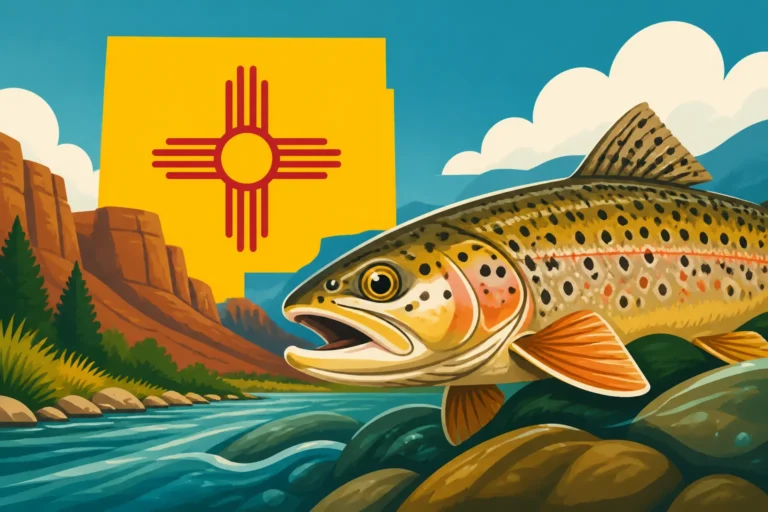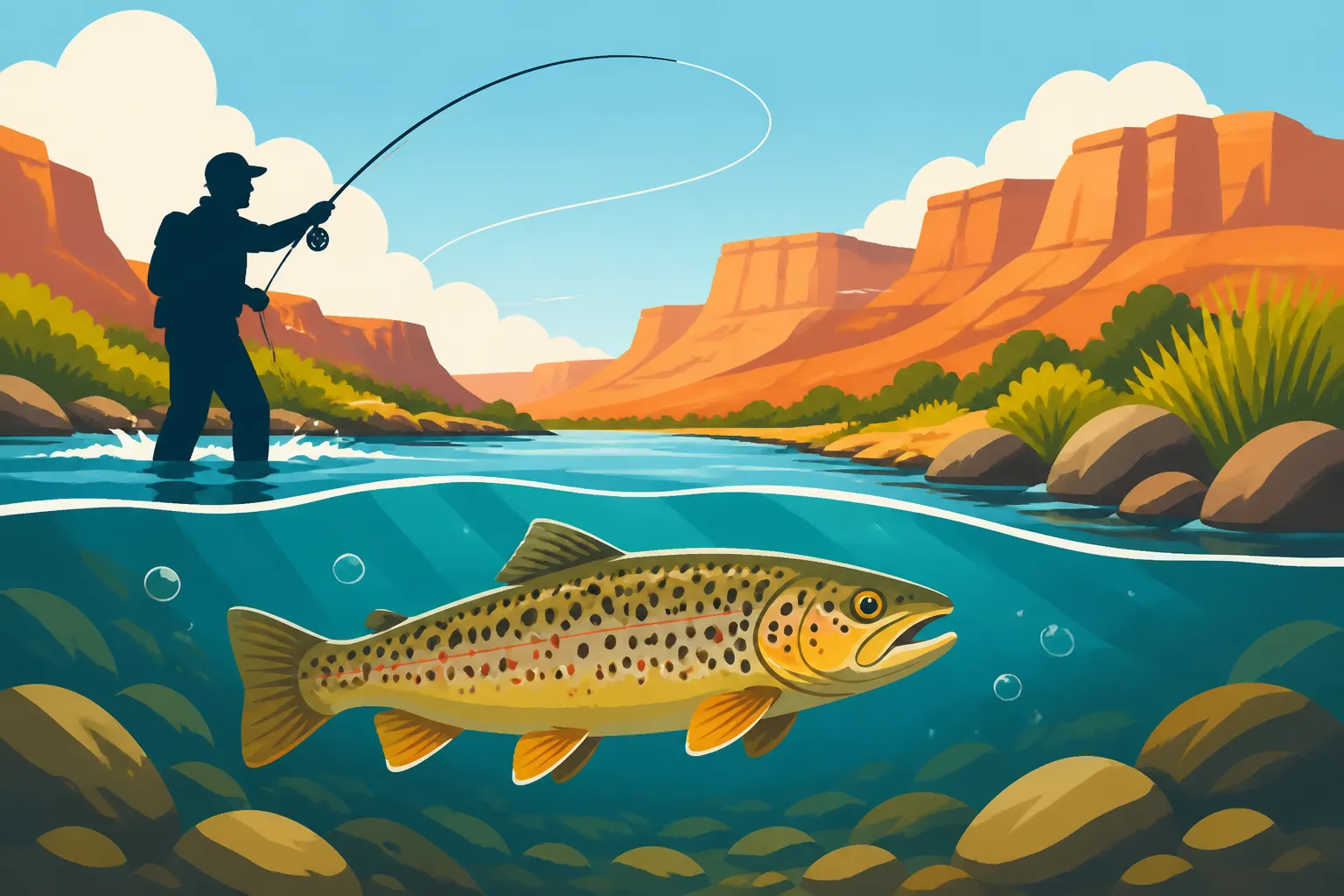
Are There Wild Trout in the San Juan River?
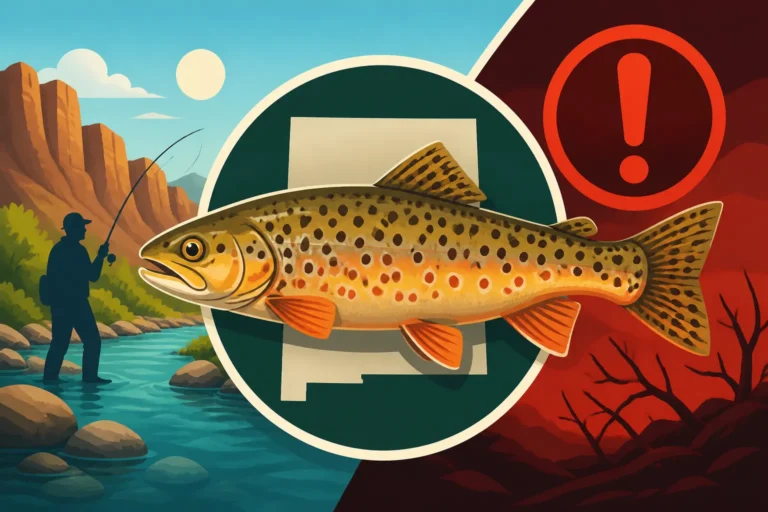
It's a question that echoes through every fly shop and along every bend of the river: "Are the trout in New Mexico's San Juan River truly wild?" For many anglers, there's a certain romanticism, a profound respect, for fish that have survived and thrived entirely on their own wits. This guide will dive deep into the fascinating reality of the San Juan River's renowned trout fishery, exploring the distinction between wild and stocked fish, and revealing just how much natural reproduction contributes to this legendary river.
Understanding "Wild" Trout in the San Juan River
The term "wild trout" carries a specific meaning for anglers, often conjuring images of resilient fish born in the river, living solely off natural food sources, and navigating the challenges of their environment without human intervention beyond, perhaps, protective regulations. In contrast, "stocked trout" are raised in hatcheries and released into waterways to supplement populations or provide recreational fishing opportunities where natural reproduction is limited. The San Juan River, particularly its famous Quality Waters section, presents a nuanced picture that's crucial for understanding this incredible fishery.
Defining "Wild" vs. "Stocked" Trout
When we talk about "wild" trout, we're generally referring to fish that have hatched from eggs laid naturally in the riverbed, grown up in the river's ecosystem, and reproduced on their own. These fish typically exhibit stronger instincts for survival, are often more wary, and can display vibrant, distinct coloration and finnage that reflects their natural diet and active life. Their fins, especially the caudal (tail) and pectoral fins, tend to be perfectly formed and intact, unlike the sometimes worn or clipped fins seen on hatchery fish.
Stocked trout, on the other hand, begin their lives in controlled hatchery environments. They are fed commercial pellets, protected from predators, and grow at a consistent rate before being released into rivers or lakes. While they provide fantastic angling opportunities, especially in areas that can't support natural populations, they often lack the same wild instincts and physical prowess. Their fins might show signs of being raised in crowded conditions, appearing slightly rounded or frayed. Many states, including New Mexico, will clip fins (like the adipose fin) on stocked fish as a clear indicator, though this isn't universally applied to all stocking programs. Understanding this distinction is key to appreciating the unique nature of the San Juan River's trout.
The Unique Nature of the San Juan River Fishery
The San Juan River, specifically the stretch below Navajo Dam often referred to as the "Quality Waters," is not your typical high-mountain trout stream. It's a tailwater fishery, which means its water flows from the bottom of a large reservoir. This unique setup provides several critical advantages that foster a remarkable trout population. The water released from Navajo Dam maintains a remarkably consistent cold temperature year-round, ideal for trout. This stable environment, coupled with a rich abundance of aquatic insect life, creates a near-perfect habitat for trout to thrive and, importantly, to reproduce naturally. This consistent flow and rich ecosystem support an incredible density of fish, making it a bucket-list destination for many fly fishers. You'll often hear veteran anglers discussing the New Mexico Fishing Season Dates and Limits for specific species on this river.
The San Juan River Quality Waters and Its Trout Population
The San Juan River's reputation as a world-class trout fishery didn't happen by accident. It's a testament to both natural advantages and dedicated management. The stretch designated as "Quality Waters" is a managed section with specific regulations designed to promote a healthy, self-sustaining population of trophy-sized trout. This focus on quality over quantity, through catch-and-release rules and restrictions on gear, has allowed the river's trout to flourish in a way few other tailwaters can boast.
The Role of Navajo Dam and Consistent Water Temperatures
Navajo Dam plays a pivotal role in creating the ideal conditions for trout. By releasing water from the bottom of the reservoir, the dam ensures that the downstream river receives a steady supply of cold, oxygenated water. This consistency in temperature, even during the scorching New Mexico summers, is vital for trout survival and growth. Unlike freestone rivers that experience dramatic temperature swings and flow changes with seasonal runoff or droughts, the San Juan's tailwater status provides a stable, buffered environment. This stable thermal regime also promotes robust aquatic insect hatches, forming the primary food source for the trout. It's a prime example of how human infrastructure, when managed thoughtfully, can create an ecological boon. Anglers looking to explore this specific section should refer to a San Juan River Fishing Guide for detailed access points and regulations.
How Natural Reproduction Contributes to the Fishery
Here's the exciting part for those seeking truly "wild" trout: the San Juan River's Quality Waters has an incredibly high rate of natural reproduction. Unlike many fisheries that rely heavily on stocking programs, the San Juan’s conditions are so favorable that its resident brown and rainbow trout successfully spawn year after year. The gravel beds provide excellent redds (spawning nests), and the consistent flow protects eggs and fry.
While there might be occasional supplemental stocking outside the immediate Quality Waters or to introduce specific genetic strains, the vast majority of the trout found in the main Quality Waters section are wild-reproduced. These are fish that hatched from eggs laid by their parents in the river, grew up foraging on midges, annelids, and mayflies, and have developed the hardiness and instincts of truly wild fish. This self-sustaining aspect is what makes fishing the San Juan so special and why it holds such prestige among serious anglers. It's a vibrant ecosystem where nature does most of the heavy lifting. The sheer number of naturally reproduced fish contributes significantly to the Average Trout Size in the San Juan River Quality Waters.
Identifying Wild Trout on the San Juan
For a seasoned angler, spotting the difference between a wild-reproduced trout and a hatchery-raised fish often comes down to a few key visual indicators and behavioral cues. It's not always 100% definitive, as some hatchery fish can "wild-up" after being in the river for a while, but generally, there are reliable signs. This ability to discern can add another layer of appreciation to your catch, knowing you've landed a true product of the river.
Visual Cues of a Wild Trout
When you gently net a trout from the San Juan, take a moment to observe it before release. Wild trout typically exhibit:
- Pristine Fins: Look closely at the fins, especially the dorsal, pectoral, and caudal fins. Wild trout will have sharp, fully developed, unfrayed fins. Hatchery fish, confined to concrete raceways, often have worn or stubby fins. The adipose fin (the small, fleshy fin between the dorsal and tail) might be clipped on some stocked fish, serving as a clear indicator of hatchery origin.
- Vibrant Coloration: Wild trout tend to have more intense, natural coloring that blends with their environment. Their spots are usually sharper, and their overall hue can be richer, reflecting a diverse natural diet. Brown trout, for instance, might show deeper golds and reds, while rainbow trout can have a more pronounced pink or red stripe.
- Streamlined Body: Wild fish are constantly fighting currents and actively hunting, leading to a lean, muscular, and streamlined body shape. Hatchery fish can sometimes appear a bit thicker or less athletic due to their less active upbringing.
- Behavioral Differences: While harder to judge in the net, wild fish are often more spirited fighters, exhibiting stronger runs and acrobatics due to their innate strength and survival instincts. They are typically more wary, making them a challenge to approach and catch.
Here's a quick comparison table:
| Feature | Wild-Reproduced Trout (San Juan) | Stocked Trout (General) |
|---|---|---|
| Fins | Sharp, intact, fully formed; no clipping | Often worn, rounded, or frayed; may be clipped |
| Coloration | Vibrant, natural patterns; blends with habitat | Can be duller, less defined spots |
| Body Shape | Streamlined, muscular, athletic | Can be thicker, less hydrodynamic |
| Behavior | Wary, strong fighters, strong survival instincts | Often less wary, can be less spirited fighter |
| Food Source | Natural aquatic insects, small fish | Primarily hatchery pellets |
Many anglers seek out quality gear, including polarized sunglasses (which you can find on Amazon), to better spot these subtle differences in the water.
Where to Find Self-Sustaining Populations
The entire Quality Waters section of the San Juan River, from the base of Navajo Dam downstream for several miles, is known for its incredible self-sustaining trout populations. This includes both rainbow trout and brown trout. While rainbows are often the most abundant, the browns are legendary for their size and elusive nature. These fish reproduce year after year in the river's gravel beds, contributing to the fantastic numbers and sizes that anglers experience.
The best spots for finding these naturally-reproduced fish are often in the deeper runs, riffles, and eddy lines where food concentrates. They'll hold in prime lies, using current breaks to conserve energy while waiting for insects to drift by. For fly anglers, understanding What Flies Work Best on the San Juan River in Summer or even Midge Fishing Tips for the San Juan River can greatly increase your chances, as these fish are highly tuned to the natural insect life. Remember, the focus here isn't just about catching a fish, but connecting with a truly wild creature in its natural habitat.
Conservation and Angler Impact on Wild Trout
Fishing for wild trout is a privilege that comes with a significant responsibility. The San Juan River's robust wild trout population thrives because of dedicated conservation efforts and the collective commitment of anglers to practice ethical fishing. Protecting this delicate ecosystem ensures that future generations can also experience the thrill of connecting with these magnificent fish.
Catch and Release Practices for San Juan Trout
The backbone of the San Juan Quality Waters management is its strict catch and release policy for most of its length. This means that nearly all trout caught must be immediately returned to the river unharmed. This practice is absolutely crucial for maintaining the high density of mature, naturally reproducing fish that define this fishery. To minimize harm and maximize the trout's survival chances, anglers should always:
- Use Barbless Hooks: This is often a mandatory regulation in quality waters, including the San Juan, and it makes hook removal much easier and less damaging to the fish's mouth. You can often find pre-tied barbless flies or tools to crimp barbs on hooks via Amazon. The article Why Are Barbless Hooks Required on the San Juan River? explains this in more detail.
- Minimize Handling: Keep the fish in the water as much as possible. If you must lift it for a quick photo, do so gently, supporting its belly, and minimize its time out of the water. Avoid squeezing the fish or touching its gills.
- Wet Your Hands: Always wet your hands before touching a fish to protect its protective slime coat, which is vital for preventing disease.
- Use a Rubber Net: Knotless, rubberized landing nets are far gentler on a fish's fins and slime coat than traditional nylon nets.
- Revive the Fish: If a fish seems sluggish, hold it gently in the current, facing upstream, until it can swim away under its own power. Never vigorously push it back and forth, as this can force water the wrong way through its gills.
- Be Mindful of Water Temperature: In very warm conditions (though less common in the tailwater San Juan), trout can become stressed quickly. Expedite the release process to reduce impact.
These simple, yet critical, practices contribute directly to the health and abundance of the wild trout population. Every angler plays a role in sustaining this world-class fishery. For a more general overview of these techniques, refer to Catch and Release Best Practices in New Mexico.
Protecting the River's Delicate Ecosystem
Beyond handling fish responsibly, protecting the entire San Juan River ecosystem is paramount. The wild trout depend on a healthy environment, which means everyone needs to do their part:
- Pack It In, Pack It Out: Leave no trace. All trash, including discarded fishing line and food wrappers, must be packed out. Fishing line, in particular, can be deadly to wildlife.
- Stay on Designated Paths: Avoid trampling riparian vegetation, which stabilizes the banks and provides critical habitat for insects and other creatures.
- Respect Private Property: Be aware of land designations and respect private property boundaries.
- Avoid Spreading Aquatic Invasive Species: Clean, Drain, Dry your boats, waders, and gear between different waterways. Invasive species can devastate native ecosystems and outcompete or prey on wild trout. This is especially true if you are fishing in other waters, such as Navajo Lake Fishing Guide, before heading to the San Juan.
- Support Conservation Efforts: A portion of your New Mexico Fishing License Costs Explained goes towards these vital conservation efforts. Consider joining or supporting organizations dedicated to river and trout conservation.
The wild trout of the San Juan River are a precious resource, a living testament to a thriving cold-water ecosystem in the high desert of New Mexico. By understanding their wild nature and committing to responsible angling, we can all help ensure that the San Juan continues to be a vibrant home for these magnificent fish for many years to come.
Disclaimer
This article is for general informational purposes only and does not constitute professional advice. Laws, prices and regulations vary by location and change over time. Consult a qualified professional for guidance on your specific situation.