Invasive Fish Species in New Mexico
It’s a real challenge out on the water these days, isn't it? Beyond just finding where the fish are biting, many of us are increasingly concerned about the health of our precious New Mexico fisheries and the impact of non-native species. It can feel overwhelming to keep track of what belongs and what doesn't, and even more daunting to know how you can help. This guide is here to shed some light on the pervasive issue of invasive fish species in New Mexico, helping you understand who the unwelcome guests are, why they're a problem, and what steps you, as a responsible angler, can take to protect our native aquatic ecosystems.
What Exactly Are Invasive Fish Species?
When we talk about "invasive" fish species, we're not just talking about fish that aren't originally from a particular lake or river. We're talking about species that have been introduced, either accidentally or intentionally, into an ecosystem outside their natural range, and then proceed to cause harm. This harm can manifest in various ways, from ecological damage to economic impacts, and even direct threats to public health or safety. It's a serious distinction from merely "non-native" or "exotic" species, which might exist outside their historic range but don't necessarily cause damage.
Think of it like this: your friendly neighbor's dog might occasionally wander into your yard (non-native), but if that dog starts digging up your garden, chasing your chickens, and spreading fleas to your pets, then it becomes an invasive problem. Similarly, some fish species introduced to New Mexico might live peaceably enough, but others become aggressive competitors or predators, altering the delicate balance of our unique aquatic environments. The key is the harm they inflict once they establish a foothold.
The introduction of these species often isn't malicious. Sometimes it's from bait buckets being dumped after a fishing trip, ornamental fish released from home aquariums, or even well-intentioned but misguided stocking programs from decades past that didn't foresee the long-term ecological consequences. Regardless of how they arrive, once invasive species take hold, reversing their impact is incredibly difficult and often impossible, making prevention the absolute best line of defense.
Understanding the Difference: Native vs. Non-Native vs. Invasive
It's easy to get these terms mixed up, but understanding the subtle differences is crucial for any angler concerned about conservation. A native species is one that naturally evolved and lives in a particular ecosystem without human intervention. These species have adapted over millennia to their environment and coexist with other native flora and fauna in a balanced web of life. Think of our beloved Rio Grande Cutthroat Trout in New Mexico – they are a true native gem, perfectly adapted to our high-altitude streams.
A non-native species, also sometimes called an exotic or introduced species, is one that has been brought to an area outside its historical range, but has not yet caused significant ecological or economic harm. These might be fish stocked for sport fishing that don't outcompete native fish or disrupt the food web in a detrimental way. They exist, they might even thrive, but they haven't become a problem.
An invasive species, however, is that problematic non-native species. It's an organism that, once introduced, establishes a self-sustaining population and causes environmental or economic damage. They are the bullies of the ecosystem, outcompeting native species for food and habitat, preying on them, or even introducing diseases. The presence of truly invasive species can lead to a decline in native populations, a reduction in biodiversity, and a fundamental alteration of the aquatic habitat.
How Invasive Species Arrive in New Mexico Waters
The pathways for invasive fish species entering New Mexico's waters are varied, and often, quite accidental, making them difficult to control. One of the most common vectors is through the release of bait. Anglers might use live minnows or other small fish as bait, and at the end of the day, instead of disposing of unused bait properly, they simply dump the bucket into the lake or river. If those baitfish are not native to that particular waterbody, they can quickly establish a breeding population, especially if conditions are favorable. This is a classic example of an unintentional introduction leading to significant problems down the line.
Another significant pathway, surprisingly, comes from the aquarium and ornamental pond trade. When people decide they no longer want their pet fish, or their pond becomes overstocked, some unfortunately choose to release them into local waterways. Species like goldfish and certain types of carp, initially kept as pets, can become incredibly problematic invasives once they enter natural ecosystems. They're often hardy, reproduce quickly, and can thrive in diverse conditions, outcompeting native species for resources.
Historically, some non-native species were introduced intentionally, often for sport fishing or to control other pest species, without a full understanding of the long-term ecological consequences. While intentions might have been good, the outcomes weren't always so. These historical stockings, combined with accidental introductions and illegal releases, create a constant challenge for managing and protecting New Mexico's unique aquatic biodiversity. Understanding these pathways is the first step in prevention.
Common Invasive Fish You Might Encounter
New Mexico's waters, from its high-mountain trout streams to its large warm-water reservoirs, are home to a diverse array of fish. Unfortunately, some of these are species that don't belong here and are actively causing problems. Knowing who these culprits are is essential for any angler wanting to be a part of the solution.
We're not just talking about a few stragglers; these are established populations that compete directly with our native fish for food and habitat, disrupt spawning patterns, and can even introduce diseases. It’s critical for anglers to be able to identify these species and understand the role they play in damaging our local ecosystems.
Being able to confidently identify an invasive species is a powerful tool. It allows you to take appropriate action, whether that's legally removing it from the water or reporting it to wildlife officials. Remember, the goal is to protect our precious native fish populations, so becoming familiar with these unwelcome guests is an important part of responsible angling.
Common Carp
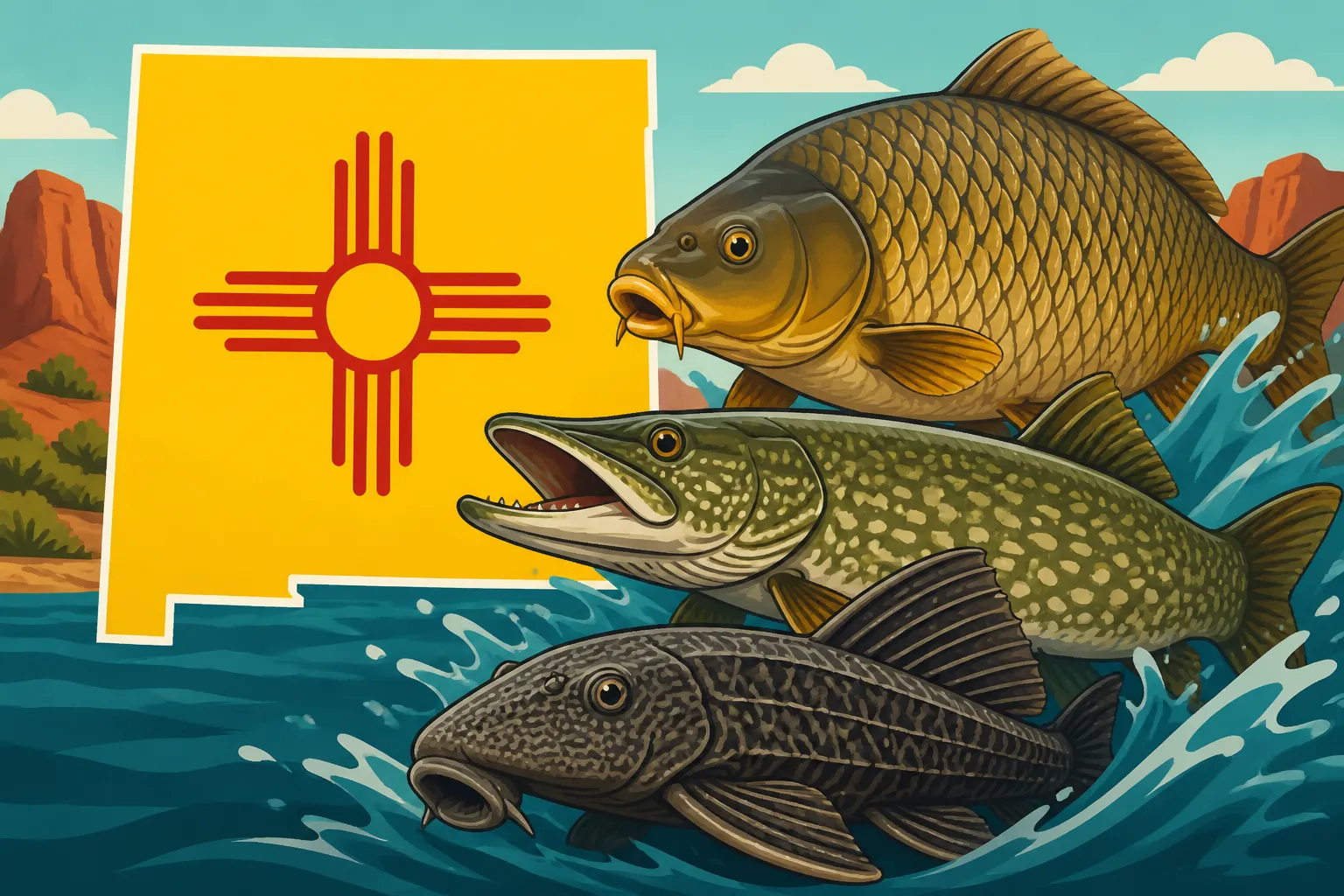
The Common Carp (Cyprinus carpio) is arguably one of the most widespread and well-known invasive fish species across the globe, and New Mexico is no exception. These robust, bottom-feeding fish were originally introduced to North America from Europe and Asia for aquaculture purposes, and their hardiness and rapid reproductive rates allowed them to quickly spread into natural waterways. You’ll often find them in slower moving rivers and warm-water lakes, like parts of the Rio Grande or larger reservoirs.
What makes them so problematic? Common Carp are notoriously destructive feeders. They root around in the substrate, stirring up mud and sediment in their search for insects, crustaceans, and plant matter. This activity, known as "turbidity," can significantly reduce water clarity, making it difficult for native sight-feeding fish to find food and for aquatic plants to photosynthesize. Reduced plant life in turn destroys critical habitat for native fish, insects, and amphibians. Their feeding habits essentially turn clear waters murky and destroy the intricate balance of the ecosystem.
Furthermore, Common Carp are highly adaptable and prolific breeders. They can tolerate a wide range of water conditions, including low oxygen levels and high temperatures, which allows them to thrive in environments where many native species might struggle. Their sheer numbers and ability to consume a broad diet mean they outcompete native fish for essential resources, putting additional pressure on already stressed populations. While some anglers target them for sport or food, their ecological impact remains a significant concern for New Mexico's aquatic health.
Goldfish
That cute little orange fish you won't throw down the toilet? If you release it into a local pond or lake, it can become a serious problem. Goldfish (Carassius auratus), like their larger carp cousins, are not native to New Mexico and have become a pervasive invasive species in many of our urban ponds and even larger reservoirs. They are incredibly hardy, able to survive in poor water quality, and reproduce at an astonishing rate. Often, these introductions stem directly from people dumping unwanted pets from aquariums or overstocked backyard ponds into natural waters.
Once established, goldfish can grow surprisingly large in the wild – far larger than their aquarium counterparts – and can live for many years. They are omnivores, meaning they'll eat just about anything, including aquatic plants, insects, and even the eggs and larvae of native fish species. Their feeding habits, much like the Common Carp, can also contribute to increased water turbidity by stirring up bottom sediments, which in turn degrades water quality and destroys critical habitat for native species.
The sheer numbers that goldfish can achieve are truly staggering. Imagine a small pond teeming with thousands of these golden invaders, all competing for food and space with the native minnows, sunfish, and trout that should be there. This competition places immense pressure on native populations, often leading to their decline. It's a stark reminder that even seemingly harmless actions, like releasing a pet fish, can have severe and lasting ecological consequences.
White Bass
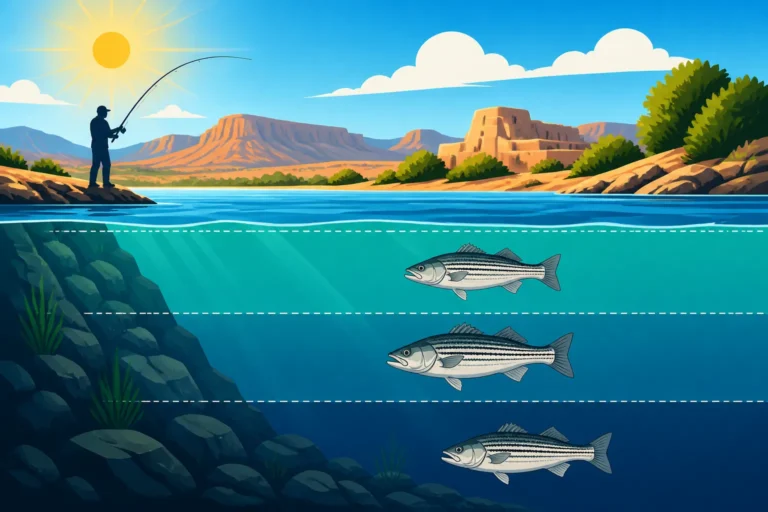
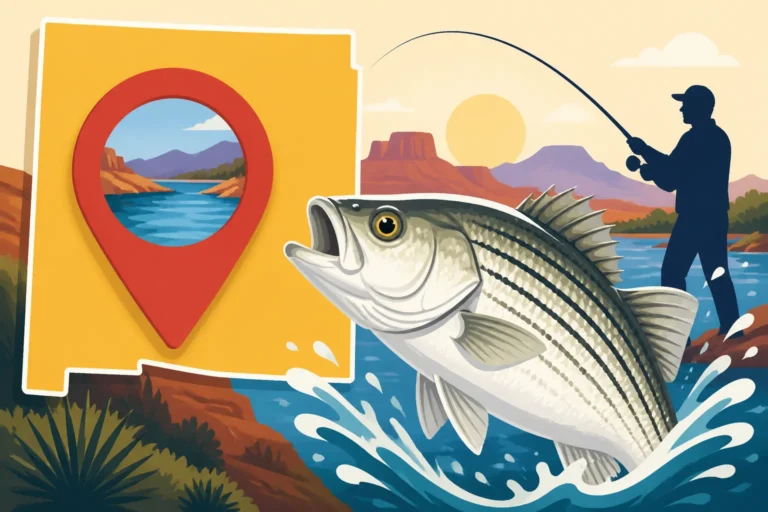
White Bass (Morone chrysops) represent a different type of invasive challenge, particularly in New Mexico’s larger reservoirs like Elephant Butte and Ute Lake. While initially stocked as a popular sport fish, their aggressive nature and prolific breeding habits have raised concerns about their impact on native species and other sport fish. They are schooling predators, known for their powerful strikes and exciting fights, making them a favorite among many anglers.
However, their predatory nature and rapid growth can create an imbalance in the food chain. White Bass are highly effective at preying on smaller baitfish and even the fry (young fish) of other species, including valuable sport fish like walleye and crappie, as well as native species. Their schooling behavior allows them to effectively corner and decimate baitfish populations, reducing the food available for other predatory fish and potentially altering the entire aquatic food web structure. This can lead to reduced growth rates for other fish that rely on similar food sources.
Moreover, White Bass are known to hybridize with Striped Bass (Morone saxatilis) to create "Wipers" (a hybrid striped bass), which can complicate species management. While Wipers are also popular sport fish, uncontrolled hybridization can sometimes lead to genetic dilution of parent species. The sheer abundance of White Bass in some New Mexico reservoirs can sometimes make it seem like they are the fish to catch, but their aggressive dominance can come at the cost of other, perhaps more ecologically valuable, species struggling to compete.
Other Notable Invasive Species
Beyond the big three of Common Carp, Goldfish, and White Bass, there are other species that have found their way into New Mexico's waters where they don't belong, each presenting their own set of ecological challenges. One such species is the Yellow Perch (Perca flavescens). While popular in other regions, in New Mexico, they can compete with native species for food and prey on the young of other fish, particularly in some northern lakes where they've been introduced. They are prolific breeders and can quickly dominate a fishery if left unchecked, altering the natural species composition.
Another category includes various species of Catfish that, while native to some parts of the US, are often introduced outside their historical New Mexico range. Specifically, larger species like Flathead Catfish, if introduced into smaller, native fish streams, can become apex predators, preying heavily on native trout and other fish that have no natural defenses against such a large and powerful predator. Their presence can severely impact vulnerable populations of native fish, especially in systems where they are not naturally occurring.
Even some species of Sunfish (like Green Sunfish) can become problematic. While often small and seemingly innocuous, when introduced into sensitive native fish habitats, they can outcompete native fish for food, hybridize with other sunfish species (diluting genetic purity), and aggressively defend nesting sites, further pressuring native populations. It highlights how even seemingly "common" or "harmless" fish can become invasive when introduced into an ecosystem where they don't naturally belong. Understanding these nuanced threats is crucial for protecting the state's unique aquatic biodiversity.
The Impact of Invasive Species on New Mexico's Waters
The problems posed by invasive fish species go far beyond simply having "too many" of a certain fish. Their presence can fundamentally alter entire aquatic ecosystems, leading to a cascade of negative effects that impact everything from water quality to the survival of our most cherished native fish. It’s a complex web, and each invasive species tugs at a different strand, unraveling the delicate balance New Mexico's waters have maintained for centuries.
These impacts are not just theoretical; they are observable realities in many of our lakes and rivers. From the murky waters caused by bottom-feeding carp to the disappearing food sources for native trout, the evidence of invasive species’ damage is often clear if you know what to look for. The long-term consequences can include reduced biodiversity, diminished sport fishing opportunities for desired species, and even costly management efforts.
Ultimately, the impact of invasive species is a threat to the very character of New Mexico's unique aquatic landscapes. Protecting these waters means understanding these threats and taking proactive steps to mitigate them. It's a continuous battle, but one that every angler can contribute to in meaningful ways.
Competition for Resources
One of the most direct and pervasive impacts of invasive fish species is the intense competition they create for limited resources. Imagine a fixed amount of food and space in a particular stretch of river or lake. When a new, highly adaptable, and prolific species is introduced, it immediately starts vying for those resources, often with a significant advantage over native species that haven't evolved to compete with this new intruder. This competition can be for food, spawning habitat, or even just suitable places to hide from predators.
Take, for instance, the Common Carp. They are generalist feeders, meaning they'll eat a wide variety of plant and animal matter. When they enter an ecosystem, they directly compete with native bottom-feeding fish and even some insect species for their primary food sources. Similarly, invasive predatory species like White Bass will compete with native predators, like some species of bass or even larger trout, for the limited supply of baitfish. This competition means less food for everyone, and often, the native species, being less aggressive or adaptable to the new competitive pressure, are the ones that suffer.
This struggle for resources doesn't just impact individual fish; it affects entire populations. Reduced access to food can lead to stunted growth, lower reproductive rates, and increased susceptibility to disease among native fish. Ultimately, if the invasive species are significantly more effective at securing resources, native populations can decline dramatically, even to the point of local extinction, simply because they can't find enough to eat or suitable places to spawn without being outcompeted.
Predation on Native Species
Beyond competition for food, many invasive fish species exert a direct and often devastating impact through predation on native fish. This is particularly true when an aggressive non-native predator is introduced into an ecosystem where native fish have no natural defenses against it. Imagine a small, delicate native minnow that has evolved in an environment without large, powerful predatory fish; suddenly, a large, introduced catfish or bass appears, and the native species are simply unprepared.
This predation can target various life stages of native fish. Invasive species might consume the eggs laid by native fish, significantly reducing their reproductive success. They might also prey on the vulnerable fry and juvenile fish, preventing them from ever reaching maturity and contributing to the breeding population. For example, if Yellow Perch become established in a lake that's home to native trout, the perch can consume significant numbers of trout fry, dramatically impacting the trout's ability to sustain its population.
The introduction of new predators can completely disrupt the natural food web. Native fish species that were once at the top of their local food chain might suddenly find themselves prey, or their primary food source is consumed by the invasive predator. This can lead to a collapse of multiple trophic levels, fundamentally altering the entire aquatic community structure. Protecting our unique native species often means preventing the introduction of these aggressive, non-native predators.
Habitat Degradation and Alteration
The physical environment of a lake or river, its habitat, is just as crucial for fish survival as food and water quality. Invasive fish species can profoundly degrade and alter these habitats, making them unsuitable for native species that have evolved to thrive in specific environmental conditions. This alteration isn't always immediately obvious, but its long-term effects can be catastrophic for the ecosystem.
A prime example is the Common Carp. Their bottom-feeding habits involve rooting around in the substrate, uprooting aquatic vegetation, and stirring up vast amounts of sediment. This process, known as bioturbation, increases the turbidity (cloudiness) of the water. High turbidity reduces light penetration, which in turn inhibits the growth of vital aquatic plants. These plants are not just food sources; they provide critical cover for young fish to hide from predators, act as spawning grounds, and contribute oxygen to the water. When carp destroy these plant beds, they effectively remove essential habitat for countless native species.
Furthermore, some invasive species can alter the physical structure of the riverbed or lake bottom, making it less suitable for the spawning needs of native fish. For instance, if native trout require clean, gravelly bottoms for spawning, and invasive species cause excessive siltation, those critical spawning areas can become unusable. This habitat degradation can make it impossible for native species to successfully reproduce, further exacerbating their population declines and allowing invasive species to tighten their grip on the altered environment.
Disease Transmission and Hybridization
Beyond direct competition and predation, invasive fish species pose more insidious threats through disease transmission and hybridization. When a non-native species is introduced, it can carry pathogens, parasites, or diseases that native fish populations have no natural immunity to. Imagine bringing a new person to a remote island who has a common cold, but the islanders have never encountered that virus before – it could be devastating. Similarly, a disease that is relatively benign in its native host could be lethal to a naive native fish population.
This can lead to widespread mortality events among native fish, weakening populations and making them more susceptible to other environmental stressors. The stress of dealing with a new disease, combined with competition for resources, can push already vulnerable native species over the edge. Wildlife agencies are extremely cautious about moving fish between waterbodies precisely because of the risk of spreading these unseen threats.
Hybridization is another significant concern, particularly with closely related species. When an invasive species can interbreed with a native species, it can lead to genetic pollution. For example, if an introduced species of sunfish hybridizes with a native sunfish, the offspring are often less fertile or less well-adapted to the local environment than pure native fish. Over generations, this can dilute the genetic purity of the native stock, eventually leading to a loss of unique genetic traits that have allowed the native species to thrive in its specific habitat. This is a very serious threat to species like our Gila Trout in New Mexico or Rio Grande Cutthroat Trout in New Mexico, where genetic purity is vital for their long-term survival and conservation.
What Anglers Can Do to Help
It's easy to feel helpless when faced with such a large and complex problem as invasive species. However, as anglers, we are often on the front lines, and our actions can make a real difference. We spend countless hours on the water, observing and interacting with these ecosystems, and therefore, we have a crucial role to play in protecting New Mexico's native fish populations. It's about being informed, being responsible, and adopting habits that minimize our impact and actively contribute to conservation.
Every time we cast a line, launch a boat, or walk along the bank, we have an opportunity to be stewards of the environment. The collective effort of thousands of anglers practicing preventative measures can be far more effective than any single agency's efforts alone. Think of it as leaving no trace, but also ensuring we leave no new species behind.
This section isn't about pointing fingers; it's about empowering you with practical, actionable steps you can integrate into your routine to become a part of the solution. From basic cleanup to understanding regulations, every little bit helps in the ongoing battle against invasive fish.
Clean, Drain, Dry Your Gear
This mantra is one of the most critical and effective ways anglers can prevent the spread of aquatic invasive species, including fish eggs, larvae, and even microscopic hitchhikers. The principle is simple, but its impact is profound. Whether you’re moving from one lake to another, or even just fishing different sections of the same river system, taking the time to properly clean, drain, and dry your equipment is non-negotiable.
Clean: Before leaving the boat ramp or trailhead, inspect your boat, trailer, waders, boots, fishing lines, and any other gear that came into contact with the water. Remove all visible mud, plants, and foreign organisms. This might require a stiff brush or a good rinse. If you use a boat, pay close attention to the propeller, anchor, and any areas where water might collect or plants might cling. You can find some excellent scrub brushes and cleaning supplies on Amazon that make this task much easier, allowing you to thoroughly clean every nook and cranny of your gear.
Drain: This step is crucial for boats, livewells, bait buckets, and even kayaks. Pull your drain plug and allow all water to empty out before leaving the launch area. Many invasive species, especially their eggs and larvae, are microscopic and can survive in even small amounts of residual water. Ensure your livewell is completely empty and dry, and that any water in your bilge is drained. For kayaks and canoes, tip them over to ensure all water runs out of the hull.
Dry: Whenever possible, allow all your gear to thoroughly dry in the sun for at least 48 hours before using it in a different water body. Sunlight and desiccation are powerful disinfectants. If drying isn't possible, a high-pressure wash, especially with hot water, can be a good alternative, though drying is always preferred. This simple, three-step process is your best defense against inadvertently transporting unwanted guests from one fishing spot to another.
Proper Bait Disposal
The seemingly innocuous act of dumping a bait bucket at the end of a fishing day is, tragically, one of the most common pathways for the introduction of invasive fish species. It’s an easy mistake to make, especially if you’re tired after a long day on the water, but the consequences can be severe and long-lasting. Whether you've been using live minnows, worms, or other aquatic creatures, what doesn't belong in the water body you're fishing should never be returned to it.
Unused live bait, whether it's fish, crayfish, or even worms, should never be released into any waterway unless it originated from that exact body of water and you are absolutely certain it's native. Even if the bait looks familiar, it might carry diseases or be a different genetic strain that could harm local populations. The best practice is to dispose of all unused bait in a sealed trash can, or if permissible, take it home and dispose of it there. Some anglers even keep a small, dedicated container in their vehicle specifically for bait disposal.
This responsibility extends to packaged bait as well. Any leftover bait, whether it’s artificial or natural, should be secured and taken with you. Remember, a single minnow released from a bait bucket can become the founder of an entire invasive population, disrupting the delicate ecological balance for years to come. Being diligent about proper bait disposal is a cornerstone of responsible angling and protecting our native fisheries.
Identify and Report Suspicious Catches
As anglers, we are often the first line of defense against invasive species. We spend hours observing the waters and the fish within them, putting us in a unique position to spot something out of place. Being able to correctly identify fish species is not just a point of pride, but a crucial conservation tool. If you catch a fish that looks unusual, doesn't match descriptions of native species for that area, or appears to be a species known to be invasive, it’s vital to know what to do next.
First, take clear photographs of the fish, focusing on key identification features like fin placement, mouth shape, and coloration. Try to get shots from multiple angles. Knowing your Fish Species Found in New Mexico is key here. Next, rather than immediately releasing it, consider the regulations. In many cases, it is actually illegal to release certain invasive species back into the water once caught, and anglers are often encouraged, or even required, to humanely dispatch them. Check the current New Mexico Fishing Regulations Overview for specific guidance on species that are considered invasive in your area.
Finally, and perhaps most importantly, report your suspicious catch to the New Mexico Department of Game and Fish. Provide them with the photographs, the exact location where you caught the fish (GPS coordinates if possible), and the date and time. This information is invaluable for wildlife biologists who track the spread of invasive species and implement management strategies. Your keen eye and quick action could prevent a small localized problem from becoming a widespread infestation.
Educate Other Anglers
One of the most powerful tools in the fight against invasive species is knowledge. As you become more informed about the threats and preventative measures, sharing that information with fellow anglers can create a ripple effect, multiplying the positive impact. Many anglers simply aren't aware of the risks or the proper protocols, and a friendly conversation can go a long way in raising awareness and fostering a community of responsible stewards.
You don't need to be an expert to share basic principles like "Clean, Drain, Dry" or the importance of proper bait disposal. Start conversations at boat ramps, in tackle shops, or with friends and family you fish with. Point out informative signs about invasive species that are often posted at access points. If you see someone about to dump their bait bucket, a polite suggestion about the potential risks can be a gentle nudge towards better practices. Sometimes, a quick mention that a specific product, like a durable cleaning brush for boats and waders, can be easily found on Amazon can help normalize these preventative actions.
Consider the example: "Hey, did you remember to drain your livewell completely before heading out? It’s amazing how easily those little hitchhikers can spread!" or "I always make sure to clean my waders really well, especially after fishing that murky pond. Don't want to bring anything unwanted to the river. I even picked up a great scrubbing brush for it on Amazon." This kind of casual, helpful approach can be far more effective than lecturing. By spreading awareness and encouraging best practices, you're not just protecting New Mexico's waters; you're building a stronger, more responsible angling community.
Regulations and Best Practices
New Mexico's wildlife agencies are on the front lines of managing and mitigating the threats posed by invasive fish species. To support these efforts, they implement a range of regulations and encourage specific best practices that anglers must adhere to. Understanding and following these rules isn't just about compliance; it's about actively participating in the conservation of our native aquatic ecosystems and ensuring that our fishing legacy remains vibrant for future generations.
These regulations are designed to prevent the introduction of new invasive species and to control the spread of those already present. They often dictate how you handle certain fish once caught, how you transport bait, and what responsibilities you have when moving between different water bodies. Ignoring these rules can lead to significant penalties, but more importantly, it can contribute to irreversible ecological damage.
It's crucial to always have the latest information, as regulations can change. Always check the current New Mexico Fishing Regulations Overview before heading out on any trip. By staying informed and adopting these best practices, anglers become vital partners in safeguarding New Mexico's precious aquatic resources.
Knowing the Rules for Invasive Species
One of the most critical aspects of being a responsible angler in New Mexico is knowing the specific regulations pertaining to invasive fish species. These rules are designed to prevent further spread and, in some cases, encourage the removal of established invasive populations. It’s not enough to just know the bag limits for trout; you need to understand what to do when you encounter a species that doesn't belong.
Generally, for many recognized invasive species, the regulations stipulate that they must not be returned to the water once caught. This is a significant departure from catch-and-release practices for native game fish. For example, if you catch a Common Carp in certain waters where it's designated as an invasive species, the expectation is that you will humanely dispatch it and dispose of it properly, often in a trash receptacle, rather than throwing it back. The rationale is simple: every invasive fish removed is one less fish competing with natives or reproducing to create more problems.
It's also important to be aware of rules regarding live bait. The transportation of live bait from one water body to another is often restricted or outright prohibited to prevent the accidental introduction of unwanted species. Always check the New Mexico Fishing Regulations Overview for the specific water you are fishing. Fines for violating these regulations can be substantial, but the ecological cost of not following them is far greater. Always check the official New Mexico Department of Game and Fish website for the most current rules before you embark on your fishing adventure.
Reporting Sightings and Collecting Data
Beyond simply following the rules, responsible anglers can play an active role in conservation by reporting sightings of suspected invasive species and assisting in data collection. Wildlife agencies rely heavily on reports from the public, especially those who spend significant time on the water, to monitor the presence and spread of invasive fish. You are their eyes and ears on the ground, or rather, on the water.
If you observe an unusual fish, or an invasive species in a new location where it hasn't typically been reported, documenting it is key. This means taking clear photos, noting the precise location using GPS if possible, and estimating the size and number of fish observed. The sooner and more accurately you can provide this information to the New Mexico Department of Game and Fish, the better. Early detection can make a huge difference in the feasibility of control or eradication efforts.
Sometimes, state agencies might even organize specific angler programs or surveys to collect data on invasive species. Participating in these programs, if they are available, allows you to contribute directly to scientific understanding and management strategies. It’s a way to turn your passion for fishing into tangible conservation action. Your observations contribute to a larger picture, helping biologists map distribution, assess impact, and formulate effective plans to protect our native aquatic life.
Supporting Conservation Efforts
The fight against invasive fish species is an ongoing, uphill battle that requires significant resources, research, and dedicated effort. As anglers who care deeply about the future of New Mexico fishing, supporting broader conservation efforts is another powerful way we can make a difference. This support can take many forms, from financial contributions to active volunteering, all aimed at protecting and restoring our native aquatic ecosystems.
One way to support these efforts is through your engagement with the New Mexico Department of Game and Fish. Your fishing license fees directly fund many conservation programs, including those dedicated to invasive species management, habitat restoration, and native fish recovery. Understanding Where New Mexico Fishing License Fees Go can provide insights into how your contributions make a difference. Beyond license fees, consider donating to reputable conservation organizations that work specifically on aquatic habitat protection in New Mexico. Many of these groups perform critical hands-on work, such as stream restoration, educational outreach, and advocating for stronger conservation policies.
Another avenue is to volunteer your time. Organizations often need help with cleanup projects, habitat restoration days, or educational events. Even participating in citizen science initiatives, as mentioned previously, is a form of active support. By lending your voice, time, or resources, you help strengthen the collective effort to combat invasive species and ensure that New Mexico's unique and beautiful native fish populations continue to thrive for generations to come.
Table: Common Invasive Fish and Their Impacts in New Mexico
Understanding the specific threats posed by different invasive species can help anglers prioritize their efforts and recognize potential problems on the water. This table summarizes some of the common invasive fish species found in New Mexico and their primary ecological impacts.
| Invasive Species | Primary Impact | Common Habitats in NM | Identification Tips |
|---|---|---|---|
| Common Carp | Increased water turbidity, habitat destruction, competition for food | Rivers, warm-water lakes, reservoirs | Large, golden-brown/bronze scales, two pairs of barbels on the upper jaw, deeply notched tail. |
| Goldfish | Water turbidity, competition for food, predation on eggs | Ponds, urban lakes, some reservoirs | Often bright orange/gold, but can be olive-brown in wild; no barbels (distinguishes from carp), typically smaller than wild carp. |
| White Bass | Predation on other fish (fry/baitfish), competition for food | Large reservoirs (e.g., Elephant Butte, Ute Lake) | Silvery body with distinct horizontal dark stripes (usually 5-7, broken below the lateral line), two dorsal fins, stocky body. |
| Yellow Perch | Predation on eggs/fry, competition for food | Northern lakes (e.g., Eagle Nest, Fenton) | Yellowish body with 6-8 distinct dark vertical bars, two dorsal fins (first spiny), often reddish-orange lower fins. |
| Flathead Catfish | Apex predator, preys on native fish, competition for food | Larger rivers, some reservoirs | Broad, flattened head (hence the name), mottled brown/yellow coloration, lower jaw protrudes, square tail, no deeply forked tail like channel catfish. Often found in deeper, slower waters with structure. |
This table provides a quick reference, but remember that positive identification can be tricky. Always consult a comprehensive field guide or seek expert opinion if you are unsure about a specific catch. Knowing these species helps you protect our precious native fish.
Disclaimer
This article is for general informational purposes only and does not constitute professional advice. Laws, prices and regulations vary by location and change over time. Consult a qualified professional for guidance on your specific situation.