Native Fish Species of New Mexico
It can be incredibly disheartening to realize that the fish species you're catching in a seemingly wild New Mexico stream might not actually be native to that ecosystem, or that some of our most precious native fish are struggling to survive. Anglers often want to connect with the true spirit of a place, and understanding the indigenous aquatic life is a huge part of that. This comprehensive guide will take you on a deep dive into the fascinating world of New Mexico's native fish species, exploring their unique characteristics, the challenges they face, and how we, as responsible anglers, can contribute to their preservation.
The Unique Aquatic Landscape of New Mexico
New Mexico, often called the Land of Enchantment, is a place of breathtaking landscapes, from high alpine peaks to arid deserts. This diverse geography creates a complex tapestry of aquatic environments, each with its own specific conditions that have shaped unique fish populations over millennia. Think about the stark differences between a cold, clear mountain stream flowing off the Sangre de Cristos and a warmer, silty stretch of the Rio Grande further south. These varied habitats are home to fish species that have adapted in incredible ways to survive and thrive here, long before human intervention began to alter their world.
Why Native Species Matter
Native fish are not just "nice to have" residents; they are the bedrock of a healthy aquatic ecosystem. They've evolved in perfect harmony with their environment, playing crucial roles in the food chain, nutrient cycling, and maintaining the delicate balance of their habitats. When native populations decline or disappear, it can trigger a cascade of negative effects throughout the entire ecosystem, impacting everything from insect populations to riparian vegetation and even the larger wildlife that depend on these waters. For anglers, knowing and appreciating these native species adds a profound layer to the fishing experience, turning a simple catch into a connection with history and conservation. It's about recognizing the unique heritage swimming beneath the surface.
A History of New Mexico's Waters
The history of New Mexico's waters is a story written by geology, climate, and time. Ancient rivers carved canyons and sustained lush riparian corridors, while isolated mountain lakes harbored unique populations. Over thousands of years, these waters have expanded, contracted, and shifted, forcing fish to adapt or perish. Early native peoples recognized the importance of these aquatic resources, utilizing them for sustenance and deeply respecting their role in the natural world. Then came European settlement, bringing with it new agricultural practices, water diversion projects, and the introduction of non-native fish species, which drastically altered these delicate ecosystems. Understanding this historical context helps us grasp the current state of our native fish and the pressures they face today.
Flagship Native Trout of the Land of Enchantment
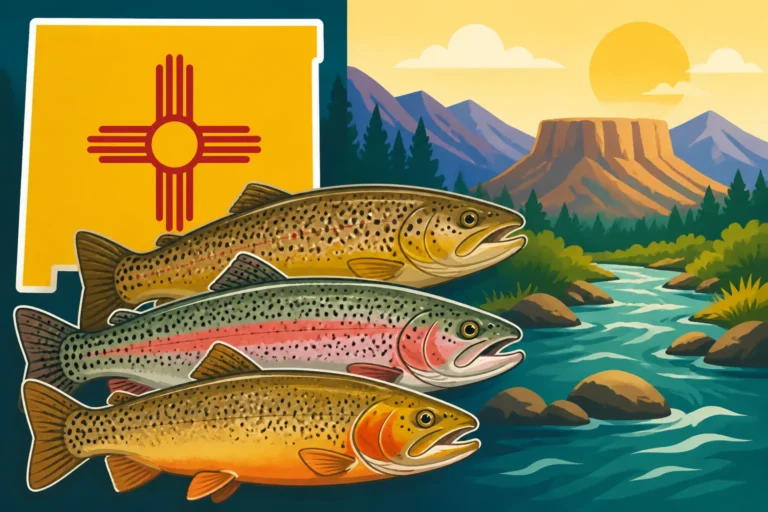
When most people think of native fish in New Mexico, their minds often jump straight to trout. And for good reason! New Mexico is home to two truly iconic native trout species that capture the hearts of anglers and conservationists alike: the Rio Grande Cutthroat and the Gila Trout. These fish aren't just beautiful; they are symbols of wilderness and resilience in an increasingly altered landscape.
The Iconic Rio Grande Cutthroat Trout
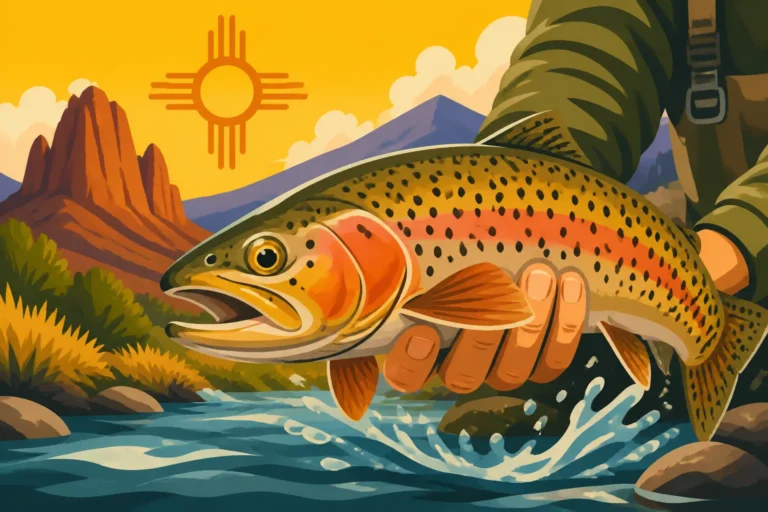
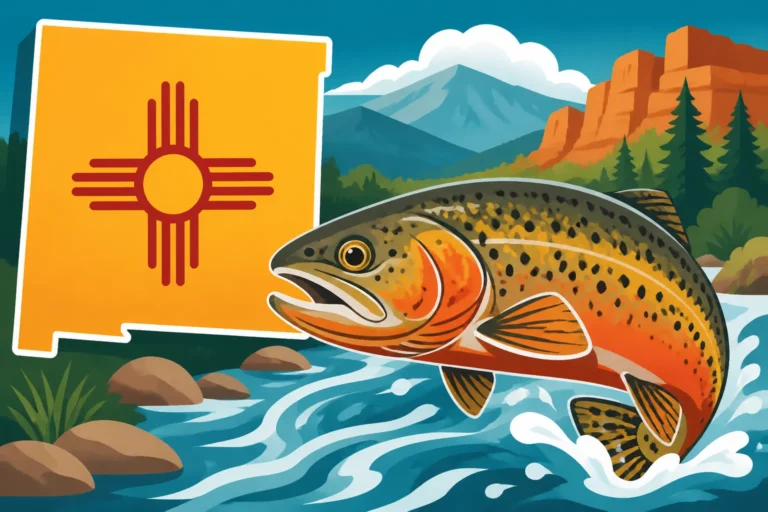
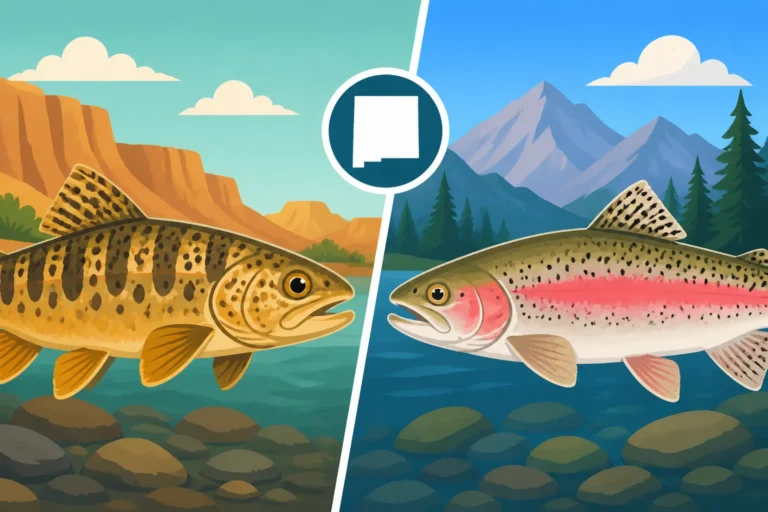
The Rio Grande Cutthroat Trout in New Mexico is truly a jewel of the high country. Recognizable by the distinctive orange or red "cut" mark under their jaw, these trout sport a beautiful olive-green to yellow-gold body, often adorned with sparse black spots. They are intrinsically tied to the headwaters and higher elevation streams within the Rio Grande and Pecos River drainages, thriving in the cold, clear waters that tumble down from the mountains. Finding a wild Rio Grande Cutthroat in its native habitat is an experience every New Mexico angler should cherish. Their existence is a testament to the wildness of our mountains, but they are also incredibly vulnerable. Historically, they occupied a much wider range, but habitat fragmentation, competition with introduced trout, and past overfishing have confined them to isolated pockets.
Catching one often means a trek into designated wilderness areas or remote national forests, where the reward isn't just the fish itself, but the journey and the pristine surroundings. When targeting these magnificent fish, remember that they are often less aggressive than stocked rainbow trout, requiring a more subtle approach with small dry flies or nymphs. Many anglers practice strict catch-and-release to help ensure their populations continue to recover.
The Resilient Gila Trout
Then there's the Gila Trout in New Mexico, a truly remarkable native species with a fascinating comeback story. Found predominantly in the Gila River drainage in the southwestern part of the state, these trout have a stunning golden-bronze color, sometimes with faint spotting, and can exhibit a beautiful rose-colored lateral line during spawning. For decades, the Gila Trout faced dire threats, to the point of being listed as federally endangered. Thanks to intensive conservation efforts, including habitat restoration, removal of non-native species, and careful reintroductions, their numbers are slowly but surely increasing, offering a glimmer of hope for other endangered fish.
Anglers seeking Gila Trout typically find themselves in remote, pristine streams within the Gila National Forest. These are often small, intimate waters, demanding stealth and precise casting. Fishing for Gila Trout is a privilege, and strict regulations are in place to protect them. You absolutely need to know Where You Can Legally Fish for Gila Trout and understand the specific rules for these waters. It's an experience that underscores the importance of every individual fish and the power of dedicated conservation work.
Protecting Our Native Trout Populations
The fate of our native trout, like all native species, rests heavily on conservation. Efforts range from large-scale habitat restoration projects, like improving riparian areas and removing impassable culverts, to more localized work, such as carefully planned chemical treatments to eradicate non-native trout before reintroducing native strains. Organizations like the New Mexico Department of Game and Fish and various conservation groups work tirelessly on these initiatives.
As anglers, we have a vital role to play. Understanding New Mexico Trout Fishing Rules is paramount, especially when fishing in native trout waters. Always practice Catch and Release Best Practices in New Mexico with native fish, minimizing handling and ensuring they return to the water quickly and safely. Using barbless hooks can significantly reduce harm. Even buying gear, like specialized forceps for hook removal or a high-quality rubber landing net from a reputable supplier like Amazon, can support responsible angling that protects these delicate fish. Every decision we make on the water can either help or hinder these vulnerable populations.
Other Fascinating Native Fish Beyond Trout
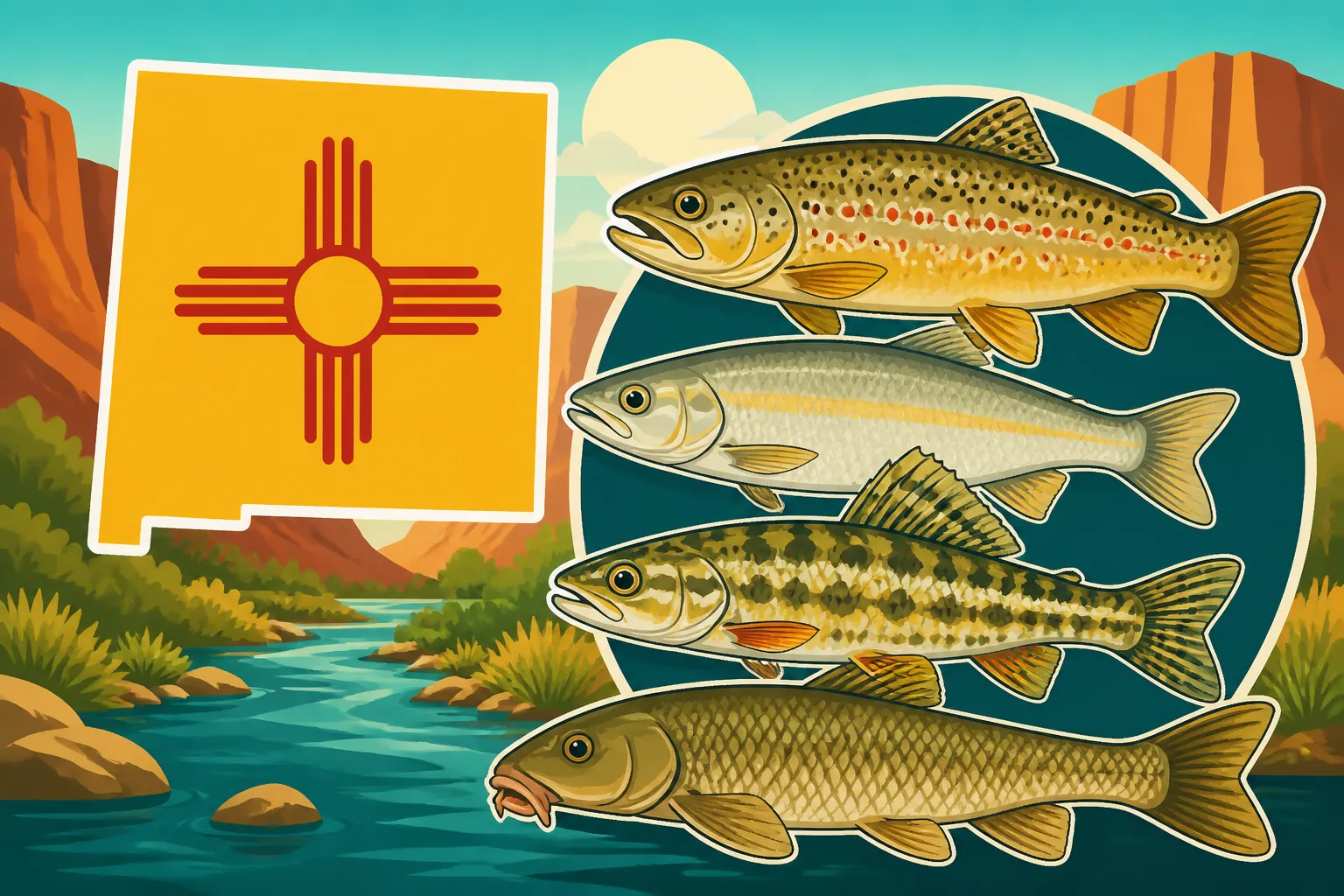
While trout often steal the spotlight, New Mexico's waters are teeming with a diverse array of other native fish species, many of which are less charismatic but equally vital to the ecosystem. These include various minnows, suckers, chubs, and even some native catfish species. They may not always be the target of trophy anglers, but their presence is a strong indicator of a healthy, functioning aquatic environment.
The Diverse Minnow Family
When you think of minnows, you might picture tiny baitfish, but the minnow family (Cyprinidae) in New Mexico is incredibly diverse, encompassing a wide range of species that vary in size and appearance. Species like the Rio Grande chub, speckled dace, and various shiners are crucial components of the food web, serving as a primary food source for larger predatory fish, birds, and even mammals. These small, often overlooked fish are highly adapted to New Mexico's dynamic river systems, surviving fluctuations in water flow and temperature that would decimate other species.
For example, the Rio Grande chub, a robust minnow that can reach a foot in length, thrives in flowing waters, often congregating in riffles and pools. They're an indicator species, their health reflecting the overall condition of the river. While not typically sought by anglers, their abundance or decline tells a significant story about the state of our waterways. Observing these hardy little fish darting through the shallows can offer a deeper appreciation for the intricate life thriving in our rivers.
Suckers and Chubs: Unsung Heroes of the Ecosystem
Suckers (Catostomidae) and larger chubs are often misunderstood and undervalued, but they are truly unsung heroes of New Mexico's aquatic ecosystems. Species like the Rio Grande sucker and bluehead sucker play an essential role in maintaining water quality and nutrient cycling by grazing on algae and detritus on the river bottom. Their foraging activities help clean the substrate and make nutrients available to other organisms. These fish are adapted to bottom-feeding, with specialized mouths that allow them to scrape food from rocks and gravel.
While not typically game fish, they are incredibly tough and resilient, often found in the same waters as trout or bass. Their presence signifies a healthy, functioning aquatic environment. Many suckers can grow quite large, offering a surprising fight if hooked accidentally. Learning to identify these species and appreciating their ecological contributions enriches any angler's understanding of New Mexico's complex aquatic world.
Native Catfish and Warm Water Species
Beyond the cold-water species, New Mexico also hosts native warm-water fish, including some fascinating catfish species. While channel catfish are widely introduced, native populations of species like the flathead catfish and some smaller catfishes inhabit our larger rivers and reservoirs, particularly in the warmer, slower-moving sections. These native catfish are powerful predators, often growing to impressive sizes, and are an important part of the ecosystem's top trophic levels.
The flathead catfish, in particular, is a formidable native, known for its preference for live prey and its solitary nature. Finding one in its natural riverine habitat is a testament to the robust health of that water body. These native warm-water fish contribute to the diverse angling opportunities available across the state, from the high mountain streams to the expansive reservoirs. While many anglers target introduced species like largemouth bass or walleye, appreciating the native warm water dwellers adds another dimension to our state's rich aquatic heritage. For those interested in the full spectrum of fish life, our guide on Fish Species Found in New Mexico provides a broader overview.
| Native Fish Species Comparison | Primary Habitat | Key Identification | Conservation Status | Angler Interest |
|---|---|---|---|---|
| Rio Grande Cutthroat Trout | Cold mountain streams, headwaters | Red/orange "cut" mark, sparse black spots, golden hue | Vulnerable | High (Catch & Release Focus) |
| Gila Trout | Gila River drainage, remote mountain streams | Golden-bronze, faint spots, can have rose lateral line | Federally Threatened | High (Highly Regulated) |
| Rio Grande Chub | Flowing rivers, creeks, riffles | Robust minnow, up to 12 inches, fusiform body | Stable/Declining in some areas | Low (Ecologically Important) |
| Rio Grande Sucker | River bottoms, rocky substrates | Bottom-feeder, specialized mouth, elongated body | Stable/Declining in some areas | Low (Ecologically Important) |
| Flathead Catfish | Large rivers, deep holes, slow currents | Broad, flat head; yellow/brown mottling; large size | Stable | Moderate (Trophy potential) |
Challenges to Native Fish Survival
Sadly, New Mexico's native fish populations face a gauntlet of challenges, many of which stem directly from human activity. It's a complex web of interconnected issues, and understanding them is the first step toward finding solutions. These threats have pushed some species to the brink, making conservation efforts all the more critical.
Habitat Loss and Alteration
One of the most significant threats to native fish is the outright loss or severe alteration of their habitats. New Mexico is an arid state, and water is a precious resource. This has led to extensive water diversions for agriculture, municipal use, and industry, which often dewater stretches of rivers and streams, particularly during drought years. When rivers dry up, fish simply have nowhere to go. Dams and culverts also fragment habitats, blocking fish migration routes for spawning or accessing critical refuge areas, effectively turning continuous river systems into isolated segments.
Furthermore, changes in land use, such as development along riparian corridors or intensive livestock grazing, can degrade stream banks, increase sediment runoff, and raise water temperatures—all detrimental to cold-water native species. Imagine a pristine stream that historically offered deep, cool pools and ample cover, now reduced to a warm, shallow, silty ditch. It's easy to see how fish would struggle to survive in such conditions.
Invasive Species and Competition
Perhaps the most insidious threat to native fish comes from non-native, or "invasive," species. For decades, various fish species were introduced into New Mexico's waters for sport, forage, or even accidentally. While some, like rainbow trout, have created popular fisheries, their presence has often come at a severe cost to native fish. Non-native species compete directly with native fish for food and habitat, prey on native eggs and juveniles, and can even hybridize with native populations, diluting their genetic integrity.
Consider the impact of non-native brown trout or brook trout on the Rio Grande Cutthroat. These introduced species are often more aggressive, grow faster, and outcompete the native cutthroat for prime feeding and spawning locations. The problem extends beyond trout; non-native baitfish, carp, and even warm-water predators can decimate native populations. This is why strict regulations around bait use and responsible disposal of unused bait are so crucial, as detailed in the New Mexico Fishing Regulations Overview. It's a constant battle to manage these introduced species and protect the remaining native populations.
Climate Change and Drought Impacts
New Mexico is on the front lines of climate change, experiencing hotter temperatures and more frequent and severe droughts. For native fish, particularly those adapted to cold, stable environments, these changes are catastrophic. Increased air temperatures lead to warmer water, which reduces oxygen levels and stresses cold-water species like trout. Prolonged droughts mean less water flowing in rivers and streams, reducing available habitat and concentrating fish, making them more vulnerable to predators, disease, and angling pressure.
Imagine a small, isolated mountain stream that is the last refuge for a population of Gila Trout. A multi-year drought could dry up that stream entirely, wiping out the population. Even if the stream doesn't completely dry, critically low flows can raise water temperatures above what the fish can tolerate. These environmental shifts exacerbate existing threats, pushing already vulnerable native populations closer to extirpation. It truly underscores why every drop of water and every healthy stretch of river is so critically important.
Conservation Efforts and How Anglers Can Help
Given the immense challenges facing New Mexico's native fish, it's easy to feel overwhelmed. However, there are significant and ongoing conservation efforts, and every angler has a role to play in supporting them. From large-scale restoration projects to individual choices on the water, our collective actions can make a real difference.
Restoration Projects and Partnerships
Across New Mexico, dedicated professionals and volunteers are working tirelessly on restoration projects aimed at recovering native fish populations. These efforts often involve:
- Habitat Restoration: This includes removing old, impassable culverts, restoring natural river flows, planting native vegetation along stream banks to provide shade and reduce erosion, and creating more complex in-stream habitats like riffles and pools.
- Non-Native Species Removal: In some sensitive native fish waters, non-native fish are carefully removed, sometimes through electrofishing or chemical treatments, to create a "clean slate" before native species are reintroduced.
- Fish Barriers: Building natural or artificial barriers can prevent the upstream movement of non-native fish into pristine native fish habitats.
- Genetic Preservation: Biologists work to identify and protect genetically pure strains of native fish, sometimes maintaining them in hatcheries as a safeguard against wild population collapse.
These projects are often collaborations between the New Mexico Department of Game and Fish, federal agencies like the U.S. Forest Service and Bureau of Land Management, universities, and non-profit conservation organizations. They require significant funding, scientific expertise, and community support. You can often find information on these projects through the NMDGF website or local conservation groups.
Angler's Role in Native Fish Conservation
As anglers, we are often the first to witness the health of our waterways, and we can be powerful advocates for native fish. Our actions, both on and off the water, have a direct impact. Here's how we can help:
- Know Your Fish: Learn to identify native species, especially those that are rare or protected. Knowing the difference between a stocked rainbow and a wild Rio Grande Cutthroat Trout in New Mexico is crucial for proper handling. You can find excellent field guides or even waterproof fish identification cards on Amazon to keep handy in your tackle box.
- Follow Regulations: Adhere strictly to all fishing regulations, especially those pertaining to bag limits, season dates, and gear restrictions in native fish waters. These rules are in place for a reason – to protect vulnerable populations.
- Practice Catch and Release: In native fish habitats, practicing diligent Catch and Release Best Practices in New Mexico is essential. Use barbless hooks, handle fish minimally with wet hands, keep them in the water as much as possible, and revive them gently before release. Consider a rubber net over a knotted mesh net, as rubber is much gentler on fish scales and slime coats.
- Prevent Invasive Species: Never move live fish or bait between water bodies. Clean, drain, and dry your boats, waders, and gear after each outing to prevent the spread of aquatic invasive species.
- Report Violations: If you witness illegal fishing activity or environmental damage, report it to the authorities.
- Support Conservation: Purchase your fishing licenses, as a portion of the fees directly funds conservation efforts. Consider volunteering with local conservation groups or donating to organizations dedicated to native fish protection.
Sustainable Fishing Practices
Beyond the general principles of conservation, adopting sustainable fishing practices specifically benefits native fish. This means thinking about the long-term health of the fishery, not just the immediate catch. It includes:
- Targeting Species Appropriately: Focus your efforts on abundant, often introduced, species for harvest, while treating native species with extra care and releasing them quickly.
- Choosing Appropriate Gear: For delicate native trout, lighter tackle and smaller hooks can reduce stress. Using a high-quality fishing backpack, like those found on Amazon, can help you carry out all your trash and avoid leaving anything behind that could harm the ecosystem.
- Respecting Sensitive Areas: Avoid wading directly through spawning beds or disturbing critical habitats, especially during sensitive times of the year.
- Educating Others: Share your knowledge of native fish and conservation ethics with fellow anglers, friends, and family. The more people who understand and care about these unique species, the stronger their future will be.
By embracing these practices, we can ensure that future generations of anglers will also have the opportunity to connect with the incredible Fish Species Found in New Mexico, especially our precious natives. We are stewards of these waters, and our responsibility is to leave them better than we found them.
Disclaimer
This article is for general informational purposes only and does not constitute professional advice. Laws, prices and regulations vary by location and change over time. Consult a qualified professional for guidance on your specific situation.