Are There Brook Trout in New Mexico?
When you picture trout fishing in New Mexico, your mind might immediately go to the classic rainbow or maybe the elusive brown trout. But there's another stunning, often overlooked species swimming in our colder, higher-elevation waters: the brook trout. Many anglers wonder if these beautiful fish truly exist in the Land of Enchantment, and if so, where to find them. This guide is dedicated to shedding light on the presence of brook trout in New Mexico, where they thrive, and how you can experience the joy of catching these vibrant, feisty gems.
The Story of Brook Trout in New Mexico
Brook trout, with their distinctive patterns and brilliant colors, are a species many associate with the East Coast or colder northern states. So, it's a perfectly natural question to ask, "Are there brook trout in New Mexico?" The answer is a resounding yes, though their presence here is a bit different from their native range. Understanding their history helps us appreciate these beautiful fish in our unique New Mexico environment.
What Exactly is a Brook Trout?
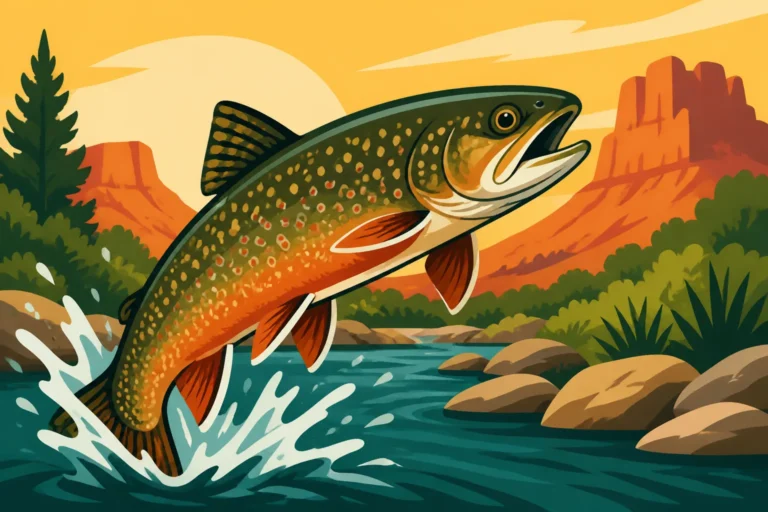
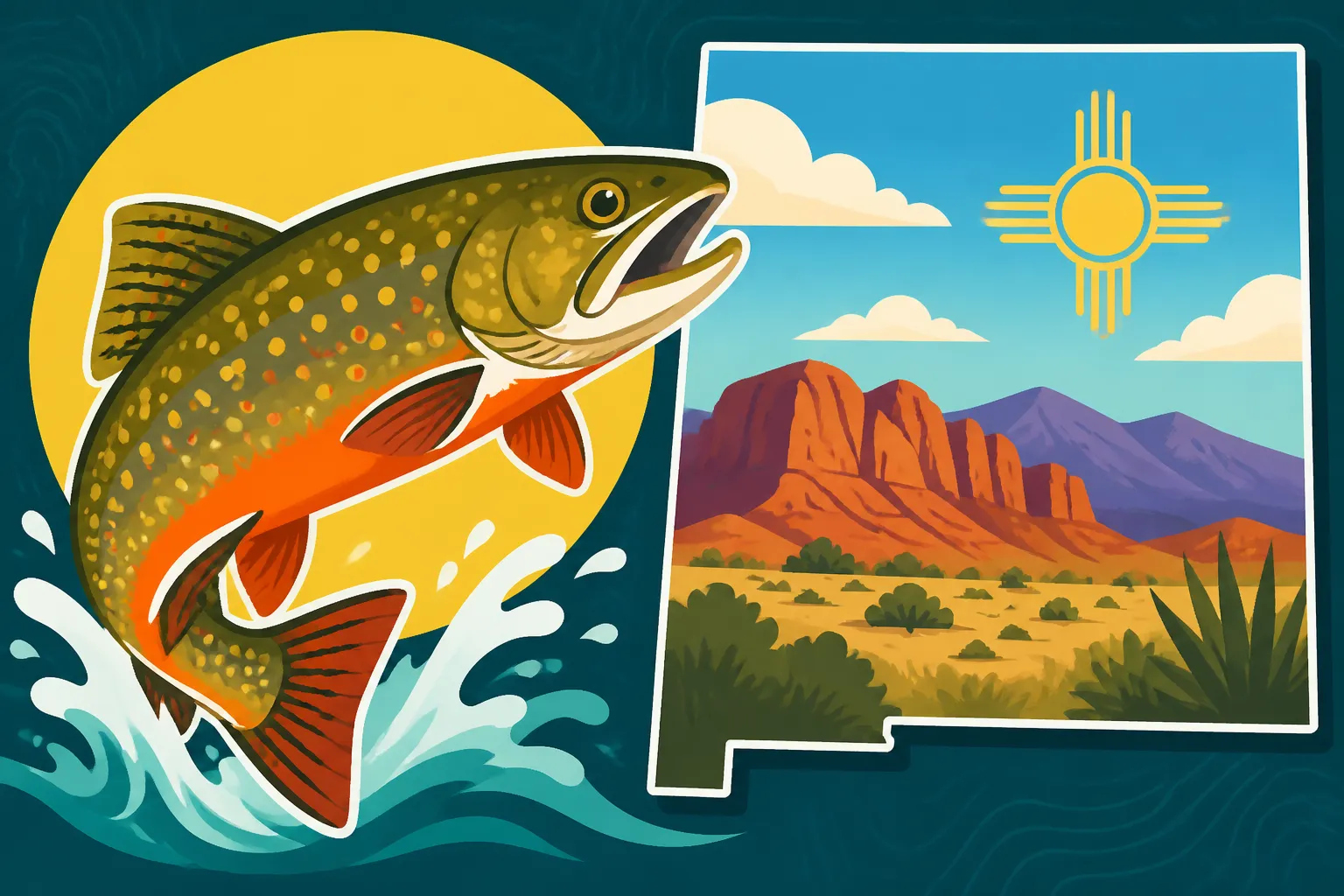
Let's start by clarifying what we're talking about. The brook trout, or Salvelinus fontinalis, isn't technically a "trout" in the same genus as rainbows (Oncorhynchus) or browns (Salmo). It's actually a char, a close cousin, known for its striking appearance and preference for pristine, cold water. They are characterized by a dark, worm-like pattern (called vermiculation) on their olive-green backs, along with vibrant red or orange spots surrounded by blue halos along their flanks. Their lower fins often have a white leading edge, followed by a black stripe, and then a reddish-orange hue. These aren't huge fish in most New Mexico waters, but what they lack in size, they make up for in sheer beauty and a spirited fight on light tackle. They're a favorite among fly anglers and those who cherish the wild, remote places where they often reside.
How They Arrived in New Mexico
Brook trout are not native to New Mexico. Their ancestral home is in eastern North America, from the Canadian Maritimes down through the Appalachian Mountains. Their introduction to New Mexico, much like that of rainbow and brown trout, was part of widespread stocking efforts during the late 19th and early 20th centuries. These efforts aimed to introduce game fish to western waters, often to create new angling opportunities in areas that naturally lacked certain species.
Early fish culturists recognized that brook trout, with their tolerance for cold, clear water and their ability to reproduce naturally in suitable environments, could thrive in the high-altitude streams and lakes of New Mexico's mountain ranges. They were brought in, released into promising habitats, and many of these populations established themselves, creating self-sustaining fisheries that continue to delight anglers today. These fish adapted to the challenging, often ephemeral, conditions of our high country, demonstrating a remarkable resilience. Today, while many populations are wild and self-reproducing, they are a testament to those historical stocking programs that changed the face of fishing across the West.
Where to Find Brook Trout in New Mexico
If you're eager to chase these colorful char, knowing their preferred haunts is key. Brook trout aren't found in every waterbody across the state; they have very specific habitat requirements that dictate their presence. You won't typically find them in the warmer, larger reservoirs where bass and walleye thrive, but rather in the remote, cooler corners of the state.
Typical Habitats and Water Conditions
Brook trout are true cold-water specialists. They absolutely demand pristine, oxygen-rich water with temperatures that rarely exceed the mid-60s Fahrenheit, even in the height of summer. This is why you'll primarily find them in:
- High-Altitude Mountain Streams: Think small, freestone streams tumbling down from the peaks of the Sangre de Cristo, Jemez, or Gila mountain ranges. These streams are fed by snowmelt and natural springs, keeping them consistently cold. They often have good canopy cover from riparian vegetation, which helps maintain water temperatures.
- Remote Alpine Lakes and Ponds: Many of New Mexico's high mountain lakes, particularly those above 9,000 feet, provide ideal conditions. These lakes are typically deep enough to retain cold water throughout the year and offer ample insect life.
- Headwater Sections: Even in larger river systems that eventually warm up, brook trout can often be found in the extreme headwater sections, where the stream is still small, cold, and insulated by elevation and forest cover.
These habitats are often characterized by gravel or rocky bottoms, plenty of natural cover like undercut banks, fallen logs, and boulders, and a healthy population of aquatic insects – all vital for brook trout survival and reproduction. Accessing these areas often requires a good hike, which is part of the adventure and adds to the sense of accomplishment when you finally cast to these beautiful fish. Before you head out, make sure you have a sturdy backpack, good hiking boots, and enough water, especially if you're exploring the more remote areas. Many anglers like to find quality, durable gear for these kinds of trips on platforms like Amazon.
Specific Regions and Waters
While I can't give you GPS coordinates to every brook trout stream (partly because that wouldn't be very sporting, and partly because their populations can fluctuate!), I can point you to the general regions where they are most commonly found in New Mexico.
- Northern New Mexico Mountains: This is arguably the best region. The Sangre de Cristo Mountains, encompassing areas around Taos, Red River, Angel Fire, and Pecos Wilderness, hold numerous high-elevation streams and small lakes that are prime brook trout territory. Think of tributaries feeding into the Pecos River or the upper reaches of the Rio Grande drainage. The Jemez Mountains, west of Los Alamos, also offer similar opportunities in their higher elevations, with many small, spring-fed streams.
- Southwest New Mexico – Gila Wilderness: The Gila National Forest and its vast wilderness areas also harbor populations of brook trout in its highest, coldest streams. While more known for Gila trout and brown trout, there are pockets where brook trout have established themselves. These are often some of the most remote and challenging fisheries to access, making the reward even greater.
Anglers seeking these fish should focus their attention on waters marked on maps as "perennial streams" at elevations generally above 8,000 feet, especially those within designated wilderness or national forest lands. These are the places where the water stays consistently cold enough to support them, and where the natural environment is most undisturbed. Always consult current fishing regulations for specific areas, as rules for bag and possession limits can vary, especially in sensitive high-mountain environments. New Mexico Fishing Regulations Overview is a great resource for understanding these guidelines.
Identifying New Mexico Brook Trout
One of the greatest joys of catching a brook trout is simply admiring its incredible coloration. However, it's also important to be able to positively identify them, not only for your own satisfaction but also to ensure you're adhering to any specific regulations that might apply to different trout species. In New Mexico, especially in waters where multiple trout species might coexist, correct identification is crucial.
Key Physical Characteristics
When you pull a brook trout from the water, you'll immediately notice its distinct features:
- Coloration: They are brilliantly colored! Their backs are typically dark olive to almost black, adorned with a maze-like pattern of light, wavy lines (vermiculation). Their sides fade to a lighter olive or brown, often speckled with vibrant red spots that are usually encircled by pale blue halos. The belly can range from white to a deep orange or even reddish-pink, especially in spawning males.
- Fin Edges: Look closely at the pectoral, pelvic, and anal fins. They will almost always have a distinctive white leading edge, followed by a sharp black stripe, and then the main color of the fin. This "white-black-red" fin pattern is a classic brook trout identifier.
- Tail: Their tail is typically square or only very slightly forked, unlike the more distinctly forked tails of some other trout species like brown trout.
- Body Shape: Generally, they have a sleek, streamlined body, though some can appear a bit chubbier if they're in a nutrient-rich environment. In smaller, high-mountain streams, they're often on the slender side.
It's truly a sight to behold when you catch one of these living jewels. Their beauty is a reflection of the pristine environments they inhabit.
Distinguishing Them from Other Trout Species
In New Mexico, brook trout often share waters with other common trout species. Knowing the differences is important, especially when bag limits or special regulations might vary.
| Feature | Brook Trout | Rainbow Trout | Brown Trout | Rio Grande Cutthroat Trout |
|---|---|---|---|---|
| Native Range | Eastern North America | Western North America | Europe, Western Asia | New Mexico, Southern Colorado |
| Back Pattern | Dark with light, worm-like vermiculations | Uniformly speckled, often iridescent | Large, dark spots, some with light halos | Few spots, concentrated towards tail |
| Side Spots | Red/orange spots with blue halos | Small, dark spots, often with a pink/red lateral band | Large, dark, distinct spots (some red/orange with pale halos) | Small, dark spots, often sparse |
| Tail Shape | Square to slightly emarginate (slightly forked) | Slightly forked | Square to slightly forked | Slightly forked to square |
| Fin Edges | White leading edge, then black stripe on lower fins | Typically plain or lightly marked | Plain or lightly marked | Plain, but often yellowish/orange belly |
| Cutthroat Slash | Absent | Absent | Absent | Distinct red/orange mark under lower jaw |
When you're out fishing, take a moment to really look at your catch. The distinct vermiculation and the white leading edges on the fins are almost unmistakable for a brook trout. If you're unsure, especially when it comes to differentiating them from a Rio Grande Cutthroat Trout in New Mexico, which is a native species with conservation concerns, it's always best to practice catch and release. This helps protect our precious native fish populations. You can find more details on Trout Species in New Mexico if you're curious about the full lineup.
Fishing for Brook Trout in New Mexico
Now that you know brook trout are here and where to generally find them, let's talk about the fun part: how to catch them! Fishing for brook trout in New Mexico is often an experience tied to adventure, quiet solitude, and a deep appreciation for nature.
Best Techniques and Gear
Brook trout in New Mexico's high country are often eager biters, especially in their smaller, wilder streams. They aren't usually picky eaters, but their habitat often dictates a stealthy approach and lighter tackle.
- Light Spinning Tackle: For those who prefer spinning gear, ultra-light rods (4-foot to 5-foot, 6-inch) paired with a small spinning reel spooled with 2 to 4-pound test monofilament or fluorocarbon line are perfect. Small inline spinners (like Panther Martin, Mepps, or Rooster Tail in sizes #0 to #2) in silver, gold, or black are often irresistible. Tiny spoons, miniature crankbaits, or even small jigs tipped with a piece of worm can also be very effective. Many anglers swear by a selection of these compact lures, often found readily available on Amazon.
- Fly Fishing: This is a classic method for brook trout, especially in small streams. A 2 to 4-weight fly rod (6 to 7.5 feet long) with a matching reel and a floating line is ideal.
- Dry Flies: Brook trout are often opportunistic feeders and will readily rise to a well-presented dry fly. Patterns like a Parachute Adams, Elk Hair Caddis, Royal Wulff, or a Stimulator in sizes #12-18 are usually productive. In high country, terrestrial patterns like ant or beetle imitations can be deadly, especially later in the summer when bugs are falling into the water.
- Nymphs & Wet Flies: If fish aren't rising, small nymph patterns like a Pheasant Tail, Hare's Ear, or Copper John in sizes #14-20 fished under a small strike indicator or on a short line can entice bites. A classic wet fly like a small soft-hackle or a "wet" Adams can also be surprisingly effective when swung through small pockets.
- Small Stream Strategy: When fishing small, brushy streams, short, accurate casts are key. Stealth is important; approach pools and runs carefully, as these fish can be skittish. Often, the best strategy is to move upstream, casting into pockets, behind rocks, and into any deeper water you can find.
- Bait Fishing: Simple bait setups can be very effective, especially for beginners or those fishing with kids. A small hook (size #10 to #14) with a tiny split shot, and a piece of worm, salmon egg, or even PowerBait can be irresistible. Just be mindful of regulations regarding bait use, as some special trout waters might restrict it.
Remember, brook trout habitats are often rugged. Bring appropriate footwear, plenty of water, and a small first-aid kit. A lightweight fishing vest or a small backpack will keep your gear organized and accessible. Check out Best Fishing Gear for New Mexico Anglers for more comprehensive gear advice.
Conservation and Regulations
While many brook trout populations in New Mexico are self-sustaining, they are not native fish. In some cases, their presence can actually outcompete native species like the Rio Grande Cutthroat Trout. Because of this, regulations for brook trout can sometimes differ from those for other species.
- Check the Current Regulations: Always, always consult the current New Mexico Department of Game and Fish (NMDGF) fishing proclamation before you go. Regulations can change, and specific waters might have special rules regarding bag limits, possession limits, and tackle restrictions. Sometimes, there might even be liberal regulations on brook trout in certain areas to help promote native species. You can find detailed information in the New Mexico Fishing Regulations Overview.
- Catch and Release Best Practices: Even if there's a generous bag limit, many anglers choose to practice catch and release, especially for the larger, more colorful brook trout. If you do plan to release fish:
- Handle them as little as possible.
- Keep them in the water if you can.
- Use barbless hooks (or pinch down barbs on barbed hooks) to minimize harm.
- Revive tired fish by holding them gently in the current until they swim away strongly.
- Avoid touching their gills or eyes.
- A quality, knotless rubber landing net, like those widely available from online retailers, can greatly reduce stress on the fish.
- Respect the Environment: Brook trout live in fragile ecosystems. Practice Leave No Trace principles: pack out everything you pack in, stay on established trails, and be mindful of stream banks to prevent erosion. These small, pristine streams are true treasures, and it's up to all of us to keep them that way.
Fishing for brook trout in New Mexico offers a unique experience – a blend of hiking, exploring, and the thrill of connecting with a strikingly beautiful fish in a stunning natural setting. It's an opportunity to experience a different side of New Mexico's diverse angling scene, and often leads to adventures in some of the state's most serene and picturesque locations. So, yes, the brook trout are indeed here, waiting in the cool, clear waters of the Land of Enchantment for those willing to seek them out.
Disclaimer
This article is for general informational purposes only and does not constitute professional advice. Laws, prices and regulations vary by location and change over time. Consult a qualified professional for guidance on your specific situation.