New Mexico Fish That Fight the Hardest
There's nothing quite like the sudden, electric jolt of a fish hitting your line, followed by the exhilarating pull that tells you this isn't just any bite – you've hooked into a true brawler. For anglers across New Mexico, that feeling of a hard-fighting fish is the ultimate reward, turning a peaceful day on the water into an unforgettable battle of wits and strength. This guide is all about helping you understand which New Mexico fish will give you the most thrilling fight and how to be ready for it.
The Thrill of the Tug: What Makes a Fish a Hard Fighter?
When we talk about a "hard-fighting" fish, it’s more than just its size. Sure, a big fish usually pulls harder, but some smaller species can put up an absolutely incredible, disproportionate fight for their stature. It’s a combination of their physical attributes, their environment, and even their temperament that defines how much of a challenge they’ll present once hooked. The sheer joy of battling a fish that refuses to give up is what keeps us coming back, rod in hand, hoping for that next big tug.
Power vs. Stamina: Different Styles of Fighting Fish
Think about a boxer in the ring. Some are powerful, delivering explosive punches, while others are known for their relentless stamina, wearing down their opponent over many rounds. Fish are much the same! A largemouth bass, for instance, is often an explosive fighter. It might jump clear of the water, thrash its head violently, and make powerful, short bursts into cover. It's a quick, intense fight that often ends relatively fast, but it's incredibly dramatic. On the other hand, a striped bass from one of our big reservoirs like Elephant Butte might not always leap, but it can make long, powerful, sustained runs that strip line off your reel with alarming speed. These are fights of endurance, testing your drag setting and your arm strength over several minutes. Understanding these different fighting styles helps you anticipate and react, making you a more effective angler.
Habitat and Health: Factors Influencing a Fish's Fight
A fish's environment plays a huge role in how hard it fights. A trout living in a fast-moving, oxygen-rich mountain stream, constantly battling currents, will almost always be stronger and more spirited than a similar-sized trout pulled from a slow, stagnant pond. The constant struggle for survival, the need to swim against strong flows to feed, and access to plenty of natural prey all contribute to a fish's overall muscle mass and vitality. Fish in larger, open waters, like the massive reservoirs across New Mexico, also have the advantage of space to run and dive, often leading to longer, more drawn-out fights. A healthy, well-fed fish in its prime physical condition will always give you a better battle than a stressed or malnourished one, regardless of its species.
The Angler's Perspective: Why We Crave a Challenge
Let’s be honest, there’s a distinct satisfaction in matching wits and strength with a powerful fish. It's not just about catching dinner; it's about the experience, the story, and the adrenaline rush. When you finally land a fish that has tested your gear and your technique to its limits, the sense of accomplishment is immense. It's why anglers spend hours researching techniques, investing in the right gear, and patiently waiting for that specific, tell-tale bite. We're chasing that feeling of intense connection, of being fully present in the moment as the rod bends and the line screams. It’s a challenge that engages both body and mind, a primal dance that connects us to the wild.
New Mexico's Premier Pound-for-Pound Brawlers
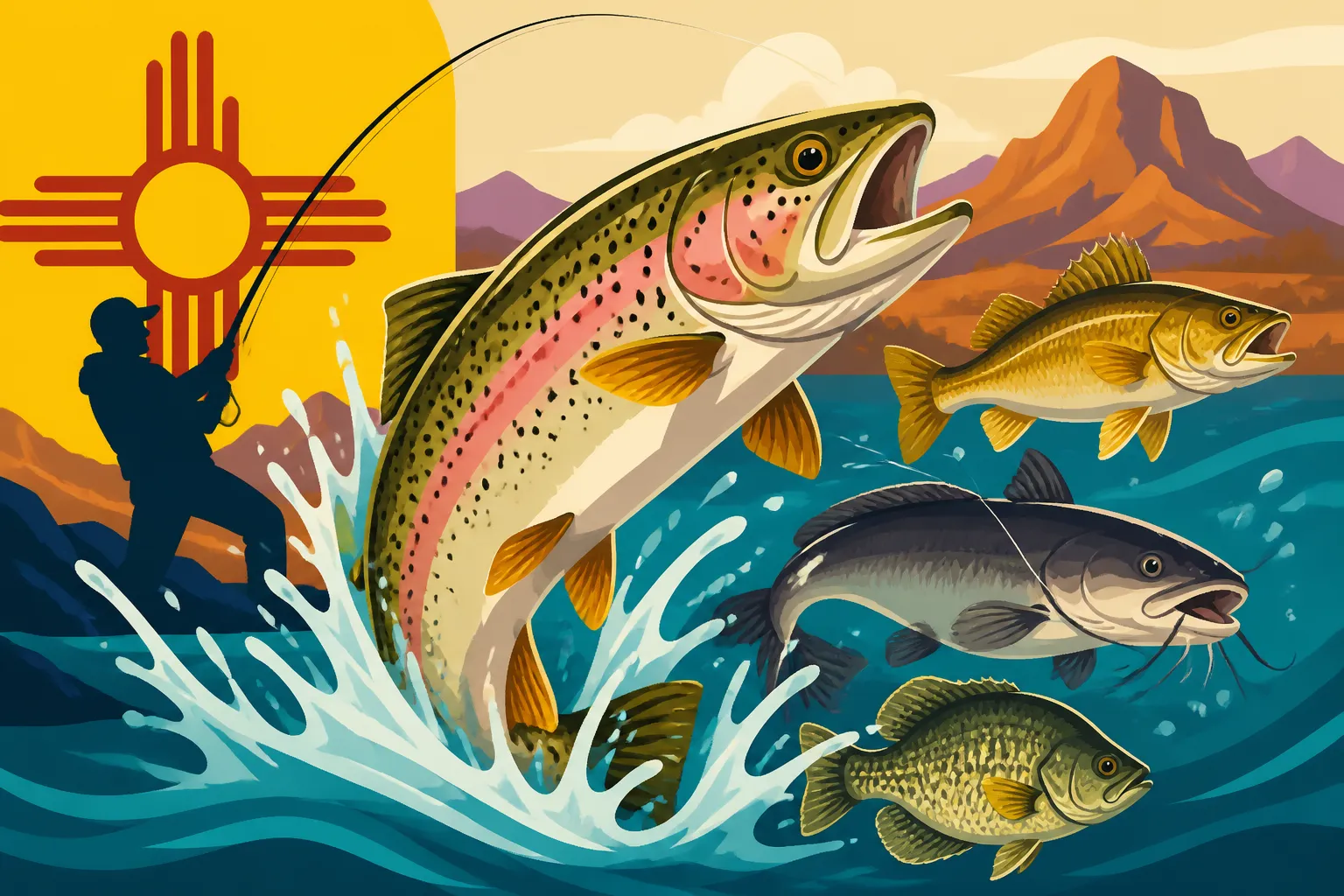
New Mexico's diverse waterways, from high mountain streams to sprawling desert lakes, are home to a variety of fish species, many of which are known for their spirited fights. While almost any fish can surprise you, a few species consistently stand out for their ability to peel line and bend rods.
Striped Bass: The Unrelenting Reservoir Runners
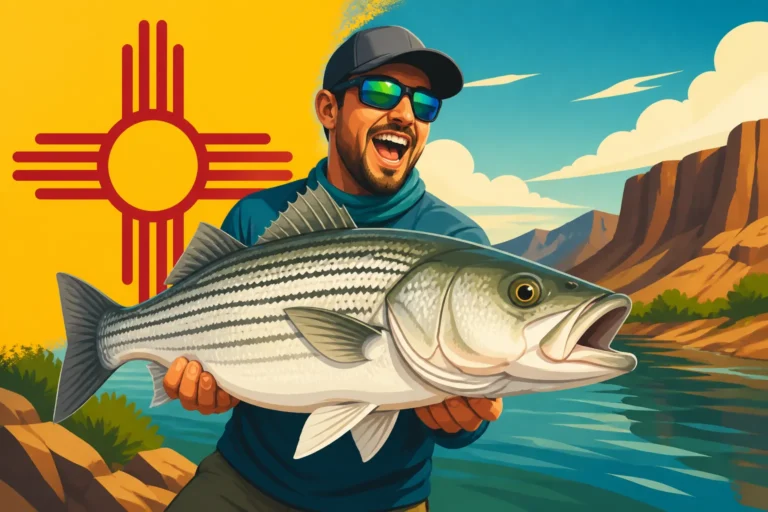
If you're looking for a fish that will test your drag and your patience, look no further than the striped bass. Found predominantly in large impoundments like Elephant Butte Lake, these ocean-born transplants thrive in New Mexico's big water. When a striper hits, it's often with a vengeance. They are known for making incredibly powerful, sustained runs that can feel like you've hooked a small submarine. They rarely jump, preferring to stay deep and slug it out, using their broad, muscular bodies to pull relentlessly against your line. A fight with a large striper can last several minutes, leaving your arms aching but your heart pounding. They are truly one of the top contenders for the hardest-fighting fish in the state, offering an unparalleled challenge. For more specific techniques on landing these behemoths, check out our guide on Striped Bass Fishing in New Mexico.
Walleye: The Deep-Water Draggers
While perhaps not as overtly aggressive in their fight style as a striper, walleye are formidable opponents, especially for their size. These elusive fish, found in lakes like Conchas, Ute, and Elephant Butte, are masters of the deep. When hooked, they often make strong, deep head-shaking dives, using their flat sides to create immense resistance. They are powerful bottom fighters, stubbornly pulling downward, making you feel every ounce of their strength. Often, you might not even realize how big the fish is until it gets closer to the boat because they don't give up easily and rarely break the surface until the very end. Landing a healthy walleye requires a steady hand, a sensitive rod, and a well-set drag to absorb their powerful tugs. Learn more about targeting these challenging fish in our Walleye Fishing in New Mexico article.
Black Bass (Largemouth & Smallmouth): Agile Acrobats and Structure Huggers
Both largemouth and smallmouth bass are beloved by anglers for their aggressive strikes and spirited fights, albeit with different styles.
- Largemouth Bass: These are the quintessential "jumpers." Found in many of New Mexico's warmer lakes and ponds, a largemouth will often strike with ferocity and immediately make for the nearest cover – submerged trees, thick weeds, or rocky outcrops. If you manage to keep them out of the snags, they'll frequently launch themselves into the air, shaking their heads violently in an attempt to throw the hook. Their fights are explosive, short, and incredibly visual, making them a perennial favorite. Our guide on Largemouth Bass Fishing in New Mexico delves into the best strategies for them.
- Smallmouth Bass: Often found in clearer, rockier waters, smallmouth bass are arguably even more aggressive pound-for-pound than their largemouth cousins. They are relentless fighters, making powerful runs and acrobatic leaps that rival many saltwater species. They don't give up easily, using every ounce of their strength and cunning to try and escape. Hooking into a strong smallmouth can feel like reeling in a freight train, especially in current. Discover effective methods for these tenacious fighters in Smallmouth Bass Fishing in New Mexico.
Trout: The Current-Bending Warriors
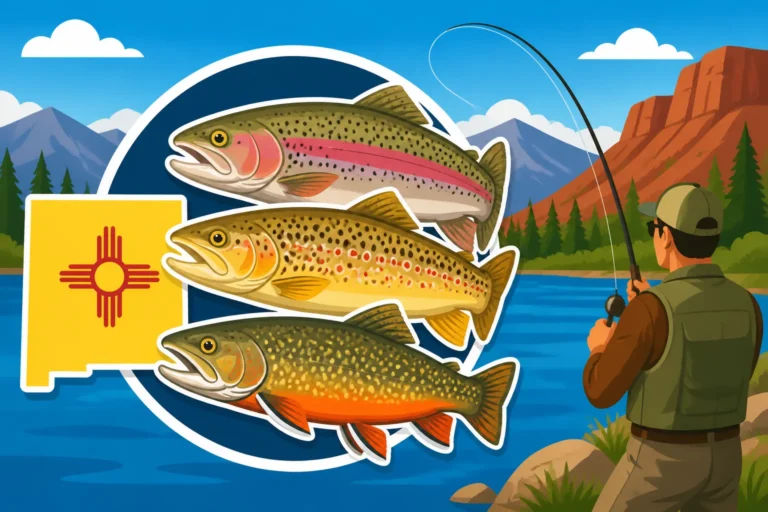
New Mexico boasts an incredible variety of trout species, and many of them are fantastic fighters. From rainbow trout in our urban ponds to native cutthroat in high mountain streams, the fight they offer is often dictated by their environment.
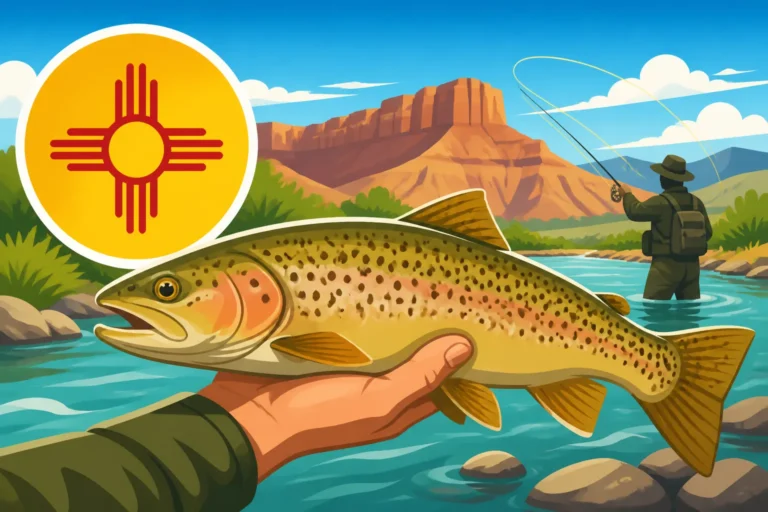
- River Trout: A wild brown or rainbow trout hooked in a powerful current, especially in places like the San Juan River Quality Waters, is an absolute blast. They use the river's flow to their advantage, making strong upstream runs and darting downstream, forcing you to manage your line and maintain pressure constantly. They also love to jump and thrash, especially the rainbows. The constant struggle against the current makes them incredibly muscular and resilient. When fishing in these environments, your gear and technique are truly put to the test. Check out Trout Species in New Mexico for more details on these fighters.
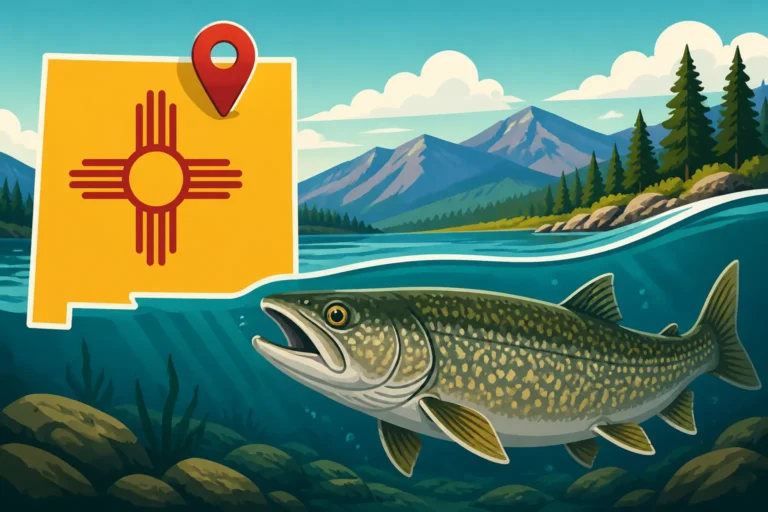
- Lake Trout: Found in deeper, colder lakes like Heron and Navajo, lake trout are big, powerful fish that spend most of their lives in the depths. When hooked, they tend to make strong, deep dives, trying to get back to the cooler water. Their immense size combined with their preference for deep water makes them serious contenders for a grueling fight, requiring heavy tackle and a strong back.
The Enigmatic Heavyweight: Tiger Muskie
While not as widespread as bass or trout, the tiger muskie represents a true heavyweight challenge for the dedicated angler in New Mexico. Found primarily in Bluewater Lake and a few other select waters, these sterile hybrids are specifically stocked for their predatory nature and incredible fighting prowess.
A Rare but Rewarding Battle
Catching a tiger muskie is often a quest that requires immense patience, specialized gear, and a bit of luck. They are known as "the fish of 10,000 casts" for a reason. However, when one does decide to strike, the experience is nothing short of explosive. Tiger muskies are ferocious predators with razor-sharp teeth and powerful bodies. Their initial strike is often violent, followed by aggressive head shakes, powerful runs, and sometimes aerial displays. Landing a muskie is a test of strength and nerve, as their sheer power can easily snap lines or bend hooks if you're not prepared. They demand respect and a well-practiced hand. The thrill of hooking into one of these magnificent fish is truly unparalleled in New Mexico. For more on these elusive giants, read our article on Tiger Muskie in New Mexico.
Gear Up for the Muskie Challenge
If you plan to target tiger muskies, you absolutely cannot show up with your standard bass or trout gear. These fish require heavy-duty equipment designed to handle their size and power. You'll need stout rods, heavy line (often braid with a heavy fluorocarbon or wire leader), and large, strong lures. Using a heavy leader is critical to prevent their sharp teeth from cutting your line. This isn't just about landing the fish; it's about doing so quickly and safely for both the fish and yourself. Mentioning this, it's worth noting that specialized muskie gear, from extra-long pliers for hook removal to heavy-duty landing nets, can be found readily on platforms like Amazon if your local tackle shop doesn't carry the full range.
Gearing Up for the Big Battle: Rods, Reels, and Strategy
Successfully landing a hard-fighting fish isn't just about knowing where they live; it's about having the right tools and the right mindset. When you anticipate a battle, you need to prepare your arsenal.
Rod and Reel Combinations for Hard Fighters
The "best" rod and reel combo really depends on the species you're targeting, but for hard fighters, you generally want something with a bit more backbone and a smooth, reliable drag system.
- For Stripers and Large Lake Trout: Think heavy action casting or spinning rods, typically 7-8 feet long, paired with reels capable of holding a lot of heavy line. A robust reel with a strong, consistent drag is non-negotiable, as stripers will test it severely.
- For Bass (Largemouth & Smallmouth): A medium-heavy to heavy action rod, usually 6'6" to 7'6" in length, is ideal. These rods have enough power to pull bass out of cover and absorb their jumps. Paired with a fast-retrieve baitcasting reel for quick hook sets and line pickup, or a sturdy spinning reel for lighter presentations, you'll be well-equipped. For specific lure choices, check out Best Lures for New Mexico Bass.
- For River Trout: Depending on the size of the river and fish, a medium-light to medium action spinning rod, perhaps 6-7 feet, or a 4-6 weight fly rod with a strong butt section is excellent. The key here is sensitivity combined with enough power to control the fish in current without overpowering it. Our article Best Rods and Reels for New Mexico Trout Fishing provides a comprehensive look at suitable options.
- For Walleye: A sensitive medium to medium-heavy action rod, often with a fast tip, is crucial for detecting subtle walleye bites. Paired with a smooth spinning reel or a baitcaster, this setup allows for both sensitivity and the power needed for their deep tugs. You'll want to review Best Rod Action for Walleye Jigging for specialized techniques.
Line Strength and Drag Settings
Your line is the literal connection to the fish, so choosing the right type and strength is paramount. Braided line offers superior strength-to-diameter ratio and sensitivity, often preferred for bass and walleye, especially when fishing around cover. For stripers, heavier monofilament or fluorocarbon might be preferred for its stretch and abrasion resistance, or braid with a heavy mono/fluoro leader. For detailed guidance on specific species, consult Best Line Test for Elephant Butte Striped Bass.
Your drag setting is your shock absorber. Too tight, and your line will snap on a powerful run. Too loose, and the fish will take all your line and get away. A good rule of thumb is to set your drag to about 25-30% of your line's breaking strength. For instance, with 10 lb test line, your drag should engage around 2.5 to 3 pounds of pressure. Always check your drag before you start fishing and adjust it during the fight if necessary.
Fighting Techniques and Mindset
When you hook into a hard-fighting fish, it's not just about brute strength; it's about technique and composure.
- Set the Hook Firmly: Don't just tickle 'em! A strong, decisive hook set ensures the hook is properly embedded.
- Keep the Rod Tip Up: This creates a natural curve in your rod, which acts as a shock absorber. It also helps keep tension on the line and steer the fish.
- Pump and Reel: Instead of just cranking the reel, use a "pump and reel" technique. Lift the rod tip smoothly to gain line, then drop the tip quickly while reeling in the slack. This allows you to leverage the rod's power and bring the fish closer without constantly grinding.
- Anticipate Runs: Pay attention to the fish's movements. If it starts to turn its head or pull hard, be ready for a run and let your drag do its job. Don't try to stop a powerful run by clamping down on the spool; you'll snap your line.
- Steer from Cover: If you're fishing near snags, try to steer the fish away immediately after the hook set. This is especially crucial for largemouth bass. Many anglers even use larger boats for navigating these reservoir environments, and a good resource is Best Boats for New Mexico Reservoir Fishing.
- Patience and Persistence: Hard-fighting fish will often make multiple runs or sudden changes in direction. Stay calm, maintain steady pressure, and enjoy the battle. For species like the tiger muskie, having a heavy wire leader, as discussed in Best Leader Wire for Tiger Muskie Fishing, can be the difference between a landing and a break-off.
Ultimately, the most important "gear" you can bring is a sense of excitement and a readiness for a memorable experience. New Mexico's waters offer incredible opportunities for anglers to test their skills against some truly powerful and acrobatic fish. So get out there, gear up wisely, and get ready for the fight of your life!
| Fish Species | Typical Fight Style | Key Tactics for Landing | Gear Considerations |
|---|---|---|---|
| Striped Bass | Powerful, deep, relentless runs; stamina-based | Strong drag, heavy line, consistent pressure | Heavy action rod, high-capacity reel, strong hooks |
| Walleye | Deep, head-shaking tugs; often subtle initial bite | Sensitive rod, firm hook set, steady retrieve | Medium-heavy rod, braided line for sensitivity |
| Largemouth Bass | Explosive jumps, short powerful runs into cover | Quick hook set, immediate pull away from snags | Medium-heavy to heavy rod, fast reel, weedless setups |
| Smallmouth Bass | Aggressive runs, acrobatic leaps, never gives up | Fast retrieve, active rod work, line control | Medium-heavy rod, good quality spinning/baitcasting reel |
| Rainbow Trout | Jumps, head shakes, strong upstream pushes in current | Keep line tight, absorb shocks, use current to advantage | Medium-light action rod, smooth drag, appropriate fly/lure |
| Tiger Muskie | Violent strikes, explosive head shakes, bulldog runs | Heavy leader, strong hooks, specialized muskie gear | Extra-heavy muskie rod, heavy braid, wire leader, large net |
Disclaimer
This article is for general informational purposes only and does not constitute professional advice. Laws, prices and regulations vary by location and change over time. Consult a qualified professional for guidance on your specific situation.