New Mexico State Record Striped Bass
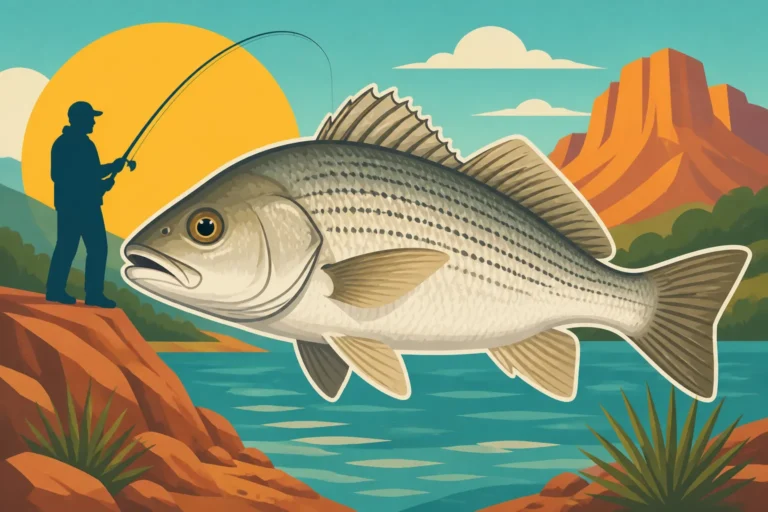
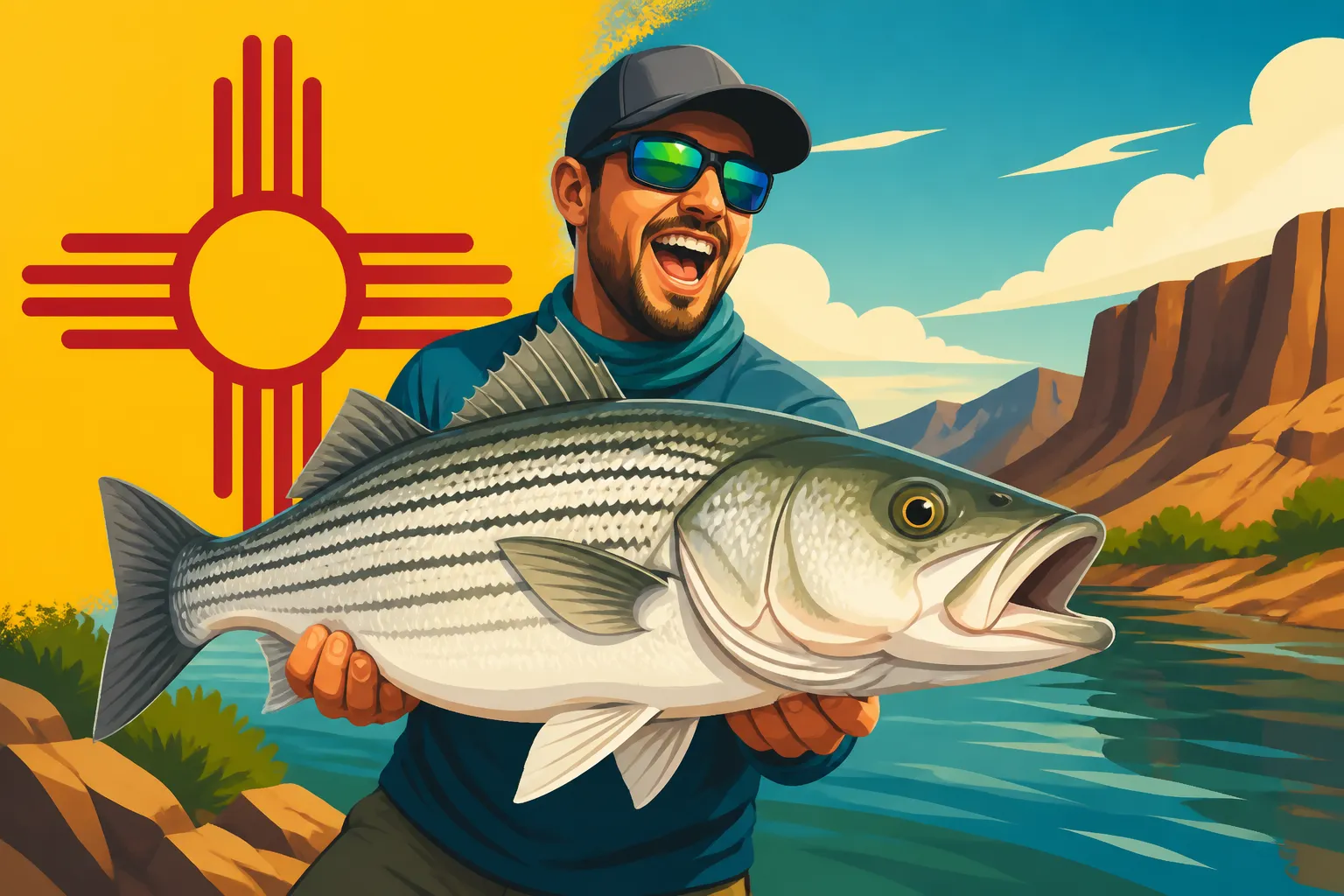
Few achievements in the world of New Mexico angling compare to landing a truly colossal fish. For many, the ultimate dream involves not just a big fish, but one that puts them in the state record books. The pursuit of the New Mexico State Record Striped Bass is a journey filled with anticipation, skill, and often, a touch of pure luck. This guide will take you through everything you need to know about these magnificent fish, their history in our waters, and what it takes to even dream of catching a record-breaker.
The Allure of the New Mexico State Record Striped Bass
There’s something truly special about a state record fish. It's a testament to the angler's persistence, knowledge, and sometimes, a little bit of magic happening on the water. When it comes to striped bass, New Mexico has produced some absolute monsters, primarily from the vast expanse of Elephant Butte Lake. These fish are known for their incredible fighting power and their sheer size, making them a prime target for trophy hunters and those simply looking for an unforgettable battle.
What Makes a Record-Breaking Striper?
A record-breaking striped bass isn't just a big fish; it's a monumental one. We're talking about a fish that pushes the absolute limits of its species within our state's waters. It's the kind of catch that defines an angler's career and creates a legend around a particular lake. While the exact weight and details of the current state record may fluctuate over time as new giants are caught, the stories behind these catches always speak to incredible strength, a powerful fight, and the vast, productive waters of places like Elephant Butte. Anglers often spend years, even decades, refining their techniques and studying the patterns of these apex predators, all in the hope of one day tying into that fish. The sheer effort and dedication required make the achievement all the more meaningful.
The Significance of a State Record
Beyond bragging rights, holding a state record in fishing is a recognition of expertise and a contribution to the state's angling history. It highlights the health and potential of our fisheries, showcasing what New Mexico waters can truly produce. For many, it's not just about the weight on the scale, but the culmination of countless hours on the water, learning the nuances of the species, and mastering the techniques needed to outsmart such a formidable opponent. It also inspires other anglers to push their own limits and explore new strategies, continually elevating the sport across the state. Every time a new record is set, it renews the excitement and the dream for countless other fishermen.
New Mexico's Striped Bass Fishery: Where Giants Roam
To chase a state record striped bass, you first need to understand where these giants live and how they came to be a part of New Mexico's diverse aquatic landscape. While you might occasionally hear whispers of striped bass caught in other large reservoirs, the undisputed kingdom for these fish in New Mexico is Elephant Butte Lake.
The Arrival of Striped Bass in New Mexico
Striped bass are not native to New Mexico's waters; they're actually a saltwater species that adapted remarkably well to freshwater environments in various parts of the country. Their introduction into New Mexico was a deliberate effort to create a new, exciting sport fishery, particularly in our larger reservoirs. You can learn more about this fascinating history in How Striped Bass Were Introduced to Elephant Butte Lake. These introductions aimed to utilize the abundant forage fish populations, like gizzard shad, that often thrive in warm water impoundments. The idea was to create a top-tier predator that could grow to impressive sizes, offering anglers a unique challenge. This stocking program has certainly paid off, as Elephant Butte Lake has become renowned for its robust striped bass population and the incredible size its stripers can attain.
Elephant Butte Lake: The Striped Bass Stronghold
When we talk about New Mexico striped bass, we are almost exclusively talking about Elephant Butte Lake. This massive reservoir, the largest in New Mexico, provides the ideal habitat for stripers to thrive. Its immense size offers vast expanses of open water for them to roam, and crucially, it boasts an incredibly rich forage base, primarily gizzard shad, which allows these fish to grow to truly gargantuan proportions. The deep channels, submerged structure, and varying depths all contribute to a complex environment where stripers can find ample food and ideal conditions throughout the year. If you're serious about targeting striped bass in New Mexico, Elephant Butte Lake Striped Bass Fishing is where you need to focus your efforts. Anglers come from all over to experience the thrill of battling these powerful fish in its vast waters.
Understanding Striped Bass Behavior
Striped bass are pelagic predators, meaning they primarily inhabit open water and often follow schools of baitfish. Their movements are heavily influenced by water temperature, oxygen levels, and the location of their food source. During warmer months, they might be found deeper, seeking cooler, more oxygenated water, as detailed in Striped Bass Summer Holding Depth. In cooler periods, or during prime feeding windows, they can be found closer to the surface or around points and humps where baitfish congregate. They are also known for their powerful schooling behavior, often "blitzing" schools of shad at the surface, creating spectacular feeding frenzies that every angler dreams of witnessing. Understanding these patterns is absolutely critical for consistent success, let alone for catching a potential record-breaker.
Strategies for Targeting Trophy Striped Bass
Catching a truly massive striped bass, one that might challenge the state record, requires more than just luck. It demands specific gear, honed techniques, and a deep understanding of the fish's habits. This isn't your casual panfishing trip; it's a dedicated hunt for a heavyweight champion.
Essential Gear for Monster Stripers
You simply cannot go after record-class striped bass with flimsy gear. These fish are powerful, and they fight dirty. You need robust equipment that can handle immense pressure.
- Rods and Reels: Think heavy-action casting or spinning rods, typically 7 to 8 feet long, paired with reels that have a strong drag system and high line capacity. A good quality baitcasting reel or a large spinning reel capable of holding hundreds of yards of 20-30 pound monofilament or 50-80 pound braided line is essential. Some anglers opt for specialized trolling rods if they plan to cover large areas. For general heavy-duty fishing, even if not specifically for trout, insights from Best Rods and Reels for New Mexico Trout Fishing can give you an idea of quality gear, albeit for a different species.
- Line: Braided line is a popular choice due to its sensitivity and strength-to-diameter ratio, allowing for longer casts and better hook sets. A fluorocarbon leader of 30-50 pounds is often used for abrasion resistance and invisibility.
- Lures and Baits: Striped bass are opportunistic feeders.
- Live Bait: Gizzard shad are king. Catching your own fresh shad with a cast net is often the most effective method, but legal limits and methods apply. Other large baitfish like bluegill or carp can also be effective, depending on local regulations.
- Artificial Lures: Big swimbaits, large crankbaits, topwater plugs (especially during those surface feeding frenzies), and heavy spoons are all excellent choices. For specific recommendations, check out Best Lures for Striped Bass at Elephant Butte. Look for lures that mimic the size and profile of the abundant shad. Many anglers find great deals on quality lures and terminal tackle through online retailers like Amazon, building a diverse collection for different conditions.
- Other Essentials: A large, sturdy net is non-negotiable for landing big stripers. A good fish gripper and heavy-duty pliers are also vital for safe handling. Don't forget a reliable depth finder/fish finder to locate schools of bait and the stripers themselves, especially in a vast lake like Elephant Butte.
Effective Techniques for Trophy Stripers
Different techniques shine in different conditions when targeting striped bass. Versatility is key.
- Trolling: This is a very common and effective method for covering vast areas of Elephant Butte Lake, especially when trying to locate schools of fish. Deep-diving crankbaits, swimbaits, or umbrella rigs can be trolled at various depths. You'll need a boat with a reliable motor and perhaps even a good trolling motor for precise speed control.
- Live Bait Fishing: Often considered the most effective way to catch truly large, wary stripers. This can involve free-lining live shad near structure or drifting them in open water. Another highly effective method, particularly at night, is "dead sticking," where you anchor up and cast out live or cut bait, allowing it to sit on the bottom or suspend at a specific depth. Night fishing can be incredibly productive for stripers, as detailed in New Mexico Night Fishing Guide.
- Casting and Retrieving: When stripers are actively busting bait on the surface, casting large topwater lures or spoons into the frenzy can be explosive. This often happens early morning or late evening, though it can occur any time baitfish are pushed to the surface. For shore anglers, casting long distances can be fruitful, and How to Catch Striped Bass From Shore offers great tips for those without a boat.
- Jigging: When stripers are holding deep, vertical jigging with heavy spoons or large soft plastic baits can be deadly. Using your fish finder to locate schools near submerged humps, ledges, or old river channels is crucial for this technique.
Timing Your Hunt
The "best" time to catch a trophy striped bass can vary, but there are definitely prime windows. Generally, spring and fall offer some of the most consistent action as water temperatures are more comfortable for the fish, and they tend to be more active. However, summer nights can also produce massive fish, especially when they move into shallower water to feed under the cover of darkness. Best Month to Catch Striped Bass at Elephant Butte provides more seasonal insights. Remember, early morning and late evening often provide the best bite, as discussed in Best Time of Day to Fish New Mexico Lakes, but big stripers can be caught at any time if you're in the right place at the right time.
The Pursuit of a Record: Beyond the Catch
So, you've spent countless hours, invested in the right gear (maybe a new fish finder from Amazon!), learned the patterns, and finally, you've hooked into a true leviathan – a striped bass that feels like it could break the state record. What now? The moments immediately after landing a potential record fish are critical, not just for verifying your catch but also for respecting the fish and the regulations.
Verifying a Potential Record
If you believe you've landed a state record striped bass, the process isn't as simple as just weighing it on your personal scale. There's a strict protocol to follow to ensure the integrity of the record books:
- Keep the Fish Alive (if possible): While record fish are often kept, if you are unsure or want to attempt a live release after weighing, handle the fish with extreme care.
- Contact Authorities Immediately: Get in touch with the New Mexico Department of Game and Fish as soon as possible. They will guide you through the official verification process. Do not delay, as freshness is often a factor in proper identification and weighing.
- Official Weighing: The fish must be weighed on a certified scale, usually at a grocery store, marina, or other commercial establishment that has regularly inspected scales. The weigh-in must be witnessed.
- Documentation: Clear photographs of the fish, especially with a measuring tape to show its length and girth, are crucial. The species must be positively identified.
- Paperwork: You will need to complete official state record applications, providing details of the catch, witnesses, and the weighing process.
Failing to follow these steps precisely could invalidate your claim, which would be a heartbreaking end to an otherwise incredible achievement.
Responsible Angling: Catch and Release for Giants
While the pursuit of a state record often means keeping the fish, many anglers also value the health of the fishery and practice catch and release for other large fish. If you land a huge striped bass that doesn't quite meet record standards, or if you simply wish to release it, knowing proper catch and release techniques is paramount. Catch and Release Best Practices in New Mexico outlines the best ways to ensure the fish's survival. This includes:
- Minimizing Handling Time: Get the fish in, photographed quickly, and back in the water as fast as possible.
- Wet Hands: Always wet your hands before touching the fish to protect its slime coat.
- Support the Fish: Hold large fish horizontally, supporting their belly, especially for larger specimens to prevent internal organ damage.
- Dehooking Tools: Use pliers or a dehooking tool to remove hooks quickly and cleanly. Consider using barbless hooks for easier removal, though for record-hunting, many prefer barbed for security.
- Revive the Fish: Hold the fish gently in the water, facing into a current, until it regains strength and swims away on its own.
Understanding and Respecting Regulations
The dream of catching a record also comes with the responsibility of knowing and adhering to all fishing regulations. This includes understanding bag and possession limits for striped bass, legal fishing methods, and any specific rules for waters like Elephant Butte Lake. New Mexico Fishing Regulations Overview is your definitive guide to staying legal on the water. Failing to comply with regulations, even unintentionally, can lead to New Mexico Fishing Violations and Penalties, which could severely impact your fishing privileges and reputation. Remember, respecting the rules protects the resource for everyone, including the next angler hoping to land that state record striper.
| Striped Bass Fishing Considerations | Details | Importance for Record Hunters |
|---|---|---|
| Primary Habitat | Elephant Butte Lake | Essential to know where the largest fish are found. |
| Forage Base | Gizzard Shad, other baitfish | Dictates preferred lures/baits and fish location. |
| Optimal Seasons | Spring, Fall (can vary) | Helps plan trips for peak activity. |
| Peak Activity Times | Dawn, Dusk, Night | Targeting these windows increases success chances. |
| Key Gear | Heavy rods, strong reels, braided line, large lures/live bait | Necessary to handle the power and size of trophy stripers. |
| Finding Fish | Sonar/Fish Finder, studying baitfish movements | Locating schools is paramount in vast waters. |
| Regulations Adherence | Bag limits, legal methods, licensing | Crucial for legal and ethical record pursuit. |
Disclaimer
This article is for general informational purposes only and does not constitute professional advice. Laws, prices and regulations vary by location and change over time. Consult a qualified professional for guidance on your specific situation.