Kokanee at Navajo Lake
If you've ever dreamt of battling a vibrant, silver-sided salmon in the high desert of New Mexico, then chasing Kokanee in Navajo Lake is probably on your bucket list. But let's be honest, these landlocked salmon can be incredibly finicky, making it frustrating to pinpoint where they are and what they'll bite. This guide is dedicated to demystifying Kokanee fishing at Navajo Lake, providing you with the knowledge, techniques, and insights to increase your chances of a successful and rewarding day on the water.
Understanding Kokanee Salmon in Navajo Lake
Kokanee salmon are a truly unique and exciting fish to pursue in New Mexico. Unlike their anadromous relatives that migrate to the ocean, these sockeye salmon remain landlocked, completing their entire life cycle within freshwater lakes and reservoirs. Navajo Lake, with its deep, cold waters, provides an ideal habitat for these plankton-feeding beauties.
The Allure of Landlocked Salmon
There's something incredibly captivating about Kokanee. Maybe it's their stunning chrome-silver bodies, often with a hint of blue or green, or perhaps the sheer fight they put up on light tackle. For many anglers, the appeal lies in the challenge. They are schooling fish, often suspended in the water column, making them a puzzle to locate. When you do find a school, the action can be fast and furious, providing an exhilarating experience unlike targeting other warm-water species. The anticipation of that subtle, yet distinct, Kokanee bite is enough to keep us coming back for more.
These fish are also highly sought after for their delicate, orange-red flesh, making them excellent table fare. However, their unique life cycle means they only reproduce once before they die, typically in the fall. This puts a strong emphasis on understanding their movements and behavior to ensure both a successful fishing trip and responsible management of the fishery. Catching a bright, healthy Kokanee is a trophy in itself, even if it's not a monster in size.
Navajo Lake's Unique Kokanee Environment
Navajo Lake, straddling the New Mexico-Colorado border, is one of the premier Kokanee fisheries in the state. Its deep, clear waters are a crucial factor for Kokanee survival. These fish thrive in cold water, typically preferring temperatures between 45 and 55 degrees Fahrenheit, and they need plenty of oxygen. As surface waters warm throughout the summer, Kokanee move deeper, seeking out the thermocline – the layer where warm surface water meets cooler, deeper water. This thermocline often holds abundant plankton, their primary food source.
The vastness of Navajo Lake also presents its own set of challenges and opportunities. With numerous coves, arms, and open water expanses, understanding the general areas where Kokanee tend to congregate is vital. The sheer size of the lake means that fish can be spread out, making electronics an indispensable tool for locating schools. Understanding the unique underwater topography, including old creek channels, submerged timber, and deep points, can give you an edge in predicting where these schooling fish might be holding. You can learn more about this incredible fishery in our Navajo Lake Fishing Guide.
Life Cycle and Behavior in the Lake
Kokanee salmon typically live for three to four years in Navajo Lake before they reach maturity and begin their spawning run. Throughout most of their lives, they are pelagic, meaning they live in the open water column rather than hugging the bottom or structure. They are primarily plankton feeders, sifting microscopic organisms from the water. This diet influences their behavior and, consequently, our fishing strategies. They don't typically chase large, aggressive lures like a bass might; instead, they are attracted to smaller, flashy presentations that mimic their food or trigger an inquisitive bite.
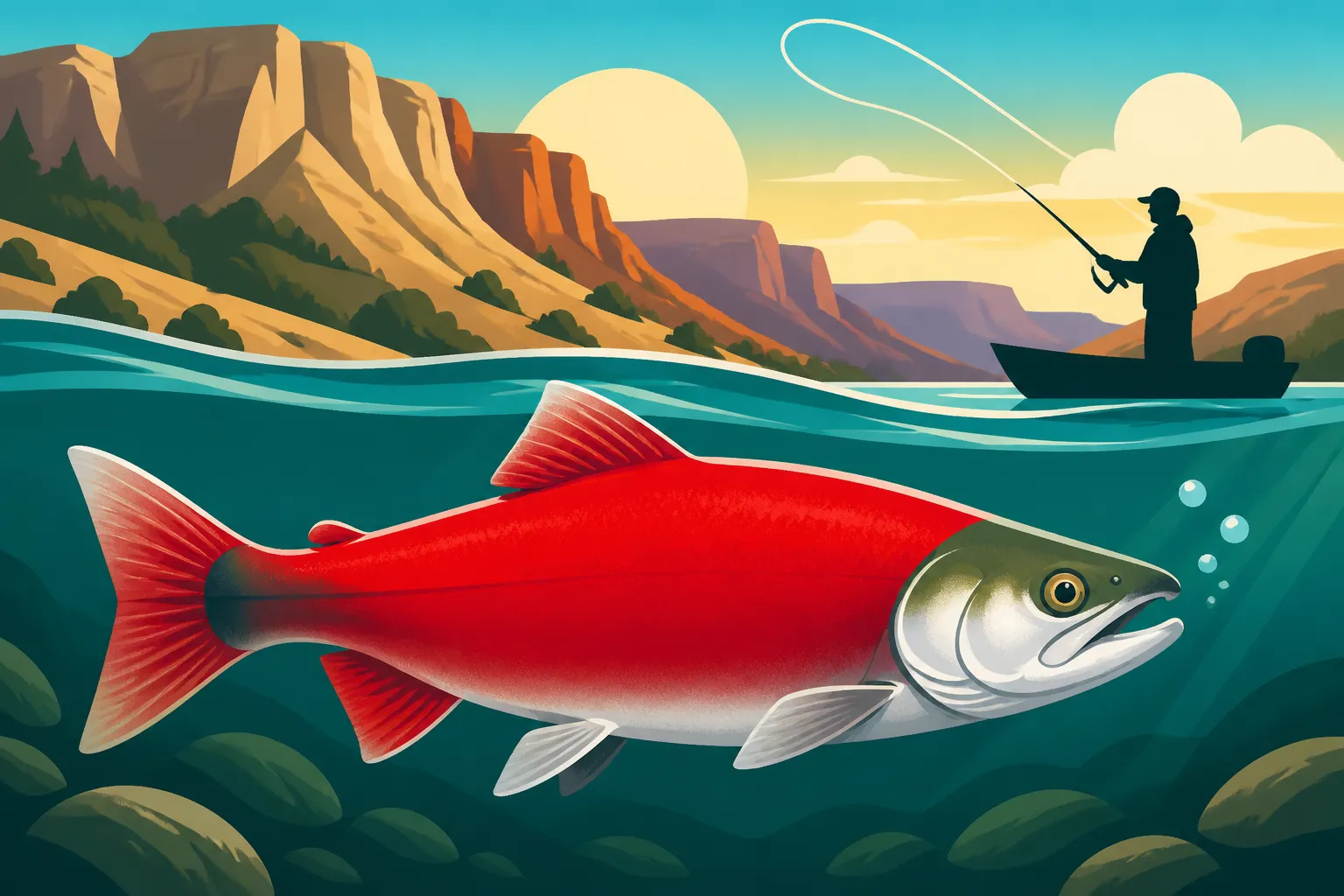
As fall approaches, mature Kokanee undergo a dramatic transformation. Their silver bodies turn a brilliant red, and males develop a distinctive hooked jaw (kype) and a humped back. They migrate upstream into the river arms of the lake, particularly the San Juan River arm, to spawn. During this time, they cease feeding, focusing entirely on reproduction. While snagging is a common method for targeting these fish during the spawning run in some locations, it's crucial to be aware of and adhere to the New Mexico Salmon Snagging Season dates and regulations, which often specify certain areas and methods.
Seasonal Strategies for Navajo Lake Kokanee
Successfully catching Kokanee at Navajo Lake often comes down to understanding their seasonal movements and adjusting your tactics accordingly. Their preference for specific water temperatures dictates their depth and location throughout the year.
Spring: Post-Winter Awakening
As winter ice melts and spring begins to warm the surface waters of Navajo Lake, Kokanee start to become more active. They'll often be found in the upper water column, typically from the surface down to about 20 or 30 feet, as they move out of their deeper wintering grounds. This is a fantastic time for many anglers because the fish are often more accessible and willing to bite after a colder, less active period. Look for them in areas where snowmelt or tributary streams are bringing in fresh nutrients, which can concentrate their planktonic food source.
During spring, trolling at slower speeds can be very effective. Many anglers find success by using small dodgers or flashers in combination with tiny Kokanee spoons, hoochies, or even corn-tipped wedding rings. The key is often bright colors and subtle action to entice a bite. It's also a time when the fish can be more scattered before forming tighter schools in the summer heat. Covering water is essential, often by zig-zagging patterns across productive areas, paying close attention to your fish finder for any signs of baitfish or arches indicating Kokanee schools.
Summer: Deep Water Pursuits
Once the scorching New Mexico summer heat sets in, the surface waters of Navajo Lake warm considerably, pushing Kokanee into deeper, cooler zones. This is when they really start to seek out the thermocline. You'll typically find them suspended anywhere from 30 to 80 feet deep, sometimes even deeper, depending on the specific lake conditions and the depth of the oxygen-rich cold water. This deep-water pursuit often requires specialized gear, like downriggers, to consistently present your lures at the precise depth where the fish are holding.
Summer fishing often means early morning starts or late evening sessions when the sun is less intense, and the fish might temporarily move slightly shallower. Keep a keen eye on your fish finder, not just for individual fish, but for those tell-tale dense clouds of baitfish or stacked arches that indicate a Kokanee school. Once you locate a school, staying on top of them can be the biggest challenge. Drifting over them, or making repeated trolling passes through the school, can yield consistent hook-ups. Remember that scent is crucial in deeper, darker water, so don't forget to tip your lures with Pautzke's Bait Fuel or corn.
Fall: The Spawning Run Spectacle
As autumn's crisp air arrives and water temperatures begin to drop, mature Kokanee undergo their most dramatic transformation and begin their spawning run. Their bodies turn brilliant red, and males develop their distinctive kype. They migrate from the main body of Navajo Lake into the river arms, particularly the San Juan River, seeking suitable gravel beds to spawn. During this period, their primary focus shifts entirely from feeding to reproduction, making them incredibly difficult to catch on traditional lures.
For many, the fall spawning run means a shift in tactics. While regulations can vary, some areas and times might allow for snagging, which is a method of foul-hooking fish, as they are no longer actively biting. It's absolutely imperative to check the current New Mexico Fishing Regulations Overview for specific rules regarding snagging seasons, legal areas, and possession limits. Some stretches of the river might have special restrictions or be designated as catch-and-release only. If you do engage in snagging, remember to handle fish ethically and only keep those within legal limits. After the spawning event, these fish will complete their life cycle.
Essential Gear and Techniques for Kokanee
Chasing Kokanee successfully at Navajo Lake isn't just about luck; it's about having the right tools and knowing how to use them. These fish respond best to specific presentations, and a bit of specialized gear can make all the difference.
Specialized Trolling Setups
Trolling is by far the most effective method for consistently catching Kokanee in Navajo Lake. Because these fish are often suspended in the water column and move in schools, covering water and presenting your lure at the exact depth they're holding is critical. This usually means a boat equipped with downriggers. Downriggers allow you to precisely control the depth of your lure, sending it down to where your fish finder indicates the Kokanee are schooling. Look for sturdy models that can handle weights up to 10-12 pounds for deep water.
For the rod and reel setup, lighter tackle is preferred to maximize the fight. Many anglers opt for a medium-light action spinning rod or a dedicated Kokanee trolling rod (often fiberglass for a softer tip) in the 6 to 8-foot range, paired with a small baitcasting reel or spinning reel spooled with 8-10 pound monofilament or fluorocarbon line. The forgiving action of the rod helps absorb the Kokanee's headshakes and prevents hooks from tearing out of their soft mouths. Additionally, having multiple rod holders strategically placed around your boat allows you to run several lines at different depths or with different lure combinations, increasing your chances of finding what the fish want. Checking out product reviews on sites like Amazon can give you insights into durable and effective downriggers or specialized rods before you invest.
Lures, Baits, and Scent Secrets
Kokanee are attracted to flash, vibration, and color, but often in subtle ways. The "system" usually involves a dodger or a flasher followed by a short leader (typically 8-18 inches) to a small lure. Dodgers and flashers are designed to create commotion and erratic movement in the water, attracting Kokanee from a distance. Popular colors include chrome, gold, pink, green, and combinations thereof. Matching the size of your dodger or flasher to the size of your lure is important; too large, and it can overpower a small lure.
For the terminal tackle, tiny Kokanee spoons like Wedding Rings, Kokanee Killers, or Humdingers are excellent choices. Small hoochies (squid skirts) in pink, orange, or chartreuse are also deadly, often tipped with bait. And speaking of bait, this is where the "scent secret" comes in. Kokanee have an incredible sense of smell, and tipping your lure with something irresistible can be the difference between a slow day and a hot bite. Canned ShoePeg corn, infused with scents like Anise, Garlic, or even a specialized Kokanee formula, is a perennial favorite. Keep a small cooler on board to store your corn and scent to keep it fresh and potent throughout the day. You can find a wide variety of these specialized scents and Kokanee-specific lures readily available on platforms like Amazon if your local tackle shop has a limited selection.
Electronics for Success
In a vast, deep lake like Navajo, electronics are not just a luxury; they're almost a necessity for consistent Kokanee success. A good fish finder is your best friend. It allows you to:
- Locate schools: Look for distinct arches or dense clouds of baitfish, often suspended in the middle of the water column. Kokanee typically school tightly.
- Identify the thermocline: Many modern fish finders can display water temperature at different depths, helping you pinpoint the optimal temperature zone where Kokanee are likely to be.
- Monitor depth: Crucial for setting your downriggers to the exact depth where fish are present.
- Track bottom structure: While Kokanee are pelagic, understanding the general topography can help you predict where they might move or funnel through.
Beyond the fish finder, a GPS unit (either standalone or integrated into your fish finder) is invaluable. It helps you mark productive spots, trace your trolling paths, and navigate back to areas where you've had success. Keeping a log of your successful depths, speeds, lure colors, and GPS coordinates can help you develop patterns and become a more effective Kokanee angler over time. Best Fish Finders for New Mexico Reservoirs can help you choose the right unit.
| Season | Typical Depth Range (Feet) | Preferred Trolling Speed (MPH) | Common Lure Colors | Scent Tips |
|---|---|---|---|---|
| Spring | 15-30 | 1.0-1.5 | Pink, Orange, Chartreuse | Garlic, Anise, plain corn |
| Summer | 30-80+ | 0.8-1.2 | Green, Blue, Purple, Silver | Garlic, Bloody Tuna, Kokanee-specific |
| Fall | Surface to 30 (spawners) | 0.5-1.0 (non-spawners only) | Red, Orange, Gold | Less effective for spawners; focus on visual |
Navajo Lake Specifics: Access, Conditions & Regulations
Fishing Navajo Lake for Kokanee means understanding not just the fish, but also the lake itself. From where to launch your boat to the specific rules that apply, being prepared will ensure a smoother and more enjoyable experience.
Boat Ramps and Preferred Launch Points
Navajo Lake boasts several boat ramps and access points, and your choice can depend on which section of the lake you plan to fish, your boat size, and current water levels. The main boat ramps are typically located at the two state parks: Navajo Lake State Park in New Mexico and Navajo State Park in Colorado. The New Mexico side generally offers more extensive facilities and ramps suitable for larger vessels. Popular launch points include the Sims Mesa and Two Rivers ramps. These areas provide good access to the main body of the lake where Kokanee are often found.
Before heading out, it's always a good idea to check the current conditions. Water levels at Navajo Lake can fluctuate, sometimes significantly, impacting ramp accessibility. A ramp that's perfect one month might be difficult or even unusable the next. Information on Navajo Lake Boat Ramps or calling the state park office can provide up-to-date details on ramp status, water levels, and any temporary closures. Given the size of the lake, having a reliable boat that can handle open water conditions is important.
Water Levels and Their Impact
Water levels are a critical factor that can influence Kokanee fishing at Navajo Lake. High water might spread fish out into flooded timber or new areas, while low water can concentrate them in main channels or specific deep pockets. Low water also impacts ramp accessibility and can expose hazards like submerged rocks or stumps that are usually well below the surface. Always pay attention to official reports on current lake levels and use caution when navigating, especially in unfamiliar areas.
Fluctuating water levels can also affect the thermocline and the availability of plankton, which directly influences where Kokanee will hold. If water levels drop significantly, fish might be forced into smaller, deeper basins, making them easier to locate but potentially more stressed. Conversely, very high water might disperse them. Adapting your depth presentations and trolling patterns based on current lake levels is a mark of an experienced Kokanee angler.
Navigating Regulations for Kokanee
Fishing in New Mexico, especially for popular species like Kokanee, comes with specific regulations designed to protect the fishery and ensure sustainability. For Kokanee, these typically involve bag limits, possession limits, and specific rules regarding the spawning season. The most crucial thing you can do is obtain the most recent New Mexico Fishing Regulations Overview guide, published annually by the New Mexico Department of Game and Fish. This booklet is your bible for what's allowed and what's not.
Pay close attention to any special regulations that might apply to Navajo Lake specifically, or to the San Juan River arm during the fall spawning run. These might include tackle restrictions (e.g., single barbless hooks only), catch-and-release only zones, or specific dates for salmon snagging. Understanding these rules is not just about avoiding a penalty; it's about being a responsible angler who contributes to the health of the fishery. A New Mexico Fishing License Guide will also outline all the necessary licenses and stamps required before you even cast a line. Remember, regulations are there for a reason, and adherence ensures that Navajo Lake remains a fantastic Kokanee destination for years to come.
Common Challenges and Solutions for Kokanee Fishing
Even with the right gear and knowledge, Kokanee can be challenging. They are notoriously finicky, and conditions on Navajo Lake can change rapidly. Being prepared to adapt and problem-solve is key to a successful day.
Reading the Lake and Locating Schools
One of the biggest hurdles in Kokanee fishing is simply finding the fish in such a large body of water. They are schooling fish, often suspended, meaning they don't relate to traditional structure in the same way a bass might. You might troll for hours without a bite, only to hit a school and have multiple hook-ups in quick succession. The frustration of covering miles of water with nothing to show for it is something many Kokanee anglers have faced.
The solution lies in a combination of good electronics and methodical exploration. Use your fish finder constantly, looking for those tell-tale arches or bait clouds. Don't just look for fish near the bottom; scan the entire water column. Start by identifying the thermocline, as this is often where Kokanee will hold in warmer months. Troll in wide zig-zag patterns to cover more water, varying your depths with multiple rods if possible. Pay attention to changes in depth, water temperature, and especially where you've had success in the past. If you mark fish but aren't getting bites, adjust your depth, speed, or lure. Persistence and observation are paramount.
Adapting to Finicky Bites
Kokanee are known for their subtle, often almost imperceptible bite. Sometimes it's just a slight twitch of the rod tip, or the line might go slack for a second. Many anglers initially mistake these for snagging weeds or just the action of their dodger. This finicky nature can be incredibly frustrating, especially when you're convinced fish are present.
To combat this, pay extreme attention to your rod tip. Dedicated Kokanee rods often have a very soft, sensitive tip that will register even the slightest tap. Watch for any deviation from the normal action of your dodger. Another common tactic is to use a light drag setting. Kokanee have soft mouths, and a heavy drag can quickly tear the hook out. Let the rod do the work, absorbing the shock of the hookset and the initial runs. Experiment with leader length behind your dodger/flasher; sometimes a longer leader provides a more natural lure action, while other times a shorter one keeps the lure closer to the attractor. Don't be afraid to change lure colors, sizes, or scents frequently until you find what triggers a bite.
Handling and Releasing Kokanee
Catching Kokanee is a thrill, but handling them correctly, especially if you plan to release them, is vital for their survival. Their delicate nature and soft mouths make them prone to injury if not handled with care. If you're on a New Mexico Catch and Release Regulations water, or simply want to release a fish, quick and gentle handling is paramount.
When you land a Kokanee, try to keep it in the water as much as possible. Use a rubberized net, which is much gentler on their scales and slime coat than traditional nylon nets. If you need to handle the fish, wet your hands thoroughly before touching it. Avoid squeezing its body, particularly around the gills or belly. Use needle-nose pliers or a hook-remover tool to quickly and gently extract the hook. If the hook is deeply set and removal would cause excessive damage, it's sometimes better to cut the line as close to the hook as possible. When releasing, hold the fish gently in the water, facing into the current, until it regains its strength and swims away on its own. This thoughtful approach helps ensure the future of the Kokanee fishery at Navajo Lake.
Disclaimer
This article is for general informational purposes only and does not constitute professional advice. Laws, prices and regulations vary by location and change over time. Consult a qualified professional for guidance on your specific situation.