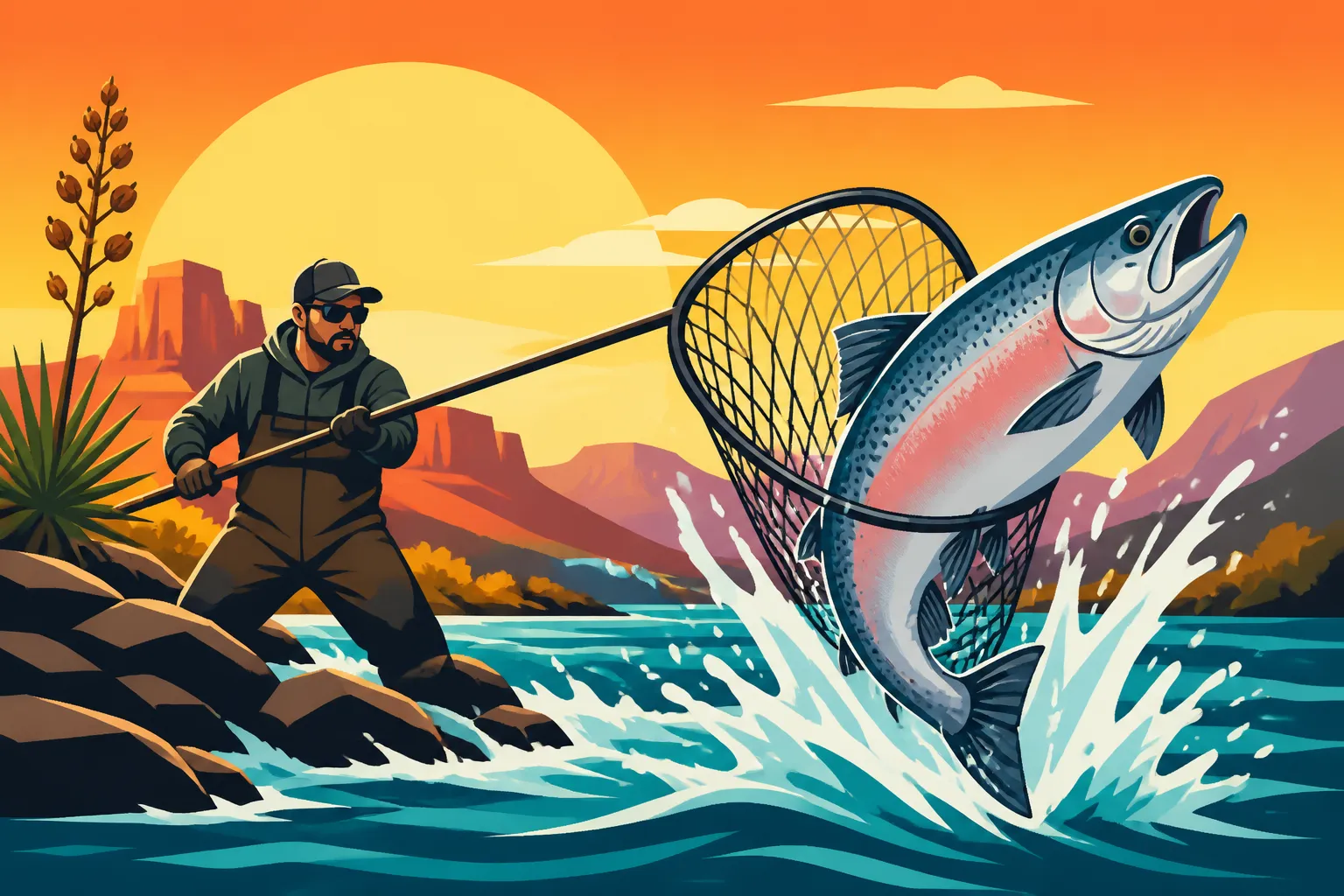
New Mexico Salmon Snagging Season
Trying to figure out when and where you can legally partake in the exciting annual kokanee salmon snagging season in New Mexico can often feel like deciphering a secret code. The dates shift, the rules have nuances, and knowing which lake is the place to be can make all the difference between a successful outing and a frustrating one. This comprehensive guide is here to cut through the confusion, helping you understand the ins and outs of New Mexico's kokanee salmon snagging, from season specifics to the gear you'll need and the rules you absolutely must follow.
Understanding Kokanee Salmon in New Mexico's Waters
Before we dive into the specifics of snagging, let's talk a little about the star of the show: the kokanee salmon. These aren't your typical ocean-going salmon; they're actually a landlocked subspecies of sockeye salmon, and they've carved out a unique existence in some of New Mexico's larger, colder reservoirs.
What Makes Kokanee Unique
Kokanee salmon are fascinating fish. Unlike their anadromous sockeye cousins that migrate from fresh water to the ocean and back, kokanee live their entire lives in freshwater lakes and reservoirs. They thrive in deep, cold waters, spending most of their lives feeding on zooplankton. But their life cycle has a dramatic, and for anglers, a very exciting, twist: they are semelparous, meaning they only spawn once in their lifetime, typically in the fall. After their arduous journey up rivers or into shallow lake coves to reproduce, they die, completing their cycle. This is precisely why the snagging season is so short and intense, focusing on these mature, actively spawning fish.
New Mexico's Department of Game and Fish (NMDGF) works hard to maintain healthy kokanee populations, primarily through stocking efforts. Lakes like Navajo Lake, Heron Lake, and occasionally Eagle Nest Lake have become renowned kokanee fisheries thanks to these initiatives. The fish grow to a respectable size, often ranging from 12 to 18 inches, providing a spirited fight and delicious table fare. For many anglers, the opportunity to target these vibrant, red-colored salmon during their spawning run is a highlight of the angling calendar.
The Urgency of the Snagging Season
The kokanee snagging season is fundamentally tied to this unique life cycle. As fall approaches, kokanee salmon undergo a striking transformation. Their silver bodies turn brilliant shades of red and green, their jaws become hooked (especially the males), and they develop a humpback. This physiological change prepares them for their final act: spawning. Once they begin this migration and transformation, they largely stop feeding. This makes them incredibly difficult to catch using traditional hook-and-line methods like bait or lures.
That's where snagging comes in. It's a specific technique designed to harvest these non-feeding, dying fish. Because these fish are at the very end of their lives, and because their populations are maintained through stocking, the NMDGF allows for a limited snagging season to permit anglers to harvest them before they naturally perish. It’s a conservation-minded approach that utilizes a natural resource that would otherwise go unharvested. However, the season is short, typically only a few weeks, making it a highly anticipated event for those who enjoy this unique form of fishing.
The Annual Kokanee Salmon Snagging Season Calendar
The kokanee salmon snagging season is one of the most dynamic fishing periods in New Mexico. Unlike year-round trout fishing in some areas, or consistent bass seasons, kokanee snagging dates are tightly managed and can vary slightly year to year based on environmental factors and fish maturity.
General Season Dates and Variations
Typically, the kokanee salmon snagging season in New Mexico kicks off in late September and runs through mid-October. However, it's absolutely crucial to understand that these dates are not set in stone and can be adjusted by the New Mexico Department of Game and Fish (NMDGF). The NMDGF closely monitors fish behavior, water temperatures, and the onset of the spawning run at specific lakes. If the fish mature earlier or later, the season might open or close accordingly.
This variability can be a source of frustration for anglers planning trips from afar. You might have your vacation days booked, only to find the season has been pushed back a week. This is why staying updated with the official NMDGF proclamations is paramount. They usually announce the confirmed dates for the specific waters a few weeks or even just days before the season opens. You'll find these updates on their website, and local tackle shops around the primary snagging lakes are usually well-informed. For a broader look at when you can expect different species to be active, you might want to check out the New Mexico Fishing Season Calendar.
Specific Lake Season Details
While kokanee salmon are found in a few New Mexico lakes, not all allow snagging, or the snagging season might be limited. The primary lakes for kokanee salmon snagging are Navajo Lake and Heron Lake.
Navajo Lake: The Premier Snagging Destination
Navajo Lake is undoubtedly the most popular and consistent destination for kokanee salmon snagging. Its deep, cold waters provide an ideal habitat for these salmon, and the lake sees a robust spawning run each fall. The snagging season at Navajo Lake often begins in late September and can run for two to three weeks. Specific areas of the lake, particularly near the dam and in the upper reaches of the Pine River and San Juan River arms, become hotbeds of activity as fish congregate to spawn.
Anglers often find themselves fishing from the bank or from boats in relatively shallow coves or along steep drop-offs where the salmon stage. The sheer number of fish in these areas during the peak of the run can be astounding, making for an incredibly exciting, albeit physically demanding, fishing experience. For a more detailed look into this specific fishery, check out our Navajo Lake Kokanee Salmon Fishing guide.
Heron Lake: Another Productive Snagging Lake
Heron Lake, located north of Abiquiu, is another fantastic kokanee fishery and often hosts a snagging season. While it might not draw the same massive crowds as Navajo Lake, it offers an equally rewarding experience. The season at Heron Lake typically aligns closely with Navajo Lake's, also starting in late September or early October.
Similar to Navajo, the kokanee at Heron will congregate in specific areas as they prepare to spawn. Anglers often target areas near the dam or where tributary streams enter the lake. Heron Lake is a "no-wake" lake, which creates a much calmer fishing environment, something many anglers appreciate. However, boat access might be more limited to certain ramps, so planning ahead is key. You can learn more about this fishery in our Heron Lake Kokanee Salmon Fishing resource.
Eagle Nest Lake: Limited Snagging Opportunities
Eagle Nest Lake, high in the mountains of Northern New Mexico, is renowned for its kokanee salmon, but snagging opportunities here are often more restricted or not permitted, primarily focusing on traditional hook-and-line methods like trolling during the summer months and ice fishing in winter. Always consult the latest NMDGF regulations booklet or website for specific details on Eagle Nest Lake before planning a snagging trip, as rules can differ significantly from Navajo or Heron.
Rules and Regulations for Salmon Snagging
Successfully participating in the New Mexico kokanee salmon snagging season isn't just about knowing when and where; it's critically about understanding and adhering to the specific rules set forth by the New Mexico Department of Game and Fish. Ignoring these regulations can lead to fines and a ruined fishing trip.
Licensing Requirements
Before you even think about casting a line, you need to ensure you have the proper documentation. Every angler aged 18 or older needs a valid New Mexico fishing license. This isn't just for snagging; it's a fundamental requirement for all fishing in the state. If you're an adult resident, you'll need a New Mexico Annual Fishing License or a short-term equivalent. Non-residents also have various options, but the principle is the same.
In addition to your basic fishing license, you will also need a Habitat Management and Access Validation (HMAV) stamp. This stamp is required for anyone 18 years or older who is hunting, fishing, or trapping on most public lands in New Mexico. It's a vital part of funding conservation efforts and ensuring access to these incredible outdoor spaces. You can purchase your license and stamp easily online through the NMDGF website, or from various vendors across the state. Without these two pieces of documentation, you are fishing illegally.
Legal Snagging Methods
This is where salmon snagging diverges sharply from traditional fishing. Snagging, by its very definition, means catching a fish by impaling it with a hook in any part of its body other than the mouth. While generally illegal for most species, it's specifically permitted for kokanee salmon during their designated spawning runs in specific waters.
The NMDGF sets strict guidelines for legal snagging. Typically, you'll be allowed to use a single rod and reel. The type of hook is often regulated; it must be a multi-pointed hook (treble hook) designed for snagging, and there might be limitations on the hook gap or size. Unlike trout fishing in quality waters where only single, barbless hooks are allowed (as covered in New Mexico Trout Fishing Rules), snagging uses very different gear. Always consult the current NMDGF fishing proclamation for the precise legalities surrounding hooks, weights, and retrieval techniques for the current year. Any attempt to "snag" fish outside the designated season or for other species is illegal and will be prosecuted.
Bag and Possession Limits
Even during the open snagging season, there are limits to how many kokanee salmon you can take. These limits are in place to ensure a sustainable harvest and prevent overexploitation, even of dying fish. The typical daily bag limit for kokanee salmon during the snagging season is 10 fish per person. This means you can keep up to 10 kokanee salmon that you snagged within a 24-hour period.
The possession limit, which is the total number of fish you can have in your possession at any given time (including those at your campsite, vehicle, or home), is usually 20 fish per person. This allows for multi-day trips where you might catch your limit on consecutive days. It is critical to accurately count your fish and cease snagging once you reach your daily limit. Game wardens actively patrol these areas during the season, and ignorance of the law is not a valid excuse for exceeding limits. Properly counting and managing your catch is part of being a responsible angler.
Prohibited Activities
Beyond the obvious violation of not having a license, several activities are strictly prohibited during the snagging season. These often include:
- Snagging outside designated waters or seasons: This is the most crucial rule. Snagging is only permitted for kokanee salmon during their specific spawning runs in lakes like Navajo and Heron. Attempting to snag trout, bass, or any other species, or to snag kokanee outside the open season, is illegal.
- Using illegal gear: Any hook configuration or method not explicitly permitted by the NMDGF for snagging is prohibited.
- Wasting game fish: While snagging targets fish nearing the end of their lives, you are still expected to harvest and utilize any fish you keep. Catch-and-release is not typically the intent during the snagging season for kokanee.
- Interfering with others: Respect other anglers, whether they are snagging or attempting to fish with traditional methods.
Always review the current New Mexico Fishing Regulations Overview for the most up-to-date and specific rules before heading out. The NMDGF publishes a new rulebook each year, and changes do occur.
Prime Locations for New Mexico Salmon Snagging
When it comes to kokanee salmon snagging in New Mexico, a few locations stand out as the undisputed champions. These lakes offer the best conditions and the most reliable runs for this unique autumn fishery.
Navajo Lake: The Premier Snagging Spot
Navajo Lake, located in the Four Corners region of New Mexico near Farmington and Bloomfield, is arguably the top destination for kokanee salmon snagging. Its sheer size, depth, and the consistent stocking efforts by the NMDGF mean that it sustains a phenomenal kokanee population. As fall sets in, these salmon begin their annual spawning migration, concentrating in specific areas that become prime snagging grounds.
Key Snagging Areas and Optimal Conditions
The most popular snagging spots at Navajo Lake are typically found in the Pine River Arm and the San Juan River Arm, particularly upstream from the main lake body. As the water levels drop and temperatures cool, the kokanee push into these shallower, riverine sections. Areas near the Sims Mesa boat ramp and the coves leading into the Pine River inlet are often productive. Many anglers also find success fishing from the bank along the steep canyon walls where the salmon "stage" before moving further upstream.
Optimal conditions for snagging at Navajo Lake usually involve cooler, clear mornings following a cold night. Overcast days can also be productive. Water levels play a significant role; lower water levels can concentrate fish into smaller areas, making them easier to locate. However, extremely low water can also make access difficult. Anglers often keep an eye on river flow data for the Pine and San Juan Rivers, as increased flows can trigger more aggressive spawning movements. During peak season, you'll see dozens, sometimes hundreds, of anglers lining the banks and dotting the water in boats, all focused on the same goal.
Heron Lake: A Calm Alternative
Heron Lake, nestled in the mountains near Chama, offers a slightly different, often more serene, snagging experience compared to the bustling scene at Navajo Lake. As a "no-wake" lake, the fishing environment is much calmer, making it appealing for those who prefer peace and quiet while they fish.
Heron Lake's Snagging Hotspots and Timing
The kokanee run at Heron Lake typically mirrors that of Navajo Lake, usually kicking off in late September or early October. The most productive areas for snagging are often found near the dam, particularly the rocky shoreline and coves on the east side, and where the Willow Creek Arm feeds into the lake. These are the traditional spawning grounds for the kokanee in Heron.
Anglers at Heron often utilize smaller boats, kayaks, or even float tubes to reach prime spots, though plenty of bank access is available. The clarity of the water at Heron can be exceptional, so sometimes stealth is a bit more important. The fish here can be just as large and numerous as at Navajo, making it a very worthwhile destination for those willing to make the drive. Always remember to check the specific opening dates for Heron Lake, as they can sometimes differ slightly from Navajo.
Eagle Nest Lake: A Different Kokanee Experience
While Eagle Nest Lake certainly boasts a thriving kokanee salmon population, it's generally known more for its outstanding trout and summer kokanee fishing (typically trolling with lures). Snagging here, if permitted at all, is much less common and often restricted or disallowed entirely.
If you're specifically looking to snag kokanee, your best bets are unequivocally Navajo Lake and Heron Lake. For those interested in catching kokanee at Eagle Nest through traditional methods, however, summer and early fall trolling can be incredibly productive, often yielding limits of delicious fish. Always double-check the current New Mexico fishing regulations for Eagle Nest Lake before making plans for any type of kokanee harvest.
Essential Gear for a Successful Snagging Trip
Salmon snagging is a physically demanding and specialized form of fishing. Having the right gear isn't just about comfort; it's about efficiency, safety, and compliance with regulations. Don't show up with your ultralight trout setup expecting to land a limit of kokanee!
Rods, Reels, and Line: Built for Power
You're not finesse fishing when you're snagging. You need a setup that can handle heavy weights, cast long distances, and provide the brute force needed to hook and haul in a salmon.
Rods and Reels for Snagging
A heavy-action casting rod, typically 7 to 9 feet long, is ideal. Look for rods rated for at least 1-4 ounces of lure weight, if not more, and a heavy line rating. This kind of rod has the backbone to propel heavy snagging weights and withstand the strain of bringing in a powerful fish, especially if you snag it in the body. Pairing this with a robust baitcasting reel or a large, durable spinning reel (like a 4000-6000 series) is crucial. Your reel needs to have a smooth, powerful drag system and enough line capacity to hold heavy mono or braided line. Brands like Penn, Shimano, and Daiwa offer excellent options that can stand up to the challenge.
Line Strength and Type
For line, don't skimp on strength. Most experienced snagging anglers opt for 20-30 pound test monofilament or, even better, 40-65 pound test braided line. Braided line offers superior sensitivity, minimal stretch, and incredible strength for its diameter, which is a huge advantage when you're trying to feel for that subtle "thump" of a snag. If you use braid, a leader of 20-30 pound monofilament or fluorocarbon is often tied on to absorb shock and provide a bit of invisibility, though for snagging, visibility is less of a concern than pure strength. You can find a wide variety of these specialized lines on Amazon, ensuring you have reliable gear for your trip.
Snagging Rigs and Hooks: Specialized Equipment
This is where the gear becomes truly unique to snagging. You won't be using small, finesse hooks.
Hooks and Weights
The core of a snagging rig is a large, heavy treble hook. These hooks are designed to maximize the chance of impaling a fish. Common sizes range from 4/0 to 8/0, but always check local regulations for any size or type restrictions. Many anglers prefer hooks that are incredibly sharp and durable. Below the hook, or integrated into the rig, you'll need substantial weight to get your rig down quickly and cast effectively. Pyramid sinkers, bell sinkers, or specialty snagging weights weighing from 1 to 4 ounces are common. The weight helps you cast far and sink fast, which is key in potentially strong currents or crowded areas.
Rig Configuration
A typical snagging rig involves tying the heavy treble hook directly to your main line or leader, with the weight positioned above the hook, usually 12-24 inches away. Some anglers use a three-way swivel, with one eye for the main line, one for a shorter leader to the hook, and one for a dropper line to the weight. The exact setup might vary, but the goal is always the same: get the heavy, multi-pointed hook into the vicinity of the tightly schooled salmon. You can often purchase pre-tied snagging rigs online or at local tackle shops around Navajo Lake or Heron Lake.
Clothing and Safety: Prepare for Anything
New Mexico fall weather can be notoriously unpredictable, especially in the mountains. Preparation is key.
Waders and Layered Clothing
If you plan to fish from the bank, especially in the river arms, a good pair of neoprene or breathable waders is invaluable. The water will be cold, and staying dry is crucial for comfort and safety. Combine this with waterproof wading boots that offer good grip on slick rocks. Beneath your waders, layer up! Early mornings can be frosty, but midday can warm up considerably. Thermal underwear, fleece, and a waterproof, windproof outer shell are highly recommended. Many anglers find it convenient to order their durable fishing rain gear from Amazon before heading out, ensuring they're prepared for any sudden showers.
Personal Flotation Devices (PFDs)
If you're fishing from a boat, kayak, or even a float tube, PFDs are non-negotiable. New Mexico boating laws require easily accessible PFDs for every person on board, and children 12 and under must wear them at all times. Even if you're a strong swimmer, cold water immersion can quickly incapacitate you. Play it safe and wear your life vest.
Other Useful Tools: Enhancing Your Experience
A few other items can make your snagging trip more productive and enjoyable.
- Cooler and Ice: You'll want to keep your catch fresh. A large cooler packed with ice is essential, especially if you plan to stay for a few days.
- Fish Stringer or Basket: To temporarily hold your fish in the water while you continue snagging, a sturdy stringer or a floating fish basket can be very useful.
- Pliers and Gloves: Removing deeply embedded treble hooks can be tough on your hands. A good pair of long-nose pliers or hook removers, along with a pair of durable gloves, will protect your hands.
- Camera: To capture those vibrant, red salmon and the scenic New Mexico fall colors.
- Headlamp: For early morning starts or late evening finishes.
- Sunscreen and Hat: Even in fall, the New Mexico sun can be intense, especially at higher elevations or on open water.
Having a good gear setup, much of which can be ordered easily from online retailers like Amazon, will dramatically increase your chances of a successful and comfortable snagging trip. For a more exhaustive list, consider checking out our Gear Checklist for Snagging Salmon at Navajo Lake.
| Lake Name | Typical Snagging Season | Primary Access Types | Special Regulations | Key Species |
|---|---|---|---|---|
| Navajo Lake | Late Sep – Mid Oct | Boat, Bank | Specific daily/possession limits. Check for area closures. | Kokanee, Trout |
| Heron Lake | Late Sep – Mid Oct | Boat (No-Wake), Bank, Kayak | "No-wake" lake. Specific daily/possession limits. | Kokanee, Trout |
| Eagle Nest Lake | Generally Not Permitted* | Boat (Trolling), Ice Fishing | Primarily traditional methods for Kokanee. | Kokanee, Trout |
*Always consult the current NMDGF fishing proclamation for exact rules and dates for all bodies of water, as regulations can change annually.
Tips for Effective and Ethical Salmon Snagging
Snagging kokanee salmon is a unique fishing experience, and like any specialized technique, there are tricks to being effective while also upholding ethical angling practices. It’s about more than just brute force; it’s about understanding the fish and the environment.
Reading the Water and Fish Behavior
The key to successful snagging is finding the concentrations of spawning salmon. These fish will be actively seeking out suitable areas to lay their eggs and fertilize them.
Locating Spawning Fish
As the season progresses and the water cools, kokanee will move out of the deeper parts of the lake and into shallower coves, river inlets, and along rocky shorelines. Look for areas with gravel beds, as these are prime spawning grounds. Visual cues are paramount: you’ll often see flashes of red in the water, or even entire schools of salmon just below the surface or rolling at the top. The fish will be less interested in feeding and more focused on their reproductive drive.
Pay attention to subtle movements in the water – ripples, disturbances, or dark masses that might indicate a school. Sometimes, a subtle vibration in the rod tip or a slight drag on your line can tell you you've just cast through a school. These fish won't be actively chasing lures, so understanding their staging and spawning patterns is your primary strategy. Observing where other successful anglers are concentrating their efforts can also be a strong indicator.
Casting and Retrieval Techniques
Once you’ve located the fish, the actual snagging technique involves a specific motion designed to hook the non-feeding salmon.
The "Snagging" Motion
The basic technique involves casting your heavy snagging rig out into the suspected area where salmon are congregated. Allow it to sink to the depth where you've observed fish (or where you expect them to be, often just off the bottom or in the middle water column if they're schooling higher). Once it's at depth, you use a series of sharp, upward jerks of your rod tip, immediately followed by reeling in the slack as the weight drops. This "lift and drop" motion causes the treble hook to sweep through the water column. The goal is for the hook to come into contact with a fish and snag it. It's a rhythmic, repetitive action.
You'll quickly learn the difference between bumping the bottom and feeling the resistance of a fish. When you feel that solid thump or resistance, set the hook hard and prepare for a fight! Even though they're spawning, these fish are still powerful and can put up a surprisingly strong struggle. Maintaining a tight line and working the fish in swiftly is important to avoid losing it and to minimize stress, especially if you happen to hook one that isn't quite ready to die.
Handling Your Catch Ethically
While snagging focuses on fish at the end of their life cycle, it's still important to handle them responsibly and ethically.
Quick Processing
Once a fish is snagged, it’s best to bring it in quickly and dispatch it humanely. Have a plan for how you’ll kill and bleed the fish immediately. A quick, sharp blow to the head is effective. Bleeding the fish immediately by cutting a gill arch will improve the quality of the meat. These fish are delicious, but like any salmon, they deteriorate quickly if not handled properly. Get them on ice in your cooler as soon as possible. Remember, you're permitted a specific daily bag limit, so respect that and stop fishing once you've reached your allowed number. Our guide on Catch and Release Best Practices in New Mexico highlights ethical handling, and while snagging is harvest-oriented, the principle of minimizing suffering still applies.
Respecting Others and the Environment
The snagging season can draw large crowds, especially at popular spots like Navajo Lake. Practicing good angling etiquette is crucial. Give other anglers ample space, avoid casting over their lines, and keep noise levels down. Pack out everything you pack in, and dispose of fish waste properly. Leave the shoreline cleaner than you found it. Respecting tribal lands and private property boundaries is also vital, as some prime areas may be restricted. If you plan to fish tribal lands, you'll need additional permits beyond your state license, as outlined in our Fishing Tribal Land in New Mexico Without a State License article.
By following these tips and respecting the regulations and the environment, you can have a highly successful and enjoyable kokanee salmon snagging experience in New Mexico, turning an annual natural phenomenon into a rewarding fishing adventure.
Disclaimer
The information provided in this guide is for general informational purposes only and is subject to change. Fishing regulations, season dates, and licensing requirements are set by the New Mexico Department of Game and Fish and can be updated annually. It is the responsibility of every angler to consult the official NMDGF fishing proclamation and regulations guide for the most current and accurate information before engaging in any fishing activities. We are not responsible for any violations or consequences resulting from reliance on this information.