Heron Lake Kokanee Salmon Fishing
Oh, the elusive Kokanee salmon! If you’ve ever cast a line into the beautiful, deep blue waters of Heron Lake, you know there’s something truly special about this place. But let's be honest, trying to pinpoint and entice those vibrant, landlocked salmon can feel like an unending mystery. Many anglers, myself included, have spent hours out on the lake, scratching their heads and wondering exactly where these silver bullets are hiding and what they're biting on. This guide is here to unravel those mysteries, offering a comprehensive look at how to successfully fish for Kokanee salmon on Heron Lake, helping you turn those frustrating days into memorable catches.
Understanding Heron Lake's Kokanee Population
Heron Lake, nestled in the stunning high country of northern New Mexico, isn't just a pretty face; it's a cold-water haven for a variety of fish species, with Kokanee salmon being one of its brightest stars. These landlocked sockeye salmon are incredibly popular targets for anglers due to their spirited fight and delicious table fare. But what makes them thrive here, and how did they even get to this high desert lake?
The Origins and Habitat of Heron Lake Kokanee
Kokanee salmon aren't native to New Mexico, but rather were introduced to provide a unique sport fishery. They thrive in cold, deep, oligotrophic lakes – meaning lakes with low nutrient content, high oxygen levels, and clear water. Heron Lake fits this bill perfectly, with depths reaching over 190 feet and consistently cool temperatures, especially in its deeper sections, making it an ideal environment for these finicky fish. The New Mexico Department of Game and Fish actively manages the Kokanee population through stocking programs, ensuring a healthy and vibrant fishery for anglers to enjoy year after year. These fish spend most of their lives in the deeper, cooler parts of the lake, feeding on zooplankton. They are a schooling fish, which means if you find one, you're likely to find many more. This schooling behavior is key to successful Kokanee fishing, as it allows anglers to target concentrations of fish once located.
Life Cycle and Behavior Patterns
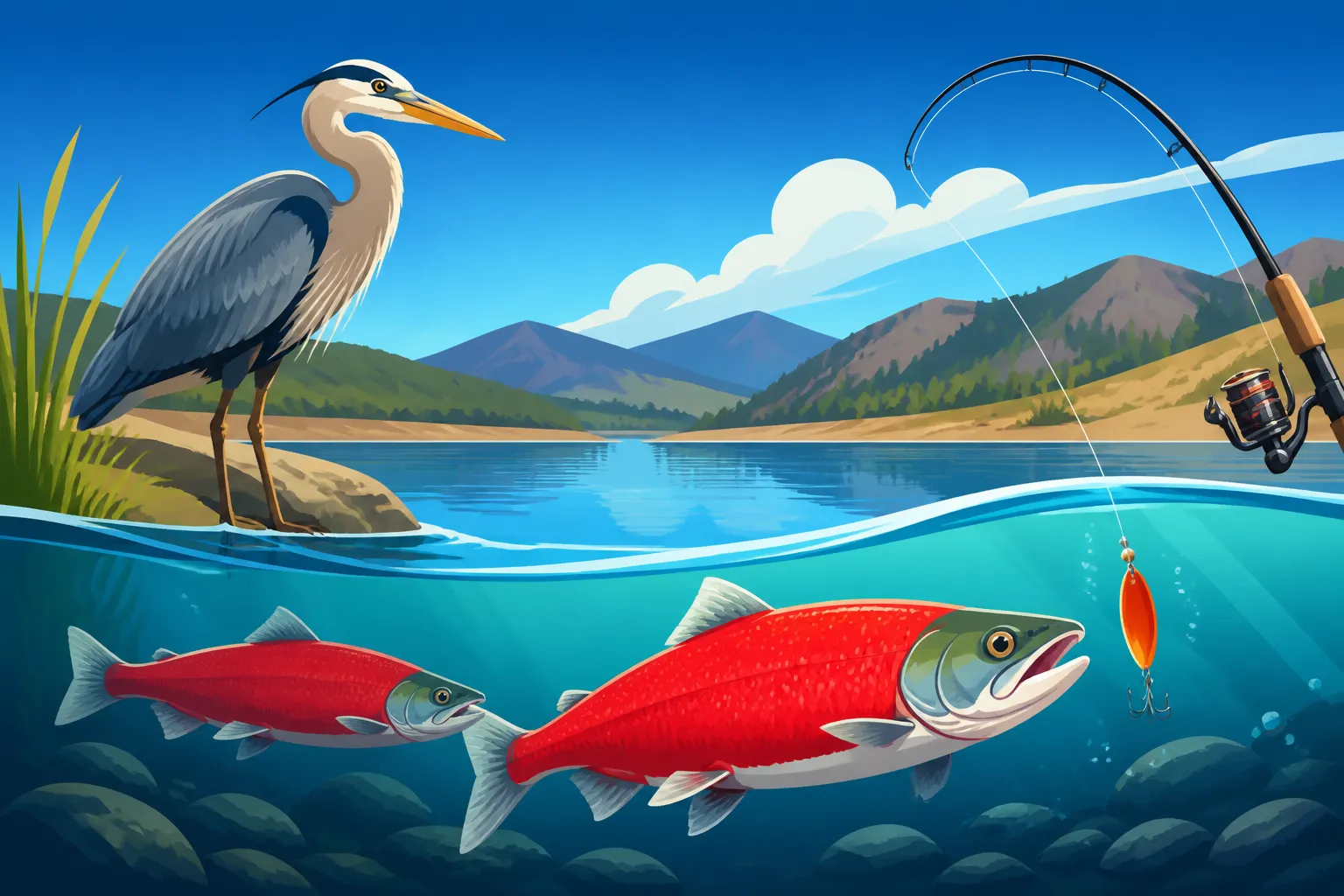
The Kokanee salmon's life cycle is a fascinating one, deeply influencing their behavior and, consequently, your fishing strategy. They typically live for about three to four years, growing steadily throughout their lives. As they approach maturity, usually in the late summer and fall, their behavior undergoes a dramatic transformation. They begin to change color, turning from their characteristic silver to a brilliant red, and the males develop a distinctive hooked jaw (kype) and a humped back. This is their spawning phase, a period when they migrate from the main body of the lake into the inflowing rivers or shallow spawning beds along the shoreline. During this time, they cease feeding, focusing all their energy on reproduction. Understanding this cycle is critical, as it dictates when and where you’ll find them, and even what techniques might be effective. For instance, during the non-spawning months, they'll be actively feeding in the open water, making trolling the primary method. However, during the snagging season, which typically opens in the fall, their focus on spawning makes traditional bait fishing less effective and often leads to specialized snagging techniques.
Seasonal Strategies for Heron Lake Kokanee
Fishing for Kokanee on Heron Lake isn't a "one-size-fits-all" endeavor. The changing seasons bring different water temperatures, varying depths where the fish will hold, and shifts in their feeding patterns. Knowing what to expect throughout the year is your secret weapon to consistent success.
Spring and Early Summer: Deep Water and Active Feeding
As the ice melts away in late winter and early spring, the Kokanee begin to become more active. The lake is often still quite cold, and fish will typically be found in the mid-to-deep water column, often around 20 to 40 feet initially, and then progressively deeper as the surface warms. This is a fantastic time for trolling, as the fish are actively feeding after the leaner winter months. The key during this period is to experiment with depths and speeds. Use your fish finder to locate schools, paying close attention to temperature breaks if your electronics allow. Small dodgers or flashers paired with kokanee-specific lures like Wedding Rings, Kokanee Killers, or small Hoochies in bright colors (pinks, oranges, chartreuse) are often highly effective. Tipping your lure with a kernel of Shoepeg corn soaked in a kokanee attractant can dramatically increase your strike rate. As spring turns to early summer, and surface temperatures rise, the Kokanee will generally push deeper, seeking out their preferred colder water.
Mid-Summer: The Deep-Water Challenge
Mid-summer on Heron Lake presents perhaps the greatest challenge for Kokanee anglers, but also the potential for the biggest rewards. The surface water can warm considerably, pushing the Kokanee into the deepest, coolest parts of the lake. They might be found anywhere from 40 to 80 feet deep, or even deeper in some years, congregating near the thermocline (the layer where water temperature changes rapidly). This is when downriggers become absolutely essential for consistently reaching the fish at their preferred depths. Without them, you're mostly guessing. Precision is paramount: pay close attention to your fish finder to mark schools and then set your downriggers to the exact depth where you're seeing activity. Keep experimenting with different lure colors and scents, as the fish can become more finicky in warmer weather. Early mornings and late evenings often offer the best bite, as these are times when the fish might move slightly shallower or become more aggressive.
Fall: Spawning Runs and Snagging Season
The fall is perhaps the most anticipated season for Kokanee anglers on Heron Lake, as it marks the beginning of their spawning migration. As water temperatures begin to cool, typically in September and October, the Kokanee start their incredible transformation, changing color and moving towards their spawning grounds in the inflowing rivers, primarily the Chama River, and some shallower shoreline areas. During this period, the New Mexico Department of Game and Fish often opens a special "snagging season" for Kokanee. This is a very different technique from traditional rod-and-reel fishing. Anglers use heavy tackle with large, unbaited treble hooks to "snag" the fish as they congregate. It’s important to check the official New Mexico Fishing Regulations Overview for the exact dates and rules for snagging, as these can vary year to year. While snagging can be highly effective, it's also a time to remember the purpose: to harvest mature fish before they die naturally after spawning. You'll often find these fish in shallower water than during the summer, but they are no longer actively feeding on traditional lures.
Essential Gear and Tackle for Heron Lake
When you’re targeting Kokanee salmon on Heron Lake, you really can’t just show up with any old fishing pole and expect consistent results. These fish demand a bit of specialization, especially when it comes to presenting your lures at specific depths. Having the right gear isn't just a suggestion; it's a necessity for success.
Rods, Reels, and Line Selection
For trolling Kokanee, a light to medium-light action rod in the 6-foot to 8-foot range is ideal. Fiberglass rods or composite rods with a soft tip are often preferred because they absorb the sudden surges of a Kokanee strike without pulling the lure out of the fish's mouth. Pair this with a small baitcasting reel or a spinning reel loaded with 8-10 pound monofilament or fluorocarbon line. Monofilament offers a bit more stretch, which can be forgiving with the Kokanee’s delicate mouths, while fluorocarbon offers less stretch and better sensitivity, which some anglers prefer. Many seasoned Kokanee anglers also use lead core line or weighted trolling line if they don't have downriggers, as this helps get lures deeper. A common setup might be a 100-yard section of lead core line spliced to a monofilament backing, followed by a fluorocarbon leader. Remember, the presentation needs to be subtle but precise.
Lures, Baits, and Attractants
This is where the real fun begins! Kokanee are attracted to small, flashy, and often brightly colored lures that imitate zooplankton or other small forage. The absolute staples for Heron Lake are small Wedding Ring Spinners, Kokanee Killers, small spoons (like Dick Nites or Kastmasters), and tiny Hoochies or Squids. Colors like pink, orange, chartreuse, and sometimes even red or green, are consistently productive. Experiment with lures that have a slow, erratic wobble or spin, as this is often what triggers a strike.
Equally important are the attractants. A single kernel of Shoepeg corn (the white, firm variety) on each hook point is almost non-negotiable for Kokanee. Many anglers go a step further and soak their corn in a specialized Kokanee attractant, often garlic, anises, or shrimp flavored, for at least 24 hours before heading out. Brands like Pro-Cure or Pautzke's Fire Brine are popular choices. The corn not only provides a visual target but also releases a scent trail that draws Kokanee in. If you're looking for more details on specific bait, our guide on the Best Bait for New Mexico Trout might offer some crossover tips.
Downriggers and Electronics
For consistent mid-summer success, a good quality fish finder with GPS and, crucially, a downrigger setup are absolutely indispensable. A fish finder like those from Lowrance or Humminbird will help you locate schools of Kokanee and identify the precise depth they are holding at. This is critical for efficient targeting. Once you know the depth, downriggers allow you to send your lures down to that exact water column. These systems use a heavy cannonball weight, attached to a cable, which is lowered to a set depth. Your fishing line is then clipped to the downrigger cable using a release clip. When a fish strikes, the line pops free from the clip, allowing you to fight the fish directly without the weight of the cannonball. Having even one downrigger greatly increases your odds, but two or more allow for even more effective pattern fishing and depth coverage. Don't forget to periodically check your Heron Lake water level today on online resources, as lake levels can influence access and where fish might be holding.
Techniques for Success: Trolling and Beyond
Successfully catching Kokanee on Heron Lake isn't just about having the right gear; it’s about knowing how to use it effectively. Trolling is king here, but the nuances of speed, depth, and presentation are what truly separate a good day from a great one.
Precision Trolling Strategies
Trolling for Kokanee requires a systematic approach. The ideal trolling speed is usually quite slow, typically between 1.0 and 1.8 miles per hour. However, Kokanee can be finicky, so experimenting with speeds is vital. Some days they prefer a slightly faster presentation, others a crawl. Using a boat with a good trolling motor, like a Minn Kota or MotorGuide, can give you precise speed control. Vary your speed with subtle S-turns or gentle accelerations and decelerations; these changes in speed cause your lure to surge and fall, often triggering strikes from following fish.
The depth is arguably the most critical factor. As discussed, Kokanee are highly temperature-sensitive. Use your fish finder to mark schools of fish and the thermocline, then use your downriggers to place your lures precisely at or just above these depths. If you’re not getting bites at one depth, adjust by 5-10 feet up or down. Pay attention to the direction of your troll relative to the sun and wind, as these can also influence where fish are holding or how they respond to your presentation. Some anglers prefer to troll with the wind, others against it, believing it changes the action of the lure.
Mastering the Lure Presentation
Kokanee have soft mouths, so a smooth, consistent retrieve is key once you hook one. But before that, getting them to bite means paying attention to your lure presentation. When attaching your leader to your main line, a strong, low-profile knot like an Albright or blood knot is important to ensure smooth action through guides and minimal drag in the water.
Small dodgers or flashers are essential for Kokanee trolling. These pieces of tackle are designed to create flash and vibration in the water, attracting fish to your lure, which is typically tied on a short leader (6-18 inches) behind the dodger. The size and action of the dodger matter. Larger dodgers create more flash and wobble, while smaller ones have a more subtle action. Again, experimentation is key. Sometimes a faster-wobbling dodger is preferred, sometimes a slower, more deliberate one. The action of the dodger is what imparts the enticing movement to your small lure, making it irresistible to the Kokanee. Always check your leader and hooks regularly for any damage or dullness, as these small details can make a big difference in hooking and landing fish.
Using Electronics to Your Advantage
Modern fish finders are more than just depth finders; they are powerful tools for Kokanee fishing. Look for models with CHIRP sonar, Down Imaging, or Side Imaging capabilities to get the clearest picture of what’s beneath your boat. Not only will they show you schools of fish, but they can also reveal structure, baitfish, and most importantly, the thermocline. Many anglers find the ability to see individual fish or small clusters on their screen to be invaluable. Mark waypoints when you find a productive school, and create trolling paths on your GPS to replicate successful runs. Being able to mark a specific school and then drop your downriggers to that exact depth is a game-changer. For an even more detailed approach to specific techniques, you might want to explore our article on How to Troll for Kokanee at Heron Lake.
Navigating Heron Lake: Access, Safety, and Regulations
Heron Lake is a majestic body of water, offering fantastic fishing opportunities, but like any large lake, it requires respect and an understanding of its specific rules and access points. Being prepared ensures a smooth, safe, and legal fishing trip.
Boat Ramps and Lake Access Points
Heron Lake State Park offers several well-maintained boat ramps, making it relatively easy to launch your vessel. The main ramps are typically located within the various camping areas, such as Willow Creek or Ridge Rock. Before heading out, it’s always a good idea to check the New Mexico State Parks website or call ahead for current conditions, as water levels can affect ramp accessibility, especially during drier periods. You’ll also find plenty of shore access points if you prefer bank fishing or are just scouting the area. Remember that Heron Lake is a no-wake lake, which means a slower, more peaceful pace on the water, ideal for quiet trolling and enjoying the scenery. Our guide on Heron Lake No-Wake Zone Fishing delves deeper into what this means for anglers and boaters.
New Mexico Fishing Regulations
Before you even think about dropping a line, you absolutely need to be familiar with the New Mexico fishing regulations. This isn't just about avoiding a fine; it's about preserving this incredible fishery for everyone. Every angler 12 years of age and older needs a valid New Mexico fishing license. Additionally, if you plan to fish on federal lands (which includes many of the areas around Heron Lake), you’ll likely need a Habitat Management and Access Validation (HMAV) stamp. You can easily purchase your New Mexico Fishing License Guide online through the New Mexico Department of Game and Fish website or from authorized vendors. The regulations cover everything from daily bag and possession limits for Kokanee (which can change, so always check the current year’s proclamation) to legal methods of take, especially concerning the fall snagging season. Ignorance of the law is never an excuse, so make it a habit to review the official New Mexico Fishing Regulations Overview before each season.
Safety on the Water
Heron Lake, while beautiful, is a large, deep body of water that can become dangerous quickly, especially with sudden weather changes. Always prioritize safety. This means having all required safety equipment on board your boat, including enough U.S. Coast Guard-approved life jackets for every person, a fire extinguisher, signaling devices, and a first-aid kit. File a float plan with someone on shore, letting them know where you're going and when you expect to return. Be mindful of changing weather conditions; afternoon thunderstorms are not uncommon in New Mexico’s high country, and winds can pick up rapidly, creating rough water. Dress in layers, stay hydrated, and always wear sunscreen. While Heron Lake is a no-wake lake, always be aware of other boaters, kayaks, and paddleboarders, giving them ample space. If you're considering a guided trip, companies often use platforms like FishingBooker to list their services, offering an easy way to find experienced captains who prioritize safety and local knowledge.
Common Challenges and Troubleshooting
Even with the best gear and knowledge, fishing for Kokanee on Heron Lake can still throw you a curveball. These fish are known for their finicky nature, and sometimes what worked yesterday won't work today. Understanding common problems and how to troubleshoot them can save your fishing trip.
Dealing with Finicky Kokanee
Kokanee are notoriously sensitive to changes in light, temperature, and even boat traffic. If you're marking fish on your sonar but not getting bites, it's time to become a detective. Start by adjusting your trolling speed in small increments. A slight increase or decrease can often trigger a strike. Next, experiment with depth. Even if fish are marked at 60 feet, try running a lure at 55 feet and another at 65 feet. Sometimes, they're just above or below the main school. Color can also be crucial; if bright pink isn't working, try orange, chartreuse, or even a natural silver or brass. Don't forget the scent: reapply your corn attractant frequently, as the scent washes off over time. Even the time of day can make a difference; early morning and late evening bites are often the most productive. If conditions are particularly bright, consider running your lures a bit deeper or using more subdued colors.
Overcoming Difficult Conditions
New Mexico weather can be unpredictable, and Heron Lake is no exception. High winds can make precise trolling difficult, creating chop on the water and making it harder to maintain a consistent speed and direction. In these conditions, try trolling into the wind if your boat can handle it, as this can help slow your speed naturally and keep your lures deeper. If the wind is too strong, consider moving to more sheltered coves or points. Clear water can make Kokanee very spooky, especially if they see your boat or shadows. Consider using longer, lighter fluorocarbon leaders (e.g., 6-pound test) to make your presentation less visible. Conversely, if the water is murky after heavy rains or snowmelt, brighter, more iridescent lures might be necessary to get noticed. Knowing when to switch up your strategy based on conditions is a hallmark of an experienced Kokanee angler. For those interested in deeper dives into species-specific challenges, you might appreciate our article on Kokanee Salmon Spawning Time at Navajo Lake, which shares similar characteristics with Heron.
Trouble-Shooting Gear and Setup
Sometimes, the problem isn't the fish; it's your gear. If you're consistently getting strikes but not hooking up, check your hooks. Are they sharp? Kokanee mouths are delicate, and dull hooks will just bounce off. Replace them if necessary. Is your leader too long or too short for the dodger you’re using? A common starting point is 12-18 inches, but sometimes shortening or lengthening it by a few inches can change the lure's action and improve hook-ups. Are your downrigger release clips set correctly? If they're too tight, you might not notice bites; too loose, and your line might prematurely release. Ensure your knots are strong and your line isn't frayed. A quick check of your boat's electronics to ensure they're calibrated correctly can also save you headaches. If you're unsure about your setup or want to try different approaches, checking out local guides listed on platforms like FishingBooker can offer invaluable real-time advice and insights into what's currently working on the lake.
Conclusion: Making Your Heron Lake Kokanee Dream a Reality
Chasing Kokanee salmon on Heron Lake is an experience unlike any other in New Mexico. It's a blend of stunning natural beauty, a challenging but rewarding target species, and the immense satisfaction of landing one of these vibrant silver bullets. While they can be finicky, and the techniques require a certain degree of precision, the effort you put in truly pays off. From understanding their seasonal movements and preferred depths to meticulously choosing the right gear and fine-tuning your trolling speed, every piece of the puzzle contributes to your success.
The key takeaway is always to be prepared, stay adaptable, and never stop experimenting. The Kokanee will tell you what they want if you pay close enough attention. So, pack your gear, double-check those regulations, and head out to Heron Lake. With the right approach and a bit of patience, you'll soon be enjoying the thrill of a screaming reel and the delicious reward of fresh Kokanee salmon, truly making your Heron Lake fishing dreams a reality.
Disclaimer
Fishing conditions and regulations in New Mexico are subject to change. Always consult the latest New Mexico Department of Game and Fish regulations handbook or website before planning your fishing trip to ensure you have the most up-to-date information on licenses, bag limits, and special rules for specific waters. The information provided in this guide is for general informational purposes only and should not be considered legal advice.