Navajo Lake Boat Ramps
Navigating the sprawling waters of Navajo Lake for a day of fishing or recreation can be a fantastic experience, but figuring out the best place to launch your boat isn't always straightforward. With fluctuating water levels, varying amenities, and different access points, choosing the right boat ramp can make or break your trip. This comprehensive guide will walk you through each of Navajo Lake's primary boat ramps, detailing their features, accessibility, and how to make the most of your time on this incredible body of water, ensuring a smooth launch and retrieval every time.
Understanding Navajo Lake's Boating Landscape
Navajo Lake is one of New Mexico's crown jewels, a massive reservoir that stretches across the border into Colorado, offering incredible fishing and recreational opportunities. But its sheer size and variable conditions mean that understanding the nuances of its boat ramps is crucial for any boater. It's not just about getting your boat in the water; it's about doing so safely, efficiently, and with the least amount of stress.
The Unique Challenges of a Large Reservoir
When you're dealing with a body of water as expansive as Navajo Lake, you're also dealing with a dynamic environment. The challenges of a large reservoir go beyond just finding the nearest ramp. For instance, the sheer distance between fishing spots can mean you want to launch closer to your target species, whether you're after those elusive Kokanee Salmon or big smallmouth bass. Then there's the wind; this lake can get incredibly choppy, especially in the afternoons, making retrieval a real white-knuckle experience if you're not at a well-protected ramp. You also have to consider the type of boat you're bringing. A small Jon boat might be fine at a more primitive ramp, but a large bass boat or a pontoon boat demands a well-maintained concrete ramp with ample maneuvering space.
Another often overlooked challenge is the isolation. While it's part of Navajo Lake's charm, some areas are quite remote. If you run into mechanical trouble, or if the weather turns unexpectedly, knowing which ramp offers the quickest access to assistance or shelter can be critical. This is why having a clear understanding of each ramp's location and what services are nearby is paramount. Thinking ahead about potential issues, like having enough fuel or knowing where the nearest bait shop is, saves a lot of headaches on the water.
Seasonal Water Level Fluctuations and Their Impact
Perhaps the most significant factor influencing boat ramp usability at Navajo Lake is the ever-changing water level. Unlike smaller, more controlled lakes, Navajo's levels can drop or rise significantly throughout the year, especially with upstream snowmelt and downstream irrigation demands. What might be a perfectly functional concrete ramp in May could turn into a rocky, unlaunchable slope by August. This fluctuation is a constant source of frustration for many boaters, who arrive only to find their preferred ramp closed or difficult to use.
These shifts don't just affect whether a ramp is open; they also impact the steepness, the depth at the end of the ramp, and the quality of the approach. A ramp that's usually gentle might become incredibly steep at low water, making it challenging for two-wheel drive vehicles or for retrieving heavier boats. Conversely, high water can submerge parts of the ramp, making it hard to see obstacles or the edge of the concrete. Always checking current water levels before you head out is non-negotiable, and we'll dive deeper into how to do that effectively later on. It’s also important to remember that these changes affect more than just launching; they influence the entire shoreline, including available camping spots and access to certain coves or fishing areas.
A Deep Dive into Navajo Lake's Main Boat Ramps
Navajo Lake boasts several key boat ramps, each with its own character, accessibility, and set of advantages depending on your boating style and the current lake conditions. Understanding these differences is key to a successful outing. While all ramps eventually lead to the water, the journey to and from can vary wildly.
Sims Mesa Boat Ramp: Northern Gateway to Adventure
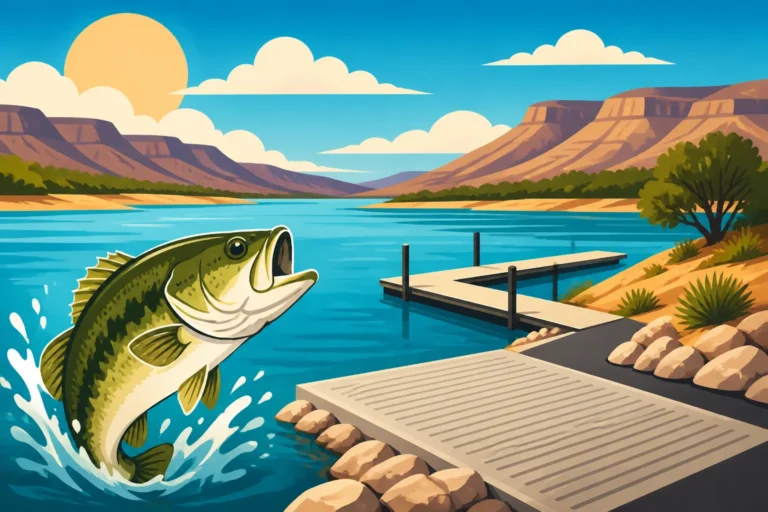
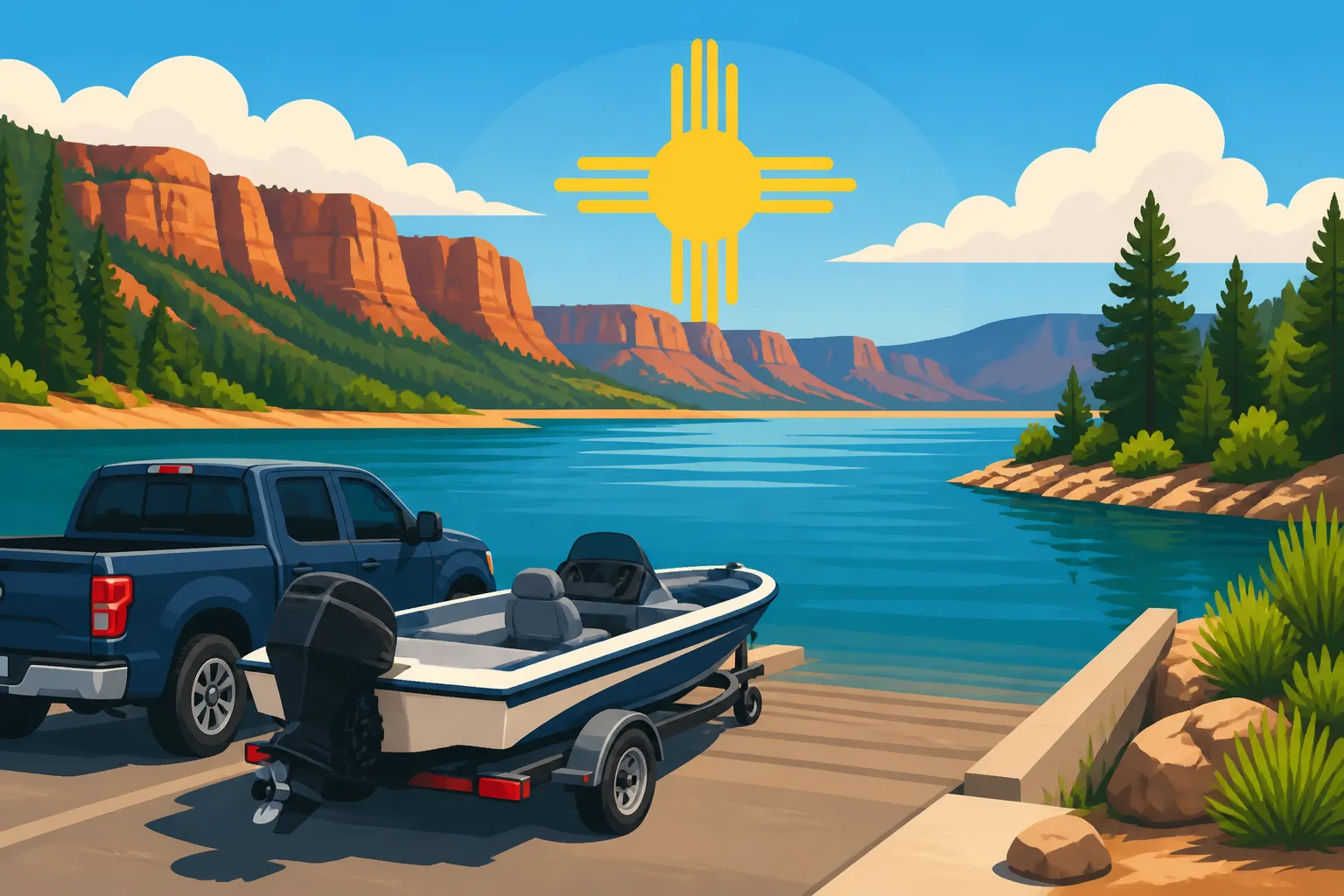
The Sims Mesa Boat Ramp is often considered the premier launching point on Navajo Lake, particularly for those approaching from the north, or for anyone bringing a larger vessel. Located on the northern side of the lake, within the New Mexico portion of Navajo Lake State Park, it offers excellent facilities and generally reliable access. You'll find it well-maintained with multiple concrete lanes, making it ideal for busy weekends and ensuring a quicker launch process. There's usually plenty of parking for trailers and tow vehicles, which is a huge relief when you're trying to find a spot on a crowded summer day.
Beyond just the ramp, Sims Mesa offers a comprehensive experience. It's close to developed campgrounds, making it a great base for multi-day fishing trips. The area often includes restrooms, picnic areas, and even a fish cleaning station – a major plus if you're planning to keep some of your catch. The proximity to some of the lake's best northern fishing grounds for trout and bass also makes it a popular choice. For those looking for services or a place to settle in, Navajo Lake Camping and Fishing Access provides more detail on the campgrounds and amenities available. While generally dependable, even Sims Mesa can be affected by extreme low water, so checking conditions is always wise.
Pine River Boat Ramp: Convenience on the East Side
Moving to the eastern side of Navajo Lake, the Pine River Boat Ramp, also within Navajo Lake State Park, offers a different kind of convenience. It’s often favored by those coming from the east or for anglers looking for quicker access to specific parts of the lake. This ramp also features concrete lanes and typically has good parking availability, though it can fill up quickly during peak times. One of its standout features is its proximity to vital amenities. You'll often find a convenience store and fuel station nearby, which can be an absolute lifesaver when you realize you're low on gas or forgot to pack enough snacks.
The Pine River area is also known for being a bit more sheltered on very windy days compared to some other open-water ramps, which can make launching and retrieving a much more pleasant experience. Its location provides relatively quick access to the main body of the lake and is a good starting point for exploring the canyons that feed into the eastern arm. While it might not have the same expansive feel as Sims Mesa, its practical advantages, especially the availability of fuel and supplies, make it a top choice for many boaters. Consider checking with local guides through services like FishingBooker if you're unfamiliar with the area; they often launch from Pine River for its ease of access.
Francis Canyon Boat Ramp: Southern Access and Amenities
Venturing further south on Navajo Lake, the Francis Canyon Boat Ramp provides a crucial access point for the southern end of the reservoir, particularly for those coming from areas like Farmington or Bloomfield. This ramp tends to be a bit more rugged than its northern counterparts, often featuring gravel or dirt surfaces, though sometimes paved sections are present. This can be a double-edged sword: while it might not be as polished as Sims Mesa, it often remains usable at lower water levels when concrete ramps become too shallow. It's a great option if you have a smaller boat or a robust 4×4 vehicle that can handle less-maintained terrain.
The Francis Canyon area offers a more secluded and wild feel, appealing to those who prefer a quieter launch experience. It's an excellent gateway to the southern reaches of the lake, which can hold different fishing patterns and offer unique scenic beauty. Amenities typically include restrooms and some primitive camping options, but don't expect the full suite of services you might find at Sims Mesa or Pine River. For an extensive guide on the fishing opportunities from this southern perspective, you might want to look into the Navajo Lake Fishing Guide for specific strategies that work best in these waters. Always exercise caution and be prepared for potentially rougher launching conditions at Francis Canyon, especially when water levels are exceptionally low.
Navigating Water Level Changes and Ramp Accessibility
The dynamic nature of Navajo Lake's water levels means that ramp accessibility is not a static thing. What was open and easy last month might be closed or challenging this month. This reality can be a huge source of frustration for boaters, but with a bit of foresight and understanding, you can navigate these changes effectively.
How Low Water Affects Each Ramp
When Navajo Lake's water levels drop, the concrete ramps at places like Sims Mesa and Pine River often become shorter and steeper, or the end of the concrete might be completely out of the water, leaving a drop-off into soft mud or treacherous rocks. This is where many people get into trouble, either getting their tow vehicle stuck, damaging their boat trailer, or even bending propeller shafts on unseen obstacles. For instance, at Sims Mesa, a normally gentle slope can turn into a sharp decline, requiring more care and potentially a longer rope to get your boat floating without submerging your vehicle too much. Pine River can also see its concrete lanes end abruptly, leaving you trying to launch into questionable footing.
Francis Canyon, with its more natural, often gravel or dirt composition, can sometimes remain usable longer into low water periods, though it will become steeper and potentially muddier. The trade-off is that even if it's open, the launch can be more difficult and requires a good four-wheel drive and careful attention. Always check the current lake level readings, which are typically available on the New Mexico State Parks website or through local marinas. A drop of even 10-15 feet can drastically change ramp conditions. It's disheartening to drive all the way out there only to find your boat can't safely make it into the water, so confirm conditions beforehand.
Strategies for Launching in Varied Conditions
Successfully launching and retrieving your boat when water levels are low or fluctuating requires a few key strategies. First and foremost, scout the ramp. Don't just back in blindly. Walk down the ramp (if safe) to check the conditions at the water's edge. Look for drop-offs, large rocks, or soft mud. If you see a lot of tire tracks leading into deep mud, that's a pretty strong indicator to proceed with extreme caution, or to choose another ramp if possible. Using a spotter, even if you’re an experienced boater, is invaluable. They can help guide you, watch for obstacles, and signal when the boat is floating clear of the trailer.
Another strategy, especially with lower water, is to use a longer tie-off rope for your boat. This allows you to back your trailer just enough for the boat to float, then pull your vehicle farther up the ramp while keeping the boat secured. You can then use the rope to carefully walk the boat to a nearby dock or safe mooring area. For heavier boats, a strong recovery strap or even a second vehicle might be necessary if conditions are really tricky. Also, consider the tide (or in a lake, the wind-driven current) and other boaters. Try to launch during less busy times if conditions are challenging, giving yourself ample space and time without feeling rushed. Always ensure your boat is properly registered, following the guidelines in the New Mexico Boat Registration and Titling Guide, as rangers might be more present at ramps during peak times or difficult conditions.
Essential Boating Regulations and Safety on Navajo Lake
Boating on Navajo Lake is not just about having fun; it's also about adhering to a set of regulations designed to ensure the safety of all lake users and to protect the natural environment. Being prepared and knowledgeable about these rules can prevent fines and, more importantly, accidents.
New Mexico Boating Requirements and Courtesy
Just like driving a car, operating a boat in New Mexico comes with specific legal requirements. All motorized vessels, and sailboats 10 feet or longer, need to be registered with the New Mexico Motor Vehicle Division. This includes displaying valid registration numbers and decals prominently on your boat. Beyond registration, state law mandates certain safety equipment onboard. This includes having enough U.S. Coast Guard-approved life jackets for every person on board, including children, and readily accessible for immediate use. For instance, anyone 12 years of age or younger must wear a life jacket when the vessel is underway. You'll also need a sound-producing device (like a horn or whistle), visual distress signals for night operation, and depending on your boat's size, a fire extinguisher. For a complete list of what you need to have onboard, consulting the Required Safety Gear on a New Mexico Boat is essential.
Beyond the legal requirements, boater courtesy goes a long way. This includes maintaining safe speeds, especially in no-wake zones or near other boats, docks, and swimmers. It also means giving way to smaller vessels, not creating excessive wakes that could swamp other boats or impact shorelines, and being mindful of noise levels, especially early in the morning or late at night. Sharing the water responsibly ensures that everyone can enjoy Navajo Lake without conflict. If you're new to boating or just need a refresher, consider taking a boater safety course. Many states offer online courses that meet New Mexico's educational requirements.
Preparing for Emergency Situations
No one wants an emergency to happen, but being prepared can be the difference between a minor inconvenience and a serious incident. Before you even leave the ramp, check the weather forecast. Navajo Lake, being in the high desert, can experience rapid and dramatic weather changes, including sudden thunderstorms, high winds, and lightning. Having a marine radio (VHF) or a fully charged cell phone in a waterproof case is critical for communication, though cell service can be spotty in some parts of the lake. Make sure someone on shore knows your float plan – where you're going, with whom, and when you expect to return.
Beyond communication, ensure your boat is in good working order. Check fuel levels, engine oil, battery charge, and bilge pump functionality. A basic tool kit, spare parts (like fuses or spark plugs), and an anchor with sufficient line are vital. For medical emergencies, a well-stocked first-aid kit is non-negotiable. If you encounter another boater in distress, remember your ethical and often legal obligation to render assistance if you can do so safely. Being aware of your surroundings, understanding how to read the water for potential hazards, and knowing how to signal for help can keep you and your passengers safe. Even seasoned anglers looking for that perfect Navajo Lake Kokanee Salmon Fishing spot should prioritize safety above all else.
| Boat Ramp | Location (General) | Key Features | Water Level Resilience (1-5, 5=best) | Amenities | Best Use Cases |
|---|---|---|---|---|---|
| Sims Mesa | North Side (NM) | Multiple concrete lanes, long approach | 4 | Restrooms, fish cleaning station, camping, picnic | Larger boats, high traffic, multi-day trips |
| Pine River | East Side (NM) | Concrete lanes, sheltered location | 3 | Restrooms, convenience store, fuel, camping | Quick access, supplies, easier launching on windy days |
| Francis Canyon | South Side (NM) | Often gravel/dirt, more rugged, remote | 5 (especially at low water) | Restrooms, primitive camping | Smaller boats, 4×4 vehicles, quieter access, very low water |
| Cottonwood Creek | North Side (CO) | Concrete, smaller than Sims Mesa | 3 | Restrooms, camping | Colorado access, smaller boats |
| Arboles Ramp | East Side (CO) | Gravel/dirt, very primitive | 2 (can be very tricky) | None | Small boats/kayaks, emergency access |
Note: Water level resilience is a general guide. Always check current conditions before heading out.
Enhancing Your Navajo Lake Experience
Beyond just getting your boat in the water, a truly great Navajo Lake trip involves careful planning and knowing how to take advantage of the facilities and opportunities around the lake. Whether it's finding a place to refuel or booking a guided trip, a little preparation goes a long way.
Amenities and Services Around the Ramps
Each primary boat ramp on Navajo Lake is typically part of or adjacent to a state park area, meaning you'll often find a decent range of amenities designed to make your visit more comfortable. At Sims Mesa and Pine River, you can usually expect well-maintained restrooms, picnic tables for a shore lunch, and designated camping areas. Sims Mesa, for example, is well-equipped for anglers with a fish cleaning station, making the end-of-day process much easier. Pine River, as mentioned, often has the added benefit of a nearby store and fuel, which is incredibly convenient for topping off the tank or grabbing forgotten essentials. While Francis Canyon is more primitive, it still offers basic restrooms and a more rustic camping experience.
For those considering a more extensive outing, don't forget the options for boat storage, repairs, or specialized gear. There are sometimes local marinas or private businesses that cater specifically to boaters, offering everything from slip rentals to emergency repairs. If you're looking to explore different areas of the lake or try out a new technique, like How to Troll for Kokanee at Navajo Lake, remember that some areas are more accessible from certain ramps. And if you’re a visitor planning a vacation, knowing where these services are located can help you budget for things like fuel costs and New Mexico Boat Registration Fees by Length if you're bringing your own larger vessel.
Planning for Overnight Stays and Extended Trips
Navajo Lake isn't just a day trip destination for many; its vastness and beauty invite multi-day adventures. Planning for an overnight stay or an extended trip involves more than just packing extra clothes. For starters, consider where you'll be sleeping. Both Sims Mesa and Pine River areas within Navajo Lake State Park offer developed campgrounds with varying levels of amenities, from RV hookups to primitive tent sites. These often require reservations, especially during peak season, so book ahead of time! If you prefer a more secluded experience, the primitive camping options around Francis Canyon might be more your style, though they offer fewer facilities.
When planning for longer trips, resupply points become crucial. Knowing that Pine River has a store and fuel can influence your choice of launch ramp or your mid-trip planning. Consider how you'll keep your food fresh, manage waste responsibly, and maintain your boat for continuous use. If you're visiting from out of state or just unfamiliar with the lake, consider hiring a local guide. Services like FishingBooker can connect you with experienced captains who know the lake inside and out, from the best fishing spots to how to navigate the ever-changing conditions. They can also often provide all the necessary fishing gear, making your trip much simpler. Also, securing your New Mexico Annual Fishing License and understanding the New Mexico Fishing Regulations Overview for extended stays is paramount to avoid any issues during your adventure.
Disclaimer
Please note that fishing regulations, license requirements, and boat ramp conditions can change. Always consult the official New Mexico Department of Game and Fish website and New Mexico State Parks resources for the most current information before planning your trip. Water levels, in particular, are subject to environmental factors and can impact accessibility at any time.