How to Troll for Kokanee at Navajo Lake
There’s nothing quite like the thrill of a hard-fighting kokanee salmon, especially when you’re out on the vast, beautiful waters of Navajo Lake. But let’s be honest, these landlocked sockeye aren’t always the easiest to tempt. Many anglers find themselves frustrated, spending hours on the water without a bite, wondering if they’re doing something wrong. This guide is here to unravel the mysteries of trolling for kokanee at Navajo Lake, providing you with the knowledge and tactics to make your next trip a successful one.
Understanding Kokanee Salmon Behavior at Navajo Lake
Before you even think about dropping a line, it's absolutely crucial to understand what makes kokanee tick. These aren't your typical trout; they have specific habits and preferences that, once understood, can drastically improve your chances of success. They are plankton feeders, which means their diet and the way they perceive lures are unique.
Their Unique Diet and Feeding Habits
Unlike many other game fish that primarily chase baitfish, kokanee salmon are filter feeders, dining mostly on zooplankton and phytoplankton. This fundamental difference dictates a lot about how we fish for them. When they strike a lure, they're often doing it out of curiosity, aggression, or a territorial response, rather than a direct attempt to eat a "fish." This is why small, flashy lures that mimic a schooling baitfish or simply annoy them into striking often work best. They are sight feeders in clear water, and the plankton they eat tends to concentrate at specific depths, influenced by light penetration and water temperature. This means your presentation needs to be in the precise zone where they are feeding.
Seasonal Movements and Depth Preferences
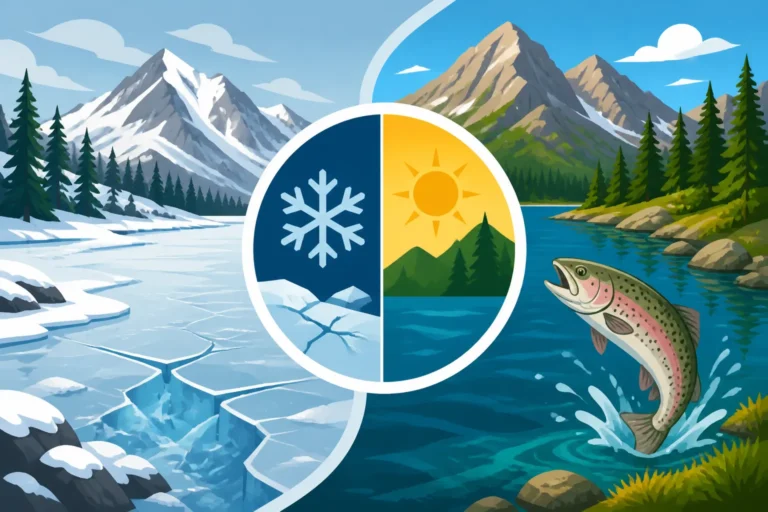
The life cycle of kokanee salmon at Navajo Lake drives their movements and, consequently, where you’ll find them. In spring, as the water begins to warm, kokanee can often be found shallower, usually in the top 20-30 feet of the water column, often near the surface early in the morning or late in the evening. As summer progresses and surface temperatures rise, they retreat to deeper, cooler waters, often suspending in the thermocline—that sweet spot where the water temperature is ideal, typically between 30 and 60 feet deep, but sometimes as deep as 100 feet. This deep suspension is where your downriggers become absolutely essential. Come fall, their focus shifts to spawning. The Kokanee Salmon Spawning Time at Navajo Lake is a critical period where they move into shallower areas, often near stream inlets or main lake points, becoming very aggressive before the spawn. After spawning, they typically die, but before that, their colors intensify, and they put on a spectacular fight. Knowing these general patterns for New Mexico Fishing Season Dates and Limits can help you plan your trips.
Interpreting Sonar for Kokanee Schools
Your fish finder isn't just a fancy gadget; it's your eyes beneath the surface. For kokanee, you're not usually looking for fish hugging the bottom or hiding in structure. Instead, you'll be scanning for suspended arches or dense bait balls, often in the middle of the water column. Kokanee typically show up as distinct arches, but when they're tightly schooled, they can look like a solid cloud. Pay close attention to the depth at which these schools appear. If you see them consistently at, say, 45 feet, that’s your target trolling depth. Don't be afraid to experiment a few feet above and below that marked depth, as fish can react to lures presented slightly off-level. The clarity of Navajo Lake water can also affect how fish react to your boat, so often looking for them slightly off to the sides of your boat with side-imaging sonar can be beneficial.
Essential Trolling Setup for Navajo Lake Kokanee
Successfully trolling for kokanee requires a specialized setup, different from what you might use for bass or even general trout fishing. Every component, from rod to lure, plays a vital role in presenting your offering effectively and enticing these finicky salmon.
Rods, Reels, and Line Choices
When it comes to rods for kokanee, you want something with a soft, sensitive tip but enough backbone to handle a fighting fish. A medium-light action rod, typically 6 to 8 feet long, is ideal. The soft tip allows the kokanee to "load up" on the rod without tearing its delicate mouth, which is a common frustration for many anglers. A fiberglass or composite rod often provides this forgiving action. For reels, a small baitcasting reel with a line counter is a game-changer. This allows you to precisely control how much line you're letting out, which is critical for replicating successful depths. Many popular kokanee reels, often found on Amazon, come with these features built-in.
For line, a monofilament main line in the 8-10 pound test range is common, but many serious kokanee anglers are switching to braided line (10-20 lb test) as a main line due to its zero stretch and sensitivity. If using braid, always add a 10-20 foot fluorocarbon leader (6-8 lb test) to the end. Fluorocarbon is nearly invisible underwater, which is a huge advantage in Navajo Lake’s clear waters, and its slight stretch can act as a shock absorber. This combination ensures maximum sensitivity to detect light bites while providing the stealth needed to fool wary kokanee.
Specialized Gear: Downriggers, Dodgers, and Flashers
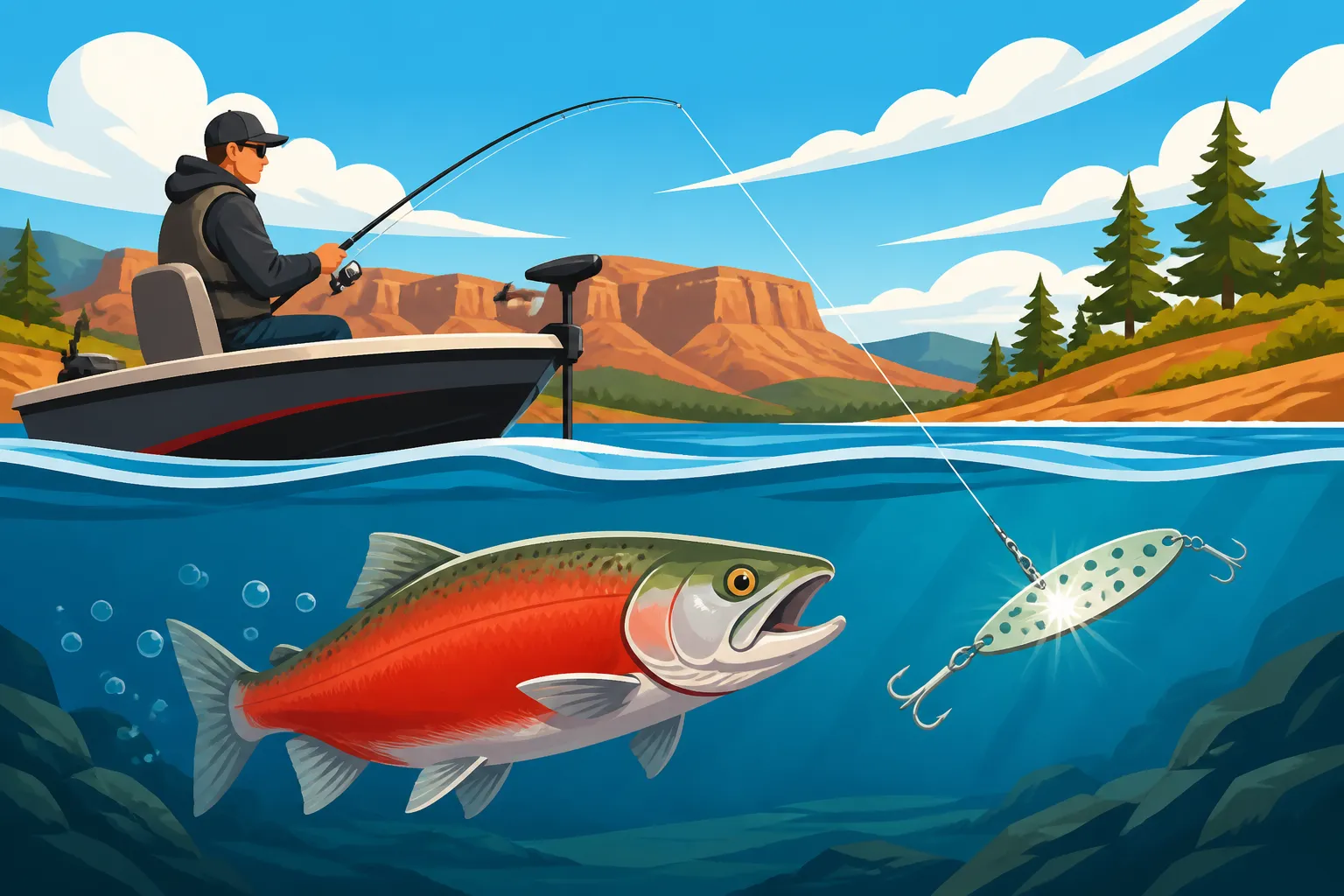
This is where kokanee trolling really diverges. To consistently catch kokanee suspended deep in the water column, downriggers are non-negotiable. These devices allow you to precisely lower your lure to a specific depth using a heavy cannonball weight and a release clip. When a fish strikes, the line releases from the clip, allowing you to fight the fish directly without the weight. Without downriggers, hitting those exact depths where kokanee are holding is incredibly difficult. For deeper fishing in New Mexico, these are a must-have.
Tied directly to your main line (or fluorocarbon leader), you'll then attach a dodger or a flasher. These are attractors, not lures themselves, designed to create flash, vibration, and erratic movement that mimics a struggling baitfish or simply gets the kokanee's attention.
- Dodgers: These have a more subtle, back-and-forth swing, creating a broad, slow wobble. They are highly effective when kokanee are less aggressive or when you want to impart a slower action to your lure. Brands like Sep's Pro Fishing and Shasta Tackle make excellent dodgers.
- Flashers: Flashers, like those from Sling Blade or Vance’s Tackle, rotate and have a more erratic, fish-like action, creating significant flash and vibration. They're often preferred when kokanee are more active or when fishing deeper.
The choice between a dodger and a flasher, and their size and color, can depend on the day. It's wise to carry a variety.
Lures, Baits, and Scent Application
Now for the business end: the lure. Kokanee lures are typically small, brightly colored, and designed for slow trolling speeds. Popular choices include:
- Small Spoons: Like a Wedding Ring, Kokanee Killer, or Cripplure. These have an enticing wobble and come in a myriad of colors.
- Hoochies (Squid Skirts): Small plastic squid imitations, often paired with a small, colored bead. They have a very subtle action and are excellent plankton imitators.
- Small Plugs: Such as a Dick Nite or a small Kwikfish. These provide a more aggressive swimming action.
Color is king with kokanee. Pink, orange, green, and chartreuse are perennial favorites, often with glitter or UV enhancements. However, what works one day might not work the next, so continuously experimenting with colors is key. A good starting point might be a pink dodger followed by a pink or green Wedding Ring spoon.
Bait and Scent: This is arguably the most crucial secret to consistent kokanee success. Kokanee are extremely scent-driven. Always tip your lure with a small piece of corn, Gulp! Maggot, or even a small piece of shrimp. Marinating your corn in a commercial kokanee scent (like Pautzke Fire Power, Pro-Cure, or Mike's Liquid Bait Scent) adds another layer of attraction. Garlic, anise, and shrimp are popular scent profiles. Change your bait and refresh your scent frequently, as their effectiveness diminishes over time.
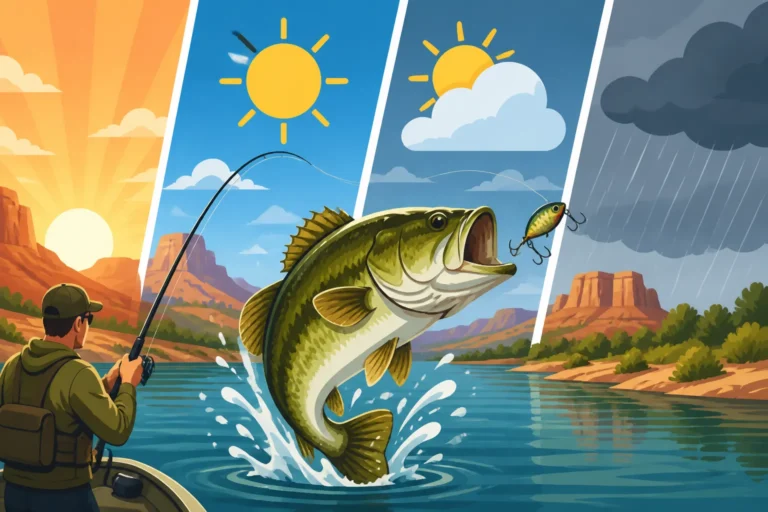
This table offers a quick guide to popular kokanee lure and dodger color combinations, but remember that conditions at Navajo Lake can vary, so always be ready to experiment.
| Water Clarity/Light Conditions | Dodger Color | Lure Color (Spoon/Hoochie) | Scent Recommendation |
|---|---|---|---|
| Clear/Sunny Days | Chrome, Silver, White | Pink, Green, Orange | Garlic, Anise |
| Overcast/Cloudy Days | Pink, Chartreuse, UV | Pink, Chartreuse, Orange | Garlic, Shrimp |
| Deep/Low Light | Glow, Fluorescent | Glow-in-the-Dark, White | Garlic, Krill |
| Spring (Shallower) | Gold, Red | Orange, Red, Pink | Shrimp, Anise |
| Summer (Deeper) | Chrome, Blue | Green, Blue, Chartreuse | Garlic, Shad |
Trolling Techniques and Strategies
Now that you have the gear, let's talk about how to use it effectively on the water. Trolling for kokanee is more art than science, requiring constant adjustment and attention to detail.
Finding the Right Depth and Speed
As mentioned, kokanee are depth-specific. Your downriggers are the tool, and your fish finder is the guide. Start by scanning for schools, then set your downrigger balls to that depth. However, it's often wise to stagger your lures if you're running multiple lines. For example, if you see fish at 50 feet, run one lure at 45 feet, another at 50 feet, and a third at 55 feet. This helps you pinpoint the exact feeding zone. Sometimes the fish are higher, sometimes lower, and sometimes they'll move up or down depending on light conditions, so adjust as needed.
Trolling speed is also paramount. Kokanee generally prefer slower speeds, typically between 1.0 and 1.8 miles per hour. This speed allows your dodgers and lures to work properly, creating their enticing action. Too fast, and your lures might spin unnaturally; too slow, and they won't have enough action. Use your boat's GPS or a speed indicator to maintain consistent speed. A good practice is to make subtle S-turns while trolling. When you turn, the lures on the inside of the turn slow down, and those on the outside speed up, often triggering strikes from following fish. Pay attention to which side gets hit, as this can indicate a preferred speed.
Trolling Patterns and Direction
Navajo Lake is a large body of water, and just driving in a straight line might not cut it. Effective trolling involves thoughtful patterns. Start by focusing on areas where you've seen bait or fish on your sonar, or where historical data suggests Navajo Lake Kokanee Salmon Fishing is good. Large coves, main lake points, and the open water over submerged channels are all excellent starting points.
When you locate fish, try to troll through the schools or along their edges. If you get a bite, mark that spot on your GPS and circle back. Kokanee often hang out together, so where there's one, there are usually more. Consider the wind and current as well; sometimes trolling with the wind, or against it, will give your lures a different action. Don't be afraid to experiment with zig-zag patterns, figure-eights, or even slowing down significantly at key points. The more you mix it up, the better your chances of discovering what the fish want that particular day.
Reading Your Electronics and Making Adjustments
Your fish finder is your best friend out on Navajo Lake. It's not just for finding fish; it's for understanding the whole underwater world.
- Thermocline: Identify the thermocline. This is often where you'll find kokanee. It usually appears as a distinct band on your sonar screen where the temperature changes rapidly.
- Bait Balls: Look for baitfish. Kokanee might not eat baitfish directly, but baitfish are often found in the same plankton-rich zones that kokanee inhabit.
- Fish Arches: Observe the size and density of the arches. Scattered arches might indicate lone fish, while dense clouds are often schools. If you see fish consistently at a certain depth and your downrigger is set there, but you’re not getting bites, try adjusting your depth by 5-10 feet up or down.
- Speed and Depth Adjustments: If you're not getting bites, change something! Alter your speed by 0.2 mph, change a lure color, swap a dodger for a flasher, or adjust your depth. The most successful kokanee anglers are constantly experimenting. If the fish are deep, consider adding a deeper line with more weight or a larger dodger that dives a bit more aggressively.
Seasonal Considerations and Best Times
The success of your kokanee trolling at Navajo Lake can heavily depend on the time of year and even the time of day. Understanding these nuances will help you plan your trips for optimal results.
Spring: Emerging Opportunities
Spring is a fantastic time to target kokanee at Navajo Lake, especially from April through early June. As the ice melts and the water begins to warm, kokanee become more active and are often found in the upper water column. You might find them from the surface down to 30 feet, making them accessible even without downriggers, though they'll still give you a significant advantage. Focus on areas where the sun warms the water first, often in shallower coves or along sun-exposed points. Lure colors like pink, orange, and chartreuse are particularly effective in spring, often paired with chrome or gold dodgers. Early morning and late evening typically offer the best bites as the kokanee move to feed closer to the surface. It's a great time to be out on the water before the summer crowds fully arrive.
Summer: Deep Water Challenges
As the summer sun heats up Navajo Lake, typically from late June through August, kokanee retreat to the cooler, deeper parts of the water column. This is when your downriggers truly shine, becoming indispensable for reaching depths of 30 to 80 feet, sometimes even deeper, depending on the year and the specific conditions of Navajo Lake Fishing Guide. The key here is to find that elusive thermocline – the layer of water where the temperature changes drastically. This is where the zooplankton concentrates, and where the kokanee will be feeding. Mid-day can still be productive, but generally, early mornings and late evenings remain prime time as the fish may rise slightly in the water column to feed. Pay close attention to your fish finder for suspended schools and adjust your downrigger depth accordingly. Clear water means stealth is important, so ensure your fluorocarbon leaders are in good shape.
Fall: Pre-Spawn Aggression and Spawning Frenzy
Fall is a period of intense activity for kokanee salmon at Navajo Lake, especially from late August through October. This is their pre-spawn and spawning season, and their behavior shifts dramatically. Leading up to the spawn, kokanee become incredibly aggressive, trying to pack on weight and establish dominance. You'll often find them moving towards traditional spawning grounds, which can include creek inlets or shallow main lake points, making them more accessible. Their silver bodies will start to take on the characteristic red hue of spawning salmon.
During the actual spawning phase, you might see them congregating in large numbers. While they are catchable, many anglers choose to respect their spawning efforts, but if you do fish, they will strike out of aggression. Bright colors like red and orange become even more effective during this period. You'll also see that the New Mexico Salmon Snagging Season coincides with this time, offering a different technique for targeting these fish. Remember that regulations for snagging are very specific and must be followed. After spawning, the kokanee will die, having completed their life cycle, leaving a new generation to grow in the lake.
| Season | Typical Depth Range (Feet) | Best Times of Day | Recommended Dodger Colors | Recommended Lure Colors | Key Strategy |
|---|---|---|---|---|---|
| Spring | 10-30 | Early Morning, Late Evening | Chrome, Gold, Pink | Pink, Orange, Chartreuse | Target shallower coves, experiment with minimal weight. |
| Summer | 30-80+ | Early Morning, Late Evening | Chrome, Blue, Green | Green, Blue, Pink | Utilize downriggers, find thermocline, vary depth. |
| Fall | 15-50 (moving shallower) | Throughout the Day | Red, Orange, Pink, UV | Red, Orange, Pink | Target spawning areas, aggressive lures, consider snagging. |
Remember, no two days on Navajo Lake are exactly alike, and flexibility is key. What worked yesterday might not work today. Keep experimenting with depth, speed, lure color, and scent, and you’ll find success in How to Troll for Kokanee at Navajo Lake. Tight lines!
Disclaimer
Fishing conditions and regulations in New Mexico can change frequently. Always consult the latest New Mexico Department of Game and Fish regulations before heading out on the water. This guide is for informational purposes only and does not supersede official rules and guidelines.