When Do New Mexico’s High Lakes Thaw Out?
There's nothing quite like the anticipation of the high country opening up after a long winter, especially for us New Mexico anglers who dream of those pristine, clear mountain lakes. The ice-out marks the beginning of a truly magical fishing season, but knowing exactly "when do New Mexico's high lakes thaw out?" can feel like trying to predict the future with a crystal ball that’s perpetually foggy. This guide is here to shed some light on the factors that influence the melt, help you understand the typical windows, and give you some practical ways to track the thaw so you can be ready for that glorious first cast.
The Great Thaw: What Dictates When High Lakes Open Up?
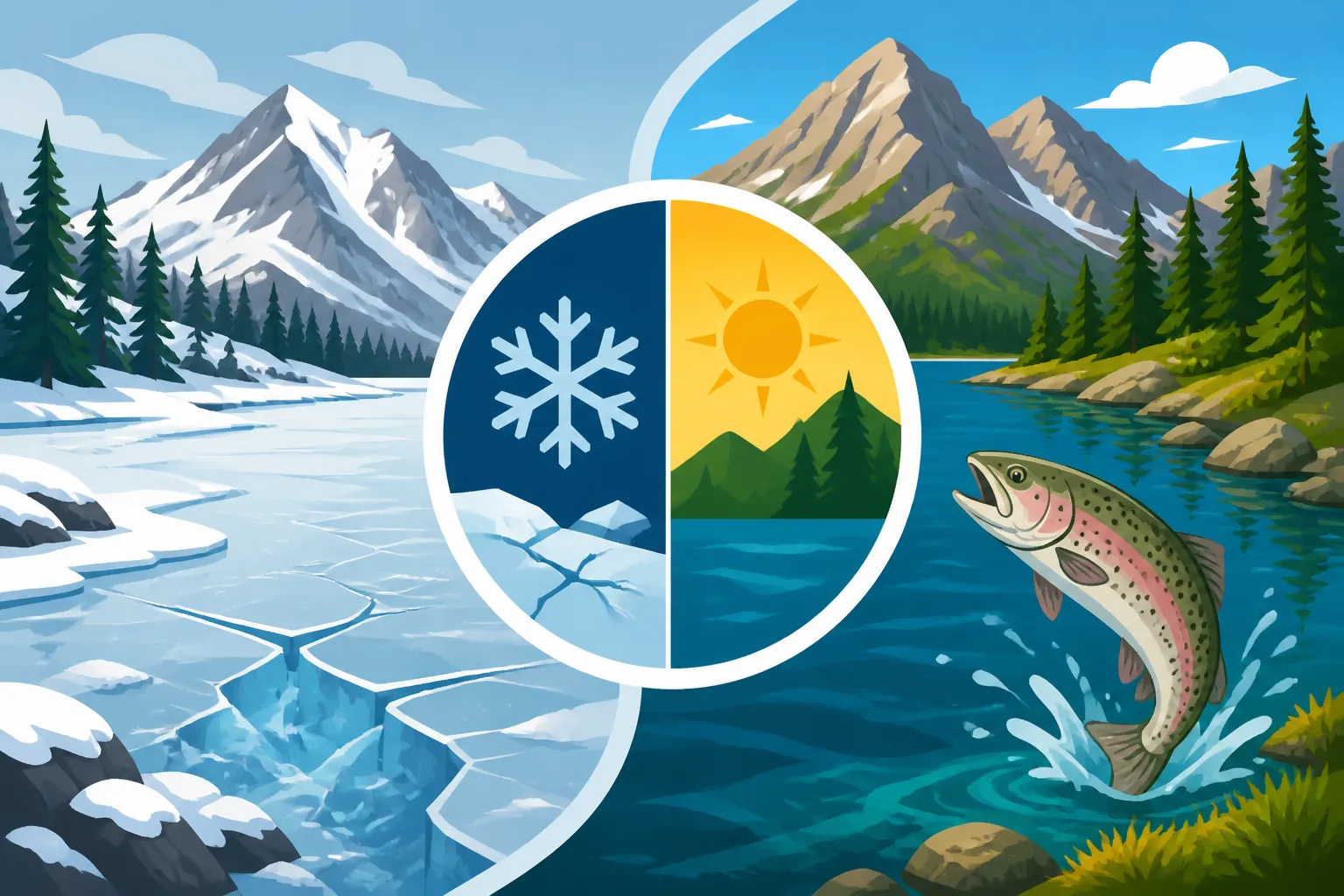
The thawing of New Mexico's high mountain lakes isn't a simple calendar event; it's a complex dance between elevation, snowpack, spring temperatures, and even wind patterns. If you've ever tried to plan an early-season trip only to find a lake still stubbornly locked under a thick sheet of ice, you know the frustration. It's not just about the date, but a combination of natural forces that dictate when those beautiful waters become accessible.
Elevation and Aspect: Nature's Thermostat
Elevation is, without a doubt, the single biggest player in when a high lake decides to shed its icy coat. It’s pretty intuitive: the higher the lake, the longer it generally takes for the ice to break up. A lake nestled at 11,000 feet, like many of those in the Pecos Wilderness, will hold onto its ice much longer than one at 9,000 feet, even if they're only a few miles apart. The air at higher altitudes is simply colder for longer periods, and it receives less direct sunlight during the critical melting months.
Beyond just elevation, the aspect – or the direction a lake faces – plays a crucial role. A lake basin that primarily faces south or southwest will receive more direct sunlight throughout the day, especially as the sun climbs higher in the spring sky. This prolonged exposure to solar radiation can significantly accelerate the melt process, allowing these lakes to open up earlier than a comparable lake that is shaded by a north-facing slope for much of the day. Those shaded lakes often cling to their ice well into summer, sometimes only fully clearing in July or even August during heavy snow years.
Snowpack and Spring Weather: The Annual Wildcards
The depth and duration of the winter snowpack directly feed into how long a lake remains frozen. A winter with above-average snowfall means more ice formation and, critically, a thicker blanket of snow on top of the ice. This snow acts as an insulator, protecting the ice from melting even as air temperatures rise. It also contributes significantly to the amount of cold water runoff that flows into the lake as it melts, which can prolong the overall cooling effect and delay the final ice-out.
Conversely, a lighter snow year, especially one followed by a warm, dry spring, can see lakes opening up weeks earlier than usual. However, it's not just about warmth. Persistent spring winds can also play a role, helping to break up ice sheets and accelerate evaporation once the ice begins to weaken. But a sudden cold snap in late spring, or even an unexpected May snowstorm, can set the process back, solidifying partially melted ice or adding a fresh layer of insulating snow. This unpredictability is what makes predicting the exact thaw date such a challenge and keeps us anglers on our toes, constantly checking weather reports and trail conditions.
When to Expect the Ice to Break: A Seasonal Breakdown
While exact dates are always a moving target, we can talk about general windows and what to expect based on the calendar. Understanding these typical patterns can help you plan your high lake adventures, even if you have to remain flexible. Remember, these are general guidelines, and Mother Nature always has the final say.
Late Spring: The Earliest Birds
For the lower-elevation high lakes, those typically below 9,500 to 10,000 feet, late spring is when we usually start seeing significant ice melt. Think late May to mid-June. These are often the lakes that are more accessible via shorter hikes or even forest roads that clear earlier. Anglers eager for the first casts of the high country season will often target these lakes first. The ice might be patchy, or there might be a significant "ring" of open water around the shore while the center remains frozen. This shoreline open water can be incredibly productive, as trout often cruise these warmer edges looking for newly available insects and forage.
However, even in late spring, conditions can be variable. While the days might be warm and sunny, overnight temperatures can still dip well below freezing, maintaining a stubborn layer of ice. This is when patience becomes a virtue. If you're planning a trip to one of these earlier-thawing lakes, it's wise to pack layers and be prepared for lingering snow on the trails. You might even still encounter remnants of ice on sections of the trail, so sturdy waterproof hiking boots are a must. You can often find a good selection of durable, waterproof hiking and wading boots on Amazon if your current gear is looking a bit worn.
Early to Mid-Summer: The Sweet Spot
For the majority of New Mexico's higher elevation lakes, the sweet spot for ice-out usually falls between mid-June and early July. This is when many of the iconic high mountain fishing destinations really start to open up, offering wide expanses of clear, cold water. Lakes in the Pecos, Latir, and Wheeler Peak Wilderness areas often fall into this category. The trails to these lakes also tend to be clearer of snow and mud by this time, making access significantly easier for those extended hikes.
This period is often accompanied by prime fishing conditions. The water is still cold, highly oxygenated, and the fish, having been under ice for months, are often eager to feed. Insect hatches can be prolific, making for exciting Fly Fishing Techniques for New Mexico Rivers and lake fishing. It's a fantastic time for a multi-day backpacking and fishing trip, where you can truly immerse yourself in the solitude and beauty of the high country. When packing for such a trip, consider durable, lightweight Best Backpack Size for Hiking to High Mountain Lakes options available on Amazon to comfortably carry all your gear.
Late Summer to Early Fall: The Stubborn Ones
Then there are those truly high and shaded lakes that cling to their ice well into late summer, sometimes not fully thawing until August. These are often the lakes in deep, north-facing cirques or at extreme elevations. While they offer a shorter fishing window, they can also provide unique opportunities. By the time these lakes open, the crowds have often thinned out, and the fish might be less pressured.
Fishing these late-thawing lakes means a shorter season, but it can also be incredibly rewarding. The water will remain exceptionally cold, and the fish might be even more aggressive as they try to pack on weight before the next winter. If you're targeting these specific lakes, flexibility with your dates is key. You might only get a few weeks or a month of prime open-water fishing before the first signs of fall begin to creep in, and the lakes start to think about freezing over again. These are often the same lakes where you might find some excellent Ice Fishing in New Mexico later in the year, once they've frozen solid.
Here’s a general idea of when different types of high lakes might thaw, keeping in mind that these are highly variable:
| Lake Type | Typical Elevation Range | General Thaw Window | Factors for Early/Late Thaw |
|---|---|---|---|
| Lower High Lakes | 9,000 – 10,000 ft | Late May – Mid-June | South-facing aspect, light snowpack, warm spring |
| Mid-Elevation High Lakes | 10,000 – 11,000 ft | Mid-June – Early July | Average snowpack, moderate spring temperatures, mixed aspects |
| Upper High Lakes | 11,000+ ft | Early July – August | Heavy snowpack, north-facing cirques, prolonged cold spells |
How to Track Thawing Progress
Given the unpredictability of when New Mexico's high lakes thaw, a proactive approach to gathering information is your best bet for a successful trip. Just showing up hoping for the best can lead to a lot of wasted time and effort, especially if you've put in a significant hike only to find a solid sheet of ice.
Online Resources and Forums: Your Digital Scouting Party
In today's connected world, one of the best ways to get real-time (or near real-time) information is through online communities. Fishing forums dedicated to New Mexico, local outdoor recreation groups on social media, and even dedicated hiking and backpacking websites often have "boots on the ground" reports. Anglers, hikers, and backpackers are usually eager to share their experiences, including ice conditions, snow depths, and trail accessibility. Search for specific lake names or general areas like the "Pecos Wilderness fishing report" to find recent updates.
Many state agencies also provide general updates on conditions, though they might not be specific to every single high lake. The New Mexico Department of Game and Fish website is a fantastic resource for general New Mexico Fishing Regulations Overview and stocking schedules, which can give you an idea of overall conditions. Local forest service offices also sometimes post alerts or conditions regarding specific trails or wilderness areas. This digital scouting can save you a lot of grief and help refine your target dates for those elusive high lake trout.
Calling Ranger Stations and Local Outfitters: The Experts
Don't underestimate the power of a good old-fashioned phone call! Local ranger stations for the national forests (like the Santa Fe National Forest for the Pecos Wilderness, or the Carson National Forest for the Latir and Wheeler Peak areas) are invaluable resources. The rangers and staff often have up-to-date information on trail conditions, snow levels, and even reports from other hikers and their own field checks. They can tell you if a particular road is open, if a trail is clear, or if a lake is still iced over.
Similarly, local fishing shops and outdoor outfitters in towns like Taos, Red River, or Angel Fire often have the inside scoop. They cater directly to anglers and hikers and usually have a network of customers who share information. They might even be able to offer specific advice on Best Lures for New Mexico Trout or Trout Fishing Techniques for New Mexico once the ice is out, tailored to current conditions. Their business depends on happy, informed customers, so they're usually very willing to share what they know.
Webcam and Satellite Imagery: A Bird's Eye View
While not available for every single high lake, some popular areas might have webcams that offer a glimpse of snow levels or even lake conditions. While this is less common for remote, high-altitude lakes, it can be useful for accessible reservoirs at slightly lower elevations that might serve as indicators for the general area.
For truly remote lakes, satellite imagery can sometimes provide clues. Services that offer satellite views, like Google Earth or other mapping applications, sometimes have recent images that can show snow cover or even open water if the images are current enough. This isn't a perfect science, as cloud cover can obscure views, and image updates aren't always real-time, but it's another tool in your arsenal to gauge conditions from afar, especially when paired with other sources.
Fishing Conditions During and After Thaw
The period immediately following ice-out is often one of the most exciting times to fish New Mexico's high lakes. The fish, having spent months under a blanket of ice, are usually hungry and actively seeking food. Understanding how their behavior changes can greatly improve your success.
Post-Thaw Fishing: Hungry Trout and Early Hatches
Once the ice completely breaks up, a cascade of changes happens in the lake. The water, now exposed to sunlight and air, begins to warm, albeit slowly. This warming stimulates insect activity. You'll often see midges, mayflies, and even some caddis starting to hatch, providing a feast for the trout. The fish, which have been somewhat dormant and feeding opportunistically under the ice, become much more active.
They often cruise the newly exposed shallow areas and shorelines, where water temperatures rise first, and where new food sources become available. This makes bank fishing or wading incredibly productive. Using small, emerging insect patterns for Fly Fishing Techniques for New Mexico Rivers or tiny spinners and spoons can be very effective. The fish are less spooky in these early days, often willing to chase a well-presented offering. This is a great time to experiment with different presentations, as the trout's metabolism is ramping up, and they're looking for calories. Remember, for high-altitude lakes, a key tip is to always practice Catch and Release Best Practices in New Mexico to help maintain these fragile populations.
Challenges and Considerations for Early Season Trips
While the fishing can be phenomenal, early-season high lake trips come with their own set of challenges. The weather in the mountains can be notoriously fickle in late spring and early summer. You might experience glorious sunshine one moment and a sudden hailstorm or snow shower the next. Dressing in layers and carrying appropriate rain gear, which you can easily acquire on Amazon, is crucial. Also, consider investing in Best Waders for New Mexico Rivers or lakes if you plan to wade, as the water will be bone-chillingly cold.
Trail conditions can also be difficult. Even if the lake is open, the trails leading to it might still be muddy, snow-covered, or blocked by downed trees. Always check trail reports before heading out. Mosquitoes and other biting insects can also emerge quickly once the weather warms and standing water is present, so bug spray is an absolute must-have. Don't forget your New Mexico Fishing License Guide and any required stamps, such as the New Mexico Habitat Stamp and Validation Requirements, before you head out, as rules and regulations are always in effect, even in the most remote areas. Being prepared for these eventualities will ensure your focus remains on the incredible fishing and the stunning mountain scenery.
Disclaimer
This article is for general informational purposes only and does not constitute professional advice. Laws, prices and regulations vary by location and change over time. Consult a qualified professional for guidance on your specific situation.