When Do Trout Get Stocked in New Mexico Rivers?
Oh, the age-old question that keeps many of us New Mexico anglers staring at our calendars and refreshing our phones! You've planned a precious day off, packed your gear, and are dreaming of that satisfying tug on the line, only to wonder if the trout fairies have actually paid a visit to your favorite river. It's a common frustration, isn't it? Heading out to a river you think should be stocked, only to find it barren, can really put a damper on your fishing dreams.
But don't you worry! Understanding when trout get stocked in New Mexico rivers isn't some secret handshake; it's about knowing the rhythms of our unique high desert environment and, more importantly, where to find the most accurate, up-to-the-minute information. This guide is going to walk you through exactly how the New Mexico Department of Game and Fish (NMDGF) manages its stocking programs for our rivers, helping you time your trips for the best possible success.
The Heartbeat of New Mexico's Trout Stocking Program
New Mexico is a land of extremes – vast deserts, towering mountains, and a lot of sunshine. While we have some incredible natural beauty, most of our rivers face significant challenges for wild trout to thrive year-round. That's where the NMDGF steps in, making fishing accessible and exciting for everyone.
Why Stocking is Crucial for River Anglers in the Land of Enchantment
Let's be real: New Mexico isn't exactly known for its sprawling, cold, naturally productive trout streams like some other states. Our arid climate means many of our rivers experience fluctuating flows, and, critically, they can get hot in the summer. Trout are cold-water fish, and when water temperatures rise above their comfort zone (typically 65-70°F), they get stressed and often can't survive. This is particularly true for rivers at lower elevations or those with less shade.
So, while we cherish our wild trout populations in pristine high-country streams and specific tailwaters, regular stocking is absolutely essential to provide consistent recreational opportunities for the majority of anglers. It’s how we ensure that whether you're a seasoned fly fisher or a parent introducing a child to the joy of angling, there’s a good chance to catch a fish. This stocking program helps bridge the gap where environmental conditions make natural trout reproduction challenging, ensuring that the dream of catching a trout isn't just for those who can hike miles into the wilderness.
How the NMDGF Orchestrates River Stocking
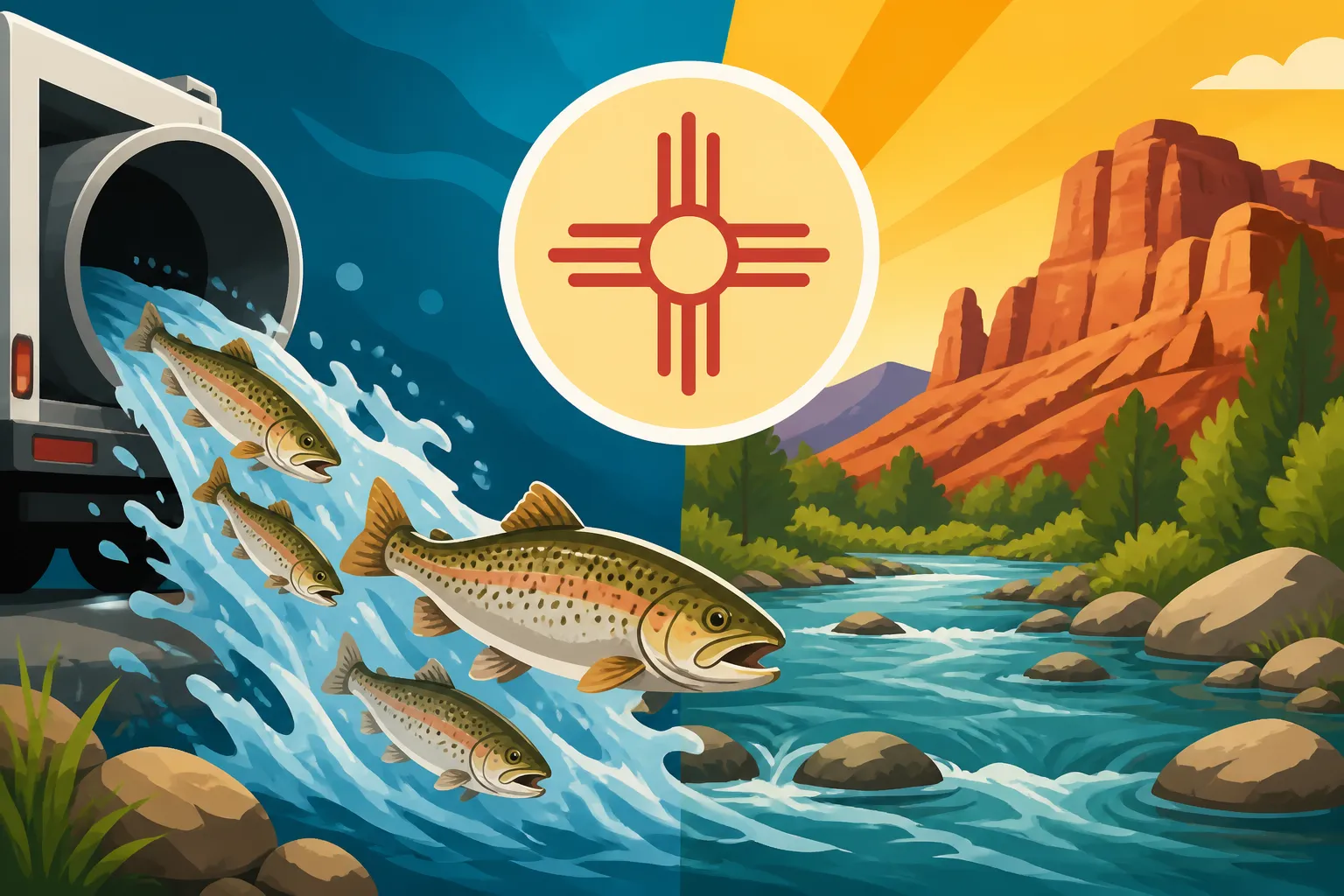
The New Mexico Department of Game and Fish is the backbone of this operation. They don't just randomly dump fish; it's a carefully managed, scientific process. The NMDGF operates several hatcheries, like the Seven Springs Fish Hatchery near Fenton Lake and the Lisboa Springs Hatchery near Pecos, where they raise thousands of trout, primarily rainbow trout, along with some brown trout. These fish are grown to a catchable size, then loaded onto specialized trucks and distributed to various rivers and lakes across the state.
Their decisions are based on a complex set of factors: biological data (water quality, temperature, dissolved oxygen), public access points, and, of course, angler demand. They meticulously plan which sections of which rivers will receive fish, ensuring the best survival rates for the trout and the most rewarding experience for you. It's a logistical ballet to keep our waters vibrant, and it's all part of the larger effort to manage New Mexico's Fishing Regulations Overview.
Navigating the Seasonal River Stocking Calendar
Trout stocking isn't a year-round, every-river affair. It follows a seasonal rhythm dictated by New Mexico's climate and the biological needs of the trout. Knowing this general calendar is your first step to timing your river trip perfectly.
Spring Stocking: The Great Awakening
Ah, spring! This is arguably the busiest and most anticipated time for trout stocking in New Mexico rivers. Typically, from late winter or early spring (think February or March) through May, you'll see widespread stocking efforts. Why this season? Because the water temperatures are usually ideal—cold enough for trout to thrive, but not so cold that the fish are sluggish. River flows are often stable, or slowly rising with snowmelt, making conditions perfect for newly introduced fish to disperse and acclimate.
You'll find many of the lower to mid-elevation rivers getting regular deliveries during this period. Sections of the Rio Grande near Albuquerque and Santa Fe, the Pecos River as it flows through the mountains, the Jemez River in the Jemez Mountains, and the Cimarron River are prime candidates for heavy spring stocking. This is when local anglers get really excited, checking the NMDGF reports religiously, knowing that fresh fish mean fantastic action, often close to home. It's a perfect time to try out Spring Trout Fishing in New Mexico.
Summer Stocking: Seeking the Cold Sanctuaries
As New Mexico's famous summer heat cranks up in June and July, many of the lower-elevation rivers become too warm for trout to survive comfortably. This doesn't mean stocking stops; it just shifts dramatically. The NMDGF wisely moves its focus to two main types of waterways: higher elevation rivers and, crucially, cold tailwaters.
Higher elevation rivers, found in our mountain ranges, stay naturally cooler throughout the summer. Think of streams in the Carson National Forest or Gila National Forest; these can still receive trout. However, the true champions of summer trout fishing are the tailwaters. A tailwater is a river section immediately downstream of a large dam, fed by cold, deep water released from the reservoir. The most famous example in New Mexico, and one of the best trout fisheries in the nation, is the San Juan River below Navajo Dam. This incredible river maintains consistently cold temperatures year-round, making it a reliable destination for summer trout stocking and phenomenal fishing. For a deeper dive into this incredible fishery, check out our San Juan River Fishing Guide. While other rivers might be too warm, the San Juan often provides spectacular opportunities right through the hottest months.
Fall Stocking: A Refresh for Cooler Climates
Just as the leaves begin to turn golden and crimson across the state, usually from late September through November, New Mexico experiences a "second season" of widespread trout stocking. As ambient temperatures drop and river waters cool down, many of those lower-elevation rivers that became too warm in summer once again become viable for trout.
This fall refresh provides excellent fishing opportunities, often with fewer crowds than in the spring. The fish are active, the weather is beautiful, and it's a truly pleasant time to be out on the water. Many anglers find fall fishing to be some of the most enjoyable, with newly stocked trout eager to bite. It extends the accessible fishing season well into the holidays, a real treat for those who love the crisp mountain air. For more on what to expect, explore New Mexico Fishing by Season.
Winter Stocking: Strategic Drops in Select Waters
While less frequent and widespread than spring or fall stocking, the NMDGF does conduct some strategic stocking in winter, typically from December through January. This usually targets specific "Winter Trout Waters" – rivers or sections of rivers that are known to maintain sufficient cold temperatures and open water even during the coldest months. Additionally, certain deeper community ponds, which are often fed by cold water, might also receive trout to provide urban angling opportunities.
These winter stockings are often part of specific programs designed to offer fishing recreation when many other waterways are frozen over or too harsh to fish. It's not a blanket stocking across all rivers, so it's even more critical to check specific reports for these winter opportunities. These strategic stockings ensure that dedicated anglers still have places to cast a line, even when the rest of the state is bundled up.
The Science Behind Stocking Decisions
It's easy to imagine a truck showing up and just dumping fish, but the reality is far more intricate. The NMDGF makes stocking decisions based on critical biological and practical factors, ensuring the trout have the best chance of survival and that your angling experience is maximized.
Water Conditions: The Ultimate Determinant
When it comes to stocking, water conditions are the absolute king. NMDGF biologists are constantly monitoring a range of metrics: water temperature, dissolved oxygen levels, and flow rates. Why? Because trout are extremely sensitive to their environment. If the water is too warm, they get stressed, become susceptible to disease, and can die quickly. If dissolved oxygen levels are too low (which often happens in warmer water), they literally can't breathe. And if the flows are too low, fish can become concentrated, stressed, and vulnerable to predation or overcrowding. Conversely, if flows are too high (during heavy runoff, for example), newly stocked fish can be swept downstream or become disoriented.
This constant monitoring explains why stocking schedules can sometimes change unexpectedly. A sudden heatwave, an extended drought, or an unusually strong spring runoff can all lead to delays, alterations, or even cancellations of planned stockings in certain river sections. While this can be frustrating for anglers who've planned a trip, it's a necessary step to protect the fish and ensure that stocking efforts are effective, rather than just wasting valuable resources. This careful management is crucial for all the Trout Species in New Mexico.
Budget and Hatchery Availability
Like any government program, the NMDGF's stocking efforts are also influenced by practical considerations such as budget and the capacity of their hatcheries. Raising thousands upon thousands of trout is an expensive and labor-intensive process, involving feed, staff, maintenance, and transportation. The number of fish available for stocking depends directly on the success of the hatchery operations and the funding allocated to them.
Additionally, hatchery availability means that stocking trucks can only be in so many places at once. The NMDGF has to prioritize different locations based on public access, historical success rates, and the overall goals of the fishing program. This means that while some popular rivers might receive fish weekly during peak season, others might only get a few drops throughout the year. The dedicated staff at places like Seven Springs Hatchery work tirelessly to ensure a healthy supply of fish for our state's waters.
Your Best Bet for Up-to-the-Minute Stocking Intel
Okay, so you understand the "why" and the "when" in general terms. Now for the most important part: the "how" to get the exact, real-time information you need before you head out the door. This is where you separate the guessing anglers from the successful ones.
The NMDGF Weekly Fishing and Stocking Report: Your Holy Grail
There is no better, more reliable source for current trout stocking information in New Mexico than the official NMDGF Weekly Fishing and Stocking Report. This report is your absolute best friend. The NMDGF typically updates this comprehensive document once a week, often by Friday, providing anglers with the most up-to-date details on recent stockings.
Here’s how to use it:
- Go Directly to the Source: Head straight to the official New Mexico Department of Game and Fish website (wildlife.state.nm.us).
- Look for the Report: Navigate to the "Fishing" or "Reports" section, and you should find a link for the "Weekly Fishing and Stocking Report."
- Read Carefully: The report will usually list rivers (and lakes) that have received fish, the species stocked (e.g., Rainbow Trout), and often the date range of the stocking. Pay close attention to the dates to ensure you're looking at the most recent information.
- Subscribe for Alerts: Many states offer email subscription services for these reports. If NMDGF offers this, sign up! Getting the report directly in your inbox can save you the hassle of constantly checking the website.
Seriously, this report is the difference between a potentially disappointing trip and a day of bending rods. Always, always check it before you load up your gear.
Local Knowledge and Community Insights
While the NMDGF report is the official word, local bait and tackle shops are incredible supplementary resources. Think of them as the pulse of the local fishing community. Shops like High Desert Angler in Santa Fe or The Reel Life in Albuquerque often have firsthand knowledge of when the stocking trucks are making their rounds, sometimes even before the official report hits. Their staff are usually avid anglers themselves and can offer invaluable insights into what's biting and where.
Beyond bait shops, online fishing forums and social media groups dedicated to New Mexico fishing can also provide real-time, anecdotal reports from fellow anglers. Just remember to treat these sources as supplemental and always cross-reference them with the official NMDGF report. Anglers are generally a friendly bunch, eager to share their success stories, but official data is always king for planning your trip.
Tips for Fishing Freshly Stocked Rivers
You've done your homework, checked the report, and confirmed your favorite river has just been stocked. Fantastic! Now, how do you maximize your chances for a successful day on the water?
The "Fresh Drop" Advantage
Newly stocked trout often behave differently than wild, seasoned fish. For the first few days, they are typically disoriented, a bit stressed from the journey, and, crucially, very hungry. This makes them relatively easy targets. The "fresh drop" period—the first 24 to 72 hours after stocking—can be incredibly productive. These fish haven't yet acclimated to hunting natural river insects or avoiding predators, making them less wary.
Timing your visit to hit this window is key. Arrive early in the morning, especially on a weekend after a publicized stocking. However, be prepared for company; many anglers will have the same idea! After a few days, the fish start to acclimate, spread out, and become a bit more cautious, so that initial window of opportunity is golden.
Gear Up for Success: What Stocked Trout Love
When targeting freshly stocked trout, you don't necessarily need the most elaborate gear. These fish are usually hatchery-raised, meaning they've been fed pellets their whole lives, so they're often opportunistic eaters.
- Baits: For bait anglers, PowerBait (especially in bright colors like chartreuse, orange, or rainbow, often with garlic or corn scents) is incredibly effective. Worms, salmon eggs, and even canned corn kernels can also be deadly. These offer an easy, familiar-looking meal.
- Lures: Small, flashy inline spinners (like Panther Martin, Mepps Aglia, or Rooster Tail) are fantastic. Spoons (such as Thomas Buoyant or Kastmaster) and small jigs (like Berkley PowerBait Power Grubs or Mister Twister Micro Craws) also work wonders. The flash and vibration grab their attention quickly. You can find a huge variety of these options on platforms like Amazon or at your local Sportsman's Warehouse. If you're looking for specific recommendations, check out our guide to the Best Lures for New Mexico Trout.
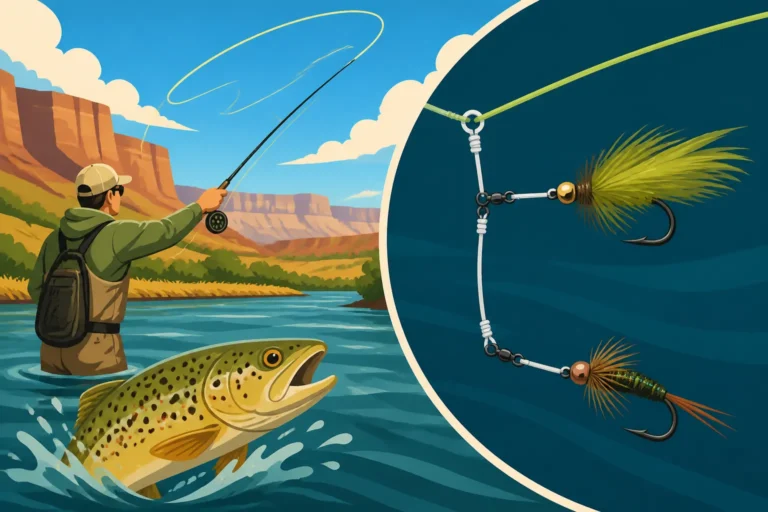
- Flies: For fly anglers, don't overthink it. Hatchery trout are not particularly selective. San Juan Worms, Squirmy Wormies, Copper Johns, Pheasant Tails, and even simpler nymph patterns are excellent choices. Small egg patterns can also be incredibly effective. Sometimes, a simple Woolly Bugger in olive or black stripped through a pool can entice aggressive bites. For more specific fly patterns, especially for quality waters, read up on Fly Selection for New Mexico's San Juan River.
- Line and Hooks: Consider using lighter line (4-6 lb test monofilament or fluorocarbon) and smaller hooks (size 10-14) as these fish are often less line-shy than wild trout.
Where to Find the Schools
Newly stocked trout tend to stay somewhat concentrated, especially in the hours immediately following their release. They often don't disperse widely right away. Look for them in:
- Deeper Pools: These provide security and often have slightly cooler water.
- Slower Currents/Eddy Lines: They avoid fighting strong currents when disoriented.
- Near Access Points: They're often released where the trucks can easily pull up, so don't overlook areas close to parking lots, bridges, or designated fishing access points.
- Cover: Any structure like submerged logs, large rocks, or undercut banks will provide a sense of security for newly released fish.
If you catch one, keep fishing that general area! Chances are, a whole school might still be holding there. Covering water thoroughly with different presentations until you find what they're biting on and where they're congregating is a great strategy.
New Mexico River Trout Stocking Overview
This table provides a general guide to when and where you can typically expect trout stockings in New Mexico rivers. Remember, always check the NMDGF Weekly Fishing and Stocking Report for the most current information.
| Season | General Timing | Typical River Conditions | Stocking Focus | Example Rivers & Areas |
|---|---|---|---|---|
| Spring | Feb – May | Cooler water, moderate flows | Widespread stocking in accessible lower to mid-elevation rivers | Rio Grande (sections), Pecos River, Jemez River, Cimarron River, Red River |
| Summer | June – August | Warmer water (lower elevations); cold, stable flows (tailwaters) | Primarily higher elevation rivers and crucial cold tailwaters | San Juan River (Quality Waters), Red River (upper sections), select Gila tributaries |
| Fall | Sept – Nov | Cooling water, stable flows | Returns to lower & mid-elevation rivers as temperatures become favorable | Rio Grande (sections), Pecos River, Cimarron River |
| Winter | Dec – Jan | Coldest water, often low flows | Limited to specific "Winter Trout Waters" or deeper, community ponds that remain open | Select urban ponds, very cold sections of perennial rivers |
Disclaimer
The information provided in this guide is for general informational purposes only and is based on typical patterns and regulations. Fishing conditions, stocking schedules, and regulations in New Mexico can change rapidly due to environmental factors (like drought or severe weather), NMDGF management decisions, or other unforeseen circumstances. Always consult the official New Mexico Department of Game and Fish website for the most current regulations, stocking reports, and any emergency closures before planning your fishing trip. Your safety and adherence to all local and state laws are your responsibility.