Trout Species in New Mexico
Oh, the sheer joy of chasing trout in New Mexico! There's something truly magical about it, isn't there? Whether you're wading a crystal-clear mountain stream or casting into a high-desert reservoir, the pursuit of these beautiful fish can be incredibly rewarding. But let's be honest, figuring out exactly which trout you're after and what makes each species special can sometimes feel like trying to untangle a bird's nest of fishing line. This guide is here to help you understand the diverse and captivating world of trout species found right here in the Land of Enchantment, helping you identify them, understand their habitats, and ultimately, become a more knowledgeable and successful angler.
The Enchantment of New Mexico's Trout Fisheries
When you think of fishing in New Mexico, trout are often the first fish that come to mind, and for good reason! Our state, despite its arid reputation, boasts an incredible array of cold-water havens, from pristine alpine lakes nestled high in the Sangre de Cristos to the world-renowned tailwaters of the San Juan River. It's a landscape that surprises many, offering an unexpected richness for those who love to cast a line.
Why New Mexico is a Trout Angler's Dream
For many of us, the allure of New Mexico's trout fishing lies in its unique blend of challenge and serenity. Picture this: you've hiked into a remote high-country lake, the air is crisp, and the only sounds are the rustle of aspens and the gentle ripple of water. Or maybe you're navigating the renowned stretches of a freestone river, trying to decipher what fly will entice that elusive brown trout. This isn't just about catching fish; it's about connecting with nature, finding peace, and embracing the adventure. The sheer diversity of our waters means there's a trout experience for every angler, from beginners looking for an easy catch in a stocked pond to seasoned veterans seeking a trophy in wild waters. Plus, the backdrop of our stunning landscapes, from red rock canyons to towering peaks, makes every fishing trip an unforgettable journey. Before you even head out, make sure you're up to speed on all the rules and regulations by checking out the New Mexico Fishing Regulations Overview.
Understanding New Mexico's Trout Diversity
It might surprise you just how many different kinds of trout call New Mexico home. It's not just "trout" as a generic term; we have a rich tapestry of species, each with its own distinct characteristics, preferred habitats, and even unique personalities. From the vibrant, jewel-toned native cutthroats that are a testament to our state's wild heritage, to the feisty rainbow trout that provide endless sport, and the cunning brown trout that challenge even the most experienced anglers, there's always something new to learn and pursue. Each species offers a different kind of fight, requires different tactics, and thrives in specific environments, making trout fishing here a truly dynamic and continuously engaging pursuit. Knowing these distinctions isn't just academic; it directly impacts your success on the water, helping you choose the right spot, the right gear, and the right approach for your target species.
Native Gems: New Mexico's Indigenous Trout
New Mexico is home to two truly special trout species that are native to our waters: the Rio Grande Cutthroat and the Gila Trout. These aren't just fish; they're living pieces of our state's natural history and conservation triumphs. Catching one of these can be an incredibly meaningful experience, connecting you directly to the wild heart of New Mexico.
The Illustrious Rio Grande Cutthroat Trout
Our state fish, the Rio Grande Cutthroat Trout, is a vibrant symbol of New Mexico's wild places. These beautiful fish are instantly recognizable by the distinctive red-orange slash marks under their lower jaw, which gives them their "cutthroat" name. Their bodies typically feature a mix of olive, gold, and copper hues, often with scattered black spots that are more concentrated towards the tail. They tend to be smaller than many stocked trout, often in the 8-12 inch range, but what they lack in size, they make up for in spirit and striking beauty.
Historically, Rio Grande Cutthroats once thrived across much of the Rio Grande drainage, but habitat loss and competition from non-native species pushed them into isolated, high-elevation strongholds. Today, you'll primarily find them in the pristine, cold headwaters of streams and remote alpine lakes within the Sangre de Cristo, Jemez, and Pecos Wilderness areas. These are often difficult-to-access places, requiring a hike or even a horseback ride, which only adds to the reward of catching one. Anglers targeting these precious fish should be prepared for a wilderness experience and adhere strictly to New Mexico Trout Fishing Rules. Conservation is paramount, so catch-and-release is often practiced, and barbless hooks are highly recommended to ensure their survival. To dive deeper into these incredible fish, you'll want to read about Rio Grande Cutthroat Trout in New Mexico.
The Resurgent Gila Trout
The Gila Trout is another incredible native species, and its story is one of remarkable conservation success. Once on the brink of extinction, this species has made a slow but steady comeback thanks to dedicated efforts by biologists and conservationists. Gila Trout have a unique, striking appearance: they typically display a golden-yellow to copper color on their sides, often with darker olive-green backs and bellies that can be silvery-white. Their spots are generally smaller and more numerous than those on a cutthroat, and they typically lack the prominent red slashes of their cutthroat cousins. They are also usually smaller fish, often in the 6-10 inch range, perfectly adapted to the small streams they inhabit.
These unique fish are found almost exclusively in the Gila Wilderness and surrounding drainages in southwestern New Mexico. Their habitat is extremely restricted to pristine, cold, high-elevation streams that are free from non-native trout competition. Fishing for Gila Trout is a highly regulated and often challenging endeavor, usually requiring special permits and adherence to strict catch-and-release guidelines to protect their fragile populations. It's truly a privilege to pursue these fish, and if you're lucky enough to find yourself in their native waters, every effort should be made to ensure their safe release. You might be wondering, Do You Need a Free Permit to Fish for Gila Trout?, and the answer is often yes, depending on the specific recovery waters you plan to visit.
Conservation Stories: Protecting Our Native Trout
The stories of the Rio Grande Cutthroat and Gila Trout are powerful reminders of the importance of conservation in New Mexico. Both species faced severe declines due to factors like habitat degradation, overfishing, and the introduction of non-native trout that outcompeted them or hybridized with them. The recovery of these species is a testament to the hard work of agencies like the New Mexico Department of Game and Fish (NMDGF), along with numerous conservation groups and passionate anglers.
Anglers play a critical role in the ongoing protection of these native gems. By practicing responsible angling techniques, such as proper catch-and-release, using barbless hooks, and minimizing disturbance to their sensitive habitats, we can all contribute to their survival. It’s about respecting the fish and their environment, understanding that the experience of catching one of these rare beauties often outweighs the desire to keep it. These efforts include stream restoration projects, barrier construction to prevent hybridization with non-native trout, and carefully managed stocking programs of pure-strain native fish into reclaimed waters. These continuous efforts ensure that future generations of anglers will also have the opportunity to connect with these incredible, living parts of New Mexico’s natural heritage.
The Ubiquitous Rainbow Trout: A New Mexico Favorite
If there's one trout species that embodies the spirit of accessible fishing in New Mexico, it's the rainbow trout. These spirited, beautiful fish are found throughout the state, from urban ponds to wild rivers, making them a favorite target for anglers of all skill levels. They're a fantastic fish for beginners and a challenging quarry for experienced folks.
Stocked Rainbow Trout: The Backbone of Many Fisheries
For many New Mexicans, especially families and those new to fishing, stocked rainbow trout are the entry point into the angling world. The New Mexico Department of Game and Fish works tirelessly to stock these fish into numerous lakes, rivers, and community ponds across the state, ensuring that there are ample opportunities for everyone to experience the thrill of a bending rod. These hatchery-raised rainbows are often eager biters, making them ideal for kids or anyone looking for a more consistent catching experience.
Stocked rainbows typically have a brighter, more uniform silver body with a distinct pinkish-red stripe running horizontally along their sides, fading into a white belly. Their spots are usually fine and evenly distributed. While they might not grow to massive sizes in many stocked urban waters, they provide endless fun. Targeting them often involves simple techniques like power bait, corn, or small spinners, making it easy to grab some gear, perhaps from a selection you found on Amazon, and head out for a relaxing day. Keep an eye on the Seasonal Stocking Schedule in New Mexico to know when and where the next fresh batch of these eager fish will be released!
Wild Rainbow Trout: A Challenge and a Reward
While stocked rainbows are a fantastic resource, New Mexico also boasts incredible opportunities to pursue wild, self-sustaining populations of rainbow trout. These fish are a different beast entirely. Unlike their hatchery counterparts, wild rainbows are often sleeker, more vibrant in color, and infinitely more cautious. They've had to survive on their wits and natural food sources, making them stronger fighters and more discerning eaters. Their colors can vary wildly depending on their habitat, but they often exhibit deeper, richer hues and more pronounced spots.
You'll find wild rainbows thriving in rivers and streams with stable water flows, good insect populations, and plenty of cover, such as the upper Pecos River, parts of the Rio Chama, and, of course, the legendary San Juan River. Catching a wild rainbow feels like a true accomplishment, requiring more finesse, observation, and often, specific fly-fishing or technical spin-fishing techniques. They tend to grow larger and put up a more acrobatic fight, jumping and thrashing with impressive vigor. The reward isn't just the fish; it's the challenge, the pristine environment, and the satisfaction of outsmarting a truly wild creature.
Popular Rainbow Trout Hotspots
New Mexico offers several world-class destinations for rainbow trout, each with its own unique character. The crown jewel, without a doubt, is the San Juan River below Navajo Dam. This tailwater fishery is famous worldwide for its incredibly dense population of large, healthy rainbow trout. The sheer numbers and average size of the fish here are astounding, drawing anglers from across the globe. It's primarily a fly-fishing destination, with strict regulations including artificial flies and lures only, and usually barbless hooks. If you're serious about your trout fishing, you absolutely need to explore the San Juan River Quality Waters Section.
Beyond the San Juan, other fantastic spots include the Red River, the Cimarron River, and numerous high-mountain lakes in the Carson and Santa Fe National Forests, which are often stocked with rainbows and can develop wild populations. Lakes like Heron Lake and Eagle Nest Lake also offer great rainbow fishing, sometimes alongside other species like kokanee salmon. Even many of the urban waters, like Tingley Beach in Albuquerque, offer fantastic, family-friendly rainbow trout fishing, especially after recent stocking events. It's a testament to the NMDGF's efforts that such diverse opportunities exist for rainbow trout anglers throughout our diverse state.
Brown Trout: The Wary, Wild Adversary
Ah, the brown trout. For many seasoned anglers, this European import represents the pinnacle of freshwater fishing challenge in New Mexico. Known for their stealth, cunning, and often impressive size, brown trout are a highly sought-after species, offering a different kind of thrill than their rainbow cousins. If you're looking for a true test of your angling skills, the brown trout is your fish.
Characteristics of New Mexico Brown Trout
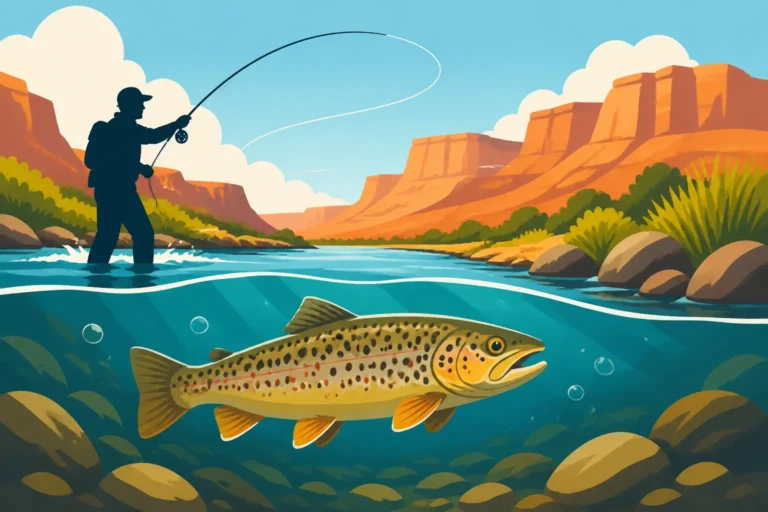
Brown trout are incredibly beautiful fish, often sporting a rich, golden-brown or olive-brown coloration on their backs, fading to lighter sides and a yellowish or creamy belly. Their most distinctive features are the scattered dark spots, often haloed with a lighter ring, and numerous red or orange spots that frequently appear along their sides. These spots are a key identifier and can vary in intensity depending on the specific water they inhabit. In New Mexico, brown trout can grow quite large, especially in fertile rivers and lakes where they have access to abundant food sources. While average sizes might be in the 12-18 inch range, trophy browns over 20 inches are not uncommon, and they are notoriously aggressive predators, often ambushing smaller fish or large insects.
What sets brown trout apart is their incredible wariness. They are masters of their environment, preferring to hold in deep, dark pools, under undercut banks, or beneath dense cover, constantly on alert. They're primarily nocturnal feeders, especially the larger specimens, making night fishing a popular (and often productive) tactic for trophy hunters. Their aggressive nature, particularly during the fall spawning season, makes them an exhilarating fish to catch, often resulting in powerful runs and violent head shakes. For a complete guide, check out Brown Trout Fishing in New Mexico.
Where to Find Trophy Brown Trout
If you're dreaming of a truly large brown trout, New Mexico has the waters for you, but you'll need patience and often, a willingness to explore. The Rio Grande, particularly the stretches below Velarde and in the Rio Grande Gorge, holds some truly impressive browns. These powerful fish thrive in the deep, turbulent waters, finding ample cover and food. The Chama River, especially below El Vado Dam, is another excellent brown trout fishery, known for its healthy population of wild, robust fish. You'll find them lurking in the deeper pockets and around substantial structure.
Lakes also hold their share of trophy browns. Heron Lake and Navajo Lake are known to produce large specimens, often caught by anglers trolling deep with minnow-imitating lures or large streamers. These lake-dwelling browns grow large by preying on kokanee salmon and other baitfish. To find these fish, you often need to think like a predator yourself, looking for areas with deep water, current seams, and structure that provides ambush points. This isn't usually a numbers game; it's about targeting that one big, elusive fish, and the satisfaction when you finally hook one is immense.
Tactics for Targeting Brown Trout
Successfully targeting brown trout often requires a shift in strategy compared to fishing for rainbows. Their wary nature means stealth is key. Approach your fishing spots carefully, minimize shadows, and avoid making loud noises or disturbances. For fly anglers, streamers and large nymph patterns that imitate sculpins, crayfish, or stoneflies are highly effective. Try casting these patterns close to cover, letting them drift naturally, or stripping them aggressively to elicit a predatory strike. Larger patterns tend to entice larger browns, especially at dusk or dawn.
Spin fishermen will find success with minnow-imitating crankbaits, jerkbaits, and heavy spinners. Colors that mimic natural baitfish, like silver, gold, or brown patterns, often work best. Fishing these lures near submerged logs, rock piles, and undercut banks is crucial. Because browns are often nocturnal feeders, many trophy hunters swear by fishing through the night with large plugs or even live bait (where legal and appropriate). Whether you're a fly angler or using spinning gear, patience is your greatest virtue when pursuing these magnificent and cunning adversaries. Remember to check local regulations, as some areas may have special rules for New Mexico Special Trout Water Rules that pertain to specific gear types.
Brook Trout and Lake Trout: Other Cold-Water Inhabitants
While rainbows and browns might get a lot of the spotlight, New Mexico is also home to other fascinating cold-water dwellers: the vibrant brook trout and the deepwater dwelling lake trout. Though less widespread, these species offer unique angling experiences and are a testament to the diverse cold-water habitats in our state.
The Colorful Brook Trout in High Alpine Waters
Brook trout, despite their name, are actually a species of char, but for anglers, they're typically grouped with trout due to their similar habitat and fishing methods. These small, jewel-toned fish are absolutely stunning to behold. They boast a dark, mottled olive-green back with distinctive worm-like patterns (vermiculations), fading to bright red or orange spots, often with blue halos, along their sides. Their fins, especially the lower ones, typically have white leading edges, often bordered by black. They are generally smaller fish in New Mexico, usually between 6-10 inches, but their vibrant colors and willingness to bite make them a delight to catch.
You'll find brook trout almost exclusively in the highest, coldest, and often most remote streams and alpine lakes of New Mexico's mountains, particularly in the Pecos and Gila Wilderness areas. They thrive in pristine, oxygen-rich waters, often at elevations where few other fish can survive. These are typically self-sustaining, wild populations that reproduce naturally. Reaching these brook trout havens often requires a strenuous hike, but the reward of fishing in such untouched beauty, with these colorful fish as your quarry, is well worth the effort. A simple fly and bubble or a tiny spinner is often all you need to entice these eager eaters.
Deepwater Giants: New Mexico's Lake Trout
When it comes to size, the lake trout is the undisputed king among New Mexico's cold-water species. Another char species, lake trout are built for the depths, with long, sleek bodies, typically dark green, gray, or brown on their backs, fading to lighter sides and bellies, covered in cream-colored spots that are often irregular in shape and size. They have a deeply forked tail, a clear indicator of their char lineage. In New Mexico, lake trout can grow to impressive sizes, with specimens weighing many pounds not uncommon, and they are known for their powerful, sustained fights.
In New Mexico, lake trout are primarily found in just a few deep, cold reservoirs. Heron Lake is perhaps the most famous lake trout fishery, but they are also found in Navajo Lake and El Vado Lake. These fish spend most of their lives in the deepest, coldest parts of the lake, especially during the warmer months, only venturing shallower during cooler periods or to spawn. Targeting lake trout usually involves specialized techniques like deep-water trolling with large spoons or plugs, or vertical jigging with heavy spoons and soft plastics over submerged structures. Locating them often requires a good fish finder to identify thermoclines and deepwater structure where they hold. For more detailed insights into these formidable fish, be sure to read up on Lake Trout in New Mexico. Their size and challenging nature make them a true trophy fish for those willing to pursue them in their deep, cold domains.
Trout Habitat and How It Shapes the Fish
Understanding where trout live – their habitat – is just as important as knowing what species you're chasing. The environment dictates everything: the size of the fish, their color, their diet, and even how they behave. In New Mexico, with our diverse landscapes and often fragile water resources, trout habitat can be particularly critical to their survival and thriving populations.
The Importance of Cold, Clean Water
At the heart of any healthy trout fishery is cold, clean, and well-oxygenated water. Trout, as a general rule, are cold-water species, meaning they require specific temperature ranges to survive and thrive. Different species have different tolerances; for example, native cutthroat and Gila trout often prefer the coldest headwater streams, while brown trout can tolerate slightly warmer conditions. As water temperatures rise, the oxygen content decreases, which can stress and ultimately kill trout. This is why you'll find them in high-elevation streams fed by snowmelt, deep lake thermoclines, or cold tailwater fisheries below large dams.
Beyond temperature, water quality is paramount. Siltation from erosion, pollution, and nutrient overload can all degrade trout habitat, impacting their food sources and breeding grounds. Drought, a recurring challenge in New Mexico, directly impacts water levels and temperatures, making already precarious habitats even more vulnerable. Anglers can play a part in protecting these vital resources by practicing Leave No Trace principles, avoiding disturbing stream banks, and reporting any pollution they observe.
Food Sources and Their Influence on Trout Growth
What a trout eats directly influences its growth, health, and fighting ability. Trout are opportunistic feeders, meaning they'll eat a variety of food items available in their environment. In streams and rivers, their diet consists primarily of aquatic insects in their larval, nymph, and adult stages (mayflies, caddisflies, stoneflies), as well as terrestrial insects that fall into the water (grasshoppers, ants, beetles). Smaller fish, sculpins, and even crayfish also make up a significant portion of the diet for larger trout, especially brown trout.
In lakes and reservoirs, the menu expands to include zooplankton, baitfish like minnows or shad, and for species like lake trout, other game fish such as kokanee salmon. A rich and diverse food supply means healthier, faster-growing fish, which in turn leads to more robust populations and exciting angling opportunities. Knowing what the fish are currently feeding on, often referred to as "matching the hatch" in fly fishing, is a critical skill for success and helps you choose the right fly or lure for your tackle box, whether you picked it up locally or ordered it from Amazon.
Structure and Cover: Where Trout Live
Just like we seek shelter from the elements, trout need structure and cover in their environment to feel safe, ambush prey, and escape predators. In rivers and streams, this means deep pools, undercut banks where the current has carved out a hiding spot, large boulders that break the current, fallen logs, and dense riparian vegetation along the banks. These areas provide shade, slow water where they can rest, and prime ambush points.
In lakes and reservoirs, trout will often relate to submerged features like rock piles, old creek channels, drop-offs, humps, and standing timber. For lake trout, specifically, this means deep, cold structures. Understanding how to "read the water" – identifying these structural elements – is a fundamental skill for any trout angler. By knowing where trout prefer to hold, you can present your bait, lure, or fly effectively, increasing your chances of a hook-up. Learning to identify these key spots is crucial for successful trout fishing throughout New Mexico.
Conservation and the Future of New Mexico Trout
The beauty of New Mexico's trout fisheries isn't just a happy accident; it's the result of ongoing conservation efforts. Protecting these incredible fish and their habitats is a continuous process that involves state agencies, environmental groups, and, most importantly, anglers like us. The future of trout fishing in the Land of Enchantment truly depends on our collective stewardship.
Stocking Programs: Maintaining Accessible Fisheries
One of the most visible aspects of trout conservation and management in New Mexico is the extensive stocking program carried out by the New Mexico Department of Game and Fish (NMDGF). These programs are essential for providing consistent angling opportunities, especially in waters that can't support self-sustaining wild populations due to environmental factors or heavy fishing pressure. Stocking ensures that urban ponds and easily accessible lakes and rivers remain productive, offering chances for beginners and families to enjoy the sport.
The NMDGF typically stocks rainbow trout, which grow quickly and adapt well to various environments, but they also use stocking for conservation purposes, such as reintroducing native Rio Grande Cutthroat Trout in New Mexico to historical ranges or maintaining Gila Trout populations. These stocking events are carefully planned, taking into account water temperatures, public access, and overall fishery management goals. Knowing the New Mexico Fishing Season Dates and Limits and staying informed about the Seasonal Stocking Schedule in New Mexico can significantly enhance your fishing plans and increase your chances of success, ensuring you're there when the fish are.
Habitat Preservation and Restoration Efforts
Beyond stocking, a huge part of trout conservation focuses on preserving and restoring the natural habitats that trout depend on. This involves a variety of initiatives, often in partnership with federal agencies like the Forest Service and Bureau of Land Management, as well as non-profit organizations. Efforts include riparian zone protection, which means safeguarding the vegetation along stream banks to prevent erosion, provide shade, and filter runoff. This healthy vegetation helps keep water temperatures cool and reduces sedimentation, both vital for trout.
Projects also include in-stream habitat improvements, such as adding large woody debris or constructing rock structures that create pools, riffles, and cover for fish. Removing barriers, like outdated culverts that prevent fish migration, is another critical component, allowing trout to access more of their historical spawning and feeding grounds. These often unsung efforts are foundational to ensuring that wild trout populations can thrive and that stocked fish have a healthy environment to call home. Many of these projects are supported by funds generated through fishing license and New Mexico Habitat Stamp Cost and Requirement purchases, directly tying angler contributions to conservation success.
Angler's Role in Protecting Trout
As anglers, we are on the front lines of conservation. Our actions on the water have a direct impact on the health of trout populations. One of the most important practices, especially when targeting native or wild trout, is catch and release. Learning proper fish handling techniques, using appropriate gear like barbless hooks, and minimizing the time a fish is out of the water are crucial for ensuring its survival after release. A good rubber net, easily found on Amazon, can minimize harm to a fish's protective slime coat, for example. We've put together a thorough guide on Catch and Release Best Practices in New Mexico that every angler should review before heading out.
Adhering to all New Mexico Fishing Regulations Overview, including bag and possession limits, size restrictions, and gear restrictions in special waters, is not just about avoiding penalties – it's about responsible resource management. By being informed, respectful, and proactive, New Mexico anglers become essential partners in the ongoing effort to conserve and enhance our state's precious trout fisheries for generations to come.
Essential Gear and Techniques for New Mexico Trout Anglers
Whether you're a seasoned fly fisherman or just starting with a spinning rod, having the right gear and understanding basic techniques will make all the difference in your New Mexico trout fishing adventures. It doesn't have to be complicated or expensive, but a little preparation goes a long way!
Rods, Reels, and Lines for Trout
Choosing the right rod and reel setup depends largely on the type of fishing you plan to do and the species you're targeting.
- Spinning Gear: For general trout fishing, especially for stocked rainbows in lakes and ponds, a light to ultra-light spinning rod (5-7 feet long) paired with a small spinning reel spooled with 4-6 pound test monofilament or fluorocarbon line is ideal. This setup is versatile, easy to learn, and great for casting small lures or bait. Many excellent beginner combos are available, and you can easily find a suitable one on Amazon.
- Fly Fishing Gear: For dedicated trout streams and rivers, particularly for native and wild trout, a fly rod is often preferred. A 4- to 6-weight fly rod, 8.5 to 9 feet long, paired with a matching reel and floating fly line, is a versatile setup for most New Mexico trout waters. Lighter rods (2-3 weight) are fantastic for small streams and brook trout, offering incredible feel for smaller fish. For more detailed advice, check out Best Rods and Reels for New Mexico Trout Fishing.
Bait, Lures, and Flies for Success
The type of bait, lure, or fly you use is paramount and often depends on the water, the season, and the specific trout species.
- Bait Fishing: For stocked rainbow trout, popular choices include PowerBait (in various colors and forms), salmon eggs, and natural baits like worms. These are particularly effective in lakes, ponds, and slower-moving sections of rivers. Just be sure to check regulations, as some special trout waters restrict bait use.
- Lure Fishing: Spinners (like Panther Martins, Mepps, or Rooster Tails) in sizes #0 to #2 are incredibly effective for all trout species in both still and moving water. Small spoons (Kastmasters, Super Dupers) are also great, especially in lakes and for larger river trout. Minnow-imitating crankbaits are excellent for aggressive brown trout.
- Fly Fishing: The world of flies is vast! Essential categories include nymphs (Pheasant Tail, Hare's Ear, Prince Nymph) for subsurface fishing, dry flies (Adams, Elk Hair Caddis, Parachute Adams) for when trout are rising to insects on the surface, and streamers (Woolly Bugger, SculpZilla) for imitating baitfish, especially for larger browns and rainbows. Having a diverse selection of flies is key, and you can find great starter kits online.
| Trout Species | Primary Habitat | Typical Size Range (NM) | Key Identification Marks | Preferred Baits/Lures/Flies |
|---|---|---|---|---|
| Rainbow Trout | Rivers, Lakes, Stocked Ponds | 10-20 inches | Pink/red stripe, small dark spots, silvery | PowerBait, Worms, Spinners, Nymphs, Dry Flies, Streamers |
| Brown Trout | Rivers, Deep Lakes | 12-25+ inches | Brown/gold, large dark spots (often haloed), red spots | Minnow imitations, Large Spinners, Streamers, Nymphs |
| Rio Grande Cutthroat | High Mountain Streams, Alpine Lakes | 8-12 inches | Red-orange slash under jaw, scattered dark spots | Small Dry Flies, Nymphs, Terrestrials, Small Spinners |
| Gila Trout | Gila Wilderness Streams | 6-10 inches | Golden/copper body, small dark spots, no red slash | Small Dry Flies, Nymphs |
| Brook Trout | High Alpine Streams, Small Lakes | 6-10 inches | Dark green vermiculations, red/blue spots, white fin edges | Small Dry Flies, Nymphs, Worms, Tiny Spinners |
| Lake Trout | Deep, Cold Lakes (Heron, Navajo) | 15-30+ inches | Forked tail, pale spots on dark body | Deep Trolling Lures, Large Spoons, Jigging Spoons |
Wading and Safety Gear
When fishing New Mexico's rivers and streams, wading gear is often essential. Waders (chest or hip) keep you dry and comfortable in cold water, while sturdy wading boots (often with felt or rubber soles for grip) provide crucial traction on slippery riverbeds. A wading staff is highly recommended, especially in fast currents or unfamiliar waters, to maintain balance and probe depth.
Beyond comfort, safety is paramount. Always be aware of weather conditions, especially in the mountains where storms can roll in quickly. Carry plenty of water, sunscreen, and appropriate layers, even on what seems like a warm day. If you're venturing into remote areas, let someone know your plans and expected return time. A small first-aid kit, a headlamp (even for day trips, just in case!), and a multi-tool are also smart additions to your fishing backpack. For any kind of fishing trip in New Mexico, ensuring you have the right gear, from a reliable fishing backpack to a robust set of waders, is crucial for both enjoyment and safety.
Disclaimer
This article is for general informational purposes only and does not constitute professional advice. Laws, prices and regulations vary by location and change over time. Consult a qualified professional for guidance on your specific situation.