San Juan River Quality Waters Section
The San Juan River's Quality Waters section holds an almost mythical status among anglers, a bucket-list destination for anyone serious about fly fishing. Yet, for all its fame, the sheer density of regulations, the highly technical fishing, and the crowds can make it feel incredibly daunting for newcomers. It’s easy to feel overwhelmed just thinking about where to start, what flies to use, or even if you’ll stand a chance amidst the experts. This guide is designed to demystify the legendary San Juan River Quality Waters, breaking down everything you need to know to confidently plan your trip and perhaps, land that trophy trout you’ve been dreaming of.
What Makes the San Juan River Quality Waters So Special?
Let's be real, the San Juan isn't just any river. It’s a place where fishing legends are born, and sometimes, where seasoned anglers get humbled. But what exactly gives it this almost sacred status in the fly-fishing world? It's a combination of unique natural conditions and dedicated conservation efforts that have created an unparalleled trout fishery.
A Legacy of Trophy Trout
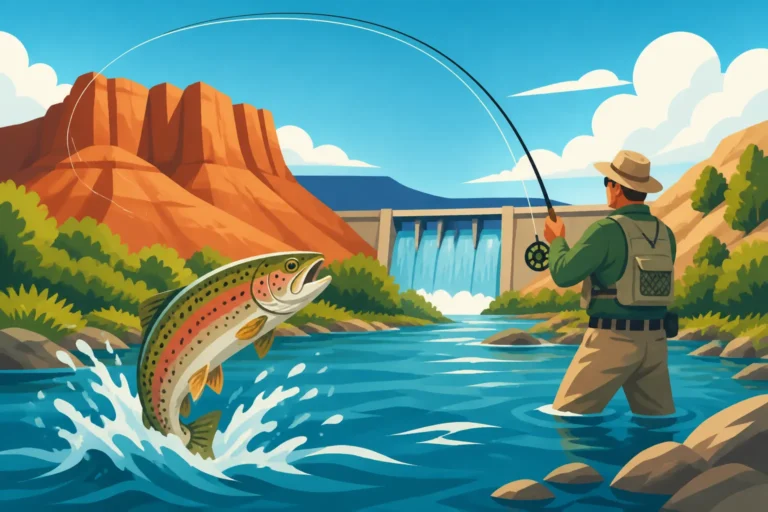
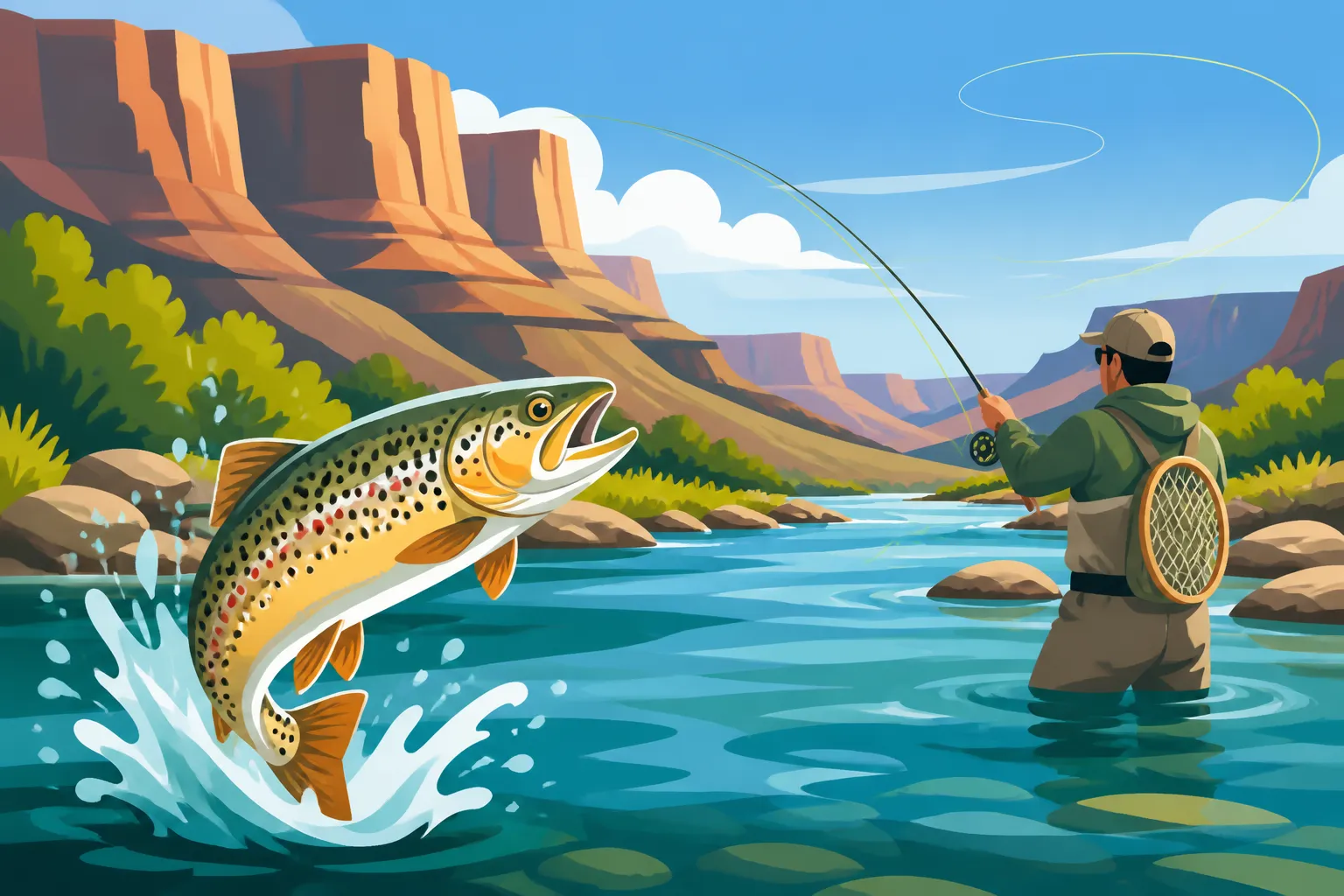
The San Juan River, specifically the 3.75-mile stretch immediately below the Navajo Dam, is world-renowned for its incredible population of large, healthy trout. We're talking about a fishery that consistently produces rainbows and brown trout in the 18 to 22-inch range, with plenty of opportunities for even bigger fish. This isn't just a handful of big fish; it's a dense population, often cited as one of the highest concentrations of trout per mile in North America. Imagine drifting a tiny midge pattern, and suddenly your line goes tight with a fish that puts a serious bend in your rod. That's a regular occurrence here. The sheer abundance means you’re almost guaranteed to encounter fish, even if figuring out their picky eating habits is another challenge entirely. Anglers travel from all over the globe to experience this unique trout factory, eager to test their skills against these often-finicky, but always rewarding, fish.
The Tailwater Advantage
The secret sauce to the San Juan's productivity lies in its status as a "tailwater" fishery. What does that mean exactly? It means the river's flow and temperature are largely controlled by the release of water from Navajo Dam. The water released from the bottom of the dam comes from the deeper parts of Navajo Lake, which acts like a giant, natural refrigeration unit. This ensures a consistent, cold water temperature year-round, typically hovering around 42-48°F. This stability is absolutely crucial for trout. Unlike free-flowing rivers that experience dramatic temperature swings with the seasons, the San Juan's consistent cold water creates a stable environment where trout can thrive and grow fat.
Beyond temperature, the dam also provides a constant, rich source of nutrients. Tiny aquatic insects, known as midges and annelids (like the famous San Juan Worm), are constantly flushed through the system, creating an all-you-can-eat buffet for the trout. This steady, abundant food source, combined with the stable water conditions, allows the trout to grow much faster and larger than in many other rivers. It’s a perfectly engineered ecosystem, albeit one created by human intervention, that gives the San Juan its exceptional reputation.
Understanding the "Special Trout Water" Designation
The "Quality Waters" section of the San Juan River isn't just a nickname; it's a specific regulatory designation by the New Mexico Department of Game and Fish. This designation comes with a very strict set of rules designed to protect the fragile ecosystem and ensure the continued health of its trophy trout population. If you’re planning a trip, understanding these rules is paramount. For example, in the Quality Waters, you are limited to only artificial flies and lures with a single, barbless hook. Live bait, scented lures, and barbed hooks are absolutely forbidden. The daily bag limit for trout is zero; it’s strictly catch and release. This isn't just about conservation, it's about managing fishing pressure and ensuring that the large, genetically superior fish can continue to reproduce and contribute to the fishery.
These regulations differ significantly from general New Mexico Fishing Regulations Overview or the more specific New Mexico Trout Fishing Rules that apply to other parts of the state. This strict management is why the fish here are so healthy and grow so large. It also means you need to be prepared with the right gear and knowledge to fish legally and ethically. Ignoring these rules not only risks a hefty fine but also harms the very resource we all come to enjoy.
Navigating the Zones: Upper and Lower Quality Waters
The Quality Waters section, while only 3.75 miles long, can feel like several different rivers packed into one. From the intensely braided upper sections to the more traditional flowing lower stretches, each area presents unique challenges and opportunities. Understanding these zones is key to maximizing your success and finding water that suits your fishing style.
The Braids Section: A Fly Angler's Paradise
Just below the Navajo Dam, the river spreads out into what's affectionately known as "The Braids." This section is a maze of shallow, interconnected channels, riffles, and small pools. It's truly a sight to behold, with gin-clear water snaking through gravel beds and abundant aquatic vegetation. This is where many anglers, especially fly fishermen, focus their efforts, and for good reason. The braided nature means there's a lot of fishable water, and the shallower depths make it more accessible for wade fishing. Access points like the famous "Texas Hole" and its surrounding braids are prime spots.
Fishing in the Braids often involves methodical nymphing, targeting individual fish you can spot in the clear water, or blind-fishing promising seams and pockets. The current is generally slower here than in the main river channel, which allows for longer, more controlled drifts with tiny flies. It's a visually stunning and highly productive section, though it can get quite crowded, especially on weekends and during peak season. You’ll often find guides and experienced anglers here, patiently working the water. This is also where you'll spend a lot of time perfecting your cast and drift, often making subtle adjustments to your indicator and split shot to get your flies into the trout's feeding zone.
The Baits Section and Beyond
As you move downstream from the Braids, the river begins to consolidate into a more defined main channel, flowing with a slightly faster current. This section is often referred to as the "Baits" section, which can be a bit confusing given the "artificial lures only" rule, but it refers to a time before the current regulations were as strict. While it lacks the intricate braided channels, this area still holds a tremendous amount of fish and offers excellent opportunities. Access points further downstream, like Cottonwood Campground, offer different dynamics. Here, the water is generally deeper, and the current can be more challenging to wade.
You'll find that drift boat fishing becomes more popular in this section, as it allows anglers to cover more water efficiently. However, wade fishing is still very productive from the numerous access points along the river. The deeper runs and larger pools often hold some of the biggest fish in the system, especially brown trout. The techniques might shift slightly from the delicate approaches in the Braids to more aggressive nymphing strategies or even streamer fishing if the conditions are right. This part of the river can sometimes offer a bit more solitude than the upper braids, particularly if you're willing to walk a little further from the main access points.
Access Points and Facilities
One of the most appealing aspects of the San Juan Quality Waters is the relatively easy access, considering its remote location. The primary access is via Navajo Dam Road off Highway 511. Once you arrive, you’ll find well-maintained parking areas and facilities. The main hub is often considered to be near the Texas Hole area, which provides ample parking, restrooms, and clear entry points to the braided sections. Many anglers begin their day here, fanning out into the various channels.
Further downstream, other popular access points include Cottonwood Campground, which offers additional river access and camping opportunities, and the Simon Canyon area. Several local fly shops, such as Abe's Fly Shop and Float 'N' Fish, are located right near the river and serve as invaluable resources for local intel, current conditions, and last-minute gear needs. These shops often have detailed maps and can point you to the most productive spots based on recent reports. For those looking to extend their stay, Navajo Lake Camping and Fishing Access provides excellent options ranging from developed campgrounds to more primitive sites, all within a short drive of the Quality Waters. It’s always a good idea to check conditions and accessibility, especially during peak season or after any significant weather events, to ensure a smooth trip.
Essential Techniques for San Juan Success
Fishing the San Juan River Quality Waters isn't about brute force; it's about finesse, precision, and understanding the subtle nuances of trout behavior in this unique tailwater. The fish here are educated, accustomed to seeing thousands of flies, and they demand a near-perfect presentation.
Mastering the Nymph Rig
Without a doubt, nymphing is the most consistently effective technique on the San Juan River. The trout primarily feed subsurface on the abundant midge and annelid populations. A typical setup involves a "two-fly nymph rig," often with a strike indicator. The key is to present your flies at the precise depth where the fish are feeding, which can be anywhere from a few inches off the bottom to higher in the water column depending on the hatch.
Your rig will usually consist of a strike indicator positioned to allow your flies to drift naturally, split shot (often small, removable sizes) placed above the flies to get them down quickly, and two small nymph patterns. Common patterns include tiny San Juan Worms (often red, brown, or pink), various midge patterns (like Jujubee Midges, Top Secret Midges, and Zebra Midges in sizes #20-24), and emerger patterns like RS2s or WD-40s. The leader and tippet selection is also critical, typically requiring fluorocarbon in 5x to 7x for its invisibility and sinking properties. The goal is a drag-free drift that mimics the natural movement of the insects in the current. If you're struggling, don't be afraid to experiment with your split shot placement and indicator depth, as even slight adjustments can make a huge difference. For a deeper dive, check out our guide on Nymph Fishing on the San Juan River.
Dry Fly and Emerger Strategies
While nymphing dominates, the San Juan River also offers incredible dry fly and emerger fishing opportunities, especially during specific hatches. The primary dry fly action centers around midges and Blue-Winged Olives (BWOs). Midge hatches can occur year-round, particularly on cloudy, calm days, bringing pods of trout to the surface to sip the tiny insects. BWOs are more seasonal, typically appearing in the spring and fall.
When trout are rising, the challenge is often matching the incredibly small size of the naturals and delivering a delicate, drag-free presentation. You'll need fine tippet (7x or 8x) and precise casting. Emerger patterns, fished just below or in the film, can also be highly effective when fish are transitioning from nymphing to surface feeding. Patterns like Barr's Emerger, Parallel Universe Midge Emerger, or a simple CDC Comparadun can be deadly. It's often helpful to keep an eye out for rising fish or consult with local fly shops about current hatches. Knowing What Flies Work Best on the San Juan River in Summer? or other seasons can significantly improve your chances during these surface-feeding events. Don’t neglect the importance of clear, polarized sunglasses for spotting these subtle rises.
Gear Up for the San Juan
Proper gear is not just a luxury; it's a necessity for successful and comfortable fishing on the San Juan. Your rod and reel setup should be appropriate for targeting wary trout with light lines. A 9-foot, 5-weight fly rod is a versatile choice for most conditions, offering enough backbone for larger fish while still allowing for delicate presentations. Pair it with a reliable reel that has a smooth drag, loaded with a floating weight-forward fly line. For more specialized techniques, some anglers might opt for a lighter 3 or 4-weight rod for dry fly fishing, or a heavier 6-weight for throwing streamers, though the latter is less common in the Quality Waters.
Beyond the rod, quality waders and wading boots are essential. The water here is consistently cold, and you'll be spending a lot of time in it. Breathable waders are great for comfort, and sturdy wading boots with good ankle support are crucial for navigating the slippery, uneven river bottom. Many anglers prefer felt soles for grip, though rubber soles with studs can also be effective. A reliable wading staff can provide extra stability, especially in faster currents or deeper sections. Don't forget a quality net, preferably one with a rubber or silicone mesh to protect the fish's slime coat during catch and release. To get a detailed overview of what to choose, check out our guide on Best Fly Rods for the San Juan River and other gear essentials.
Understanding San Juan River Regulations and Conservation
The San Juan Quality Waters isn't just a place to fish; it's a model of conservation, and every angler plays a vital role in its continued success. The specific regulations here are designed with the trout's welfare in mind, ensuring a healthy, robust fishery for generations to come.
Barbless Hooks and Artificial Lures Only
This is perhaps the most defining regulation of the San Juan Quality Waters, and one that trips up many newcomers. Within the 3.75-mile Quality Waters section, anglers are strictly limited to artificial flies and lures only, and all hooks must be single and barbless. This means no live bait, no PowerBait, no Gulp! worms, and absolutely no lures that mimic natural bait or have multiple hooks. Even if your favorite spinner has a barbed treble hook, it's illegal to use here unless you modify it.
The rationale behind these strict rules is simple: fish conservation. Barbless hooks inflict minimal damage to the fish's mouth, making it much easier to remove the hook quickly and release the fish unharmed. This is crucial in a catch-and-release fishery where individual fish may be caught multiple times. Artificial lures and flies reduce the chances of deep hooking, further protecting the fish. If you're new to barbless hooks, you can buy them pre-made, or easily pinch down the barb on a regular hook with a pair of pliers. This simple act is a testament to the respect anglers have for this unique resource. For a complete understanding of these specific guidelines, our New Mexico Special Trout Water Rules guide is an excellent resource. You can also learn more about the methodology behind this approach in our Barbless Hook Fishing Technique for New Mexico Rivers article.
Catch and Release Best Practices
Because the San Juan River Quality Waters is a strictly catch-and-release fishery, practicing proper fish handling is not just recommended, it's mandatory for the health of the population. Every single fish caught must be released alive and unharmed. This means prioritizing the fish’s well-being above all else. Here are some key best practices:
- Keep 'Em Wet: Minimize the time the fish is out of the water. Handle them gently while they are still submerged if possible, especially for photography.
- Wet Hands Only: Always wet your hands before touching a fish. Dry hands can remove the protective slime coat, leaving the fish vulnerable to disease.
- Support the Fish: If you must lift a fish for a quick photo, support its body horizontally with both hands. Never hold a large fish vertically by its jaw alone, as this can damage its internal organs.
- Use a Rubber Net: A knotless rubber or silicone net is ideal. It’s gentler on fish scales and fins and prevents hooks from getting tangled, making for a quicker release.
- Remove Hooks Quickly: Barbless hooks make this much easier. Use forceps or pliers to carefully back out the hook. If a fish is deeply hooked, cut the line as close to the hook as possible rather than tearing the hook out, which is rare with barbless hooks.
- Revive If Necessary: If a fish seems sluggish, hold it gently in the current, facing upstream, until it swims away on its own.
These practices are not just rules; they are ethical considerations that allow this amazing fishery to thrive. You can delve deeper into these critical methods in our detailed guide on Catch and Release Best Practices in New Mexico.
Protecting This Priceless Fishery
Beyond individual actions, collective responsibility is vital for the San Juan. The New Mexico Department of Game and Fish, along with various local conservation groups, works tirelessly to manage and protect this resource. However, anglers also play a crucial role. This means adhering to a "leave no trace" ethic: packing out all trash, including discarded fishing line and broken leaders, and avoiding disturbing the riverbanks or vegetation.
It also involves respecting other anglers. The San Juan can get crowded, and courtesy goes a long way. Maintain a reasonable distance from other anglers, especially those wade fishing. If you're on a drift boat, be mindful of those on foot. Understanding the unique challenges of a high-pressure fishery means we all need to do our part to ensure it remains a pristine and productive environment. This collective effort is what ensures that the San Juan River Quality Waters remains a legendary fishing destination for years to come.
Planning Your Trip to the San Juan Quality Waters
A successful trip to the San Juan Quality Waters begins long before you even tie on your first fly. Thoughtful planning, from choosing the right time of year to deciding on lodging and guide services, can significantly enhance your experience on this celebrated river.
When to Visit: Seasonal Considerations
The San Juan River is a year-round fishery, thanks to the stable tailwater temperatures, but each season offers a distinct experience with its own advantages and challenges. Understanding these nuances can help you decide when the best time of year to fish in New Mexico is, and specifically for the San Juan.
- Winter (December – February): This is often considered the "secret season" by many dedicated anglers. Crowds are significantly thinner, and while the weather can be cold, the fishing can be superb. Midges are the dominant hatch, and nymphing with tiny patterns is highly effective. You’ll need good layering and warm waders, but the solitude and consistent action can be incredibly rewarding.
- Spring (March – May): Spring brings increasing insect activity, including rising BWO hatches, alongside consistent midge activity. Runoff, which plagues many other rivers, is largely a non-issue on the San Juan due to the dam control. Fishing can be excellent, but crowds begin to pick up, especially during spring breaks.
- Summer (June – August): Summer offers warm, pleasant weather and longer fishing days. Caddis and terrestrials might make an appearance, but midges and BWOs (especially in the mornings and evenings) are still the primary focus. This is peak tourist season, so expect larger crowds, especially on weekends. It's still highly productive, but you might need to find quieter stretches or fish during off-peak hours. Check out What Flies Work Best on the San Juan River in Summer? for specific patterns.
- Fall (September – November): Fall is another favorite season for many. The weather is crisp, the cottonwood trees turn golden, and the BWO hatches can be phenomenal. Brown trout also become more active as they prepare for spawning (remember, no targeting spawning fish or redds). Crowds can still be substantial, particularly in early fall.
Ultimately, the "best" time depends on your priorities: solitude, specific hatches, or comfortable weather. Our guide on When Is the Best Time to Fish the San Juan River? offers a more detailed breakdown.
Hiring a Guide or Going Solo?
Deciding whether to hire a professional guide is a common dilemma, especially for a technical fishery like the San Juan. There are distinct advantages to both approaches.
Hiring a Guide:
- Local Expertise: A good guide knows the river intimately. They understand current conditions, recent hatches, and where the fish are holding. This is invaluable on a river where conditions can change daily.
- Gear and Techniques: Guides often provide all the necessary gear, from flies to waders, saving you the hassle and cost. They can also teach you the specific techniques that work best on the San Juan, refining your cast and drift.
- Maximizing Time: With a guide, you spend less time figuring things out and more time fishing effectively. They can navigate crowded areas or take you to less-frequented spots.
- Safety: Guides are experienced in river safety and can ensure you have a secure and enjoyable day on the water.
Companies like FishingBooker connect anglers with local, reputable guides who specialize in the San Juan. Booking a guide, especially for your first trip, can be the quickest way to unlock the river's secrets and significantly increase your chances of success. It's an investment that often pays off in terms of learning and enjoyment.
Going Solo:
- Cost-Effective: Skipping a guide fee means more money for lodging, food, or additional gear.
- Flexibility: You're on your own schedule, able to fish when and where you please without a fixed itinerary.
- Sense of Accomplishment: There’s a profound satisfaction in figuring out a challenging river on your own.
If you choose to go solo, ensure you do thorough research, have the right gear, and are confident in your fly-fishing skills. Studying resources like "How to Get to the San Juan River Quality Waters" and local fishing reports will be crucial. Many anglers opt for a guided trip on their first visit, then confidently tackle the river solo on subsequent trips once they’ve gained local knowledge.
Lodging, Food, and Local Amenities
While the San Juan River Quality Waters is in a relatively remote corner of New Mexico, there are several convenient options for lodging and amenities nearby.
- Closest Towns: The towns of Farmington, Bloomfield, and Aztec are the closest population centers, typically within a 30-45 minute drive of the Quality Waters. Farmington, being the largest, offers the widest selection of hotels, motels, restaurants, and grocery stores. You'll find everything from budget-friendly options to more comfortable accommodations.
- On-Site Lodging: For a more immersive experience, there are a few private lodges and cabins located right on or very near the river, often associated with fly shops like Abe's Fly Shop. These can offer direct river access and a dedicated angling atmosphere.
- Camping: Navajo Lake State Park, which encompasses the river below the dam, offers excellent camping opportunities. Campgrounds like Cottonwood and Simon Canyon provide developed sites with amenities, while more primitive options are available. This is a fantastic way to stay close to the action and enjoy the natural beauty of the area. Remember to plan for your camping needs by checking out Navajo Lake State Park Camping and Fishing Access.
- Local Fly Shops: Don't underestimate the value of the local fly shops like Abe's Fly Shop and Float 'N' Fish. They are not just places to buy flies; they are community hubs. The staff can provide invaluable, up-to-the-minute information on river conditions, hot flies, and specific techniques that are working. They are also great sources for emergency gear, licenses, and local recommendations for food and services. Stopping in for intel before hitting the water is always a smart move.
| San Juan River Quality Waters Section Overview | Upper Braids Section | Baits Section / Lower Quality Waters |
|---|---|---|
| Location | Immediately below Navajo Dam | Downstream from the Braids to the designated boundary |
| Primary Fishing Method | Wade fishing (technical nymphing, some dry fly) | Wade & drift boat (nymphing, streamers) |
| Water Characteristics | Multiple shallow, braided channels; slower current | Deeper, more defined main channel; faster current |
| Accessibility | Excellent, ample parking (e.g., Texas Hole area) | Good, some walk-in access, popular for guided floats |
| Crowd Level | Often very high due to easy access and prolific fish | Can be less crowded than braids, especially further down |
| Common Fly Patterns | Tiny midges, San Juan Worms, RS2s, BWO emergers | Midges, San Juan Worms, larger emergers, small streamers |
| Trout Size/Numbers | High density of healthy trout, good chance for trophies | Larger average size, but potentially fewer fish per hour |
Disclaimer
Please note that fishing regulations, conditions, and access can change. Always consult the official New Mexico Department of Game and Fish website or obtain a current copy of their fishing proclamation before planning your trip to ensure you have the most up-to-date information. This guide is for informational purposes only and should not replace official sources.