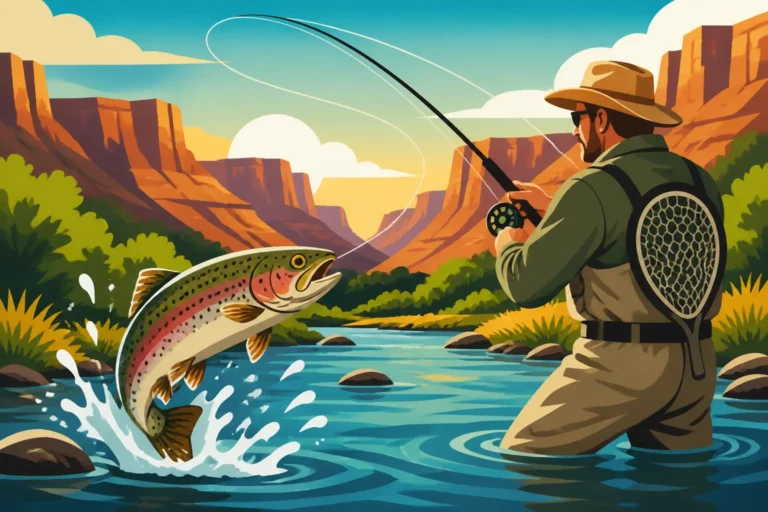
San Juan River Special Trout Water Section
The San Juan River in New Mexico holds a legendary reputation among anglers, particularly its fabled "Special Trout Water" section below Navajo Dam. However, the unique rules and highly educated fish in this world-class fishery can feel daunting for newcomers and even experienced anglers. This comprehensive guide aims to demystify this incredible stretch of river, providing a deep dive into its regulations, the best techniques for success, and how to thoroughly prepare for an unforgettable angling experience in New Mexico's angling crown jewel.
Understanding the San Juan River's Special Trout Water
Often simply referred to as the "Quality Waters," the San Juan River below Navajo Dam is an anomaly in the arid landscape of New Mexico. The consistent release of cold, nutrient-rich water from the bottom of the dam creates an incredibly stable and productive environment for trout, transforming what would otherwise be a much warmer river into a thriving cold-water ecosystem. This unique tailwater fishery has earned a global reputation for its sheer abundance of large, healthy trout, making it a bucket-list destination for many fly anglers.
What Makes This Section Unique
The San Juan's Special Trout Water isn't just another river; it's a phenomenon. Estimates suggest there are between 15,000 to 20,000 trout per mile in this section, an astonishing density that few other rivers in the world can match. What truly sets it apart, however, isn't just the numbers, but the size and health of these fish. Rainbow trout and brown trout here average a respectable 16-18 inches, with many fish pushing well over 20 inches, offering a true challenge for even the most seasoned angler. The consistent cold-water flows, abundant aquatic insect life, and careful management by the New Mexico Department of Game and Fish (NMDGF) contribute to this remarkable productivity.
The unique ecosystem thrives due to the steady stream of cold water and nutrients released from the depths of Navajo Lake. This consistent environment provides an ideal habitat for trout year-round, unlike many freestone rivers that experience dramatic temperature and flow fluctuations. This stability allows the fish to grow larger and healthier, creating a dynamic fishery that demands precision and skill. The clear water, a hallmark of tailwater fisheries, also plays a role, making the trout exceptionally wary and "educated" to common fly patterns and presentations, which is part of the challenge and allure.
The designation of this section as "Special Trout Water" wasn't by accident. It's the result of decades of conservation efforts, habitat improvements, and the implementation of specific regulations designed to foster and protect this unique fishery. The goal has always been to create and sustain a world-class angling experience, ensuring that the incredible population of large trout remains healthy for future generations. This commitment to conservation is why anglers are met with specific rules that might seem strict at first but are essential for maintaining the delicate balance of this productive river.
Geographic Boundaries and Access Points
Knowing precisely where the Special Trout Water begins and ends is critical for any angler planning a trip. This highly regulated section of the San Juan River starts immediately at the base of Navajo Dam and flows downstream for approximately 3.75 miles. The lower boundary of this special section is marked by a prominent cable crossing located at the upper end of what's known as the Crusher Hole. Beyond this point, the regulations change, and it becomes the "bait and lure" water, although trout are still abundant.
Public access to this prime fishing zone is well-managed by the NMDGF. Several designated access points allow for both wade fishing and the launch of drift boats or rafts. Popular spots include the parking areas near the dam, Texas Hole, and the Crusher. These areas often feature well-maintained paths, informational kiosks, and even restroom facilities, making them relatively convenient for anglers. For those coming from Farmington, the drive is straightforward, leading directly to the heart of the fishing action.
As the river meanders through this 3.75-mile stretch, its character subtly shifts. Near the dam, the river tends to be deeper with stronger, more defined runs, perfect for nymphing deep pockets. As you move downstream, the river often widens, becoming more braided with slower runs, riffles, and flats. Each section presents different challenges and opportunities, influencing where fish prefer to hold and requiring anglers to adapt their approach. Understanding these subtle changes in river dynamics is key to consistently finding and hooking fish throughout the Special Trout Water.
Why the "Quality Waters" Designation Matters
The term "Quality Waters" is more than just a descriptive phrase; it's a formal designation by the NMDGF that signifies a fishery managed for exceptional angling experiences. This isn't just about catching more fish; it's about catching larger, healthier fish in a pristine environment. The designation inherently implies a commitment to strict conservation practices and often involves unique regulations tailored to that specific body of water to maintain its high standards. It's a badge of honor for any fishery, indicating that it receives a higher level of protective management.
For the San Juan River, the "Quality Waters" designation directly translates into the specific and often stringent rules that anglers must follow. These are not arbitrary guidelines but rather carefully considered policies designed to protect the trout population and the river's ecosystem. For example, the Rules for the San Juan River Special Trout Water dictate everything from the types of lures allowed to the hook configurations, all aimed at minimizing stress and mortality rates for the fish. This focus on catch and release, coupled with the artificials-only rule, ensures that the large, resident trout population can thrive.
The benefits of this designation for anglers are profound. By adhering to these "Quality Waters" regulations, you're contributing to a sustainable fishery that consistently produces trophy-sized fish. It means a better chance at landing that fish of a lifetime, a healthier ecosystem with robust insect populations, and an overall more rewarding experience. It truly sets the San Juan apart as a premier destination, offering an unparalleled opportunity to engage with a vibrant, well-managed aquatic environment that values quality over simple quantity.
Strict Regulations and Why They Exist
Fishing the San Juan River's Special Trout Water is an exercise in precision and respect for the resource. The regulations here are not mere suggestions; they are strictly enforced rules designed to protect the incredibly valuable and unique fishery. Understanding and adhering to these rules is paramount, not only to avoid legal penalties but also to ensure the continued health and vitality of this world-class trout stream. These regulations are a cornerstone of the river's success, safeguarding its fish populations for generations of anglers to come.
Gear Restrictions and Artificial Lures Only
One of the most critical regulations in the Special Trout Water is the "flies and artificial lures only" rule. This means that bait of any kind, whether live or artificial, is strictly prohibited. The reasoning behind this is simple: bait fishing often leads to trout swallowing the hook deeply, resulting in much higher mortality rates upon release. By restricting anglers to flies and artificial lures, the likelihood of a fish being hooked in the mouth and successfully released is significantly increased, which is crucial in a heavily fished, catch-and-release-oriented section. For clarity, to answer the question, Can You Use Bait on the San Juan River Quality Waters? the answer is a resounding no.
Beyond the "artificials only" rule, another non-negotiable regulation is the requirement for barbless hooks. Every fly or lure used in the Special Trout Water must have its barb either crimped down flat or removed entirely. This simple modification makes it much easier and quicker to unhook fish, minimizing the physical trauma and stress experienced by the trout. Less time out of the water and less tissue damage mean a higher survival rate post-release, which is fundamental to maintaining the river's dense population of healthy fish. The Hook Requirement in San Juan River Special Trout Water is a key aspect of responsible angling here.
When it comes to the specific types of artificials allowed, fly fishing undoubtedly dominates this section. Anglers primarily use various patterns designed to imitate the abundant midges, mayflies, and annelids that make up the trout's diet. While small spinners or spoons are technically permitted under the "artificial lures" umbrella, they are far less common and generally less effective than flies in this highly specialized environment. The focus on fly fishing further enhances the unique challenge and reward of the San Juan, making it a true destination for dedicated fly anglers seeking to test their skills against discerning fish. The Fly and Lure Limit on the San Juan River reinforces this focus on minimal impact tackle.
Bag and Possession Limits
The San Juan River Special Trout Water operates predominantly under a catch-and-release philosophy, particularly for its prized rainbow trout. While specific regulations can occasionally shift, the general rule of thumb for rainbow trout in this section is 100% catch and release. This strict approach is a primary reason why the fishery boasts such a phenomenal density of large, thriving rainbows. By allowing these fish to grow to maturity and reproduce, the NMDGF ensures a sustainable and high-quality angling experience for everyone.
For other species, like brown trout, the regulations might allow for very limited harvest. For instance, in some years, anglers might be permitted to keep one brown trout over a certain size (e.g., 20 inches), or a slightly higher limit of smaller browns might apply in certain areas outside the most restricted Quality Waters. These specific rules are carefully calibrated to manage the population dynamics of each species within the ecosystem, ensuring that no single species is over-harvested. It’s important to understand that these nuances exist within the broader New Mexico Fishing Regulations Overview for the state.
Given the dynamic nature of fisheries management, it is absolutely essential for every angler to consult the most current NMDGF fishing regulations booklet before heading to the San Juan. These booklets, updated annually, provide the definitive rules on bag and possession limits, size restrictions, and gear requirements. Relying on outdated information or anecdotal advice could lead to serious violations. The focus on conservation is so strong that understanding these rules, including all New Mexico Trout Fishing Rules, is a sign of respect for this exceptional resource.
Protecting a World-Class Fishery
These stringent regulations are not in place to make fishing harder, but rather to serve a critical conservation purpose: protecting and enhancing a truly world-class fishery. The NMDGF invests significant resources into managing the San Juan River, from monitoring fish populations and habitat health to enforcing regulations and educating anglers. The goal is to create a sustainable environment where trout can thrive, reproduce naturally, and grow to exceptional sizes, providing an unparalleled angling experience for all who visit.
A major component of this protection is responsible angler behavior. Beyond simply following the gear and bag limits, practicing proper New Mexico Catch and Release Regulations is vital. This means handling fish gently with wet hands, minimizing their time out of the water, and using a rubberized net to protect their slime coat and fins. Quick, gentle releases are not just good etiquette; they are a critical factor in the survival rate of the fish after being caught, ensuring that they can continue to contribute to the river's health. Every angler plays a role in this collective conservation effort.
The funding for these vital conservation efforts, habitat improvements, and stocking programs (where applicable) comes directly from the sale of fishing licenses and related stamps. When you purchase a New Mexico Fishing License Guide, you're not just buying permission to fish; you're investing in the future of New Mexico's fisheries, including the iconic San Juan River. This symbiotic relationship between anglers and conservation agencies ensures that the unique natural treasures like the Special Trout Water continue to flourish, offering exceptional experiences for generations to come.
Fishing Techniques for Success in Special Trout Water
The San Juan River's Special Trout Water is a challenging environment, but with the right techniques and a healthy dose of patience, it can be incredibly rewarding. The fish here are highly educated and often incredibly selective, requiring precise presentations and careful fly selection. While anglers visit from around the world, adapting your approach to the specific conditions and the trout's behavior is the key to unlocking consistent success.
Nymphing Strategies and Rigs
Without a doubt, nymphing is the most dominant and consistently effective technique on the San Juan River. The vast majority of a trout's diet consists of aquatic insects and small invertebrates found beneath the water's surface. Given the incredibly clear water and the prevalence of tiny insects like midges and small mayflies, presenting a realistic imitation at the correct depth is paramount. Anglers who master nymphing on the San Juan will experience significantly more success than those who rely solely on other methods.
The most common nymphing rig involves a strike indicator (a small bobber) placed on your leader, followed by split shot to get your flies down, and then two small nymph patterns. This "Antero" or "Hopper-Dropper" style rig, adapted for subsurface, allows you to present multiple flies at different depths. For European nymphing enthusiasts, a dedicated setup without an indicator, relying on a colored leader and direct contact, can be incredibly effective for detecting subtle strikes. Critical flies include various midge patterns (Zebra Midge, Mercury Midge, Disco Midge in sizes 18-24), tiny Baetis (Blue Winged Olive) nymphs (sizes 18-22), and, of course, the infamous San Juan Worm (often in red or pink). These patterns are so effective that many of the Best Flies for the San Juan River in Winter are also staples year-round.
Tactical success in nymphing hinges on several factors: understanding current seams (where faster and slower water meet), targeting deeper holes, undercut banks, and structure where fish can hide and ambush food. Subtle strike detection is also crucial, as San Juan trout often take flies with very little fanfare, sometimes just a slight hesitation or twitch of the indicator. Using light tippet, typically 6x or 7x fluorocarbon, is essential. Fluorocarbon is nearly invisible in the clear water and sinks faster, helping your flies get down to the fish's feeding lanes quickly and discreetly.
Dry Fly Opportunities and Seasons
While nymphing reigns supreme, denying the allure and excitement of dry fly fishing on the San Juan would be a disservice. There are absolutely prime opportunities to catch fish on the surface, particularly when significant insect hatches occur. These moments can be magical, requiring keen observation and delicate presentations to fool the highly selective trout. It's a testament to the river's rich insect life that these surface opportunities exist.
Midges are almost a constant presence on the San Juan, and on calm days, especially in winter or early spring, you can often find trout sipping tiny midges off the surface. These can be challenging, requiring minute imitations (sizes 20-26) and precise casts. Mayflies, particularly the Blue Winged Olives (Baetis), offer strong hatches in the spring and fall, bringing large numbers of fish to the surface for concentrated feeding. Caddis hatches also occur, especially during warmer months, providing another exciting dry fly window.
Success with dry flies on the San Juan demands precision. Anglers need to present small, accurate flies upstream of rising fish, allowing for a perfectly drag-free drift. Using long, fine leaders helps achieve this delicate presentation. Patience is also a virtue; often, the trout are focused on very specific emergers or adult insects, and matching the hatch exactly is critical. Observing the fish's rise form can provide clues about what they're eating – a gentle dimple for midges, a more enthusiastic splash for caddis. For those seeking expert guidance on these techniques, many local guides, who can be found and booked through platforms like FishingBooker, specialize in helping anglers crack the dry fly code on the San Juan.
Reading the Water and Approaching Fish
One of the most valuable skills an angler can develop on a river like the San Juan is the ability to "read the water." This means understanding where trout are likely to hold, feed, and seek shelter. Trout are efficient creatures; they position themselves in spots that offer a steady supply of food with minimal energy expenditure, often near structure or current seams that provide a conveyor belt of nymphs and a break from the main current. Look for subtle changes in current speed, depth, and bottom structure.
Given the San Juan's crystal-clear water and the immense angling pressure its trout experience, a stealthy approach is absolutely non-negotiable. These fish are incredibly wary and will spook at the slightest disturbance. Wading slowly and deliberately, keeping a low profile, and avoiding unnecessary splashing are all crucial. Your first cast to a potential holding lie is often your best chance, so make it count. Avoid casting your line directly over where you suspect fish are holding; instead, approach from downstream or across the current, letting your flies drift into the feeding zone.
Patience and observation are your best friends on the San Juan. Before making a single cast, spend time watching the water. Look for subtle rises, the flash of a feeding fish, or the slight movement of an indicator in the distance. Identifying these clues can tell you not only where the fish are but also what they might be eating. Sometimes, the most successful strategy is to sit back, observe the river, and formulate a plan of attack rather than blindly casting. Understanding the fish's behavior and their preferred lies is half the battle on this challenging, yet immensely rewarding, river.
Optimal Seasons and Conditions for Fishing
The San Juan River offers exceptional fishing year-round, a rarity for many trout streams. Its tailwater nature, fed by the deep, cold waters of Navajo Lake, provides a consistent flow and temperature that buffers it from the extreme seasonal changes that affect freestone rivers. However, each season presents its own unique challenges and rewards, and understanding these nuances can significantly impact your success. Consulting the New Mexico Fishing Season Calendar can help you plan your visit strategically.
Spring Runoff and Post-Runoff Fishing
For many rivers, spring runoff signals a temporary end to good fishing, as high, muddy water makes angling difficult if not impossible. The San Juan, however, largely defies this trend. Because its flows are regulated by Navajo Dam, it doesn't experience the same dramatic, unfishable runoff events as other streams. While heavy rains can sometimes bring a slight tint to the water below the dam, the core Special Trout Water remains relatively clear and fishable. Anglers planning trips in spring should still check current conditions, but the consistent tailwater flows usually guarantee access.
In fact, the post-runoff period, typically late spring into early summer, can be one of the best times to fish the San Juan. The slightly elevated flows, even if still clear, can dislodge nymphs and aquatic worms from the riverbed, creating a feast for hungry trout. This heightened food availability often puts fish into an active feeding mode, making them more aggressive and potentially easier to catch. Larger nymph patterns and even small streamers can be highly effective during this time, capitalizing on the increased food sources in the water column.
To maximize your chances during this period, it's always wise to monitor river flows. Websites from the Bureau of Reclamation and the NMDGF provide real-time data on water releases from Navajo Dam, giving anglers a clear picture of current conditions. Understanding these flow rates can help you predict fish behavior and choose the most appropriate techniques. This consistent flow is one of the reasons the San Juan maintains its reputation as a premier destination, making it a strong contender for the Best Time of Year to Fish in New Mexico.
Summer Fishing Tactics and Flows
Summer on the San Juan River offers a unique advantage: while many other trout streams across the West become too warm for healthy trout activity, the San Juan's cold, consistent water from Navajo Dam acts as a sanctuary. This makes it an incredibly popular destination during the warmer months, often leading to increased angler traffic, particularly on weekends and holidays. Despite the crowds, the fishing remains excellent, provided you adapt your tactics.
Summer fishing on the San Juan generally continues the nymphing tradition, with tiny midge and mayfly patterns remaining the go-to choices. However, summer also brings a bit more diversity. Terrestrial patterns, such as small ant or hopper imitations, can be effective when cast close to the banks, especially on breezy days when these land-based insects are blown into the water. Early mornings and late evenings might also present fleeting but exciting dry fly opportunities as hatches become more consistent during these cooler parts of the day.
While the water temperature remains stable, it's always important to prioritize the well-being of the fish, especially during warmer ambient air temperatures. Minimize fight times, keep fish in the water as much as possible, and ensure quick, gentle releases. The San Juan's trout are robust, but responsible angling practices are always paramount. Staying hydrated and being prepared for sunny, warm weather is also key for anglers, even though the water itself remains cold.
Fall and Winter Fishing Excellence
Many seasoned San Juan anglers will declare fall and winter as the absolute prime seasons for fishing the Special Trout Water. The reasons are compelling: fewer crowds, stable weather (though it can be cold!), and consistently active fish. This is when the river truly shines, offering some of the most memorable angling experiences of the year. The tranquility of the river, often blanketed in snow, adds to the serene beauty of the experience.
Fall is particularly exciting due to the brown trout spawn. While it's crucial to avoid disturbing spawning fish on their redds, the browns become incredibly aggressive and territorial, making them more susceptible to streamer patterns. Nymphing with midges and Baetis imitations continues to be highly productive, but adding a larger, more aggressive fly to your arsenal can entice some of the river's larger resident browns. The vibrant fall colors of the surrounding cottonwoods also provide a stunning backdrop to your fishing adventures.
Winter on the San Juan is a testament to its tailwater magic. Despite freezing air temperatures, the consistent water release from Navajo Dam keeps the river open and fishable, providing an invaluable escape for cold-weather anglers. Nymphing with tiny midge and Baetis patterns remains the most consistent producer, often requiring delicate presentations and fine tippet. Streamers can still work, especially on overcast days. Dressing in layers and being prepared for cold conditions is essential, but the reward of solitude and active fish makes it well worth enduring the chill.
Essential Gear and Preparation for Your Trip
A successful trip to the San Juan River's Special Trout Water requires not just skill but also the right gear and thorough preparation. The demanding nature of the fishing, coupled with the varied weather conditions of northern New Mexico, means being well-equipped is crucial for comfort, safety, and, ultimately, success. Don't leave home without considering these essentials.
Rods, Reels, and Line Selection
For fly anglers heading to the San Juan, a versatile rod choice is key. A 9-foot, 4- or 5-weight fly rod is generally considered the workhorse for this river, offering a good balance of power for casting nymph rigs and sensitivity for fighting large trout on light tippet. Many experienced anglers also favor a lighter 3-weight rod for even more delicate presentations, especially when targeting fish with tiny dry flies or subtle nymph takes. Whichever you choose, ensure your reel has a smooth, reliable drag system, as fighting a 20-inch rainbow on 6x tippet requires precise control. Finding the Best Fly Rods for the San Juan River involves considering sensitivity and casting power for small flies.
Regarding line and leader, a weight-forward floating fly line is the standard. This type of line excels at casting both dry flies and nymph rigs with indicators. Your leader setup is particularly crucial on the San Juan. Start with a 9-12 foot tapered leader, typically ending in 5x or 6x fluorocarbon. However, you'll want to carry extra spools of 6x and 7x fluorocarbon tippet. Fluorocarbon's low visibility in clear water and its faster sinking rate make it superior to monofilament for nymphing. The fish here are incredibly discerning, and a fine, invisible tippet can make all the difference.
While fly fishing is dominant in the Special Trout Water, it's worth noting that outside this section or for those who prefer spin fishing with artificial lures, a light-action spinning rod with 4-6 pound test line would be appropriate. However, for the specific challenges and regulations of the Quality Waters, specialized fly tackle is almost universally preferred and recommended for the best results against these educated trout.
Waders, Boots, and Safety Gear
The San Juan River's water is consistently cold, usually in the 40-50°F range, even in the height of summer, due to its release from the bottom of Navajo Lake. This means that quality waders are an absolute must for any angler planning to wade the river. Breathable waders, layered appropriately with fleece or synthetic insulation underneath, are often preferred for comfort and versatility across seasons. However, neoprene waders can offer superior warmth in the coldest winter months.
Equally important are sturdy wading boots. The riverbed can be rocky and slippery, making good traction essential for safety. Felt soles provide excellent grip on wet rocks, but rubber soles with added studs or cleats offer a good alternative and are often more versatile for various types of terrain. A reliable wading staff is highly recommended, especially for those unfamiliar with the river's uneven bottom and deceptive currents. It provides crucial stability and helps you gauge depth, preventing unexpected slips or falls. The Best Wading Boots for New Mexico's San Juan River should be chosen with this challenging terrain in mind.
Beyond waders and boots, consider other safety essentials. If you're planning a float trip in a drift boat or raft, personal flotation devices (PFDs) are legally required and paramount for safety. A small first-aid kit, whistle, and sufficient water and snacks are always wise additions to your gear, especially since some access points can be relatively remote. Checking the weather forecast and dressing in layers for fluctuating New Mexico conditions, from cold mornings to warm afternoons, will ensure a more comfortable and safe experience.
Guide Services and Local Expertise
For first-time visitors or those looking to significantly enhance their San Juan experience, hiring a local fishing guide is an invaluable investment. The river can be incredibly challenging, and guides possess an intimate knowledge of current conditions, recent hatches, effective fly patterns, and where the fish are holding on any given day. They can shorten the learning curve immensely, helping you understand complex nymphing rigs, refine your casting, and "read" the water more effectively. Many local fly shops, such as Float N Fish or Fisheads San Juan River Outfitters, offer excellent guide services.
Finding a reputable guide is easier than ever. In addition to local shop recommendations, online platforms can connect you with experienced professionals. Services like FishingBooker, for instance, are an excellent resource for finding and booking San Juan River guides. You can compare profiles, read reviews from other anglers, and choose a guide who specializes in wade trips, float trips, or specific techniques you're interested in. Booking through FishingBooker also often streamlines the reservation process, ensuring you secure your desired dates, especially during peak season. This can significantly reduce the stress of trip planning, allowing you to focus on the fishing itself.
A guided trip offers benefits far beyond simply catching more fish. It's an opportunity to learn about the river's unique ecosystem, understand the delicate balance of its various insect populations, and gain insights into the behavior of the trout, including factors that influence the Average Rainbow Trout Size on the San Juan River. Guides often provide all the necessary flies and specialized tackle, making it easy for beginners to jump right in. Their local expertise can transform a potentially frustrating day into an incredibly educational and memorable adventure.
Beyond the Special Trout Water: Exploring Adjacent Sections
While the Special Trout Water is the undisputed crown jewel of the San Juan River, the river's character changes significantly as you move upstream above Navajo Lake or further downstream beyond the regulated section. Exploring these adjacent waters offers different fishing experiences, target species, and regulations, providing a broader perspective on the diverse angling opportunities available in the San Juan River watershed.
The Upper San Juan and Tributaries
The San Juan River above Navajo Lake presents a stark contrast to the tailwater below the dam. Here, the river flows as a freestone stream, influenced by snowmelt and rainfall, with fluctuating temperatures and flows throughout the year. Before it enters the vast expanse of Navajo Lake, this section of the river offers a mix of warm and cold-water species, depending on the specific stretch and time of year. Anglers seeking a more traditional river experience, rather than the highly technical tailwater fishing, might find this area appealing.
Many small tributaries feed into the upper San Juan and even directly into Navajo Lake, as well as below the dam but outside the Special Trout Water. These smaller streams often hold populations of wild trout, including native Rio Grande Cutthroat Trout in some areas. Fishing these secluded, often hike-in tributaries provides a more intimate and rugged angling experience, away from the crowds. However, it's crucial to research the specific regulations for these smaller streams, as they can vary greatly from the main stem and may have their own unique rules regarding gear and bag limits.
The species found in these upper sections and tributaries can be diverse. In cooler, higher-elevation stretches, you might encounter smaller, wild rainbow and brown trout, along with native cutthroat. As the water warms further downstream or closer to the lake, you could find a mix of trout, suckers, and potentially even some warm-water species that migrate upstream from Navajo Lake. This offers a chance to target different fish with different techniques, appealing to anglers looking for a varied fishing adventure beyond the specialized focus of the Quality Waters.
The Lower San Juan and Warm Water Opportunities
As the San Juan River flows downstream from the Special Trout Water section, approximately 3.75 miles below Navajo Dam, its character continues to evolve. The influence of the cold, consistent dam release diminishes, and the river begins to warm. This shift in water temperature and environment brings about a change in the dominant fish species and, consequently, a change in fishing opportunities and regulations. Anglers venturing into these lower sections will find a different, but equally engaging, challenge.
Beyond the cable crossing at the Crusher Hole, the "artificials only, barbless hooks" rule typically gives way to more general statewide regulations, allowing for bait and conventional lures. While some trout may persist for a short distance downstream from the Quality Waters, the lower San Juan becomes increasingly suitable for warm-water species. Here, anglers can target a variety of fish including smallmouth bass, channel catfish, various panfish, and even common carp. This transition offers a great opportunity for anglers who enjoy targeting a broader range of species or prefer different fishing methods.
Fishing these lower sections often means a shift in gear and techniques. Spin fishing with conventional tackle, using baits like worms, cut bait, or power bait, becomes prevalent for catfish and panfish. For bass, anglers might use crankbaits, jigs, or soft plastics. This provides a stark contrast to the delicate fly fishing required in the Special Trout Water and can be an excellent option for family outings or for those looking for a more relaxed approach to angling. The San Juan River, in its entirety, truly offers something for every type of angler, from the highly specialized fly fisher to the casual bait caster.
San Juan River Special Trout Water Regulations Summary
To help clarify the specific rules governing the renowned Special Trout Water section of the San Juan River, here's a quick reference table. Always remember to consult the most current NMDGF regulations booklet for any updates or changes before your trip.
| Regulation Category | Specific Rule for Special Trout Water | Rationale |
|---|---|---|
| Location | From the base of Navajo Dam downstream to the cable crossing at the upper boundary of the Crusher Hole (approx. 3.75 miles). | Clearly defines the highly regulated, special management zone. |
| Lure Type | Flies and Artificial Lures Only. | Minimizes deep hooking and mortality rates. |
| Bait | Strictly Prohibited. | Prevents deep hooking and protects fish. |
| Hook Type | Barbless Hooks Only. | Facilitates quick, easy, and less damaging release of fish. |
| Rainbow Trout Limit | Catch and Release Only. | Sustains high population density and allows fish to grow to trophy sizes. |
| Brown Trout Limit | Varies; typically one fish over 20 inches, or similar specific restriction. (Always verify current NMDGF regulations). | Manages specific species population dynamics; prevents over-harvesting of large fish. |
| Wading | Permitted, but challenging due to cold water, uneven bottom, and current. Wading staff highly recommended. | Ensures angler safety and access while acknowledging river conditions. |
| Boating | Drift boats and rafts are commonly used. Check launch/take-out points and flow restrictions. | Provides access to deeper runs and reduces wading impact in sensitive areas. |
| Fishing License | Required. Valid New Mexico fishing license and appropriate stamps (e.g., Habitat Management and Access Validation Stamp). | Funds conservation efforts and fisheries management. |
Disclaimer
Please note that fishing regulations can change. While this guide provides comprehensive information, it is crucial to verify all rules, limits, and requirements with the official New Mexico Department of Game and Fish (NMDGF) website or their current regulations handbook before embarking on any fishing trip. Adhering to all local and state regulations is the angler's responsibility.