Best Flies for the San Juan River in Winter
Trying to figure out the best flies for the San Juan River in winter can feel like you’re trying to read the minds of a few thousand very picky trout. The cold weather changes everything, making fish less active and their food sources scarcer, which means your usual go-to patterns might not cut it. This guide will meticulously break down the specific fly patterns and presentation strategies that will give you the best chance of success when fly fishing the legendary San Juan River during the chilly winter months.
Understanding Winter Conditions on the San Juan River
The San Juan River, particularly below Navajo Dam, is a unique beast. Its tailwater nature means that the water temperature is more stable than freestone rivers, offering incredible fishing opportunities even when other waters are frozen solid. However, winter still brings its own set of challenges that profoundly influence trout behavior and, consequently, your fly selection.
Water Temperature and Flow Rates
Even though the San Juan is a tailwater, winter does mean colder water, typically hovering in the low 40s Fahrenheit. This consistent, cold flow directly impacts the metabolism of the trout. They become less energetic, slowing down their feeding behavior and often congregating in specific, deeper holding lies where they can conserve energy. The flows from Navajo Dam are managed year-round, but winter flows tend to be more stable and often lower than the higher flows seen during spring runoff or irrigation season. This stable, lower flow can make fish more concentrated and predictable, but also more susceptible to pressure and easier to spook. Understanding these dynamics is crucial for success, as it dictates where trout will hold and how often they'll feed.
The Behavior of Winter Trout
Winter trout are not the aggressive feeders you might encounter during a prolific summer hatch. Their metabolism is significantly slowed, and they become highly opportunistic feeders, conserving energy and often waiting for food to come directly to them. They're typically found in slower, deeper runs, eddies, and pockets where they don't have to fight strong currents. These areas provide shelter from the main current and usually offer a steady, albeit slow, supply of nymphs and midges. They also tend to be more lethargic, meaning your presentation needs to be impeccable. Drifts must be natural, and strikes can be incredibly subtle – often feeling like nothing more than a slight pause or an extra bit of weight on your line. Recognizing these subtle takes is paramount, as a delayed hookset almost always results in a missed fish.
Sparse Insect Activity
Winter on the San Juan doesn't boast the abundant insect hatches of warmer months. While you might occasionally see a stray Blue-Winged Olive (Baetis) hatch on a warmer, overcast day, the dominant insect activity revolves around midges and, to a lesser extent, small mayflies. This scarcity of large, visible insects means trout become incredibly focused on the small, readily available food sources. This is why diminutive patterns are often the most effective. Beyond aquatic insects, an understanding of the benthic zone reveals a world of annelids, scuds, and even the occasional egg or worm, which remain important food sources throughout the colder months. This limited menu simplifies fly selection in some ways but demands precise imitation and presentation.
Essential Winter Flies for San Juan Nymphing
When fishing the San Juan River Quality Waters Section in winter, nymphing is, without a doubt, your most productive technique. The cold water dictates that trout spend most of their time subsurface, feeding on the small insects and invertebrates that are most active during this period. Your fly box should be heavily stocked with these tiny, potent patterns.
Small Baetis and Midge Patterns
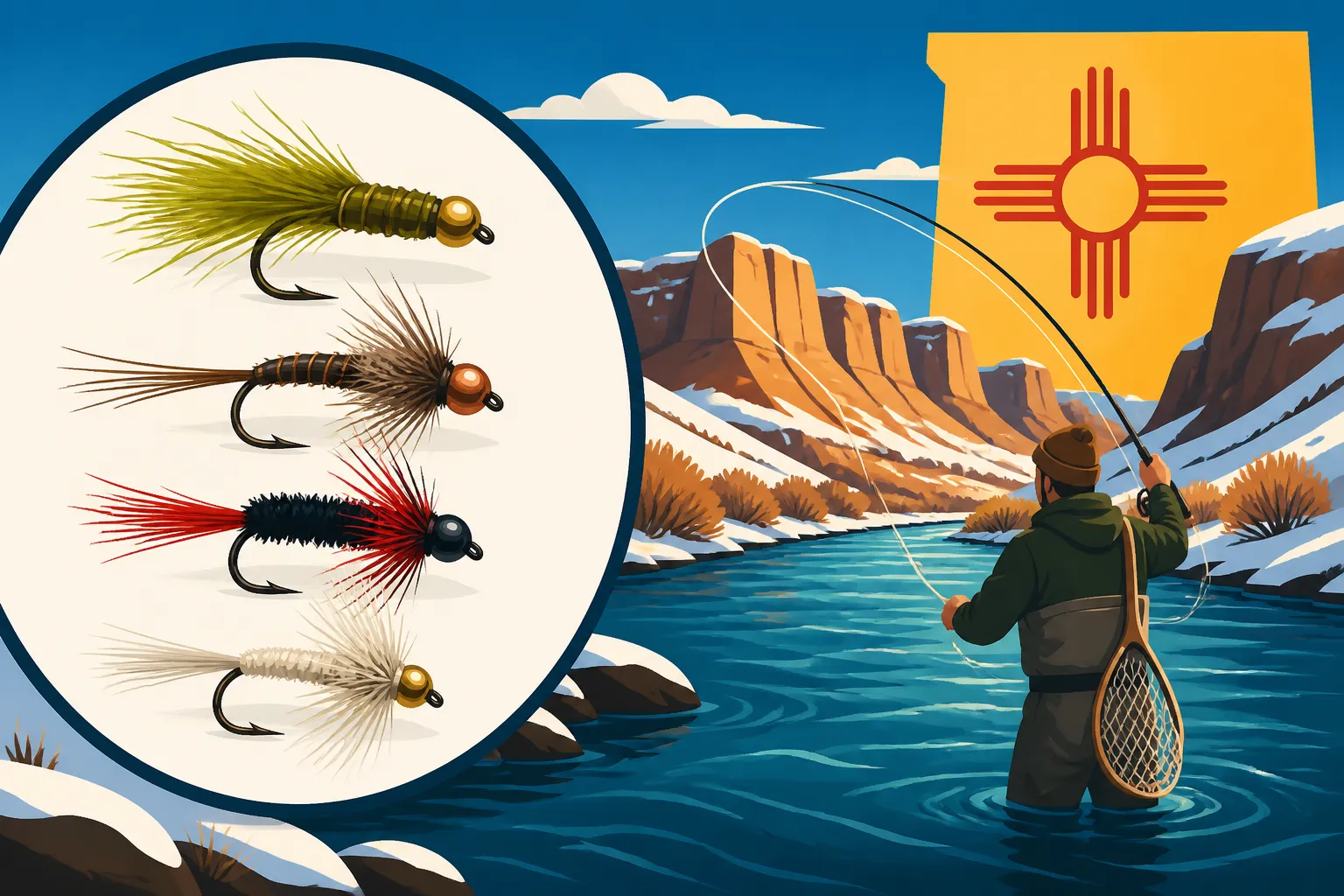
These are the bread and butter of winter fly fishing on the San Juan. Baetis nymphs, often called Blue-Winged Olives or BWOs, are small, olive-bodied mayflies that can hatch even in cold weather, especially on cloudy days. Sizes 20-24 are standard. Effective patterns include the Juju Baetis, Purebred Baetis, Barr's Emerger, and various tiny Pheasant Tail Nymphs. The key is to match the slender profile and subtle olive-brown coloration.
Midges, on the other hand, are almost always present and are a constant food source for San Juan trout, particularly when it's cold. Trout will gorge on midge larvae, pupae, and even tiny adults. You'll want an array of midge patterns in sizes 20-26, and sometimes even smaller. Zebra Midges (black, red, olive), Top Secret Midges, Disco Midges, Miracle Midges, and various Blood Midge larva imitations are absolutely essential. The flash and segmentation of these patterns can be incredibly enticing to lethargic fish. Remember, trout on the San Juan are accustomed to seeing a lot of very small, precise imitations, so attention to detail in your fly selection here truly pays off. For more in-depth advice on these tiny insects, you can check out specific Midge Fishing Tips for the San Juan River.
Worm and Egg Patterns
While not insects, annelid worms and fish eggs are critical food sources for San Juan trout, especially in winter. The San Juan River hosts a thriving population of various species, and their eggs, either naturally deposited or washed out from spawning fish, provide a high-protein meal. Often, guides and seasoned anglers will include an egg pattern in their multi-fly nymphing rig. Good choices include various glow bugs, peach eggs, or apricot-colored patterns in sizes 16-20.
Worms, particularly San Juan Worms, are legendary on this river for a reason. These simple, chenille patterns imitate aquatic worms that get dislodged from the riverbed. They are incredibly effective, especially after any slight bump in water flow or when fishing near banks. Carry San Juan Worms in red, pink, and tan, usually in sizes 14-18. They offer a larger, more visible profile than midges or baetis, providing a tempting target for a trout that doesn't want to exert too much energy for a meal. The vibrant color and wiggle of a well-presented worm can be irresistible.
Annelids and Scuds
Beyond the classic San Juan Worm, other annelid imitations are highly effective. These are often slimmer, segmented patterns that mimic the natural worms present in the riverbed. Similarly, scuds, which are small freshwater shrimp, are an often-overlooked but vital food source for trout. They thrive in vegetated areas and among the river's gravel beds, providing year-round sustenance.
Having a few scud patterns in your box, typically in olive, tan, or gray, in sizes 16-20, can be a game-changer. Patterns like the Gray Scud, Olive Scud, and various Sowbugs are excellent choices. Trout forage heavily on these small crustaceans, especially in slower currents and weed lines. Pairing a scud with a smaller midge or baetis can create a highly effective tandem rig. This diversity in your fly selection allows you to adapt to the trout's specific feeding preferences on any given winter day, which can sometimes change based on the hour or subtle environmental shifts.
Strategies for Presenting Winter Flies
Having the right flies is only half the battle; knowing how to present them effectively in cold water conditions is equally, if not more, important. Winter trout are often sluggish and highly discerning, requiring a delicate touch and precise presentation.
Nymphing Rigs and Weight Considerations
For winter nymphing on the San Juan, a multi-fly indicator nymph rig is the standard. Typically, anglers will use a two-fly or three-fly setup, often referred to as a "double nymph rig" or a "triple threat." A common setup involves a heavier lead fly (like a larger worm or a bead-head pheasant tail) to get your rig down to the fish, followed by one or two smaller, more delicate patterns (midges or baetis) on droppers. For a detailed explanation, you might want to look into How to Rig a Two-Fly Setup for Trout.
Weight is absolutely critical. The goal is to get your flies to the bottom where the fish are holding, but not so much weight that you're constantly snagging. Adjust your split shot strategically – often one or two small BB or #4 size shots, placed 6-12 inches above your lead fly, will suffice. The depth of the water and the speed of the current will dictate your precise weight needs. Remember, a natural, dead-drift is paramount. If your indicator is dragging or not moving at the same speed as the current, you need to adjust your weight or casting angle. Many anglers also utilize a New Mexico Second Rod Validation to fish multiple rigs or switch between nymphing and streamer setups more quickly, though the San Juan Quality Waters often have specific regulations regarding the number of flies.
Stealth and Approach
In winter, the San Juan's water is often crystal clear, and fish are easily spooked. Approaching the river with stealth is non-negotiable. Wear drab clothing, keep a low profile, and avoid casting long shadows over the water. Move slowly and deliberately. When wading, shuffle your feet to avoid dislodging rocks and sending vibrations that can alert fish. The fewer disturbances you create, the better your chances of getting your flies into undisturbed water.
Casting accuracy is also vital. Aim to land your flies upstream of your target zone, allowing them ample time to sink to the fish's level before drifting over their lie. Shorter, more controlled casts are often more effective than long, wild ones, as they allow for better line management and fewer opportunities for drag. Remember, these trout aren't chasing their food; they're waiting for it to come to them. Your job is to make that happen as naturally as possible.
Reading Winter Water
Finding fish in winter means understanding where they conserve energy and find food. Look for slower, deeper runs, the seams between fast and slow water, and deep eddies. Trout will often stack up in these areas. Pay close attention to subtle current changes and depth variations. A good rule of thumb is to start fishing closer to the bank and work your way out, thoroughly covering each promising lie.
Don't ignore the shallower tail-outs of pools, especially on warmer, overcast days when a slight midge or baetis hatch might occur. On sunny days, trout might tuck into shaded areas or under cut banks. Remember that fish are often holding tighter to the bottom than in warmer months, so your flies need to be truly "in the zone." Observing other anglers can also provide clues on productive water, but always apply your own knowledge of winter trout behavior. Checking River Flow Before Fishing the San Juan can also provide valuable insights into where fish might be holding based on current conditions.
Additional Winter Fly Considerations and Tips
Beyond the core nymphing strategies, there are other important aspects to consider for a successful and enjoyable winter fishing trip on the San Juan.
Dry Flies and Streamers in Winter?
While nymphing dominates winter fishing, there are rare occasions when dry flies can be effective. If you encounter a strong Baetis hatch on a warm, cloudy winter afternoon, having some tiny CDC Comparaduns or Parachute Adams in sizes 20-24 can be exhilarating. However, these opportunities are fleeting and require perfect timing and presentation. Generally, it's not something to rely on heavily.
Streamers, on the other hand, can sometimes provoke a strike from a larger, more aggressive brown trout, particularly in the lower, less pressured sections of the San Juan or during low-light conditions. Patterns like small Woolly Buggers (black, olive, natural), Sculpzillas, or small Sex Dungeons in sizes 8-12, stripped slowly near deeper structure or drop-offs, might entice a predatory fish. However, this is more of a "hopeful" technique than a consistent producer in the cold of winter. The primary focus for successful San Juan River Fly Fishing in winter remains sub-surface.
Gear for Cold Weather Comfort
Staying warm and dry is paramount for an enjoyable winter fishing experience. Layering is key: start with moisture-wicking base layers, add insulating mid-layers (fleece or down), and top it off with waterproof and windproof outerwear. A good pair of Best Wading Boots for New Mexico's San Juan River with thick wool socks will keep your feet warm, and neoprene or Gore-Tex waders are a must. Don't forget a warm hat, gloves (fingerless for dexterity), and a neck gaiter. Hand warmers can be a lifesaver.
Consider bringing a thermos with a hot beverage – coffee, tea, or hot chocolate can make a huge difference to your comfort and morale on a chilly day. You'll be spending a lot of time stationary, focusing on subtle takes, so battling the cold will distract from your fishing. Proper clothing allows you to stay out longer and concentrate better.
Guided Trips and Local Insights
Even for experienced anglers, fishing the San Juan in winter can be challenging. The trout are highly educated, and conditions can change rapidly. Booking a guided trip through platforms like FishingBooker can offer invaluable local insight into current conditions, hot flies, and effective techniques. A guide can help you dial in your presentation, teach you to spot subtle takes, and put you on fish quickly, maximizing your limited time on the water. Many experienced guides listed on FishingBooker specialize in winter fly fishing on the San Juan and can provide personalized instruction that's hard to get otherwise. This is especially useful if it's your first time tackling this incredible tailwater in the colder months. When planning your trip, consider checking FishingBooker for guides who know the San Juan River intimately and can share their extensive knowledge.
It's also important to remember regulations, particularly the New Mexico Trout Fishing Rules. The San Juan River Special Trout Water is a barbless hook, artificial lure/fly-only section, so make sure your gear complies. For instance, understanding Why Are Barbless Hooks Required on the San Juan River? can highlight the conservation efforts in place.
Here’s a quick overview of some essential winter flies for the San Juan River:
| Fly Pattern | Type | Size Range | Key Characteristics | Best Use |
|---|---|---|---|---|
| Zebra Midge | Midge | 20-26 | Segmented body, often with bead head, various colors | All-around midge imitation, excellent as a dropper. |
| Juju Baetis | Baetis | 20-24 | Slim profile, segmented, bead head, olive/brown | Imitates Blue-Winged Olive nymphs, effective in slow water. |
| San Juan Worm | Annelid | 14-18 | Bright chenille, simple, red/pink/tan | Opportunistic, attractor pattern, good in slightly off-color water. |
| Top Secret Midge | Midge | 22-26 | Black body, white wing bud, subtle flash | Emerger imitation, excellent in clear, slow water. |
| Barr's Emerger | Baetis | 20-22 | Sparkle emerger, slim, olive/gray | Imitates BWO emergers, particularly effective during subtle hatches. |
| Egg Pattern (Peach) | Egg | 16-20 | Round, brightly colored sphere | Attractor, imitates fish eggs, good as a lead fly in a multi-fly rig. |
| Olive Scud | Crustacean | 16-20 | Humped back, segmented, olive/tan | Mimics freshwater shrimp, effective near weed beds and rocky bottoms. |
| Pheasant Tail Nymph | Mayfly | 20-24 | Slim, natural materials, bead head | Classic mayfly imitation, versatile, good as a point fly or dropper. |
Disclaimer
Fishing conditions and regulations in New Mexico can change. Always consult the latest New Mexico Department of Game and Fish regulations before heading out. This guide is for informational purposes only and does not supersede official regulations.