Cochiti Lake Fishing From the Shore
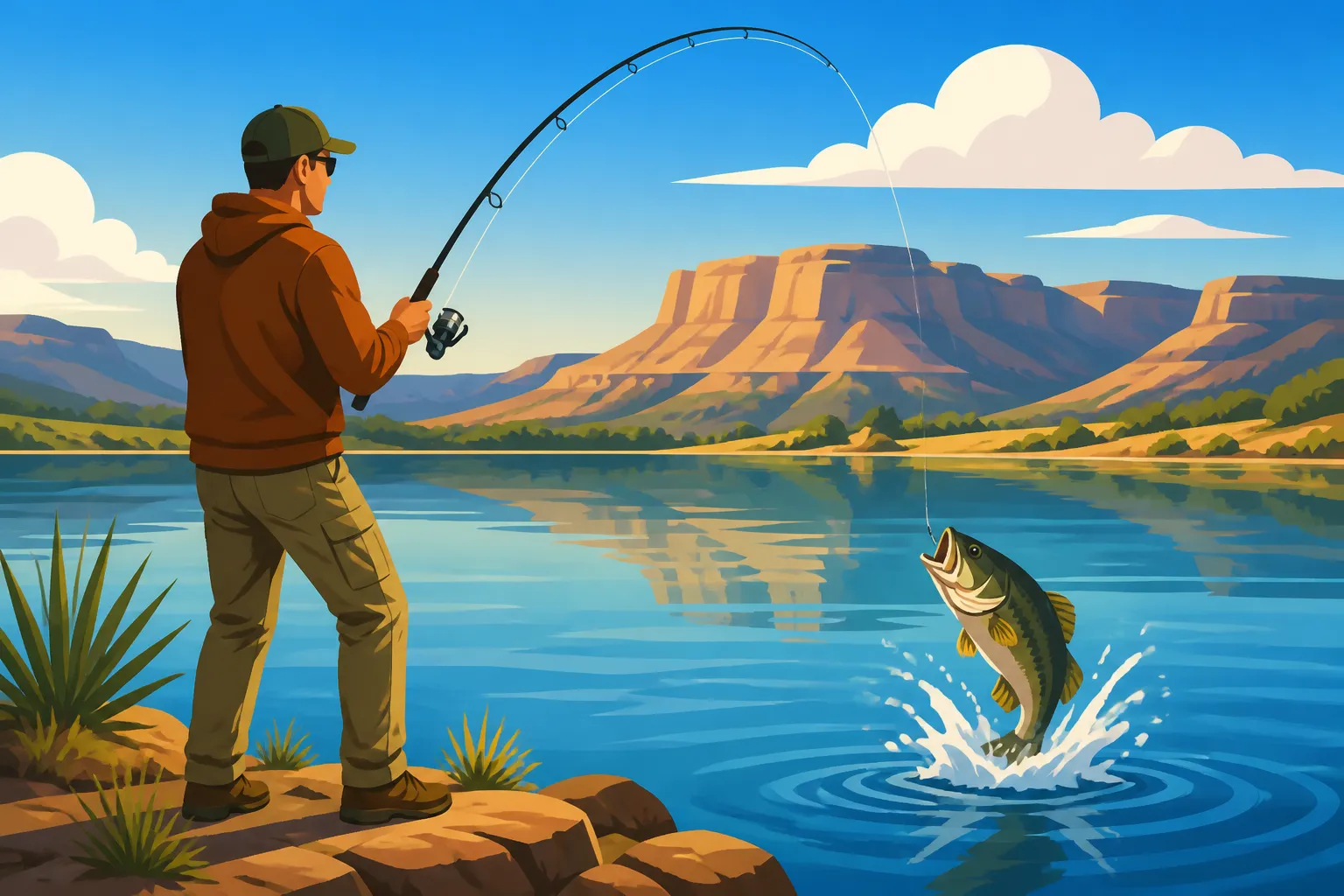
For many anglers, the dream of a peaceful day by the water at a beautiful spot like Cochiti Lake often comes with a practical challenge: not everyone owns a boat, or sometimes, you simply prefer the quiet solitude and accessibility of fishing from the bank. It can be frustrating to gaze out at promising waters, unsure of where to cast your line effectively without a vessel. This comprehensive guide is designed specifically for you, the shore angler, providing insider tips, prime locations, and proven techniques to make your Cochiti Lake fishing experience from the bank a resounding success.
Understanding Cochiti Lake's Unique Character for Shore Anglers
Cochiti Lake, nestled between Albuquerque and Santa Fe, isn't just another reservoir; it's a unique body of water deeply influenced by its geology, its primary water source, and strict boating regulations. Understanding these characteristics is crucial for any shore angler looking to maximize their success here.
The Rio Grande and Cochiti Dam Influence
Cochiti Lake is fed primarily by the mighty Rio Grande, one of New Mexico's most iconic rivers. This connection means that the lake's water levels and clarity are directly impacted by what happens upstream. During spring runoff, especially after a good snowpack in the northern mountains, the Rio Grande can carry a significant amount of sediment, often turning the lake water a murky brown. While this might seem like a drawback, it actually stirs up nutrients and can trigger feeding activity for certain species. For a shore angler, it means adjusting your bait choices to those with strong scents or vibrations that can be detected in low visibility. Imagine a scenario in late May or early June: the river is flowing strong, and the lake's edges are a bit cloudy. Instead of relying on sight-fishing, you'd switch to a brightly colored crankbait or a scented PowerBait that fish can find even when they can't see it clearly. This dynamic connection to the river also means the lake is home to a mix of cold-water and warm-water species, offering diverse opportunities.
Water Levels and Their Impact on Bank Access
Like many reservoirs in the arid Southwest, Cochiti Lake's water levels can fluctuate dramatically throughout the year. These changes are typically driven by snowmelt, seasonal rainfall, and water demands for irrigation downstream. For a shore angler, these fluctuations are a double-edged sword. On one hand, falling water levels can expose new structures like old creek beds, submerged rock piles, or even standing timber that were previously out of reach or unknown. These newly exposed features can become temporary hotspots for fish seeking cover or ambush points. On the other hand, extremely low water can make accessing traditional shore fishing spots difficult, requiring longer walks across exposed mudflats or rendering certain areas unfishable. Conversely, high water can submerge shoreline vegetation, creating new habitats for bass and panfish. Before heading out, it's always a good idea to check the current water levels, often available through the Army Corps of Engineers or online fishing reports, to anticipate what conditions you might encounter. For instance, if you usually fish a certain point, a significantly lower water level might mean you need to cast further or explore a different, deeper section of the bank.
Cochiti Lake's "No-Wake" Policy and How it Benefits Shore Fishing
One of the most defining characteristics of Cochiti Lake is its strict "no-wake" policy. This means that all motorized boats must operate at slow speeds, producing minimal wake, which creates an exceptionally calm and peaceful environment. While this policy might be a slight inconvenience for some boaters, it's an absolute dream for shore anglers. Unlike busier lakes where constant boat traffic and large wakes can spook fish, muddy the water, and make casting a challenge, Cochiti offers tranquil conditions. This calm environment means fish are generally less pressured by surface disturbances, making them more likely to approach the shorelines in search of food. For you, it translates into clearer water near the banks, fewer interruptions to your retrieve, and a much more relaxing fishing experience. Picture a serene morning cast, your lure landing softly without the ripple of a passing speedboat disturbing the water. This allows for more precise presentations and a better chance of enticing a bite from wary fish. If you're comparing fishing experiences, this "no-wake" rule gives Cochiti Lake a distinct advantage for those who prefer the quiet approach of bank fishing.
Prime Shore Fishing Spots at Cochiti Lake
Finding the right spot is paramount when fishing from shore. Cochiti Lake offers several distinct areas that cater to different preferences and target species. Knowing where to go can significantly increase your chances of success.
The Main Recreation Area and Boat Ramps
The primary recreation area at Cochiti Lake, including areas around the main boat ramps, might seem counterintuitive for shore fishing due to potential crowds. However, these areas are popular for a reason: they often offer easy access, amenities, and can be surprisingly productive. The developed shorelines here typically feature gradual slopes, rocky banks, and sometimes submerged structure like old roads or foundations. Fish often cruise these areas, especially during low-light hours, looking for easy meals. The riprap walls that protect the shoreline near the boat ramps and picnic areas provide excellent cover for smaller baitfish, which in turn attract predators like bass and walleye.
For a real-life scenario, imagine arriving just after sunrise or an hour before sunset. Many day-use visitors will be gone or just arriving, leaving the shoreline quieter. Try casting parallel to the riprap walls using crankbaits or jigs, mimicking baitfish moving along the rocks. You might be surprised at how close to shore a chunky largemouth or a feeding walleye will patrol. These areas are also well-suited for families, offering restrooms and picnic tables nearby, making it a comfortable spot for a longer outing.
Fishing Near the Dam and Spillway Areas
The area around the Cochiti Dam offers a different kind of shore fishing experience, often characterized by deeper water access and more pronounced structural elements. The dam face itself and the surrounding riprap create immediate deep-water access that is difficult to find elsewhere from the bank. These deep areas are ideal for targeting species that prefer cooler water or deeper holding patterns, such as catfish and walleye. The large rocks of the riprap provide numerous hiding spots for fish, as well as an abundant food source of crayfish and other invertebrates.
Consider an afternoon fishing trip during the warmer months. The sun is high, and fish have moved to deeper, cooler water. Setting up a heavy bottom rig with cut bait or nightcrawlers near the dam's edge can yield impressive channel catfish. For walleye, try working a jig-and-grub combo slowly along the bottom, letting it bounce off the rocks. Be mindful of any restricted areas near the spillway or dam itself, and always observe all posted signs. The rapid drop-offs and strong currents (if the spillway is active) create unique feeding lanes that opportunistic fish will exploit. You might also find that the baitfish are concentrated here, drawing in larger game fish.
Secluded Coves and Rocky Points
For those seeking a more adventurous and less crowded experience, exploring the numerous secluded coves and rocky points scattered around Cochiti Lake can be incredibly rewarding. These spots often require a bit of hiking to reach, but the effort can pay off with untouched fishing grounds. Rocky points extend into the lake, providing natural current breaks and ambush points for predators. Coves, especially those with submerged brush, timber, or vegetation, offer sheltered areas where baitfish congregate and larger fish seek refuge.
Imagine strapping on your fishing backpack, perhaps one loaded with extra water and snacks, and heading out on a trail along the shoreline. As you walk, look for areas where the terrain changes abruptly, or where you can see submerged features. A rocky point jutting out into deeper water is a perfect spot to cast swimbaits or crankbaits for smallmouth bass. If you find a cove with some flooded trees or brush, pitching a weedless Texas-rigged plastic worm into that cover can entice a largemouth. These areas often require a more stealthy approach, as the fish might be less accustomed to human presence. On a quiet afternoon, you might even spot fish cruising the shallows in these secluded areas before you cast. If you're planning a multi-day trip, perhaps booking a local guide through FishingBooker could provide excellent insights into these less-frequented but highly productive spots.
Targeting Key Species from Shore
Cochiti Lake is home to a diverse array of fish species, each requiring a slightly different approach when you're limited to fishing from the bank. Understanding their habits and preferred presentations can turn a slow day into a memorable one.
Largemouth and Smallmouth Bass Tactics
Bass fishing from the shore at Cochiti Lake offers exciting opportunities for both species. Largemouth bass tend to prefer areas with more cover, like submerged brush, rocky shorelines with plenty of nooks, or any remnant vegetation. Smallmouth bass, on the other hand, often patrol rocky points, main lake humps, and areas with clean, hard bottoms. The "no-wake" rule makes shallow water bass fishing particularly effective, as fish are less skittish.
For largemouth, target areas where you see visible cover. Pitching a Texas-rigged plastic worm (like a senko or lizard) into submerged trees or thick brush is often highly effective. You want to present the bait right into their hiding spots. Consider a medium-heavy spinning rod with 10-12 lb fluorocarbon line for these situations, allowing you to get a good hookset and pull fish out of cover. Early mornings and evenings can also be prime for topwater lures like frogs or poppers near the shoreline vegetation. For smallmouth, focus on rocky points and steeper banks. Small crankbaits, jigs with plastic trailers, or even a simple shaky head worm worked slowly along the bottom can entice strikes. A popular technique is to cast parallel to the rocky bank and retrieve your lure with a stop-and-go action, mimicking a crawfish or baitfish. Always be mindful of the current water levels, as changes can expose or submerge prime bass habitat.
Walleye and Crappie Strategies
Catching walleye and crappie from the shore at Cochiti Lake can be challenging but incredibly rewarding. These species often prefer deeper water or specific structures, requiring a more finessed approach from the bank. Walleye are known for their keen eyesight and often feed during low light conditions or in deeper, murkier water. Crappie, being schooling fish, are frequently found around submerged brush piles, timber, or bridge pilings.
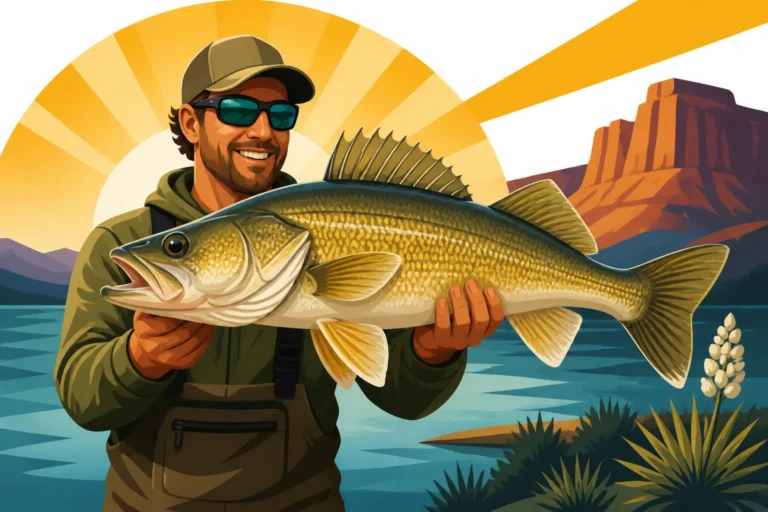
For walleye, focus on areas near the dam or deeper drop-offs along rocky points. Jigs tipped with a minnow or a scented soft plastic are highly effective. You’ll want to present these baits slowly, keeping them in contact with the bottom. A slip bobber rig with a minnow can also be deadly, allowing you to suspend bait at precise depths where walleye might be holding. Early morning, late evening, or even night fishing can yield the best results for these elusive fish. For crappie, the key is finding structure. Look for areas with submerged trees, old fence lines, or even large rock formations near the shore. Small jigs, particularly those in white, chartreuse, or black, tipped with a small minnow or a crappie nibble, are irresistible to them. A light spinning rod with 4-6 lb test line is perfect for detecting their subtle bites. Cast your jig near the cover and let it slowly sink, or use a slip bobber to present it at different depths around the structure.
Catfish and Panfish Opportunities
Cochiti Lake is an excellent fishery for catfish and panfish, offering consistent action, especially for beginners or those fishing with kids. Channel catfish are abundant and can be caught throughout the lake, while bluegill and other sunfish species offer steady entertainment near shallower, vegetated banks.
For catfish, simplicity is often key. A basic bottom rig with a pyramid sinker, a swivel, and a hook baited with cut bait (like shad or hot dogs), chicken livers, or commercial stink baits is highly effective. Focus your efforts in deeper sections of the lake, especially near the dam, or in the deeper parts of coves, particularly during the warmer months and into the evening or night. Catfish are primarily nocturnal feeders, so night fishing can be incredibly productive. Don't be afraid to cast out multiple lines if allowed, covering different depths or areas. For panfish like bluegill, look for areas with emergent vegetation, reeds, or submerged grass beds in shallower water. A small hook (size 8-12) baited with a piece of nightcrawler, a mealworm, or a small grub under a bobber is usually all it takes. Kids especially love the constant action that panfish provide. Simply cast near the cover and watch the bobber for even the slightest twitch. Using ultralight gear can make catching these smaller fish even more fun and sporting.
Essential Gear and Techniques for Shore Fishing Cochiti Lake
Successful shore fishing at Cochiti Lake isn't just about knowing where to go or what to target; it's also about having the right tools and knowing how to use them effectively. A well-prepared angler is a successful angler.
Rods, Reels, and Line Selection
Choosing the right rod, reel, and line setup can make a significant difference in your shore fishing success at Cochiti Lake. Since you're targeting a variety of species from panfish to larger bass and catfish, versatility is key.
A good all-around setup would be a medium-action spinning rod, typically 6.5 to 7 feet long. This length provides good casting distance from the bank without being unwieldy in tighter spots. Pair this with a 2500 or 3000 size spinning reel. This combination offers enough backbone for larger fish while still being sensitive enough to detect bites from smaller species. For line, a 6-10 lb monofilament or fluorocarbon line is a solid choice. Monofilament offers good knot strength and stretch, which can be forgiving with aggressive strikes, while fluorocarbon provides less stretch, excellent sensitivity, and is nearly invisible underwater, which can be crucial in clear water conditions. If you're specifically targeting larger catfish or want to cast heavier lures, a medium-heavy rod with a baitcasting reel spooled with 12-20 lb braided line might be a better option, offering increased casting distance and strength to pull fish out of heavy cover. For lighter panfish action, an ultralight spinning combo with 2-4 lb test line will make even a small bluegill feel like a trophy.
Best Baits and Lures for Cochiti Lake Shore Anglers
Having a well-stocked tackle box tailored for Cochiti Lake will ensure you're ready for whatever the fish are biting. Different species and conditions call for different presentations.
For bass, both largemouth and smallmouth, a variety of lures should be in your arsenal. Soft plastics like Texas-rigged worms (green pumpkin, watermelon red) and senkos are incredibly versatile. Small crankbaits (shad or crawfish patterns) are excellent for rocky points. Topwater lures (frogs, poppers) can be deadly during low light. For walleye, jigs (1/8 to 1/4 oz) tipped with a grub or a live minnow are hard to beat, especially in darker colors like black or purple. Blade baits or lipless crankbaits can also be effective when worked slowly along the bottom. For crappie, tiny jigs (1/32 to 1/16 oz) in chartreuse, white, or black, often tipped with a crappie nibble or a small minnow, are essential. For catfish, live worms, chicken livers, hot dogs, and various stink baits are consistently productive. Finally, for panfish like bluegill, a simple piece of nightcrawler, mealworms, or small artificial grubs will get the job done. Don't forget basic terminal tackle: an assortment of hooks (worm hooks, circle hooks, Aberdeen hooks), sinkers (split shot, bullet weights, pyramid sinkers), and swivels are crucial.
| Target Species | Best Baits/Lures (Shore) | Ideal Shore Locations | Best Season |
|---|---|---|---|
| Largemouth Bass | Texas-rigged worms, Senkos, Shallow Crankbaits, Frogs | Submerged brush, Rocky banks, Coves with vegetation | Spring, Summer, Fall |
| Smallmouth Bass | Small Crankbaits, Jigs with trailers, Shaky Head Worms | Rocky points, Main lake humps, Clean hard bottoms | Spring, Summer, Fall |
| Walleye | Jigs with minnows/grubs, Slip bobber rigs, Blade baits | Near the dam, Deep drop-offs, Rocky points (low light) | Spring, Fall, Winter (deeper) |
| Crappie | Small Jigs (white, chartreuse), Minnows, Crappie nibbles | Submerged brush, Timber, Old structures in coves | Spring, Fall |
| Channel Catfish | Cut bait, Chicken livers, Stink baits, Nightcrawlers | Deeper sections of coves, Near the dam, Soft bottoms | Summer, Night fishing |
| Bluegill/Sunfish | Worms, Mealworms, Small grubs, Tiny jigs | Shallow vegetated banks, Reeds, Docks (if any) | Spring, Summer |
Reading the Water and Maximizing Your Shoreline Success
Reading the water is a skill that takes time to develop, but it's invaluable for shore anglers. It involves observing the conditions around you and making informed decisions about where and how to fish.
First, look for structure. This includes visible elements like downed trees, large rocks, riprap, or emergent vegetation. These provide cover, ambush points, and food sources for fish. But also look for subtle changes: differences in water color might indicate a change in depth or a drop-off, a line of foam on the surface could suggest a current break. Secondly, observe current and wind. Even on a "no-wake" lake like Cochiti, wind can create currents that push baitfish and plankton, attracting predators. Fish will often orient themselves into the current, waiting for food to come to them. Casting upstream or upwind and letting your bait drift naturally can be very effective. Thirdly, pay attention to signs of life. Birds diving into the water, baitfish jumping, or even subtle ripples can all indicate active feeding beneath the surface. For example, if you see a flock of gulls diving, it’s a good bet there’s a school of baitfish below, and likely game fish hot on their tails. Finally, don't be afraid to move around. If a spot isn't producing after a reasonable amount of time, pack up your gear and try another. Shore fishing allows for mobility, and sometimes just a short walk down the bank can put you on a whole new school of fish. Think about how a guide might operate – they wouldn't stay in one unproductive spot all day. If you're struggling, a quick search on a platform like FishingBooker might reveal local guides who can offer tips on reading Cochiti's unique waters.
Planning Your Cochiti Lake Shore Fishing Trip
A successful and enjoyable fishing trip to Cochiti Lake, especially from the shore, requires a bit of planning. From understanding the best seasons to staying safe, being prepared ensures a great experience.
Best Times to Visit and Seasonal Considerations
Cochiti Lake offers year-round fishing opportunities, but the best times to visit and the species you'll target can vary greatly with the seasons. Understanding these patterns will help you plan your trip for optimal success.
Spring (March-May): This is often considered one of the best times for shore fishing. As water temperatures rise, fish become more active and move into shallower areas for spawning. Largemouth and smallmouth bass are highly active and can be caught near rocky points and submerged brush. Crappie also become more accessible as they move to shallow cover. Catfish activity picks up significantly. Early mornings and late afternoons are prime.
Summer (June-August): Fishing can be excellent, but you might need to adjust your tactics. During the heat of the day, fish often retreat to deeper, cooler water. This is when fishing near the dam or deeper coves for walleye and catfish becomes very effective. Early morning, late evening, and night fishing are particularly productive for many species, especially catfish. Don't forget to protect yourself from the intense New Mexico sun!
Fall (September-November): As temperatures cool, fish enter a "feeding frenzy" to prepare for winter. This can be another fantastic time for shore anglers, especially for bass, walleye, and crappie. Fish will be actively chasing baitfish in shallower areas, making crankbaits, spinnerbaits, and jigs highly effective. The vibrant fall foliage around the lake also makes for a beautiful backdrop.
Winter (December-February): While colder, winter can still offer good fishing, particularly for walleye and some trout (if stocked). Fishing often requires slower presentations in deeper water. Ice fishing can occur on some smaller, higher-elevation lakes in New Mexico, but Cochiti Lake typically remains open water due to its size and elevation. Check current conditions and stocking reports before heading out during this season. For precise information on seasonal stocking, check out resources like the New Mexico Fishing Season Dates and Limits.
Navigating Regulations and Permits
Before you even think about wetting a line, it's absolutely crucial to understand the rules and regulations for fishing in New Mexico and specifically at Cochiti Lake. The last thing you want is a fine or a confiscated catch because you weren't aware of a specific rule.
First and foremost, anyone 12 years of age or older must possess a valid New Mexico fishing license. There are different options available, from annual licenses to short-term options like a New Mexico One-Day and Five-Day Fishing Licenses which are perfect for visitors or short trips. You can purchase these online through the New Mexico Department of Game and Fish (NMDGF) website, at licensed vendors like sporting goods stores, or even by phone. Beyond the basic license, you'll also likely need a New Mexico Habitat Management and Access Validation (HMAV) stamp. This stamp is required for anyone 18 years or older when fishing on most public lands and waters in the state, including Cochiti Lake, to help fund habitat improvement and access. Learn more about the New Mexico Habitat Stamp Cost and Requirement.
Cochiti Lake is managed by the U.S. Army Corps of Engineers, but state fishing regulations apply. This means adhering to statewide bag and possession limits for species like bass, walleye, crappie, and catfish. Special regulations or restrictions might apply to certain species or areas, though Cochiti typically follows general rules. It's always wise to consult the most current NMDGF fishing proclamation or booklet before your trip. You can find out more about the overall New Mexico Fishing Regulations Overview there. If you're ever in doubt, the NMDGF website is your best resource. If you're planning a trip and want to ensure you have all your bases covered, especially regarding what specific species are biting and the latest local rules, looking up local fishing reports or guides via FishingBooker can provide valuable real-time information.
Safety and Comfort on the Bank
Enjoying your shore fishing trip to Cochiti Lake also means prioritizing your safety and comfort. New Mexico's climate can be extreme, and being unprepared can quickly turn a pleasant outing into a miserable one.
Sun Protection: New Mexico is known for its intense sunshine, even on seemingly mild days. Always wear a wide-brimmed hat, polarized sunglasses, and apply sunscreen generously and often. Long-sleeved, breathable clothing with UPF protection is also highly recommended to prevent sunburn and heat exhaustion.
Hydration: Dehydration is a real risk, especially during the warmer months. Bring plenty of water – more than you think you'll need. Electrolyte drinks can also be beneficial on long, hot days.
Footwear: Depending on where you plan to fish from the shore, the terrain can be rocky, uneven, or muddy. Wear sturdy, comfortable closed-toe shoes with good grip. Water shoes might be a good idea if you anticipate wading into shallow areas.
Wildlife Awareness: Cochiti Lake is home to various wildlife, including snakes, spiders, and potentially coyotes. Be aware of your surroundings, avoid tall grass, and never approach wild animals. Carry a basic first-aid kit for minor cuts, scrapes, or insect bites.
Weather Preparedness: New Mexico weather can change rapidly. A clear morning can turn into an afternoon thunderstorm, especially during the monsoon season (July-September). Bring rain gear, even if the forecast looks clear. Conversely, cold mornings or evenings can quickly chill you, so layering your clothing is always a good strategy. Always check the local weather forecast before you head out. These simple precautions will allow you to focus on the fishing and fully enjoy the beauty of Cochiti Lake.
Disclaimer
Please note that fishing regulations, conditions, and fish populations can change. Always consult the latest New Mexico Department of Game and Fish regulations and local advisories before planning your fishing trip. This guide is for informational purposes only and should not be considered legal advice.