Storrie Lake Trout Fishing Near Las Vegas NM
It's tough when you're itching to cast a line and chase some trout, but you're not sure where to go, especially if you're in or around the historic city of Las Vegas, New Mexico. You want a reliable spot, somewhere you know you have a good shot at some feisty rainbows without driving hours into the mountains. Many anglers feel the frustration of wanting a convenient yet rewarding fishing experience. Well, friend, let me tell you about Storrie Lake – it's often overlooked but truly a hidden gem for trout fishing right in your backyard. This guide will walk you through everything you need to know to make your next Storrie Lake trout fishing trip a resounding success.
Why Storrie Lake for Trout Fishing Near Las Vegas NM?
Storrie Lake State Park, nestled just a few miles north of Las Vegas, New Mexico, offers a fantastic, easily accessible angling experience, particularly for those targeting trout. It’s not one of those remote, high-mountain lakes that requires a serious trek, making it a perfect spot for a quick morning trip or a leisurely weekend camping and fishing adventure. The convenience factor alone makes it a popular choice for many local and visiting anglers who are looking to maximize their time on the water without excessive travel.
The Lake's Unique Charm and Accessibility
Storrie Lake itself is a relatively shallow, nutrient-rich lake, covering about 1,100 surface acres when full. Its proximity to Las Vegas, New Mexico, means you can be from town to casting a line in under 15 minutes, which is a huge bonus when you're trying to squeeze in some fishing time. The lake is known for its open, prairie surroundings, offering wide-open views and plenty of space for bank anglers, kayakers, and those with small boats. Unlike some of the canyon-bound waters, Storrie provides ample opportunity to spread out and find your own piece of the action. The State Park facilities, including paved access roads, boat ramps, and camping spots, contribute greatly to its family-friendly appeal, removing many of the logistical hurdles often associated with fishing trips. You don’t need a rugged 4×4 to get here, which is a relief for many.
Stocking Efforts and Trout Species
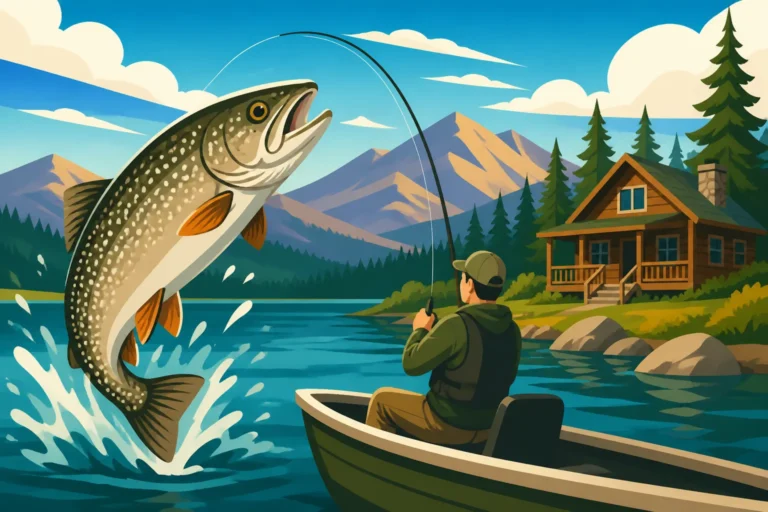
The primary draw for trout anglers at Storrie Lake is the consistent stocking program carried out by the New Mexico Department of Game and Fish (NMDGF). These efforts primarily focus on rainbow trout, which are known for their feisty fight and willingness to bite. Stocking typically occurs throughout the cooler months, generally from fall through spring, when the lake's water temperatures are most favorable for trout survival and activity. This consistent replenishment means that even if the fishing has been slow for a bit, there's usually a fresh batch of eager fish waiting. It’s always a good idea to check the New Mexico Seasonal Stocking Schedule before you head out, as these schedules can vary based on conditions and fish availability. While rainbow trout are the main target, the occasional brown trout might also be found, though they are much less common. The NMDGF's dedication to stocking Storrie Lake solidifies its reputation as a reliable trout fishery, especially outside of the peak summer heat.
More Than Just Trout
While trout are certainly the star of the show during the cooler seasons, Storrie Lake is a diverse fishery that also holds other popular species. As the weather warms up, anglers can shift their focus to channel catfish, which grow to impressive sizes here, and even some smallmouth bass and walleye. This versatility means Storrie Lake can be a year-round fishing destination, offering different challenges and rewards depending on the season. If you're planning a trip and considering what else might be biting, looking into a local guide or charter could provide excellent insights. Sometimes, even just exploring what's available through services like FishingBooker can give you a better idea of the variety of fish and techniques applicable to Storrie Lake throughout the year. Don't be surprised if you hook into a sizable catfish while targeting trout on the bottom during a warmer spell – it just adds to the excitement!
Essential Gear and Techniques for Storrie Lake Trout
Having the right gear and understanding the most effective techniques can make all the difference between a frustrating day and a memorable one at Storrie Lake. You don't need highly specialized equipment for Storrie Lake, but a thoughtful approach to your setup will definitely improve your chances. It’s all about matching your presentation to what the trout are looking for in these particular waters.
Rods, Reels, and Line Choices
For Storrie Lake trout, a light to medium-light spinning rod, typically in the 6 to 7-foot range, is ideal. This length provides enough casting distance from the bank or a small boat, while still offering the sensitivity to detect subtle bites. Pair this with a small spinning reel, sized 1000 to 2500, spooled with 4 to 6-pound test monofilament or fluorocarbon line. Monofilament offers a bit more stretch, which can be forgiving when a trout makes a sudden run, while fluorocarbon is virtually invisible underwater and has less stretch for better sensitivity. Many anglers opt for a main line of monofilament and then attach a 2-4 foot leader of fluorocarbon for that extra stealth. You'll want to ensure your drag is set properly – not too tight, or you risk snapping your line on a strong hookset or a fighting fish, but tight enough to provide resistance. For specific recommendations, you might find valuable insights in a guide like Best Rod Setup for New Mexico Trout Fishing.
The Best Baits and Lures
Trout at Storrie Lake, especially the recently stocked rainbows, can be quite opportunistic, but some baits and lures consistently outperform others. Here's a breakdown:
| Bait/Lure Type | Description | Best Use Case |
|---|---|---|
| PowerBait | Scented, moldable dough, often brightly colored. | Still fishing from bank or anchored boat, fished off the bottom. |
| Worms | Nightcrawlers or smaller garden worms. | Still fishing with a bobber or on the bottom, very natural. |
| Corn | Canned whole kernel corn, surprisingly effective. | Still fishing, often irresistible to stocked trout. |
| Small Spinners | Mepps, Rooster Tail, Panther Martin in sizes #0 to #2. | Casting and retrieving, covering water, active fish. |
| Spoons | Kastmasters, Daredevils in small sizes, silver or gold. | Casting distance, mimicking baitfish, windy conditions. |
| Small Jigs | Marabou or grub jigs, 1/32 to 1/8 ounce. | Slow retrieve, vertical jigging, subtle presentation. |
For PowerBait, fish it off the bottom using a small treble hook and a weight (like an egg sinker) about 12-18 inches above the hook. This keeps your bait suspended just off the bottom where trout often cruise. Worms can be fished similarly, or suspended under a bobber. When it comes to lures, retrieve them slowly enough to ensure they have their intended action, but fast enough to grab attention. Don't be afraid to experiment with retrieve speeds and pauses. For a deeper dive into specific options, check out our articles on Best Bait for New Mexico Trout and Best Lures for New Mexico Trout.
Effective Fishing Techniques
A combination of techniques often yields the best results at Storrie Lake.
- Still Fishing (Bait Fishing): This is perhaps the most popular and often most effective method for stocked trout. Whether you're using PowerBait, worms, or corn, casting out and letting your bait sit on or just above the bottom is a proven tactic. Many anglers use a basic Carolina rig or a slip-sinker rig. From the bank, you can set multiple rods out with different baits to see what the fish prefer on that particular day. If you’re fishing with kids, this is an excellent, low-stress way to introduce them to the sport.
- Casting and Retrieving (Lure Fishing): For more active fishing, especially when trout are aggressively feeding or you want to cover more water, casting spinners or spoons is highly effective. Fan cast different areas from your spot on the bank or from a boat, trying various retrieve speeds. This technique often draws reaction strikes from trout.
- Float Fishing (Bobber Fishing): Using a bobber with bait (worms, corn, PowerBait, or even a small jig) allows you to present your offering at a specific depth, which can be crucial if trout are suspended in the water column rather than hugging the bottom. Adjust your bobber stop to target different depths until you find where the fish are holding. This is also a fantastic method for beginners and young anglers, as the visual of a bobber disappearing under the water is incredibly exciting.
- Fly Fishing: While less common than spin fishing, fly fishing can be productive, particularly with streamers, nymphs, or even small dry flies during insect hatches. A 3 to 5-weight fly rod is usually sufficient. Focus on areas with slightly deeper water or submerged structure. If you’re a fly angler, exploring other prime spots in the state, such as those mentioned in our San Juan River Fly Fishing Guide, might also pique your interest.
Remember, trout often bite lightly, so pay close attention to your line and rod tip. A subtle twitch could be all the warning you get before a fish takes your bait.
Optimal Times and Prime Spots at Storrie Lake
Knowing when to fish and where to cast your line can dramatically increase your success rate at Storrie Lake. Trout behavior is heavily influenced by water temperature, light conditions, and the availability of food. Storrie Lake has its own rhythm, and understanding it will give you a significant edge.
Seasonal Strategies for Trout Success
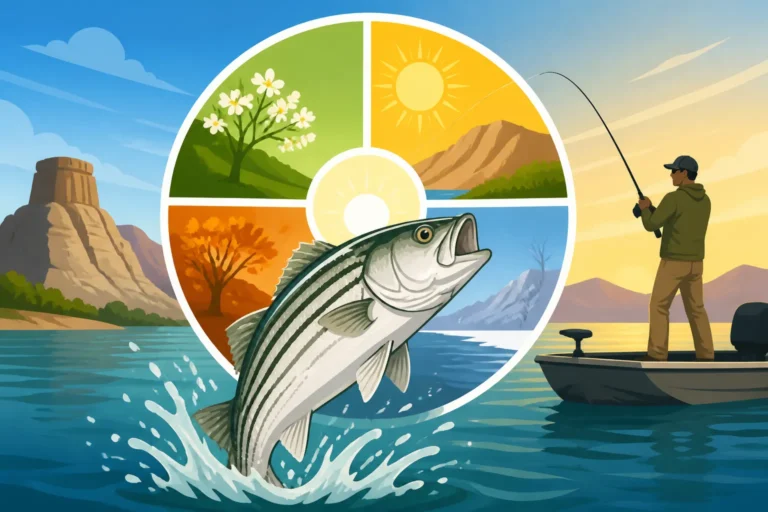
The best time to target trout at Storrie Lake generally aligns with the cooler months, as trout thrive in colder water.
- Fall (October – November): As temperatures begin to drop, Storrie Lake truly comes alive for trout fishing. The NMDGF ramps up stocking efforts, and the fish become very active. Mornings and late afternoons are prime, and even midday can be productive. The pleasant weather makes for comfortable fishing trips.
- Winter (December – February): Trout fishing remains excellent through the winter. Storrie Lake can occasionally freeze over, making it a candidate for ice fishing during particularly cold spells, though reliable thick ice isn't a given every year. When there's open water, the trout are often concentrated and feeding consistently. Midday, when the sun is highest and water temperatures are warmest, can be surprisingly productive. If you're interested in cold-weather fishing, you might want to look at our guide on New Mexico Ice Fishing Season.
- Spring (March – May): Early spring continues to be a fantastic time, especially after new stockings. As the weather warms, trout remain active, though they may start to move into deeper, cooler water as summer approaches. Early mornings and evenings become more critical for success. By late spring, the water can start to warm up significantly, signaling a shift in trout activity.
- Summer (June – September): Trout fishing at Storrie Lake typically slows down considerably in the summer months due to warmer water temperatures. The trout become lethargic and seek refuge in the deepest, coolest parts of the lake. During this time, it's often more productive to target catfish or bass. If you still want to pursue trout in the summer, focus on the earliest morning hours or very late evenings, and consider using live bait presented deep. For alternative summer fishing, our New Mexico Warm Water Fish Bag Limits article might be helpful.
Key Bank and Boat Fishing Locations
Storrie Lake offers excellent access for both bank and boat anglers.
- Bank Fishing: The entire perimeter of Storrie Lake State Park provides numerous spots for bank fishing. Areas near the boat ramps and along the main dam are often popular due to easy access and deeper water close to shore. Look for any points, coves, or slight drop-offs where trout might congregate. During windy days, fishing on the leeward side of the lake can offer calmer water and better casting conditions. Early mornings, before the recreational boat traffic picks up, are often the best times for bank anglers.
- Boat Fishing: A small boat, kayak, or even a float tube can open up many more opportunities at Storrie Lake. With a boat, you can reach deeper channels, submerged structures, and less-pressured areas. Pay particular attention to the deeper sections of the lake, especially near the dam and towards the center, where trout will hold. Trolling with small spoons or spinners can be very effective from a boat, allowing you to cover vast areas and find active fish. Using a fish finder can help identify schools of trout or promising underwater contours. If you're considering a boat for your New Mexico adventures, our New Mexico Boat Registration and Titling Guide offers essential information. Many anglers rely on resources like FishingBooker to scout out local guides with boats, especially if they're new to the area or don't have their own vessel.
Understanding Lake Conditions
Always check the current conditions before heading out. High winds can make fishing difficult and even unsafe for smaller boats. Water clarity can also play a role; clear water often calls for more subtle presentations and lighter lines, while slightly turbid water might warrant brighter lures or stronger scents. The water level can fluctuate, especially in drought years, affecting access points and where fish might be holding. Local bait shops or the State Park office are excellent resources for up-to-date information on water levels, clarity, and recent stocking reports.
Planning Your Storrie Lake Fishing Adventure
A little preparation goes a long way to ensure a smooth and enjoyable fishing trip to Storrie Lake. Beyond just gear and technique, understanding the administrative aspects and local resources will set you up for success.
Licensing, Regulations, and Local Permits
Before you even think about casting a line, you need to make sure you're legally prepared. Everyone 12 years of age and older needs a valid New Mexico fishing license to fish in public waters like Storrie Lake. This isn't just a recommendation; it's a legal requirement, and conservation officers do patrol the area. You can purchase your license online through the NMDGF website, at many sporting goods stores, or through authorized vendors like Walmart. It's often quick and easy to buy one online, even the morning of your trip. Don't forget, if you plan to use a second rod, you'll need a "Second Rod Validation" in addition to your basic fishing license. For a comprehensive overview, definitely consult our New Mexico Fishing License Guide or dive into the details of How to Get a New Mexico Fishing License. Additionally, make sure you're familiar with the statewide New Mexico Trout Fishing Rules and any specific regulations for Storrie Lake, such as bag and possession limits. For trout, the statewide bag limit is typically 5 fish per day, with a possession limit of 10. Always double-check the current regulations, as they can change annually.
Resources and Local Insights
Tapping into local knowledge can give you a significant advantage. The staff at Storrie Lake State Park are often a great resource for current conditions, recent stocking info, and any temporary closures or alerts. Local bait and tackle shops in Las Vegas, New Mexico, are goldmines of information; they know what baits are working best, what patterns the fish are on, and can often provide real-time updates from other anglers. Don't be shy about asking for advice – most shop owners love to talk fishing!
If you're looking to learn specific techniques or want a guided experience, especially if you're targeting other species like catfish or walleye during warmer months, consider hiring a local guide. Websites like FishingBooker allow you to browse and book local fishing charters and guides, giving you access to seasoned professionals who know Storrie Lake intimately. They can provide all the gear and expertise, making for a hassle-free and educational trip, perfect for those unfamiliar with the lake or looking to refine their skills. Even just checking their listings can reveal what species are most targeted by professionals in the area.
Respecting the Environment
Part of being a good angler is being a responsible steward of the environment. Storrie Lake is a beautiful resource, and it's up to all of us to keep it that way.
- Pack It In, Pack It Out: Always take all your trash with you. This includes discarded fishing line, bait containers, and any food wrappers. Leaving no trace ensures the park remains pristine for everyone.
- Responsible Catch and Release: If you're practicing catch and release, handle fish gently. Use wet hands to minimize damage to their protective slime coat, minimize air exposure, and use barbless hooks to make removal easier. For more detailed practices, refer to our guide on New Mexico Catch and Release Regulations.
- Respect Other Anglers and Wildlife: Give other anglers space, especially if they are bank fishing. Be mindful of wildlife in the park and observe them from a distance.
- Boat Safety: If you're on the water, adhere to all New Mexico boating safety regulations, including wearing appropriate life jackets and operating your vessel safely.
Storrie Lake offers a genuinely rewarding trout fishing experience for anglers of all skill levels, all within easy reach of Las Vegas, NM. With the right preparation, a bit of patience, and respect for the natural environment, you're sure to enjoy chasing those New Mexico rainbows.
Disclaimer
The information provided in this guide is for general informational purposes only and is subject to change. Always consult the most current New Mexico Department of Game and Fish regulations and Storrie Lake State Park guidelines before planning your fishing trip. Fishing conditions and fish behavior can vary widely based on weather, season, and other environmental factors.