Best Time of Year to Catch Striped Bass at Elephant Butte
Many anglers who visit New Mexico's stunning Elephant Butte Lake arrive with high hopes of hooking into one of its legendary striped bass, only to find themselves baffled by the lake's vastness and the fish's often unpredictable nature. It’s incredibly frustrating to spend a beautiful day out on the water, casting your heart out, and wondering if you're even in the right place, let alone the right season, to connect with these powerful fish. This guide is designed to cut through that confusion, providing you with a detailed breakdown of the best times of year to target striped bass at Elephant Butte, equipping you with the knowledge to make your next fishing trip truly memorable.
Understanding Elephant Butte's Striped Bass Behavior Through the Seasons
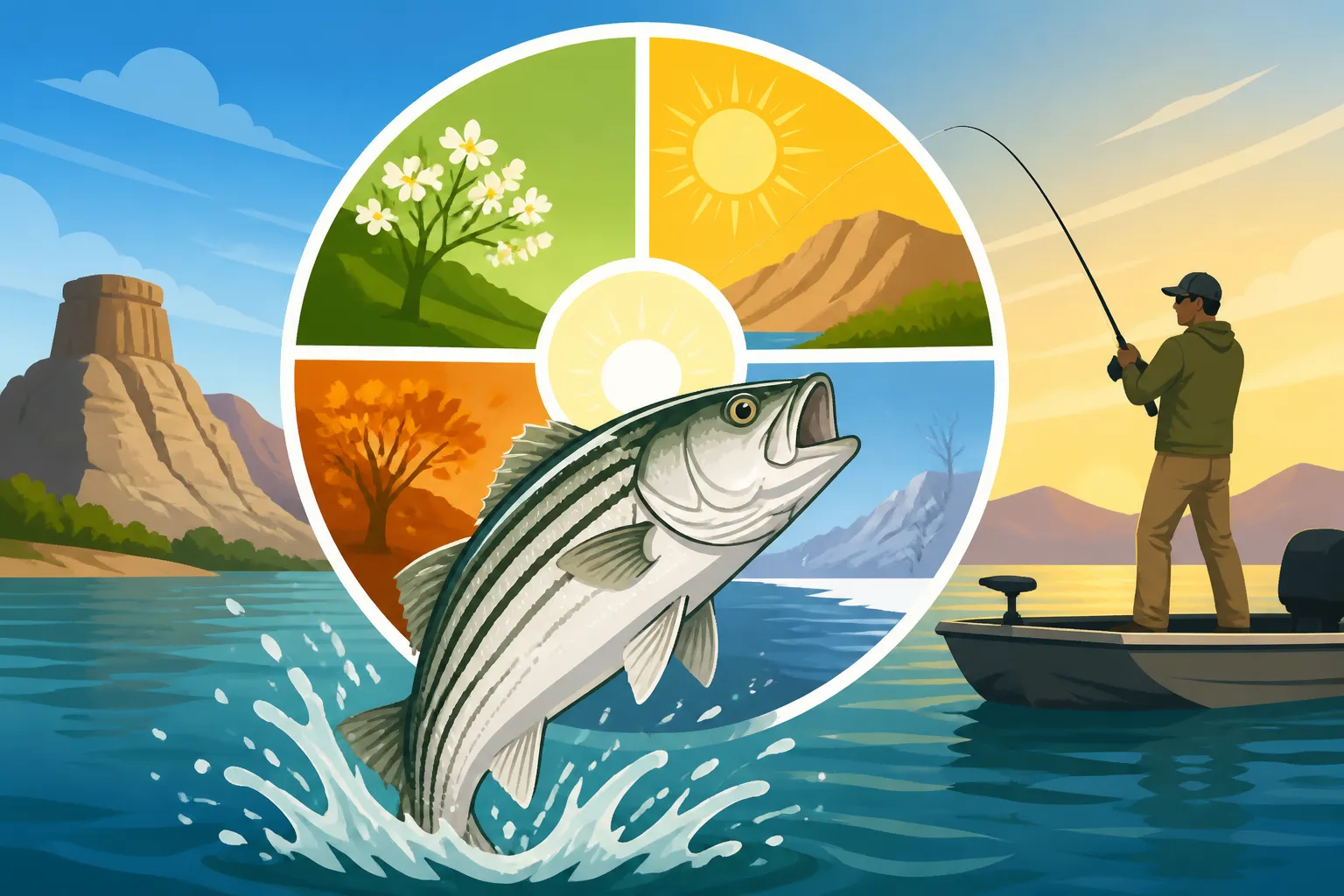
Elephant Butte Lake, a colossal reservoir in the heart of New Mexico, is renowned for its incredible striped bass fishery. But like most fish, stripers at Elephant Butte have distinct seasonal patterns driven by water temperature, forage availability, and spawning instincts. Understanding these cycles is the first step toward consistent success, moving you beyond just hoping for a bite to actively anticipating where and when these powerful fish will be most active.
Spring: The Pre-Spawn Feast
As winter's chill slowly recedes and water temperatures begin to climb, usually from late March through May, Elephant Butte awakens, and so do its striped bass. This is a crucial period for stripers as they prepare for their annual spawning ritual. They become incredibly active, aggressively feeding to build up energy reserves for the strenuous process ahead. You'll find them moving into shallower coves and creek arms, following the warming water and the baitfish that are doing the same. Look for temperatures in the 50s to low 60s Fahrenheit. During this time, they’re often staging near potential spawning grounds, which for stripers in a landlocked reservoir typically means rocky points, humps, and submerged timber in areas with some current or a natural "flow" that mimics a river. This pre-spawn activity makes them highly susceptible to a variety of presentations, and it's a window where anglers can experience some truly explosive strikes.
Summer: Deep Water and Nocturnal Hunts
Once the scorching New Mexico summer heat sets in, typically from June through August, Elephant Butte Lake's surface temperatures can soar. This pushes the stripers, which prefer cooler water, down into the thermocline – that specific depth where the warmer surface water meets the cooler, deeper water. This is when the fishing can get tough if you're not prepared to go deep. During the day, they'll often hold in cooler, oxygenated water, frequently suspended over deep channels or around major underwater structures. Their activity often shifts to dawn, dusk, and even nighttime, escaping the intense sun and taking advantage of baitfish movements. For more on this, you might find the article on Striped Bass Summer Holding Depth particularly useful. Anglers often complain about stripers being "gone" in summer, but they're just adapting, and you need to adapt with them. This is when understanding sonar and temperature gauges becomes paramount to locating these deep-dwelling giants.
Fall: The Migration and Aggressive Feeding
Fall, from September through November, is arguably one of the most exciting times for striped bass fishing at Elephant Butte. As the lake water begins to cool, the stripers experience a renewed burst of energy. They become incredibly active, moving out of their deep summer haunts and often engaging in widespread schooling behavior, pushing baitfish to the surface in what are known as "topwater boils." This is a frantic, competitive feeding period where the stripers are trying to pack on weight before the colder winter months. They’ll chase shad and other forage fish relentlessly, often herding them against structure or into open water, creating spectacular surface action. This phenomenon makes them easier to locate, and their aggressive nature means they’re more willing to strike at a wider range of lures. It's a time of year when even a novice can connect with a good fish if they're in the right place at the right time.
Winter: Slower Metabolism, Deeper Holds
Winter at Elephant Butte, from December through February, means colder water temperatures, often dipping into the 40s. While not as active as spring or fall, stripers are still catchable, though their metabolism slows down significantly. They tend to congregate in deeper, stable water, often around the warmest pockets they can find, which might be in the main river channel or deep coves. Their feeding windows become shorter and less frequent, and they'll be less willing to chase fast-moving lures. This is a time for patience and precision, focusing on slower presentations and perhaps fewer, but larger, bites. Don't be fooled into thinking they're uncatchable; they're just saving their energy, and a well-placed bait can still entice a strike from a trophy fish.
Prime Time: The Absolute Best Windows for Striped Bass Action
While Elephant Butte stripers can be caught year-round, certain periods offer significantly higher chances of success due to the fish's biological imperatives and environmental conditions. Knowing these peak windows can make all the difference in planning your ultimate fishing adventure.
The Spring Spawning Run: A Brief, Intense Opportunity
Without a doubt, the period leading up to and during the striped bass's pseudo-spawning run in the spring (typically April to early May, depending on water temps) is one of the most productive times. While true anadromous striped bass need flowing freshwater to successfully spawn, the landlocked stripers in Elephant Butte still go through the motions, migrating up the main river channel or congregating in large schools in the upper reaches of the lake. They become extremely focused on feeding, making them predictable and aggressive.
During this window, you might encounter large schools of stripers pushing baitfish to the surface, creating frenzies that can last for minutes. It’s a sight to behold and an incredible opportunity to cast into a feeding school. However, this window can be somewhat fleeting, lasting only a few weeks, making timing critical. Many anglers rely on local knowledge or guide services to hit this peak precisely. If you're looking for a guided trip, platforms like FishingBooker can connect you with experienced local captains who specialize in this specific run. Their expertise can save you a lot of guesswork and dramatically increase your chances of being there when the magic happens.
Late Fall into Early Winter: Prolonged Aggression
Following closely behind the spring "spawn" is the extended feeding period from late fall (October) into early winter (December). As the water cools from its summer highs, but before it gets truly cold, the stripers are driven by an instinct to gorge themselves. This is often when you'll find the most consistent and prolonged topwater action, with birds diving and stripers churning the surface as they decimate schools of shad.
Unlike the spring window, which can be more intense but shorter, the fall feeding frenzy often lasts for several weeks. The stripers are highly migratory within the lake during this time, following baitfish schools. This means you might have to cover a lot of water, but when you find them, the action can be non-stop. This is a fantastic time for both boat anglers and those looking into How to Catch Striped Bass From Shore, as stripers will push bait into accessible coves and along main lake points. The fish are fat, feisty, and willing to chase down a variety of lures, making for some truly unforgettable angling.
Targeting the Elephant Butte Striped Bass on Forage Patterns
Regardless of the season, the key to success with striped bass at Elephant Butte often boils down to finding their primary food source: shad. The best time to catch stripers is almost always when they are actively pursuing shad. This means constantly observing your surroundings for signs of activity, like diving birds, baitfish flickering on the surface, or sudden changes on your sonar.
Stripers are opportunistic predators, and their movements are intimately tied to the movements of their prey. In spring, they'll push shad into warmer, shallower areas. In summer, they'll follow shad into deeper, cooler water. In fall, they'll chase vast schools of shad in open water and along points. Winter sees them holding deeper with the baitfish, but still ready to ambush. Therefore, even within the prime seasons, tuning into the "shad bite" is paramount. A good fish finder can be your best friend, helping you locate schools of baitfish, which are almost always accompanied by hungry stripers.
Essential Techniques and Gear for Each Season
Catching striped bass at Elephant Butte isn't just about showing up at the right time; it's also about employing the right techniques and having the appropriate gear for the conditions. What works in the spring might be completely ineffective in the heat of summer.
Lure and Bait Selection by Water Temperature
Matching your lure or bait to the season and the stripers' feeding mood is critical.
- Spring: When water temperatures are in the 50s and low 60s, stripers are often aggressively chasing. Large swimbaits (like the SPRO McStick or Castaic Softbaits), lipless crankbaits, and big topwater lures (for surface activity) are excellent choices. Live shad, if legal and available, is also incredibly effective. For those interested in specific recommendations, the article on Best Lures for Striped Bass at Elephant Butte offers a deeper dive into options.
- Summer: As stripers go deep, presentation changes. Vertical jigging with heavy spoons (like a Kastmaster or Cotton Cordell C.C. Spoon) or bucktail jigs is popular. Downriggers with deep-diving crankbaits or umbrella rigs can also be highly productive when trolling for suspended fish. Cut bait or live shad fished on the bottom in deeper haunts can also work, especially during low-light hours.
- Fall: This is prime time for topwater action! Poppers, walking baits (like a Heddon Super Spook), and prop baits can draw explosive strikes. When stripers are not on the surface, large swimbaits, jerkbaits, and even large spinnerbaits can be very effective, mimicking fleeing baitfish. Live shad or large shiners are also phenomenal.
- Winter: Slower presentations are key. Deadsticking large swimbaits, slowly jigging spoons, or fishing cut bait or live shad on a Carolina rig near the bottom can entice sluggish stripers. Patience is a virtue here, as bites might be subtle.
Trolling and Live Bait Strategies
Trolling is a widely used and effective method for covering vast amounts of water at Elephant Butte, especially when stripers are scattered or suspended. Using large crankbaits, umbrella rigs, or even live shad behind downriggers allows you to present your offering at precise depths where stripers are holding. For multi-species tactics, you might adapt some insights from How to Troll for Kokanee at Navajo Lake to target deeper-holding stripers. Adjust your trolling speed based on water temperature and fish activity; faster speeds often work better in warmer water, while slower speeds are preferred in colder conditions.
Live bait, particularly shad, is consistently one of the most effective methods for catching striped bass. Whether fished on a free-line, under a balloon, or on a Carolina rig, live bait appeals to the stripers' natural predatory instincts. Knowing how to locate and catch live shad is a skill in itself and can significantly increase your catch rate. Many serious striper anglers dedicate time to netting or cast-netting their own bait before a trip.
Understanding Striped Bass Summer Holding Depth
This concept is crucial for success during the warmer months. When surface temperatures climb into the 80s, striped bass will seek refuge in deeper, cooler water. They won't just sit on the bottom; often, they suspend at a specific depth, usually where the thermocline provides both cooler water and adequate oxygen levels, often where baitfish are also congregating.
Your electronics become indispensable here. Learn to read your fish finder to identify the thermocline layer and locate bait balls. Stripers will often be found just above, within, or just below these bait schools. The actual depth will vary depending on the lake's specific conditions, but it's not uncommon to find them suspended anywhere from 20 to 60 feet down. Targeting this precise depth with jigs or trolled offerings will be far more productive than blindly casting.
Navigating Challenges and Maximizing Your Success
Fishing Elephant Butte for striped bass is an exhilarating experience, but it also comes with its share of challenges. Being prepared for these obstacles and having strategies to overcome them will ensure a more enjoyable and successful trip.
Monitoring Lake Conditions and Water Levels
Elephant Butte Lake's water levels can fluctuate dramatically, especially in New Mexico's arid climate. These changes can directly impact where stripers hold and where baitfish congregate. Low water might mean certain structures are exposed, or traditional boat ramps are inaccessible. High water can flood new areas, dispersing fish into newly covered vegetation. Always check current lake levels and conditions before you go. Websites like the Bureau of Reclamation often provide real-time data, and local tackle shops or guide services can offer invaluable, up-to-the-minute insights. These conditions also impact general safety, and it's always wise to review the New Mexico Fishing Regulations Overview and be aware of any temporary changes.
Hiring a Local Guide or Charter
For many anglers, especially those visiting Elephant Butte for the first time or those looking to learn the ropes quickly, hiring a local fishing guide is an investment that pays dividends. Guides spend hundreds of days a year on the water, intimately understanding the lake's nuances, seasonal patterns, and where the stripers are holding right now. They have the specialized equipment, the knowledge of baitfish movements, and the experience to put you on fish.
Platforms like FishingBooker are excellent resources for finding reputable, licensed guides operating on Elephant Butte. A good guide won't just take you fishing; they'll often teach you techniques, explain sonar readings, and help you understand the lake's ecosystem, dramatically shortening your learning curve. This can be particularly beneficial during those intense, but fleeting, spring and fall peak periods when precise timing and location are key.
Safety Considerations on Elephant Butte Lake
Elephant Butte is a large, open body of water, and conditions can change rapidly. Wind can kick up quickly, turning calm waters into choppy, challenging conditions. Always prioritize safety.
- Weather: Check the forecast religiously. Be prepared for sudden thunderstorms, high winds, or extreme temperatures.
- Vessel: Ensure your boat is in good working order and has all the necessary safety equipment. Consult the Required Safety Gear on a New Mexico Boat to ensure you're compliant.
- Life Jackets: Have enough U.S. Coast Guard-approved life jackets for everyone on board, and ensure children are wearing them.
- Hydration: New Mexico's sun is intense, even in cooler months. Bring plenty of water and stay hydrated.
- Navigation: Carry up-to-date maps or GPS. Familiarize yourself with the lake's navigation hazards, especially during low water.
Fishing for striped bass at Elephant Butte is a truly rewarding experience, offering the chance to battle one of freshwater's most powerful game fish. By understanding their seasonal movements, utilizing the right techniques, and prioritizing safety, you'll be well on your way to a successful and memorable trip. Whether you're chasing the New Mexico State Record Striped Bass or just looking for some delicious fillets, Elephant Butte's stripers offer an incredible challenge and a thrilling reward.
| Season | Best Months (Approx.) | Typical Striper Depth | Preferred Techniques & Lures | Key Considerations |
|---|---|---|---|---|
| Spring | April – Early May | Shallow to Mid-depths (10-30 ft) | Swimbaits, Lipless Crankbaits, Topwater, Live Shad | Pre-spawn feast, aggressive feeding, follow bait into coves |
| Summer | June – August | Deep water, Thermocline (30-70+ ft) | Vertical Jigging (spoons, bucktails), Downriggers with Crankbaits, Trolling, Cut/Live Bait | Heat pushes fish deep, nocturnal activity, rely on electronics |
| Fall | September – November | Mid-depths, Surface (15-40 ft, often on top) | Topwater, Large Swimbaits, Jerkbaits, Spinnerbaits, Live Shad | Aggressive feeding, widespread schooling, topwater boils |
| Winter | December – February | Deepest channels, Stable pockets (40-80+ ft) | Slow Jigging, Deadsticking Swimbaits, Cut/Live Bait (Carolina Rig) | Slower metabolism, focus on stable deep water, patience is key |
Disclaimer
Fishing conditions and regulations in New Mexico can change. Always check the latest New Mexico Department of Game and Fish regulations before heading out. This guide provides general information and recommendations, but local conditions, weather, and fish behavior can vary.