San Juan River Fly Fishing
There's a reason the San Juan River in New Mexico holds legendary status among fly anglers worldwide, but its very reputation for abundant, trophy-sized trout can feel intimidating to those new to its waters or even seasoned anglers visiting for the first time. The unique conditions and demanding techniques required can leave you feeling overwhelmed before you even make your first cast. This comprehensive guide will meticulously break down everything you need to know about fly fishing the iconic San Juan River, ensuring you approach its renowned currents with confidence and skill.
Understanding the San Juan River's Unique Character
The San Juan River isn't just any trout stream; it's a meticulously managed, world-class tailwater fishery that stands apart. Its consistent water flows and nutrient-rich environment create an almost unparalleled ecosystem for trout. Understanding these underlying factors is crucial to unlocking its secrets.
The Tailwater Advantage: Consistent Flows and Cold Water
What exactly is a "tailwater fishery," and why does it matter so much for fishing? Simply put, a tailwater is the section of a river directly below a dam, in this case, Navajo Dam. The water released from the bottom of the dam comes from the deep, cold layers of Navajo Lake, maintaining a consistently cool temperature that’s absolutely ideal for trout, even during the scorching New Mexico summers. This steady, cool flow also means the river rarely experiences drastic temperature swings or extreme runoff events that plague many natural rivers. Imagine fishing a river where the water temperature is consistently in the prime range for trout to thrive, grow, and feed almost year-round – that’s the San Juan. This consistency also allows for a stable aquatic insect population, forming the backbone of the trout's diet. It means there's always something hatching, or at least drifting, providing a constant food source and leading to the river's famously healthy and robust trout.
Quality Waters vs. Braids: Knowing Your Sections
When people talk about fly fishing the San Juan, they are almost exclusively referring to the "Quality Waters" section. This highly regulated, roughly 3.75-mile stretch begins at the base of Navajo Dam and extends downstream to the Crusher Hole. Within this prime zone, the river is characterized by stable flows, deep runs, and intricate riffles, all teeming with fish. But here's where it gets interesting: below the main Quality Waters, the river breaks into a labyrinth of smaller channels and pockets known as "The Braids." These sections offer a completely different fishing experience, often with shallower, faster water and a different feel. While the Quality Waters is known for its dense population of large, often finicky trout, The Braids can be more accessible, with plenty of willing, though generally smaller, fish. Understanding this distinction is vital for planning your day. Many anglers spend their entire trip within the primary San Juan River Quality Waters Section, but exploring the surrounding areas can be a rewarding adventure.
Why the Fish Are So Big and Plentiful Here
It’s no exaggeration to say the San Juan River boasts one of the densest trout populations anywhere, with estimates sometimes reaching over 15,000 fish per mile in the Quality Waters. These aren't just any trout; they're famous for their size and strength, often ranging from 16 to 20 inches, with plenty of larger specimens that will test your tackle. The secret lies in a perfect storm of environmental factors and strategic management. The consistent cold water from the dam allows trout to thrive without the stress of temperature extremes. This stable environment fosters an incredibly rich aquatic ecosystem, providing an endless buffet of midge larvae, annelids, and other invertebrates. The strict catch-and-release regulations and use of artificial flies with barbless hooks ensure that the vast majority of these fish survive to grow larger, learn to be wary, and reproduce. It’s a true testament to careful conservation and abundant natural resources working in harmony, making it a dream destination to pursue Rainbow Trout on the San Juan River and Brown Trout on the San Juan River.
Essential Gear for San Juan River Fly Fishing
Heading out on the San Juan without the right gear is like trying to scale a mountain in flip-flops – you might get somewhere, but it won't be pretty or productive. This river demands specific equipment that matches its unique conditions and the savvy of its trout.
Rods, Reels, and Lines: The Perfect Setup
For the San Juan River's Quality Waters, a good quality 9-foot, 5-weight fly rod is widely considered the workhorse. This length offers excellent line control for long nymphing drifts, and the 5-weight has enough backbone to handle the strong currents and the Average Trout Size in the San Juan River Quality Waters. If you plan to fish the deeper, faster runs or specifically target larger fish, a 6-weight can also be an excellent choice, especially if you're throwing heavier nymph rigs or streamers. Your reel should be reliable with a smooth drag system, though frankly, for most San Juan trout, the reel primarily serves as a line holder. A weight-forward floating fly line (WF5F or WF6F) is standard. For nymphing, which is the most common and productive method, a specialized nymphing line or a standard floating line with a longer, tapered leader is ideal. Don't skimp on quality here; a balanced setup will make your day infinitely more enjoyable and effective. Looking for specifics? Check out our guide on Best Fly Rods for the San Juan River.
Wading Gear: Staying Warm and Dry
The San Juan River’s water is consistently cold – often in the 40s Fahrenheit – even in summer. This means quality waders are not optional; they are absolutely essential for comfort and safety. Breathable chest waders are the most popular choice, offering maximum protection and flexibility. Pair these with sturdy wading boots that provide excellent grip on slick, algae-covered rocks. Felt soles or rubber soles with studs are highly recommended. A wading staff can also be a lifesaver, providing stability in the strong currents and helping you navigate uneven riverbeds. Remember, you'll be spending a lot of time in that cold water, so layering appropriately underneath your waders is key, even on warmer days. Thermal underwear or fleece pants are a must. Our insights on Best Wading Boots for New Mexico's San Juan River can further assist in your selection.
Must-Have Flies and Tippet for San Juan Trout
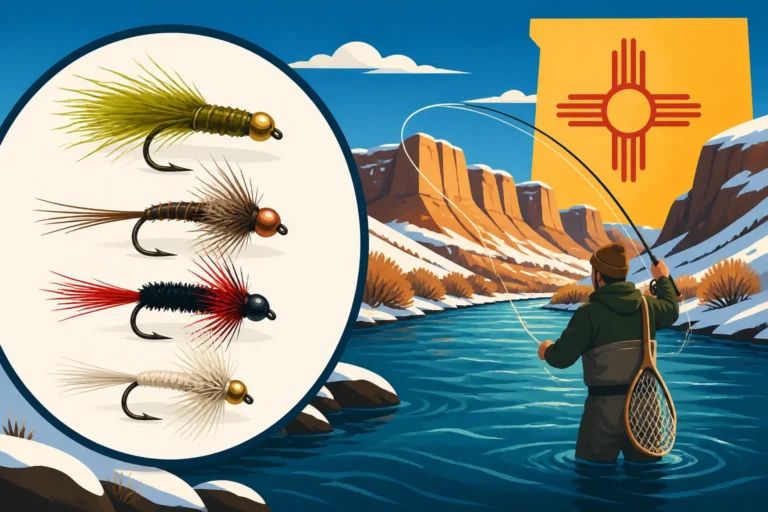
The San Juan River's trout are notoriously selective due to the sheer abundance of natural food and constant angling pressure. This isn't a river where you can just throw any old attractor pattern and expect success. Small, imitative patterns are the name of the game, mimicking the prolific midges, annelids, and mayflies. Your fly box should be stocked with a variety of midge patterns (zebra midges, larva, pupa, adults in black, red, olive, and cream in sizes 20-24), annelid patterns (red and orange San Juan Worms in various sizes), and various emerger and nymph patterns (RS2, larva, barr's emergers, pheasant tails, WD-40s in sizes 18-22). Pale Morning Dun (PMD) patterns and BWO (Blue Winged Olive) patterns in nymph and emerger stages are also critical, especially during their hatches. As for tippet, lighter is usually better, with 5x or 6x fluorocarbon being the standard for nymphing, as it’s nearly invisible underwater and sinks quickly. Carrying 4x for dry flies or larger nymphs can also be useful. For more depth on specific patterns, consult our article on Fly Selection for New Mexico's San Juan River.
Here’s a quick overview of some essential San Juan fly patterns:
| Fly Type | Pattern Name | Colors | Sizes | Notes |
|---|---|---|---|---|
| Midges | Zebra Midge | Black, Red, Olive | #20 – #24 | Go-to larva/pupa imitation, often fished as lead or dropper. |
| Top Secret Midge | Black, Red, Olive | #20 – #24 | Effective subsurface midge pupa. | |
| Griffith's Gnat | Black | #18 – #22 | Clustered adult midges, great for risers. | |
| Annelids | San Juan Worm | Red, Orange, Worm Brown | #16 – #20 | Highly effective, especially after flow changes or during consistent flows. |
| Mayflies | Barr's Emerger | Grey, Olive | #18 – #22 | Key for BWO and PMD hatches, fished in film. |
| RS2 | Black, Grey, Olive | #18 – #22 | Versatile emerger/nymph. | |
| Flashback Pheasant Tail | Brown, Olive | #18 – #22 | Classic nymph, good all-rounder. | |
| Caddis | LaFontaine's Sparkle Pupa | Tan, Olive | #16 – #20 | Important during caddis hatches, especially in summer. |
| Attractors | Egg Patterns | Orange, Pink, Chartreuse | #16 – #20 | Useful during spawning activity or as an attractor. |
Key Techniques for Success on the San Juan
The San Juan is a technical fishery, meaning simply casting isn't enough. Precision, presentation, and understanding fish behavior are paramount. If you don't adapt your tactics, you'll likely be watching others catch fish while you stand perplexed.
Master the Nymph Rig: The San Juan's Bread and Butter
When most anglers talk about San Juan River fly fishing, they're talking about nymphing. The vast majority of the trout's diet consists of subsurface insects, making a well-presented nymph rig incredibly effective. The most common setup is a "two-fly" or "three-fly" rig, suspended under an indicator. You’ll typically use a heavier lead fly (often an annelid or a larger midge pattern) to get your rig down quickly, followed by one or two smaller, imitative patterns (midges, emergers) tied in tandem, spaced 12-18 inches apart. The key is achieving a perfectly drag-free drift. This means your flies are moving at the same speed as the current, just like natural insects. Mending your line constantly to eliminate drag, managing slack, and detecting subtle takes are skills you'll quickly hone here. Don't be afraid to experiment with leader length, split shot placement, and fly combinations until you find what the fish are keying in on. We've got an entire guide on Nymph Fishing on the San Juan River that dives deep into this technique.
Dry Fly Opportunities: When and Where to Look Up
While nymphing dominates, ignoring dry fly opportunities on the San Juan would be a mistake. The consistent midge hatches can bring a surprising number of large trout to the surface, especially in slower eddies and seams. Look for subtle rises – often just a slight dimple – indicating trout sipping tiny midges. When you see this, switch to a small midge adult pattern (like a Griffith's Gnat or tiny parachute midge) on a long, fine tippet (6x or 7x). Mayfly hatches, particularly Blue Winged Olives (BWOs) and Pale Morning Duns (PMDs), also offer fantastic dry fly action, especially in the spring and fall. These hatches can be intense, blanketing the water with insects and bringing even the most wary fish to the surface. Presentation is everything; a soft, accurate cast with a completely drag-free drift is critical. If your fly drags even slightly, those educated trout will refuse it. Be patient, observe the rises, and match the hatch as closely as possible.
Reading the Water: Finding Those Holding Lies
The San Juan River looks deceptively simple in some sections, but beneath the surface, it's a complex network of riffles, runs, pools, and seams. Successfully fishing here requires a keen eye for "reading the water" to identify prime trout habitat. Look for changes in current speed, depth, and structure. Trout typically hold in areas where food is delivered to them with minimal effort, and where they feel secure. This often means the soft seams where faster current meets slower water, the edges of deep runs, behind large rocks or underwater structure, and in deeper pools. During active hatches, look for rising fish in calmer eddies or along current lines. The Quality Waters also has many "holes" and depressions that hold impressive numbers of fish. Observing other anglers (from a respectful distance!) can also provide clues about productive spots. Learning How to Read Water on the San Juan River is an indispensable skill for any serious San Juan angler.
Seasonal Strategies for San Juan River Fly Fishing
The San Juan River offers incredible fly fishing opportunities year-round, but the specific tactics, fly choices, and even fish behavior can shift dramatically with the seasons. Being prepared for these changes will greatly enhance your success.
Spring Runoff and Early Season Tactics
Unlike many freestone rivers where spring runoff can blow out fishing for weeks, the San Juan's tailwater nature means consistent flows, making it an excellent spring destination. As water temperatures slowly begin to rise, trout become more active. Midges remain a staple, but the first significant hatches of Blue Winged Olives (BWOs) often occur, providing dry fly opportunities on overcast days. Annelid patterns (San Juan Worms) are particularly effective in spring, especially if dam releases have increased flows slightly. Fishing deeper runs and slower eddies will still be productive. This is also a time when fish are actively feeding to regain energy after winter, making them a bit less selective than in summer. Focus on presenting nymph rigs accurately in key feeding lanes. You can find detailed information on Spring Trout Fishing in New Mexico to round out your strategy.
Summer Challenges and Evening Hatches
Summer on the San Juan brings warmer ambient temperatures, but the consistent cold water from Navajo Dam keeps the trout happy. However, increased angler pressure means the fish can become even more selective and wary. Early mornings and late evenings are often the most productive times. While midges are still present, Pale Morning Dun (PMD) mayflies emerge, offering fantastic dry fly action, especially in the afternoons. Caddis hatches also become more prevalent in the evenings. During the brightest parts of the day, trout will often move to deeper, more oxygenated water, making accurate nymph presentations in these deeper pockets critical. Pay close attention to subtle takes, as fish may just "munch" on your fly rather than aggressively strike. Be prepared for crowds, especially on weekends, and practice good angler etiquette.
Fall and Winter: Trophy Trout Season
Many experienced San Juan anglers consider fall and winter the prime seasons for trophy trout. Cooler temperatures and fewer crowds often lead to incredible fishing. Fall brings robust BWO hatches, potentially some late caddis, and a surge in midge activity. The trout are aggressively feeding to bulk up for winter, and larger fish are more likely to be caught. Winter on the San Juan is a test of patience and precision, but it can be incredibly rewarding. The most consistent hatches are midges, and the fish become accustomed to these tiny food sources. Focus on extremely small midge patterns (size 22-26) presented on light tippet (6x-7x) in slow, deep runs and eddies. Fish often stack up in these areas, and once you find them, you can have a banner day. Dress warmly, layers are your friend, and don't forget hand warmers. This season demands meticulous nymphing and can yield some of the largest trout of the year.
Navigating the San Juan River: Access and Etiquette
Knowing where to go and how to behave on a world-class fishery like the San Juan River is just as important as knowing what flies to use. Respecting the river, its fish, and your fellow anglers ensures a positive experience for everyone.
Public Access Points and Parking
The primary access points for the Quality Waters are well-marked and maintained by the New Mexico Department of Game and Fish and the Bureau of Land Management (BLM). The main areas include the Texas Hole, a popular and easily accessible spot with ample parking and developed trails; Simon Canyon, offering a bit more solitude but requiring a longer walk; and the Lower Braids, further downstream, which spreads out into multiple channels. There are also designated parking areas and access points along the gravel road that parallels the river. Always stick to established trails and parking areas to avoid trespassing or damaging fragile riparian habitat. When planning your trip, consider hiring a guide through services like FishingBooker, especially if it's your first time. They often know the most productive spots and can arrange access, making your experience smoother and more effective. You can get more information on San Juan River Quality Waters Section for detailed access maps.
Understanding Private Property and Respecting Boundaries
While the Quality Waters are primarily public land, there are some sections that border private property. It is absolutely crucial to be aware of and respect all "No Trespassing" signs and private land boundaries. Anglers are generally allowed to wade the river itself, as the streambed is often considered public, but accessing the river through private land is strictly prohibited without explicit permission from the landowner. Always double-check maps or ask local tackle shops for clarification if you're unsure about property lines. Trespassing can lead to legal issues and severely damage the relationship between anglers and landowners, potentially jeopardizing future access for everyone. Be a responsible angler and err on the side of caution.
Angler Etiquette: Sharing the Water Responsibly
Given the San Juan's immense popularity, especially during peak seasons, you'll likely be sharing the water with many other anglers. Good etiquette is paramount. Always maintain a respectful distance from other anglers – typically, at least one rod length (9-10 feet) upstream and downstream, and more if possible. Never crowd another angler, and avoid walking directly through water where others are actively fishing. If you need to cross the river, do so quietly and far from active fishing lanes. Communicate with fellow anglers; a friendly "How's the fishing?" or "Mind if I fish downstream?" can go a long way. When launching a boat or drift boat, be mindful of wading anglers and give them a wide berth. Remember, everyone is there to enjoy the natural beauty and the incredible fishing, so a little courtesy makes a huge difference.
Conservation and Regulations on the San Juan River
The legendary status of the San Juan River is directly tied to its strict conservation practices and regulations. To preserve this world-class fishery, every angler must understand and adhere to the rules. Violations not only carry penalties but threaten the health of the ecosystem.
Catch and Release Philosophy and Best Practices
The San Juan River Quality Waters is primarily a catch-and-release fishery. While there are some specific regulations regarding keeping fish in certain areas downstream, the ethos of the Quality Waters is about minimizing harm to the fish population. When practicing catch and release, handle fish minimally and gently. Use a rubber mesh net, as it is less abrasive to scales and fins. Keep the fish in the water as much as possible, especially during warm weather. If you must remove a fish for a quick photo, wet your hands first, support the fish horizontally, and return it to the water immediately. Avoid touching the gills or squeezing the fish. For more on this, check out Catch and Release Best Practices in New Mexico. Always be prepared with pliers or a hook remover to quickly dislodge hooks. The goal is to ensure the fish swims away strong and healthy to be caught another day.
Special Trout Water Rules: Barbless Hooks and Artificial Lures Only
The San Juan River's Quality Waters has specific "Special Trout Water" regulations that anglers absolutely must follow. Foremost among these is the requirement for artificial lures and flies only, and all hooks must be barbless. This means no live bait, no scented baits like PowerBait, and no lures with treble hooks unless they have been crimped down to be effectively barbless. The reasoning behind barbless hooks is simple: they cause significantly less damage to a fish's mouth, making it easier to release them unharmed. Always check your hooks before you start fishing, even on new flies or lures, and crimp down any barbs with a pair of pliers. These rules are non-negotiable and strictly enforced by New Mexico Game and Fish. Understanding New Mexico Special Trout Water Rules is not just good practice, it's the law.
Understanding Bag and Possession Limits
While the Quality Waters are catch-and-release focused, it's important to understand the broader New Mexico Trout Bag and Possession Limits as they apply to other sections of the San Juan River, particularly downstream from the Quality Waters. The New Mexico Department of Game and Fish regulations are subject to change, so always consult the most current "New Mexico Fishing Regulations Overview" booklet before heading out. Generally, within the Quality Waters, the take is zero fish. Below the Quality Waters, in "The Braids" and other open areas, there may be specific bag and possession limits for trout, and sometimes for other species like brown trout or kokanee salmon. These limits are in place to ensure sustainable fishing pressure and healthy fish populations for generations to come. Make sure you know which section you are in and what the applicable rules are.
Disclaimer
Please remember that fishing regulations, conditions, and access can change. Always consult the latest New Mexico Department of Game and Fish regulations and local advisories before planning your trip. This guide is for informational purposes only and should not be considered a substitute for official regulations.