Brown Trout on the San Juan River
The San Juan River in New Mexico is legendary, but for many anglers, the idea of tackling its famously finicky brown trout can feel overwhelmingly complex. With its unique regulations, intricate ecosystems, and the sheer reputation of its fish, it’s easy to feel lost before you even wet a line. This comprehensive guide will demystify brown trout fishing on the iconic San Juan River, equipping you with the knowledge and confidence to pursue these elusive and beautiful fish.
The Allure of Brown Trout on the San Juan River
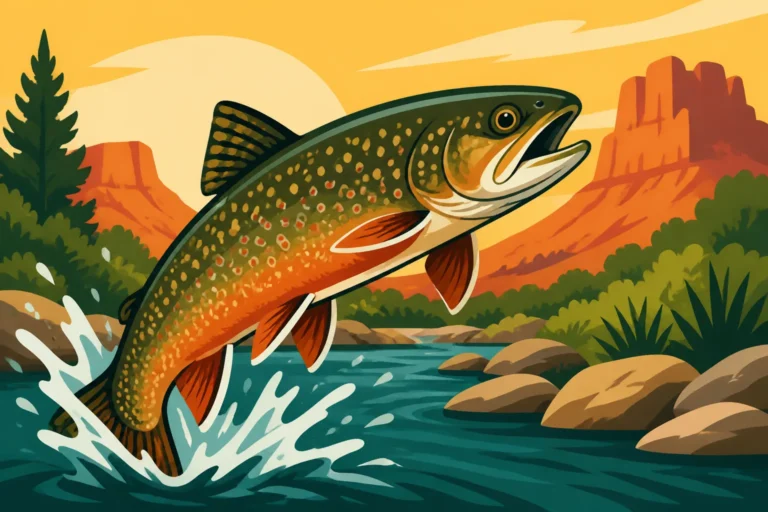
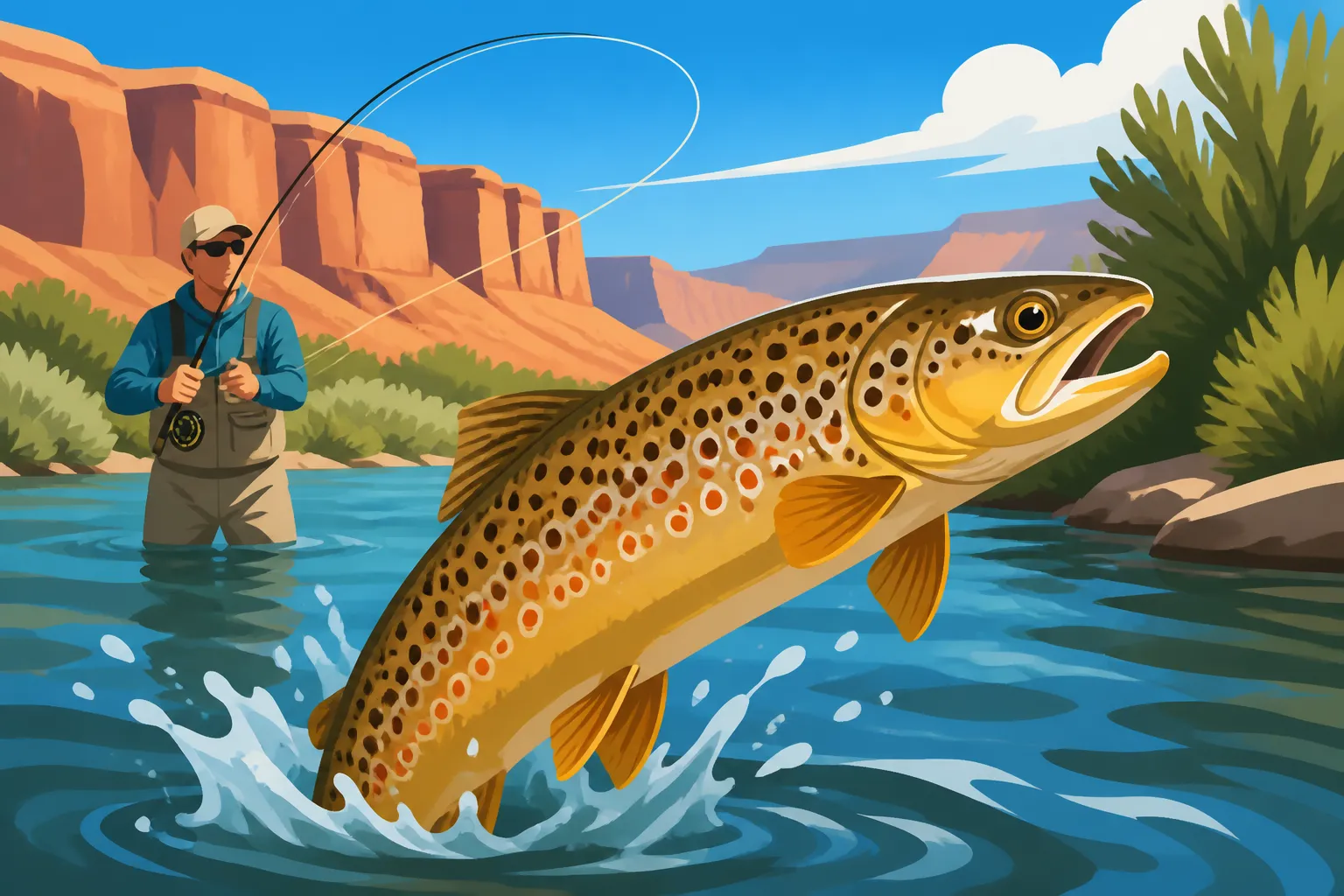
When people talk about world-class trout fishing, the San Juan River in New Mexico inevitably comes up in conversation. It's not just another river; it's a phenomenon, a tailwater fishery below Navajo Dam that has created an environment perfectly suited for trout to thrive, especially the stunning brown trout. These fish are not just numerous; they are often of exceptional size and possess a cunning that challenges even the most seasoned anglers.
Why Brown Trout Thrive Here
The San Juan River’s "Quality Waters" section, immediately downstream from Navajo Dam, is a unique fishery largely due to the consistent cold water releases from the bottom of the reservoir. This steady flow of nutrient-rich, oxygenated water creates an ideal habitat year-round for trout. Unlike freestone rivers that experience dramatic temperature and flow fluctuations, the San Juan offers a stable, abundant food source and comfortable temperatures that allow brown trout to grow quickly and reach impressive sizes. The riverbed itself is rich with aquatic insects, primarily midges and blue-winged olives, which form the cornerstone of the trout's diet. This constant buffet means the brown trout have little incentive to move far, conserving energy and focusing on feeding, which translates into robust, healthy fish.
Furthermore, the stringent New Mexico Trout Fishing Rules in this section contribute significantly to the brown trout's success. The "Quality Waters" are managed for catch-and-release fishing with artificial flies and lures using single, barbless hooks. This dramatically reduces fishing pressure and mortality rates, allowing more fish to survive to maturity and reproduce. It's a carefully balanced ecosystem where conservation efforts directly result in a thriving population of large, wild-spawned brown trout, making every catch feel like a hard-earned trophy. The continuous flows also prevent significant winterkill or summer stagnation, providing a consistent, low-stress environment where these magnificent fish can truly flourish.
San Juan's Reputation for Trophy Browns
The San Juan River isn't just known for brown trout; it's known for big brown trout. Anglers travel from all over the globe with the specific goal of landing one of these elusive giants. While rainbow trout are also abundant and often caught, the browns are typically considered the prize. Their aggressive nature, stunning coloration, and the sheer fight they put up make them incredibly desirable. Many an angler has spent a day meticulously nymphing only to have a 20-inch brown aggressively smash a streamer, illustrating their predatory instincts. These aren't your average stocked pond fish; they are wild, smart, and often carry battle scars that tell tales of survival in a competitive environment.
The San Juan's reputation isn't just angler folklore; it's backed by countless stories and photographs of genuinely massive brown trout. While the river has its share of smaller, feisty browns, the opportunity to hook into a fish exceeding 20 inches is a very real possibility, with some even pushing into the 24-28 inch range. This potential for a "fish of a lifetime" is what draws so many people to this particular stretch of river. It’s the challenge of presenting a tiny midge pattern perfectly to a selective, large brown, or the thrill of stripping a large streamer through a deep run hoping to provoke a territorial strike. The river's unique structure, with its deep runs, riffles, and undercut banks, provides perfect ambush points for these apex predators, constantly keeping anglers on their toes.
Understanding San Juan River Regulations for Brown Trout
Before you even think about casting a line for brown trout on the San Juan River, it is absolutely paramount to understand and strictly adhere to the specific regulations governing this world-renowned fishery. This isn't just about avoiding a fine; it's about respecting the delicate ecosystem that makes this river so special and ensuring its health for future generations of anglers. The rules here are different from many other waters in New Mexico, reflecting the unique management strategies in place for the "Quality Waters."
Special Trout Water Rules and Gear Restrictions
The primary area you'll be focusing on for brown trout, known as the San Juan River Quality Waters Section, has very specific regulations designed to protect its exceptional trout population. From the top of the reservoir's full pool line at Navajo Dam downstream to the Crusher Hole (which is approximately 3.75 miles downstream from the dam), the rules are strict. This section is designated as "Special Trout Water" and requires the use of single, barbless hooks. You cannot use barbed hooks here, and you are expected to pinch down the barbs on any lures or flies you bring. This rule is crucial for minimizing damage to the fish when they are caught and released, allowing them to recover quickly and swim away unharmed.
Furthermore, fishing in this segment is restricted to artificial flies and lures only. This means absolutely no bait of any kind – no worms, no salmon eggs, no PowerBait. The reason for this is multifaceted: natural baits are often ingested deeply by fish, leading to higher mortality rates upon release, and they can also introduce diseases or non-native species into the delicate ecosystem. Artificial flies and lures, when used with barbless hooks, typically result in hookups in the mouth area, making removal easier and less traumatic for the fish. Always double-check the latest regulations from the New Mexico Department of Game and Fish before your trip, as rules can occasionally be updated. Ignoring these rules not only risks penalties but also directly harms the very fishery you've come to enjoy.
Catch and Release Philosophy for Brown Trout
The core of San Juan River brown trout management, particularly within the Quality Waters, is a robust catch-and-release philosophy. While the regulations explicitly state that fishing is restricted to artificial flies and lures with single, barbless hooks, it's also implicitly understood that these precious brown trout should be handled with the utmost care and returned to the water unharmed. This isn't just a suggestion; it's a practice that ensures the sustainability of this incredible fishery. The brown trout here are a testament to successful conservation, and their continued existence relies on responsible angling.
When you do hook into a magnificent San Juan brown, proper handling techniques are vital. Minimize the time the fish is out of the water. If possible, keep the fish submerged while you remove the hook. Wet your hands thoroughly before touching the fish to protect its delicate slime coat, which is its primary defense against infection. Avoid squeezing the fish, especially around its belly or gills. If you want a photo, get your camera ready beforehand, lift the fish gently for a quick shot, and then immediately return it to the water, supporting it until it swims off strongly. The goal is to cause as little stress as possible. This mindful approach, which is integral to the Barbless Hook Fishing Technique for New Mexico Rivers, not only upholds the spirit of the regulations but directly contributes to the survival and growth of the trophy brown trout that make the San Juan so famous.
Prime Locations and Seasons for San Juan Brown Trout
The San Juan River offers distinct fishing experiences depending on where you cast your line and what time of year you visit. While the entire Quality Waters section holds brown trout, certain areas and seasons can significantly enhance your chances of success, especially when targeting those elusive, larger specimens. Understanding these nuances is key to planning a productive trip.
Navigating the Quality Waters Section
The San Juan River Quality Waters Section is approximately 3.75 miles long, starting just below the Navajo Dam and extending to the Crusher Hole. This stretch is universally recognized as the prime real estate for brown trout. It's further divided into distinct sections, each with its own character and preferred techniques. The first mile or so below the dam, often called the "Texas Hole" area, is famous for its slow, deep runs and high concentration of fish. This area can be heavily pressured but offers incredible opportunities for large browns, often requiring meticulous nymphing presentations or precise dry fly fishing during hatches. Further downstream, you'll encounter a mix of shallower riffles, deeper bends, and undercut banks, which are classic brown trout habitat.
Moving away from the most popular spots can sometimes yield surprising results. Exploring the less crowded runs between the major access points, or even wading into areas that require a bit more effort to reach, can put you onto undisturbed browns. These fish often hold in structured water, like submerged logs, large rocks, or deep cut banks, which provide shelter and ambush points. They are generally less pressured here and might be more willing to strike. It's all about reading the water, identifying potential holding lies, and adjusting your approach. Remember, while the "Quality Waters" is the focus for browns, the stretch below the Crusher Hole (the "Bridge Area" and beyond) can also hold good numbers of brown trout, though regulations shift, allowing for bait and barbed hooks, which changes the fishing dynamic considerably.
Seasonal Strategies for Targeting Browns
Brown trout fishing on the San Juan River is a year-round affair, but each season presents unique challenges and opportunities. Understanding these seasonal shifts is crucial for success.
Spring (March-May): As runoff from snowmelt usually doesn't affect the tailwater significantly, spring can be fantastic. Blue-winged olive hatches become more consistent, offering excellent dry fly fishing opportunities, especially on overcast days. Nymphing with smaller midge and BWO patterns remains highly effective. Brown trout are actively feeding after winter and can be quite aggressive. This is also a great time to experiment with streamers as higher flows (if any) can dislodge baitfish, making browns more predatory.
Summer (June-August): Summer brings warmer air temperatures, but the San Juan's water remains cold due to the dam releases, keeping the trout comfortable. Early mornings and late evenings are often the most productive. Terrestrial patterns like hoppers, ants, and beetles can be effective, particularly near grassy banks. However, midges and small nymph patterns are still the bread and butter. The brighter sun can make fish more wary, so longer, lighter leaders and precise presentations become even more critical. Consider seeking out deeper, shaded pools where browns might be retreating from the direct sun.
Fall (September-November): Many consider fall to be the prime time for trophy brown trout on the San Juan. This is when the brown trout begin their spawning rituals. While it's critical to avoid disturbing spawning fish on redds (their spawning beds), their increased aggression and territoriality make them more susceptible to larger flies, especially streamers that imitate baitfish or other trout. Egg patterns fished behind spawning fish can also be incredibly effective, but ensure you’re not targeting fish directly on redds. The vibrant fall foliage against the clear river makes for a truly picturesque fishing experience.
Winter (December-February): Don't let the cold deter you! Winter on the San Juan can be exceptional, particularly for browns. The water is often at its clearest and flows are stable. Midges are the dominant hatch, and mastering tiny midge patterns, fished deep and slow, is key. While the fishing can be technical, the rewards are often chunky, healthy brown trout that have been feeding heavily through the colder months. Look for fish holding in slower, deeper pools and runs, conserving energy. Nymph Fishing on the San Juan River is generally the most productive technique during these colder months.
| Season | Primary Techniques | Target Fly Sizes (Nymphs/Dries) | Notes for Brown Trout |
|---|---|---|---|
| Spring | Nymphing, Dry Flies, Streamers | #18-22 Midges, #18-20 BWO, Streamers | Post-winter feeding frenzy, BWO hatches, aggressive takes. |
| Summer | Nymphing, Dry Flies (terrestrials) | #18-24 Midges, #18-22 BWO, Terrestrials | Early/late fishing best, fish wary in bright sun, seek deeper water. |
| Fall | Streamers, Nymphing (eggs/midges) | Streamers (size 4-10), #16-20 Midges/Eggs | Spawning season (avoid redds), highly aggressive, best for trophy potential. |
| Winter | Nymphing (midges) | #20-26 Midges | Technical fishing, deep and slow presentations, clear water, large browns. |
Essential Techniques for Hooking San Juan Browns
Successfully catching brown trout on the San Juan River often comes down to precise technique and understanding their feeding behaviors. These fish, especially the larger ones, can be incredibly selective and require a thoughtful approach. While the river is famous for its nymphing, other techniques can be equally devastating at the right time.
Nymphing and Euro Nymphing Tactics
Nymphing is arguably the most consistent and productive method for catching brown trout on the San Juan River, especially in the Quality Waters. The vast majority of a trout's diet consists of aquatic insects in their nymphal stage, drifting along the riverbed. Your goal with nymphing is to present these imitations as naturally as possible, mimicking a dislodged insect. Traditional strike indicator nymphing, where a floating indicator signals strikes, is very effective. You'll often run a two-fly rig, with a heavier lead fly to get your offering down quickly, followed by a lighter, smaller dropper fly. Common patterns include various midge larva and pupa imitations, as well as blue-winged olive nymphs. You can find a good selection of these patterns on Amazon or at local fly shops.
An increasingly popular and highly effective technique on the San Juan is Euro Nymphing (also known as tight-line nymphing). This method foregoes a traditional strike indicator in favor of a specialized leader system that allows for direct contact with your flies. The advantage here is unparalleled sensitivity; you can detect the subtlest takes that a floating indicator might miss. This technique excels in detecting strikes in deeper, faster runs where San Juan browns often hold. The key is to keep your rod tip high, leader tight, and flies drifting naturally along the bottom. It requires a bit of practice, but once mastered, it can dramatically increase your catch rate, particularly for those selective brown trout that barely mouth a fly. Many guides offer specific instruction for Nymph Fishing on the San Juan River.
Streamer Fishing for Aggressive Browns
While nymphing is the bread and butter, nothing gets a brown trout's blood pumping like a well-presented streamer. Streamer fishing is essentially imitating baitfish or other large food items that provoke an aggressive, predatory response from larger brown trout. This method can be incredibly exciting and is often the best way to target the true trophy browns on the San Juan, especially during the fall spawning season when their territorial instincts are heightened. You'll typically use a heavier fly rod (a 6 or 7 weight works well) and a sink-tip or full sinking line to get your streamer down to where the big fish are holding.
The technique involves casting your streamer across or downstream and then retrieving it with varying strips, jerks, and pauses to imitate a fleeing baitfish. Focus on stripping your streamer through deeper pools, around submerged structure, and especially along undercut banks where large browns lie in wait. Articulated streamers, Woolly Buggers, and sculpin imitations in olive, black, or brown are popular choices. Don't be afraid to use larger, more aggressive patterns. While you might catch fewer fish overall than with nymphing, the fish you do hook are often the biggest and most aggressive in the river. This technique embodies the thrill of the hunt and can turn a slow day into an unforgettable one with a single, explosive strike.
Dry Fly Opportunities
While the San Juan is renowned for its sub-surface fishing, don't overlook the magic of Dry Fly Fishing in New Mexico, especially for brown trout. When a good hatch is underway, brown trout will often rise to the surface to feed on adult insects. The primary hatches on the San Juan are midges and blue-winged olives, and when these tiny insects emerge in profusion, the dry fly fishing can be spectacular. You'll need to be observant, watching for rising fish and matching the size and profile of the natural insects. This often means fishing with very small flies, sometimes down to size 24 or even smaller for midges, on long, fine leaders and tippets.
Presenting a dry fly to a rising brown trout requires stealth and precision. Cast upstream and allow your fly to drift naturally over the fish without any drag. Mending your line effectively to achieve a drag-free drift is critical. A gentle cast that lands softly is much more likely to entice a wary brown. While hatches can be sporadic, particularly outside of prime conditions, a well-timed dry fly presentation to a sipping brown trout is one of the most rewarding experiences in fly fishing. Even when no prominent hatch is occurring, prospecting with terrestrial patterns like small ants or beetles along grassy banks during the summer months can occasionally tempt a opportunistic brown trout, adding another exciting dimension to your San Juan adventure.
Gear Up for San Juan River Brown Trout
Having the right gear is fundamental for a successful and enjoyable brown trout fishing trip on the San Juan River. Because of the river's unique characteristics and the specific regulations, certain equipment choices will give you a significant advantage. This isn't necessarily about having the most expensive gear, but rather the most appropriate.
Rods, Reels, and Lines for Success
For general nymphing on the San Juan, a 9-foot, 5-weight fly rod is a versatile choice. It offers enough backbone to handle larger fish but is sensitive enough to cast light nymph rigs and protect fine tippets. Some anglers prefer a 4-weight for smaller flies and more delicate presentations, especially in very clear, slow water, while others might opt for a 6-weight for better control over larger fish and streamer casting. For dedicated Euro Nymphing, a longer, lighter rod (10 to 11 feet in a 2 or 3 weight) is ideal, providing superior reach, line control, and sensitivity for detecting subtle takes. These specialized rods have a softer tip to protect fine tippets but a powerful butt section to fight strong fish. You can find excellent options for Best Fly Rods for the San Juan River from brands like Redington or Sage, which are readily available on Amazon or through local fly shops.
Your reel should be a reliable disc-drag model that balances well with your rod. While long runs from San Juan browns aren't common unless you hook a truly massive fish in current, a smooth drag system is essential for protecting light tippets. Capacity for your fly line plus adequate backing is important. For fly line, a weight-forward floating line is standard for indicator nymphing and dry fly fishing. If you plan to do a lot of streamer fishing, consider carrying a spare spool with a sink-tip or full-sinking line to get your streamers down effectively. A proper leader and tippet setup is crucial; you’ll typically start with a 9-foot tapered leader, often extending it with fine fluorocarbon tippet (4x to 6x or even 7x for tiny midges) to achieve stealth and protect against break-offs.
Essential Flies and Tackle
The San Juan River’s brown trout are primarily insectivores, so your fly box should be heavily stocked with imitations of the dominant aquatic insects. Midges are present year-round, so a wide array of midge patterns in various colors (black, red, olive, cream) and sizes (#18-26), including larva, pupa, and adult stages, is absolutely essential. Popular midge patterns include Jujubee Midges, Mercury Midges, Zebra Midges, and Griffith's Gnats. Blue-winged olive (BWO) nymphs and adult patterns are also critical, especially in spring and fall. Sizes #18-22 for BWO nymphs (e.g., Pheasant Tail, Barr's Emerger) and #18-20 for dry BWOs are good starting points. You can build a comprehensive Fly Selection for New Mexico's San Juan River by checking out online retailers or local fly shop recommendations.
Beyond the insect imitations, don’t forget patterns that represent other food sources. Egg patterns (pink, orange, chartreuse) can be incredibly effective, especially during and after the fall brown trout spawn, as they imitate dislodged fish eggs. Sculpin and baitfish imitations, or streamers (Woolly Buggers, Sculpinators, Thin Mints), are indispensable for targeting aggressive, larger brown trout. Carry a range of colors and sizes. In terms of tackle, a good pair of forceps or hemostats for hook removal, nippers for cutting line, a reliable strike indicator (if not Euro Nymphing), split shot or tungsten putty for added weight, and a net with a rubber bag (to protect fish during catch and release) are all non-negotiable. Polarized sunglasses are also incredibly helpful for spotting fish and reading water. A reliable fishing backpack, available on Amazon, can help you carry all your essentials comfortably.
Disclaimer
This article is for general informational purposes only and does not constitute professional advice. Laws, prices and regulations vary by location and change over time. Consult a qualified professional for guidance on your specific situation.