Flathead Catfish in New Mexico
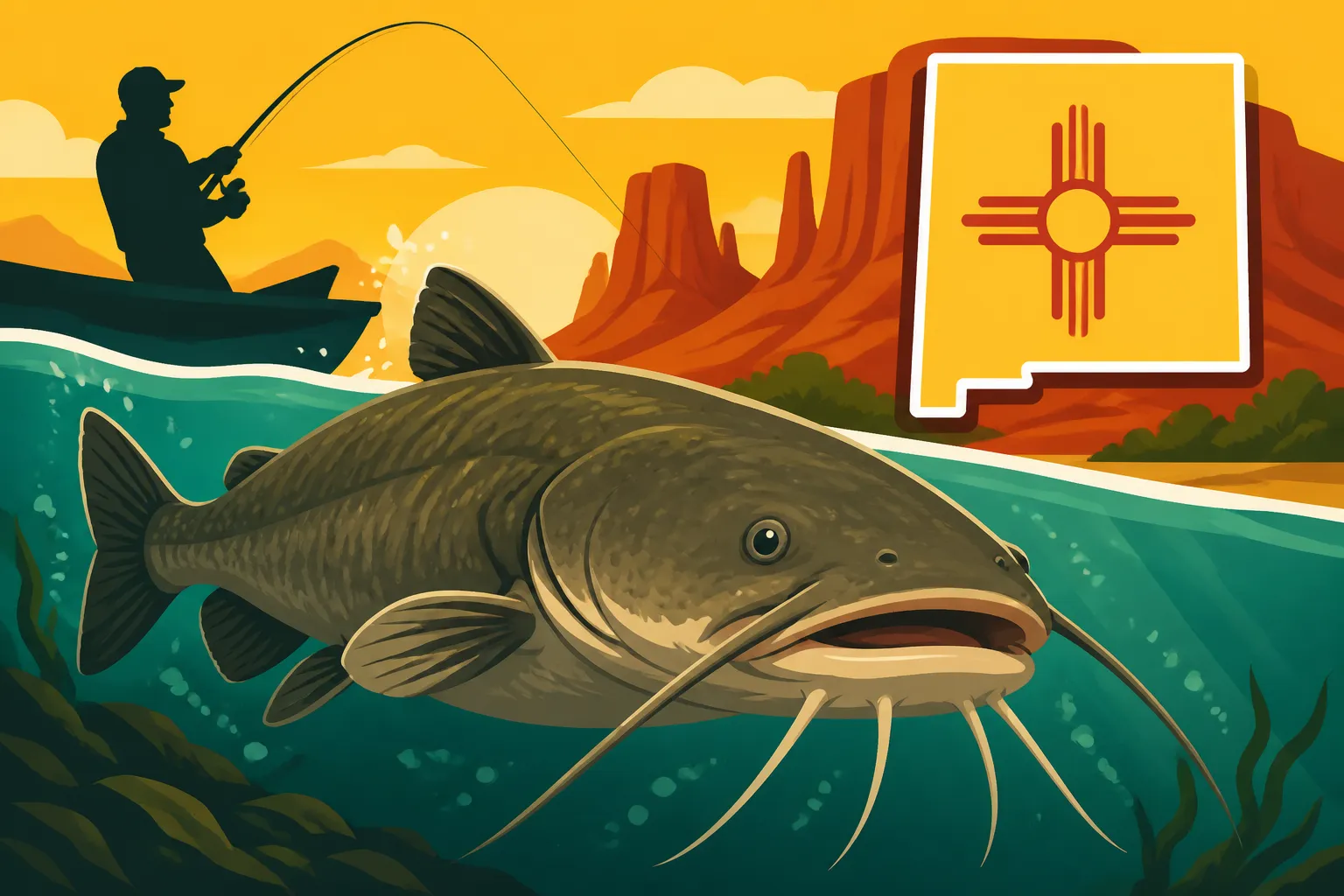
For many anglers in New Mexico, the idea of hooking into a truly massive, hard-fighting fish is what keeps them coming back to the water. While trout get a lot of glory, it's the elusive flathead catfish that truly tests an angler's mettle, often feeling like a mythical beast lurking in the depths. This comprehensive guide will unravel the mysteries of these powerful predators, helping you understand where to find them, what they eat, and how to successfully bring one of these river monsters to your net in the Land of Enchantment.
Understanding the Flathead Catfish: A Unique Predator
Flathead catfish are truly distinct among their whiskered brethren. They're not your typical scavengers that will gobble up anything; instead, they are ambush predators with a specialized diet and a preference for specific types of habitat. Recognizing these unique traits is the first step toward finding and catching them.
Unique Physical Characteristics
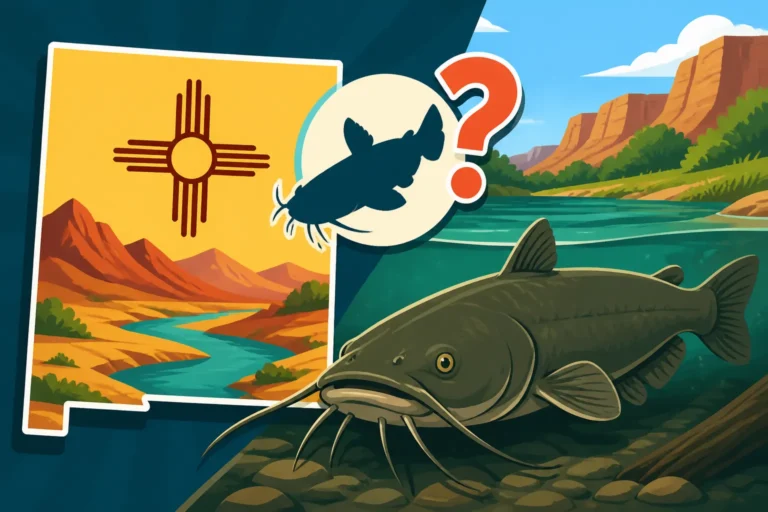
When you pull a flathead catfish out of the water, you'll immediately notice some key differences from other catfish species like channel or blue cats. Their name, "flathead," comes from their noticeably broad, flattened head, which looks almost duck-billed from above. Their lower jaw protrudes, giving them a somewhat bulldog-like appearance, a clear adaptation for grabbing and holding live prey.
Another defining feature is their mottled, often olive-brown to yellow-brown skin, sometimes with dark blotches. This coloration provides excellent camouflage against rocky riverbeds and submerged timber, helping them blend into their preferred ambush points. Unlike the deeply forked tail of a channel cat, the flathead's tail is notably square or slightly emarginate. Their body is robust and solid, reflecting their powerful nature and the sheer strength they bring to a fight. They also lack the small, dark spots often seen on channel catfish, which is a key visual clue when identifying your catch.
Distinguishing from Other Catfish Species
While all catfish share whiskers (barbels) and a scaleless body, flatheads stand apart. Channel catfish, for instance, typically have a more slender body, a deeply forked tail, and often exhibit small, scattered black spots, especially when young. They also tend to have a smaller, more rounded head. Blue catfish, another large species found elsewhere, possess a distinctly forked tail, a somewhat humped back, and a uniform slate-blue or gray coloration, with a less flattened head than the flathead.
It's crucial to correctly identify your catch, not just for bragging rights, but also because fishing regulations can sometimes differ slightly between species, though often New Mexico regulations lump all catfish together for general bag limits. Knowing the difference ensures you're compliant and also helps you refine your techniques for targeting specific species next time. If you’re ever unsure, a quick glance at a species identification guide can really help. The square tail and prominent lower jaw are usually dead giveaways for a flathead.
Where to Find Flathead Catfish in New Mexico
Flatheads are particular about their environment, much more so than the opportunistic channel catfish. They thrive in specific conditions that offer cover, current, and a plentiful supply of live food. Knowing their preferred haunts is essential for a successful outing.
Key Rivers and Reservoirs
In New Mexico, flathead catfish are primarily found in the warmer, slower-moving sections of our larger river systems and associated reservoirs. The Rio Grande is undoubtedly the prime flathead territory in New Mexico, particularly its middle and lower sections where the river widens, slows, and offers plenty of structure. Anglers often find success in stretches from Albuquerque south towards Elephant Butte Lake and beyond.
Speaking of Elephant Butte Lake, this massive reservoir is another hotspot. As a major impoundment on the Rio Grande, it contains a thriving population of flatheads, especially in the deeper, brushier coves and along the old river channel that runs through the lakebed. Elephant Butte Lake Fishing Guide can give you an overview of this fantastic fishery. Other potential spots might include the lower Pecos River system, particularly around Sumner Lake, though their numbers might not be as robust as in the Rio Grande system. Conchas Lake also holds catfish, but flatheads are less prominent there compared to other species.
Habitat Preferences
Flathead catfish are structure-oriented predators. They aren't going to be swimming around in open water looking for a meal like a striper might. Instead, they prefer to hold tight to cover, waiting for unsuspecting prey to pass by. Think about what offers them shelter from current, a place to hide, and an ambush point.
Their ideal habitat includes:
- Deep holes and scour holes: Especially those created by current, often downstream from bends, log jams, or bridge pilings.
- Submerged timber and brush piles: Fallen trees, root wads, and dense underwater vegetation provide perfect ambush points and protection.
- Rock piles and rip-rap: Rocky banks, dam faces, and rocky points offer crevices for them to hide in and also attract baitfish.
- Undercut banks: Erosion creates shelves under the bank, giving flatheads a dark, protected lair.
- Confluence points: Where a tributary meets a larger river, or where two currents merge, often creates eddies and deeper pockets perfect for flatheads.
When you're out on the water, whether bank fishing or from a boat, actively seek out these types of features. Using a good fish finder can be invaluable on larger reservoirs like Elephant Butte to locate submerged timber or sudden depth changes along the old river channel. Remember, flatheads are territorial and will often stay in or near a prime piece of structure for extended periods.
Best Techniques and Bait for Flathead Catfish
Flathead catfish are renowned for their preference for live bait. While a channel cat might hit a prepared stink bait, a flathead almost exclusively hunts and devours living fish. This means your bait selection and presentation are critical.
Live Bait Strategies
Forget the punch baits and chicken livers if you're seriously targeting flatheads. These fish are predators, and they want a struggling, wiggling meal. The fresher and livelier your bait, the better your chances. Here's what works best:
- Sunfish (Bluegill, Green Sunfish): These are absolute flathead magnets. They're hardy, stay alive on the hook for a long time, and are a natural food source for flatheads. Check local regulations on using game fish as bait; often, you can use legal-sized panfish caught on the same water.
- Perch (Yellow Perch): Another excellent choice, particularly where available. Like sunfish, they're tough and active.
- Carp (Small): Young common carp or even small buffalo are fantastic baits for monster flatheads, especially in the larger river sections.
- Suckers: These bottom-dwelling fish are often found in flathead habitat and make for irresistible live bait.
- Drum (Freshwater Drum): Where present, a live drum can also entice a big flathead.
When rigging live bait, use a sturdy circle hook (sizes 5/0 to 8/0 are common for larger baits) that allows the fish to hook itself in the corner of the mouth, reducing gut-hooking. Hook your bait through the back, just above the lateral line, or through the lips to allow it maximum swimming action. This natural movement is what triggers a flathead's predatory instinct. Present your bait right on the bottom or just a few inches off, near the structure where flatheads are likely holding.
Gear and Tackle Essentials
Chasing flathead catfish isn't for ultralight gear. These fish are powerful, and hooking a large one requires robust equipment to stand a chance.
- Rods: You'll want heavy-action casting rods, typically 7 to 9 feet long. These rods need serious backbone to handle heavy weights, strong currents, and the powerful runs of a big flathead. Look for rods rated for 20-50 lb line or even higher.
- Reels: A sturdy baitcasting reel or a large, heavy-duty spinning reel is essential. It needs to have a smooth, reliable drag system and significant line capacity. Popular choices include reels from brands like Penn, Abu Garcia, or Shimano. Many anglers find excellent heavy-duty reels suitable for flatheads on Amazon.
- Line: Monofilament or braided line is typically used. Monofilament in 20-40 lb test offers good abrasion resistance, which is important around submerged wood and rocks. Braided line in 50-80 lb test offers superior strength, sensitivity, and smaller diameter for its breaking strength, but you might want to add a fluorocarbon or heavy mono leader for abrasion resistance.
- Hooks: Circle hooks are highly recommended, ranging from 5/0 for smaller baits up to 8/0 or even 10/0 for truly large baits and trophy fish. The self-setting nature of circle hooks is perfect when waiting for a flathead bite, and they greatly improve the chance of a mouth hook-up, which is better for the fish if you plan to release it.
- Weights: Heavy sinkers are often necessary to hold your bait in place against current or get it down quickly in deep water. Slip sinkers (like egg sinkers or no-roll sinkers) from 1 to 5 ounces or more are common. The exact weight will depend on the current and depth.
- Terminal Tackle: Use heavy-duty swivels, and consider a sturdy leader of 50-80 lb test mono or fluorocarbon, especially with braided mainline, to withstand the flathead's sandpaper-like mouth and abrasion from structure.
Always have extra terminal tackle on hand; you're likely to lose a few rigs when fishing in heavy cover. A robust landing net or a heavy-duty set of lip grippers (like the BogaGrip) is also a must for safely landing and handling these strong fish. For a comprehensive overview of essential items, check out Best Fishing Gear for New Mexico Anglers.
Night Fishing for Flatheads
While you can catch flatheads during the day, especially in deep, shaded cover, they are primarily nocturnal predators. Their best feeding activity often occurs under the cover of darkness. This means that if you're serious about targeting trophy flatheads, you'll need to embrace night fishing.
- Why Night: The low light conditions give flatheads an advantage over their prey, and they feel more secure moving out from their daytime lairs to hunt. The water temperature might also be cooler and more comfortable in summer.
- Preparation: Night fishing requires extra preparation. A good headlamp is essential, as are extra batteries. Organize your tackle beforehand so you're not fumbling in the dark. Bring insect repellent, and inform someone of your fishing location and expected return time. Safety is paramount when fishing at night.
- Technique: The technique is similar to daytime fishing – position your live bait near prime structure. However, pay even closer attention to your rod tip or use bells/electronic bite alarms, as flathead bites can sometimes be subtle at first, especially from larger fish mouthing the bait, before they commit to a powerful run.
- Stealth: Approach your spots quietly. Even in the dark, sudden movements or loud noises can spook cautious flatheads.
- Patience: Night fishing can mean long stretches of waiting, but the reward of a giant flathead under the stars is often worth the patience.
For more specialized tips on fishing after dark, you might find some useful crossover information in How to Catch Channel Catfish at Night, even though flatheads are a different beast.
Understanding New Mexico Regulations for Flathead Catfish
Before you even think about casting a line, it's crucial to understand the rules and regulations set forth by the New Mexico Department of Game and Fish. These regulations are designed to manage fish populations and ensure sustainable fishing for everyone.
Bag and Possession Limits
In New Mexico, flathead catfish are generally included under the broader "catfish" regulations, which also cover channel catfish and sometimes blue catfish where they might be found. The statewide bag and possession limits for catfish are typically quite generous, often allowing for a good number of fish to be kept. However, it is absolutely essential to check the most current New Mexico Fishing Regulations book or the NMDGF website before each fishing season. Regulations can change, and ignorance of the law is never an excuse.
For example, a common statewide bag limit for catfish might be 25 fish, with a possession limit of 50. However, specific waters or special management areas might have different rules, sometimes with slot limits or reduced bag limits to protect larger breeding fish or manage specific fisheries. Always verify the rules for the specific water body you plan to fish. You can find detailed information in the New Mexico Fishing Regulations Overview.
License Requirements
Simply put, if you are 12 years of age or older and want to fish in New Mexico, you need a valid New Mexico fishing license. There are very few exceptions to this rule, such as designated free fishing days. This applies to flathead catfish fishing just as it does to any other species.
There are various license options available, including annual resident and nonresident licenses, one-day and five-day licenses for visitors, and special licenses for seniors, disabled anglers, and military personnel. You'll also likely need a Habitat Management and Access Validation (HMAV) stamp, which supports public land access and conservation efforts. Before heading out, make sure your license is current and you have all necessary stamps or validations. Many anglers find buying their license online convenient, which can be done through the NMDGF website, or you can purchase one from various vendors. Details on how to get yours are readily available in the New Mexico Fishing License Guide.
Seasonal Considerations for Catfish
While flathead catfish season is generally open year-round in New Mexico, their activity levels fluctuate significantly with water temperature.
- Spring: As water temperatures begin to rise in late spring (typically April-May), flatheads become more active after their winter sluggishness. This can be an excellent time to target them as they start to feed heavily in preparation for spawning. They might move into shallower areas to warm up or seek out incoming water sources.
- Summer: This is prime flathead time. During the hot summer months, especially from June through August, flatheads are at their most active, particularly during the cooler nighttime hours. This is when you'll find them aggressively hunting. Pay attention to water levels and oxygen content; extreme heat can sometimes push them into deeper, cooler water or areas with better circulation.
- Fall: As water temperatures drop in the fall (September-October), flatheads will have another strong feeding period as they bulk up for winter. They might still be caught effectively during the day as the sun's angle changes and temperatures become more moderate.
- Winter: Flatheads become very lethargic in cold water. Their metabolism slows down, and they rarely feed actively. While you can technically catch them, it's generally not the most productive time, and they'll likely be holed up in deep, slow-moving sections of the river or reservoir.
Understanding these seasonal patterns helps you plan your fishing trips for optimal success and ensures you're targeting fish when they're most likely to bite.
Tips for Catching Trophy Flathead Catfish
Landing a true trophy flathead is a dream for many anglers. These fish can grow incredibly large and offer a fight you won't soon forget. It takes dedication, the right approach, and a lot of patience.
Targeting Big Fish Hotspots
Trophy flatheads aren't everywhere. They typically inhabit the oldest, deepest, and most stable parts of a river or reservoir system. These are the fish that have survived multiple seasons, grown wary, and claimed the best ambush points.
- Look for Longevity: Seek out areas with very old, large submerged timber, massive rock formations, or deep structural features that haven't been disturbed in years. These offer the ultimate hideouts for a big flathead.
- Deep River Bends: On the Rio Grande, look for pronounced bends where the outside curve has been scoured deep, creating significant holes. These often accumulate logs and debris, forming perfect flathead lairs.
- Dam Tailwaters (with caution): Below large dams, the water is often highly oxygenated and can hold significant fish populations, including trophy flatheads. However, always exercise extreme caution around dams due to powerful currents and sudden water releases.
- Old River Channels in Reservoirs: In lakes like Elephant Butte, the original river channel that ran through the valley before it was impounded can be a goldmine. These deep troughs often contain submerged trees and structure, providing a highway and hideout for big flatheads. A good topo map or fish finder is invaluable for locating these.
- Isolated Structure: Don't overlook single, large pieces of structure (like a solitary large tree stump) in an otherwise featureless area. A big flathead might claim this as its private territory.
The key is to think like a big, lazy predator. They want to expend minimal energy for maximum reward, so they'll position themselves where food is funneled past their ambush point.
Patience and Persistence
Catching a trophy flathead is rarely a quick affair. It's a game of patience, persistence, and often, many hours of waiting in the dark.
- Stake Out Your Spot: Once you've identified a promising hotspot, be prepared to commit to it for an extended period, especially during the peak evening and nighttime hours. Flatheads aren't always actively feeding, but when they are, you want your bait in the zone.
- Multiple Rods (if legal): Where regulations allow for multiple rods, deploying a few rigs with different baits or at slightly varied depths/distances from structure can increase your odds. Just make sure you can manage all your lines effectively if a big one hits. You can learn about specific regulations regarding multiple rods in New Mexico Second Rod Validation.
- Don't Give Up on a Spot Too Soon: If you know a spot has good potential based on habitat, give it time. Flatheads can be finicky. Sometimes, a slight change in current, light, or bait presentation can trigger a bite.
- Learn from Every Outing: Even if you don't land a trophy, pay attention to where you got bites, what kind of bait worked, and what the conditions were. This information builds your knowledge base for future trips.
- Understand the Fight: When a trophy flathead hits, be ready for a brutal, determined fight. They will try to dive back into the structure, rub your line against rocks or wood, and fight with incredible power. Keep your drag set appropriately, keep steady pressure, and use the strength of your heavy gear to turn their head. The battle is often won or lost in the first few seconds. This is where quality, heavy-duty gear from reliable sources like Amazon really pays off.
Ecosystem Role and Conservation
Flathead catfish are more than just a challenging game fish; they play a significant role in the aquatic ecosystems they inhabit in New Mexico. Understanding their place in the food web helps appreciate their importance and the need for responsible angling practices.
Flatheads as Apex Predators
In many New Mexico waters, especially the large rivers and reservoirs, the flathead catfish is one of the top freshwater predators. They occupy a crucial niche, primarily feeding on other fish, including smaller game fish and numerous baitfish species. This predatory role helps to:
- Regulate Prey Populations: By preying on abundant species, flatheads help keep fish populations healthy and prevent overpopulation, which can lead to stunted growth for other species due to limited resources.
- Maintain Ecosystem Balance: As apex predators, they are an indicator of a healthy, functioning aquatic environment. Their presence suggests a diverse food web and sufficient prey to support such a large, carnivorous fish.
- Control Invasive Species (sometimes): In some cases, flatheads can help control populations of smaller invasive fish species, though this is not their primary management role and their impact can be complex.
Their sheer size and predatory nature mean they are a force to be reckoned with in the underwater world. Their continued presence signifies a robust and thriving aquatic community.
Impact on Native Fish and Responsible Angling
While flatheads are important predators, like any successful species, their presence can have an impact on other fish, including native species. In some systems, particularly those with delicate native fish populations, aggressive non-native predators like flatheads (or even channel cats if they become overpopulated) can put pressure on vulnerable species. However, within their established habitats in New Mexico, they are generally considered a naturalized component of the larger warm-water fisheries.
Responsible angling practices are crucial for maintaining healthy fish populations, including flatheads:
- Know Your Limits: Adhere strictly to all bag and possession limits to prevent overharvesting.
- Catch and Release: For trophy-sized flatheads, especially very large breeding females, consider practicing catch and release. These fish are valuable for the genetics they carry and their contribution to future generations. Use proper handling techniques, such as a large net or lip grippers, to minimize stress and injury. Catch and Release Best Practices in New Mexico provides excellent guidance.
- Minimize Stress: If you plan to release a flathead, handle it as little as possible. Keep it in the water if you can for hook removal and photos. Avoid dragging it on rough surfaces or holding it by the gills.
- Use Appropriate Gear: As discussed, heavy-duty gear helps you land the fish quickly, reducing the fight time and stress on the fish, which improves its chances of survival upon release. A strong rod, like those found for sale on Amazon, paired with robust line and hooks, can make a huge difference.
- Dispose of Waste Properly: Leave no trash, fishing line, or discarded bait behind. Keeping our waters clean benefits all aquatic life.
By being informed and practicing responsible angling, we can all contribute to the health of New Mexico's diverse fisheries and ensure that the thrill of catching a flathead catfish remains a possibility for generations to come.
Here's a quick comparison of the two most common catfish species you'll encounter in New Mexico:
| Feature | Flathead Catfish | Channel Catfish |
|---|---|---|
| Head Shape | Broad, flattened, duck-billed | More rounded, less flattened |
| Jaw | Protruding lower jaw (bulldog-like) | Upper jaw slightly longer than lower |
| Tail Shape | Square or slightly emarginate (not deeply forked) | Deeply forked |
| Coloration | Mottled brown/olive/yellow with dark blotches; no spots | Olive to grey with small, scattered dark spots (younger) |
| Diet | Primarily live fish (ambush predator) | Omnivorous (scavenger, insects, baitfish, prepared baits) |
| Habitat | Deep holes, submerged timber, strong current, structure | Wide variety, often shallower, open water, structure |
| Typical Size | Can grow very large (20-50+ lbs) | Moderate size (1-10 lbs, occasionally larger) |
Disclaimer
This article is for general informational purposes only and does not constitute professional advice. Laws, prices and regulations vary by location and change over time. Consult a qualified professional for guidance on your specific situation.