Channel Catfish in New Mexico
For many anglers in New Mexico, the idea of a relaxing day on the water often comes with the hope of a strong pull on the line and the unique fight of a whiskered warrior. Yet, despite their abundance, knowing how and where to consistently hook into a good channel catfish can feel like a mystery. This comprehensive guide is here to unravel those secrets, offering you the practical knowledge and actionable tips to confidently target and catch channel catfish across the Land of Enchantment, turning those hopeful outings into memorable successes.
The Ubiquitous Channel Catfish: An Introduction to New Mexico's Whiskered Wonders
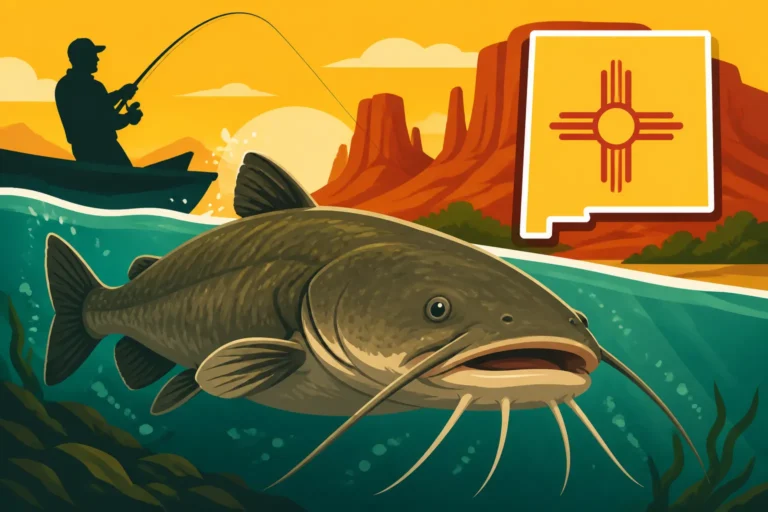
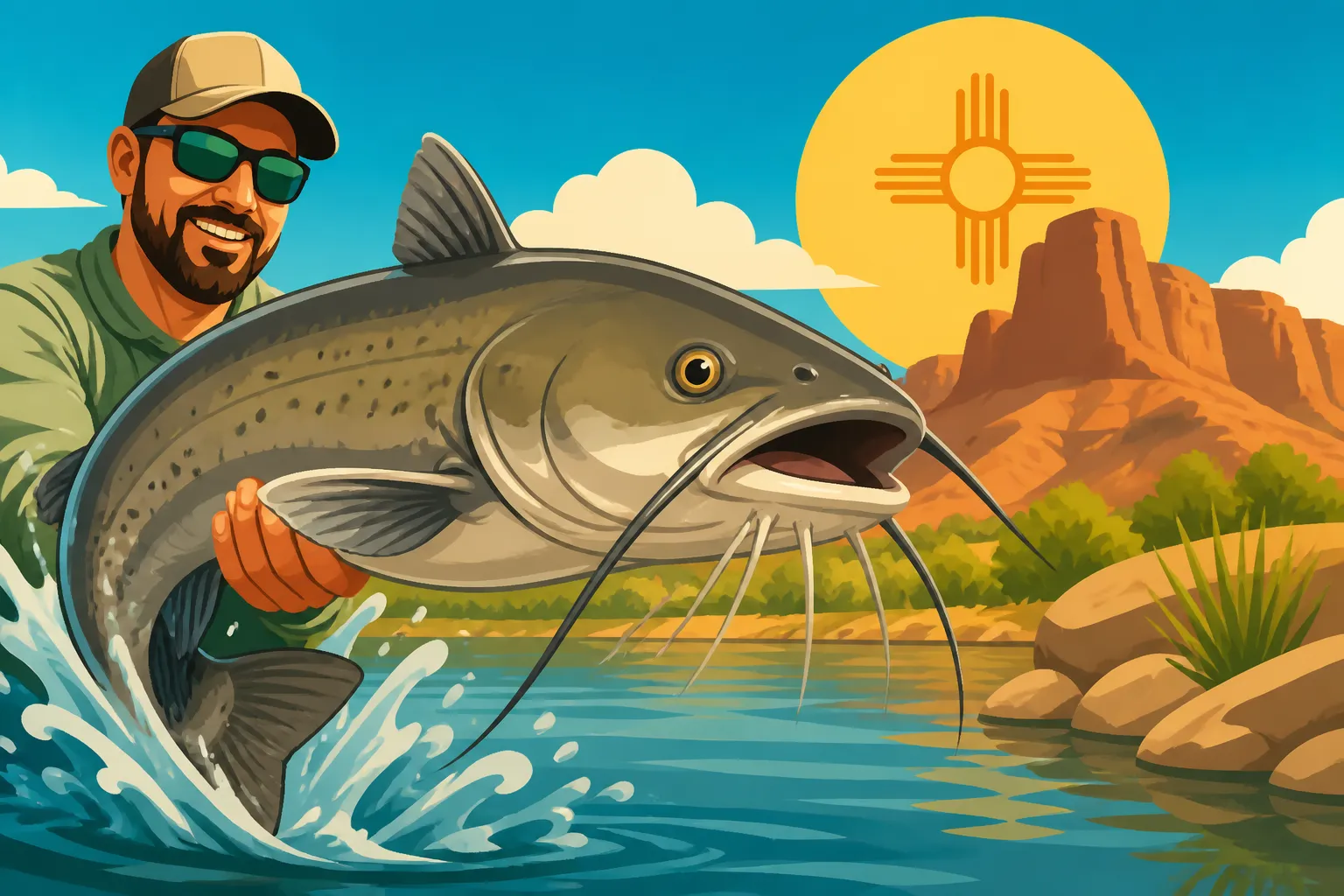
Ah, the channel catfish. It's truly one of those iconic freshwater fish, instantly recognizable by its sleek, mottled body, deeply forked tail, and, of course, those distinctive barbels that look like whiskers. For many, catching a catfish represents the quintessential American fishing experience, and here in New Mexico, we're incredibly fortunate to have a thriving population of these hard-fighting and delicious fish. They're resilient, adaptable, and a fantastic target for anglers of all skill levels, from seasoned veterans to families just introducing their kids to the joys of fishing.
One of the great things about channel catfish is their willingness to bite. They're not nearly as finicky as some of our trout species, and while they might not always be pretty, their fight is undeniably strong, making for an exciting retrieve. Plus, they offer an amazing opportunity to connect with nature and enjoy the peace and quiet of New Mexico's diverse waterways, whether you're casting from a riverbank or anchored in a sprawling reservoir.
What Makes a Channel Catfish Distinct?
Distinguishing a channel catfish from its whiskered cousins in New Mexico, like the flathead, is fairly straightforward once you know what to look for. The most obvious characteristic is their deeply forked tail, almost like a swallow's tail. Flatheads, by contrast, have a much straighter, somewhat rounded tail. Channel catfish typically have a slender body, often with scattered black spots along their sides, especially when they're younger. As they get older and larger, these spots can fade, and their coloration might shift from an olive-brown to a more steely blue-gray on their back, with a white or silver belly. Their mouths are relatively small compared to their body size, designed more for sucking in food than aggressively attacking prey.
Their barbels, or "whiskers," are another key identifier. Channel catfish have four pairs: two on the chin, one near the nostrils, and one at the corner of the mouth. These aren't just for show; they're packed with chemoreceptors, essentially giving the catfish an incredibly powerful sense of smell and taste. This allows them to effectively forage in murky waters or at night, making them adept hunters in conditions where sight feeders struggle. Understanding these physical traits not only helps you identify your catch but also gives you clues about their behavior and how best to target them.
Where Channel Catfish Thrive in New Mexico's Waters
Channel catfish are incredibly adaptable, which is a huge part of their success and why they're so widely distributed across New Mexico. You'll find them in a vast array of habitats, from large, flowing rivers to sprawling reservoirs and even smaller community ponds. They prefer warmer water temperatures compared to trout and are often found in areas with slower currents, deeper holes, or submerged structure like logs, rock piles, or weed beds where they can find cover and ambush prey.
In New Mexico, our large river systems, like the Rio Grande and the Pecos River, provide excellent habitat, especially in stretches with sandy or muddy bottoms and plenty of eddies and pools. Our numerous reservoirs, such as Elephant Butte Lake, Ute Lake, and Cochiti Lake, are also prime catfish territory. These big bodies of water offer a buffet of forage fish and invertebrates, allowing catfish to grow to impressive sizes. Even many of the smaller, community-managed ponds and lakes across the state are regularly stocked with channel catfish, providing easily accessible fishing opportunities, particularly for families and new anglers. They truly are a fish for all waters, reflecting the diverse angling landscape of New Mexico.
Prime Fishing Grounds for Channel Catfish in the Land of Enchantment
If you're looking to consistently catch channel catfish, knowing where to focus your efforts is just as important as knowing how to fish for them. New Mexico is blessed with a variety of waterways that are absolutely teeming with these whiskered beauties. From our majestic rivers carving through the landscape to vast, sparkling reservoirs and even cozy urban ponds, there's a catfish hotspot for every type of angler. The key is to understand the specific characteristics of these locations that make them so appealing to channel cats.
They are ambush predators and opportunistic feeders, meaning they often hang out near structure where they can hide and wait for a meal to drift by, or cruise open areas when actively searching for food. Look for submerged brush, rock piles, drop-offs, or areas where tributaries feed into larger bodies of water, bringing in nutrients and baitfish. Identifying these "fishy" areas will dramatically increase your chances of success and help you pinpoint those honey holes.
Major Rivers and Their Catfish Hotspots
New Mexico's major river systems are historically significant arteries that also serve as fantastic fisheries, particularly for channel catfish. The Rio Grande, for instance, is a prime example. As it flows south through the state, especially below larger impoundments like Cochiti Dam, it develops a complex ecosystem with slower stretches, deeper pools, and brushy banks that provide ideal catfish habitat. Fishing along the Rio Grande near Albuquerque or down towards Truth or Consequences can be very productive. Look for slower moving pockets of water, particularly after a bend in the river where current eddies form, or near submerged logs and debris piles. These areas offer both cover and a steady stream of food.
The Pecos River in eastern New Mexico is another phenomenal river system for channel catfish. From its upper reaches to the lower, wider sections, the Pecos offers extensive opportunities. Around Carlsbad or Fort Sumner, the river widens and slows, providing ample space for catfish to grow large. Areas with soft, sandy, or muddy bottoms are especially attractive to catfish as they root around for invertebrates and smaller fish. Focus on the outside bends of the river where the water is deeper, or near any structure that breaks the current. Best Bait for Catfish in New Mexico Rivers can provide further insights into specific offerings that work well in these flowing waters.
Reservoirs and Lakes Known for Big Catfish
When it comes to sheer size and numbers of channel catfish, New Mexico's reservoirs are often the go-to destinations. Elephant Butte Lake, our largest body of water, is legendary for its catfish population. Here, channel cats can grow to impressive sizes, feasting on the abundant shad and other forage. Target the coves, submerged creek channels, and rocky points, especially in the warmer months. Night fishing at Elephant Butte can be particularly phenomenal for trophy-sized cats. Elephant Butte Lake Fishing Guide offers a deep dive into this incredible fishery.
Ute Lake in eastern New Mexico is another fantastic catfish lake, consistently producing good numbers of plump channel cats. Its rocky shores and numerous coves offer plenty of structure, and fishing the deeper sections near the dam or around submerged humps can yield excellent results. Conchas Lake, also in eastern New Mexico, is known for its walleye, but don't overlook its robust channel catfish population. The extensive shoreline, numerous coves, and varying depths provide ample opportunities. Similarly, Sumner Lake near Fort Sumner is a consistent producer, especially in its warmer, shallower areas. These larger lakes allow catfish to grow without as much pressure as some smaller waters, meaning bigger fish are often the reward for persistent anglers. For those keen on understanding the rules for keeping your catch, check out Catfish Limit in New Mexico.
Urban Ponds and Community Waters
For anglers seeking accessible fishing, particularly families or those living closer to population centers, New Mexico's urban ponds and community waters are a true blessing. The New Mexico Department of Game and Fish actively manages and stocks many of these smaller lakes and ponds specifically to provide recreational angling opportunities. While they might not hold the "trophy" sized fish found in the big reservoirs, they offer consistent action and are perfect for introducing kids to fishing. Places like Tingley Beach in Albuquerque, various ponds in Santa Fe, and community lakes in smaller towns often receive regular stockings of channel catfish.
These ponds are usually characterized by shallower depths, muddy bottoms, and often have designated fishing piers or easy bank access. Because they are smaller, fish concentrations can be higher, leading to more frequent bites. The techniques here are generally simpler: a basic bobber rig with a worm or dough bait can be incredibly effective. While these waters are fantastic for a quick trip, always check local regulations, as some urban ponds might have specific rules regarding bait, tackle, or hours of operation. These spots truly embody the spirit of accessible angling, making it easy for anyone to enjoy the thrill of catching a New Mexico channel catfish.
Mastering the Art of Catching New Mexico Channel Catfish
Catching channel catfish isn't typically about finesse and delicate presentations; it's often about smell, patience, and presenting an appealing meal right where they're looking for it. These fish are primarily scavengers and opportunistic predators, relying heavily on their sense of smell to locate food in murky waters or low-light conditions. Understanding their feeding habits and preferred environments is the cornerstone of successful catfishing. You don't need a boatload of fancy gear, but having the right tools and techniques can certainly make a huge difference in your success rate.
Many anglers find deep satisfaction in the rugged, no-frills approach to catfishing, which often involves simply finding a good spot, setting out a few lines, and enjoying the tranquility of the moment. However, for those who want to be more proactive and increase their catch, there are definitely strategies that pay off. It's about combining tried-and-true methods with a little local knowledge to really dial in your approach.
The Best Baits and Rigs for Success
Channel catfish are not picky eaters, which is fantastic news for anglers. Their powerful sense of smell means that strong, pungent baits are often the most effective. "Stink baits" are legendary in the catfishing world, available in various forms like dip baits, punch baits, or pre-made chunks. These are designed to disperse a potent scent cloud that catfish can detect from a distance. Brands like Catfish Charlie or Secret 7 are popular choices, and you can often find a good selection, along with specialized bait holders, on sites like Amazon. Another classic and highly effective option is cut bait. Small pieces of shad, carp, or even hot dogs soaked in garlic can be incredibly enticing. Chicken livers are also a time-honored favorite, though they can be messy to handle and keep on the hook. And, of course, simple earthworms or nightcrawlers always have a place in a catfish angler's tackle box.
When it comes to rigs, simplicity often wins. A basic slip sinker rig (also known as a Carolina rig) is incredibly versatile and effective. It involves threading an egg sinker onto your main line, followed by a bead to protect your knot, then tying on a swivel. To the other end of the swivel, attach a leader (typically 12-24 inches) and then your hook. This allows the fish to pick up the bait and run without feeling the weight of the sinker, giving you a better hookset. Another popular option, especially for bank fishing, is a simple bottom rig with a weight at the bottom and one or two snelled hooks tied above it. When fishing with bobbers in shallower water, a simple bobber-and-sinker rig works wonders for suspending your bait just off the bottom.
| Bait Type | Description & Effectiveness | Best Use Case |
|---|---|---|
| Stink Baits | Pre-made, highly pungent baits (dip, punch, dough). Attracts from a distance. | Murky water, night fishing, attracting active feeders. |
| Cut Bait | Pieces of oily fish (shad, carp) or even hot dogs. Natural scent, good texture. | Any condition, especially where baitfish are prevalent. |
| Chicken Livers | Very strong scent, soft texture. Can be messy but highly effective. | Good in rivers, calmer waters. Requires careful hooking. |
| Nightcrawlers | Classic live bait, natural movement and scent. Attracts many species, including catfish. | All conditions, especially effective in clearer water. |
| Shrimp | Raw, peeled shrimp (often marinated in garlic). Firm, good scent. | Good for smaller channels, less messy than livers. |
Essential Gear for Channel Catfish Anglers
You don't need to break the bank to get into catfishing, but having the right gear certainly enhances the experience. For rods, a medium-heavy to heavy action spinning or baitcasting rod, typically 6 to 8 feet long, is ideal. This provides the backbone needed to cast heavier baits and sinkers, and more importantly, to handle the powerful runs of a good-sized channel cat. Pair this with a sturdy spinning reel (sizes 4000-6000) or a baitcasting reel spooled with 15-30 pound monofilament or braided line. Braided line offers superior sensitivity and strength, which can be a huge advantage when fishing in heavy cover. You can find excellent value combos for beginners, as well as more specialized gear, by browsing fishing selections on Amazon.
Hooks are critical; go for strong, sharp circle hooks or Kahle hooks in sizes ranging from 2/0 to 8/0, depending on your bait size and target fish size. Circle hooks are particularly popular as they significantly reduce gut-hooking, making for healthier releases if you're practicing catch and release. Other essential items include an assortment of egg sinkers (1/2 oz to 2 oz), swivels, beads, and heavy-duty line cutters. A good pair of pliers is invaluable for removing hooks, and a strong, long-handled landing net will make landing bigger fish much safer and easier. Don't forget a sturdy rod holder if you're bank fishing, allowing you to set multiple lines and relax while waiting for a bite.
Optimal Times and Techniques for Landing a Catfish
Channel catfish are often most active during low-light conditions, which means dawn, dusk, and especially night fishing can be incredibly productive. Their excellent sense of smell gives them a distinct advantage over sight-feeding fish when the sun goes down, allowing them to forage confidently. If you're planning a night fishing excursion in New Mexico, be sure to bring a reliable headlamp (another great item to pick up on Amazon) and consider how to keep your bait fresh and your area organized in the dark. For an even deeper dive into this exciting method, check out How to Catch Channel Catfish at Night.
During the day, particularly in the hot summer months, channel catfish will often retreat to deeper, cooler waters or seek cover under submerged structure. This means adjusting your presentation to get your bait down to their holding zones. In the spring and fall, when water temperatures are more moderate, you might find them more active throughout the day, often moving into shallower flats to feed. Trolling with cut bait or larger lures can be effective in reservoirs, covering more water until you locate a school. Bank fishing typically involves casting your bait out and letting it sit on the bottom, with periodic checks and re-casts to ensure your bait is fresh and still in an attractive zone. Some anglers even use "dead sticking," leaving their rod in a holder with the bail open or clicker engaged, allowing the fish to take the bait without immediate resistance. No matter the time of day, patience is paramount in catfishing. Sometimes, it's just a waiting game, but the reward of a hard-fighting catfish is well worth it!
Navigating New Mexico's Channel Catfish Regulations
Just like with any other species in New Mexico, fishing for channel catfish comes with a set of rules and regulations designed to ensure healthy fish populations for everyone to enjoy. It's not just about what bait you use or where you cast your line; it's also about making sure you have the proper licensing and understand the limits on what you can keep. Ignoring these rules isn't just irresponsible; it can lead to fines and a less enjoyable experience for everyone on the water.
The New Mexico Department of Game and Fish (NMDGF) works diligently to monitor fish populations and set appropriate guidelines. These regulations can vary slightly from one water body to another, so it's always wise to check the most current NMDGF fishing proclamation before heading out. This little bit of homework ensures you're fishing legally and contributing to the conservation efforts that keep our fisheries thriving.
Understanding Bag and Possession Limits
When you're out there landing those beautiful channel catfish, it's important to remember that there are limits to how many you can keep. These are commonly referred to as "bag limits" and "possession limits." The bag limit refers to the maximum number of fish of a certain species you can keep in a single day. The possession limit, on the other hand, refers to the total number of fish you can have on hand at any given time, including those in your cooler, freezer at home, or in your vehicle, especially if you're on a multi-day trip. These limits are in place to prevent overfishing and to distribute the resource fairly among all anglers.
For channel catfish in New Mexico, the statewide daily bag limit and possession limit generally allows for a generous number of fish. While the exact figures can change, typically anglers are permitted a good haul of these tasty fish. However, certain special waters might have unique regulations that differ from the statewide standard, so it's always best practice to consult the current NMDGF fishing proclamation. For a general overview of limits for various species, you might find New Mexico Statewide Bag Limit for Bass or New Mexico Statewide Bag Limit for Walleye interesting to compare against catfish regulations. Always measure your fish carefully if there are size restrictions, and when in doubt, practice catch and release for any fish you're not absolutely sure about keeping.
Licensing Requirements for Catfish Anglers
Before you even think about dropping a line for channel catfish in New Mexico, you absolutely must have a valid New Mexico fishing license. This isn't just a suggestion; it's a legal requirement for almost everyone who fishes in the state. There are a few exemptions, typically for very young children or during specific free fishing days, but for the vast majority of anglers, a license is non-negotiable. Your fishing license helps fund critical conservation programs, fish stocking efforts, and habitat improvements, directly contributing to the health and abundance of the fish you love to catch.
In addition to your basic fishing license, you will also likely need a New Mexico Habitat Management and Access Validation (HMAV) stamp. This stamp helps secure public access to state and federal lands and further supports habitat improvement projects. It's an additional, small fee that goes a long way in ensuring future generations can enjoy the same incredible outdoor opportunities we have today. You can purchase your license and stamp online through the NMDGF website, from authorized vendors across the state, or even over the phone. Make sure you understand the different license options available, such as resident vs. nonresident, annual, or short-term licenses. Our New Mexico Fishing License Guide and How to Get a New Mexico Fishing License provide comprehensive details on obtaining these crucial documents, ensuring you're fully prepared and legal for your next catfishing adventure.
From Hook to Table: Enjoying Your New Mexico Channel Catfish Catch
After the thrill of the catch and the satisfaction of a good day on the water, many anglers look forward to enjoying the fruits of their labor. Channel catfish are renowned for their delicious, mild-flavored white meat, making them a popular choice for the dinner table. There’s something incredibly rewarding about preparing and cooking a meal from fish you caught yourself, a true "farm-to-table" (or rather, "lake-to-table") experience.
However, getting your catfish from the cooler to the plate does involve a few steps, primarily cleaning and filleting. While it might seem daunting at first, with a little practice, it becomes a quick and easy process. The effort is absolutely worth it for the fresh, flaky fillets you'll enjoy. Remember to keep your catch on ice to maintain freshness from the moment it comes out of the water until it's ready for preparation.
Cleaning and Filleting Your Catfish
Cleaning a channel catfish is a bit different from cleaning scaled fish like trout or bass, primarily because they lack scales. Instead, they have a tough, leathery skin that needs to be removed. Many anglers choose to "skin" the catfish rather than scale it. The easiest way to do this is often by making a cut behind the head, just deep enough to cut through the skin but not the meat. Then, using a pair of pliers or a dedicated fish skinner (available at most sporting goods stores or online retailers like Amazon), you can peel the skin off, working from the head towards the tail.
Once skinned, you can either clean the fish whole (gutting it and removing the head and fins) or proceed to fillet it. To fillet, make a cut behind the head, down to the backbone, then turn your knife flat and run it along the backbone towards the tail, separating the fillet from the rib cage. Flip the fillet over and carefully cut the meat away from the ribs. Then, you'll want to remove the strip of dark red meat often found along the lateral line, as this can have a stronger, "fishier" taste. Repeat on the other side. With a sharp fillet knife, this process becomes smooth and efficient, yielding beautiful, boneless fillets ready for cooking.
Simple & Delicious Ways to Cook Channel Catfish
Once you have your freshly cleaned and filleted channel catfish, the culinary possibilities are endless! Their mild flavor and firm, flaky texture make them incredibly versatile. One of the most classic and beloved preparations is simply fried catfish. Dip your fillets in a milk or egg wash, then dredge them generously in a seasoned cornmeal mixture (often with salt, pepper, garlic powder, and paprika). Fry them in hot oil (vegetable or peanut oil works well) until golden brown and cooked through. Serve with hushpuppies, coleslaw, and a squeeze of lemon for a truly iconic Southern-style meal.
For a lighter option, baked or grilled catfish is fantastic. Marinate the fillets in a simple blend of lemon juice, olive oil, garlic, and herbs (dill, parsley, or thyme work wonderfully) for about 30 minutes. Then, bake them in a preheated oven or grill them over medium heat until they're opaque and flake easily with a fork. This method really highlights the natural sweetness of the fish. Catfish can also be an excellent choice for fish tacos, blackened in a skillet with Cajun spices, or even used in a hearty catfish stew. Experiment with different seasonings and cooking methods to find your personal favorite – you really can't go wrong with fresh New Mexico channel catfish!
Disclaimer
This article is for general informational purposes only and does not constitute professional advice. Laws, prices and regulations vary by location and change over time. Consult a qualified professional for guidance on your specific situation.