Best Fish Species for Ice Fishing at Bluewater Lake
If you've ever stood on the frozen expanse of Bluewater Lake, peering down a freshly drilled hole, you might have wondered: what exactly is swimming down there, eager to bite? It's a common thought for many anglers, especially when venturing out onto the ice in a new spot. Knowing which fish species are your best bets for ice fishing at Bluewater Lake can make all the difference, transforming a cold day into a rewarding adventure. This guide aims to clear up that mystery, helping you understand the prime targets and how to bring them to the surface.
Bluewater Lake: A New Mexico Ice Fishing Gem
Bluewater Lake, nestled near Grants in western New Mexico, holds a special place in the hearts of many winter anglers. Unlike some of New Mexico's larger, warmer reservoirs, Bluewater consistently offers reliable ice fishing conditions when the temperatures drop. The lake's relatively high elevation and often calm winter weather contribute to solid ice formation, making it a prime destination for those looking to enjoy the unique challenge and serenity of hardwater angling.
What truly sets Bluewater Lake apart for ice fishing is its reputation as a cold-water fishery. While other lakes might offer a diverse mix of warm-water species, Bluewater shines brightest for its trout and the often-mythical pursuit of a very specific, toothy predator. This focus means anglers can streamline their gear and tactics, rather than trying to be prepared for everything. Understanding the ecosystem here is key to success; the clear, cold waters provide an excellent environment for the fish that thrive beneath the ice, offering great visibility for fish finders and sometimes even sight fishing in shallower areas.
Before you even think about dropping a line, remember that safety is paramount when venturing onto any frozen water. Always check local ice conditions and never assume ice thickness based on previous visits or general forecasts. A good rule of thumb is to look for at least four inches of clear, solid ice for safe foot travel. You can find essential gear like ice picks, flotation suits, and even specialized ice fishing boots easily on platforms like Amazon, ensuring you're prepared for any unexpected slips or turns. For those new to the sport, reading up on How Thick Does Ice Need to Be to Fish Safely? is an absolute must to ensure a safe and enjoyable outing.
Primary Targets: Trout Species
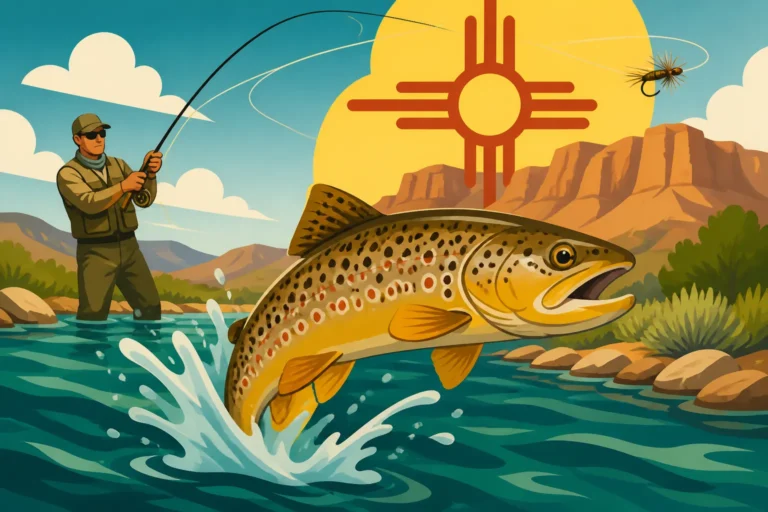
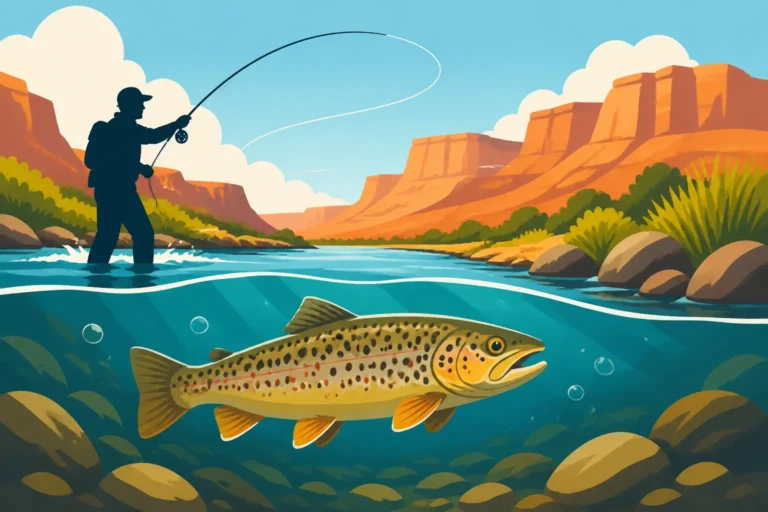
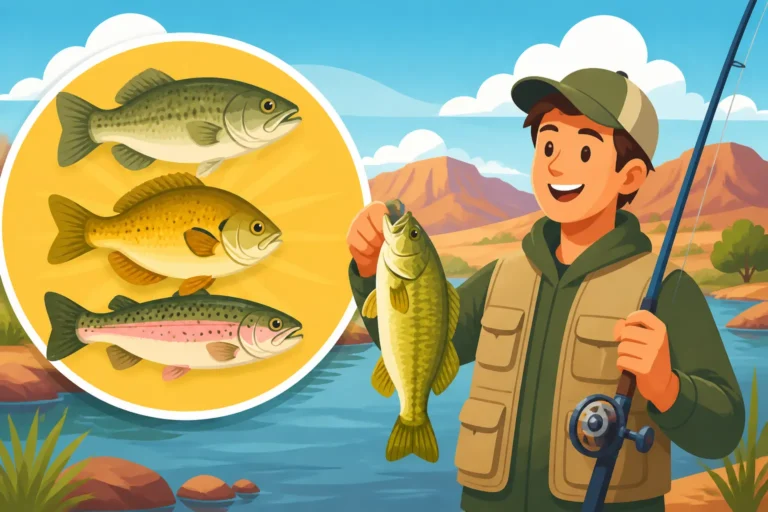
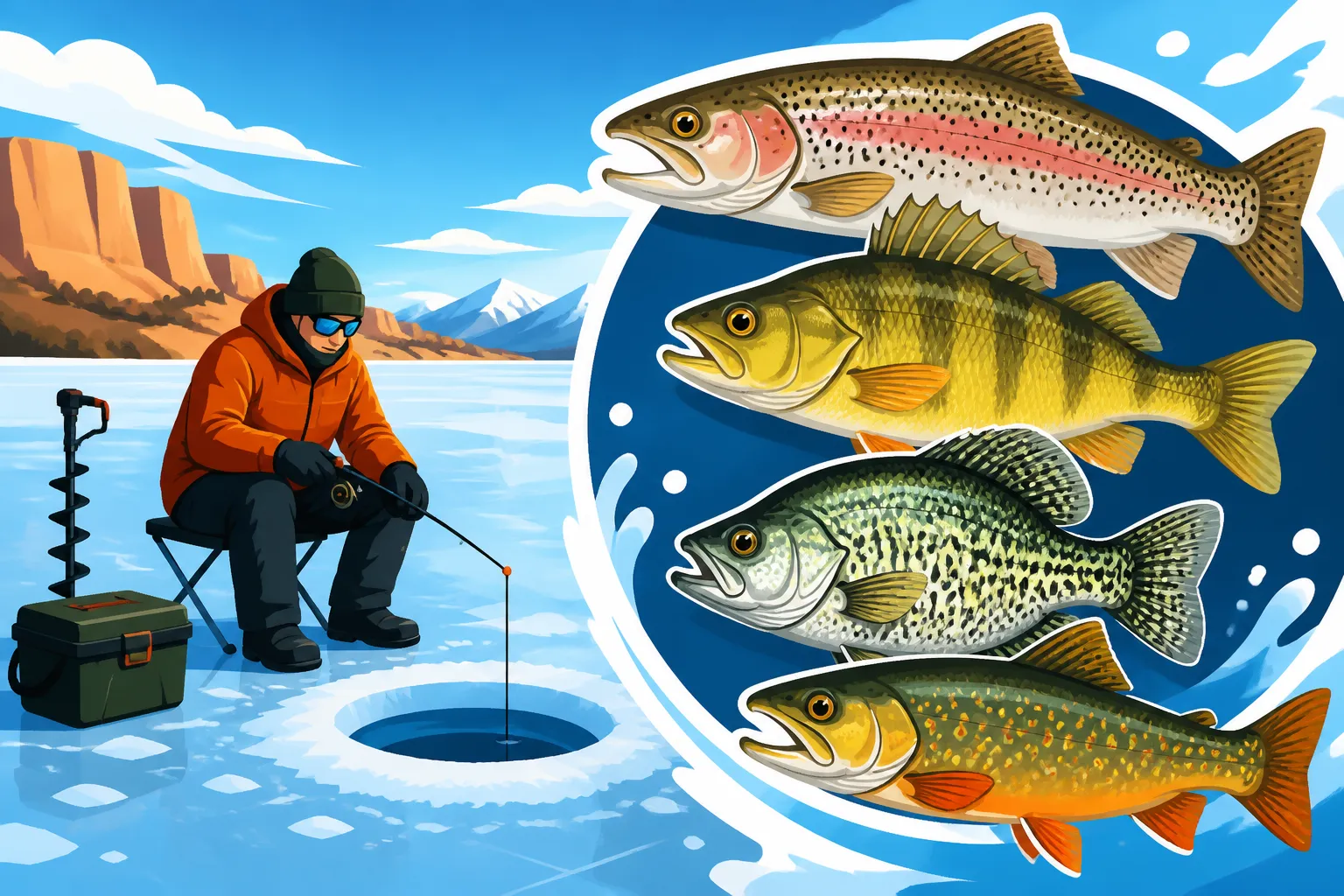
When you're ice fishing at Bluewater Lake, trout are undeniably the main event for most anglers. The lake is regularly stocked, ensuring a healthy population, and the cold water under the ice actually makes them quite active and willing to bite, contrary to what some might assume about winter fishing. You'll primarily encounter two species of trout that make for fantastic ice fishing sport: Rainbow Trout and Brown Trout.
Catching Rainbow Trout Through the Ice
Rainbow trout are the bread and butter of Bluewater Lake's ice fishing scene. These energetic fish are often stocked in good numbers and adapt well to the cold, making them a consistent target. They're known for their beautiful colors and spirited fight, even when pulled from frigid water. When targeting rainbows, you'll typically find them cruising along the bottom in depths ranging from 10 to 30 feet, often near points, drop-offs, or submerged vegetation. They tend to be a bit more aggressive and less wary than their brown trout cousins, especially when fresh stock has been introduced.
For bait, traditional choices like powerbait (especially bright colors like chartreuse or orange), salmon eggs, or small pieces of corn rigged on a tiny jig or a bare hook are highly effective. Many anglers also have great success with small spoons, jigging Rapalas, or tiny ice jigs tipped with a grub, mealworm, or a piece of Berkley Gulp. The key is often a subtle jigging motion to attract their attention, followed by a slight pause. Keep an eye on your fish finder; if you see marks approaching your bait, be ready for a gentle tap or a sudden drop of your line. Don't forget, sometimes the simplest setup is the most effective, and a tiny spoon or jig can be a game-changer. For more general advice, consider exploring Trout Fishing Techniques for New Mexico.
Battling Brown Trout Under the Ice
Brown trout, while present in smaller numbers than rainbows, offer a truly rewarding challenge at Bluewater Lake. These are often the larger, more cautious trout in the lake, known for their predatory instincts and impressive size. If you're looking for a trophy trout during your ice fishing excursion, a brown is likely your best bet. Unlike rainbows that might be more scattered, browns tend to hang closer to structure like rocky ledges, submerged timber, or even deep weed lines, using these areas as ambush points for smaller baitfish. They can be found in similar depths to rainbows, but don't be surprised to find them a bit deeper, especially the really big ones.
To entice a brown trout, you'll often need to present something a bit more substantial and lifelike. Larger spoons, tube jigs, or even small minnow-imitating lures like a Rapala Jigging Shad Rap or similar offerings from brands you might find on Amazon, can be incredibly effective. Many experienced anglers swear by using dead or live minnows (check local regulations on live bait use) suspended just off the bottom. The retrieve should be slow and deliberate, mimicking an injured baitfish. Patience is crucial when targeting browns; they might watch your presentation for a while before deciding to strike. Setting up a dead stick with a minnow while actively jigging another rod can sometimes yield unexpected results with these cunning predators.
Hunting the Elusive Predator: Tiger Muskie Through the Ice
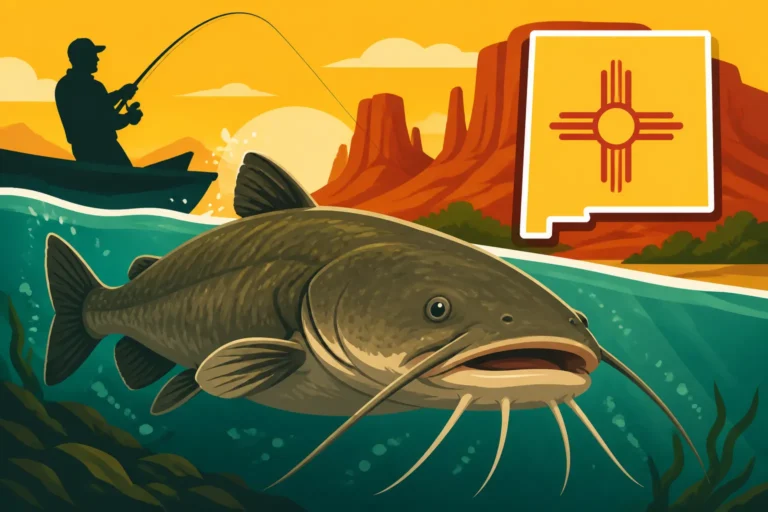
While trout are the main draw, Bluewater Lake offers a truly unique opportunity for ice anglers: the chance to tangle with a tiger muskie. These formidable fish, a sterile hybrid of northern pike and muskellunge, were stocked in Bluewater Lake to help control overpopulated carp and other undesirable species. However, they've grown to impressive sizes and now offer a thrilling, albeit challenging, catch for dedicated anglers. Catching a muskie through a small ice hole is an experience few forget. For an introduction to this species, you might find What a Tiger Muskie Is quite informative.
The Challenge of Ice Fishing for Muskie
Targeting tiger muskie through the ice is not for the faint of heart, or for the ill-prepared. These are apex predators, powerful and aggressive, even in the cold water. They require heavy-duty gear, a different mindset, and a lot of patience. Muskie often cruise large areas, following contours and drop-offs, or holding near significant submerged structure where they can ambush prey. You won't be catching them in numbers, but the one strike you get could be the fish of a lifetime. The biggest challenge is often just finding them, as they are thinly distributed compared to trout.
Their massive size and sharp teeth mean specialized tackle is essential. You'll need stout rods, heavy line (braid is a popular choice), and wire leaders to prevent bite-offs. Large spoons, substantial jigging lures, or even big swimbait-style jigs can be effective. Many muskie ice anglers opt for tip-ups, setting them with large dead baits like suckers or substantial cut bait, giving the muskie time to take the offering before setting the hook. When a flag goes up, it's a heart-pounding sprint to the hole! Be prepared for a long, powerful fight, and always have a large gaff or a specialized muskie landing tool ready. For those interested in learning more about these formidable fish, Tiger Muskie in New Mexico provides a great overview.
Specialized Gear and Techniques for Muskie
Fishing for tiger muskie through the ice at Bluewater Lake demands gear that can withstand the incredible power of these fish. Forget your light trout rods; you'll need medium-heavy to heavy ice rods, often 36-48 inches long, paired with robust baitcasting or large spinning reels spooled with 30-60 pound braided line. A critical piece of equipment is a strong leader, typically 50-100 pound test fluorocarbon or, more commonly, a steel or titanium leader to prevent the muskie's razor-sharp teeth from cutting your line. You can find many specialized muskie ice fishing rods and reels on platforms like Amazon, designed specifically for this kind of heavy-duty application.
For bait, large dead baitfish, such as suckers, chubs, or large smelt, are often the most productive. These are typically rigged on quick-strike rigs under tip-ups, allowing the muskie to engulf the bait without feeling immediate resistance. Jigging large, heavy spoons or lipless crankbaits can also draw strikes, but tip-ups remain a staple for many muskie ice anglers due to the prolonged strike time needed for these cautious predators. Always carry a large pair of jaw spreaders and long-nosed pliers to safely unhook these toothy fish, and ensure your ice holes are large enough (10 inches or more) to accommodate a potential trophy muskie. Remember, patience and persistence are your greatest allies when hunting these elusive giants.
Essential Gear and Tactics for Bluewater Ice Fishing Success
Success on the ice at Bluewater Lake, whether you're chasing trout or muskies, often boils down to having the right gear and employing smart tactics. It's not just about drilling a hole and dropping a line; understanding fish behavior under the ice and adapting your approach can significantly improve your catch rates.
The Right Rods, Reels, and Line
For trout, a light to medium-light ice fishing rod, typically 24-30 inches long, paired with a small spinning reel is ideal. Spool it with 4-6 pound test monofilament or fluorocarbon line for good sensitivity and minimal visibility. These setups allow you to feel the subtle bites common in cold water. For panfish, if you decide to target them, a slightly lighter setup is fine. You can find a good range of options that fit this bill, including many highly-rated choices available on Amazon. For a deeper dive into appropriate gear, check out Best Ice Fishing Rod Length for Panfish, even though panfish aren't the primary target at Bluewater, the rod principles apply to lighter setups.
For muskie, as discussed, you need heavy-duty gear. A stout, medium-heavy to heavy action ice rod, around 36-48 inches, with a large baitcasting or spinning reel spooled with 30-60 lb braid and a heavy fluorocarbon or wire leader is critical. Your local tackle shop or a quick search on Amazon will show you specialized muskie ice fishing setups designed to handle these powerful fish.
Popular Baits and Lures for Bluewater's Depths
When it comes to tempting Bluewater's fish, having a variety of baits and lures in your tackle box is a smart move. For rainbow and brown trout, small jigs (1/32 to 1/8 ounce) in bright colors like pink, chartreuse, or white, tipped with a mealworm, grub, or a piece of PowerBait, are highly effective. Small spoons like Kastmasters or Swedish Pimples also work wonders, especially when jigged subtly. Don't forget live or dead minnows for brown trout, if regulations allow.
For tiger muskie, you'll want much larger presentations. Big jigging spoons, heavy tube jigs, or large dead baitfish on quick-strike rigs under tip-ups are the go-to choices. Think big, flashy, and enticing to grab a muskie's attention from a distance.
| Species | Preferred Bait/Lure (Ice Fishing) | Typical Size Range (Bluewater Lake) | Habitat/Behavior Notes |
|---|---|---|---|
| Rainbow Trout | PowerBait, Salmon Eggs, Small Jigs, Spoons | 10-16 inches (some larger) | Active, cruise bottom, near drop-offs & points |
| Brown Trout | Minnows (live/dead), Larger Jigs, Spoons | 14-20 inches (trophy potential) | More solitary, near structure, predatory |
| Tiger Muskie | Large Dead Baits (suckers), Large Spoons, Tube Jigs | 30-50+ inches (trophy potential) | Elusive, predatory, near significant structure |
Locating Fish: Structure and Depth
One of the biggest challenges in ice fishing is figuring out where the fish are holding. Fish finders, or "flasher" units, are invaluable tools for this, showing you real-time activity under your hole. At Bluewater Lake, focus your efforts around common fish-holding structures. For trout, this means submerged points, humps, drop-offs, and areas where creeks or rivers feed into the lake. Look for depths between 10-30 feet initially, adjusting based on bites.
Muskies will often patrol shallower flats adjacent to deep water, using weed lines or rocky structures as ambush points. Don't be afraid to drill multiple holes and move frequently until you locate active fish. Sometimes, simply moving 20-30 feet can put you right on top of a school of trout or into a muskie's hunting lane. Tools like an ice auger, which you can purchase from many sporting goods retailers or online from Amazon, are essential for this mobile approach. A good guide for general ice fishing in the area is Ice Fishing in New Mexico, which covers broader techniques and considerations.
Safety on the Ice: Don't Forget the Basics
Finally, no matter how exciting the prospect of catching Bluewater's fish, your safety is the absolute priority. Always inform someone of your plans, including where you're going and when you expect to return. Dress in layers, wear waterproof and insulated boots, and consider a flotation suit. Bring essential safety gear such as ice picks (worn around your neck), a rope, and a fully charged cell phone. Be mindful of changing weather conditions and listen to your body; hypothermia can set in quickly. Respect the ice, and it will reward you with incredible fishing experiences.
When planning your trip, it's also worth checking out resources like Bluewater Lake Fishing Guide to get a broader understanding of the lake's offerings throughout the year, as well as the Bluewater Lake Trout Stocking Schedule to inform your timing. While Bluewater is known for its ice fishing, understanding its year-round dynamics can provide insights for winter success.
Disclaimer
This article is for general informational purposes only and does not constitute professional advice. Laws, prices and regulations vary by location and change over time. Consult a qualified professional for guidance on your specific situation.