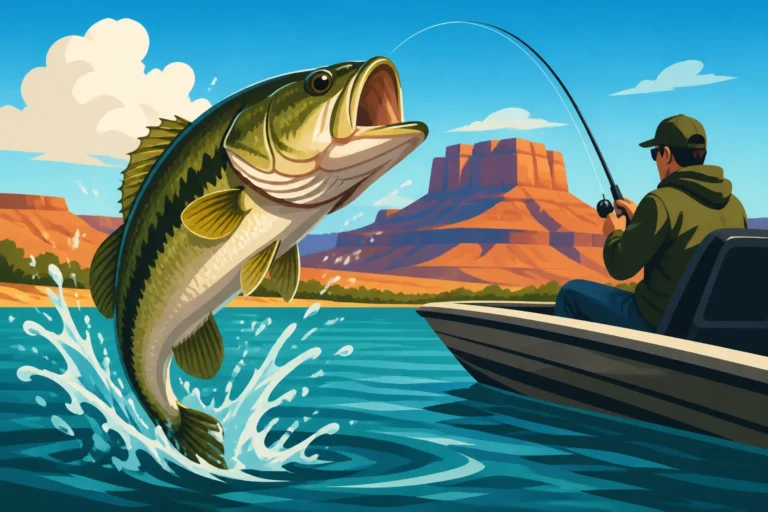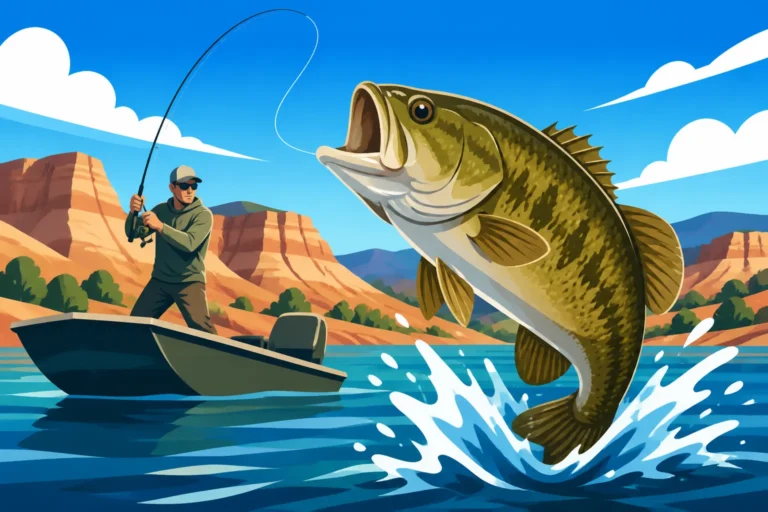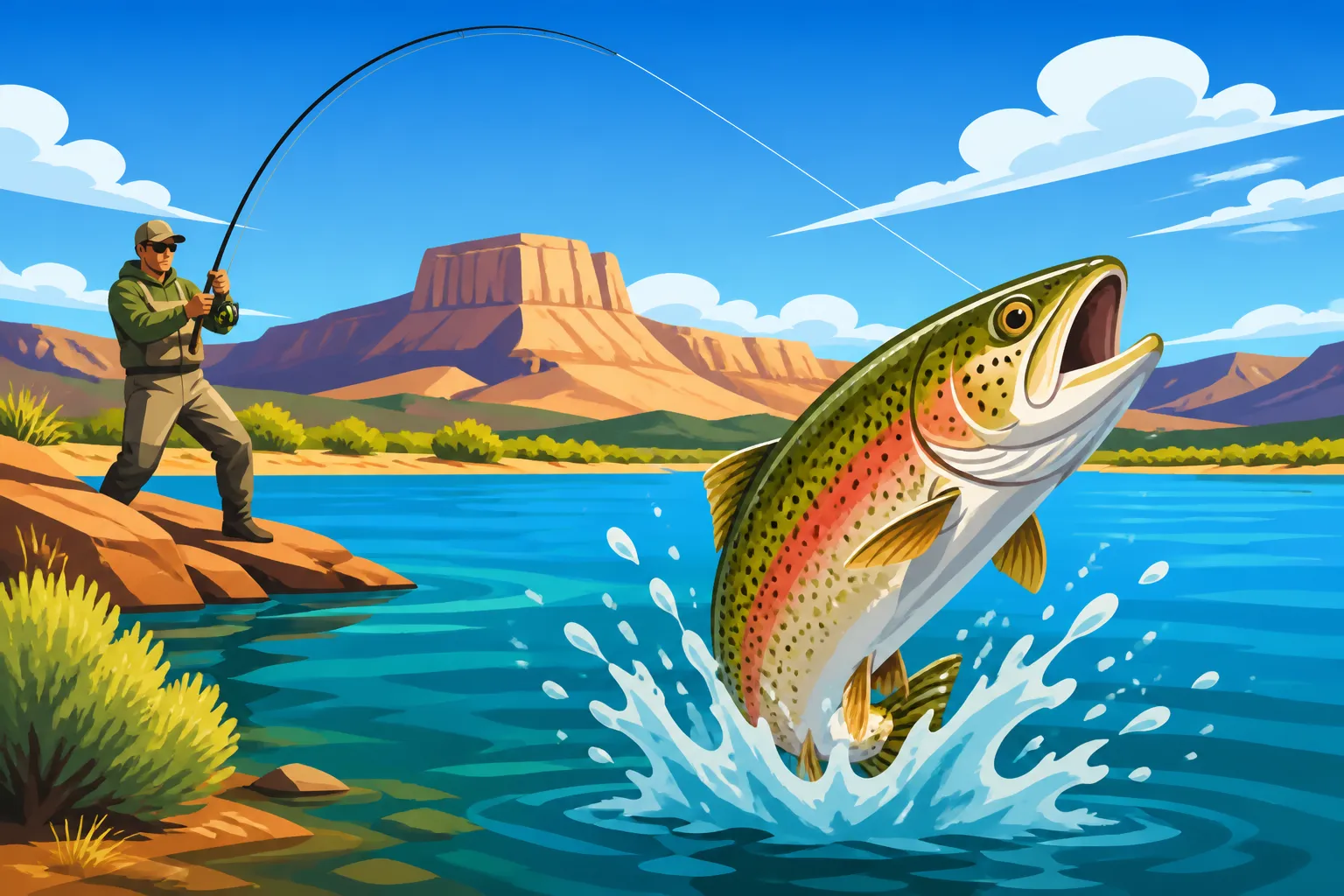
Bluewater Lake Fishing
It’s a common scenario for many anglers in New Mexico: you hear whispers about fantastic fishing, but knowing exactly where to go and what to expect can feel like deciphering an ancient map. With so many incredible lakes and rivers scattered across the state, it's easy to overlook some truly exceptional spots. This guide aims to pull back the curtain on Bluewater Lake, offering a comprehensive look at its unique fishery, the specific challenges and rewards it presents, and how to make your trip a resounding success.
Understanding Bluewater Lake's Unique Fishery
Bluewater Lake, nestled in the Zuni Mountains near Grants, New Mexico, holds a special place in the hearts of many local anglers. It’s not just another pretty face; it's a reservoir with distinct characteristics that shape the fishing experience. While some lakes are known for their consistent numbers, Bluewater offers a blend of quality and challenge, drawing in those who appreciate a unique pursuit.
Location and Overview
Bluewater Lake is situated about 25 miles west of Grants, New Mexico, making it accessible from both Albuquerque and Gallup. It's part of Bluewater Lake State Park, which means there are amenities readily available, but it still maintains a rugged, high-desert charm. The lake itself is an irrigation reservoir, fed primarily by runoff from the surrounding mountains. This means its water levels can fluctuate, which is a critical factor for anglers to consider when planning a trip. Unlike some of the larger, more consistent river systems, Bluewater's dynamic nature means adaptability is key. You'll find yourself adjusting tactics based on whether the water is high and expanding into newly flooded areas, or low and concentrating fish in smaller, deeper basins. Checking the current water levels before you head out can save you a lot of guesswork and dramatically improve your chances.
Primary Fish Species
Bluewater Lake is primarily celebrated for two distinct fisheries: its thriving population of rainbow trout and, most notably, its unique tiger muskie program. While you might find a few other species like channel catfish, it's these two that draw the crowds and provide the most exciting angling challenges. The Rainbow Trout Fishing in New Mexico is strong here, with the New Mexico Department of Game and Fish actively stocking the lake to maintain healthy numbers. This makes it a great spot for both beginners and experienced trout anglers looking for consistent action.
However, the real star of Bluewater Lake, and what truly sets it apart, is the tiger muskie. These aggressive, sterile hybrids (a cross between a muskie and a northern pike) were introduced to control undesirable fish populations and provide a trophy-level sport fishery. Their elusive nature and powerful fights make them a prime target for dedicated anglers. Catching a tiger muskie is often considered a badge of honor, a testament to patience, skill, and sometimes, a little bit of luck. The allure of landing one of these toothy predators is a major draw for many who visit Bluewater.
Lake Characteristics
Bluewater Lake offers a fascinating mix of habitats. Its depths can reach over 70 feet in some areas when full, providing cool water for trout, while its extensive coves and weed beds offer ideal ambush points for muskie. The lakebed itself is varied, with rocky points, submerged timber, and gradual slopes. Water clarity can vary, particularly after heavy rains, but generally, it offers good visibility, which is important for sight fishing for muskie or observing trout activity. The surrounding landscape of pine and juniper forests adds to the scenic beauty, making it a truly pleasant place to spend a day on the water. Understanding these underwater structures and how they relate to the fish you're targeting is crucial. Trout will often relate to cooler, deeper water and drop-offs, especially in warmer months, while muskie will be patrolling the edges of weed lines, submerged timber, and rocky structures where they can ambush prey.
Targeting Bluewater Lake's Star: The Tiger Muskie
The tiger muskie at Bluewater Lake is not just a fish; it's an obsession for many. These predatory fish are known for their explosive strikes and powerful battles, making them one of the most exciting species to target in New Mexico. However, they are also famously difficult to catch, earning them the nickname "the fish of 10,000 casts."
Best Times and Seasons for Muskie
Timing is everything when it comes to tiger muskie, and Bluewater Lake is no exception. While they can be caught year-round, certain seasons offer better odds. Spring, particularly April and May, is often highly productive as muskies become more active after the ice-off (if the lake freezes) and before the intense heat of summer. They are hungry and can be found cruising shallower waters, making them more accessible. Similarly, fall (September through November) is another prime time. As water temperatures drop, muskies enter a "feeding frenzy" phase, bulking up for winter. This period sees them aggressively chasing larger baits and lures.
Summer can be challenging due to higher water temperatures, which often push muskie into deeper, cooler water. However, early mornings, late evenings, and even night fishing can still be productive. Winter, if ice fishing is possible, also offers a unique opportunity for those brave enough to venture out onto the hard water. Understanding when these fish are most active will significantly increase your chances of a successful encounter. Local knowledge, often gained through consistent effort or tips from the park staff, can also point you toward seasonal hotspots.
Essential Gear and Lures for Tiger Muskie
Chasing tiger muskie requires specialized gear. This isn't a finesse game; it's about power and durability. You'll want a heavy-action baitcasting rod, typically 7 to 9 feet long, paired with a stout baitcasting reel capable of handling heavy lines and big lures. Braided line, usually 65-100 pound test, is essential for its strength and no-stretch properties, allowing for solid hooksets and the ability to pull through weeds. Perhaps the most critical piece of equipment, however, is a strong, bite-proof leader. Fluorocarbon leaders of 80-130 pound test or wire leaders are necessary to withstand their razor-sharp teeth.
When it comes to lures, go big! Muskie are apex predators and aren't shy about attacking large prey. Top choices include large bucktail spinners, jerkbaits, glide baits, soft plastic swimbaits, and crankbaits ranging from 6 to 12 inches or more. Colors can vary, but natural patterns mimicking trout or baitfish often work well, as do brighter, flashier colors to grab attention in murkier water or on overcast days. Don't forget long-nosed pliers or jaw spreaders for safe hook removal, and a large, rubberized landing net is crucial for handling these powerful fish without harming them. You can find more specific recommendations for Best Lures for New Mexico Trout and other species, but for muskie, think robust and oversized.
Effective Techniques for Catching Muskie
Successfully landing a tiger muskie at Bluewater Lake demands a combination of persistence, proper technique, and a bit of cunning. Trolling is a popular and effective method, especially for covering large areas and locating active fish. Large crankbaits and swimbaits are pulled behind a boat at varying depths and speeds, mimicking baitfish moving through the water column. Many anglers, often with the help of services found on platforms like FishingBooker, find guided trolling trips to be highly beneficial for learning the ropes and finding hot spots.
Casting, however, is where the art truly lies. Fan-casting large bucktails or jerkbaits over weed beds, rocky points, and submerged structures is a common approach. The "figure-eight" at the boat is a legendary muskie technique: as your lure approaches the boat, instead of simply reeling in, plunge your rod tip into the water and draw a large figure-eight with the lure. Many muskie will follow a lure all the way to the boat and strike only at this last-ditch maneuver. Varying your retrieve speed and adding pauses can also trigger strikes. Remember, muskie are often sight feeders, so clear water and sunny days can make it easier for them to track your lure. Persistence is truly the name of the game when it comes to these elusive creatures.
Trout Fishing Opportunities at Bluewater Lake
While the tiger muskie often steals the spotlight, Bluewater Lake offers excellent trout fishing, particularly for rainbow trout. These hard-fighting and delicious fish provide a more consistent and often less demanding angling experience, making Bluewater a great all-around fishing destination.
Rainbow Trout and Stocking Efforts
Bluewater Lake is regularly stocked with rainbow trout by the New Mexico Department of Game and Fish. These stockings are crucial for maintaining a robust population, especially since the lake's environment can be challenging for natural trout reproduction in the long term, particularly during drought periods. The Bluewater Lake Trout Stocking Schedule often sees healthy numbers of catchable-sized rainbows introduced throughout the cooler months, ensuring there are plenty of fish for anglers to pursue.
These stocked trout tend to be eager biters, especially shortly after they are introduced, making for exciting fishing. They adapt well to the lake's diverse forage base, growing quickly and providing a spirited fight. While not typically trophy-sized like the San Juan River's giants, Bluewater's rainbows offer consistent action, which is perfect for a family outing or for anglers simply looking to bend a rod.
Techniques for Catching Trout
Trout fishing at Bluewater Lake can be approached in several ways, catering to different preferences and skill levels. For bait anglers, traditional methods like power bait, salmon eggs, or worms fished under a bobber or on the bottom with an egg sinker are incredibly effective. These are often best fished near drop-offs, along the shoreline, or in the cooler water of the deeper basins.
Lure fishing is also very productive. Small spinners, such as Mepps or Panther Martins, spoons like Kastmasters, and small crankbaits can entice aggressive strikes. Trolling these lures from a boat can cover more water and help locate schools of fish. For fly anglers, while Bluewater isn't a classic river fishery, it can still offer opportunities, especially during hatches or when trout are feeding on smaller baitfish. Streamers, nymphs, and even dry flies during specific hatches can be effective, particularly in the shallower coves or around rocky structures. Many anglers find that a Best All-Around Combo for a First New Mexico Fishing Trip would serve them well for trout at Bluewater.
Seasonal Considerations for Trout Anglers
Trout fishing at Bluewater Lake is generally best during the cooler months. Spring and fall are prime seasons, as the water temperatures are ideal, and trout are actively feeding throughout the day. During these times, you can often find trout spread throughout the lake, from shallower coves to deeper main lake areas. As summer progresses and water temperatures rise, trout will seek refuge in the deeper, cooler sections of the lake. This often means fishing deeper with bait or downriggers if you're trolling from a boat. Early mornings and late evenings during summer can still provide good action as trout move into shallower waters to feed under lower light conditions.
Winter fishing, particularly if the lake freezes over and allows for Ice Fishing in New Mexico, can be exceptionally good. Trout remain active under the ice, and jigging with small spoons, soft plastics, or dead sticks rigged with bait can yield impressive results. Always check ice conditions carefully before venturing out. Regardless of the season, checking the New Mexico Fishing Season Dates and Limits and any specific regulations for Bluewater Lake is essential.
Planning Your Bluewater Lake Fishing Trip
A successful fishing trip to Bluewater Lake, like any other destination, hinges on good planning. Knowing the access points, understanding the rules, and being aware of available amenities can make all the difference between a frustrating outing and a memorable adventure.
Access Points, Boat Ramps, and Shore Fishing
Bluewater Lake State Park offers multiple access points for anglers. The main boat ramp, located within the park, provides easy access for trailered boats. It's well-maintained, though conditions can change with fluctuating water levels, sometimes requiring longer ramps or specific launching techniques. Be sure to check with the park office for current ramp conditions, especially during periods of low water.
For those without a boat, shore fishing is a viable and popular option. Numerous coves and rocky points around the perimeter of the lake offer excellent opportunities to cast from the bank. The state park offers developed areas that provide good access, and it's generally easy to find a secluded spot away from the crowds. Exploring the shoreline on foot can also reveal hidden gems and productive fishing spots. Remember to park only in designated areas and be respectful of the natural environment. The Bluewater Lake State Park Fishing Access guide can provide more specific details on where to find the best spots.
Regulations and Licenses Specific to Bluewater Lake
Like all fisheries in New Mexico, Bluewater Lake is subject to specific regulations designed to manage fish populations and ensure sustainable angling for everyone. Before you even pack your bags, make sure you have a valid New Mexico Fishing License Guide. This is non-negotiable for anyone over the age of 12. You can purchase licenses online through the New Mexico Department of Game and Fish website, or from various vendors throughout the state.
Beyond the general license, it's crucial to consult the New Mexico Fishing Regulations Overview booklet for any specific rules pertaining to Bluewater Lake. This includes bag and possession limits for both trout and tiger muskie, any special tackle restrictions, and specific dates or closures. For tiger muskie, catch-and-release is often encouraged due to their trophy status and the effort involved in their management. There may be specific slot limits or minimum length requirements if harvest is allowed. Always verify the latest regulations, as they can change from year to year.
Nearby Amenities and Camping Options
One of the great advantages of fishing at Bluewater Lake is the presence of Bluewater Lake State Park, which provides a range of amenities. The park offers developed campgrounds with sites suitable for tents and RVs, many with electric hookups, picnic tables, and fire rings. There are also restrooms and potable water available. Camping overnight allows you to take full advantage of early morning and late evening fishing opportunities, which are often the most productive. Reservations for campsites are highly recommended, especially during peak seasons or holidays.
For those who prefer not to camp, the nearby town of Grants, New Mexico, offers a variety of accommodations, including hotels, motels, and restaurants. While the park itself has a small general store that might sell basic tackle or snacks, it's always wise to bring all your necessary fishing gear, bait, and provisions with you. Preparing for your trip with everything you need means less time running errands and more time on the water.
Seasonal Fishing Strategies at Bluewater Lake
Bluewater Lake is a dynamic fishery, meaning that the best strategies often shift with the seasons. Understanding these seasonal nuances can significantly improve your success rates and help you target the most active fish.
Spring and Summer Tactics
Spring at Bluewater Lake is a time of renewed activity. As ice recedes (if present) and water temperatures begin to climb, both trout and muskie become more active. Trout will often be found shallower, feeding on emerging insects and newly stocked fish will be eager to bite. Lure fishing with spinners and spoons, or bait fishing with PowerBait and worms, can be very productive. For muskie, spring sees them moving into shallower coves and along weed lines, making them more accessible to casting anglers. Trolling larger jerkbaits and bucktails along these edges can be effective.
Summer presents a different challenge as water temperatures rise significantly. Trout will retreat to deeper, cooler sections of the lake, often holding near the dam or in the deepest channels. Downriggers for trolling small spoons or bait can be effective, or targeting them early and late in the day near cooler inlets. Muskie, too, will seek deeper water during the heat of the day, but can be found in shallower, oxygenated areas during dawn, dusk, or even throughout the night. Fishing deeper main lake points or submerged structures becomes more important. Fishing during the monsoon season can also present unique opportunities, with fish often becoming more active after a cooling rain.
Fall and Winter Fishing
Fall is arguably one of the most exciting times to fish Bluewater Lake. As temperatures drop, both trout and muskie enter a pre-winter feeding binge. Trout will be very active, cruising the shallows and hitting a variety of lures and baits. Fly fishing can pick up if there are any late-season hatches. For muskie, this is a prime time for trophy hunting. They become incredibly aggressive, often chasing larger baits with more vigor. Trolling large swimbaits or casting oversized bucktails and jerkbaits around main lake points and structure can lead to explosive strikes. This is the time when many anglers specifically book guided trips, often through services like FishingBooker, to maximize their chances of landing a true lunker.
Winter brings unique opportunities, provided the lake freezes sufficiently for safe ice fishing. Ice Fishing in New Mexico is a popular pastime, and Bluewater Lake can offer excellent action for both trout and muskie through the ice. For trout, small jigs tipped with bait, or even plain wax worms, fished in varying depths, can be highly effective. For muskie, larger dead baits or tip-ups set with substantial suckers can draw strikes. Always prioritize safety and check ice thickness before venturing out onto the lake, and be aware of changing weather conditions.
Weather and Water Level Impact
No matter the season, both weather and water levels play a crucial role in Bluewater Lake fishing. Drastic changes in barometric pressure, sudden cold fronts, or significant shifts in wind can affect fish behavior. Overcast days with a light chop can often be ideal for muskie, as it breaks up the light and provides them with better ambush conditions. For trout, stable weather patterns generally lead to more consistent bites.
Water levels, being an irrigation reservoir, are a constant factor. High water might flood new vegetation, creating new habitats and food sources, while low water can concentrate fish in smaller, deeper areas, making them easier to locate but potentially more wary. Always check the current conditions, whether through the state park website or local bait shops, before heading out. Being flexible and adapting your approach to these environmental factors will be key to a successful day on Bluewater Lake.
| Species | Best Season | Common Gear | Average Size (Bluewater Lake) | New Mexico Record (Overall) |
|---|---|---|---|---|
| Tiger Muskie | Spring & Fall | Heavy-action rod, baitcaster, 65-100lb braid, wire/fluoro leader, large bucktails/jerks | 30-45 inches | 44 lbs, 53 inches (Bluewater Lake) |
| Rainbow Trout | Spring, Fall, Winter | Light-medium spinning rod, 4-6lb mono/fluoro, PowerBait, worms, small spinners/spoons | 10-16 inches | 31 lbs, 4 oz (Lake Maloya) |
Disclaimer
The information provided in this guide is for general informational purposes only and should not be considered a substitute for official regulations. Fishing regulations, license requirements, and lake conditions in New Mexico can change frequently. Always consult the latest New Mexico Department of Game and Fish regulations booklet and check with local authorities or park staff for the most current information before planning and embarking on your fishing trip. Ensure you prioritize safety, especially when on or near the water.