Abiquiu Lake Smallmouth Bass Fishing
Finding that perfect spot for smallmouth bass in New Mexico can sometimes feel like chasing a ghost – you hear whispers of incredible fishing, but knowing exactly where to go and what to throw is a whole different story. This guide is all about cutting through that confusion, diving deep into everything you need to know to successfully target smallmouth bass at the truly exceptional Abiquiu Lake.
Why Abiquiu Lake Stands Out for Smallmouth Bass
Let's be real, when most people think New Mexico fishing, their minds often jump straight to trout. And while our state has some absolutely stellar trout waters, it’s a big mistake to overlook the incredible warm-water opportunities available, especially for smallmouth bass. Abiquiu Lake, nestled in the stunning red rock country north of Española, is one of those places that completely shatters expectations. It’s not just a good smallmouth fishery; it’s widely considered one of the best in the state, offering anglers a legitimate shot at trophy-sized bronzebacks.
Unique Lake Characteristics Favoring Smallmouth
What makes Abiquiu such a paradise for smallmouth bass? It really boils down to its unique geological makeup and clear, cool waters. Unlike many of New Mexico's larger, often muddier reservoirs, Abiquiu Lake boasts incredibly clear water, particularly in its upper reaches. This clarity is a huge factor, as smallmouth are primarily sight feeders. They thrive in environments where they can easily spot their prey.
Beyond visibility, the lake is characterized by its abundant rocky structure. Think submerged ledges, rock piles, steep bluffs, and extensive shoreline rubble. This isn't just random clutter; it's prime real estate for smallmouth. These fish are masters of ambush, using rocks and contours to hide from prey and escape predators. The depth contours and varying rock sizes provide perfect habitat for different life stages of bass, from fingerlings hiding in crevices to mature fish patrolling deeper ledges. The lake’s formation, carved by the Rio Chama, resulted in these ideal rocky features that attract baitfish and, consequently, smallmouth.
Abundant Forage and Robust Growth
A healthy bass population isn't just about good habitat; it's also about a robust food chain, and Abiquiu Lake delivers here too. The lake supports a strong forage base, including various minnow species, crawfish, and even smaller game fish. Crawfish, in particular, are a cornerstone of a smallmouth's diet, and Abiquiu has a thriving population of these crustaceans. You'll often hear anglers talking about mimicking crawfish patterns because they're such a vital food source.
This rich diet, combined with the lake's cooler temperatures (especially in the deeper sections), contributes to excellent growth rates for the smallmouth. It’s not uncommon to pull out fish in the 3 to 5-pound range, and true giants pushing 6 pounds or more are caught every year. These aren't just big fish; they're incredibly feisty and put up an unforgettable fight, characteristic of healthy, well-fed smallmouth. If you're looking to understand the general limits, you'll want to review the New Mexico Warm Water Fish Bag Limits to ensure you're fishing responsibly.
Essential Gear and Techniques for Abiquiu Smallmouth
Now that we know why Abiquiu Lake is so good, let's talk about the how. Successfully landing smallmouth here requires understanding the right gear and techniques that play to their strengths and the lake's conditions.
Rods, Reels, and Line Selection
For Abiquiu Lake smallmouth, versatility is key. While many anglers prefer baitcasting setups for their power and casting accuracy, spinning gear can be incredibly effective, especially for lighter presentations or when dealing with finicky fish.
- Rods: A medium-light to medium-heavy action spinning or baitcasting rod, typically 6'6" to 7'2" in length, is a great all-around choice. A fast tip is crucial for detecting subtle bites and setting the hook quickly in rocky terrain. For more finesse techniques like drop-shotting or shaky heads, a softer, medium-light spinning rod offers better feel.
- Reels: Pair your spinning rod with a 2500-3000 series reel, capable of smooth drag. For baitcasting, a reliable reel with a good braking system is essential for casting into tight spots around rocks.
- Line: This is where things get interesting for Abiquiu.
- Main Line: 8-12 lb fluorocarbon is an excellent choice due to its low visibility and abrasion resistance – perfect for battling bass around sharp rocks. Some anglers prefer braided line (15-20 lb) for its sensitivity and casting distance, especially in deeper water.
- Leader: If using braid, always, always tie on a fluorocarbon leader (6-10 lb). The clear water at Abiquiu means bass are very line-shy, and fluorocarbon disappears wonderfully underwater. A good rule of thumb is a leader length of 6-10 feet to provide a stealthy presentation.
Top Lures and Baits for Abiquiu
Smallmouth at Abiquiu can be surprisingly particular, but a few key lure categories consistently produce. It’s always a good idea to check the New Mexico Fishing Season Calendar before your trip to get a sense of what might be biting best.
- Jigs: Tube jigs are legendary for Abiquiu smallmouth. Mimicking crawfish or baitfish, they're incredibly versatile. Use colors like green pumpkin, brown, or black/blue. Football head jigs, shaky head jigs, and swim jigs are also very effective, especially when fished slowly along the bottom.
- Crankbaits: Medium-diving crankbaits (diving 6-12 feet) in crawfish patterns or natural baitfish colors (shad, perch) can be deadly, particularly in spring and fall when bass are actively feeding in shallower to mid-depths. Lipless crankbaits also work well for covering water.
- Soft Plastics: The finesse game is strong here. Drop-shot rigs with small worms or minnow imitations, Ned rigs, and Texas-rigged crawfish or creature baits are highly productive. When fishing clear water, lighter colors and natural hues often outperform brighter ones. Senkos are also a classic for a reason – their subtle fall can entice even the most hesitant smallmouth.
- Topwater Lures: During low light conditions (early morning, late evening) or on overcast days, topwater lures like poppers, walking baits, and prop baits can provide explosive strikes. This is especially true in the warmer months.
- Live Bait: While artificials are popular, live crawfish, shiners, or nightcrawlers can be irresistible to smallmouth. Always check specific regulations regarding live bait use and species allowed.
| Lure Type | Best Conditions | Technique | Notes |
|---|---|---|---|
| Tube Jigs | Year-round, especially good on rocky bottoms | Drag, hop, or twitch along the bottom | Mimics crawfish; green pumpkin, brown are top colors |
| Crankbaits | Spring/Fall, actively feeding fish, covering water | Erratic retrieve, varying speeds, bumping structure | Crawfish patterns, natural shad; watch for depth ratings |
| Drop-Shot Rigs | Clear water, deeper structure, finicky fish | Slight rod tip shakes, keeping bait suspended | Finesse presentation, excellent for detecting subtle bites |
| Ned Rigs | Tough bites, post-frontal conditions, pressured fish | Slow drag-and-pause, minimal movement | Extremely effective finesse bait, great for pressured smallmouth |
| Topwater Lures | Low light, calm mornings/evenings, active fish | Walk-the-dog, pop-and-pause | Explosive strikes; a thrilling way to catch Abiquiu smallmouth |
| Jerkbaits | Cooler water, suspending fish, clear water | Twitch-pause-twitch retrieve | Great for suspended fish or when bass are feeding on baitfish |
To really hone your skills, I'd suggest checking out our detailed guide on Bass Fishing Techniques for New Mexico Lakes.
Boat vs. Shore Fishing Considerations
Abiquiu Lake offers opportunities for both boat and shore anglers, but each has its pros and cons.
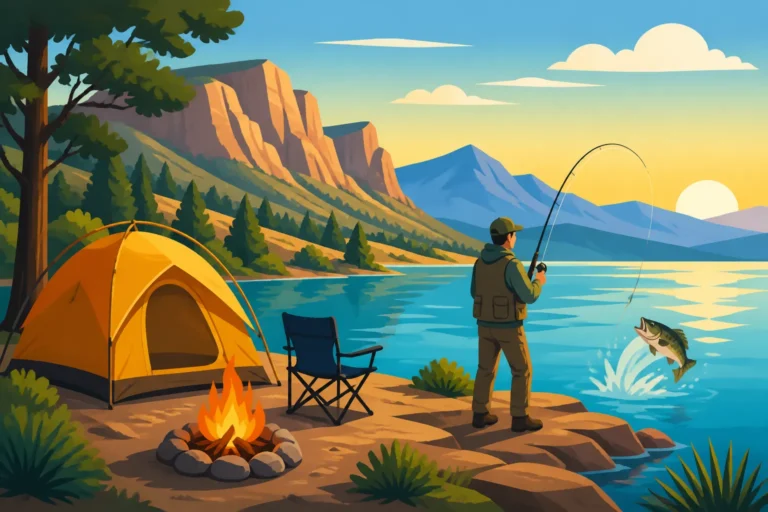
- Boat Fishing: A boat, whether it's a bass boat, jon boat, or even a sturdy kayak, significantly opens up your options. You can access remote coves, offshore humps, and steep bluffs that are inaccessible from shore. A good trolling motor with GPS Spot-Lock capabilities is a game-changer for holding position on specific structures in windy conditions. If you're bringing your own vessel, make sure you're familiar with the New Mexico Boat Registration and Titling Guide. For those who don't own a boat, considering a guide service found on platforms like FishingBooker can be an excellent way to experience the lake's prime spots without the investment of a personal watercraft.
- Shore Fishing: While more limited, shore anglers can still find success, especially in the spring when smallmouth move shallower for spawning. Focus on accessible rocky points, coves near the boat ramps, and any areas with good drop-offs or structure close to shore. Walking the banks and observing the terrain can reveal promising spots. Fishing from shore often requires a more patient, finesse-oriented approach.
Navigating Abiquiu Lake for Smallmouth Success
Knowing the lake's layout and how smallmouth behave seasonally is paramount to consistent success. Abiquiu is a large body of water, and having a strategy before you launch is a smart move.
Key Structures and Hotspots
Smallmouth bass are structure-oriented fish, and Abiquiu Lake is full of it. When looking for fish, always consider where they can find cover, ambush points, and access to deeper water for safety or comfort.
- Rocky Points and Bluffs: These are classic smallmouth magnets. Points extending into deeper water, especially those with jagged rocks, are prime feeding areas. Smallmouth will cruise these areas, ambushing baitfish. Bluffs provide vertical structure and often hold fish in different depths depending on light and temperature.
- Submerged Timber and Brush Piles: While not as prevalent as rock, any submerged wood offers excellent cover. These spots can be harder to find but are often worth the effort.
- Humps and Ridges: Offshore humps or ridges that rise from the bottom are fantastic for deep-water smallmouth, especially in warmer months. These underwater features act like magnets for baitfish, and the bass won't be far behind. Use your electronics to locate these hidden treasures.
- Creek Channels: The old creek channels, particularly the Rio Chama arm, provide a defined pathway and structure that bass will utilize, especially during seasonal migrations.
When planning your outing, consulting resources like FishingBooker can sometimes help you find local guides who are intimately familiar with these specific hotspots and current patterns, giving you a significant advantage.
Seasonal Strategies for Abiquiu Smallmouth
Smallmouth behavior changes dramatically throughout the year, influenced by water temperature and spawning cycles. Understanding these patterns is key to being in the right place at the right time.
- Spring (March – May): This is often considered the best time for trophy smallmouth. As water temperatures rise into the 50s and 60s, bass move shallower to pre-spawn staging areas (rocky points, flats near deep water). They are hungry and aggressive. Look for fish in 5-20 feet of water. As water warms into the mid-60s, they move onto gravelly, rocky flats and pockets to spawn. This is when sight fishing for bedding bass is possible, but always practice ethical catch and release to protect the future of the fishery.
- Summer (June – August): With warmer surface temperatures, smallmouth often retreat to deeper, cooler water. They can be found on offshore humps, deep rock piles, and steep bluffs, often in 20-40 feet of water or more. Early morning and late evening topwater action can still be fantastic, but during the day, focus on vertical presentations like drop-shotting, jigging, or slow-rolling deep crankbaits.
- Fall (September – November): As temperatures cool, smallmouth become incredibly active, feeding aggressively to build up fat reserves for winter. They often move back shallower, cruising rocky points and main lake humps. This is another excellent time for crankbaits, spinnerbaits, and even larger soft plastics. The bite can be fantastic until late fall.
- Winter (December – February): While challenging, winter fishing at Abiquiu can still yield results, especially on warmer days. Smallmouth will typically congregate in deep water, often near significant structure or current breaks. A slow, subtle presentation with jigs or spoons is usually the most effective. Ice fishing is generally not a common pursuit at Abiquiu due to inconsistent ice conditions, but other lakes in the state offer excellent New Mexico Ice Fishing Season opportunities.
Reading the Water and Weather
Small details can make a big difference in smallmouth fishing.
- Water Clarity: Abiquiu often has excellent clarity, which means bass rely heavily on sight. Use natural colors and lighter line. If the water is stained after a rain event, switch to brighter colors or lures with more vibration.
- Wind: Wind can be your friend or foe. A light chop can break up the surface, making bass less wary, and can position baitfish. It also creates current which can activate fish. However, strong winds make boat control difficult and can shut down the bite. Position your boat to drift with the wind over promising structure.
- Sunlight: Bright sun can push bass deeper or into shade. Overcast days often bring fish shallower and make them more active. Pay attention to shadows cast by bluffs or submerged structures.
- Barometric Pressure: A stable or rising barometer usually means active fish. A falling barometer (ahead of a storm) can trigger a pre-front feeding frenzy, but a rapidly dropping or low, stable pressure can make fish lethargic.
Planning Your Abiquiu Lake Smallmouth Fishing Trip
Ready to hit the water? A little planning goes a long way to ensure a smooth and successful trip to Abiquiu Lake.
Understanding Licenses and Regulations
Before you even think about casting a line, make sure your paperwork is in order. Every angler 12 years and older needs a valid New Mexico fishing license. This includes the annual license, or a shorter-term option if you're just visiting for a few days. You'll also need a Habitat Management & Access Validation (HMAV) stamp, which supports crucial conservation efforts and provides access to public lands.
- Where to Get Them: Licenses can be purchased online through the New Mexico Department of Game and Fish website, at various vendors across the state (like sporting goods stores), or sometimes through outfitters. For a complete breakdown, check out our How to Get a New Mexico Fishing License guide.
- Species-Specific Rules: While the general statewide limits for bass typically apply, always double-check the current New Mexico fishing regulations booklet for any specific rules pertaining to Abiquiu Lake or the Rio Chama area. Bag and possession limits are in place to ensure a sustainable fishery.
- Gila Trout Consideration: While Abiquiu is a warm-water fishery, be aware that nearby tributaries or high mountain lakes might hold protected species like the Gila Trout. Always know your target and observe all specific regulations if you venture into those areas.
Local Resources and Professional Guidance
Don't underestimate the value of local knowledge. The guides and experts who fish Abiquiu Lake regularly have an intimate understanding of its ever-changing conditions.
- Local Bait Shops: These are often goldmines of information. Stop by a shop in Española or nearby towns to get the latest scoop on hot baits, recent patterns, and current water conditions. They can tell you what the fish are hitting on right now.
- Fishing Guides: For an unparalleled learning experience, consider hiring a professional fishing guide. A guide will not only put you on fish but also teach you specific techniques for Abiquiu, help you understand the lake's structure, and provide all the necessary gear. Platforms like FishingBooker make it easy to find and book experienced guides who specialize in Abiquiu Lake smallmouth bass. This is particularly helpful if it's your first time on the lake or if you're targeting a specific species like smallmouth bass and want to maximize your chances. Booking a guide through FishingBooker ensures you get a seasoned local expert who knows the nuances of this specific fishery.
- Online Forums and Social Media: Connect with other New Mexico anglers online. Many local fishing groups on social media or dedicated forums share reports and tips, offering a community-driven insight into what’s happening on the water.
Abiquiu Lake is truly a jewel in New Mexico’s fishing crown for smallmouth bass. With the right approach, understanding its unique characteristics, and a bit of planning, you're well on your way to experiencing some of the most thrilling bass fishing the Land of Enchantment has to offer.
Disclaimer
The information provided in this guide is for general informational purposes only and is subject to change. Always consult the official New Mexico Department of Game and Fish regulations prior to any fishing trip to ensure compliance with current laws and to protect local fish populations and habitats.