Quemado Lake Fishing
If you've ever dreamt of casting a line in a serene, high-desert lake, but felt overwhelmed by the thought of deciphering regulations or scouting out the perfect spot, you're not alone. New Mexico's Quemado Lake, nestled in the Apache National Forest, offers a fantastic escape and some truly unique fishing opportunities, but it also comes with its own set of nuances. This comprehensive guide is here to cut through the confusion and equip you with everything you need to know for a successful and enjoyable fishing trip to Quemado Lake.
Discovering Quemado Lake's Charm and Accessibility
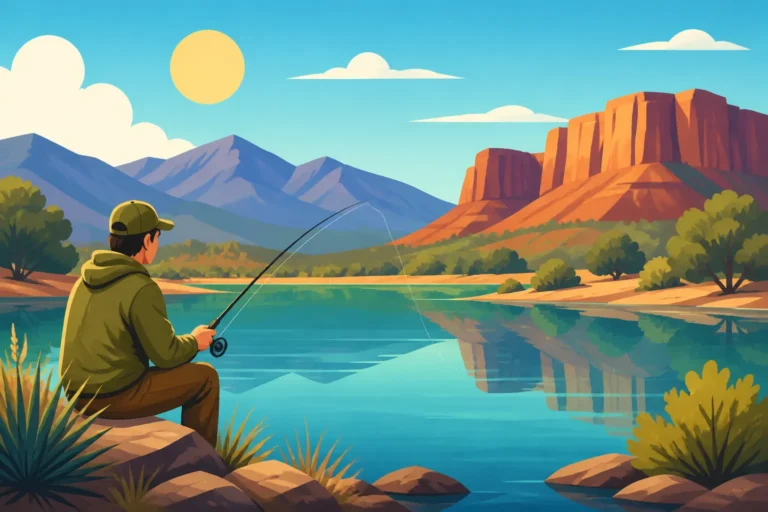
Quemado Lake is one of New Mexico's hidden gems, offering a tranquil fishing experience away from the bustling crowds of larger reservoirs. Located near the small community of Quemado in Catron County, this lake is a true high-desert oasis, known for its clear waters and picturesque surroundings. It's not just a place to catch fish; it's a destination where you can genuinely unwind and connect with nature. However, like any good fishing spot, understanding its unique characteristics and how to get around is the first step to a memorable trip.
Location and General Characteristics
Quemado Lake sits at an elevation of approximately 6,900 feet, which means cooler temperatures even in the height of summer, making it a comfortable destination when other lowland lakes are sweltering. The lake is relatively small, covering about 130 surface acres when full, which lends itself to a more intimate and manageable fishing experience. It's part of the Quemado Lake Recreation Area, managed by the New Mexico Department of Game and Fish, ensuring well-maintained facilities and public access. The surrounding landscape is characterized by piñon-juniper woodlands, offering a scenic backdrop that truly embodies the spirit of the American Southwest. The water here tends to be quite clear, which can make for excellent sight fishing on calm days, but also means fish can be more wary, requiring a stealthier approach.
Boat Ramps and Shoreline Access
Accessing Quemado Lake is generally straightforward, whether you're bringing a boat or planning to fish from shore. The lake typically has a single paved boat ramp that provides easy launching for most small to medium-sized boats, including bass boats, jon boats, and kayaks. Due to the lake's size and the emphasis on a peaceful environment, there are often restrictions on motor size and speed, with many opting for electric trolling motors to navigate the waters silently and efficiently. It's always a good idea to check current regulations before heading out, but generally, expect a "no wake" environment, which is perfect for tranquil fishing.
For those who prefer to keep their feet on solid ground, Quemado Lake offers ample shoreline access. Much of the perimeter is accessible, providing numerous spots to set up a chair, cast a line, and enjoy the scenery. There are also designated fishing piers and accessible areas, which are fantastic for families with young children or anglers with mobility challenges. Finding a quiet cove or a rocky point to explore on foot can be incredibly rewarding, often leading to excellent catches that might be missed by boaters sticking to the open water. Before you make the trip, you might check New Mexico Boat Registration for Anglers if you plan to bring your own watercraft to ensure you're compliant with state laws.
Lake Conditions and Water Levels
Like many bodies of water in the high desert, Quemado Lake's water levels can fluctuate, particularly during periods of drought or heavy runoff. These fluctuations can significantly impact fishing conditions, changing the structure of the shoreline, the depth of certain coves, and the accessibility of boat ramps. It's always wise to check the latest conditions through the New Mexico Department of Game and Fish website or local bait shops before your visit. Low water can concentrate fish in deeper channels, while higher levels might spread them out into newly submerged vegetation. Understanding these dynamics can help you adapt your strategy.
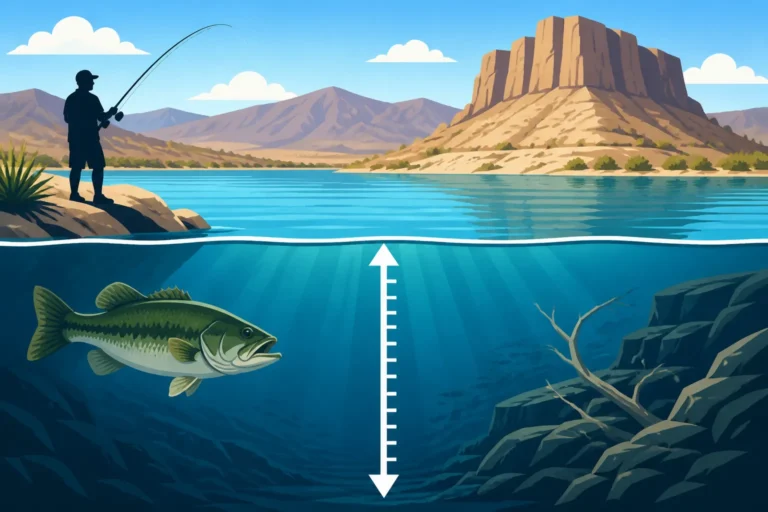
The lake bottom at Quemado is primarily rock and gravel, with some areas of submerged timber and aquatic vegetation, especially in shallower coves. These features create excellent habitat for various fish species, providing cover and feeding grounds. Water clarity is generally good, as mentioned, and water temperatures vary seasonally, influencing fish behavior. During the colder months, the lake may even freeze over, opening up opportunities for Ice Fishing in New Mexico, a truly unique experience.
Target Fish Species at Quemado Lake
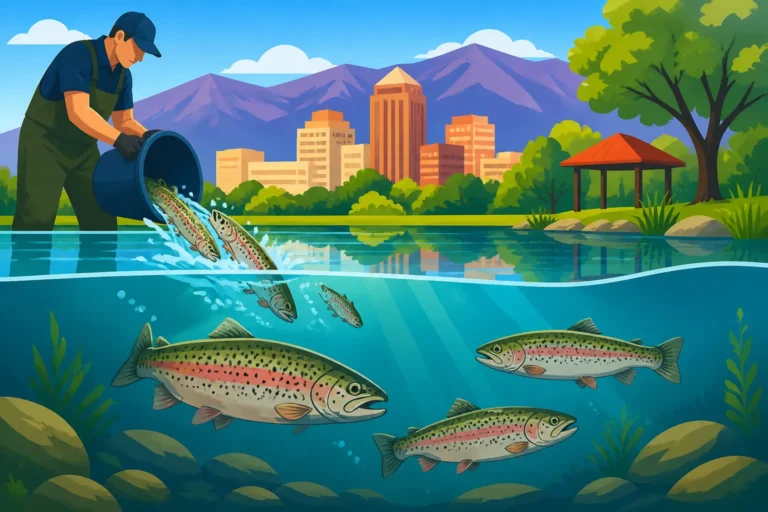
Quemado Lake might be smaller than some of New Mexico's other major reservoirs, but it packs a punch when it comes to diverse fishing opportunities. Anglers here can expect to tangle with several popular game fish, each offering a different challenge and reward. The New Mexico Department of Game and Fish actively manages the lake, particularly through stocking programs, to ensure a vibrant fishery.
Trout Fishing Prospects Rainbow, Brown, and Tiger Muskie
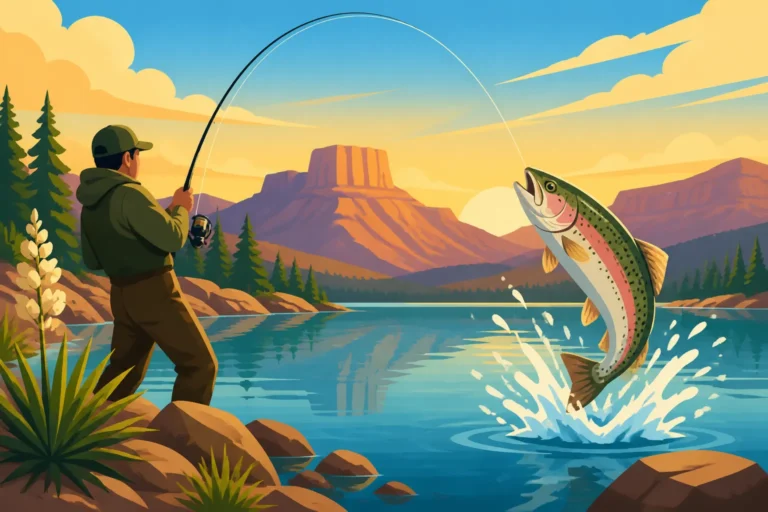
Trout are the undisputed stars of Quemado Lake. The lake is regularly stocked with Rainbow Trout, providing consistent action for anglers of all skill levels. These feisty fish are known for their strong fights and willingness to hit a variety of baits and lures. You can often find them cruising the shallows in cooler months or holding in deeper, cooler water during the summer. Beyond rainbows, Quemado also boasts a population of Brown Trout, which are often larger and more elusive, making them a prized catch. Browns tend to be more predatory and often lurk near structure, preying on smaller fish. They can offer a real challenge for experienced anglers. If you're looking for more general guidance on targeting these species, our Trout Fishing Techniques for New Mexico article offers some excellent insights.
But the real wild card at Quemado Lake, and what makes it truly special for many, is the presence of Tiger Muskie. These sterile, hybrid fish (a cross between a Northern Pike and a Muskellunge) are stocked in select New Mexico lakes, and Quemado is one of them. They are aggressive, apex predators known for their explosive strikes and brutal fights. Catching a tiger muskie is often a once-in-a-lifetime experience for many anglers, requiring specialized gear and a great deal of patience. They grow to impressive sizes, with the potential to reach over 40 inches. Pursuing these toothy giants adds an exciting dimension to Quemado Lake fishing. When considering targeting these monsters, checking out specific tips in our Tiger Muskie in New Mexico guide can be extremely helpful.
Other Panfish and Warmwater Species
While trout and tiger muskie get most of the attention, Quemado Lake also offers good fishing for other species, particularly various panfish and occasional warmwater catches.
Crappie are a popular target, especially in the spring and fall. Both black and white crappie can be found, often schooling around submerged brush, timber, or rocky points. They are excellent table fare and provide fast action, making them a favorite for family fishing trips. Their delicate bites require a keen eye, but once you find a school, the action can be non-stop.
Channel Catfish are also present in Quemado Lake, though perhaps not as abundant as in some of New Mexico's larger, warmer reservoirs. They thrive in warmer water, so summer evenings are often the best time to target them, especially with stink baits or cut bait fished on the bottom. Catfish offer a powerful fight and are another delicious option for the dinner table.
While not the primary target for most, you might also encounter various sunfish species. These small, colorful fish are perfect for introducing children to fishing, as they are often eager to bite small worms or crickets. They may not be trophy fish, but the joy of watching a child reel in their first sunfish is priceless.
Best Fishing Techniques and Seasons at Quemado Lake
Fishing Quemado Lake successfully means adapting your techniques to the season and the target species. The unique combination of cold-water trout and formidable tiger muskie, alongside panfish, means you’ll need a diverse approach to maximize your chances.
Year-Round Fishing Opportunities
One of the great advantages of Quemado Lake is that it generally offers New Mexico Fishing Season Dates and Limits throughout the year, with each season presenting its own unique opportunities and challenges.
- Spring (March-May): This is often considered one of the best times to fish Quemado Lake. As ice melts (if it formed) and water temperatures begin to rise, fish become very active. Trout move into shallower waters to feed aggressively after the winter doldrums. Crappie also become highly active, congregating in coves and around structure as they prepare for spawning. Tiger muskie, being cold-water predators, will also be on the prowl, though often still somewhat sluggish until water temperatures rise consistently.
- Summer (June-August): While temperatures are warmer, the lake remains a productive fishery. Trout will typically move to deeper, cooler waters, often congregating near the dam or in deeper channels. Early mornings and late evenings are prime times. Tiger muskie activity can pick up significantly as baitfish become more abundant. Panfish, like crappie and catfish, will also be active, especially in low-light conditions.
- Fall (September-November): Many consider fall to be another peak season. Trout are incredibly active, feeding heavily in preparation for winter. Brown trout, in particular, become more aggressive as their spawning season approaches. Tiger muskie also go into a feeding frenzy, making this a prime time for trophy hunters. The cooler weather and vibrant fall foliage make for a truly enjoyable angling experience.
- Winter (December-February): If the lake freezes sufficiently, Quemado becomes a popular destination for ice fishing. Trout and tiger muskie are the main targets through the ice, offering a unique challenge. Even without ice, open-water fishing can be productive on milder winter days, with fish holding in deeper sections. For more details on fishing across the calendar, check out the New Mexico Fishing Season Calendar.
Specific Techniques for Each Species
Tailoring your technique to the specific fish you're after is key to success at Quemado Lake.
- Trout (Rainbow and Brown):
- Bait Fishing: PowerBait, salmon eggs, or worms fished on the bottom with a small sinker or under a bobber are consistently effective, especially for stocked rainbows.
- Lure Fishing: Small spinners (like Mepps or Rooster Tail), spoons (like Kastmasters or Daredevils), and small jerkbaits are excellent choices. Trolling these lures slowly from a boat can cover water effectively, especially when trout are scattered.
- Fly Fishing: For the fly angler, nymphs (like San Juan Worms, Copper Johns, Prince Nymphs) can be productive, particularly in spring and fall. Streamers (Woolly Buggers, Sculpin patterns) are great for enticing larger brown trout. Dry flies work during hatches, which can occur throughout the warmer months. You can find out more about Best Lures for New Mexico Trout in our dedicated article.
- Tiger Muskie:
- Large Baits and Lures: These predatory fish demand large offerings. Big jerkbaits, swimbaits, bucktail spinners (like Musky Frenzy), and large spoons are standard. Troll or cast these along weed lines, rocky points, and submerged timber.
- Live Bait: Large live bait, such as stocked trout (if legal and obtained from an approved source), can be incredibly effective when fished under a large bobber near structure. Always check regulations regarding baitfish use.
- Patience is Key: Muskie fishing is often called "the sport of a thousand casts." Be prepared for long periods without a bite, but when a muskie hits, it's unforgettable. Always have stout gear and a large net ready.
- Crappie:
- Jigging: Small jigs (1/16 to 1/8 oz) tipped with a small minnow or a soft plastic grub are highly effective. Fish these vertically around submerged structure or troll them slowly.
- Minnows under a Bobber: A classic and effective method, especially when crappie are shallow.
- Catfish:
- Bottom Fishing: Use a weight-and-hook rig with stink bait, cut bait (like shad or hot dogs), or worms. Fish these on the bottom, especially in deeper holes or near the dam during warmer months. Evening and night fishing can be particularly productive.
Seasonal Considerations and Best Times
The best time to fish Quemado Lake truly depends on your target. For consistent Rainbow Trout action, spring and fall after stocking events are excellent. Check the Seasonal Stocking Schedule in New Mexico to time your visit. Brown Trout are often more active in cooler water, making early spring, late fall, and even winter prime times.
For Tiger Muskie, late spring, summer, and especially fall are productive. They become highly aggressive as water temperatures rise and then again as they gorge before winter. Early mornings and late evenings often see the most intense feeding activity, but muskie can strike at any time. Cloudy, overcast days can also trigger them into biting more actively throughout the day.
For Crappie, aim for spring (pre-spawn and spawn) and fall. These periods offer high numbers of active fish. Catfish are most active in the warmer summer months, especially from dusk through the night. Consider using a service like FishingBooker to connect with local guides who specialize in these species, as their real-time knowledge of seasonal patterns can be invaluable.
Essential Gear for Quemado Lake
Having the right gear is crucial for a successful and enjoyable fishing trip to Quemado Lake. Because of the diverse species and varied techniques, your tackle box might need a few specialized items you wouldn't necessarily bring to every New Mexico lake.
Rod and Reel Setups
Given the mix of species, you’ll likely need a couple of different rod and reel setups:
- For Trout and Panfish: A light to medium-light spinning rod, typically 6 to 7 feet long, paired with a small spinning reel (size 1000-2500) spooled with 4-8 lb monofilament or fluorocarbon line, is ideal. This setup provides the sensitivity needed for light bites and enough backbone for fighting feisty rainbows or crappie. For fly anglers targeting trout, a 5 or 6-weight fly rod with a matching reel and floating line will cover most situations. Our guide on Best Rods and Reels for New Mexico Trout Fishing can offer more specific recommendations.
- For Tiger Muskie: This requires a much heavier setup. A medium-heavy to heavy casting or spinning rod, 7 to 9 feet long, is recommended. Pair it with a robust baitcasting reel (like a high-capacity Abu Garcia Revo Toro Beast or a Shimano Tranx) or a large spinning reel (size 4000-6000), spooled with 50-80 lb braided line. A heavy fluorocarbon or steel leader (50-100 lb test) is absolutely essential to prevent bite-offs from their razor-sharp teeth. Don’t skimp on this gear; a trophy muskie can quickly destroy inadequate equipment.
Baits and Lures
Your choice of baits and lures will vary significantly depending on what you're targeting:
- Trout:
- Baits: PowerBait (in various colors like garlic, rainbow, chartreuse), salmon eggs, and nightcrawlers are staples.
- Lures: Small inline spinners (Mepps Aglia, Rooster Tail), small spoons (Kastmaster, Daredevle), and small jerkbaits (Rapala Countdown).
- Flies: Nymphs (Copper John, Prince Nymph, San Juan Worm), streamers (Woolly Bugger, Clouser Minnow), and dry flies (Elk Hair Caddis, Adams) should be in your fly box.
- Tiger Muskie:
- Large Lures: Big bucktail spinners, oversized swimbaits, jerkbaits (like those from Musky Innovations or Chaos Tackle), and large inline spinners are key. Jointed crankbaits and glide baits also work. Colors can vary, but natural patterns, white, black, and brighter colors like chartreuse are often popular.
- Live Bait (Check Regulations!): If allowed, large suckers or trout are prime muskie bait.
- Crappie:
- Jigs: Small 1/16 to 1/8 oz jigs with plastic bodies (tubes, grubs, tiny swimbaits) in white, chartreuse, or black. Tipping with a crappie minnow is often irresistible.
- Catfish:
- Baits: Stink baits, cut bait (shad, chicken liver), large worms, and hot dogs.
Boating and Safety Gear
If you're bringing a boat, remember to check New Mexico Boat Registration and Titling Guide for essential information. Regardless of boat size, safety should always be your top priority.
- Personal Flotation Devices (PFDs): Ensure you have enough Coast Guard-approved life jackets for everyone on board, and kids under 13 generally must wear them while the boat is underway.
- Sound-Producing Device: A whistle or horn is often required.
- Fire Extinguisher: Mandatory for certain boat sizes and types.
- Navigation Lights: If operating after sunset or before sunrise.
- Anchor: Important for holding position, especially when targeting crappie or muskie on structure.
- First-Aid Kit: Always a good idea for any outdoor excursion.
- Sun Protection: New Mexico's high elevation means intense sun. Bring sunscreen, wide-brimmed hats, and polarized sunglasses.
- Nets and Grippers: A large, sturdy net is absolutely essential for tiger muskie to safely land and release them. For trout, a rubberized net is best for protecting their slime coat during catch and release. Muskie anglers often use jaw grippers (like BogaGrip or similar) to handle these toothy fish safely.
- Pliers/Forceps: Crucial for removing hooks, especially from toothy fish like muskie or deep-hooked trout.
- Cooler: For keeping your catch fresh or your drinks cold.
- FishingBooker is a fantastic resource if you're looking to book a guided trip and don't have all the specialized gear yourself, as reputable guides will provide everything you need.
Camping and Amenities Near Quemado Lake
One of the great appeals of Quemado Lake is the opportunity to fully immerse yourself in the natural surroundings. This often means extended stays, making the availability of camping and nearby amenities a key factor in planning your trip. The Quemado Lake Recreation Area is designed to support anglers and outdoor enthusiasts, offering a blend of rustic charm and necessary conveniences.
Quemado Lake Campground Facilities
The Quemado Lake Recreation Area features a well-maintained campground that provides a convenient and comfortable base for your fishing adventures. The campground, often managed by the Forest Service, typically offers several types of sites to accommodate different preferences:
- Developed Campsites: These usually include amenities such as picnic tables, fire rings with grills, and often tent pads. Some sites may have electric hookups, which are a major plus for RVs or campers who rely on power. Restrooms (vault toilets or flush toilets, depending on the section) and potable water spigots are generally available, though it's always wise to confirm current conditions and availability, especially outside peak season.
- Dispersed Camping: While the main campground is popular, some areas around the lake or in the surrounding national forest might offer opportunities for dispersed camping, where you can find a more secluded spot. However, rules and regulations apply, so always check with the local forest service office before setting up outside designated campgrounds to understand fire restrictions, waste disposal, and other guidelines.
- Reservations: During peak seasons (spring, summer weekends, and fall), campsites can fill up quickly. It's highly recommended to make reservations in advance, often through recreation.gov, to secure your spot. This prevents the frustration of arriving to a full campground after a long drive.
The campground's proximity to the lake means you can wake up, grab your rod, and be fishing within minutes. Many sites offer scenic views, enhancing the overall outdoor experience. It's a great spot for families, offering a safe environment for kids to explore while parents enjoy the fishing. Some anglers even prefer to find Quemado Lake Trout Fishing Cabins Nearby for a more comfortable stay, providing a cozy retreat after a long day on the water.
Nearby Lodging and Services
While the Quemado Lake campground is excellent, not everyone prefers to rough it. For those looking for more traditional accommodations or additional services, the small town of Quemado, New Mexico, is your closest option.
- Quemado, NM: This quaint community, located just a short drive from the lake, offers basic services. You can usually find a general store or two for groceries, snacks, and perhaps some last-minute fishing tackle or bait. There might be a diner or small restaurant for a hot meal. Lodging options in Quemado are limited, typically consisting of small motels, cabins, or vacation rentals. These can fill up, especially during popular hunting and fishing seasons, so booking ahead is a smart move.
- Larger Towns: For more extensive services, including a wider selection of hotels, restaurants, and larger sporting goods stores, you would need to venture to larger towns like Springerville-Eagar, Arizona (about an hour west) or Grants, New Mexico (about an hour and a half northeast). These towns offer more robust infrastructure and can be good places to stock up on supplies before heading to the lake, especially if you're looking for specific gear that might not be available in Quemado.
- Local Bait Shops: Always make it a point to visit any local bait and tackle shops in Quemado or nearby. These are invaluable resources for current fishing conditions, hot baits, and local tips that you won't find online. Plus, supporting local businesses helps the community that hosts your fishing adventure. You can even sometimes find guides listed through services like FishingBooker that operate in the area and can provide insights into local conditions.
Unique Aspects like Quemado Lake Trout Fishing Cabins Nearby
The charm of Quemado Lake extends beyond just the fishing. The peaceful, high-desert environment lends itself to a truly relaxing getaway. Many visitors enjoy activities beyond fishing, such as bird watching, hiking the numerous trails in the surrounding forest, or simply enjoying the quiet solitude.
The presence of cabins near Quemado Lake offers a unique blend of rustic outdoor experience with the comforts of home. These can range from simple, cozy structures to more fully equipped rentals. Opting for a cabin, especially if you're planning an extended stay or a family trip, can significantly enhance your experience, providing a warm place to retreat after a cold day of fishing, a kitchen to cook your fresh catch, and more space than a tent or RV. Availability can be seasonal, so early planning and reservations are crucial if this is your preferred accommodation.
Understanding Regulations and Conservation at Quemado Lake
Fishing in New Mexico, especially in waters like Quemado Lake, comes with a responsibility: to understand and adhere to the regulations designed to protect the state's precious fishery resources. Ignorance of the rules is never an excuse, and staying informed ensures both your compliance and the sustainability of the lake for future generations of anglers.
General New Mexico Fishing Regulations
Before even heading to Quemado Lake, ensure you have a valid New Mexico fishing license. Every angler aged 12 and older needs one, and specific licenses apply to residents and non-residents. You'll also need a Habitat Management & Access Validation (HMAV) stamp if you're fishing on certain public lands or for certain species, and potentially a Second Rod Validation if you plan to fish with more than one rod (up to two generally). For a complete breakdown, refer to the New Mexico Fishing License Guide or the New Mexico Fishing Regulations Overview.
Key statewide regulations that apply to Quemado Lake include:
- Bag and Possession Limits: These dictate how many fish of each species you can keep per day and how many you can have in your possession at any given time. For trout, the statewide general bag limit is typically 5 fish, but this can vary for specific waters. New Mexico Trout Bag and Possession Limits provides detailed figures. For other species like crappie, catfish, or tiger muskie, specific limits will apply, and often muskie are catch-and-release only or have extremely restrictive limits due to their trophy status and management efforts.
- Legal Fishing Methods: Generally, angling with a rod and line is permitted, but there are rules about bait, tackle, and hook types. For instance, some "Special Trout Waters" (though Quemado is not one of them) may be artificial lure and fly-only with barbless hooks. Always double-check what's allowed for your target species and lake.
- Fishing Season: While many New Mexico waters are open year-round for many species, certain waters or specific species might have closed seasons or restricted periods. Knowing the New Mexico Fishing Season Calendar is critical.
- Aquatic Invasive Species (AIS): New Mexico takes AIS very seriously. Always Clean, Drain, and Dry your boat and gear after every trip to prevent the spread of harmful species like zebra mussels. This is a crucial step in protecting Quemado Lake and other New Mexico waters.
Special Rules for Quemado Lake
While Quemado Lake adheres to many general state regulations, it often has its own specific rules, especially regarding unique species like tiger muskie and general management.
- Tiger Muskie Regulations: Due to their rarity and the investment in stocking them, tiger muskie often have very specific and often more restrictive regulations. This usually includes a slot limit (only fish within a certain size range can be kept, or sometimes larger fish must be released) or a very low bag limit (often one fish per day). There may also be a minimum length requirement, typically 40 inches or more, making them a true trophy fish. The exact rules are subject to change annually, so consulting the current New Mexico Fishing Proclamation from the Department of Game and Fish is paramount before targeting them. Many guides you might find on FishingBooker who specialize in Quemado Lake fishing will be intimately familiar with these rules.
- Motor Restrictions: As mentioned earlier, Quemado Lake is often subject to motor restrictions, typically favoring electric trolling motors or very small outboards to maintain a peaceful environment and protect water quality. This helps keep the lake calm for kayakers, float tubers, and other non-motorized users.
- Fishing with Minnows: The use of live minnows as bait may be restricted or prohibited to prevent the introduction of undesirable fish species. Always confirm local bait regulations before purchasing or collecting live bait.
Conservation Efforts and Ethical Angling
Quemado Lake is a managed fishery, and its health relies heavily on the responsible actions of anglers.
- Catch and Release: For certain species, particularly trophy brown trout and especially tiger muskie, practicing catch and release is highly encouraged, if not mandatory by regulation. When releasing fish:
- Handle fish gently with wet hands.
- Minimize time out of water.
- Use barbless hooks or crimp down barbs for easier removal.
- Use a rubberized net.
- Revive fish by holding them gently in the water, facing into a mild current, until they swim off strongly.
- Respect Wildlife and Habitat: Quemado Lake is part of a larger ecosystem. Pack out all trash, avoid disturbing nesting birds or other wildlife, and respect the natural beauty of the area.
- Report Violations: If you witness any fishing violations or activities that harm the lake's environment, report them to the New Mexico Department of Game and Fish. This helps ensure that the rules are enforced and the fishery remains healthy.
- Support Conservation: The fees from your New Mexico Fishing License Costs Explained and stamp purchases directly fund stocking programs, habitat restoration, and enforcement efforts that keep Quemado Lake and other New Mexico waters thriving. Your participation is vital!
Understanding and respecting these regulations and conservation principles ensures that Quemado Lake remains a prime destination for anglers for years to come.
Planning Your Quemado Lake Fishing Trip
A successful fishing trip is often made in the planning stages. With Quemado Lake, a little foresight can go a long way in ensuring a memorable experience. From checking conditions to preparing for the unexpected, here’s how to button up your plans.
Checking Current Conditions and Forecasts
The weather and lake conditions in the high desert can change rapidly, significantly impacting both fishing success and safety.
- Weather Forecast: Always check the detailed weather forecast for Quemado, New Mexico, before you leave and periodically during your trip. Look for temperature ranges, wind speeds and direction, and chances of precipitation. Strong winds can make boating difficult and unpleasant, while sudden thunderstorms (especially during monsoon season) can be dangerous.
- Water Levels and Clarity: The New Mexico Department of Game and Fish or local marinas/bait shops are the best sources for current water levels and clarity reports. As discussed, these factors directly influence fish behavior and where you might find them. Low water can mean boat ramp issues, so call ahead if you're trailering a larger boat.
- Fishing Reports: Seek out recent fishing reports. Local bait shops are goldmines of information. Online forums or social media groups dedicated to New Mexico fishing can also provide real-time updates from other anglers. These reports often tell you what species are biting, what baits are working, and where the action is hottest.
Essential Packing List Beyond Fishing Gear
While your rods, reels, and tackle are obviously critical, a comprehensive packing list includes much more to ensure comfort and safety.
- Clothing: Dress in layers. Even if the day starts warm, high-desert evenings can be chilly, and vice-versa. Include rain gear, even if the forecast looks clear, especially during summer monsoon season. A good wide-brimmed hat and polarized sunglasses are non-negotiable for sun protection.
- Food and Water: Pack plenty of water, more than you think you’ll need, especially during warmer months. Dehydration can sneak up on you at higher elevations. Bring snacks and meals, as dining options directly at the lake are minimal.
- First-Aid Kit: A well-stocked first-aid kit is essential for minor cuts, scrapes, and insect bites. Consider any personal medications you might need.
- Navigation: While Quemado Lake isn’t huge, having a map (physical or on your phone) of the lake and surrounding area can be helpful. GPS apps are great, but be aware that cell service can be spotty in remote areas.
- Sunscreen and Insect Repellent: Protect yourself from the sun, and don't forget bug spray, especially during dawn and dusk.
- Headlamp or Flashlight: Essential for early morning starts, late evening fishing, or navigating the campground after dark.
- Trash Bags: Always practice Leave No Trace principles. Pack out everything you pack in, and even a little extra if you find it.
- Camera: To capture those beautiful Quemado Lake memories and, of course, your trophy catches!
Making the Most of Your Trip
To truly enhance your Quemado Lake experience, consider these additional tips:
- Hire a Guide: Especially if you're new to the lake or targeting elusive tiger muskie, hiring a local fishing guide can be a game-changer. Guides know the lake intimately, understand seasonal patterns, and can provide specialized gear and techniques. A service like FishingBooker can help you find reputable guides operating in the Quemado Lake area. They can often provide insights into the Best Time of Year to Fish in New Mexico for particular species.
- Talk to Locals: The folks at local bait shops or fellow campers can offer invaluable, up-to-the-minute advice. Don't be shy about striking up a conversation.
- Flexibility: Be prepared to adapt. If one technique isn't working, try another. If the fish aren't in the shallow coves, try deeper water. Fishing is often about experimentation.
- Enjoy the Scenery: Quemado Lake is more than just a fishing hole; it's a beautiful natural setting. Take time to appreciate the high-desert landscape, the clear skies, and the tranquility.
- Teach a Kid to Fish: Quemado Lake is a fantastic place to introduce children to fishing. The consistent trout stocking and accessible shoreline make it ideal for creating lasting memories. Just remember to check Do Kids Need a Fishing License in New Mexico?
By taking the time to plan, pack wisely, and embrace the unique character of Quemado Lake, you're setting yourself up for an unforgettable angling adventure in the heart of New Mexico's stunning high desert.
Quandary Lake Species, Baits & Seasons Overview
To help you quickly reference key information for your trip to Quemado Lake, here's a handy table outlining the primary target species, common and effective baits/lures, and the best seasons for targeting them.
| Fish Species | Common Baits/Lures | Best Seasons | Special Considerations |
|---|---|---|---|
| Rainbow Trout | PowerBait, Worms, Salmon Eggs, Small Spinners, Spoons | Spring, Fall (year-round with deeper tactics) | Regularly stocked, consistent action, good for beginners. |
| Brown Trout | Streamers, Larger Nymphs, Jerkbaits, Spoons, Minnows | Spring, Fall, Winter | More elusive, larger fish often found near structure. |
| Tiger Muskie | Large Swimbaits, Bucktail Spinners, Jerkbaits | Late Spring, Summer, Fall | Trophy fish, requires heavy gear & patience, strict regulations. |
| Crappie | Small Jigs (tipped w/ minnow), Small Soft Plastics | Spring (spawn), Fall | Schools around submerged structure, excellent table fare. |
| Channel Catfish | Stink Bait, Cut Bait, Worms | Summer (evening/night) | Bottom feeders, strong fight, good eating. |
Disclaimer
The information provided in this guide is for general informational purposes only and is subject to change. Fishing regulations, stocking schedules, and lake conditions in New Mexico can vary seasonally and annually. Always consult the most current New Mexico Department of Game and Fish regulations (found in the annual Fishing Rules & Information Booklet or on their official website) before heading out. It is the angler's responsibility to know and obey all applicable laws and regulations. Stay safe and enjoy your time on the water!