Best Time of Year to Fish in New Mexico
Fishing in New Mexico can be an incredibly rewarding experience, offering everything from high-mountain trout streams to vast warm water reservoirs. But let's be honest, figuring out the absolute "best time of year" to wet a line here isn't always straightforward. With dramatic shifts in weather, fluctuating water levels, and diverse fish species, pinning down that perfect window can feel like a guessing game. This comprehensive guide is here to demystify the seasonal changes, helping you understand when and where to find the most angling success across the Land of Enchantment.
Understanding New Mexico's Diverse Seasons and Their Impact on Fishing
New Mexico is a state of incredible contrasts, from arid deserts to alpine peaks, and these geographical differences mean that "season" isn't a one-size-fits-all concept. What might be prime time for trout in a northern mountain lake could be the dog days for bass in a southern reservoir. Understanding these nuances is the first step to becoming a more effective angler in the state.
The Influence of High Desert Weather Patterns
New Mexico's weather is famously unpredictable and intensely seasonal. Winters can bring heavy snows to the mountains, creating fantastic opportunities for ice fishing, while simultaneously offering milder temperatures in the southern basins. Spring is often characterized by strong winds and rapidly changing conditions, leading into scorching summers where afternoon monsoons can transform dry washes into raging rivers in a matter of hours. These extreme shifts directly impact water temperatures, clarity, and fish behavior. For instance, a sudden cold snap can send warm-water species deep, while an unexpected heatwave might make trout lethargic. You really need to keep an eye on the forecast and be prepared for anything, perhaps even investing in good, lightweight rain gear you can easily stow away in a fishing backpack from retailers like Amazon for those surprise afternoon showers.
The intense sunlight and high altitude also play a significant role. Even on cooler days, UV radiation can be intense, making sun protection essential. Fish, particularly trout in clear, shallow waters, become more wary under bright, intense sun, often retreating to deeper pools or shaded areas. Conversely, an overcast day can spur activity. Knowing how different weather patterns affect the bite is crucial, and it’s a skill that New Mexico anglers develop over time, often through trial and error and a good bit of patience. Understanding the nuances of weather systems will significantly improve your chances, turning what might seem like a bad day into a good one.
Water Levels and Runoff: A Critical Factor
Perhaps no single factor influences New Mexico fishing more than water levels and the annual spring runoff. Many of the state's rivers, especially those fed by snowmelt from the Sangre de Cristo and Jemez Mountains, experience significant flow increases from late April through early June. This spring runoff, while vital for replenishing reservoirs and supporting ecosystems, can make fishing challenging. High, turbid water disperses fish, makes finding them difficult, and can sweep away bait and lures too quickly. During this period, experienced anglers often target tailwaters below large dams, where water flows are regulated, offering clearer and more stable conditions, or turn their attention to lakes and ponds that are less affected by riverine flows.
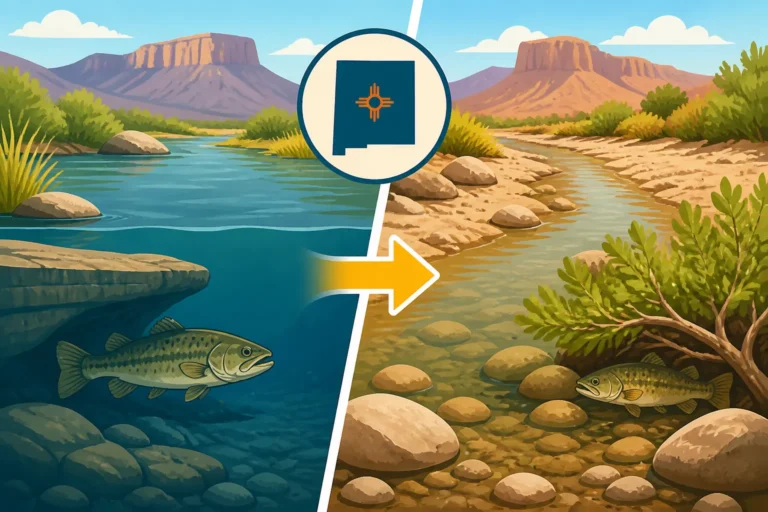
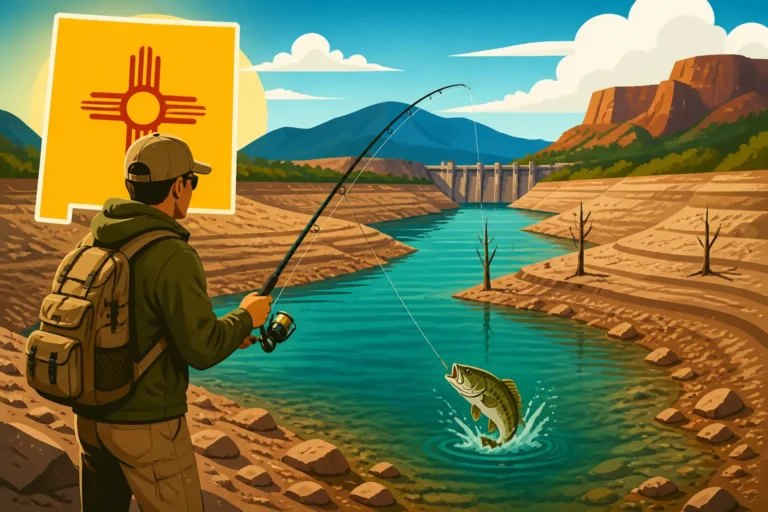
Conversely, low water levels, often seen in late summer or during prolonged drought periods, concentrate fish but can also stress them due to warmer temperatures and reduced oxygen. Navigating these conditions requires different tactics, often favoring early morning or late evening fishing when temperatures are cooler, or targeting deeper sections of water. Knowing the current water levels for major reservoirs like Elephant Butte Lake or Navajo Lake, and checking river flow before fishing the San Juan River, is absolutely non-negotiable for planning a successful trip. These conditions can change rapidly, so staying informed about local conditions is just as important as knowing the general season.
Spring Fishing in New Mexico: Awakening Waters
Spring in New Mexico is a season of transition, a time when the landscape shakes off winter's chill and fishing opportunities begin to burst forth. It's a period of anticipation, but also one that requires adaptability due to rapidly changing conditions.
Early Spring Opportunities March-April
As winter snows begin to recede from the lower elevations in March and April, the angling landscape truly comes alive. Many of New Mexico’s state-managed lakes and urban ponds receive their first trout stockings of the year, providing fantastic opportunities for eager anglers. These freshly stocked fish are often quite aggressive, making for some exciting early-season action, particularly for rainbow trout. Waters like Fenton Lake or Storrie Lake, near Las Vegas, NM, can be excellent choices during this period. For those looking to get their lines wet after a long winter, these well-managed waters are often the first to warm up and become productive.
Beyond stocked waters, early spring also signals the return of more active warm-water species in the larger reservoirs. Bass, crappie, and walleye, still in their pre-spawn patterns, begin to move into shallower coves and sun-warmed flats, staging for their reproductive cycles. This can be a fantastic time to target them before they scatter to deeper waters later in the summer. A little research into the New Mexico fishing season calendar can help pinpoint specific stocking dates or seasonal trends for various bodies of water. The key is to watch water temperatures closely; as they climb out of the 40s and into the 50s Fahrenheit, fish metabolism increases, leading to more consistent feeding.
Late Spring Runoff and Post-Runoff Strategies May-June
By late spring, typically May and early June, the full force of the mountain snowmelt kicks in, causing significant runoff in many of New Mexico's rivers. This can be a challenging time for river anglers, as high, swift, and often muddy waters make it difficult to locate fish and present lures effectively. Rivers like the Rio Chama and parts of the Pecos River can become unfishable for several weeks. It's during this period that many anglers shift their focus to tailwaters, like the legendary San Juan River Quality Waters below Navajo Dam, which maintain consistent flows and clear water year-round. These sections offer some of the most consistent trout fishing in the state, even when other rivers are blown out.
Once the runoff begins to subside and rivers drop and clear – usually by late June or early July – the post-runoff period can be incredibly productive. Fish that have been holding in deeper pockets or out of the main current become more active, feeding heavily on insects and forage washed down by the high water. This transition period is often overlooked but can offer some of the best fishing of the year in rivers that were previously inaccessible. It’s all about timing it right, and being prepared to switch tactics from fast-flowing water to more stable conditions as the river changes daily. Keep an eye on local reports and river gauges, as this window of opportunity can be fleeting but highly rewarding.
Targeting Key Species in Spring
Spring offers diverse opportunities depending on your target species. For trout enthusiasts, especially those targeting rainbows and browns, the urban ponds and lower-elevation lakes are a safe bet in early spring. These waters, often replenished with fresh stockings, provide consistent action for anglers using traditional baits like PowerBait, worms, or small spinners. As mentioned, the San Juan River remains a premier trout destination throughout spring, unaffected by runoff. Here, delicate nymphing techniques are often most effective, mimicking the abundant aquatic insect life. If you're looking for an excellent resource for fly selection, especially during this time, you can usually find specialized guides and gear on sites like Amazon, tailored to the San Juan.
For warm-water species, spring is prime pre-spawn and spawn time. Largemouth and smallmouth bass in lakes like Elephant Butte Lake and Navajo Lake become very active, moving shallow to feed and eventually build nests. Crankbaits, jerkbaits, and soft plastics fished near submerged structure or rocky points can be highly effective. Walleye also stage for their spawn in late spring, making them vulnerable to jigging or slow-trolling techniques in areas like Conchas Lake. Crappie fishing also heats up as they move into brush piles and shallow coves, often congregating in large numbers, providing fast action for anglers using small jigs or minnows. Spring truly offers something for every angler, but successful trips demand attention to local conditions and flexibility in your approach.
Summer Fishing in New Mexico: The Warm Water Window
New Mexico summers are synonymous with long, hot days, but for anglers, they present a unique set of opportunities, particularly for those willing to embrace early mornings, late evenings, or venture into higher elevations.
High-Country Retreats and Morning Bites July-August
When the valleys begin to bake under the summer sun, often reaching triple-digit temperatures, smart anglers turn their attention to New Mexico's cooler, higher-elevation waters. Lakes like Eagle Nest Lake, Heron Lake, and numerous small alpine lakes tucked away in the Pecos Wilderness or the Carson National Forest offer a refreshing escape. These waters maintain cooler temperatures, making them ideal for trout species like rainbows, brookies, and even kokanee salmon. Fly fishing and spin fishing with small spoons or spinners can be incredibly productive in these pristine settings. The cooler air and water not only make for a more pleasant fishing experience but also keep the fish active throughout the day.
Even in the larger, warmer reservoirs, the key to summer success often lies in timing your trips to coincide with the cooler parts of the day. Early mornings, right at first light, and late evenings, as the sun dips below the horizon, offer the best windows. During these times, bass, walleye, and striped bass move shallower to feed, becoming more accessible to anglers. The mid-day heat often pushes these fish into deeper, cooler water, requiring different tactics like deep-jigging or vertical presentations. This time of year really rewards the dedicated angler who understands fish behavior in response to temperature. It’s a great opportunity to explore the Best Places to Fish in New Mexico and find those hidden gems that offer cool relief and hot fishing action.
Monsoon Season Considerations
Late summer, typically from July through September, brings New Mexico's monsoon season. While these afternoon thunderstorms are vital for replenishing water supplies, they can drastically impact fishing conditions. Flash floods can turn clear mountain streams into muddy torrents in minutes, and heavy rains can make roads impassable. However, if you're prepared for the weather, the period before and after a monsoon storm can offer exceptional fishing. The dropping barometric pressure before a storm often triggers aggressive feeding, and the influx of fresh, cooler water and washed-in terrestrial insects immediately after can also stimulate activity.
The trick is to be flexible and safe. Always check the weather forecast before heading out, especially if you're planning to fish in canyons or arroyos that are prone to flash flooding. Rivers may blow out for a day or two after a significant storm, but many lakes and larger reservoirs can actually benefit from the cooler water and increased current. For example, some anglers report increased activity from crappie and catfish in reservoirs like Conchas Lake after a good rain. It’s a dance with Mother Nature, requiring careful observation and a willingness to adapt your plans on the fly. Don't let the threat of rain deter you entirely, but always prioritize safety when fishing during monsoon season in New Mexico.
Pursuing Warm Water Species
Summer is unequivocally the prime season for warm-water species in New Mexico. The sustained heat raises water temperatures to optimal levels for fish like largemouth and smallmouth bass, walleye, striped bass, catfish, and various panfish. These species are actively feeding and growing, offering abundant opportunities across the state's large reservoirs. Elephant Butte Lake, for instance, is renowned for its striped bass fishing, which heats up considerably in the summer months. Anglers can often find them chasing baitfish near points and ledges.
Similarly, walleye become more predictable in their deeper haunts during summer. Trolling with crankbaits or bottom-bouncers over main lake humps and ledges at Navajo Lake can be highly effective. Catfish, too, are incredibly active in the warmer waters of the Rio Grande and many reservoirs, often biting well into the night. For panfish like bluegill and crappie, summer offers consistent action, especially in brushy areas or around docks. A simple bobber and worm setup can keep kids entertained for hours. While the heat demands strategic timing and perhaps a hat and long sleeves for sun protection you might pick up from Amazon, the sheer abundance and activity of warm-water species make New Mexico summers a fantastic time to fish.
Fall Fishing in New Mexico: Vibrant Colors and Aggressive Bites
Fall in New Mexico is a spectacular time, not just for the changing leaves in the mountains but for the incredible fishing opportunities it presents. As temperatures cool, fish sense the approaching winter and often enter a pre-spawn or feeding frenzy phase, making them exceptionally active.
Pre-Winter Feeding Frenzy September-October
As September rolls around and the nights grow longer and cooler, water temperatures across New Mexico's lakes and rivers begin a steady decline. This drop in temperature triggers a metabolic shift in most fish species, prompting them to feed aggressively to build up fat reserves for the leaner winter months. For trout anglers, this means robust action in rivers that are now clear and accessible after the summer runoff. The New Mexico Trout Fishing Rules ensure sustainable practices during this busy period. Stream-dwelling brown trout, in particular, become highly territorial and aggressive as they prepare for their fall spawn, often hitting larger streamers and lures with gusto.
In the large reservoirs, both bass and walleye go on a serious bite. They move out of their deep summer haunts and often position themselves closer to structure or along main lake points, chasing baitfish that are also schooling up. This period can offer some of the best trophy opportunities of the year, as fish are at their heaviest and most active. Anglers employing techniques like deep cranking, jigging spoons, or even throwing large swimbaits can find incredible success. The crisp air and beautiful scenery only add to the enjoyment, making fall a favorite season for many New Mexico anglers.
Salmon Snagging Season
One of the most unique and anticipated fall fishing events in New Mexico is the kokanee salmon snagging season. Typically occurring in October at lakes like Navajo Lake and Heron Lake, this is a distinct opportunity to harvest these landlocked salmon as they complete their spawning run. Kokanee salmon, which turn a brilliant red color during this period, cease feeding as they focus solely on reproduction. Therefore, traditional angling methods are less effective, and the state allows "snagging" – using weighted treble hooks to intentionally hook the fish anywhere on its body – to help manage the population.
This season is incredibly popular and draws crowds, offering a fast-paced and exciting experience. It's a chance to fill your cooler with delicious salmon, which are excellent table fare. However, it's crucial to be aware of and adhere strictly to the New Mexico Salmon Snagging Season regulations, including specific dates, bag limits, and gear restrictions. While snagging can be a bit controversial among some anglers, it's a long-standing tradition in New Mexico and provides a memorable, high-volume fishing experience for many.
Prime Time for Trout and Bass
Fall truly is prime time for both trout and bass fishing across New Mexico. For trout, rivers like the San Juan River remain exceptional, with cooler temperatures leading to increased insect activity and active fish. Beyond the San Juan, smaller mountain streams that were too low or warm in summer now offer fantastic walk-wading opportunities for native trout species like the Rio Grande cutthroat. The vibrant fall foliage against the backdrop of clear, flowing water makes for a truly picturesque angling experience. You can find detailed strategies in guides focusing on Trout Fishing Techniques for New Mexico.
For bass anglers, fall offers a chance at some of the biggest fish of the year. Both largemouth and smallmouth bass in lakes such as Ute Lake, Abiquiu Lake, and Elephant Butte Lake are aggressively feeding, often forming large schools that push baitfish into concentrated areas. This creates fantastic topwater action in the mornings and evenings, and reaction baits like lipless crankbaits or spinnerbaits can be deadly. As water temperatures continue to drop, bass will eventually move deeper, but the early to mid-fall window provides some of the most exciting and productive bass fishing of the entire year. It’s a perfect time to explore different techniques from a Bass Fishing Techniques for New Mexico Lakes guide.
Winter Fishing in New Mexico: Ice and Coldwater Opportunities
Many anglers pack away their gear once the cold truly sets in, but New Mexico offers unique and often highly productive fishing opportunities throughout the winter months, especially for those who embrace the cold.
The Ice Fishing Season December-February
For hardy anglers, New Mexico’s high-elevation lakes transform into ice fishing paradises once temperatures consistently drop below freezing. Typically from December through February, lakes like Eagle Nest Lake, Heron Lake, and Bluewater Lake offer solid ice cover, opening up a whole new world of angling. Ice fishing provides a unique perspective, allowing access to parts of the lake that are often unreachable by boat or from shore during warmer months. The main target species include rainbow trout, kokanee salmon, and even tiger muskie in Bluewater Lake.
Safety is paramount when ice fishing. Always check ice thickness, typically needing at least 4 inches for foot travel and more for ATVs or vehicles. Using proper ice fishing gear, including an auger, tip-ups, and short ice rods, makes the experience much more enjoyable and effective. You can find robust ice fishing shelters and reliable augers on Amazon to make your experience more comfortable and productive. Fish activity under the ice can vary, but often small jigs tipped with bait or artificial plastics are incredibly effective. It's a tranquil yet exciting way to extend your fishing season well into the colder months. Detailed guidance on Ice Fishing in New Mexico is essential for a safe and successful trip.
Cold Tailwater Tactics
While many rivers freeze or become too cold to be productive in winter, New Mexico's world-famous tailwaters, particularly the San Juan River below Navajo Dam, continue to offer exceptional year-round fishing. These rivers are fed by deep reservoir water, which maintains a more stable and often warmer temperature than ambient air, preventing them from freezing solid and keeping fish active. The San Juan River Special Trout Water is a prime example, providing consistent nymphing and midge fishing opportunities even on the coldest days.
Winter fly fishing on these tailwaters often involves a more technical approach. Fish tend to congregate in deeper, slower pools and current seams, conserving energy. Small fly patterns, such as midge larvae, pupae, and tiny mayfly nymphs, are the go-to choices, presented on light tippet. Success often comes down to precise presentations and subtle strike detection. While the conditions can be chilly, the reward of hooking large, healthy trout in a serene, snow-covered landscape is an experience not soon forgotten. It’s a testament to New Mexico’s diverse fishing calendar that such world-class trout fishing is available even in the dead of winter.
Species That Thrive in Winter
While trout are the undisputed stars of winter fishing in New Mexico, other species can also provide action. As mentioned, ice fishing for kokanee salmon at lakes like Heron Lake offers a unique experience. For those targeting warm-water species, catfish can still be caught, albeit less frequently, in the deeper sections of reservoirs, especially during periods of milder weather. They might not be as active as in summer, but they can still be tempted with stink baits or cut bait fished slowly on the bottom.
Beyond conventional game fish, winter can also be a good time to target carp or pike in certain waters, as these species often remain more active in cold water than others. Some anglers even find success with walleye through the ice or by targeting deeper structure in reservoirs that don't fully freeze over. The key is to understand that fish metabolism slows down, so presentations need to be slower, and baits should be presented directly to where fish are holding. Don't be afraid to experiment with your retrieval speed and bait choices, and remember that even during winter, New Mexico offers compelling reasons to grab your rod and head out.
Best Times to Target Specific Fish Species
While general seasonal trends are helpful, many anglers focus on specific fish species. Knowing the optimal windows for your preferred catch can significantly boost your success rate.
Prime Windows for Trout
For many, trout are the quintessential New Mexico game fish, and thankfully, they offer opportunities almost year-round. However, certain periods stand out as truly prime.
Spring (March-May): Early spring, especially March and April, is fantastic for stocked rainbow trout in lakes and urban ponds. These fish are aggressive after winter and bite readily. As runoff subsides in May and June, river trout become more accessible and actively feed.
Fall (September-November): This is arguably the peak season for wild and holdover trout in New Mexico's rivers and streams. Cooler water temperatures invigorate brown trout and rainbows, leading to aggressive feeding before winter. Brown trout, in particular, are vibrant and active during their pre-spawn and spawning periods. High-country lakes are also excellent as trout feed heavily.
Winter (December-February): While challenging, winter offers unique opportunities. The San Juan River Quality Waters remains a world-class trout fishery throughout the winter, and ice fishing on high-country lakes like Eagle Nest and Heron offers a chance at trophy trout through the ice.
Summer (June-August): While lower-elevation rivers can become too warm or low, high-country streams and lakes remain excellent trout destinations. Fishing early mornings or late evenings is key in warmer waters.
When to Chase Bass and Walleye
These popular warm-water game fish have distinct seasonal patterns that savvy anglers learn to exploit.
Bass (Largemouth and Smallmouth):
Spring (April-May): This is hands down one of the best times for bass. They move shallow for their pre-spawn and spawning phases, becoming highly aggressive and visible. Look for them in coves and on rocky points in lakes like Elephant Butte Lake, Navajo Lake, and Ute Lake.
Fall (September-October): Another fantastic period. As water temperatures cool, bass go on a feeding frenzy, chasing baitfish to fatten up for winter. Reaction baits and topwaters can be very effective during this time.
Summer (June-August): Bass are active but often move deeper during the heat of the day. Early morning and late evening topwater bites are common, with deep-diving crankbaits or jigs working well during mid-day.
Walleye:
Spring (March-April): Walleye are famous for their early spring spawn. They stage in shallower rocky areas, often near river inflows, making them vulnerable to jigging with minnows or slow-trolling. Conchas Lake and Clayton Lake are prime walleye destinations.
Fall (September-October): Like bass, walleye feed heavily in the fall. They often school up on main lake humps and points, providing excellent opportunities for trolling with crankbaits or vertical jigging.
Summer (May-August): Walleye will be found deeper in the main lake basins, often suspended or near submerged structure. Trolling or deep jigging is usually the most effective method during the warmer months.
Catching Catfish and Panfish Year-Round
While not always the target of dedicated trips, catfish and panfish offer consistent action and are excellent choices for family outings or when other species are slow.
Catfish:
Catfish are remarkably resilient and can be caught almost year-round in New Mexico, though their peak activity is in the warmer months.
Summer (June-August): This is prime time for channel catfish and flathead catfish. They are incredibly active, especially at night, in most of New Mexico's warm-water reservoirs and rivers like the Rio Grande. Stink baits, cut bait, and live bait are effective.
Spring (April-May) and Fall (September-October): Catfish remain active and can be targeted, often providing steady action, especially on milder days. Their metabolism slows in cooler water, so presentations should be slower.
Winter (December-February): While slower, catfish can still be caught in deeper holes during milder winter periods, usually requiring patience and scent-heavy baits.
Panfish (Crappie, Bluegill, Sunfish):
Panfish are abundant and provide excellent action for anglers of all skill levels, often making them the easiest fish to catch in New Mexico for beginners.
Spring (April-May): This is a fantastic time for crappie, as they move into shallow brush piles and structure for their spawn. Bluegill and other sunfish also become highly active. Small jigs, minnows, or worms under a bobber work wonders.
Summer (June-August): Panfish remain active throughout the summer, though they may retreat to deeper brush piles or shaded areas during the hottest parts of the day. They're an excellent target for kids and offer consistent action.
Fall (September-October): Panfish continue to feed actively in the fall, often schooling up as water temperatures drop. They can be found in similar areas as in spring, just before they move to deeper winter holding spots.
Winter (December-February): Through the ice, panfish like crappie and bluegill can provide excellent action, biting on tiny jigs tipped with plastics or wax worms.
Factors Beyond the Calendar: Planning Your Trip for Success
While understanding seasonal patterns is crucial, a truly successful fishing trip in New Mexico depends on paying attention to dynamic, real-time factors that can change even the best-laid plans.
Checking Stocking Schedules and Water Reports
One of the most impactful pieces of information for many New Mexico anglers, especially those targeting trout, is the stocking schedule. The New Mexico Department of Game and Fish regularly stocks various lakes and rivers across the state, and knowing when and where these stockings occur can dramatically increase your chances of success. Freshly stocked trout are often eager to bite, making the days immediately following a stocking event exceptionally productive. You can usually find the most up-to-date schedules on the NMDGF website, and sometimes local tackle shops will also have the inside scoop.
Beyond stockings, staying informed about current water conditions is absolutely essential. River flows, reservoir levels, and water clarity can change quickly due to weather, snowmelt, or dam operations. For example, high flows on a river might mean a shift to fishing slower pockets or back eddies, while critically low water might concentrate fish in deeper pools but also stress them, requiring more careful handling for catch and release. Websites and apps like iFish New Mexico often provide real-time data for many popular fishing spots. Before heading out, taking a few minutes to check these reports can save you a lot of frustration and help you choose the best location and tactics for the day. Being aware of any New Mexico Lakes Closed for Drought in 2026 is also a crucial check.
Weather Forecasts and Barometric Pressure
Beyond just temperature and precipitation, understanding how weather fronts and barometric pressure affect fish behavior is a game-changer for serious anglers. Fish are highly sensitive to changes in atmospheric pressure. A falling barometer, often indicative of an approaching storm front, frequently triggers a feeding frenzy as fish sense the change and try to feed before conditions worsen. Conversely, a rapidly rising barometer after a storm or during a high-pressure system can make fish lethargic and less willing to bite.
Therefore, checking a detailed weather forecast that includes barometric pressure trends, available on most weather apps and marine forecasts, is a wise move before any fishing trip. Planning your outing to coincide with a stable or dropping barometer can significantly improve your odds. Even on days with "bad" weather like light rain or overcast skies, the fishing can be fantastic because of favorable pressure conditions. Packing appropriate gear, such as rainwear, a good hat, and polarized sunglasses, based on the forecast, will ensure comfort and readiness for whatever the New Mexico skies deliver. Remember, some of the best fishing often happens when the weather isn't picture-perfect for humans.
Avoiding Crowds and Finding Solitude
New Mexico's most popular fishing destinations, while often incredibly productive, can also draw significant crowds, especially on weekends and holidays. Locations like the San Juan River Quality Waters, Elephant Butte Lake, and urban fishing ponds can become quite busy. If you're looking for a more serene experience or simply want to maximize your fishing space, strategic planning is key.
Consider fishing during weekdays when possible, or targeting less popular sections of well-known waters. Exploring smaller, more remote streams or high-country lakes that require a hike can also provide incredible solitude and excellent fishing for wild trout. Even at popular lakes, launching a boat early in the morning or fishing into the evening can help you avoid the busiest times. By researching alternative spots or planning your trips during off-peak hours, you can enjoy the peace and quiet that so many of us cherish about fishing, while still finding plenty of fish. Making use of a comprehensive New Mexico Fishing Regulations Overview will also help you understand which areas might have specific rules impacting usage and crowds. You can even sometimes find fishing-specific maps on platforms like Amazon that highlight less-trafficked areas.
Disclaimer
The information provided in this guide is for general informational purposes only. Fishing regulations, conditions, and fish stocking schedules in New Mexico can change frequently. Always consult the latest New Mexico Department of Game and Fish regulations and local advisories before planning your trip. Anglers are responsible for understanding and complying with all current laws and regulations.