Weekday vs Weekend Fishing on the San Juan River
Planning a fishing trip to New Mexico's legendary San Juan River often involves dreaming of pristine waters and eager trout, but the reality of sharing those coveted waters with other anglers can be a stark awakening. Many folks wonder if hitting the San Juan on a weekday makes a huge difference compared to a weekend, and let me tell you, it absolutely can. This guide will walk you through the distinct experiences, challenges, and opportunities that weekday versus weekend fishing on the San Juan River presents, helping you make the most of your time on this world-renowned fishery.
The Unavoidable Truth: Crowds and Their Impact on the San Juan
Let's be honest, the San Juan River is famous for a reason – its incredible trout fishing, especially in the Quality Waters and Special Trout Water sections, draws anglers from all over the globe. With such a stellar reputation, it's natural that people flock to it. Understanding the dynamics of these crowds is the first step in planning a successful and enjoyable trip.
Weekday Experience: Serenity and Space
Imagine this: You pull into the parking lot near the Texas Hole, and there are only a handful of cars. You can easily find a spot to gear up, and as you walk down to the river, you see plenty of open water, maybe another angler or two in the distance, but nothing close enough to feel intrusive. This isn't just a fantasy; it's often the reality of a weekday morning on the San Juan. The peace and quiet are palpable, allowing you to truly immerse yourself in the experience. You can take your time wading, explore different runs, and really focus on your Nymph Fishing on the San Juan River techniques without feeling rushed or like you're "taking someone's spot."
On a Tuesday or Wednesday, you'll often find that the prime fishing locations, which might be shoulder-to-shoulder on a Saturday, have ample space. This means less competitive casting, more room for error (because, let's face it, we all make them!), and a much more relaxed vibe. It's the kind of fishing where you can hear the river murmuring and the birds chirping, rather than conversations from upstream or the splash of another angler's line landing too close for comfort. This reduced pressure also often means the fish are a little less wary, giving you a slight edge.
Weekend Reality: The Buzz of Activity
Now, shift that image to a Saturday or Sunday. That same parking lot? It's probably overflowing, with vehicles lining the road. You might have to walk a bit further just to get to an access point. As you approach the river, you'll likely see a mosaic of anglers spread out, particularly in popular areas like the Braids or below Simon Canyon. Weekends on the San Juan, especially during peak seasons like spring or fall, can feel more like a community event than a secluded fishing trip.
The "buzz" isn't necessarily a bad thing – there's a camaraderie among anglers, and it's fun to see so many people enjoying the sport. However, it definitely changes the dynamic of the fishing. You'll likely find yourself jockeying for position at popular runs, and you might need to adjust your casting angles to avoid tangling lines with your neighbors. Patience becomes an even more critical virtue, both with your fishing and with the crowds. If you're someone who thrives on solitude, a busy weekend can be a bit of a challenge. It's also worth noting that with more people, there's a higher chance of a miscast fly landing too close or someone wading directly through a promising hole, which can be frustrating if you're not prepared for it.
Fishing Pressure: What It Means for the Trout
It's not just about how many people you see; it's about how those people, and their collective presence, affect the very fish you're trying to catch. Trout in the San Juan River, especially the larger, more experienced ones, are incredibly intelligent and can become quite discerning under sustained fishing pressure.
Fish Behavior Changes Under Pressure
Think about it from a trout's perspective. On a weekday, they might see a dozen or so flies drift by their lie over the course of an hour, often presented by a variety of anglers. They might get hooked and released a few times, but there are also long stretches of quiet. Their guard might be down a little more. Come the weekend, however, that number can easily triple or quadruple in the same timeframe. The sheer volume of flies, indicators, and lines hitting the water, combined with the continuous wading and movement of anglers, puts the trout on high alert.
What does this mean for their behavior?
- Increased Wariness: Fish become much more selective. They'll scrutinize every drift, every fly pattern. A slight drag, an unnatural presentation, or a fly that's even a hair off in size or color, and they'll refuse it. This is particularly true for the larger, more sought-after fish.
- Movement to Deeper or More Covered Lies: Trout, seeking refuge from the constant activity, often move to deeper, faster, or more structured water where they feel safer. This means you might need to adjust your rigging to get flies down faster and into tighter spots.
- Spooking Easily: A heavy step, a shadow cast over the water, or a sudden splash can send an entire pod of fish scattering. On a busy weekend, with more anglers moving about, the chances of this happening increase significantly. This often leads to shorter "feeding windows" at specific spots before the fish are disturbed again.
This isn't to say you can't catch fish on a weekend; seasoned anglers do it all the time. But it requires a more finessed approach, a deeper understanding of How to Read Water on the San Juan River, and a willingness to be more patient and persistent.
Optimal Fishing Times During Peak Periods
Even on the busiest weekends, there are strategies to counter the pressure. One of the most effective is timing.
- Early Mornings: This is almost always your best bet. Most casual anglers don't hit the water right at sunrise. The first hour or two after dawn can offer a precious window of less crowded water and more active fish. The trout haven't been subjected to hours of pressure, and often, the hatches are stronger during this cool, quiet period.
- Late Evenings: As the sun begins to set and anglers start packing up for the day, the river gradually clears out. The last hour or two of daylight can be surprisingly productive, especially for larger trout that become more active as the light fades and the river quiets down.
- Mid-Day Lull: Sometimes, between 11 AM and 2 PM, there can be a slight dip in activity as some anglers break for lunch. While not as quiet as early morning or late evening, it can provide a brief reprieve. However, the fish might still be quite skittish from the morning's pressure.
Understanding these peak-period opportunities can dramatically improve your weekend experience, turning what could be a frustrating day into a memorable one.
Strategies for Success: Navigating the San Juan's Weekends
So, you're heading to the San Juan, and it happens to be a weekend. Don't despair! While it demands a different mindset, success is absolutely achievable. It just requires a bit more planning and strategic execution.
Timing Your Arrival and Departure
As mentioned, getting there early is paramount. If you're serious about avoiding the worst of the crowds and getting first crack at less-pressured fish, aim to be on the water before the sun hits the canyon walls. This might mean waking up before dawn, but the reward of having prime runs to yourself, even for a short while, is worth it. Consider bringing a headlamp (you can find plenty of good, waterproof options on Amazon) for rigging up in the dark.
Similarly, consider fishing later into the evening. While many anglers head home for dinner, those last golden hours can be magical. The light softens, the river quiets, and often, the biggest fish begin to move. If you're camping nearby, this is a fantastic way to extend your fishing day and escape the daytime hustle.
Finding Your Solitude: Exploring Less-Frequented Spots
The San Juan's Quality Waters are renowned, but they're also not the entire river.
- Walk Further: Many anglers stick close to the main parking areas and popular access points. A simple strategy to find more solitude, even on weekends, is to walk further upstream or downstream. Ten or fifteen minutes of hiking can often put you in water that sees significantly less pressure. Just be mindful of private property boundaries and respect designated fishing areas.
- Explore Different Sections: While the "Quality Waters" are the star, the sections immediately below the Special Trout Waters can also hold good fish, especially if you're willing to explore. These areas might not have the same density of trophy trout, but they offer more space and can be incredibly rewarding. Familiarize yourself with the New Mexico Fishing Regulations Overview to ensure you're compliant in any section you explore.
- Consider "Shoulder" Seasons: If your schedule allows, consider visiting during the less popular times of year. Late winter, early spring (before the major runoff), or late fall (after the leaves drop but before serious cold sets in) can offer fewer crowds, though weather and river conditions will need to be monitored closely.
Tactics for Pressured Fish
When fish are educated, your tactics need to evolve.
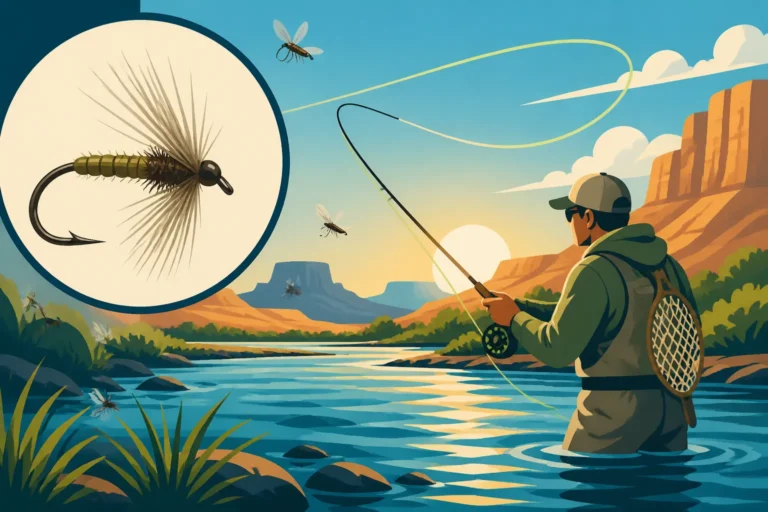
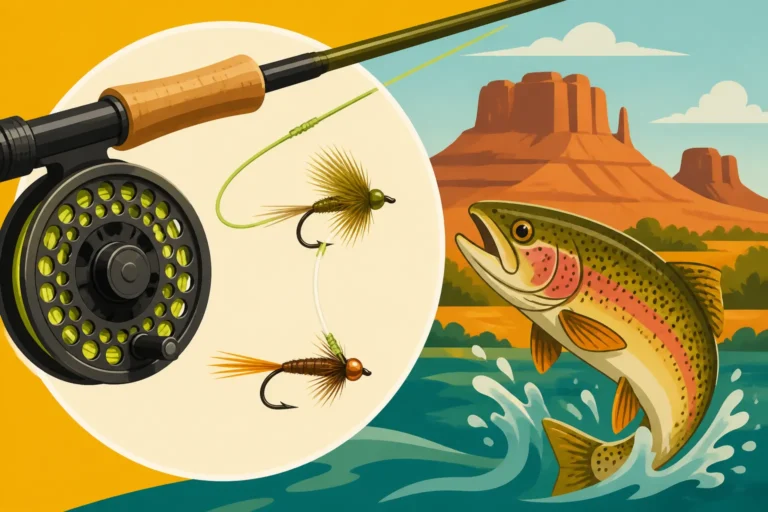
- Downsize Your Flies and Tippet: This is probably the most common advice for pressured trout, and for good reason. Smaller flies (like tiny midges or emergers) and finer tippet (5x, 6x, or even 7x) can make a huge difference. The San Juan is famous for its midge hatches, and carrying a good selection of small patterns is crucial. You can find comprehensive fly assortments for the San Juan on Amazon that cover various seasons and midge patterns.
- Perfect Your Presentation: Drag-free drifts are absolutely essential. Even the slightest hint of drag will send a wary San Juan trout scurrying. Pay meticulous attention to your mending and line management. Using a longer leader can help with this, allowing your flies to drift naturally through different current seams.
- Stealth is Key: Approach the water quietly, wade gently, and keep a low profile. Avoid heavy footfalls or casting shadows over the water. Polarized sunglasses (a must-have for any serious angler, easily available on Amazon) are critical for spotting fish and avoiding spooking them before you even cast.
- Change Up Your Approach: If a spot isn't producing, don't keep hammering it with the same fly. Change your depth, your indicator setup, or your fly pattern. Sometimes, just a slight variation in size or color is all it takes to trigger a bite from a selective trout. The San Juan's trout often see dozens of different fly patterns in a day, so presenting something slightly different can be effective.
Here's a quick comparison of common differences between weekday and weekend fishing on the San Juan:
| Feature | Weekday Fishing Experience | Weekend Fishing Experience |
|---|---|---|
| Crowd Levels | Low to moderate; plenty of open water, less competition | High; popular spots can be crowded, more competition for lies |
| Fish Pressure | Lower; fish may be less wary and more willing to bite | Higher; fish are often very selective and easily spooked |
| Solitude/Ambiance | Peaceful, quiet, immersive; sounds of nature dominate | Lively, bustling; more angler interaction, potential noise |
| Flexibility | Easy to move between spots, explore different sections | Less flexibility; popular spots may be occupied |
| Casting Space | Ample room for full casts and mends | Restricted casting, may need to adjust for nearby anglers |
| Travel/Lodging | Easier to find accommodation, less traffic on roads | Higher demand for lodging, more traffic, plan ahead |
| Overall Pace | Relaxed, leisurely; allows for deliberate fishing | Faster-paced, requires more patience and adaptation |
Beyond the Rod: The Overall Experience
Your San Juan River trip isn't just about what happens at the end of your line. The entire experience, from getting there to where you stay, can be heavily influenced by whether you visit on a weekday or a weekend.
Lodging and Local Amenities
During the week, accommodations in towns like Farmington, Aztec, or even closer to the river, often have more availability and potentially better rates. You might find it easier to book a room at your preferred lodge or motel without needing to reserve months in advance. Restaurants might be less crowded, and local shops might offer a more relaxed browsing experience. This can make the entire trip feel less stressful and more spontaneous.
On weekends, especially during peak seasons, everything from hotel rooms to campsites near the San Juan River Quality Waters can fill up fast. Booking well in advance becomes critical if you have specific preferences. Restaurants will be busier, and you might encounter lines. If you need to pick up last-minute gear or flies, the local fly shops will likely be bustling. Planning ahead for meals or bringing your own provisions can save you time and hassle.
Respecting Fellow Anglers and the Environment
Regardless of when you visit, a crucial part of fishing the San Juan is practicing good etiquette and environmental stewardship.
- Give Space: Always give other anglers plenty of room. A general rule of thumb is to give at least 50-100 feet of space, especially if they are actively fishing a run. Don't wade directly upstream or downstream of someone without permission, and never cut in front of another angler. On crowded weekends, this courtesy becomes even more important to maintain a positive atmosphere.
- Practice Catch and Release: The San Juan's reputation as a world-class trout fishery is built on its robust catch and release culture, especially in the Special Trout Water section, where New Mexico Trout Fishing Rules are often very specific about handling fish. Handle fish gently, keep them in the water as much as possible, and use a net with a rubber bag to minimize harm. These fish are a precious resource, and proper handling ensures they survive to fight another day. Review Catch and Release Best Practices in New Mexico before your trip.
- Pack It In, Pack It Out: Leave no trace. This means taking all your trash with you, including discarded fishing line and tippet. The beauty of the San Juan ecosystem depends on all of us doing our part.
- Be Aware of Regulations: Always know the current New Mexico Fishing Regulations Overview and any specific rules for the section you're fishing, such as Hook Requirement in San Juan River Special Trout Water. Regulations can change, so it’s wise to check the latest New Mexico Department of Game and Fish proclamation before heading out.
Ultimately, whether you choose a weekday or a weekend for your San Juan River adventure, understanding the differences in pressure and atmosphere will help you prepare. A weekday might offer tranquility and less wary fish, while a weekend demands more patience and strategic thinking. Both can provide an incredible experience on one of New Mexico's most cherished rivers.
Disclaimer
This article is for general informational purposes only and does not constitute professional advice. Laws, prices and regulations vary by location and change over time. Consult a qualified professional for guidance on your specific situation.