How to Fish During New Mexico’s Free Fishing Weekend
Many folks are curious about fishing, maybe they’ve wanted to try it out with their family, or simply revisit a childhood hobby, but the thought of navigating licensing requirements and upfront costs can feel like a real barrier. The good news is, New Mexico offers a fantastic opportunity to cast a line without that initial hurdle: the Free Fishing Weekend. This guide will walk you through exactly what this special weekend entails, how you can make the most of it, and what crucial rules still apply to ensure a fun, legal, and successful experience on the water.
Understanding New Mexico's Free Fishing Weekend
It’s easy to get excited about the idea of free fishing, and rightly so! It’s a wonderful initiative designed to encourage more people to experience the joy of angling. But like anything involving public resources and regulations, there are a few important details to understand so you can participate fully and legally.
The "No License Required" Myth vs. Reality
Let’s clear up a common misconception right away: "Free Fishing Weekend" means the state fishing license is waived. This is huge! Normally, almost everyone over a certain age needs to purchase a New Mexico Fishing License Guide to fish in public waters, and those costs can add up, especially for a family. During this special weekend, both residents and non-residents can fish state public waters without needing to buy that specific license. It's a fantastic entry point for beginners who don't want to invest in a license before they even know if they enjoy the sport, or for seasoned anglers who just want a relaxed weekend without worrying about renewals.
However, and this is critical, it doesn't mean all rules go out the window. Think of it less as a "free-for-all" and more as a "license holiday." All other regulations, such as bag limits, length limits, special gear restrictions for certain waters, and the requirement for a New Mexico Habitat Stamp and Validation Requirements, generally remain in effect. It’s absolutely essential to consult the official New Mexico Fishing Regulations Overview before heading out, as these rules are designed to protect our fisheries and ensure sustainable angling for everyone. For example, if you plan to fish on federal lands managed by the Forest Service or BLM, you will almost certainly still need to purchase a Habitat Stamp, even if your fishing license is waived for the weekend. This is a subtle but important distinction that many first-time anglers miss, and it can lead to an unexpected citation.
Who Can Participate and When
New Mexico typically designates two Free Fishing Weekends each year: one in early summer and another in the fall. These dates are specifically chosen to coincide with good fishing conditions and to offer opportunities during different seasons. The summer date often falls around the first weekend of June, making it perfect for families to get out as school lets out, while the fall date, usually in September, capitalizes on cooler weather and active fish. It’s always a good idea to check the official New Mexico Department of Game and Fish website for the exact dates each year, as they can shift. They'll publish a New Mexico Fishing Season Calendar that includes these important dates.
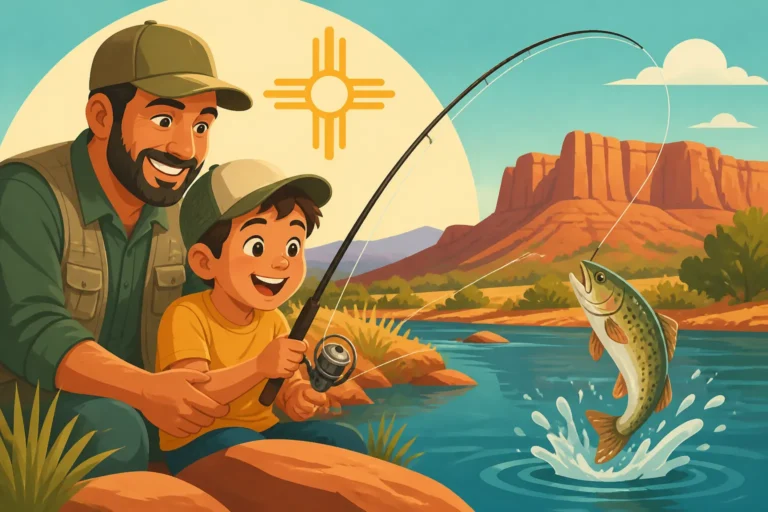
This weekend is truly for everyone! Whether you’re a long-time New Mexico resident who just hasn't gotten around to renewing your license, an out-of-state visitor vacationing in the Land of Enchantment, or a parent wanting to introduce your children to the joy of fishing, you're welcome to participate. Even kids, who generally have different Do Kids Need a Fishing License in New Mexico?, can enjoy the freedom alongside adults. It's an inclusive event designed to share New Mexico's beautiful waters and rich angling opportunities with as many people as possible.
Planning Your Free Fishing Weekend Adventure
Once you know the dates, the next step is planning your trip! A little preparation can go a long way in ensuring a memorable and successful free fishing weekend, especially if you're new to the sport.
Choosing Your Fishing Destination
New Mexico boasts an incredible diversity of fishing environments, from high mountain streams and alpine lakes to vast reservoirs and urban ponds. For a free fishing weekend, especially if you're a beginner or fishing with kids, accessibility and the likelihood of catching something are key. You want to choose a spot where you can have fun, not get frustrated.
Urban ponds, often found in cities like Albuquerque, Santa Fe, and Las Cruces, are fantastic options. These waters are frequently stocked with easy-to-catch species, primarily rainbow trout in cooler months and warm-water species like catfish and sunfish during warmer seasons. They usually have good bank access, picnic areas, and sometimes even ADA-compliant fishing piers, making them perfect for families or those with limited mobility. Check out local park and recreation websites for specific pond information.
If you're looking for a slightly more rugged experience, many of New Mexico's larger reservoirs offer great opportunities. Lakes like Elephant Butte Lake, Navajo Lake, and Conchas Lake hold a variety of species, from bass and walleye to stripers and catfish. While these can be more challenging for bank anglers, they often have designated fishing areas or state parks with good access. For those dreaming of trout, the Best New Mexico Lakes for Trout might include places like Eagle Nest Lake or Fenton Lake, though accessibility can vary. Consider what kind of experience you're after: a calm day by a pond, or a more adventurous outing to a larger body of water. For a good overview, consider looking at a guide to the Best Places to Fish in New Mexico.
Essential Gear for Beginners (and Where to Find It)
You don't need a boatload of expensive gear to have a great time fishing. For a beginner, a simple spinning rod and reel combo is perfect. Look for an ultralight or light action rod, about 5 to 6 feet long, paired with a small spinning reel spooled with 4-6 pound test monofilament line. This setup is versatile enough for most small to medium-sized fish you'll encounter.
Here’s a basic checklist of what you'll want to bring:
- Rod and Reel Combo: As mentioned, a simple spinning setup.
- Tackle Box Basics:
- Hooks: A variety of small to medium-sized hooks (sizes 6-10 for trout and panfish, larger for catfish).
- Sinkers: Split shot or small egg sinkers to get your bait down.
- Bobbers: Small bobbers are excellent for watching bites, especially with kids.
- Swivels: Small barrel swivels can help prevent line twist.
- Bait: For stocked trout, prepared baits like PowerBait or worms are incredibly effective. For catfish and panfish, worms, corn, or even hot dogs can work wonders. Check out Best Bait for New Mexico Trout.
- Pliers/Forceps: Essential for safely removing hooks.
- Small Cooler: To keep any fish you plan to harvest fresh, and to store snacks and drinks.
- Sun Protection: New Mexico sun is no joke! A wide-brimmed hat, polarized sunglasses (you can find a great selection on Amazon), and sunscreen are a must.
- Chair: A comfortable folding chair can make bank fishing much more enjoyable.
- Water: Stay hydrated!
- Small first-aid kit: For minor scrapes or hook pokes.
Many sporting goods stores and even large retailers like Walmart carry affordable beginner fishing kits that include a rod, reel, and basic tackle. You can also find a ton of beginner-friendly gear, from rod and reel combos to basic tackle kits, on Amazon, delivered right to your door. Remember, the goal is to have fun, so don't feel pressured to buy the most expensive equipment. A simple Best Rod Setup for New Mexico Trout Fishing, for example, will serve you well.
Best Fish to Target for Success
For a free fishing weekend, especially if you're introducing someone new to fishing, the goal is often quantity over trophy size. Catching something builds confidence and excitement!
- Rainbow Trout: These are hands-down the easiest target in many New Mexico waters, especially in urban ponds and lakes that are regularly stocked. They readily bite on PowerBait, corn, salmon eggs, or worms fished off the bottom or under a bobber. They put up a decent fight for their size and are excellent eating.
- Panfish (Bluegill, Sunfish, Crappie): These small, abundant fish are perfect for kids and beginners. They can be found in almost every lake and pond in New Mexico, often congregating near submerged structures, docks, or weed beds. They love tiny bits of worm, crickets, or small artificial jigs fished under a bobber. They bite frequently, providing constant action.
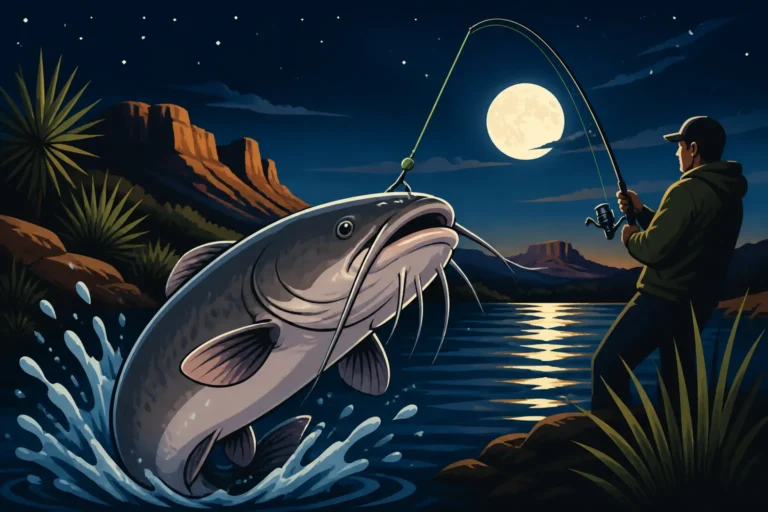
- Catfish: Channel catfish are another excellent option, especially during warmer months. They're strong fighters and delicious! They often cruise the bottom of lakes and rivers and are partial to stink baits, cut bait, or even hot dogs. Night fishing can be particularly effective for catfish.
Focusing on these more common and aggressive biters will significantly increase your chances of a successful and fun outing.
Key Regulations to Remember (Even Without a License)
As exciting as it is to fish without a license, it’s absolutely paramount to remember that the New Mexico Department of Game and Fish still has rules in place for a reason: conservation. Ignoring these rules can lead to fines and a less enjoyable experience for everyone.
Understanding Bag and Possession Limits
The waiver of the fishing license during Free Fishing Weekend does not exempt you from following bag and possession limits. These limits dictate how many fish of a certain species you can keep in a single day (bag limit) and how many you can have in your possession, including at home (possession limit). These numbers vary significantly by species and by specific water body.
For example, a common statewide bag limit for trout might be five fish, but some "Special Trout Water" areas might have a limit of zero (catch and release only) or only one large fish. Similarly, bass, walleye, and catfish all have their own specific limits. It's not uncommon for there to be a total five-fish limit for trout, but special rules for specific species within that, such as New Mexico Daily Trout Bag Limit.
If you’re planning to keep fish, count them carefully! Once you’ve reached your daily bag limit for a particular species, you must stop fishing for that species, even if you’re still enjoying yourself. These rules are in place to prevent overfishing and to ensure that there are plenty of fish for future generations. Always check the current year's fishing proclamation or the New Mexico Department of Game and Fish website for the most up-to-date and specific limits for the waters you plan to visit.
| Fish Species | Common Statewide Bag Limit | Common Habitat Types | Common Beginner Baits/Lures |
|---|---|---|---|
| Rainbow Trout | 5 (can vary by water) | Stocked lakes, urban ponds, cold rivers | PowerBait, worms, corn, small spinners |
| Channel Catfish | 25 (can vary by water) | Warm lakes, slow rivers, urban ponds | Stink baits, cut bait, hot dogs |
| Bluegill/Sunfish | No limit (can vary by water) | Lakes, ponds, slow rivers, near structure | Worms, crickets, small jigs |
| Largemouth Bass | 5 (can vary by water) | Warm lakes, reservoirs, ponds, heavy cover | Plastic worms, spinnerbaits |
| Smallmouth Bass | 5 (can vary by water) | Rocky lakes, clear rivers | Small crankbaits, jigs |
Note: Limits in this table are general and can vary significantly by specific body of water. ALWAYS check current regulations.
Special Water Restrictions and Gear Rules
Many waters in New Mexico, especially those managed for trophy trout or native species, have very specific regulations beyond just bag limits. These are often called "Special Trout Waters" or "Quality Waters." The most famous example is probably the San Juan River Special Trout Water Section below Navajo Dam, which has strict rules regarding artificial lures, fly-fishing-only sections, and often requires barbless hooks.
Other areas might have length limits (e.g., "all trout between 12-16 inches must be released"), artificial-lure-only rules, or even restrictions on using live bait. If you’re fishing in a sensitive area or one known for exceptional fishing, assume there are special rules and verify them. Penalties for violating these specific regulations can be stiff. It’s not enough to know that the license is waived; you need to understand the local rules of the specific fishing hole you choose. Always read any posted signs at boat ramps or access points, and carry a copy of the fishing regulations (available digitally or in print).
The Ever-Important Habitat Stamp
This is where many anglers, even experienced ones, can get confused during Free Fishing Weekend. While your fishing license is waived, the New Mexico Habitat Stamp Cost and Requirement, or the New Mexico Habitat Management and Access Validation Stamp, is often still required.
The Habitat Stamp is not a fishing license. Instead, it’s a separate validation that grants access to lands managed by the New Mexico Department of Game and Fish, Bureau of Land Management (BLM), and the U.S. Forest Service. Many of New Mexico’s best fishing spots, especially in the mountains or along rivers, are on these federal lands.
So, if you plan to fish a stream in the Carson National Forest, or access a lake via a BLM road, you will almost certainly need to purchase and carry a current Habitat Stamp, even on Free Fishing Weekend. There are some exemptions, such as for private land fishing or certain age groups, but for most adults, it's a necessary purchase if you're venturing beyond municipal parks or purely state-owned waters. The cost is generally quite modest, and it goes directly to funding crucial habitat improvement and access programs. Think of it as your entry ticket to some of New Mexico’s most beautiful and productive fishing grounds. Ensure you understand New Mexico Habitat Stamp Exemptions.
Tips for a Successful Free Fishing Weekend
Now that you're well-versed in the "what" and "where," let's talk about the "how" to make your free fishing weekend truly unforgettable. These tips will help you maximize your chances of catching fish and ensure a safe, enjoyable experience.
Maximizing Your Chances: Time and Technique
Timing can be everything in fishing. Generally, the best times to fish are during the early morning hours (right after sunrise) and late afternoon/early evening (the couple of hours before sunset). Fish are often more active and feeding during these cooler periods, especially in the warmer months when midday sun can make them sluggish. On a free fishing weekend, these are also the times when many waters, particularly popular ones, might be more crowded, so consider that in your planning. Even urban ponds can be teeming with activity in the early morning.
For beginners, simple techniques are usually the most effective.
- Bait Fishing: This is the easiest way to start. For trout and panfish, thread a worm, a piece of PowerBait, or corn onto a small hook, add a split shot a foot or so above the hook, and cast it out. You can let it sit on the bottom or use a bobber to suspend it at a desired depth. Watch that bobber like a hawk for any twitch or dip!
- Simple Lures: Small spinners (like Rooster Tails or Mepps) are incredibly effective for trout and can also attract bass. Simply cast them out and reel them in at a steady pace. The flash and vibration mimic small baitfish, enticing strikes. For bass, a simple plastic worm rigged weedless can be very productive around submerged cover.
Don't be afraid to try different spots along the bank. Fish often congregate in specific areas, like around submerged logs, rock piles, or weed beds. Move around every 15-20 minutes if you're not getting bites. Patience is key, but so is knowing when to change your location or bait.
Safety First on the Water
Even on a casual fishing trip, safety should always be a top priority.
- Life Jackets: If you’re fishing from a boat, kayak, or even a float tube, ensure everyone on board, especially children, is wearing a properly fitted personal flotation device (PFD). Even if not required by law for certain watercraft or ages, it’s always a good idea, as accidents can happen quickly.
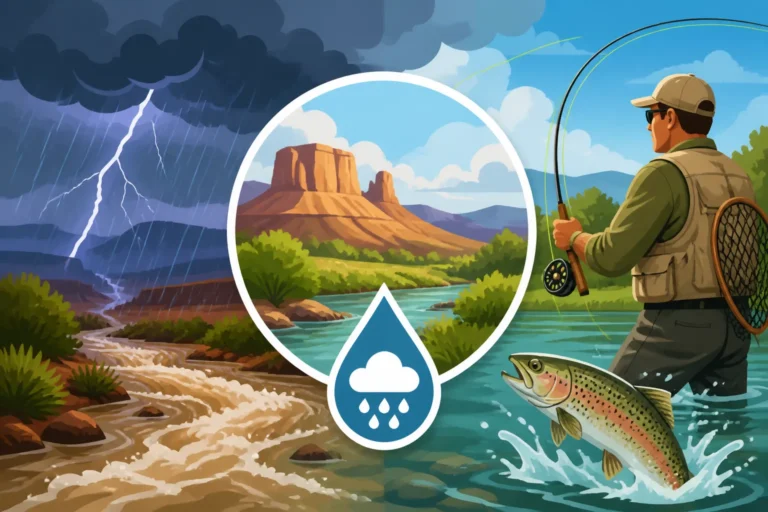
- Weather Awareness: New Mexico weather can change rapidly, especially in the mountains. Always check the forecast before you go, and be prepared for sudden thunderstorms, high winds, or temperature drops. Seek shelter immediately if lightning is in the area.
- Hydration and Sun Protection: We mentioned it before, but it bears repeating. High desert sun and altitude can lead to dehydration and sunburn much faster than you expect. Drink plenty of water and reapply sunscreen frequently.
- Know Your Limits: Don't wade into fast-moving water or areas you're unsure about. If you're fishing from a bank, be mindful of slippery rocks or steep drop-offs.
- Hook Safety: Hooks are sharp! Be careful when casting, handling fish, and removing hooks. Carry a small first-aid kit for minor injuries. When purchasing hooks, consider getting a set of basic fishing tools, including forceps or pliers for easy hook removal; you can usually find these together on Amazon.
Being a Responsible Angler
Even though it’s a "free" weekend, responsible angling practices are more important than ever. This is a chance to show that anglers care about the resource.
- Leave No Trace: Pack out everything you pack in, and then some. This includes all trash, fishing line, and discarded bait containers. Let's keep New Mexico's beautiful waters pristine.
- Respect Other Anglers: If a spot is crowded, try to give other anglers space. Avoid loud noises or casting over someone else’s line.
- Handle Fish Carefully: If you’re practicing Catch and Release Best Practices in New Mexico, learn how to properly handle fish to minimize stress and injury. Wet your hands before touching the fish, support its weight horizontally, and release it quickly. Barbless hooks also make release much easier.
- Know Your Fish: Be able to identify the species you're catching, especially if there are specific regulations (like size limits or protected species) for certain fish in that water body.
By following these tips, you'll not only have a more successful fishing trip but also contribute to the conservation and enjoyment of New Mexico's natural resources for everyone. The Free Fishing Weekend is a wonderful gift; let's treat it and our fish with respect.
Disclaimer
This article is for general informational purposes only and does not constitute professional advice. Laws, prices and regulations vary by location and change over time. Consult a qualified professional for guidance on your specific situation.