Best Way to Introduce a Kid to Fishing in New Mexico
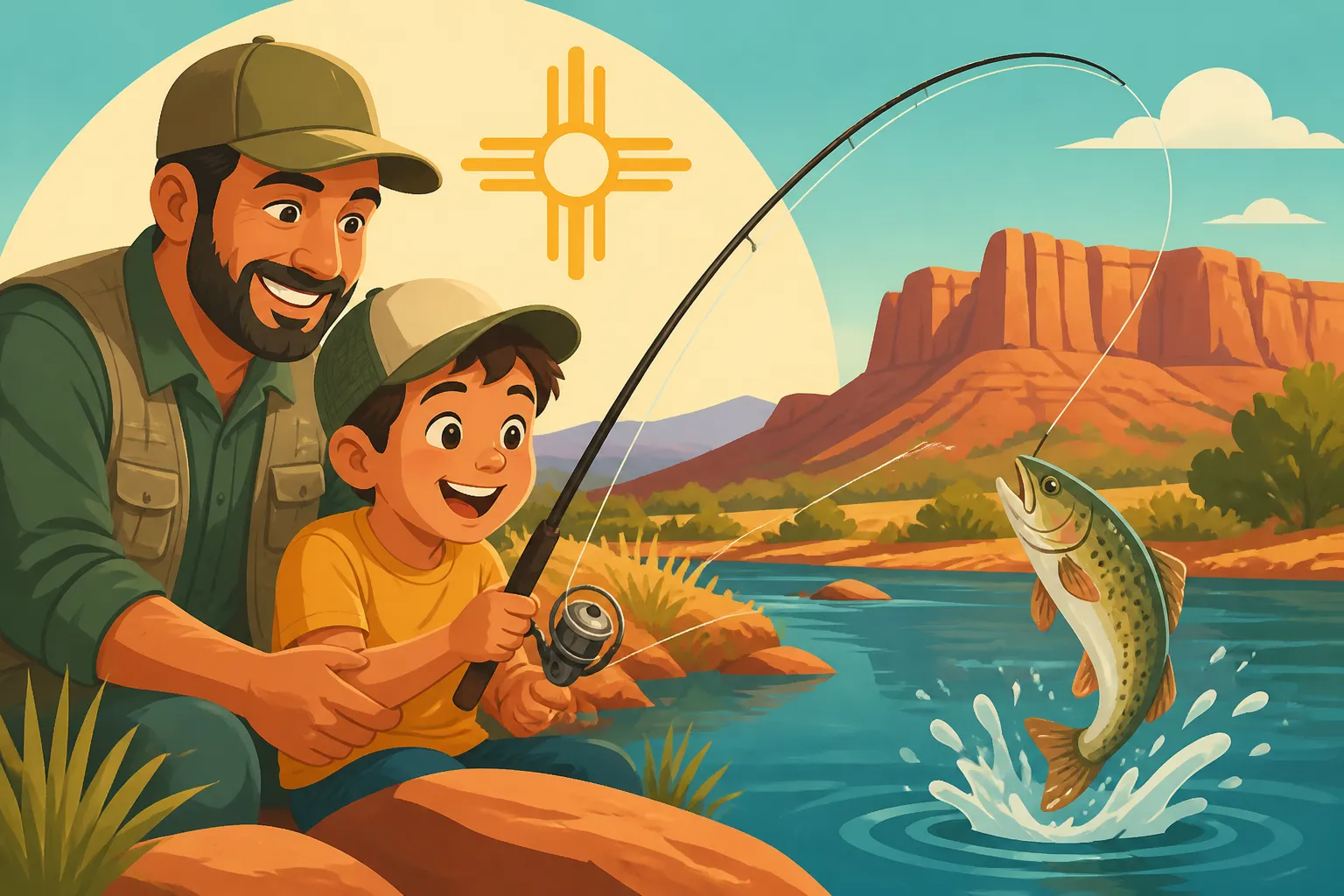
Bringing a kid fishing in New Mexico is one of the most rewarding experiences you can have, but let's be real, it can also feel like navigating a minefield of potential boredom and frustration if not approached correctly. Forget the pressure of landing a trophy; our goal here is to make sure your little angler has an absolute blast, sparking a lifelong love for the outdoors and the thrill of the catch, no matter how small. This guide will walk you through the simplest, most effective ways to introduce fishing to kids, focusing on fun, patience, and creating unforgettable memories in the Land of Enchantment.
Setting the Stage for Success: More Than Just Catching Fish
When you're bringing a youngster out to the water, whether it's their first time or their fifth, the actual act of catching a fish is often secondary to the overall experience. This can be a tough mindset shift for us seasoned anglers who are used to the thrill of the chase, but it's absolutely crucial for keeping kids engaged and happy.
Making it About the Experience, Not Just the Catch
Kids operate on a different timeline and have different expectations than adults. While we might be perfectly content to sit quietly, patiently waiting for a bite, a child's attention span is a much more fleeting thing. If the fish aren't biting immediately, or even after a little while, their enthusiasm can wane quickly. This isn't a failure on your part; it's just how kids are wired! The trick is to broaden the definition of "fishing success."
Think of the trip as an adventure in nature. Point out the birds flying overhead, the dragonflies zipping by, or the interesting rocks along the shore. Let them skip stones, draw in the dirt with a stick, or simply enjoy a snack in the fresh air. These seemingly small distractions are actually huge wins because they're building positive associations with being outdoors and near the water, even if no fish end up in the net. The goal is for them to remember the laughter, the sunshine, and the time spent with you, not just the fish count.
Choosing the Right Location and Time for Little Anglers
Location, location, location! This is perhaps one of the most critical factors in a successful kids' fishing trip in New Mexico. You need a spot that offers a high probability of action, even if it's just panfish, and is easily accessible with minimal hazards. Forget those remote, challenging spots that require a long hike or navigating tricky terrain; those are for later.
Look for places that are known for being regularly stocked with fish, like many of New Mexico's urban ponds or designated kid-friendly waters. These spots are designed for high success rates, which is a huge confidence booster for beginners. Think about places like the local city ponds or state park lakes where trout or catfish are frequently introduced. You'll find a great resource in our guide on Fishing Ponds Near Albuquerque for Kids if you're in that area, which highlights some fantastic, easy-to-access spots perfect for little ones. Early mornings or late evenings often offer the best bite and cooler temperatures, which can make a big difference in a child's comfort and patience level. Avoid the harsh midday sun and the slowest fishing periods.
Gear Up for Fun: Keeping it Simple and Kid-Friendly
Overcomplicating the gear is a surefire way to frustrate a child (and yourself!). For kids, simple, durable, and easy-to-use equipment is the name of the game. You're not outfitting them for a deep-sea expedition; you're equipping them for fun on the local pond.
The Essentials: Rods, Reels, and Line
For most kids, especially those under ten, a spincast rod and reel combo is the absolute best choice. These reels are incredibly forgiving and easy to operate. They typically have a button you press to cast, and a crank to reel in, eliminating the complex bail system of a spinning reel or the thumb control of a baitcaster. You can often find these combos at major retailers or even on sites like Amazon, ready to go right out of the box.
Look for a rod that's appropriate for their size – usually between 3 to 5 feet long. A shorter rod is much easier for them to handle and cast without accidentally hitting themselves or you. The line should be pre-spooled with a decent 6 to 8-pound test monofilament; anything lighter can lead to frustrating break-offs, and anything heavier might be too stiff for the small fish they'll likely be targeting. Our article on Best All-Around Combo for a First New Mexico Fishing Trip offers some excellent suggestions that won't break the bank and are perfect for beginners.
Bait, Hooks, and Bobbers: The Magic Ingredients
When it comes to bait, forget the fancy lures and complex presentations. Live bait, or simple prepared baits, are usually the most effective and exciting for kids. There's just something magical about wiggling a worm onto a hook! Worms (nightcrawlers or red wigglers), corn kernels, or even small pieces of hot dog are fantastic choices for attracting a variety of panfish and trout. For stocked trout, commercially available PowerBait or similar dough baits work wonders, and their vibrant colors can be very appealing to kids.
You'll want small, easy-to-handle hooks – typically size 8 or 10 Aberdeen or baitholder hooks are perfect. And a bobber? Absolutely essential! Watching that bobber dip, dance, and disappear under the water is often the most thrilling part of fishing for a child. It provides instant visual feedback that a fish is interested, keeping their attention much better than just feeling a subtle tug on the line. For a detailed rundown on how to set this up, check out our guide on How to Fish a Bobber and Worm Setup for Beginners.
| Bait Type | Pros | Cons | Best for Kids |
|---|---|---|---|
| Worms (Nightcrawlers/Red Wigglers) | Easy to find, universally appealing to many fish, fun for kids to handle | Can be messy, sometimes hard to keep on hook | Trout, Catfish, Bluegill, Perch |
| PowerBait/Dough Bait | Easy to mold, brightly colored, floats well, effective for stocked trout | Only works for certain species, can dry out | Stocked Trout, some Panfish |
| Corn Kernels | Clean, easy to bait, inexpensive, subtle scent | Small hooks needed, less enticing than worms | Trout, some Panfish |
| Hot Dog Pieces | Easy to cut, cheap, stays on hook well, strong scent | Can be greasy, not all fish like it | Catfish, Sunfish |
Beyond the Tackle Box: Comfort and Safety First
A successful fishing trip with kids isn't just about the fishing gear; it's about being prepared for everything else that comes with spending time outdoors in New Mexico. The sun here is no joke, so sunscreen, wide-brimmed hats, and lightweight, long-sleeved clothing are non-negotiable. Don't forget bug spray, especially if you're near standing water during warmer months.
Hydration and fuel are also critical. Pack plenty of water, juice boxes, and a variety of snacks. A hangry kid is a fast way to end a fishing trip prematurely! Bring comfortable shoes suitable for uneven terrain around the water's edge. And of course, safety is paramount. Even if you're bank fishing, having life jackets for all children (and adults, for good measure) readily available is a smart move, especially if they'll be near deeper water. Our post on Required Safety Gear on a New Mexico Boat offers great insights into general water safety that applies to bank fishing too. You can stock up on many of these essentials, from kid-sized hats to eco-friendly sunscreen, on sites like Amazon.
The Learning Curve: Gentle Guidance and Encouragement
Teaching a child to fish is a process, not a one-time event. Your role is less about being a drill sergeant and more about being a patient, enthusiastic coach. Celebrate the effort, not just the outcome.
Casting, Reeling, and Patience
Start by demonstrating the basics yourself. Show them how to hold the rod, press the button, and gently cast. Then, let them try, offering hands-on assistance. Expect tangled lines, casts that go nowhere near the water, and possibly even a lure in a nearby tree – it's all part of the learning experience! Keep your tone light and encouraging. "Oops! Good try! Let's try again this way," works far better than any criticism.
Once the line is in the water, explain the concept of waiting. This is where the snacks, nature observations, and stories come in handy. Remind them to keep an eye on the bobber and explain what it means when it jiggles or dives. Let them practice reeling in, even if there's no fish on the line. The muscle memory is important. Remember, the goal is to build confidence and positive associations with the act of fishing, so every small step forward is a victory. The key is to be present, engaged, and ready to re-tie knots or untangle lines with a smile.
Hooking, Handling, and Releasing (or Keeping)
When that exciting moment finally arrives and a fish is on the line, guide them through the process. Help them reel it in, explaining what to do step-by-step. For very small fish or fish you intend to release, demonstrate how to gently unhook it. Explain the importance of wet hands if they want to touch the fish to protect its slime coat, and how to hold it safely without squeezing too hard. Our guide on How to Keep Trout Cool and Alive for Catch and Release provides excellent tips that are easy to adapt for teaching kids.
If you plan to keep fish for dinner, involve them in that process too. Explain how the fish provides food, and show them how to properly care for the catch. This helps them understand the full cycle of fishing and develop respect for the resource. Whether it's catch and release or keeping fish for a meal, turn it into a teachable moment about stewardship and appreciation for nature.
Understanding Basic New Mexico Fishing Rules
While you don't need to overwhelm them with the entire New Mexico Fishing Regulations Overview, it's a good idea to introduce them to a few basic rules in a simplified way. The most important one for kids is often around licenses. Many children in New Mexico can fish without a license up to a certain age, but it's important to know the specifics for your situation. Our article Do Kids Need a Fishing License in New Mexico? breaks down these requirements clearly.
You can also briefly explain the concept of bag limits – why we can only keep a certain number of fish to ensure there are plenty for everyone in the future. Talk about practicing good sportsmanship, being quiet around the water, and respecting other anglers. These early lessons in ethics and conservation are invaluable for shaping responsible future anglers. Giving them a sense of these simple rules helps them understand they're part of a larger community that cares for our natural resources.
Making Memories: The Fun Stuff That Lasts
Ultimately, the best way to introduce a kid to fishing is to focus on creating positive, lasting memories that extend far beyond just the fish they might (or might not) catch. These are the moments that truly stick.
Beyond the Fishing: Exploring Nature
Remember how we talked about broadening the definition of success? This is where that really shines. Fishing offers an incredible opportunity to connect with nature on a deeper level. Encourage your child to notice the sights, sounds, and smells around them. What kind of birds are those? Can you hear the frogs croaking? What do the reeds feel like? Take a moment to watch a hawk soar or look for interesting footprints in the mud.
These little explorations break up the waiting periods and transform the trip into a comprehensive outdoor experience. It's not just about the rod and reel; it's about fostering a general curiosity and appreciation for the natural world. This holistic approach ensures that even on days when the fish aren't biting, the adventure still feels rich and rewarding. New Mexico's diverse landscapes, from high mountain lakes to desert rivers, offer endless opportunities for such discoveries, no matter where you cast your line.
Celebrating Successes, Big and Small
Whether your child reels in a tiny sunfish, successfully casts for the first time without getting tangled, or simply sits patiently for an extended period, celebrate every victory. High-fives, enthusiastic praise, and even a silly dance can go a long way in boosting their confidence and making them feel proud. Take photos – lots of them! A picture with their first fish, or even just a picture of them holding their rod with a big smile, becomes a cherished memory.
Share stories about your own fishing adventures, especially the funny mishaps or the days you didn't catch anything but still had a great time. These anecdotes teach resilience and reinforce that fishing is about more than just the harvest. The excitement and joy you show, regardless of the outcome, are contagious and will shape their perception of fishing as a positive, fun activity. Don't underestimate the power of simply sharing a beautiful sunset over the water or enjoying a picnic lunch together by the bank.
The "Future Angler" Mindset
By making the experience enjoyable, comfortable, and low-pressure, you're not just teaching a kid to fish; you're cultivating a "future angler" mindset. You're instilling a love for the outdoors, a respect for wildlife, and an understanding of patience and perseverance. These are life lessons that extend far beyond the water's edge.
Encourage them to tell their friends about their fishing adventures, and let them help plan the next trip. Maybe they want to research different fish species or pick out a new bobber on Amazon. Consider revisiting some of the beautiful spots mentioned in our guide on Best Lakes for Family Fishing Trips in New Mexico to build on those positive experiences. Remember to tailor trips to their age and attention span, and always be flexible. If they're done after 30 minutes, that's okay! The goal is to leave them wanting more, eager for the next opportunity to explore the waters of New Mexico with you. Consistent positive experiences will ensure fishing becomes a cherished hobby for years to come. For more planning help, check out our Seasonal Checklist for Planning a New Mexico Fishing Trip to make sure you're ready for any season.
Disclaimer
This article is for general informational purposes only and does not constitute professional advice. Laws, prices and regulations vary by location and change over time. Consult a qualified professional for guidance on your specific situation.