What Gear Beginners Need to Start Fishing in New Mexico
Stepping into the world of fishing in New Mexico can feel a bit like learning a new language – exciting, but where do you even begin with all the specialized gear? Many aspiring anglers feel overwhelmed by the sheer volume of rods, reels, lures, and gadgets on the market, wondering what's truly necessary to simply get a line in the water without breaking the bank. This guide is here to cut through the confusion and provide a clear, empathetic roadmap to the essential gear beginners need to confidently start their New Mexico fishing adventures, ensuring you're prepared for the unique challenges and opportunities our beautiful state offers.
Getting Started: The Absolute Essentials for New Mexico Fishing
When you're just dipping your toes into fishing, the most crucial thing is to have a functional and forgiving setup. You don't need the most expensive, high-tech equipment; you need reliable basics that will help you learn the ropes without added frustration. Think of it as your foundation.
Choosing Your First Rod and Reel Combo
For a beginner, a spinning rod and reel combo is almost always the way to go. These setups are versatile, easy to use, and incredibly forgiving, making them perfect for learning casting techniques and handling a variety of fish species you'll encounter in New Mexico's diverse waters.
- Rod Action and Power: Don't get bogged down in technical jargon just yet, but understanding a few basics helps. For New Mexico, a medium-light or medium power rod, typically between 6 to 7 feet in length, is a fantastic starting point.
- Medium-Light Power is excellent for lighter lines and smaller fish like stocked trout or panfish. It offers good sensitivity, so you can feel those subtle nibbles. This is a great choice if you plan to hit many of the urban ponds or smaller streams.
- Medium Power gives you a bit more backbone, which is helpful if you hook into a slightly larger bass or catfish, or if you're casting heavier lures. It's a good all-around choice for lakes like Cochiti Lake or some of the larger ponds.
- The length of 6-7 feet provides a good balance between casting distance and maneuverability, especially if you're fishing from the bank or in areas with some overhead cover.
- Reel Size: Most combo kits will pair an appropriate reel with the rod. For the rod sizes mentioned above, a spinning reel in the 2000 to 3000 series (sometimes labeled as 20 or 30) is ideal. These reels hold enough line for typical freshwater fishing and are comfortable to handle. The retrieve is smooth, and they are usually robust enough to handle the occasional snag or a spirited fight from a fish.
- Why a Combo? Combos are pre-matched, meaning the rod and reel are designed to work together optimally. They're also often more cost-effective than buying components separately, which is a huge plus when you're just starting out and don't want to invest too much before you're sure fishing is for you. You can often find decent beginner combos for a very reasonable price, sometimes even bundled with a bit of starter tackle, which you can easily purchase from a major retailer or an online store like Amazon.
Spooling Up: Selecting Your First Fishing Line
With your rod and reel in hand, the next step is getting line on your reel. For beginners, monofilament (mono) line is king.
- Monofilament Line: This is a single-strand nylon line that is very easy to work with. It's relatively inexpensive, easy to tie knots with, and has a good amount of stretch, which acts as a shock absorber when a fish strikes or makes a sudden run. This stretch is forgiving for new anglers who might not have perfectly tuned drag settings yet.
- Line Strength: For general freshwater fishing in New Mexico, a 6 to 10-pound test monofilament line is a great starting point.
- 6-pound test is suitable for smaller fish like panfish (bluegill, crappie) and trout in clear waters where finesse is key, such as some of New Mexico's smaller streams or urban ponds.
- 8 to 10-pound test provides a bit more strength for battling larger fish like bass or catfish and gives you more confidence when casting near submerged snags. This is a good all-around choice for many New Mexico lakes and rivers, including the Rio Grande.
- Line Color: Clear or low-visibility green are good choices for monofilament as they blend well in most water conditions. Don't worry about fancy colors yet; focus on functionality.
- Beyond Mono (for later): While braided line offers incredible strength and sensitivity, it can be tricky for beginners due to its slickness and tendency to create wind knots if not spooled correctly. Fluorocarbon line is nearly invisible underwater, but it's less forgiving for knot tying and has less stretch than mono. Stick with mono for now; you can always add a fluorocarbon leader later if you want to experiment with more advanced techniques, especially if you start targeting wary trout.
Beyond the Basics: Terminal Tackle and Essential Accessories
Once you have your rod, reel, and line, you'll need the things that actually interact with the fish – your hooks, weights, and bait. This is often called "terminal tackle."
The Small but Mighty Essentials: Hooks, Weights, and Bobbers
These humble items are what connect you to the fish. A small assortment is all you need to start.
- Hooks: Hooks come in various shapes and sizes. For beginners in New Mexico, you'll mostly be using basic J-hooks or circle hooks.
- J-hooks: These are the traditional hooks you probably picture. They work well with most baits. A good range for beginners would be sizes #8, #10, and #12 for smaller fish like trout and panfish, and #4 or #2 for larger bass or catfish. Remember, hook sizing can be counter-intuitive: a #12 hook is smaller than a #8 hook, which is smaller than a #1 hook, which is smaller than a 1/0 hook (pronounced "one-aught").
- Circle Hooks: These are fantastic for bait fishing, especially for species like catfish, as they are designed to hook the fish in the corner of the mouth, making for easier, safer releases and less chance of gut-hooking. Sizes from #6 up to 2/0 are good for various warm-water species.
- Weights (Sinkers): These help you cast further and get your bait down to where the fish are.
- Split-Shot Weights: These are small, round weights that you crimp directly onto your line. They're perfect for adding a little bit of weight to a bobber setup or keeping a worm near the bottom in a gentle current. A small variety pack with different sizes is ideal.
- Egg Sinkers or Worm Weights: These slide freely on your line, allowing a fish to take the bait without feeling immediate resistance. They're great for bottom fishing for catfish or bass. A few in weights like 1/8 oz to 1/2 oz will cover most scenarios.
- Bobbers (Floats): These are visual indicators that tell you when a fish is biting and help suspend your bait at a desired depth.
- Clip-On Bobbers: The classic red-and-white plastic bobbers are simple to use and perfect for beginners. They attach directly to your line with a spring clip.
- Slip Bobbers: As you gain experience, you might explore slip bobbers, which slide freely on your line between a bobber stop and a weight, allowing you to fish much deeper water more easily. For now, the clip-on variety is perfectly fine.
What to Put on the Hook: Beginner Bait and Lures
This is where the fun really begins! New Mexico offers a variety of fish, and thankfully, many common species are not too picky, especially for beginners.
- Live Bait:
- Worms (Nightcrawlers): The undisputed champion of beginner baits. Almost every freshwater fish will eat a worm. They're easy to get, keep, and put on a hook. You can buy them at virtually any bait shop, including many New Mexico Fishing License Vendors or even larger grocery stores.
- Minnows: While effective for larger game fish, using live minnows often comes with specific regulations depending on the body of water. Always check the current New Mexico Fishing Regulations Overview before using live minnows.
- Artificial Baits & Lures:
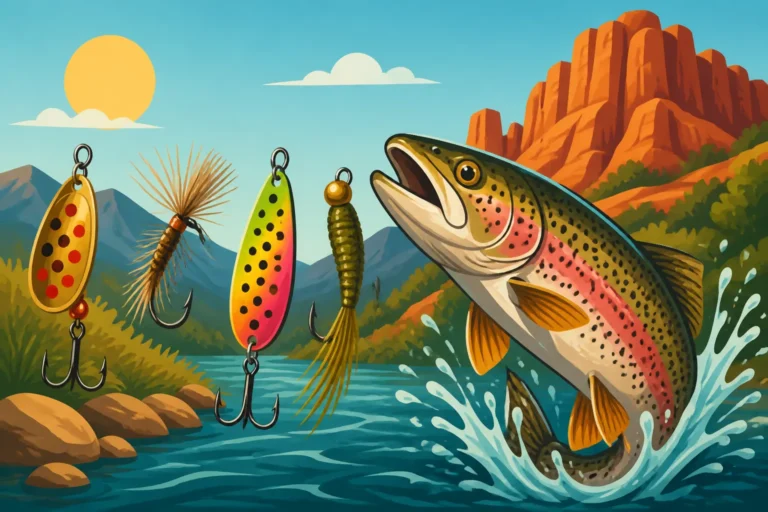
- PowerBait (for Trout): If you're targeting stocked rainbow trout, especially in New Mexico's urban ponds or popular trout lakes, PowerBait is incredibly effective. It comes in various colors and forms (dough, nuggets). Experiment with different colors to see what's working on a given day. Best Bait for New Mexico Trout often includes this popular choice.
- Small Spinners: These are simple, flashy lures that spin in the water, attracting fish. Brands like Mepps, Panther Martin, or Rooster Tail in sizes #0, #1, or #2 are deadly for trout and even panfish. They're easy to cast and retrieve, making them perfect for beginners learning Trout Fishing Techniques for New Mexico.
- Small Spoons: Another classic lure, spoons wobble and flash, mimicking a wounded baitfish. A few small, brightly colored spoons (e.g., gold, silver, copper) can be very effective for trout.
- Soft Plastics (Grubs, Worms): Very small grub-like or worm-shaped soft plastic lures can be incredibly effective for panfish and smaller bass when rigged on a small jig head. They come in countless colors and are surprisingly versatile.
Essential Accessories for a Smooth Trip
Beyond what goes on your line, a few other items will make your fishing experience much more enjoyable and successful.
- Pliers or Forceps: Absolutely indispensable. You need them to remove hooks from fish, cut line, and even help untangle knots. Look for a pair with a good grip and a built-in line cutter. This is a critical safety item to avoid getting hooked yourself.
- Small Tackle Box or Bag: You'll accumulate a few hooks, weights, and lures quickly. A small, organized tackle box or a compact fishing bag will keep everything tidy and easily accessible. You can find many practical options for organizing your tackle on Amazon, from small plastic boxes to soft-sided bags.
- Small Scissors or Line Clippers: While pliers often have a cutter, dedicated line clippers make clean cuts, which are important for strong knots.
- Measuring Tape and/or Small Scale: If you plan on keeping fish (always check New Mexico Fishing Regulations Overview for limits!), a small tape measure is crucial for ensuring your catch meets legal size requirements. A small digital scale can be fun for weighing your catches before release or for bragging rights.
- Landing Net: A small, lightweight landing net is a game-changer. It helps you safely land fish, especially larger ones, reducing stress on the fish and preventing you from having to handle a potentially feisty fish by hand. Rubberized nets are preferred as they are gentler on a fish's slime coat and reduce tangles.
Comfort and Safety: Dressing for New Mexico's Diverse Outdoors
Fishing isn't just about the gear that catches fish; it's also about being comfortable and safe while you're out there. New Mexico's weather can be notoriously unpredictable, from scorching sun to sudden thunderstorms and chilly mountain mornings, sometimes all in the same day!
Layer Up: Clothing for Changing Conditions
The key to dressing for New Mexico fishing is layering.
- Base Layer: Start with moisture-wicking clothing, especially if you plan to be active or if it's warm. Cotton holds sweat and can make you cold if temperatures drop.
- Mid-Layer: A light fleece or long-sleeved shirt provides insulation. This is your main adaptability layer for cool mornings or evenings.
- Outer Layer: A lightweight, waterproof, and windproof jacket is a must. New Mexico is famous for its monsoon season, and sudden downpours can catch you off guard. Even on clear days, high mountain lakes can experience unexpected winds or cold snaps.
- Sun Protection: New Mexico's high altitude means intense UV exposure.
- Hat: A wide-brimmed hat or a baseball cap with a neck gaiter will protect your face, ears, and neck.
- Sunglasses: Polarized sunglasses are not just for style; they significantly reduce glare off the water, allowing you to see submerged structure and even fish, making a huge difference in your fishing success and eye comfort.
- Sunscreen: Apply generously and often, especially to exposed skin.
Footwear for Varied Terrain
Your feet will thank you for choosing the right shoes.
- Comfortable, Closed-Toe Shoes: For bank fishing on most lakes and ponds, sturdy sneakers or hiking shoes are generally fine. They should be comfortable for walking and provide good grip on potentially uneven or muddy terrain.
- Waterproof Boots or Wading Boots: If you anticipate getting your feet wet – which is common when fishing rivers like the Rio Grande or standing near the water's edge – waterproof hiking boots or even dedicated wading boots (if you plan to step into the stream) are a good investment. Wading boots are often worn with neoprene socks or waders, offering superior grip on slippery rocks.
- Consider Water Shoes: For very warm days around shallow, sandy areas like some parts of Elephant Butte Lake, sturdy water shoes can be an option, but always be mindful of sharp objects or unseen obstacles.
Staying Healthy: Hydration and First Aid
Don't underestimate the physical demands of fishing, especially in the high desert environment.
- Water Bottle/Hydration Pack: Always carry more water than you think you'll need. Dehydration can sneak up on you, even on cooler days.
- Snacks: Fishing takes patience, and that often means hours outdoors. Pack some easy-to-eat snacks like trail mix, granola bars, or fruit to keep your energy levels up.
- Basic First Aid Kit: A small kit with band-aids, antiseptic wipes, pain relievers, and moleskin for blisters is a smart addition. Hooks can get tangled or snagged, so having some basic wound care on hand is a good idea.
Where to Find Your Beginner Fishing Gear and Starting Smart
You've got a clearer picture of what you need; now, where do you actually go to get it? You have several excellent options, each with its own advantages.
Local Bait & Tackle Shops: Your New Best Friend
These small, independent shops are golden for new anglers.
- Local Knowledge: The folks who run these shops live and breathe fishing in their area. They can tell you exactly what lures are working, where the fish are biting, and what specific baits are legal and effective for the local waters. For instance, if you're hitting up a particular spot like the San Juan River Fishing Guide area, they'll know precisely what fly patterns are currently successful.
- Personalized Recommendations: Unlike large retailers, they can offer tailored advice based on your specific plans and target species, helping you choose the right Best Rod Setup for New Mexico Trout Fishing or the most effective PowerBait color for a particular lake.
- Support Local: Shopping local helps support the fishing community and ensures these invaluable resources remain available. They often have unique items you won't find anywhere else.
Large Retailers and Online Stores: Convenience and Selection
For broad selection and competitive pricing, bigger stores and online platforms are hard to beat.
- Sporting Goods Stores: Chains like Cabela's, Bass Pro Shops, or even the sporting goods section of stores like [Walmart] often have a wide array of beginner-friendly fishing gear. You can usually find a good selection of rod and reel combos, basic tackle, and clothing. These stores are excellent for getting your core items.
- Online Retailers (e.g., Amazon): Websites like Amazon offer unparalleled selection and the convenience of shopping from home. You can often read reviews from other beginners, compare prices, and have gear delivered directly to your door. This is a great way to stock up on generic items like split-shot weights, various hooks, or a basic tackle box after you've gotten some advice on what to look for.
Start Small and Expand Your Arsenal
The most important piece of advice for a beginner is this: you don't need everything at once.
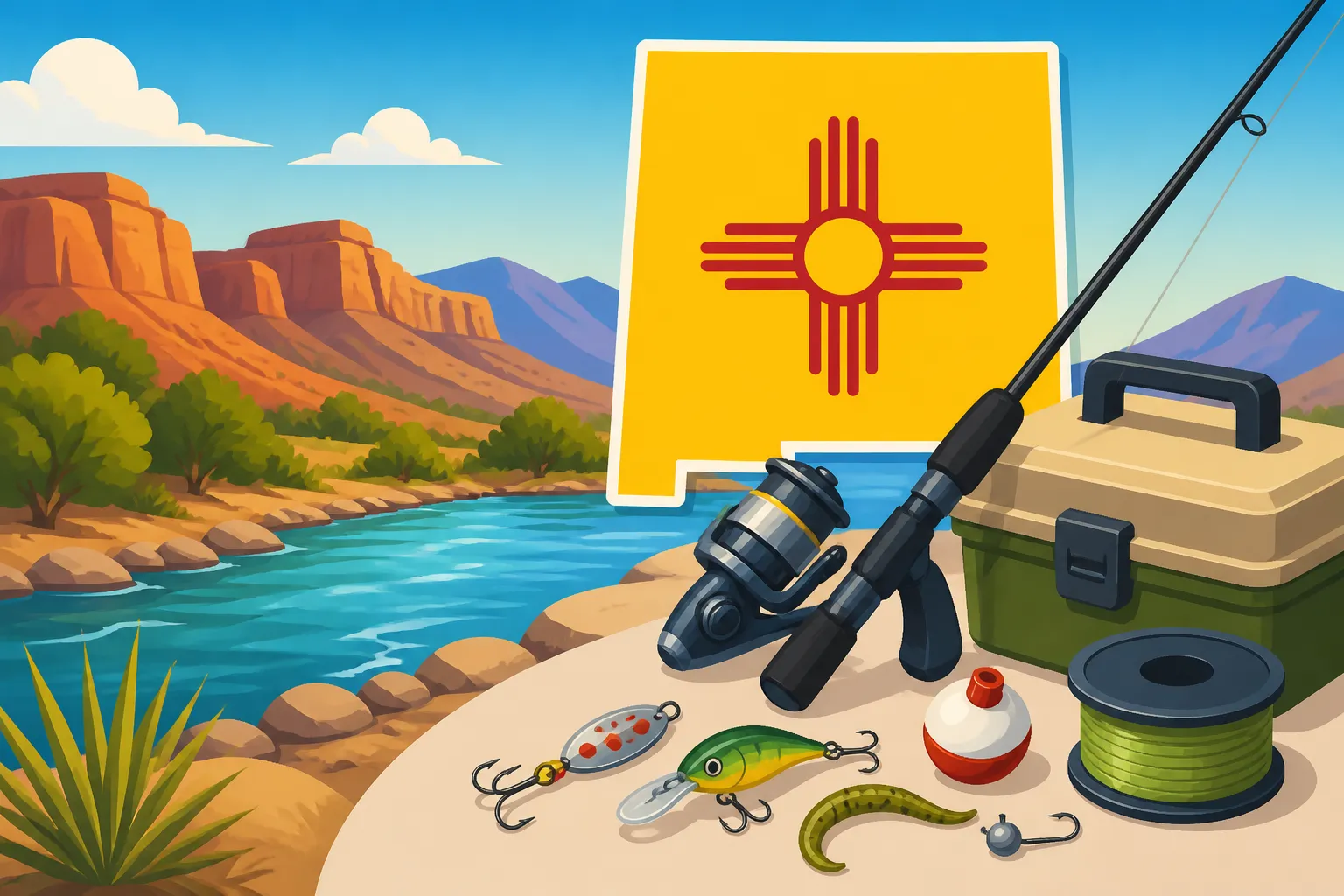
- Focus on a Versatile Kit: Start with that basic rod/reel combo, some 8-pound mono, a few different hooks, a handful of split-shot weights, a couple of bobbers, a small pack of worms or PowerBait, and a pair of pliers. This minimal setup will allow you to fish many waters in New Mexico for a variety of common species.
- Add as You Go: As you gain experience, you'll naturally discover what types of fishing you enjoy most and what gear will enhance those experiences. Maybe you'll find a passion for bass fishing and want specialized lures, or you'll get hooked on fly fishing and invest in a new setup entirely.
- Budgeting: Fishing can be an expensive hobby, but it doesn't have to be, especially at the start. Consider what kind of investment you're comfortable with. Remember, the New Mexico Fishing License Costs Explained will be your first actual fishing expense, so factor that in! Many entry-level setups are very affordable, allowing you to test the waters without a huge financial commitment.
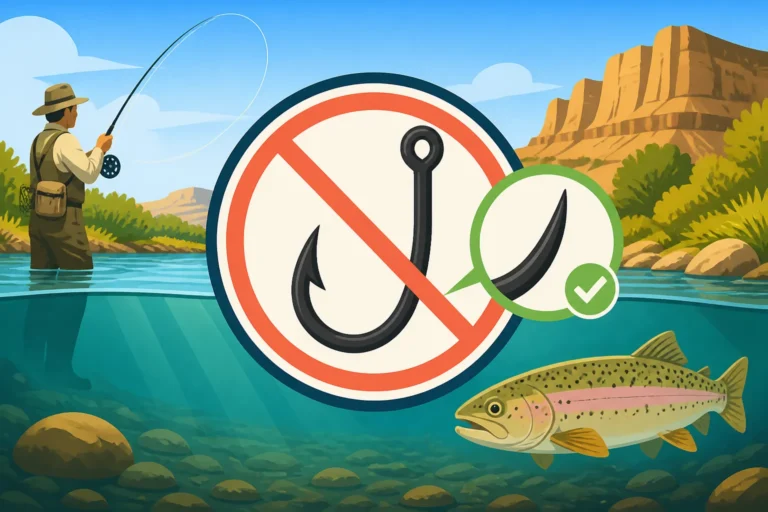
- Understanding Regulations and Licenses: Before you even buy your first hook, make sure you understand the basics of getting your New Mexico Fishing License Guide. This is non-negotiable, and fishing without one can lead to fines and legal trouble, which is certainly not how you want to start your new hobby. Also, be aware that certain waters have specific gear restrictions, such as New Mexico Trout Fishing Rules on some quality waters requiring artificial lures and barbless hooks. Always consult the official regulations.
Here’s a quick checklist to help you visualize your beginner setup:
| Category | Essential Items | Recommended Specifications for Beginners |
|---|---|---|
| Rod & Reel | Spinning Rod & Reel Combo | 6-7 ft, Medium-Light to Medium Power, 2000-3000 size |
| Line | Monofilament Fishing Line | 6-10 lb test, Clear or Low-Visibility Green |
| Terminal Tackle | Assorted Hooks | J-hooks (#12 to #2), Circle hooks (#6 to 2/0) |
| Assorted Weights | Split-shot (small to medium), Egg sinkers (1/8-1/2 oz) | |
| Clip-on Bobbers | Small to Medium size | |
| Bait/Lures | Live Worms / PowerBait (for trout) | Nightcrawlers / Various colors of trout dough |
| Small Spinners | #0-#2 (Mepps, Panther Martin, Rooster Tail) | |
| Tools | Pliers/Forceps with Line Cutter | Good grip, rust-resistant |
| Small Scissors or Line Clippers | Sharp, easy to handle | |
| Small Tackle Box or Bag | Organized compartments, portable | |
| Comfort/Safety | Hat & Polarized Sunglasses | Wide-brimmed hat, good UV protection |
| Sunscreen | High SPF | |
| Layered Clothing & Rain Jacket | Moisture-wicking base, fleece mid, waterproof outer | |
| Comfortable, Closed-Toe Shoes | Good grip for varied terrain | |
| Water Bottle & Snacks | Ample hydration, energy-boosting foods | |
| Basic First Aid Kit | Band-aids, antiseptic wipes, pain reliever |
Starting fishing in New Mexico doesn't have to be complicated or expensive. With a little guidance and the right basic gear, you'll be well on your way to enjoying the tranquility and excitement that our state's waters have to offer. Good luck, and happy fishing!
Disclaimer
This article is for general informational purposes only and does not constitute professional advice. Laws, prices and regulations vary by location and change over time. Consult a qualified professional for guidance on your specific situation.