How Low Water Levels Change Where Fish Hold
It's a familiar scenario for many of us who love to wet a line in the Land of Enchantment: you arrive at your favorite lake or river, full of anticipation, only to find the water level noticeably lower than your last visit. That sinking feeling in your gut, wondering "Where did all the water go? And more importantly, where did all the fish go?" It's a frustrating reality in our arid state, and it forces us to rethink our approach. This guide is all about understanding why New Mexico's waters fluctuate and, crucially, how low water levels dramatically change where fish hold, and how you can adapt your fishing strategy to find them.
Understanding Why Water Levels Drop in New Mexico
New Mexico is a desert state, and water is a precious, often scarce, resource. Our rivers and reservoirs are not immune to the forces of nature and human demands, which can lead to significant fluctuations in water levels, sometimes feeling like they drop overnight.
The Impact of Drought and Climate on Our Waters
Let's face it, we live in an arid climate. Drought isn't an anomaly here; it's often the norm. Long periods of low snowfall in the mountains that feed our rivers, or meager monsoon seasons, directly translate to less water flowing into our lakes and streams. When you see parched landscapes, you can almost certainly predict that our fishing spots will follow suit. The sustained lack of precipitation means that evaporation takes a heavy toll, especially on wide, shallow reservoirs exposed to our intense New Mexico sun. It’s a natural cycle, but one that can be tough on both fish and anglers.
Imagine a reservoir like Elephant Butte Lake or Navajo Lake. When several years of low snowpack hit, the mighty rivers feeding them, like the Rio Grande or the San Juan River, simply carry less water. That means less inflow to replenish what's lost to evaporation and human use. Over time, these conditions can lead to dramatic drawdowns, exposing vast mudflats that were once submerged prime fishing grounds. It's a stark reminder of how interconnected our climate is with our favorite angling pursuits. For more on how to manage these challenging conditions, check out Fishing New Mexico During Drought Years.
Reservoir Management and Agricultural Demands
Beyond natural climate cycles, human management plays a massive role in our water levels. Many of New Mexico's large lakes are actually reservoirs, built to store water for irrigation, municipal use, and power generation. This means that water levels are often controlled, not just by nature, but by complex operational schedules. Agricultural demands, particularly during the growing season, can lead to significant drawdowns as water is released downstream for farms.
Consider the Rio Grande basin, where water is carefully managed for numerous communities and agricultural operations. The water in a lake like Cochiti or Elephant Butte might be held back or released based on downstream needs, rather than solely on rainfall. This can lead to predictable, seasonal drops in water levels, but also unexpected fluctuations if conditions change rapidly. Understanding that a lake's level isn't just about recent rain, but also about long-term water rights and usage, can help you anticipate changes. It's not uncommon to see a lake's surface drop several feet over a summer as water is drawn for thirsty crops, completely altering the underwater landscape that fish call home.
How Low Water Affects Fish Behavior and Habitat
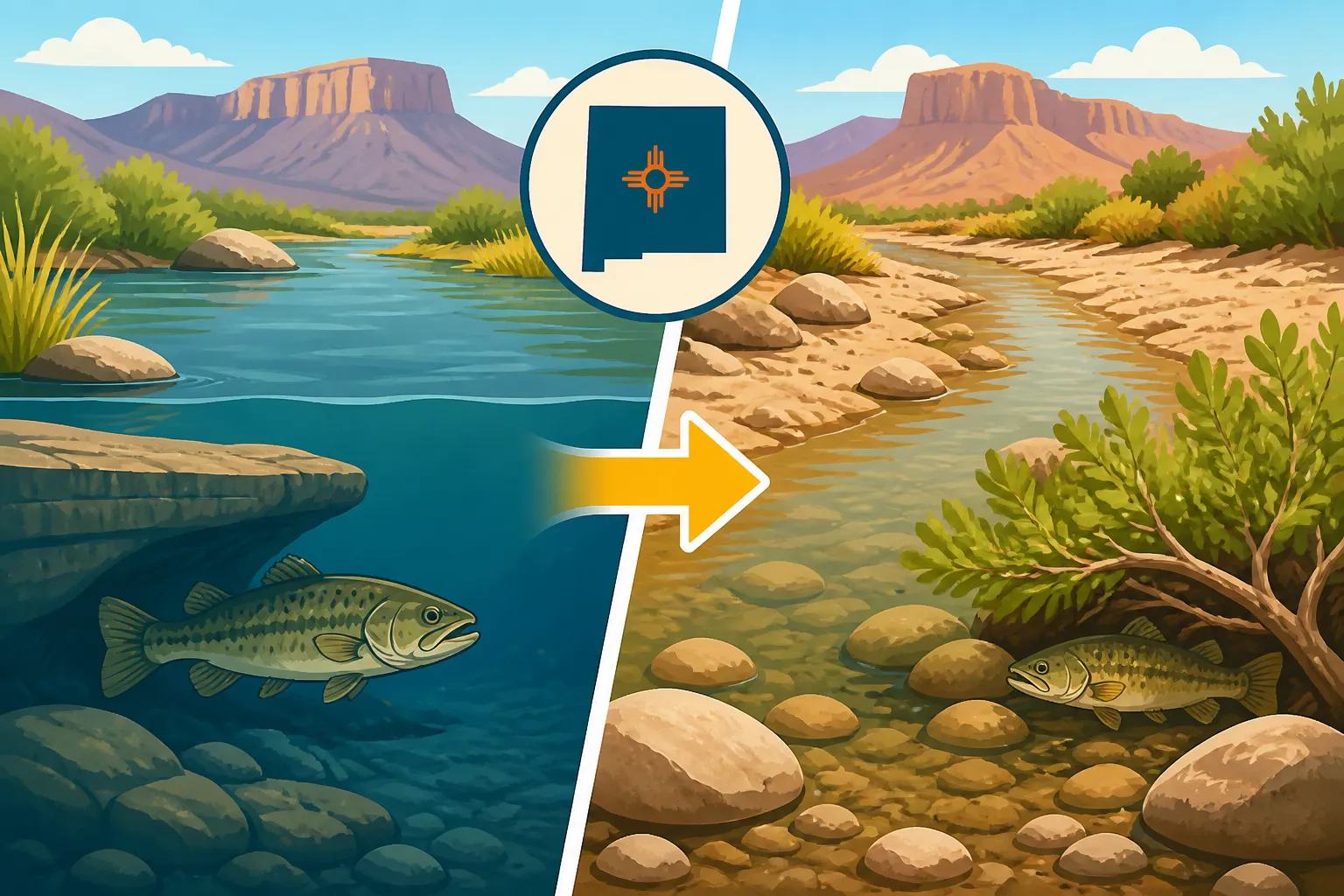
When water levels recede, it's not just a minor inconvenience for fish; it's a profound shift in their entire world. Their habitat shrinks, their food sources change, and their very survival can be threatened. As anglers, understanding these impacts is key to finding them.
Reduced Habitat and Increased Competition
Imagine your house suddenly shrinking to half its size. That's what happens to fish when water levels drop significantly. Their available living space, foraging areas, and crucial spawning grounds are drastically reduced. This concentration of fish into smaller areas leads to increased competition for food, shelter, and suitable holding spots. It's like rush hour in a tiny sardine can, and it stresses them out.
For many species, especially those that rely on shallow vegetated areas for cover or spawning, the loss of these zones can be devastating. Bass, for instance, love to hide among submerged brush or weeds. When the water pulls back, these protective havens become exposed land, leaving bass vulnerable and forcing them into more open, less comfortable territory. This stress can make them less active, more wary, and generally harder to catch. They're spending more energy just trying to survive and find a new home, rather than actively feeding. You might find them schooling tighter in deeper pockets than usual, seeking safety in numbers.
Temperature Swings and Oxygen Depletion
New Mexico's sun is no joke, and when water levels drop, the remaining water becomes shallower and heats up much faster. This is particularly problematic for cold-water species like trout. Warmer water holds less dissolved oxygen, and fish need oxygen to breathe, just like us. If the water gets too warm and oxygen levels too low, fish can become lethargic, sick, or even die. These conditions are sometimes referred to as "thermal stress."
Think about a hot summer day at a lake like Fenton Lake or a lower-elevation stretch of the Rio Grande. If water levels are already low, that water can warm up rapidly, especially in bays and shallow coves. Fish will actively seek out cooler, more oxygenated water. This often means moving to deeper areas where temperatures are more stable, or congregating around inflow points where fresh, cooler water is entering the system. You might also find them hunkering down near springs or seeps on the lakebed that provide a localized cold-water refuge. Understanding these temperature and oxygen dynamics is critical to predicting where fish will be concentrated. For more on the Best Time of Day to Catch Trout in Summer Heat, timing your trips can make all the difference.
Where Fish Go When Water Levels Are Low
So, if their world is shrinking and getting hotter, where do the fish actually go? They don't just disappear; they adapt and move to areas that offer the best chance of survival. Learning to "read" the low-water landscape is like having a secret map to their hideouts.
Deeper Channels and Drop-Offs
When water levels fall, the most reliable places to find fish are often the deepest available sections of the lake or river. This means old river channels that ran through the valley before the reservoir was formed, submerged creek beds, and abrupt drop-offs or ledges. These areas offer stability: cooler temperatures, more consistent oxygen levels, and a sense of security from predators. Fish, especially larger ones, will retreat to these underwater highways and sudden depth changes.
Imagine looking at a topographic map of a reservoir before it was filled. Those old riverbeds, ditches, and canyon edges become the key holding spots. Anglers with good fish finders will spend considerable time idling over these contours, marking baitfish schools and predatory gamefish alike. When a lake like Ute Lake or Conchas Lake is drawn down, these distinct features become even more pronounced and critical. If you can locate the edge of an old river channel that drops from 10 feet to 30 feet, you've likely found a fish sanctuary. Pay attention to structure extending into these deeper areas; a submerged tree or rock pile near a channel can be a hotspot.
Remaining Structure and Submerged Cover
Even when much of the shoreline cover is exposed, fish will cling desperately to any remaining structure and submerged cover. This includes rock piles, standing timber, old submerged foundations, bridge pilings, or even artificial fish habitats that might have been placed in the lake years ago. These features offer crucial shade, ambush points for feeding, and protection from predators. When the overall habitat footprint shrinks, these isolated pieces of cover become absolute magnets for fish.
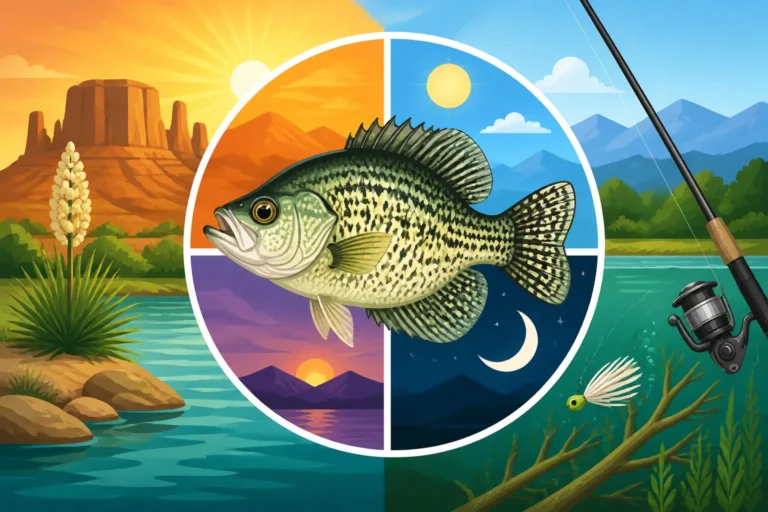
Think about a receding shoreline at a lake like Cochiti Lake. What was once a vast expanse of shallow reeds might now be dry land, but that lone clump of submerged willows, or that single rock pile that's still under five feet of water, will likely be packed with fish. Bass and crappie, in particular, will hunker down in these spots. It might take a bit more searching with your electronics, or even a careful visual scan if the water is clear, but finding these isolated cover elements can lead to concentrated schools of fish. Sometimes, what was once just "average" cover in high water becomes the only cover in low water, making it incredibly productive. You can often find a good selection of specialized lures for targeting fish in dense cover on Amazon, which can be useful.
Inflow Areas and Springs
Another prime location for fish during low water conditions, especially in warmer months, is around inflow areas and natural springs. Any place where fresh, often cooler, water enters the main body of the lake or river can create an immediate draw for fish seeking refuge from stagnant, warm, or oxygen-depleted water. This might be a feeder creek, a culvert, or even a subterranean spring.
For trout, especially, these areas are vital. If you're fishing a river like the Pecos or a mountain lake in the Gila National Forest during a dry spell, the mouth of a small tributary or a section with noticeable spring seepage will almost always hold more active fish. The cooler, oxygen-rich water acts like an oasis. Even in large reservoirs, identifying where small streams or underground springs contribute water can lead you to productive spots. These areas not only offer thermal relief but often concentrate baitfish, attracting larger predatory species. Keep an eye out for subtle changes in water clarity or temperature that might indicate an inflow.
Here's a quick summary of where to find fish when water levels are low:
| Location Type | Why Fish Go There | Target Species Typically Found | Fishing Strategy Tip |
|---|---|---|---|
| Deep Channels / Drop-Offs | Cooler temps, stable oxygen, predator protection | Bass, Walleye, Striped Bass, Catfish, Trout | Use depth finder, jig vertically, or cast deep-diving crankbaits along contours. |
| Submerged Structure / Cover | Shade, ambush points, safety from predators | Bass, Crappie, Catfish, Sunfish | Finesse presentations, texas rigs, jigs. Fish slowly and thoroughly around cover. |
| Inflow Areas / Springs | Cooler, oxygenated water, concentrated baitfish | Trout, Bass, Catfish, Panfish | Use small lures, flies, or natural bait. Fish upstream of inflows, be stealthy. |
| Isolated Points / Humps | Current breaks, ambush points, access to deep water | Bass, Walleye, Striped Bass | Cast parallel to points, use swimbaits or jigs. |
Adapting Your Fishing Strategy to Low Water Conditions
Finding fish in low water is only half the battle. Once you've located them, you'll need to adjust your techniques to account for their wary nature and the changed environment. Flexibility is your best friend here!
Downsizing and Finesse Tactics
With less water covering their heads, and often clearer conditions due to reduced runoff, fish tend to become much warier. They can see you and your tackle more easily, and they're often under stress, making them less aggressive. This means your usual big, flashy lures might actually scare them away. Instead, it's time to downsize your baits and embrace finesse tactics.
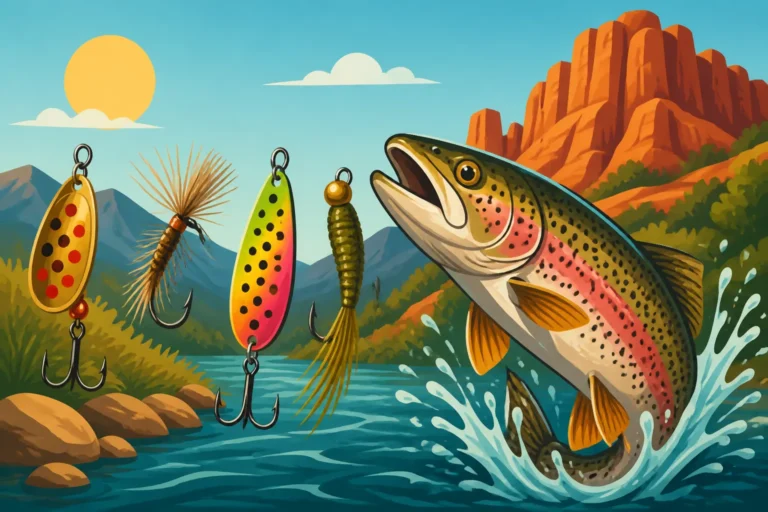
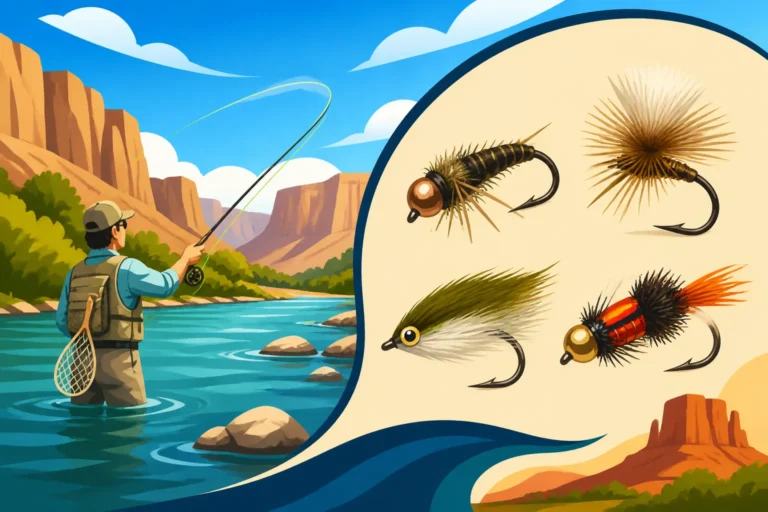
Think smaller jigs, lighter line, and more natural presentations. If you're targeting bass, swap out that big spinnerbait for a weightless senko or a small finesse worm on a shaky head. For trout, tiny dry flies, small nymphs, or micro-spoons become far more effective than larger offerings. The goal is to present something subtle and irresistible, something that doesn't scream "predator!" and cause them to spook. Lighter fluorocarbon leaders can also make a huge difference in clarity. Remember, a wary fish is a smart fish, and a subtle approach will often out-perform an aggressive one. Many excellent finesse fishing baits and terminal tackle can be found on Amazon.
Timing Your Trips and Targeting Specific Depths
The New Mexico sun can be brutal, and warm, low water exacerbates its effects on fish. This makes timing your fishing trips absolutely critical. During peak heat, fish will often hold tight to the deepest, coolest water they can find, becoming less active. Early mornings, late evenings, and even night fishing can be far more productive. The cooler ambient temperatures translate to slightly cooler water and more active fish.
If you are fishing during the middle of the day, commit to targeting those deeper channels, drop-offs, and submerged structures we discussed earlier. A good fish finder is invaluable here, allowing you to pinpoint schools of fish or key structural elements. Don't be afraid to fish vertical presentations, dropping jigs or weighted plastics directly down to fish you see on your sonar. Best Time of Year to Fish in New Mexico often points to cooler seasons or specific times of day for better success, and this advice is amplified during low water conditions. When the sun is high and water is low, those fish aren't going to be cruising the exposed flats; they'll be hunkered down, waiting for more favorable conditions.
Respecting the Resource and Practicing Catch & Release
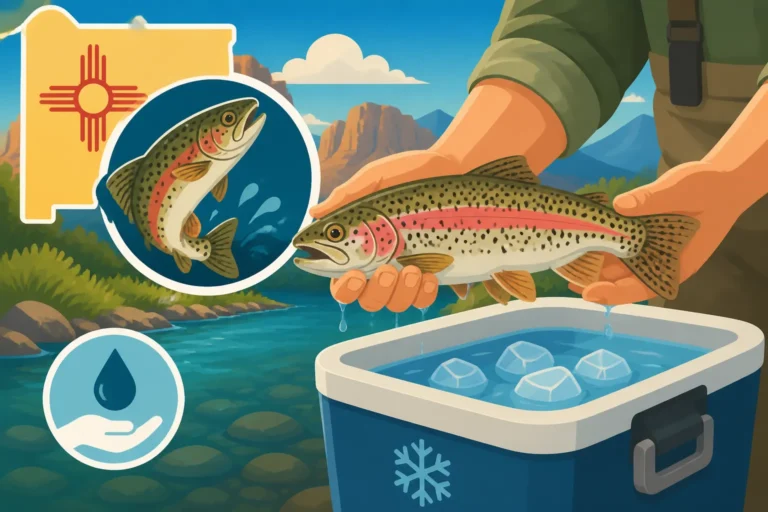
When water levels are low, fish are already under significant stress. High water temperatures, reduced oxygen, and increased competition all take a toll on their health. As responsible anglers, it's our duty to minimize any additional stress we might cause. This is where practicing proper catch and release techniques becomes more important than ever. You can learn more about Catch and Release Best Practices in New Mexico to ensure you're doing your part.
Consider using barbless hooks, or crimp down the barbs on your regular hooks, as this greatly aids in quick and easy removal. Handle fish as little as possible, and always with wet hands to protect their slime coat. If a fish looks particularly stressed, take extra time to revive it in the water before releasing it. For cold-water species like trout, avoid fighting them to exhaustion, and if the water temperatures are dangerously high, consider postponing your trip to give them a break. Some areas, particularly those designated as New Mexico Special Trout Water Regulations, may even have stricter rules during certain periods to protect stressed fish populations. By being mindful and compassionate, we ensure that our cherished New Mexico fisheries remain healthy for future generations.
Disclaimer
This article is for general informational purposes only and does not constitute professional advice. Laws, prices and regulations vary by location and change over time. Consult a qualified professional for guidance on your specific situation.